(Bennett, 2012)
The programme provided by the Royal Institute of Arts Stockholm, Sweden, is a post post-graduate multi-disciplinary research course in urbanism. The students are all professionals with master’s degrees behind their names as well as a few years of practical experience.
‘Within the context of the series Happy Grounds, we will discuss alternative concepts of development, growth and happiness, from both a global as well as African perspective.
We will investigatethe term spatial justice and those theoreticians and practitioners who are working to further develop this concept.
We will meet the young Africa, by looking at the city through the eyes of its children and youth. We will revisit the philosophical and architectural discussion from the late 70’s which was informed by its fascination with the everyday.
We will also discuss urbanism in relation to post colonialism, postapartheid, mobility, migration and biological diversity.
Above all, we will take part of the intensive debate concerning the African city that is going on right now in Cape Town. The goal of the course is to formulate an innovative urban planning proposal for a part of Cape Town which can contribute to its development.
In addition, the proposal should contribute to an international discourse on our sustainable urban futures.’
Their pre-research included literature studies of several non-fiction authors of South Africa and seminal readings on authors such as Paula Friere, Abdou Maliq Simone, Edgar Pieterse and other referential authors in this area of study. The research was channelled into several group exercises within a work shopped environment in which broad conclusions on themes and possible solutions to be investigated were discussed.
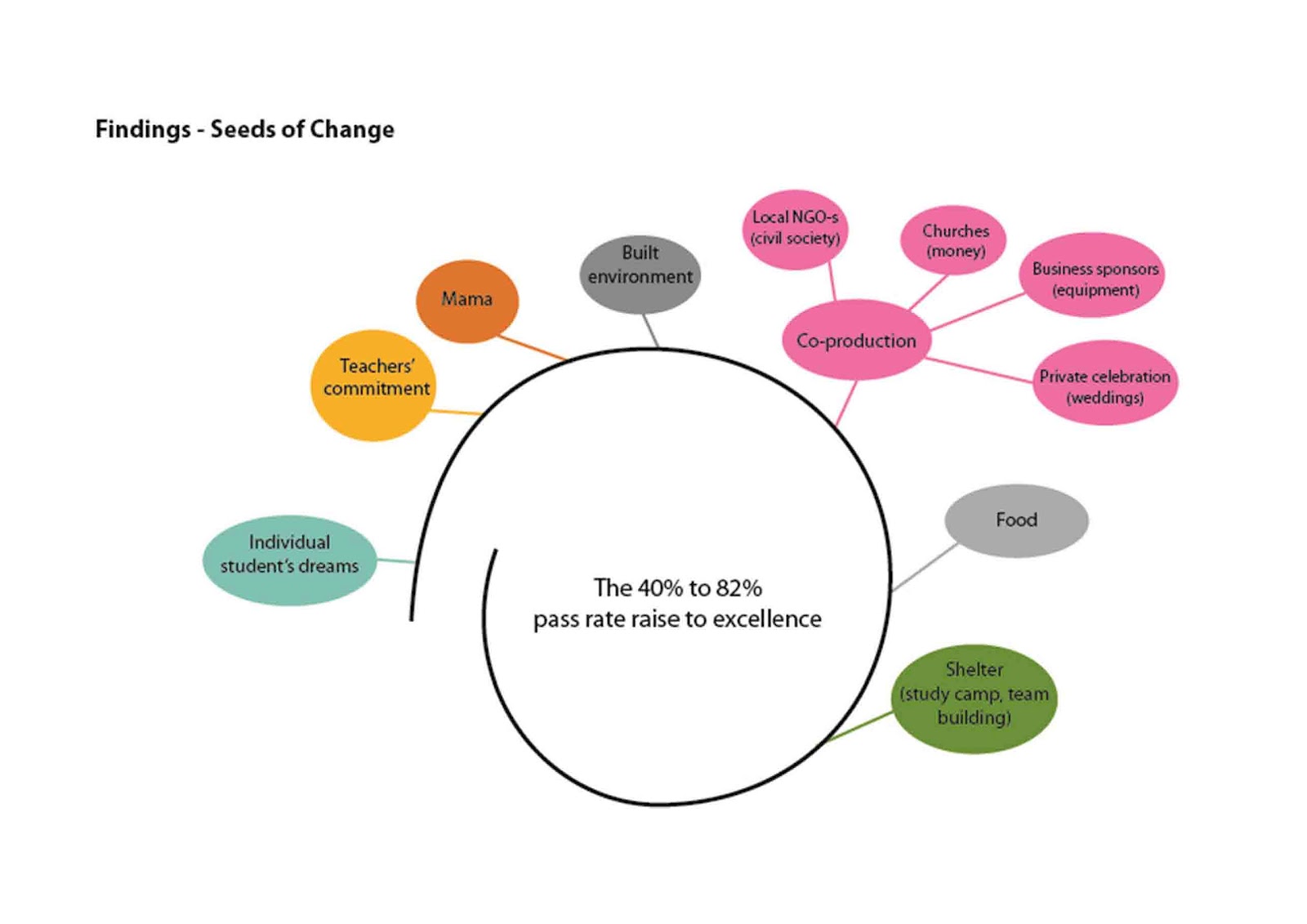
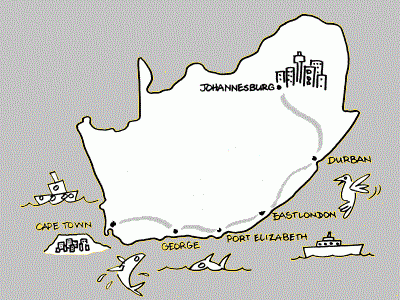
As part of their programme a research trip to Cape Town was planned, made up of an intensive two week focus period of tours, lectures and small scale research projects to determine ‘Future Visions’ for Cape Town and possible identify ‘Seeds of Change’ during their time in the Mother City.
The Swedish Armada in action (Bennett,2012)
The Swedish Inquire-sition
This two week non-stop Afro-Urban-Safari was made up of ten hour jam packed days with practitioners involved in cutting edge of local urban development across Cape Town.
The group itself was broken into four projects teams, each focusing on a different area in Cape Town, and a project within:
· Princess Vlei open space scheme: with Henrik Ernstson and initiator Kelvin Cohran
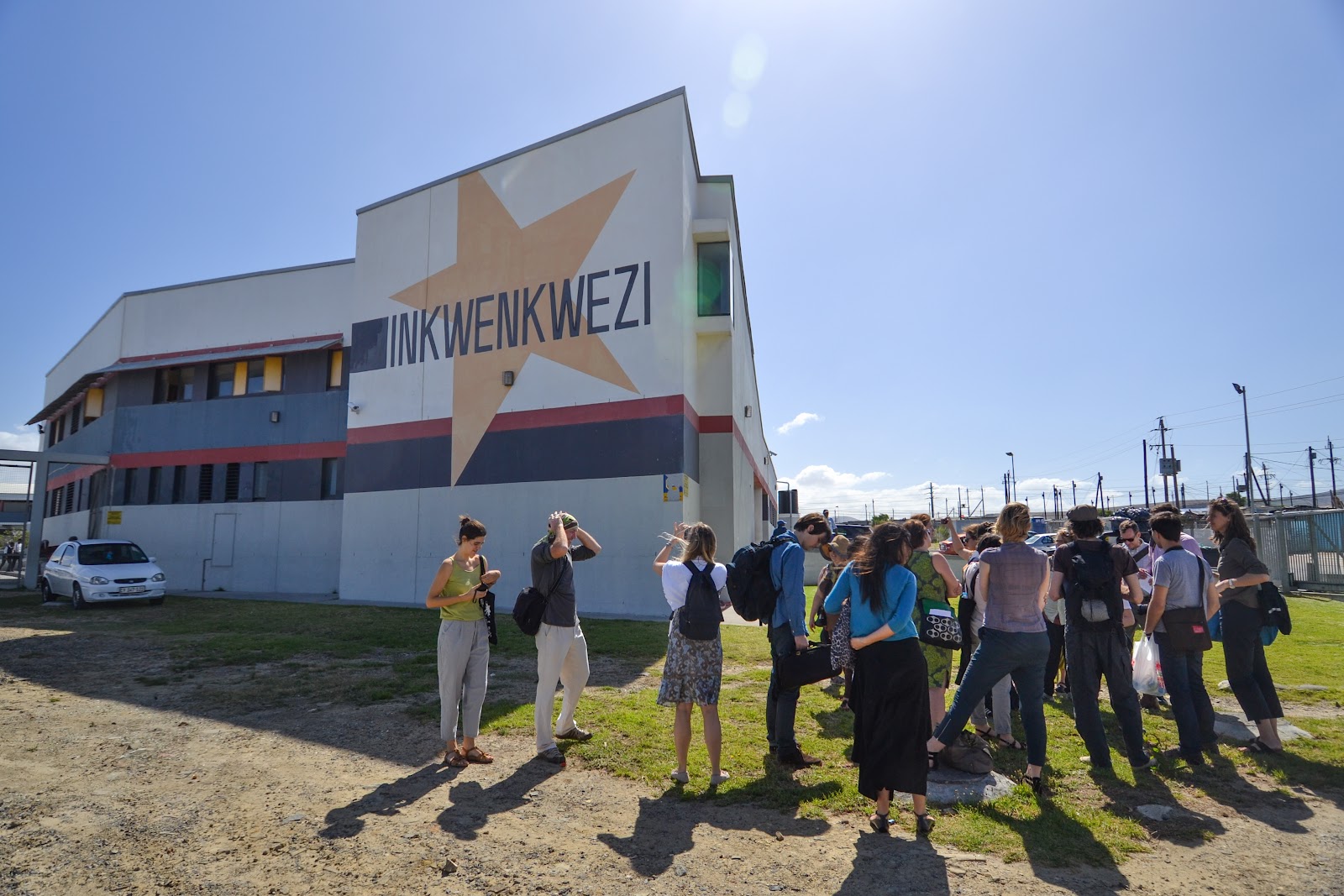
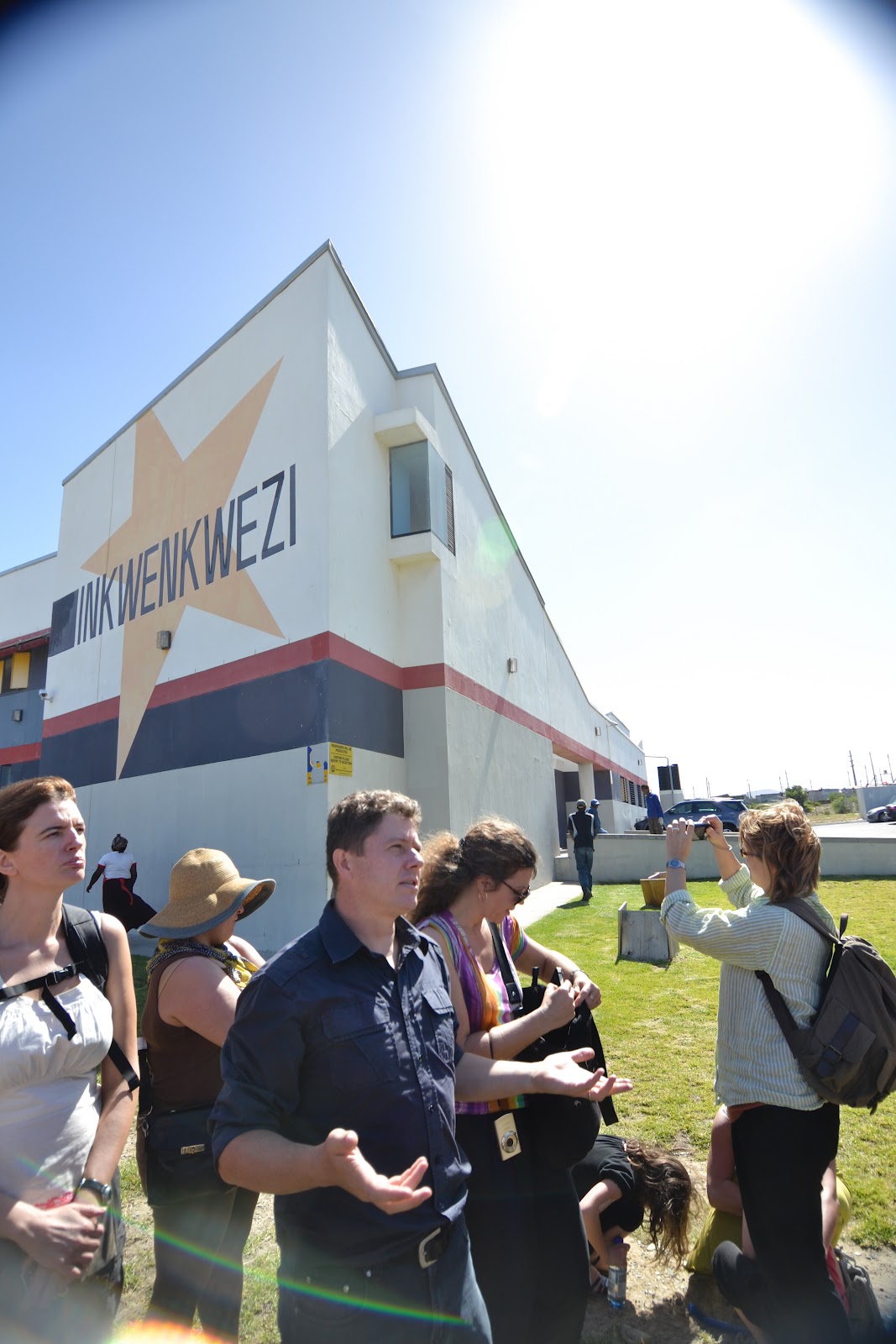
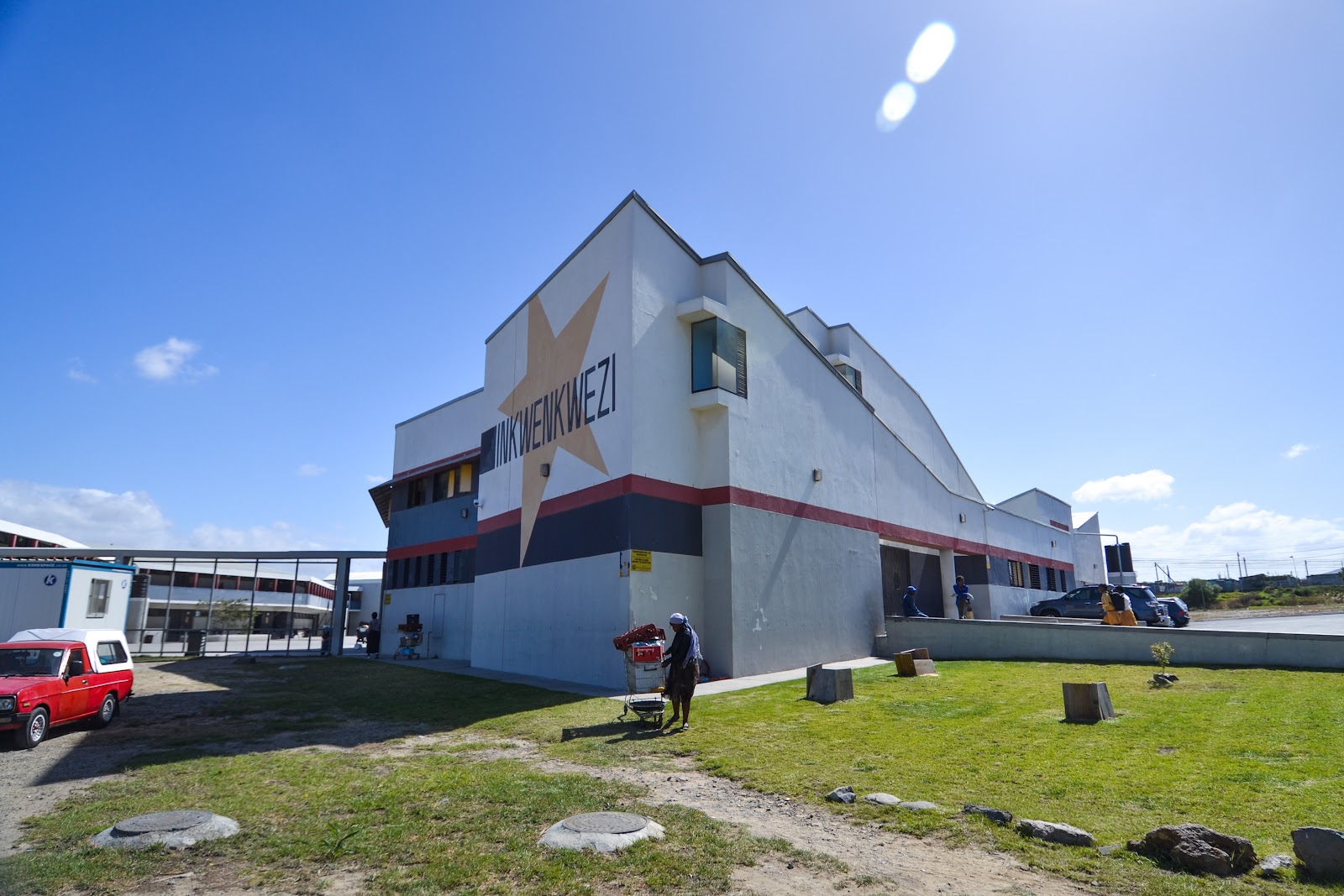
· Dunoon: Inkwenkwezi Secondary School with Heinrich Wolff and the school staff
· Various garden sites in the Cape Flats: Home gardens with Soil for Life
· Langa – Hostels to Home Project: with Fadley Isaacs and Architects Associated
These groups were then expected to produce findings from further inquiry and exploration between the scheduled tours and lectures, identifying the ‘visions’ and ‘seeds’ mentioned prior.
These findings were to be presented at the end of the two week period to a panel of local experts in these fields including, Heinrich Wolff, Mokena Makeka, Edgar Pieterse, Fadley Isaacs, Henrik Ernstonn, Soil for life team members, Architects Associated, Professor Iain Louw and a various other professionals involved in the build-up research.
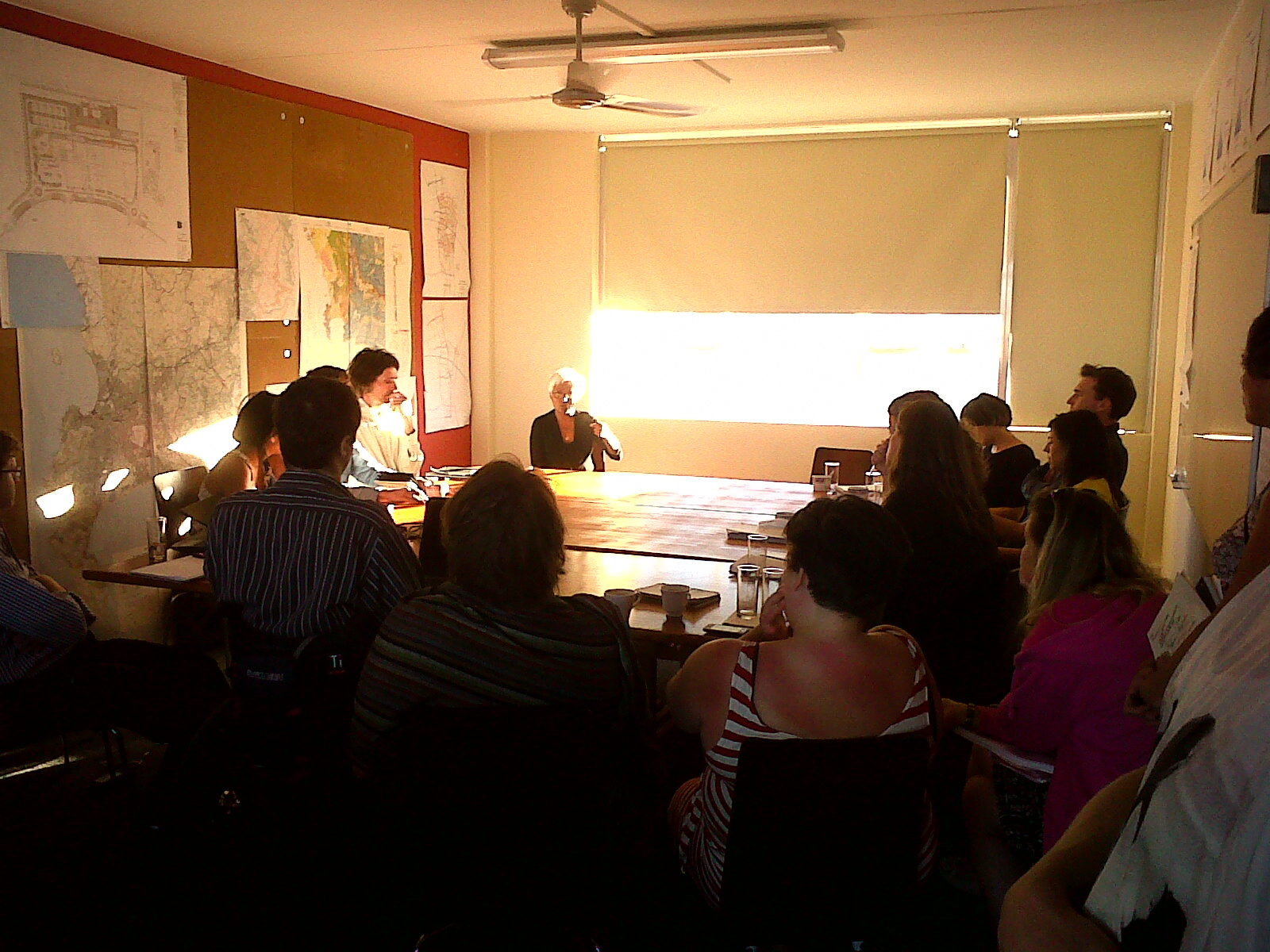
Presentation from Ismail Fourok, from the African Centre for Cities (KKH,2012)
My Role Within
I was invited by Gordon Pirie, of the African Centre forCities, to join the Swedish Armada, as a sort of guide to Cape Town, but also as an opportunity to learn and explore Cape Town through the eyes of a foreigner. My position within the group allowed me to sit anonymously in front of local speakers and hear uncensored accounts of their work as a total outsider.
For me it was an opportunity to meet the people I had spent an introspective year, my own master’s dissertation, reading about and see their work at first hand while adding to my collective understanding of Cape Town within South Africa.
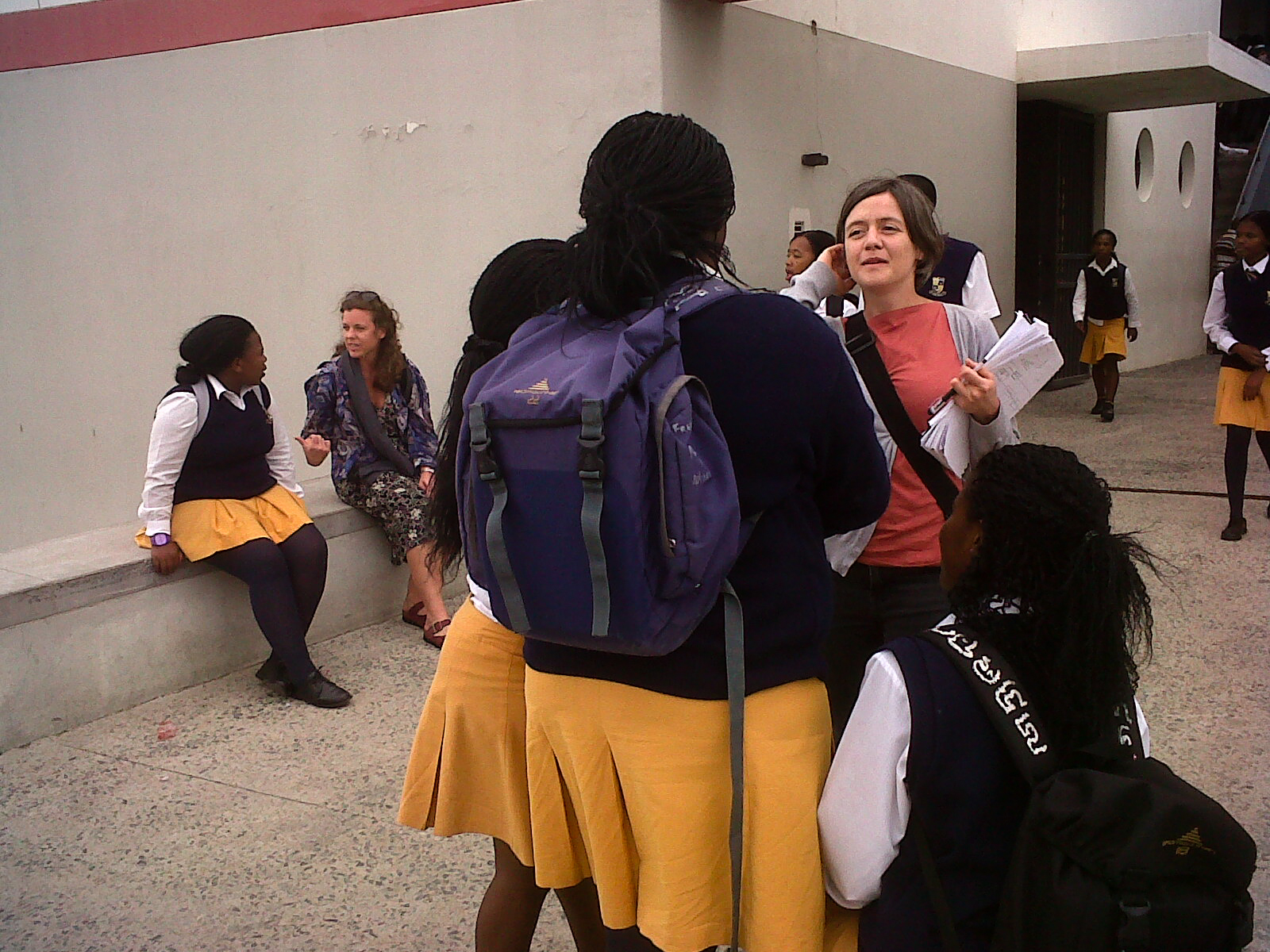
A school teacher of Inkwenkwezi and myself (KKH,2012)
The Tour
The following brief photographic summary depicts a series of moments from the afore mentioned Afro-Urban-Safari. An amazing and rich series of tours, lectures and trips that covered more in 10 days than most people in Cape Town see in their lifetime.
Due to circumstances mentioned later, I lost 90 percent of the documented pictures The rest of the pictures are made up of photos from the students with a few of my own surviving pictures.
 |
| The Swedish Armada…. (KKH, 2012) |
 |
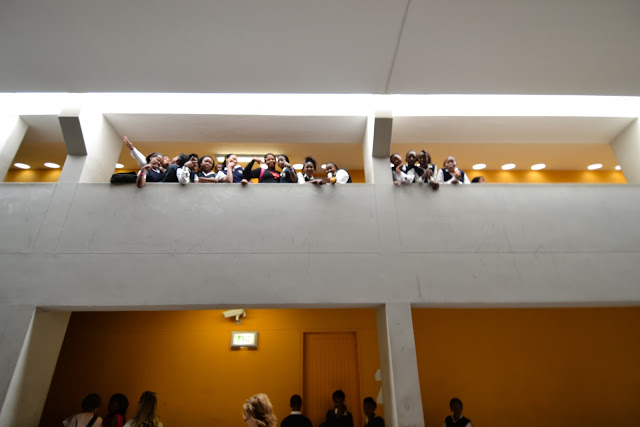
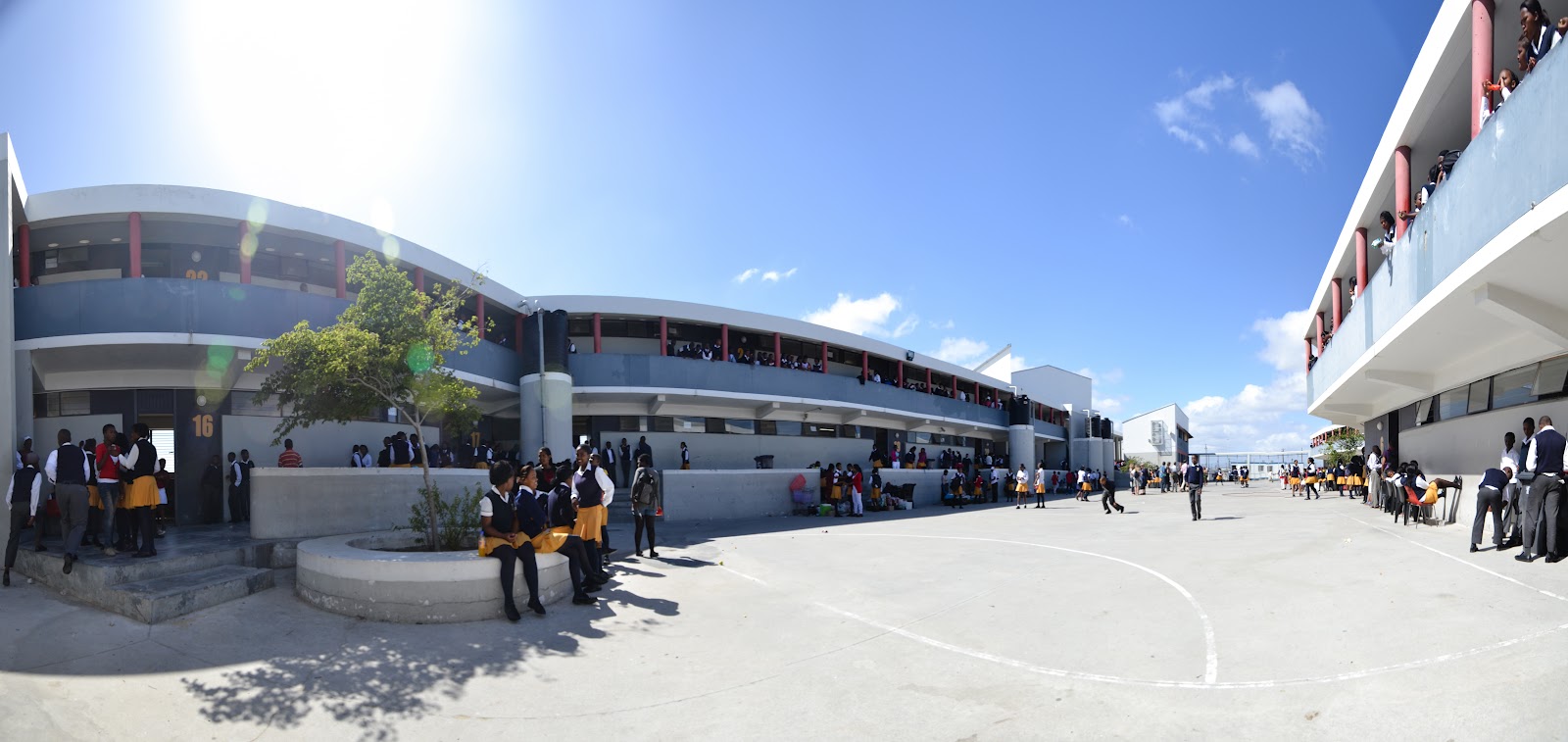
| Inkwenkwezi Secondary School (Bennett,2012) |
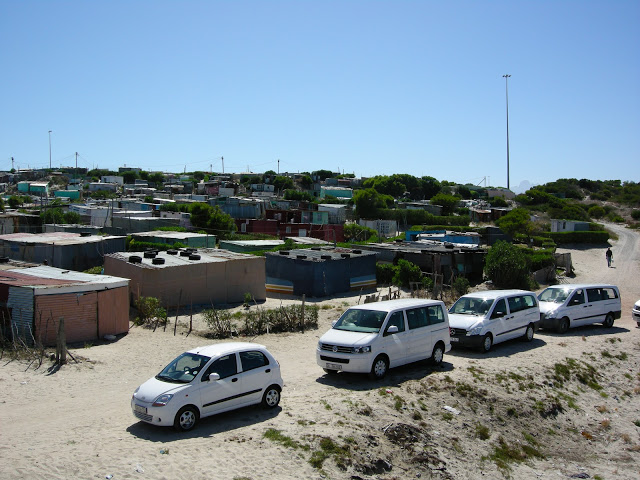
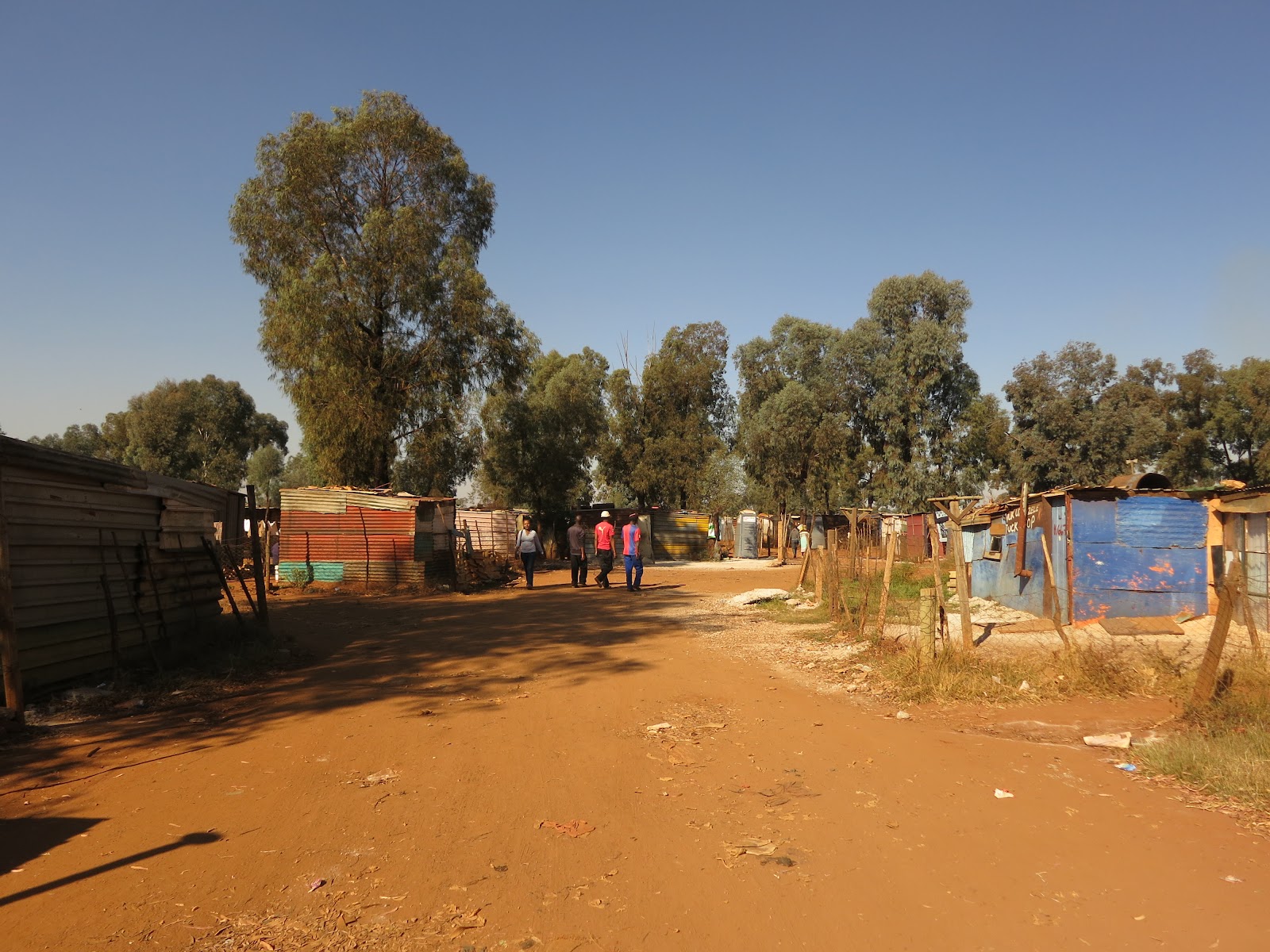
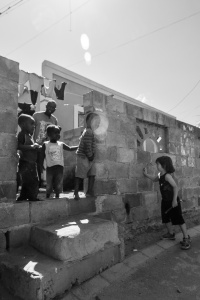
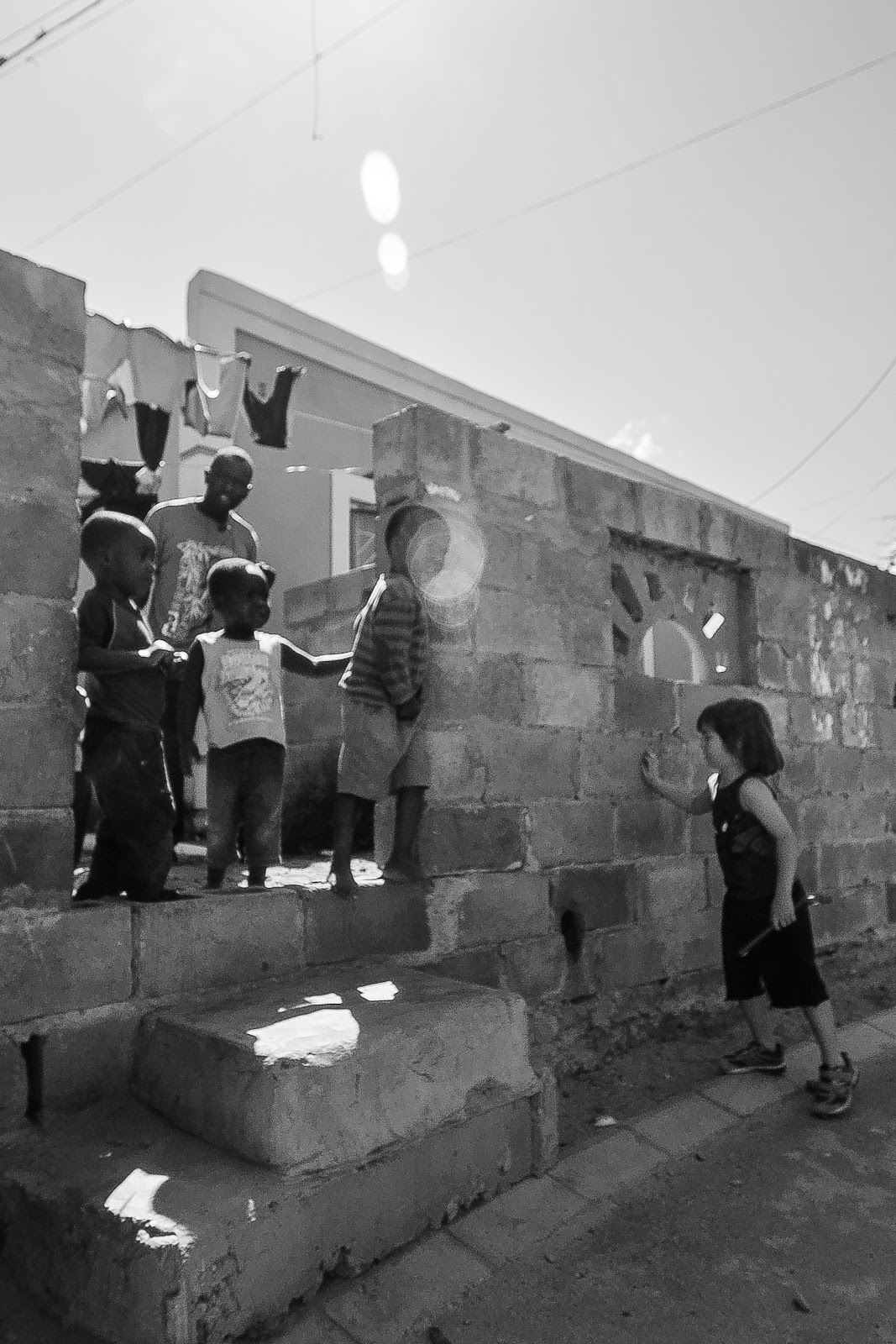
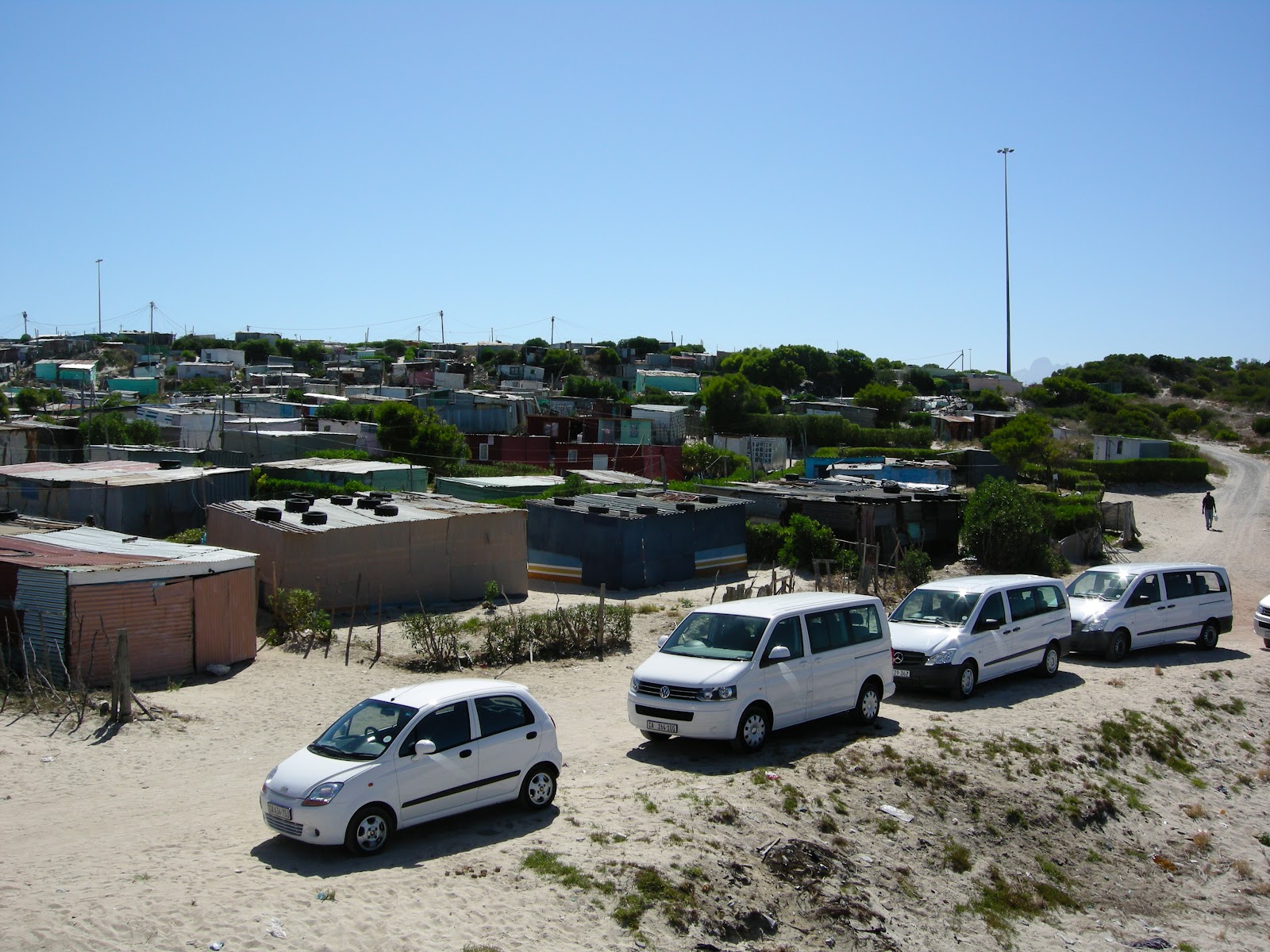
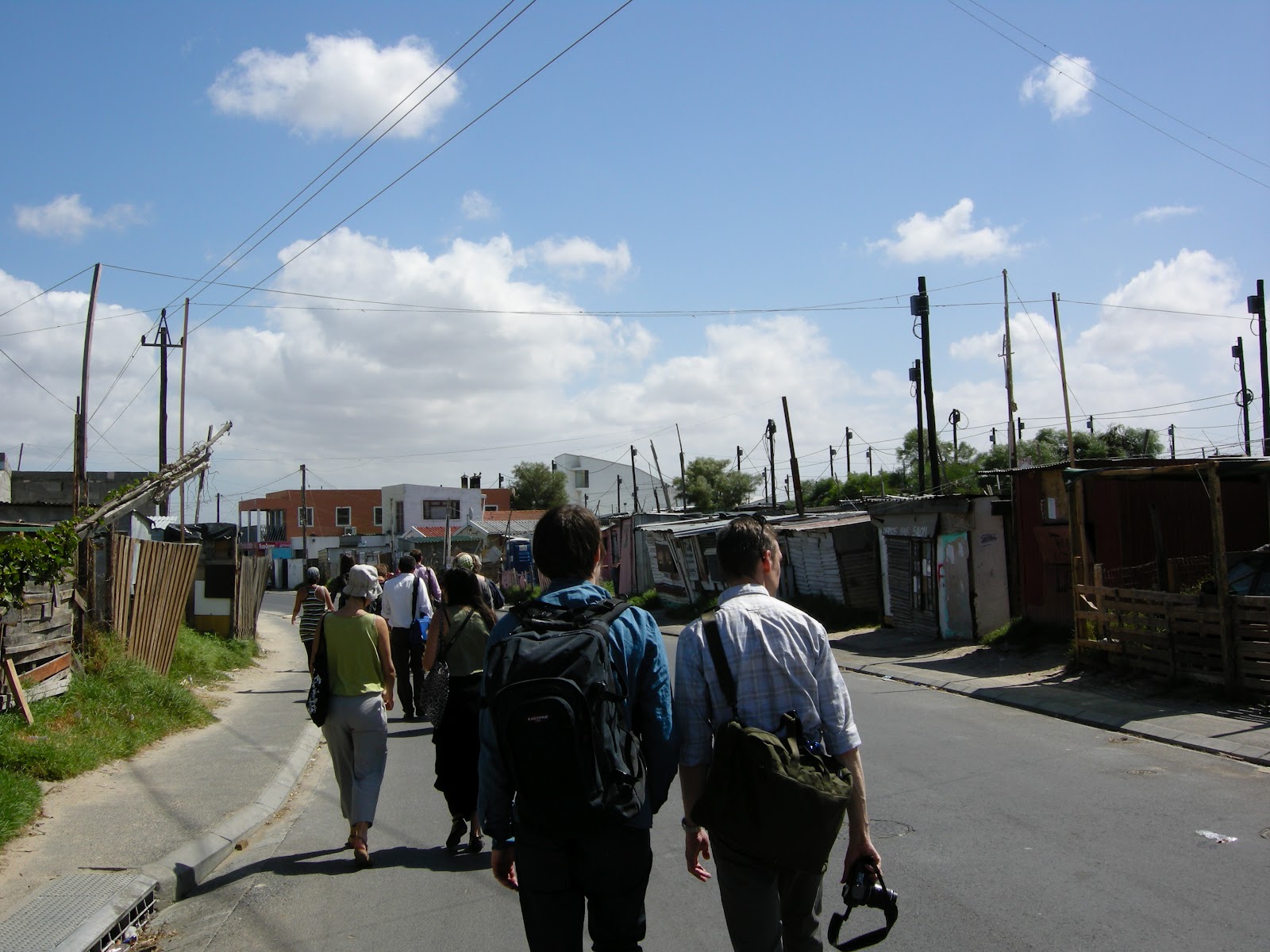
Informal Housing Settlement Tour with Heinrich Wolff, Dunoon.
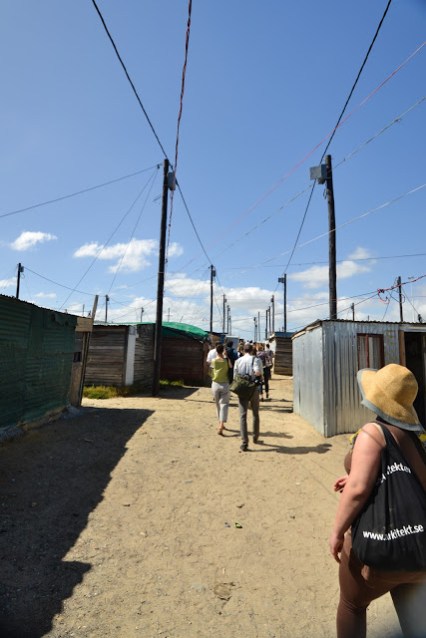 |
| Walking through the built fabric (Bennett, 2012) |
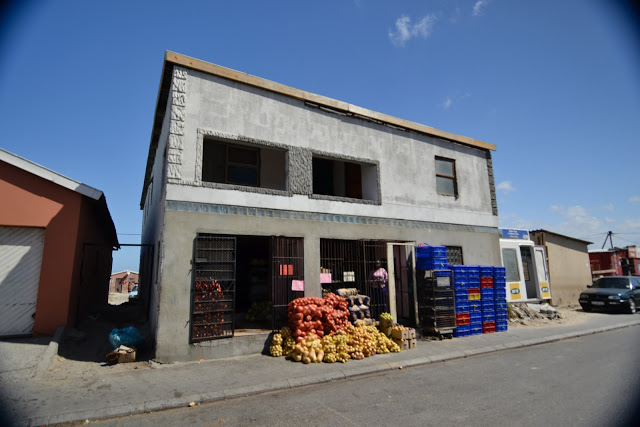 |
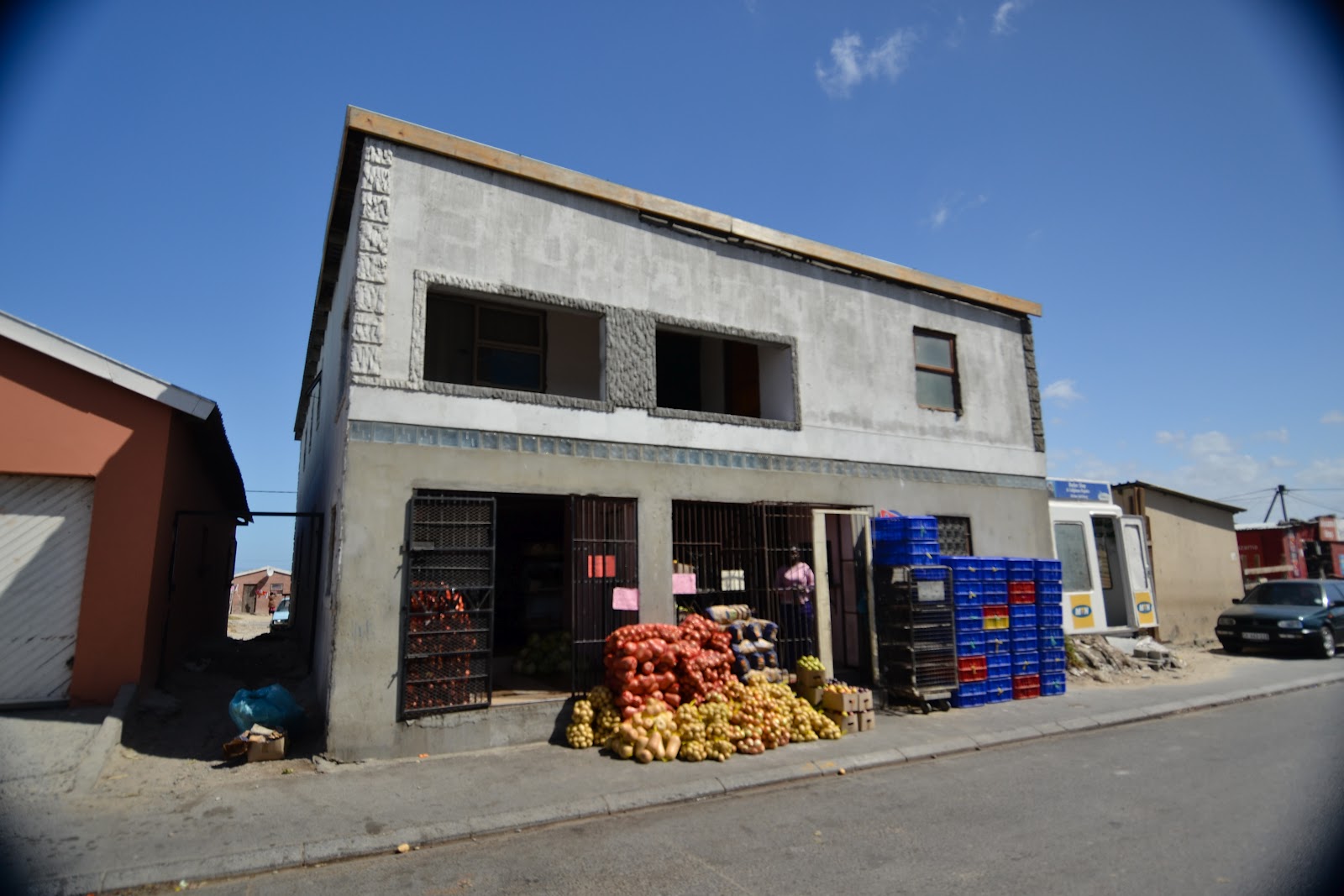
| Incremental Self Built Rental unit with Vegetable Shop below (Bennett,2012) |
 |
| Entering the the more ‘formal’ section of Dunoon, with the school looming in the background (KKH,2012) |
 |
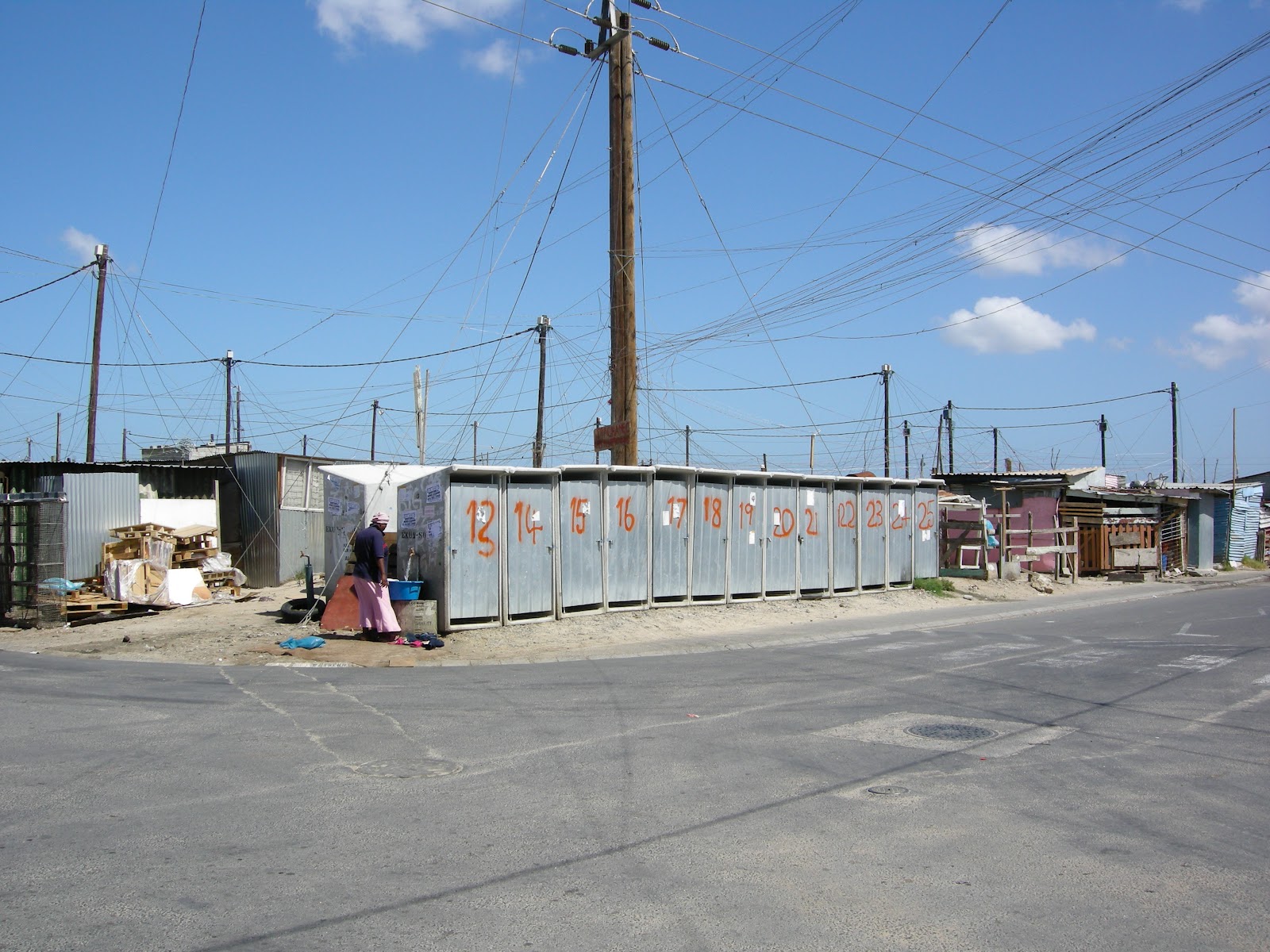
| Service allocations in Dunoon (KKH,2012) |
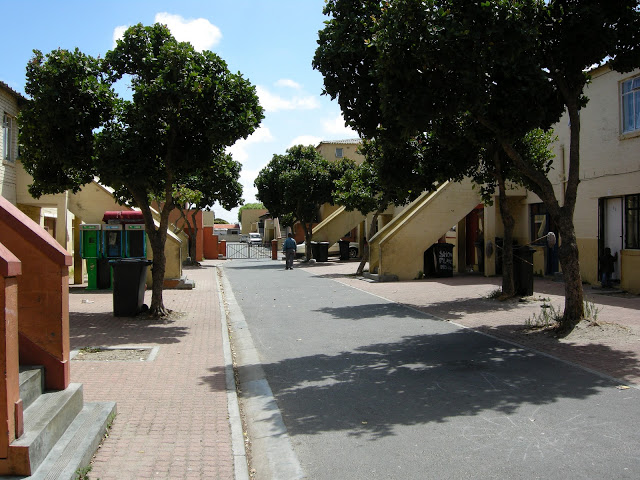 |
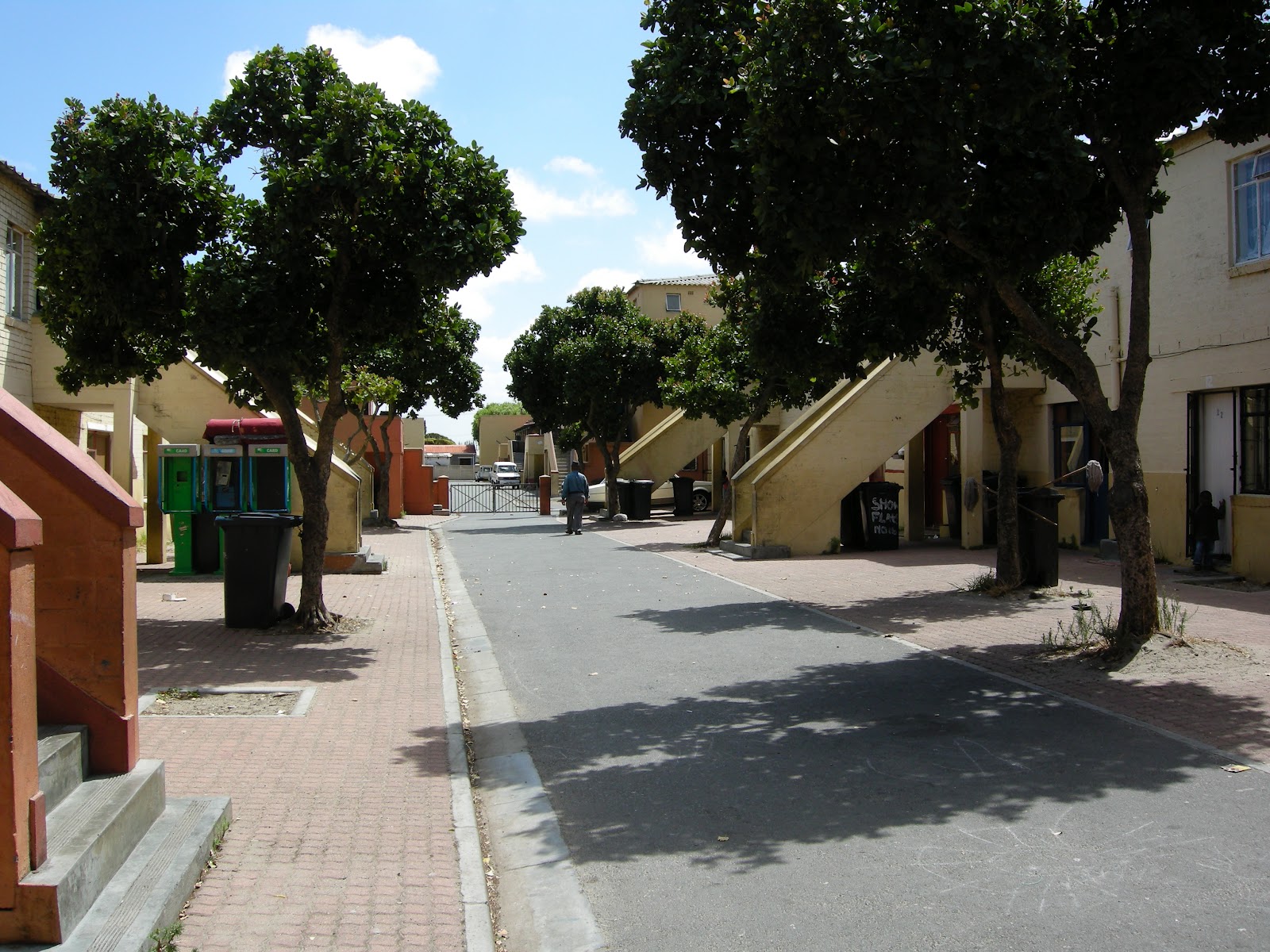
| The communal street space (KKH, 2012) |
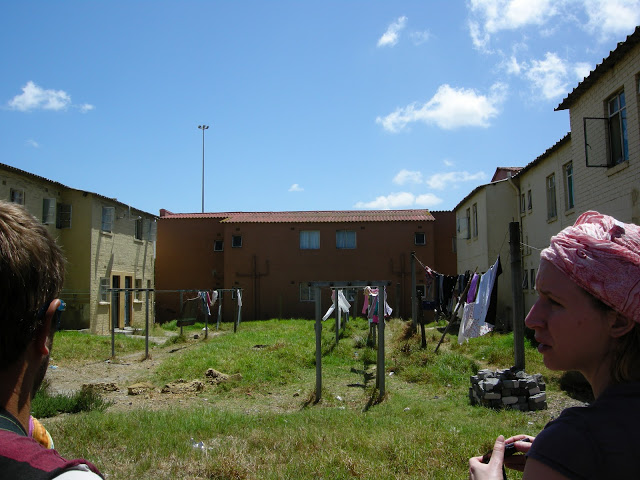 |
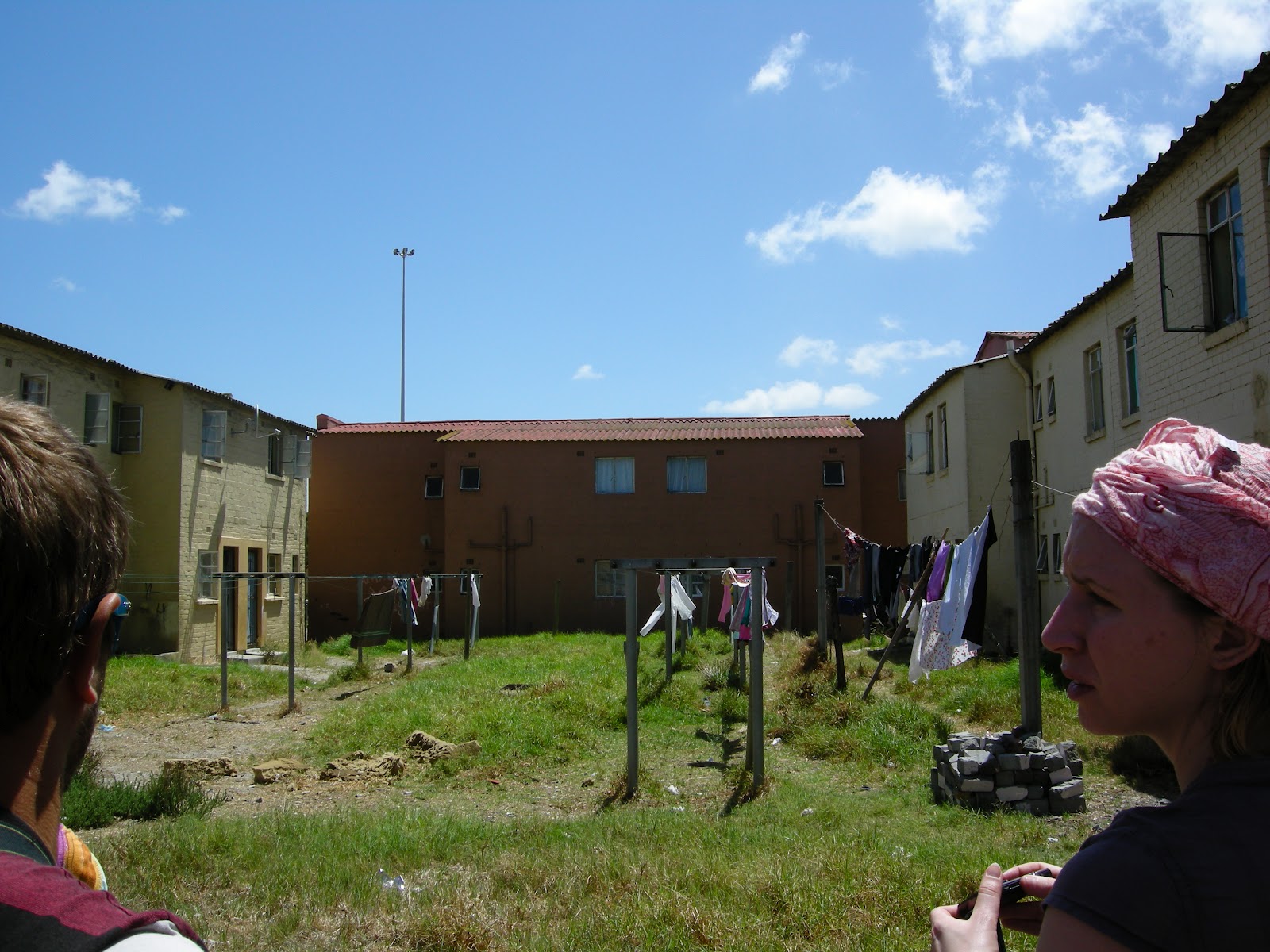
| The reactions (KKH, 2012) |
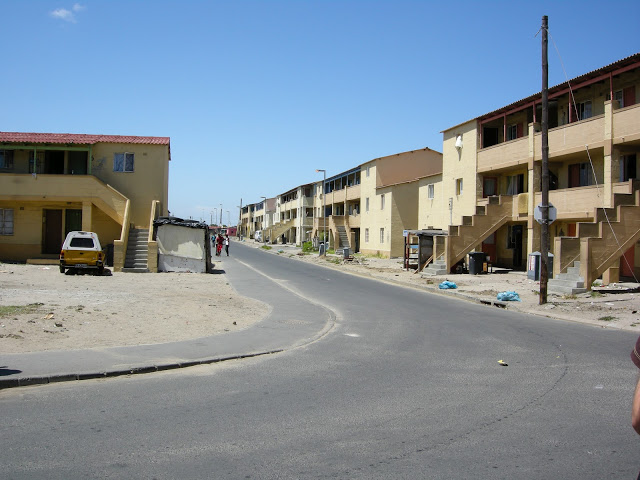 |
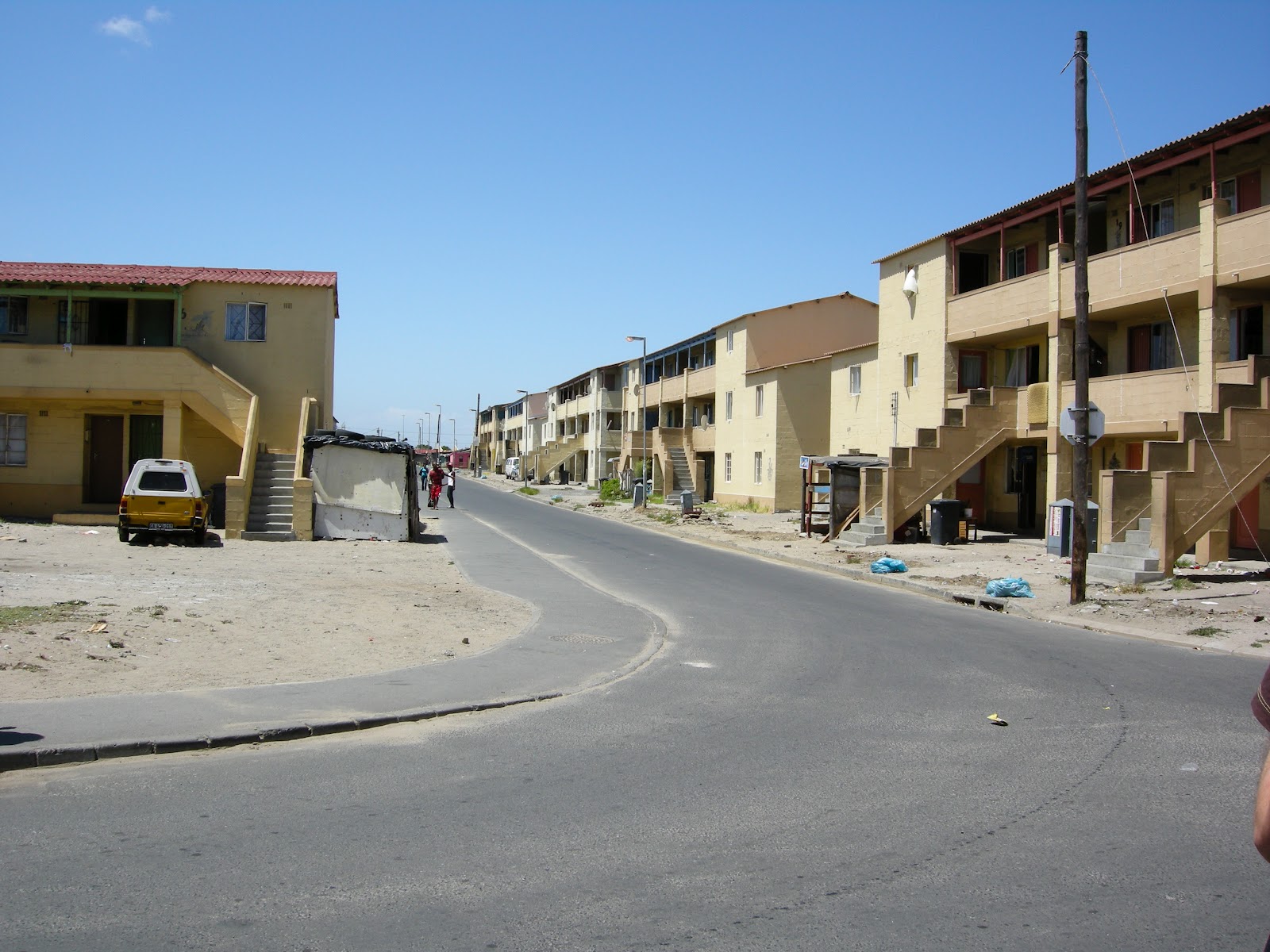
| Langa Hostels, service road (KKH,2012)
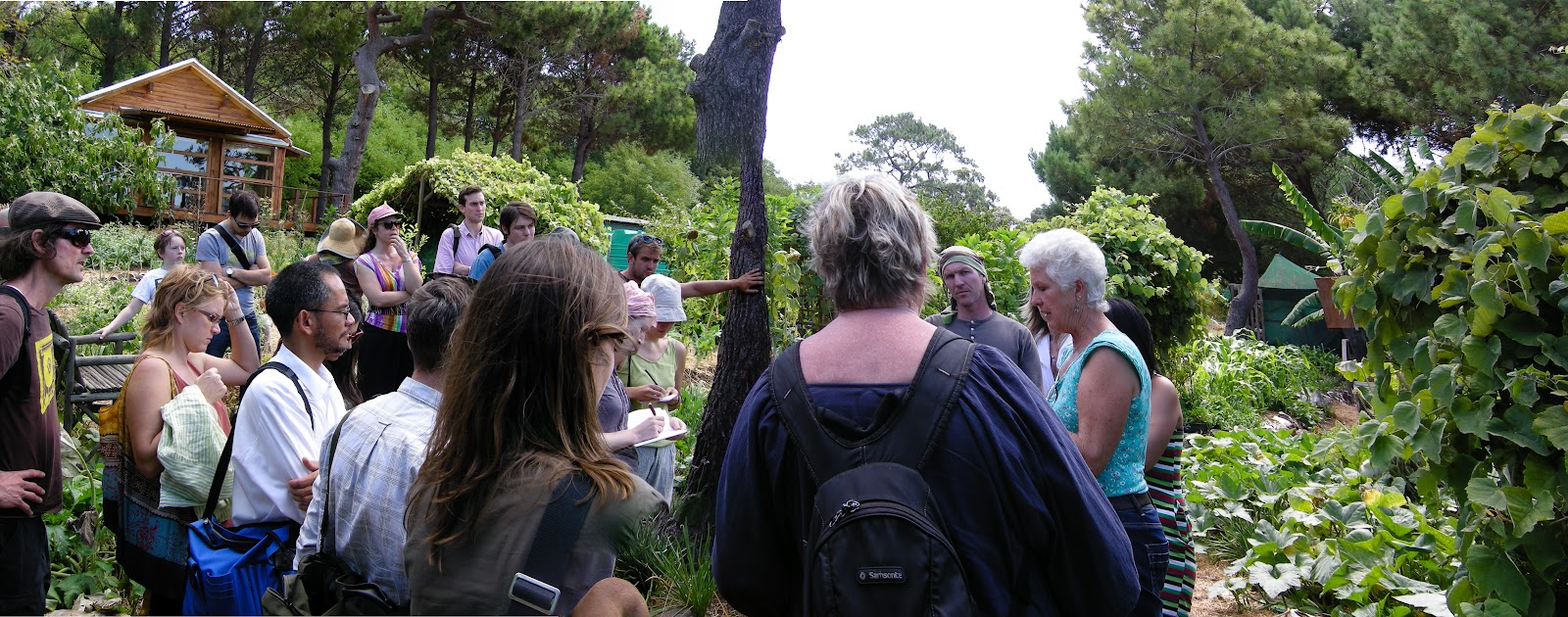
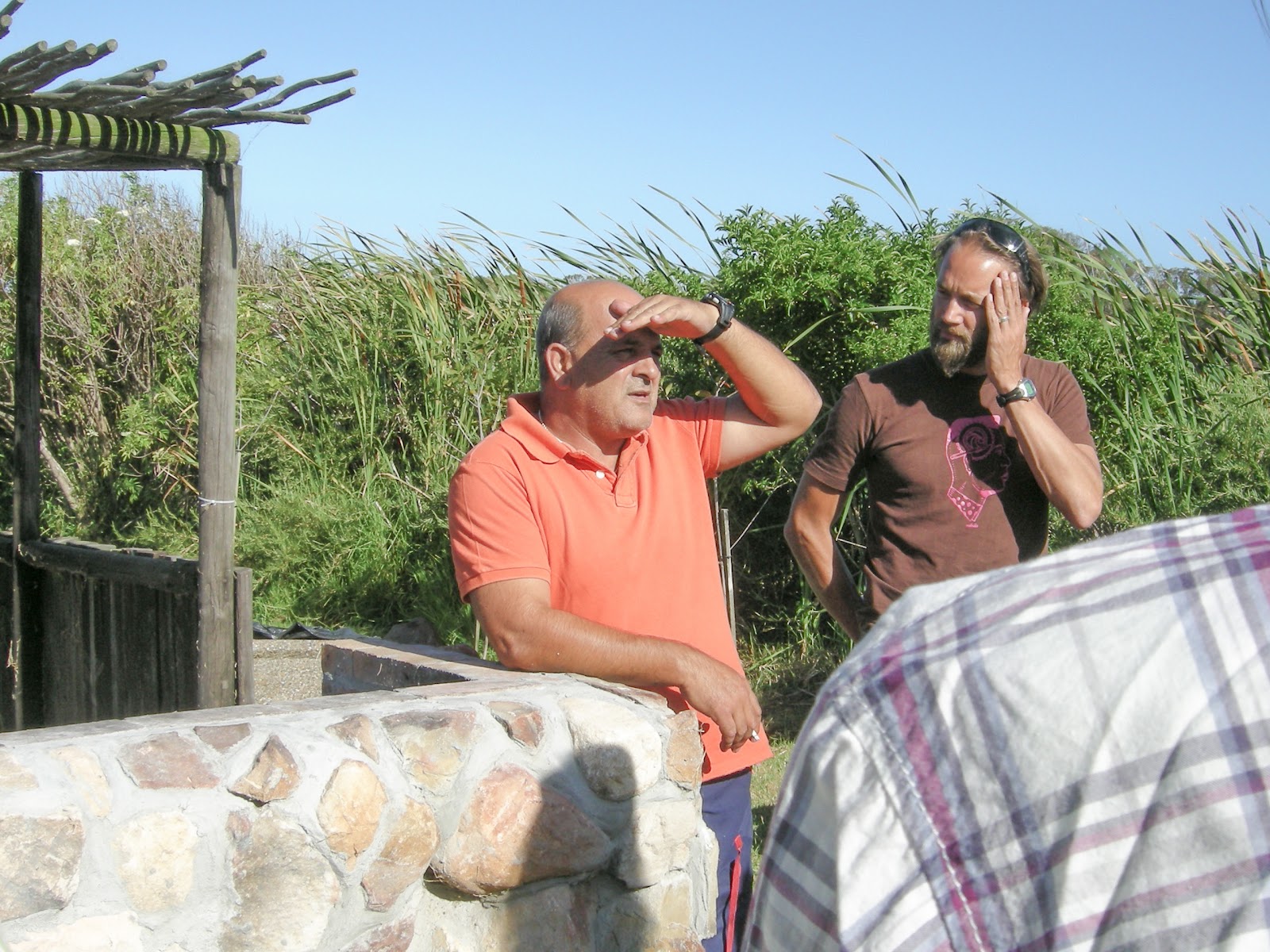
Talkwith Pat Featherstone (KKH, 2012)
Green Food Wall (KKH, 2012)
Soil for Life: Local projects in Cape Flats
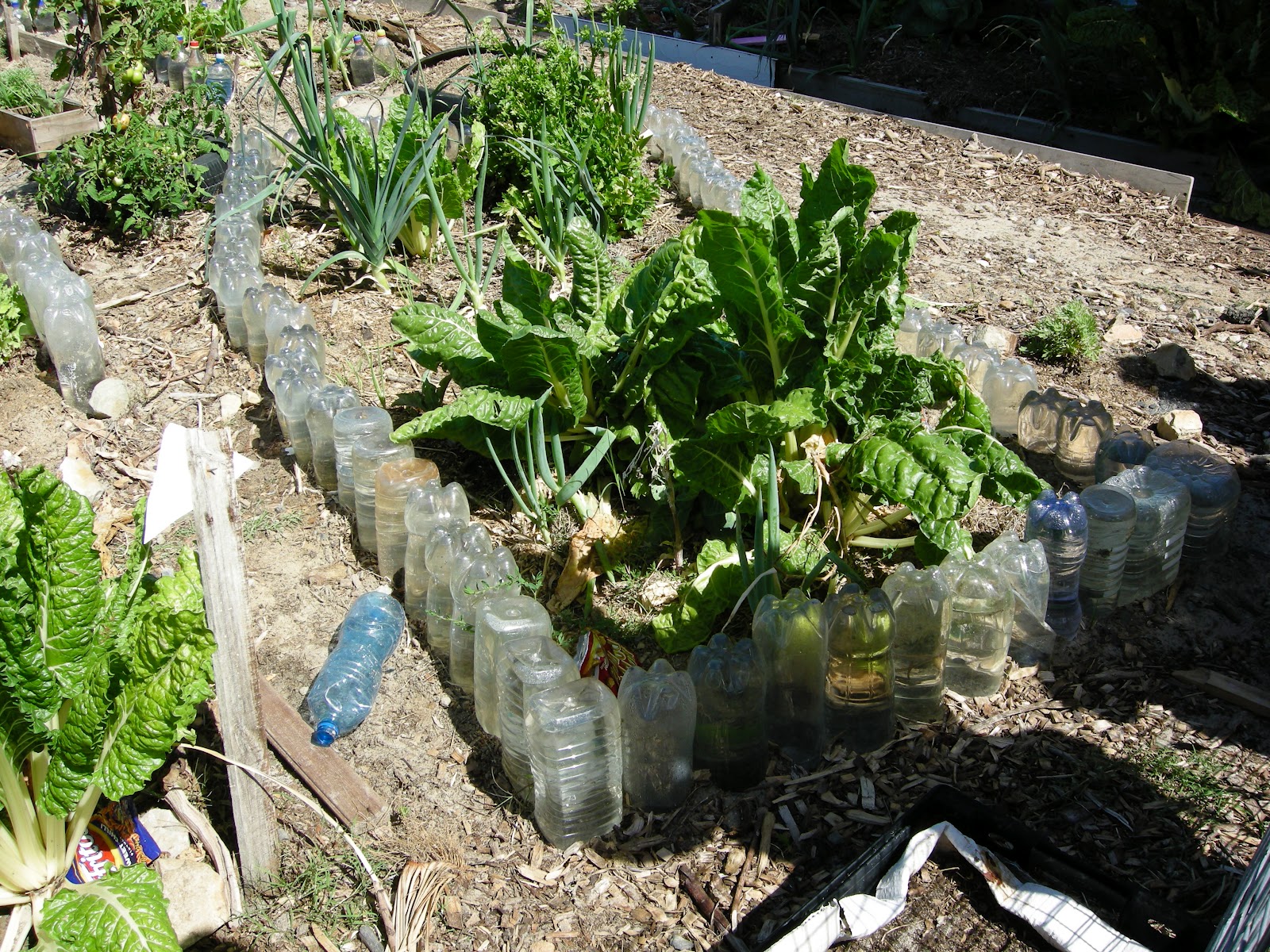
Woodward Circel Community Garden (KKH, 2012)
Various other local Gardens (KKH, 2012)
Various other local Gardens (KKH, 2012)
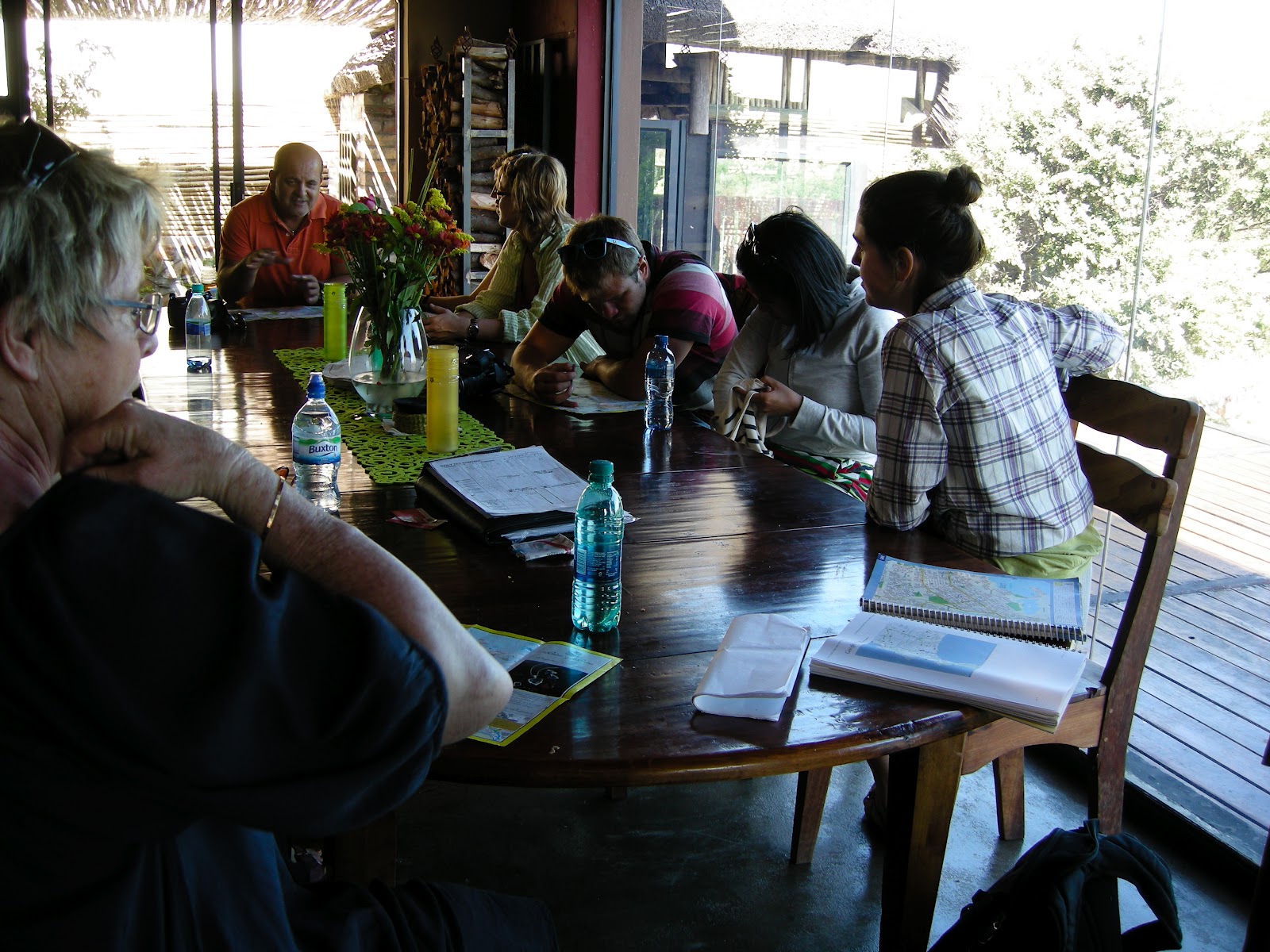
Discusion at Bottom Road Sanctuary with Kelvin Cohrane (KKH, 2012)
The sanctuary (KKH, 2012)
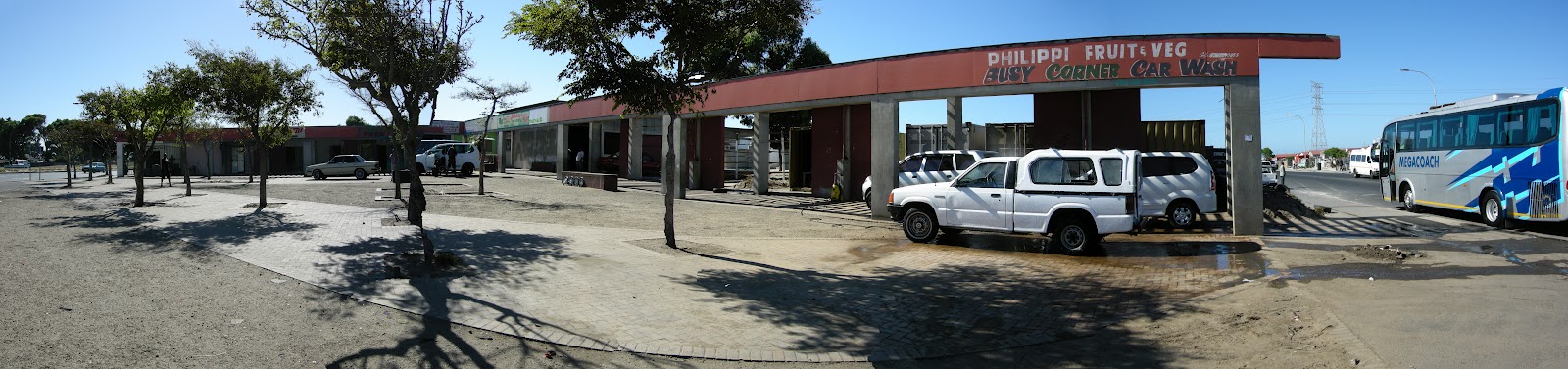
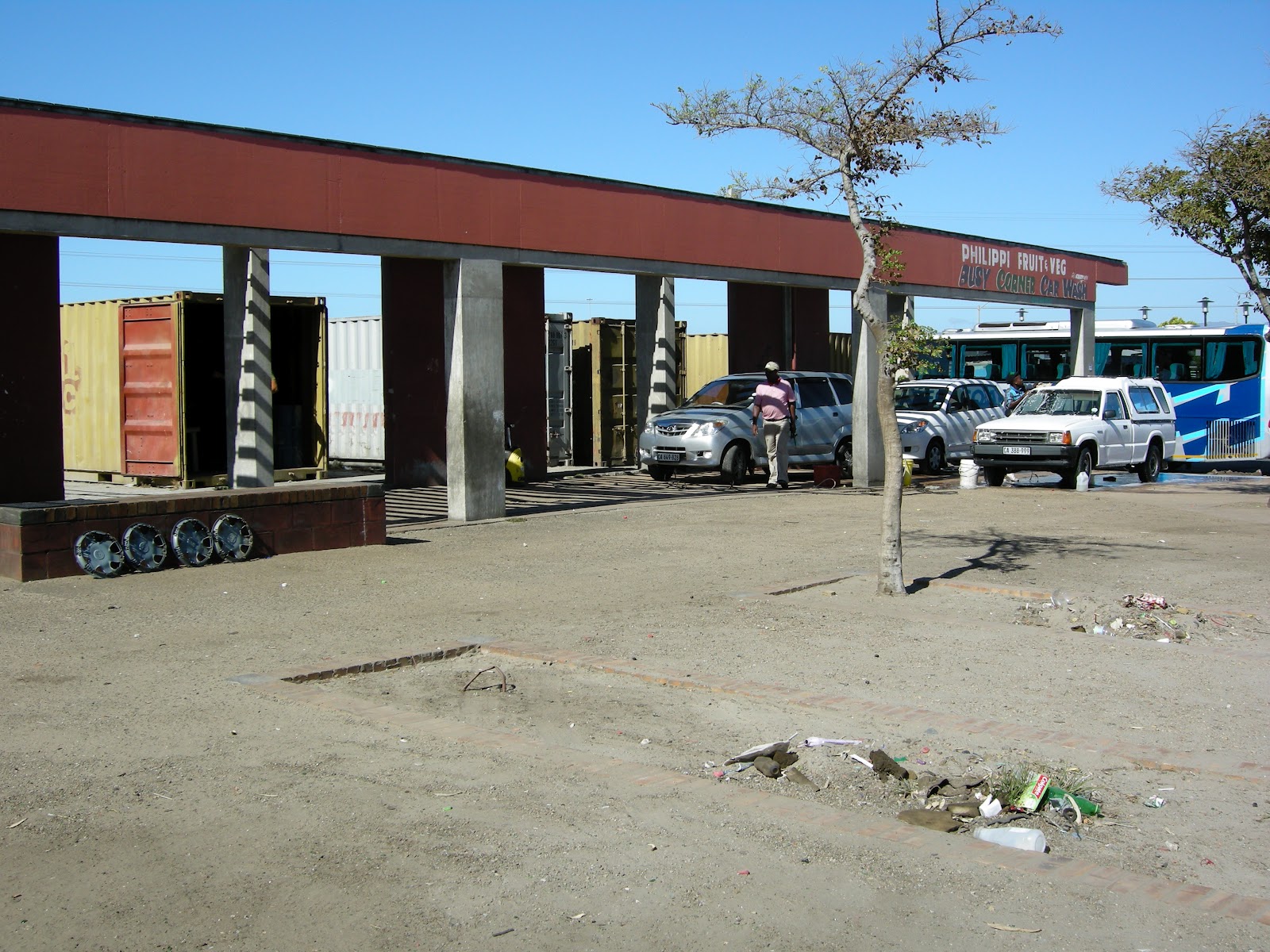
Various Post Apartheid Projects, Philipi & Nyanga, with Profesor Iain Louw
Philipi Car Wash by Jacqui Perrin (KKH, 2012)
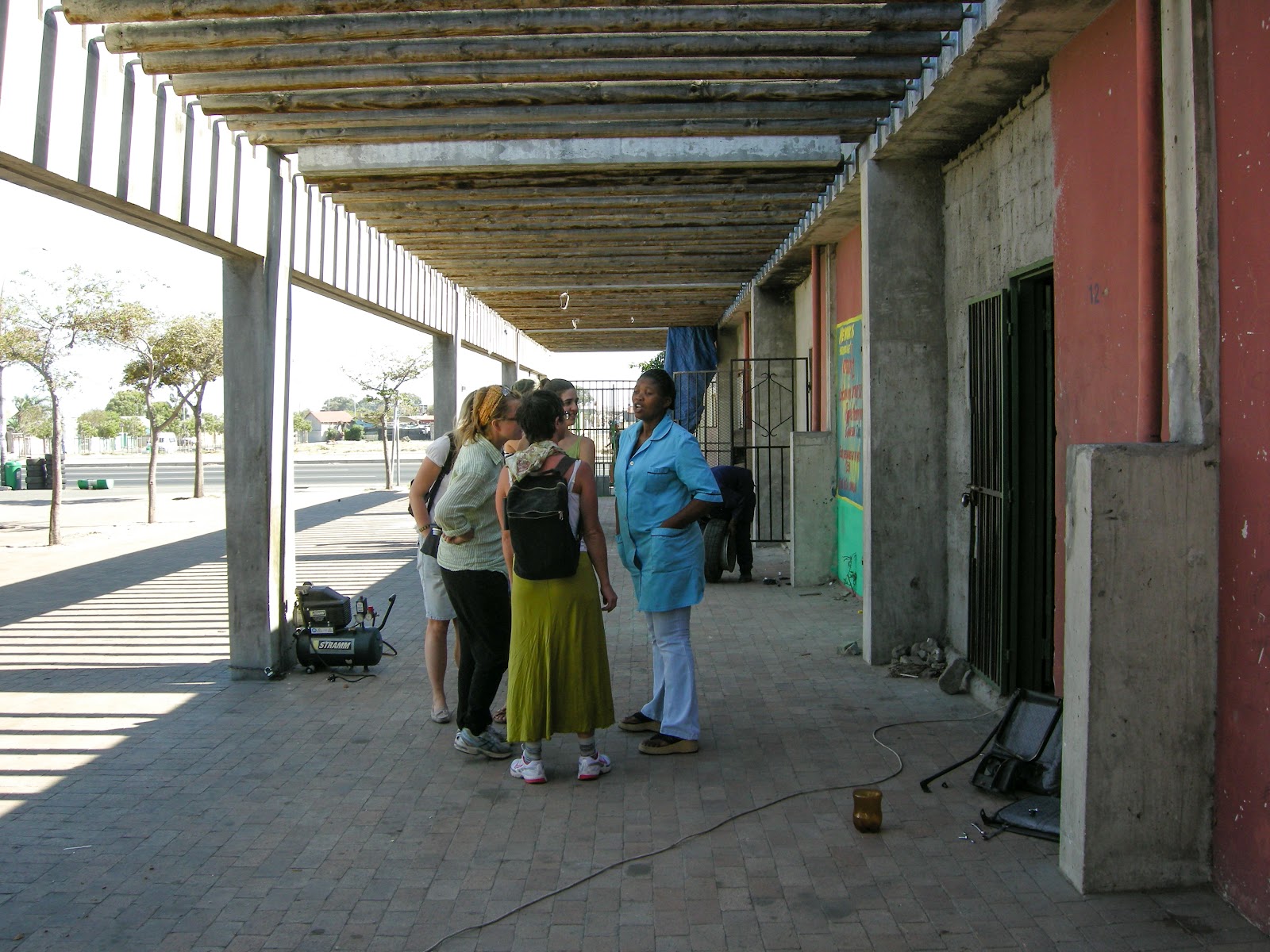
Philipi Car Wash (KKH, 2012)
Philipi Car Wash (KKH, 2012)
Philipi Car Wash – the Swedes learning isiXhosa (KKH, 2012)
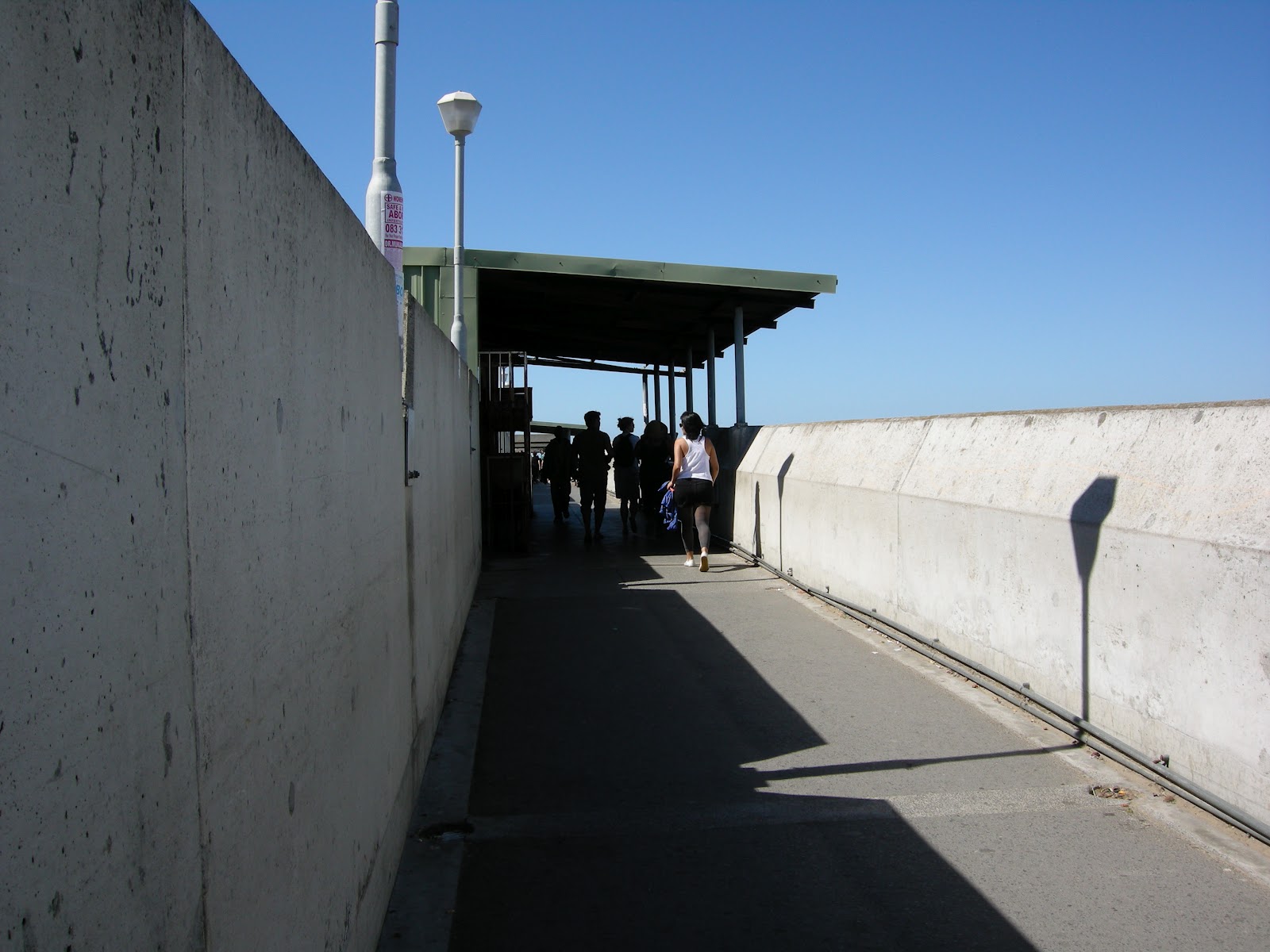
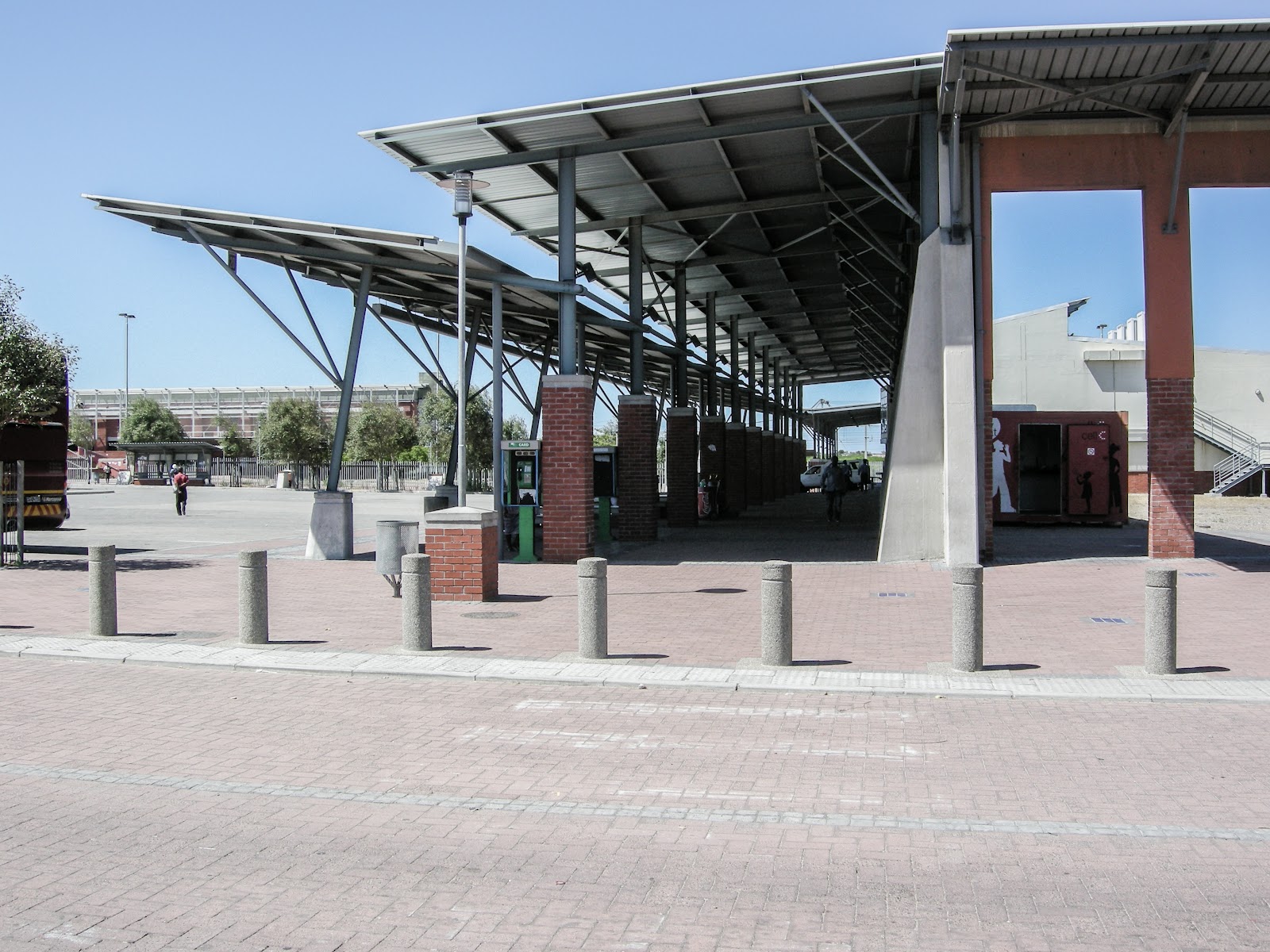
Philipi Station (KKH, 2012)
Philipi Station – Overlooking Cosova (KKH, 2012)
Philipi Station (KKH, 2012)
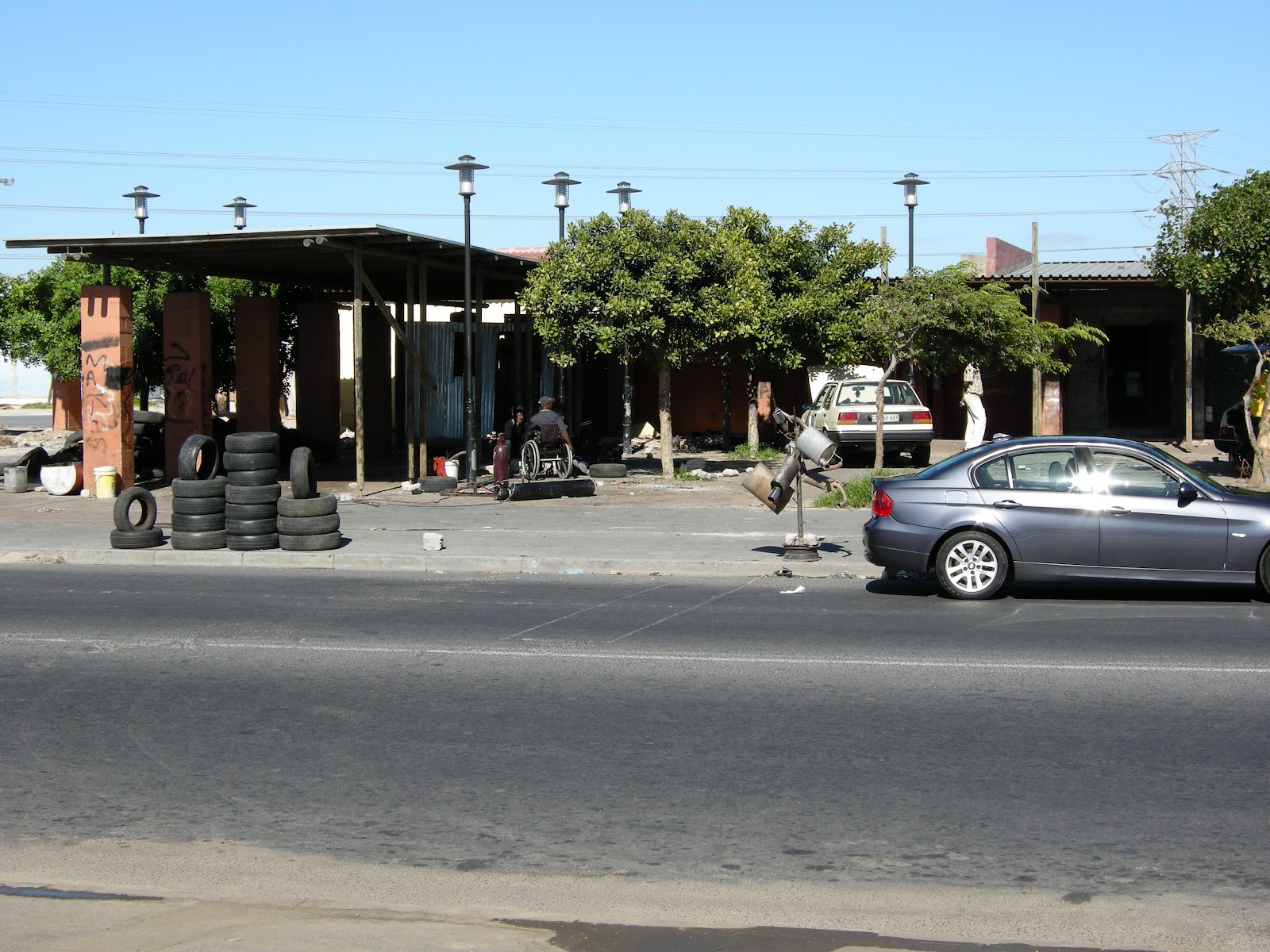
Long Distance Taxi Rank, Nyanga (KKH, 2012)
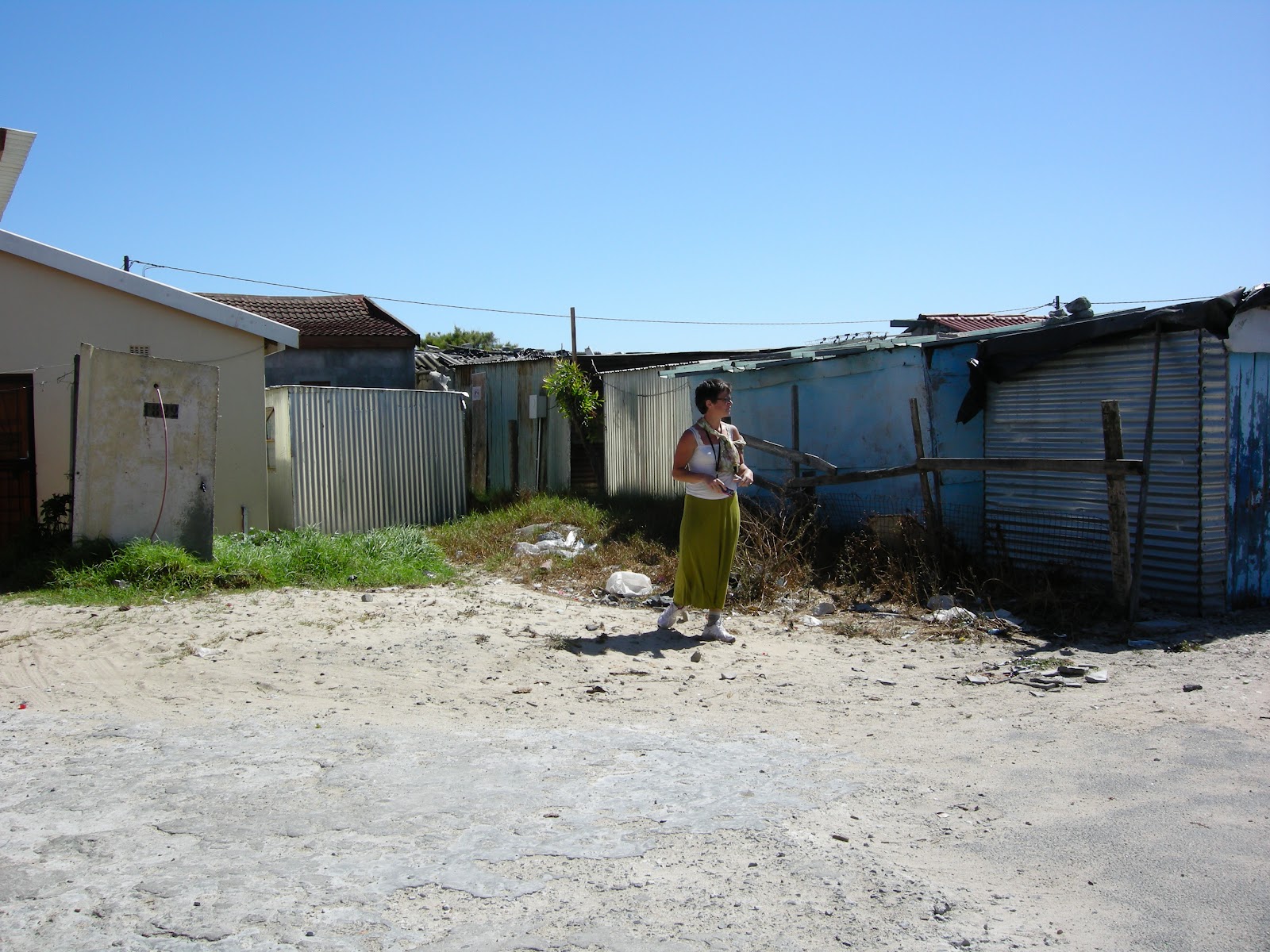
A lost Swede in South Africa… (KKH, 2012)
Meat Market, Carin Smuts (KKH, 2012)
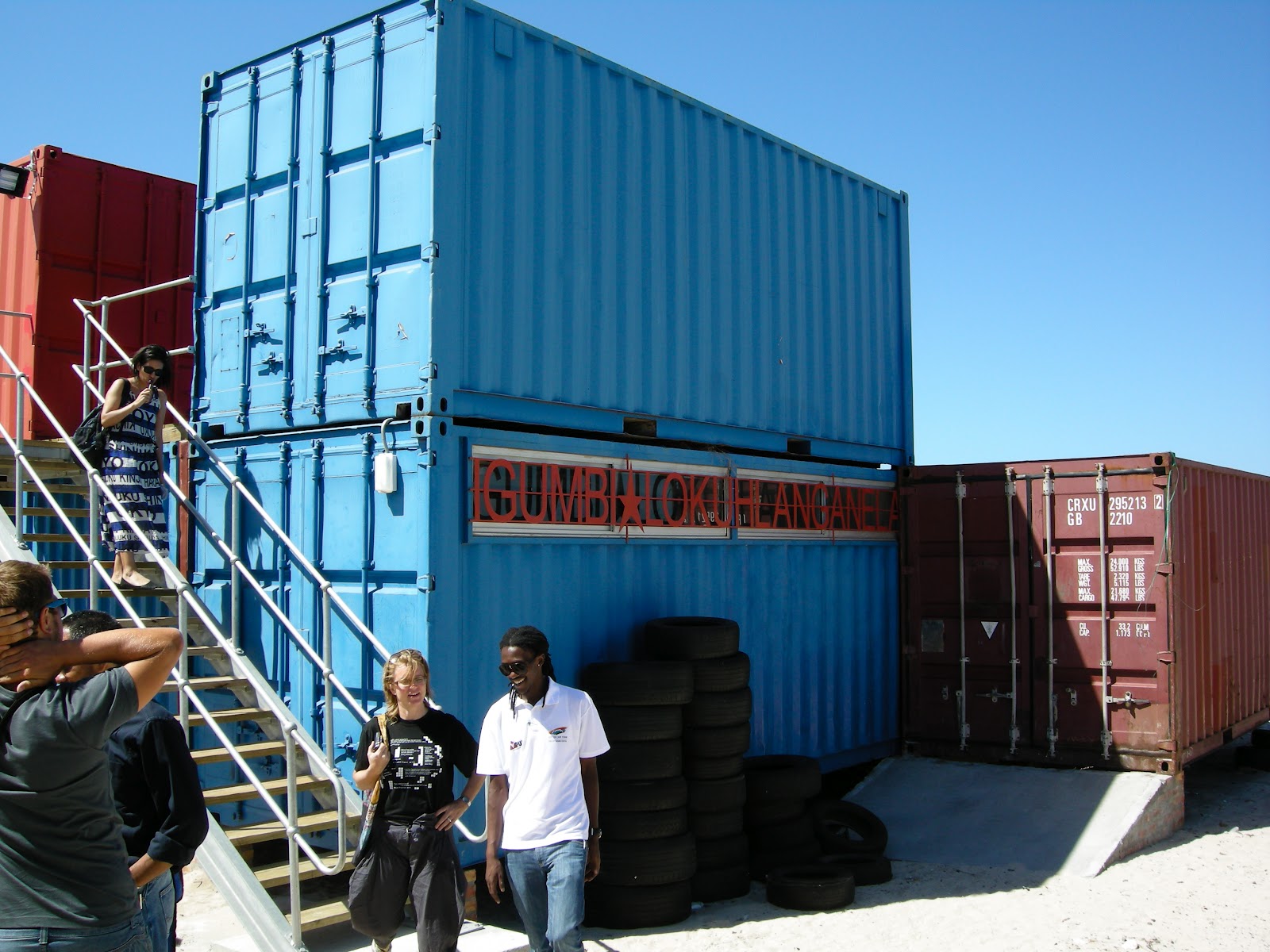
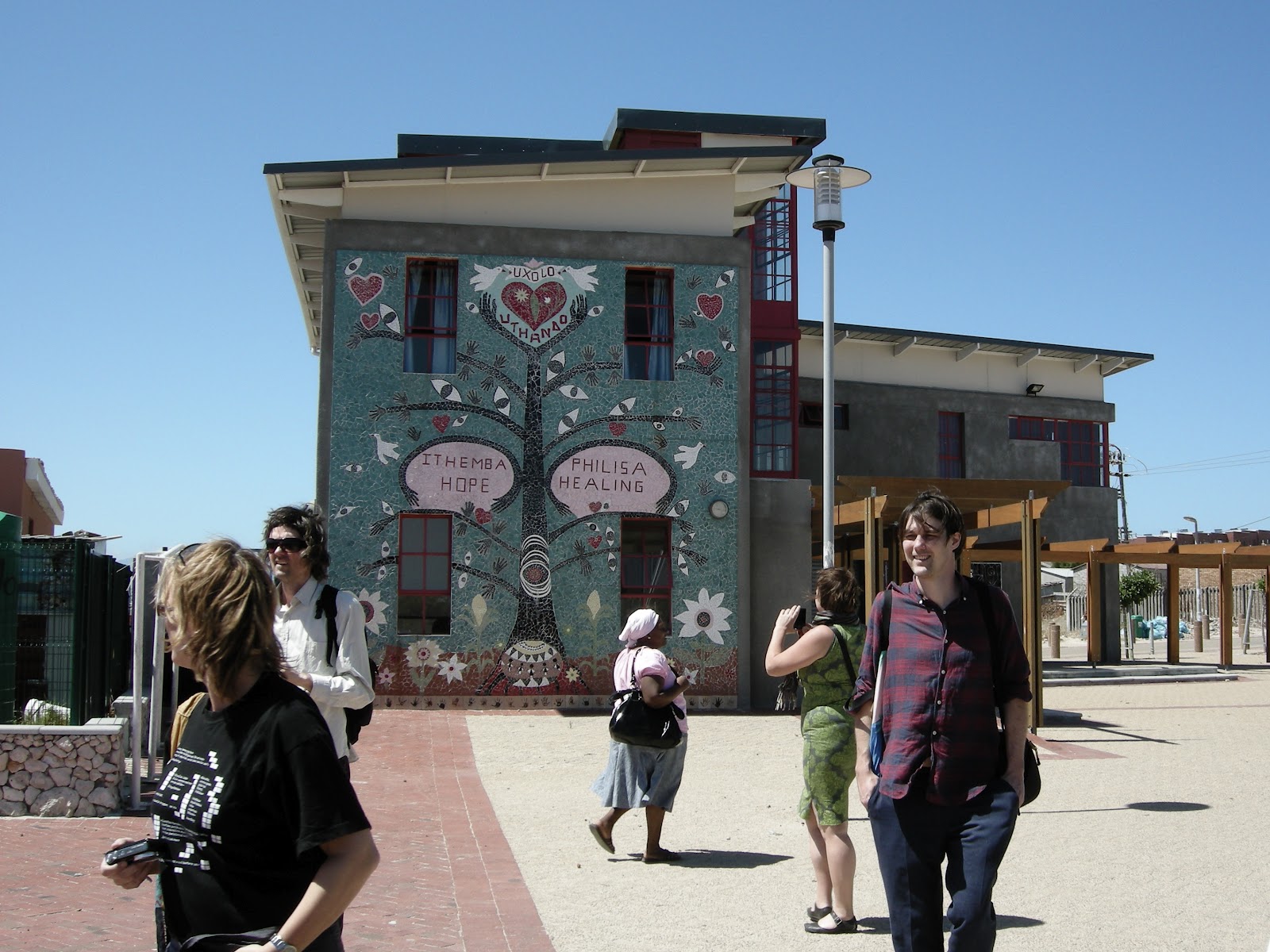
IGUMBI LOKUHLANGANELA – Community Centre, Sun Development (KKH, 2012)
Local Creche, Burundi, Kayalitsha (KKH, 2012)
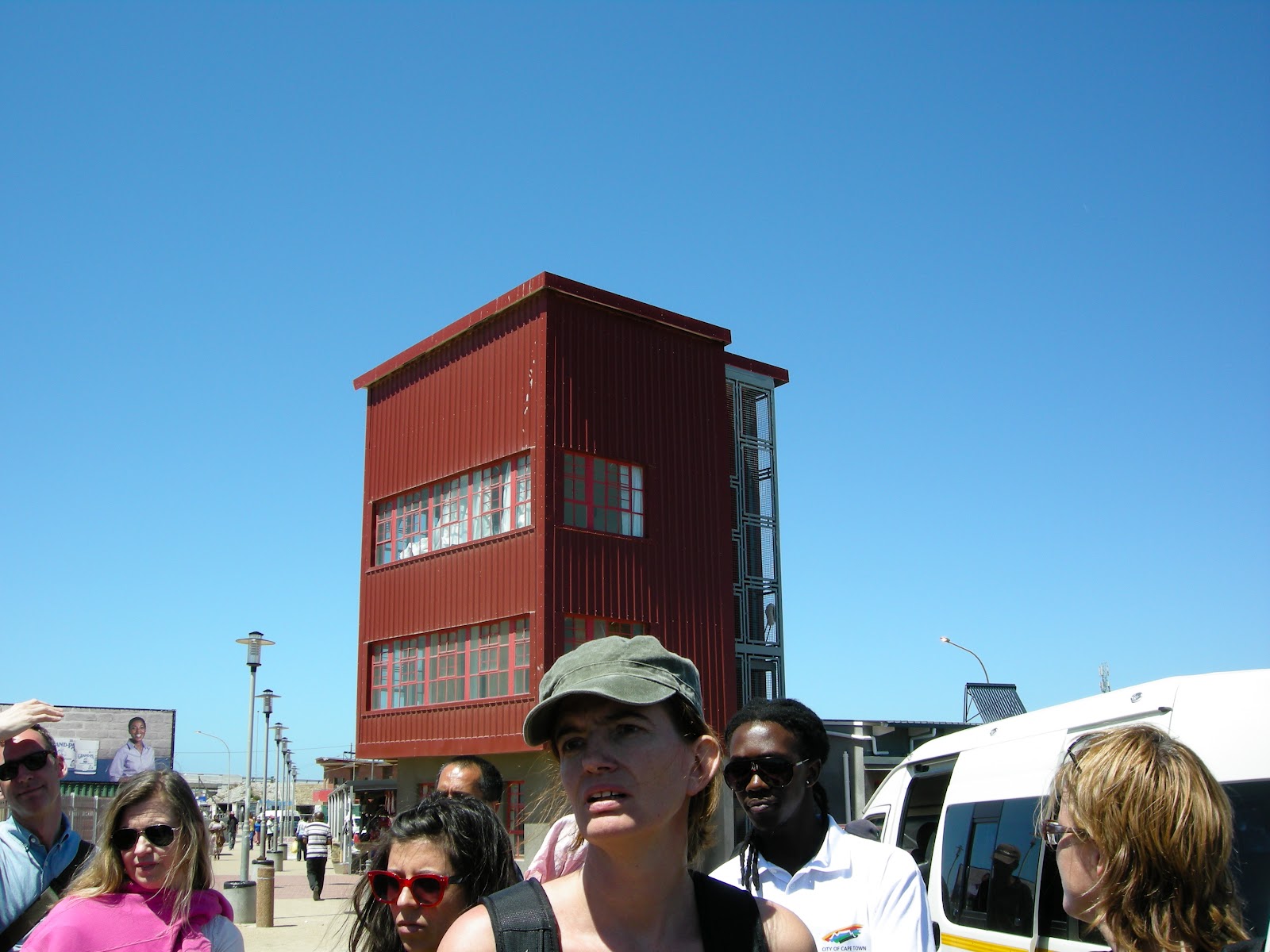
VPUU Building Harare, Kayalitsha (KKH, 2012)
VPUU Building, Kayalitsha Station, Kayalitsha (KKH, 2012)
VPUU route, Kayalitsha (KKH, 2012)
Gita Goven presenting her work with ARG (Bennett, 2012)
Local Artists in Woodstock, Cape Town (KKH, 2012)
|
The Dunoon Group
Professor Henrietta Palmer, who leads the programme at the Royal Institute of Arts, suggested it was better if I was involved directly with one of the groups.
I chose the project working in the informal settlement of Dunoon as I had the most experience in this type of project and enjoy the process uncovering the intangibles of developing areas, as well as an interest in the much acclaimed Inkwenkwezi Secondary by Neoro Wolff Architects.
The Dunoon group was made up of two visual and audio artists, an architect and a bureaucrat who works in the equivalent of the Cape Town City Council back in Stockholm.
The initial outlined task was to work with the school as well as the condition whereby local residents of Dunoon were building structures in place of the allocated government housing and re-structuring their own urban environment by their own means.
The group decided to focus on the school, as it was the most stable element in the context and within the time limits available this seemed sensible.
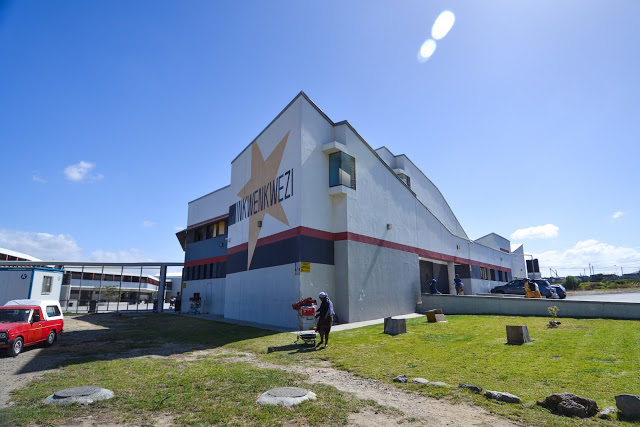 |
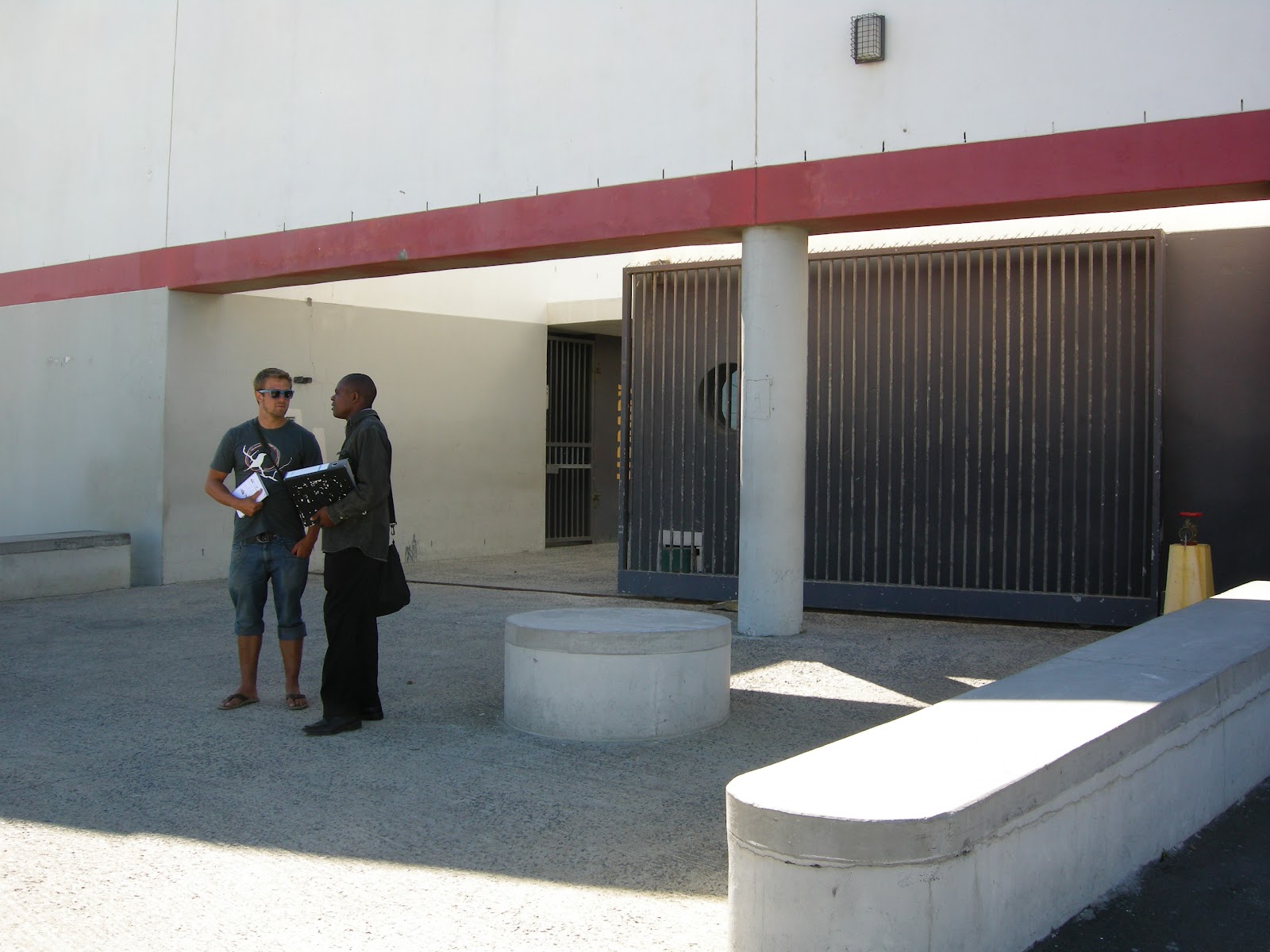
Inkwenkwezi Secondary School in Dunoon, Western Cape (Bennett,2012)
|
The Research
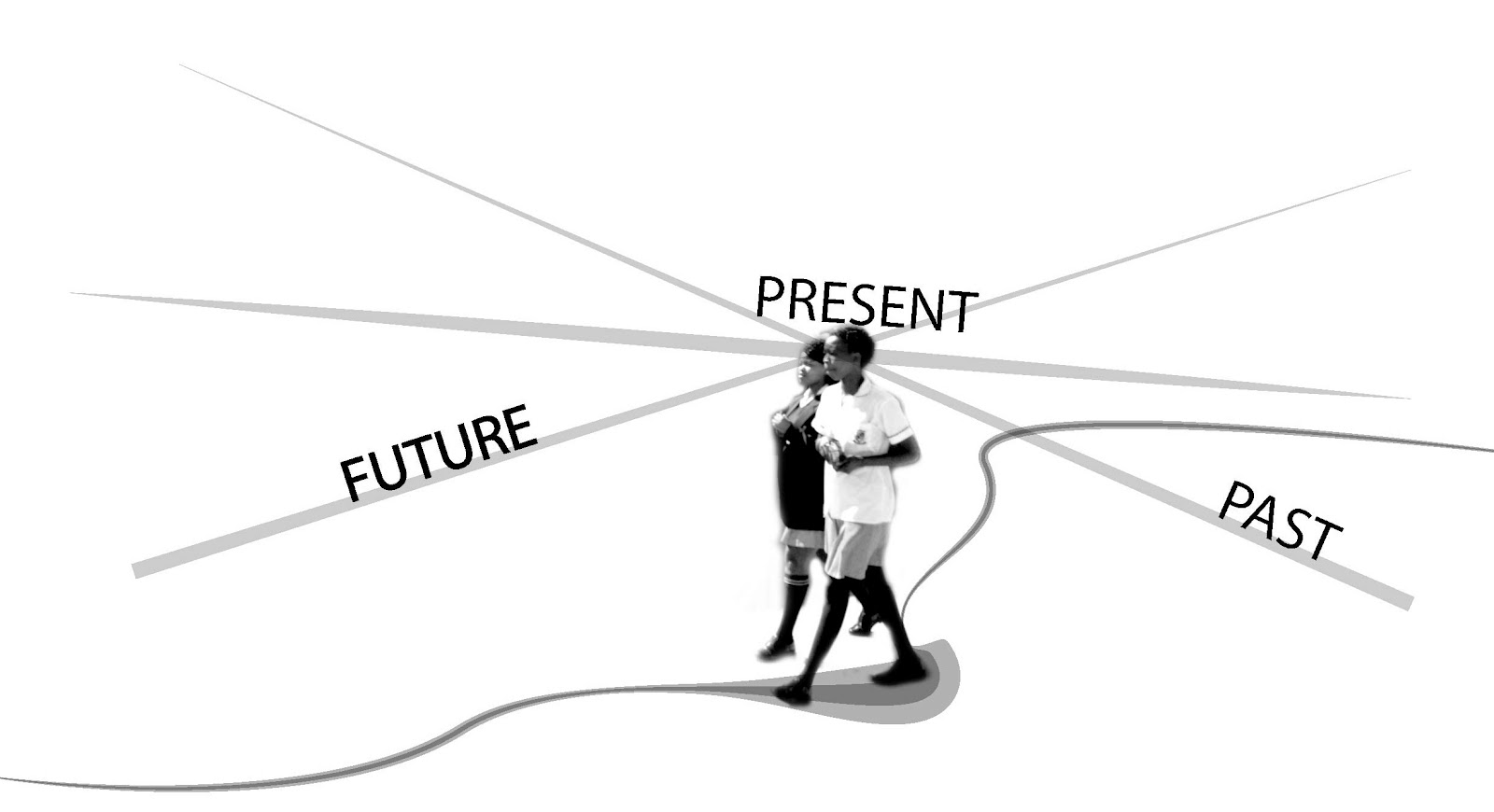
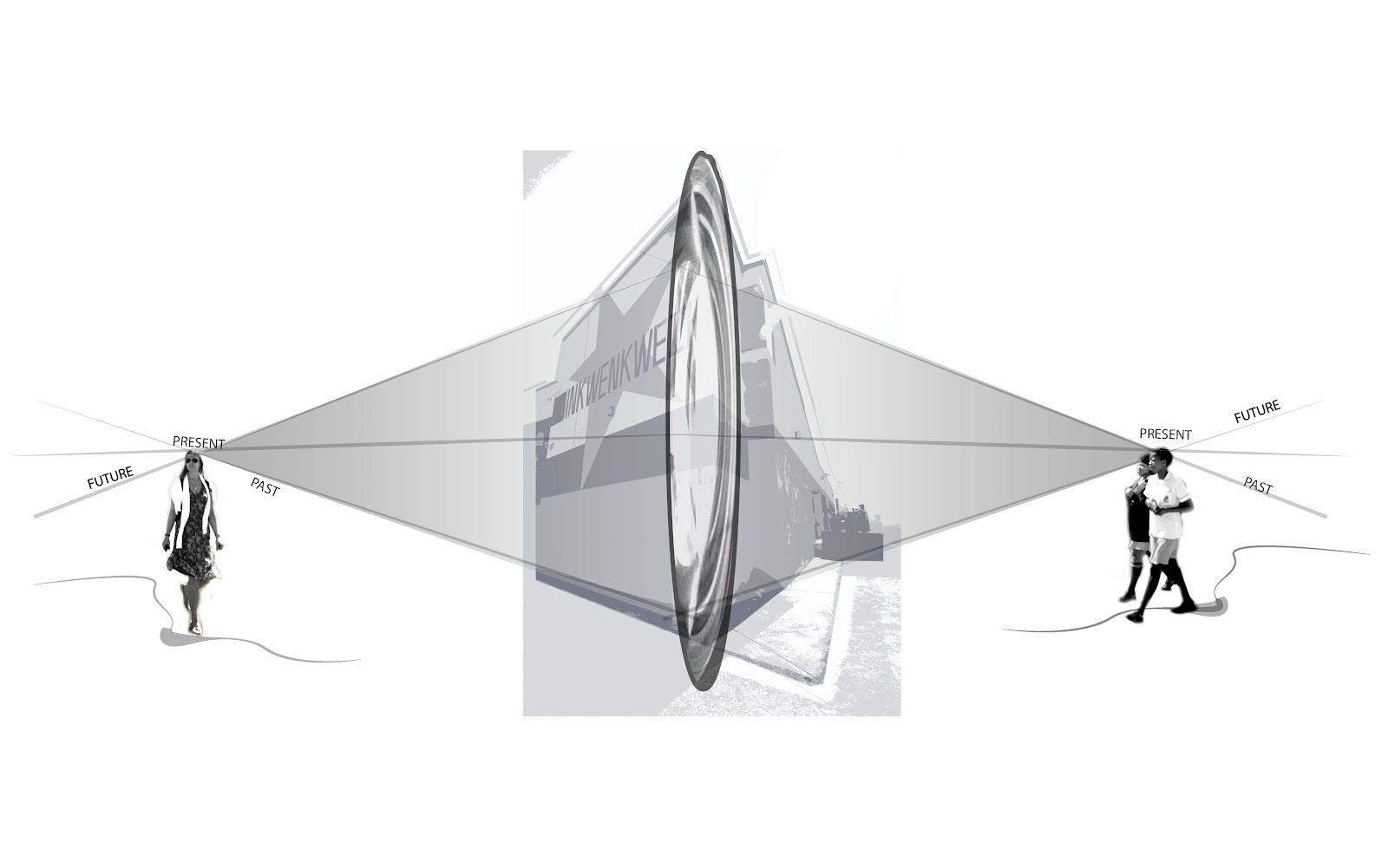
At first the inquiry was fairly loose with the group members discussing their ideas of ‘future visions’ and what determined ‘seeds of change’. The group agreed that they would set up a series of questions asking the various actors involved in and around the school how they saw themselves in the past, present and future in order to ‘triangulate their perspectives.
Triangulation of perspective (Bennett,2012)
These questions would be limited to the school to delimit the scope and range of work needed to be covered in the available time. Effectively the school became a metaphorical lens of perspective from which to view the area of Dunoon.
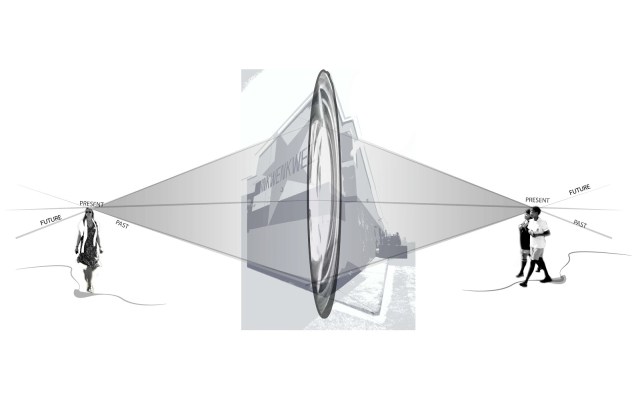 Lens of perspective – the school (Bennett,2012)
It became very apparent that the group wanted to understand to connect – to respond. They wanted to engage with the context and the people directly involved, mainly the children, and discover what their hopes and dreams were within their environment.
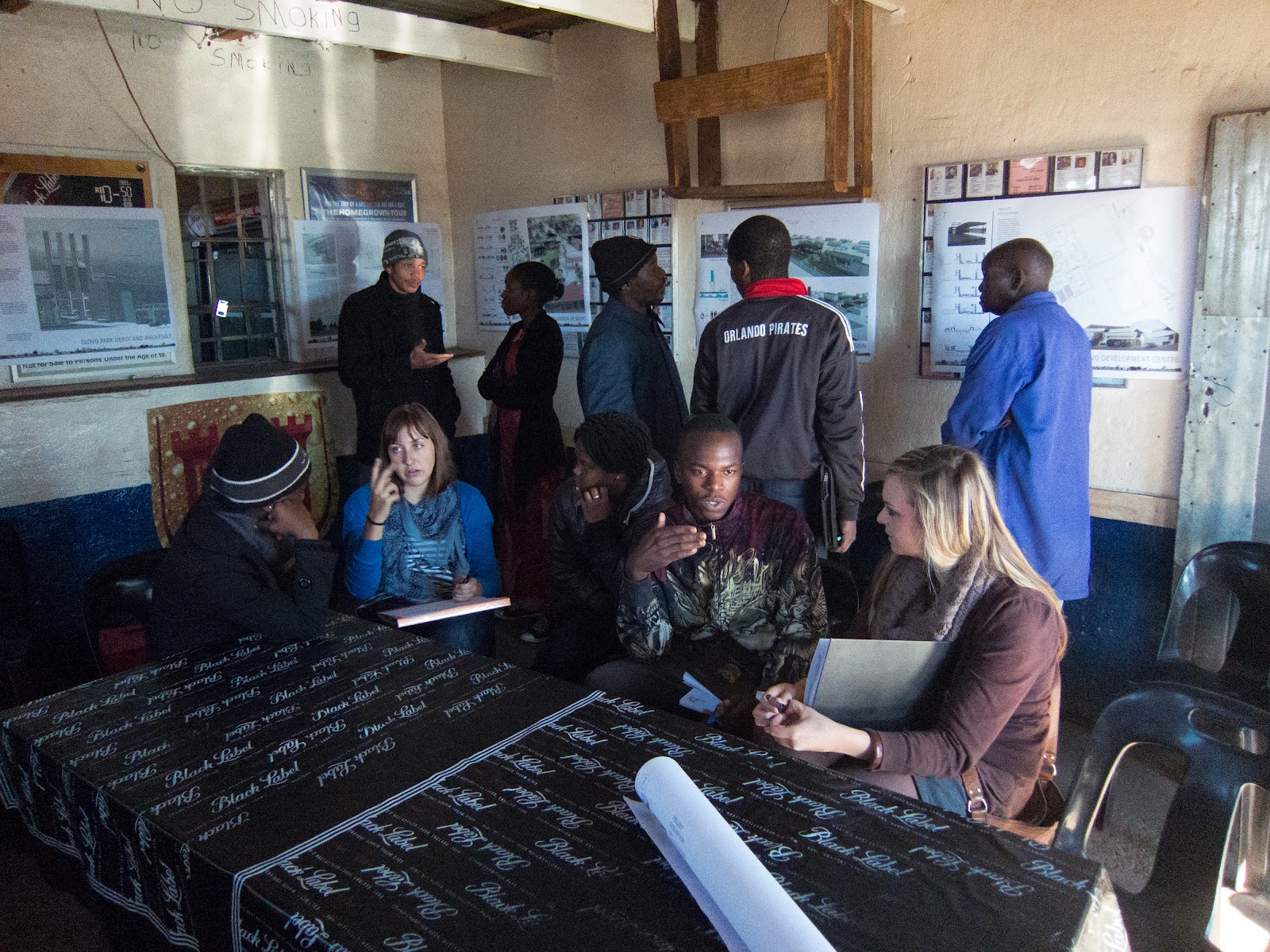
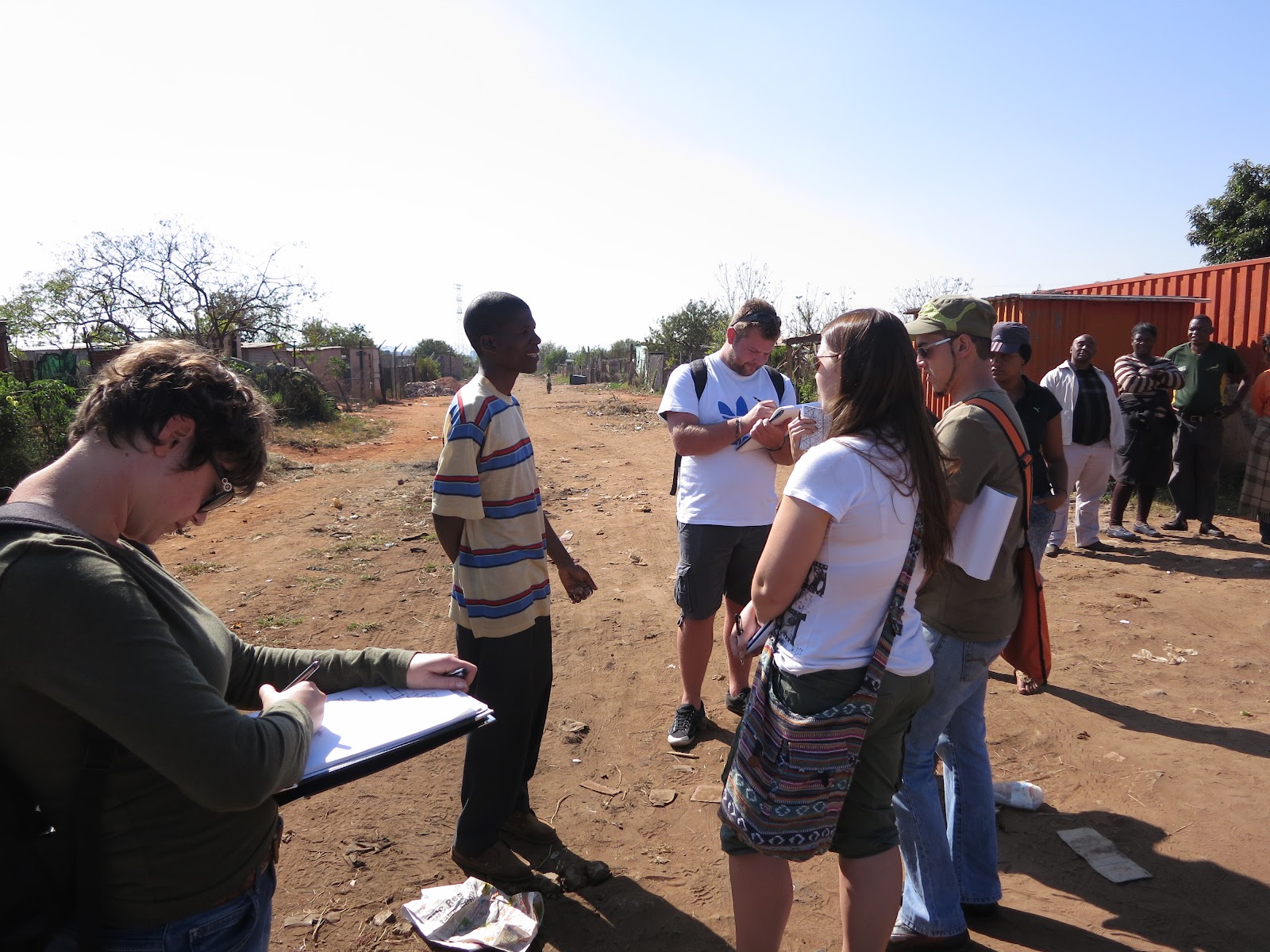
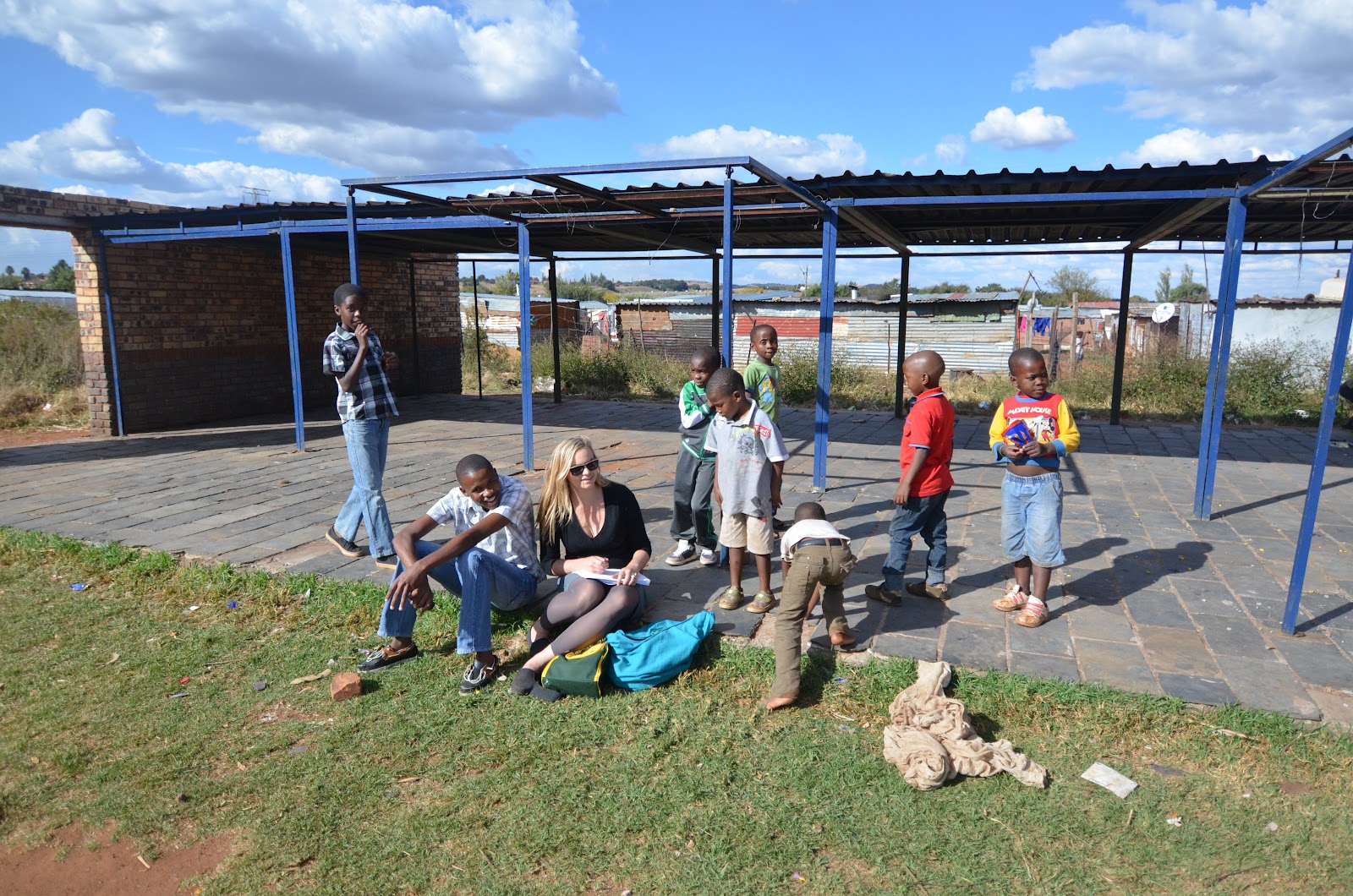
Interviews with students (Bennett,2012)
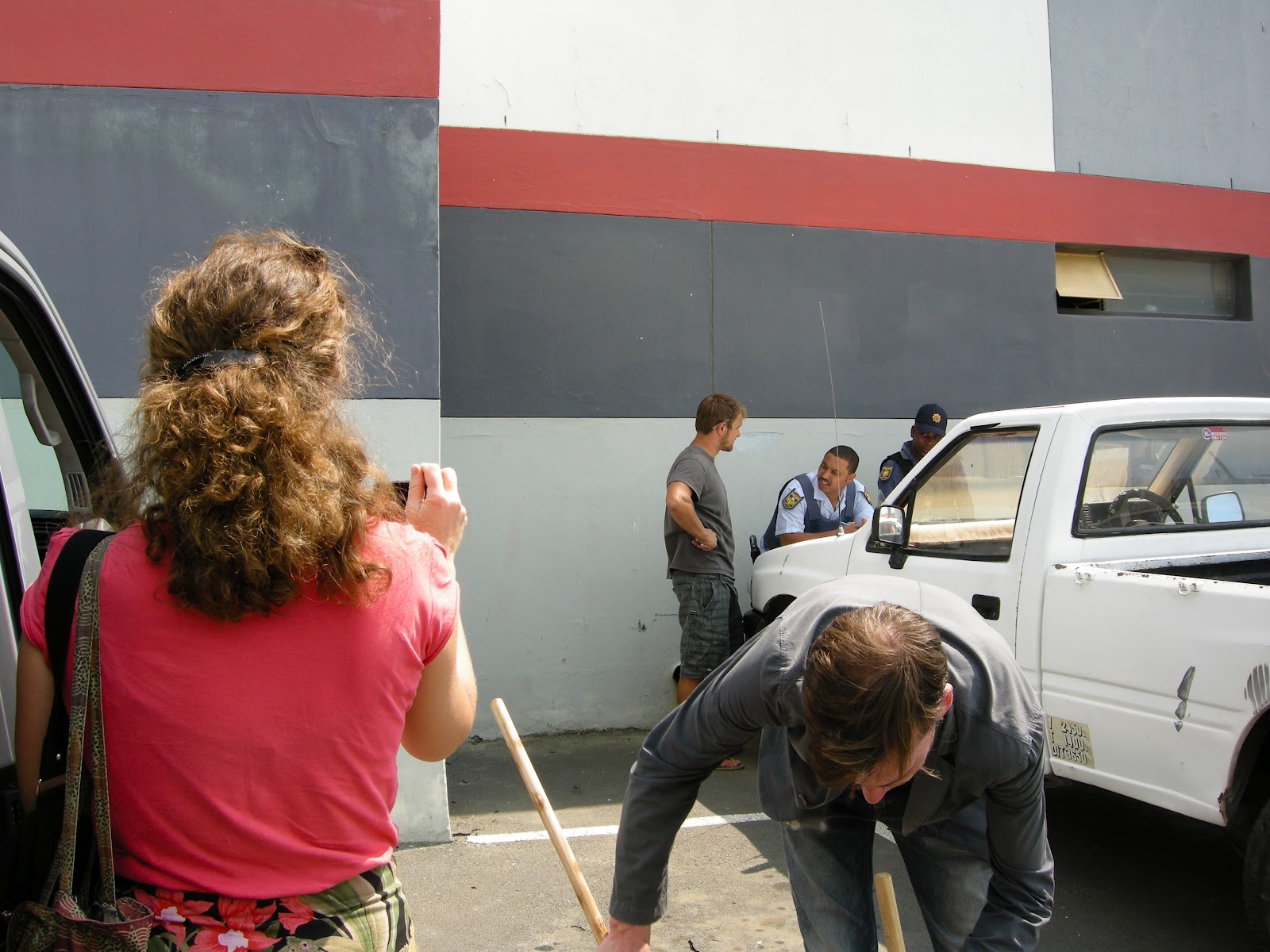
From the outset the group seemed genuinely interested in understanding, in the process of discovery, but as they began interviewing the school staff it became clear that to remain objective and clear in the process was going to be difficult. There were various incidents which made this apparent, including a miscommunication in regard to the permissions of the group in the school-leading to further delays, a car break in, where R25 000 worth of camera equipment and various other items were stolen in plain sight and broad daylight.
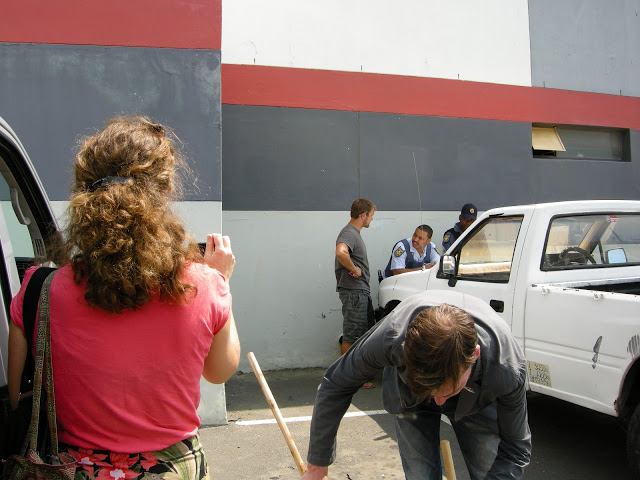 |
| The Swedes cleaning up, while I talk to the police (KKH, 2012) |
Several heated discussions arose from the initial findings on site of the mixed perceptions of Inkwenkwezi and Dunoon from those interviewed. This led the group into a debate on what defined positive and negative factors of development in areas such as Dunoon. The discussions were centered on the different views held by the group members in regard to what defined concepts of ‘equality’ and ‘justice’ and whether they were appropriate to define and expect in certain conditions.
This was commented on by Heinrich Wolff, the Architect of the school, during a preliminary presentation. Heinrich made note that the context could not be summarized in general terms, but that to understand the environment the group should engage directly with the context of Dunoon. The groups defended this by commenting that with the available limits, the decision to focus around the school was intentional.
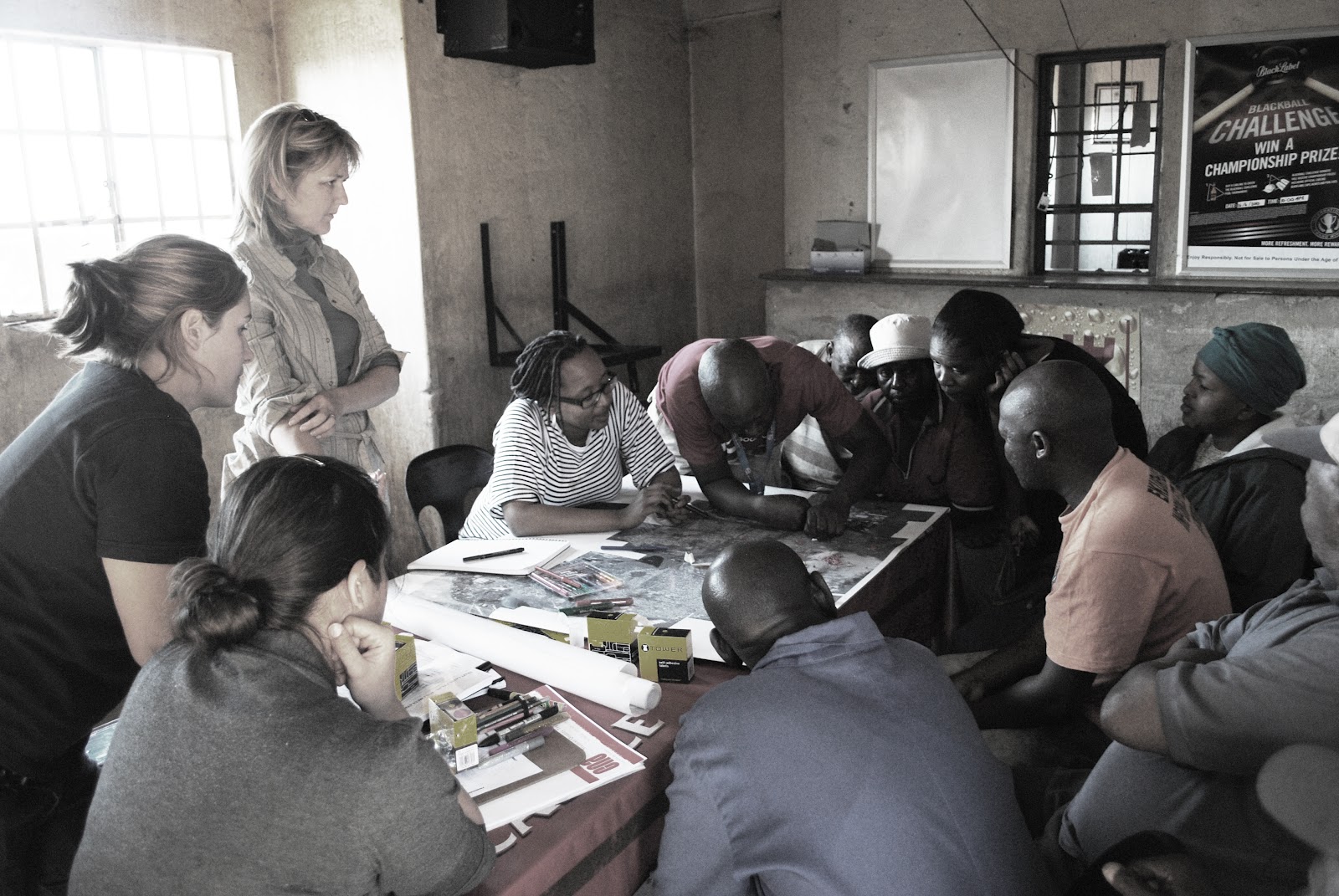
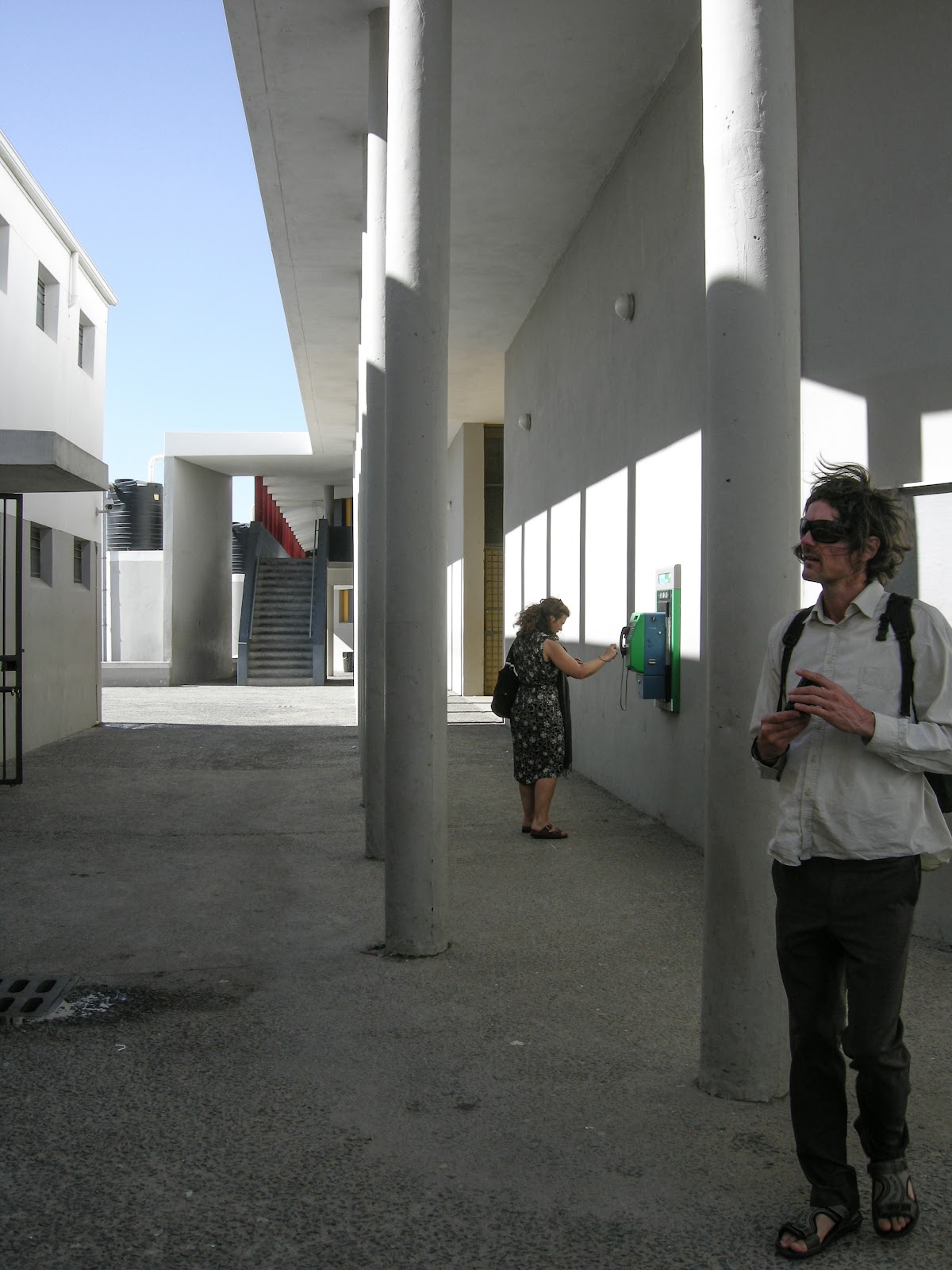
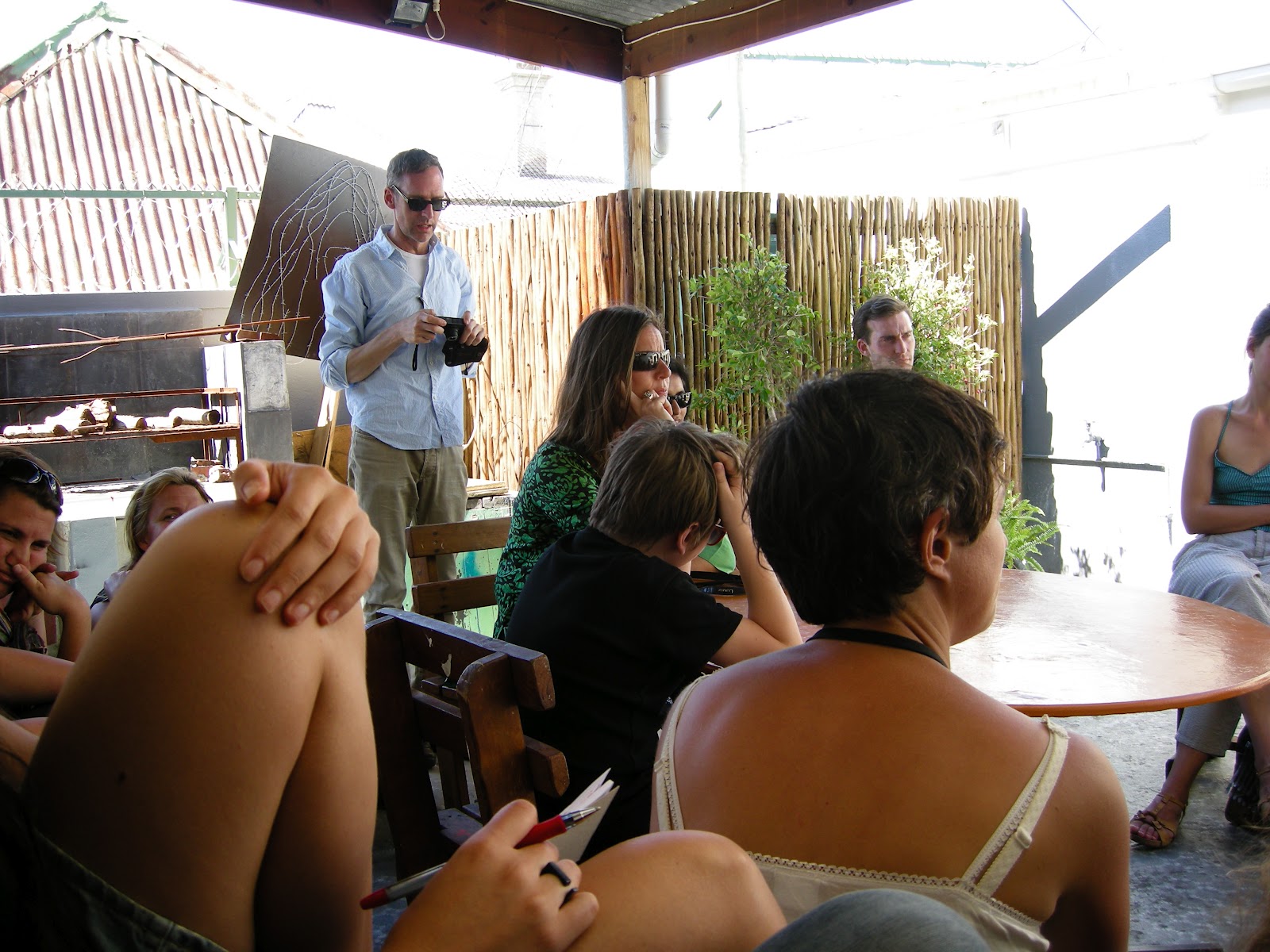
Dunoon Group, exploring the school (KKH,2012)
As important as these debates around defining the intangible factors of positive development, it felt as though the group was constantly comparing Swedish apples with South African Naartjies.
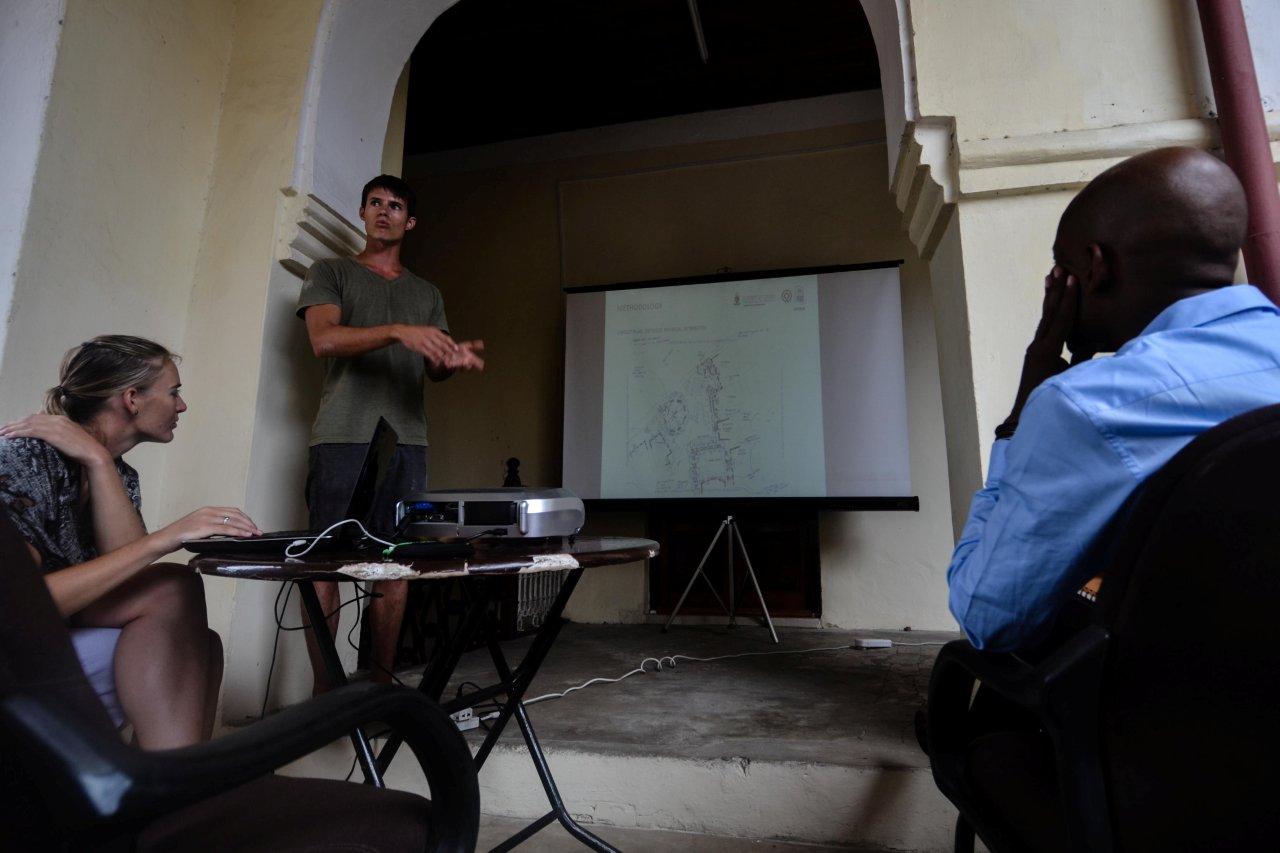
Presentation
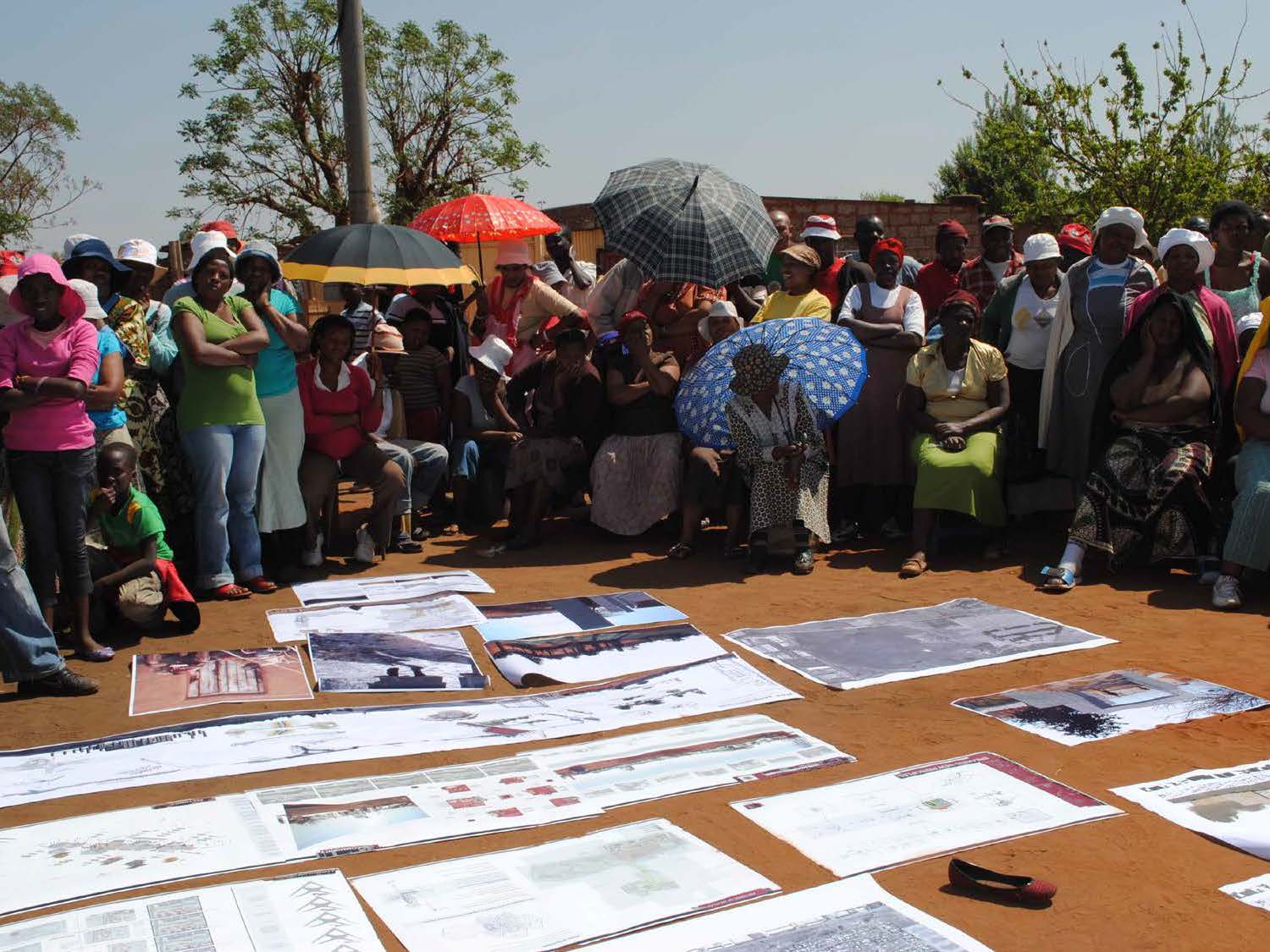
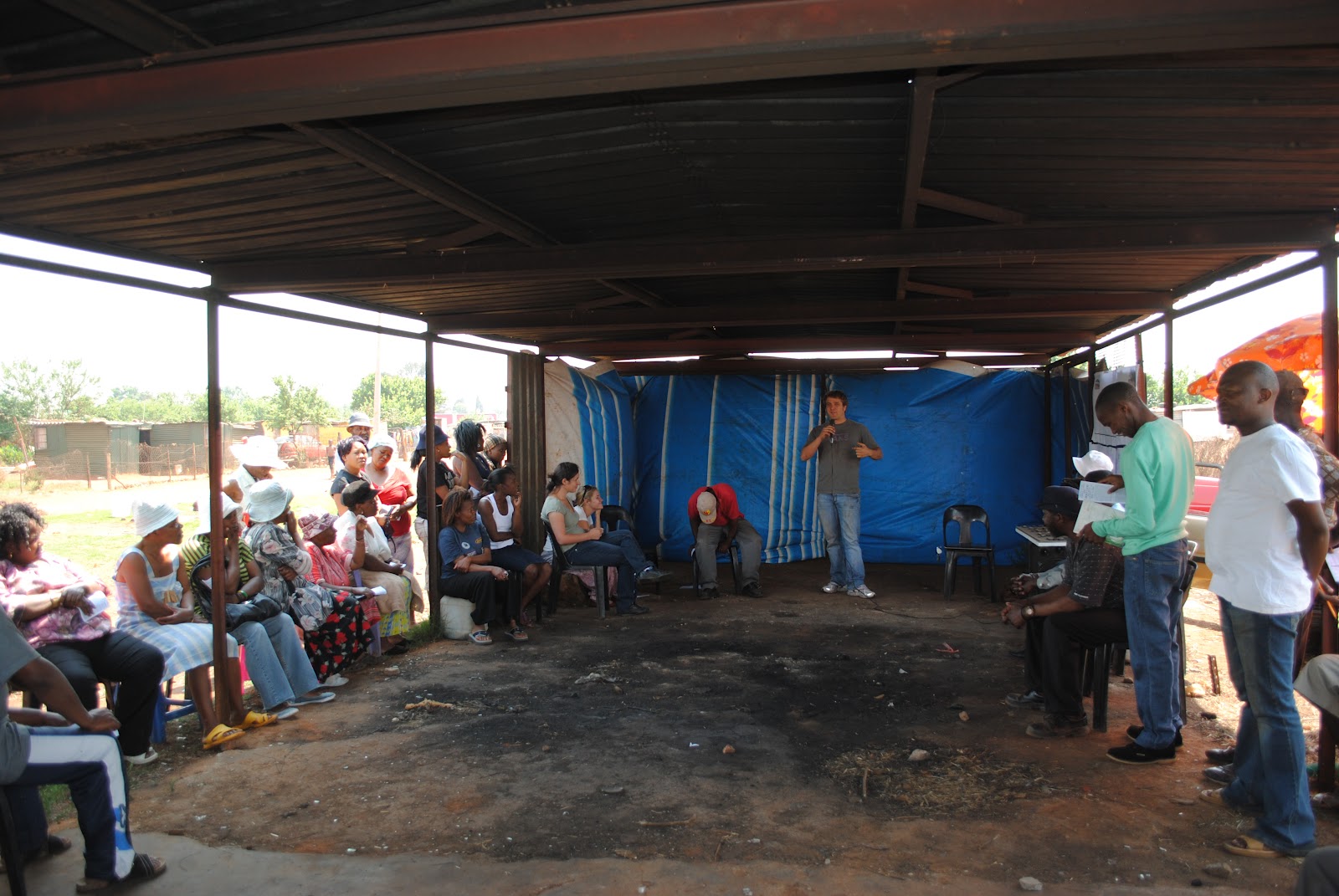
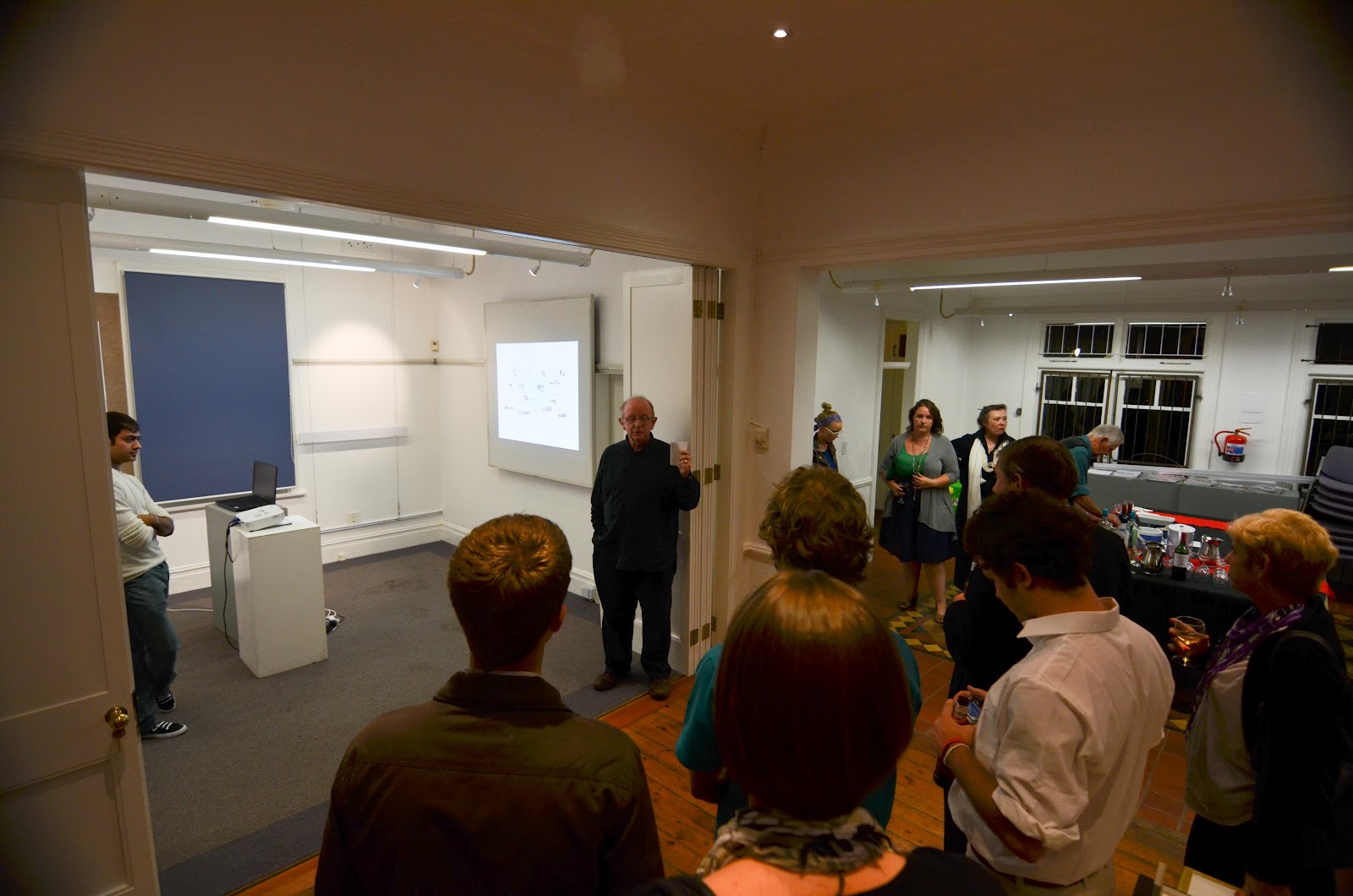
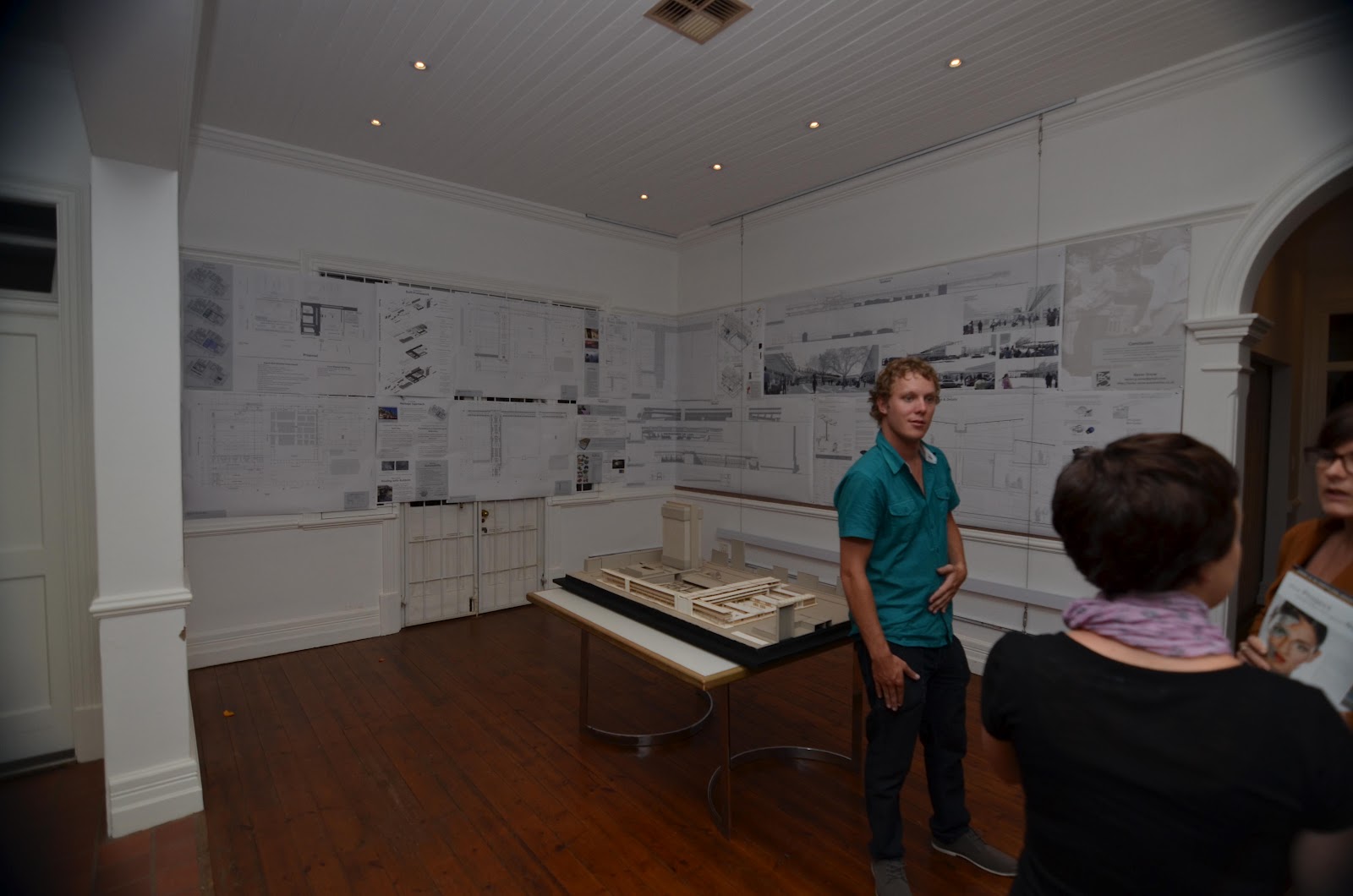
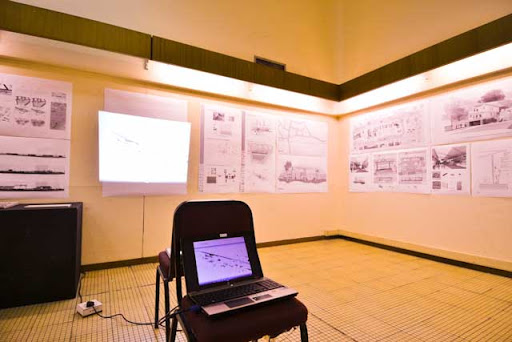
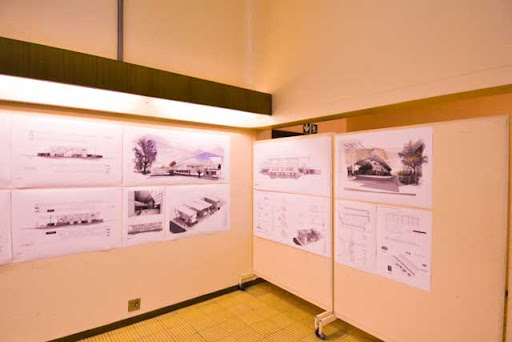
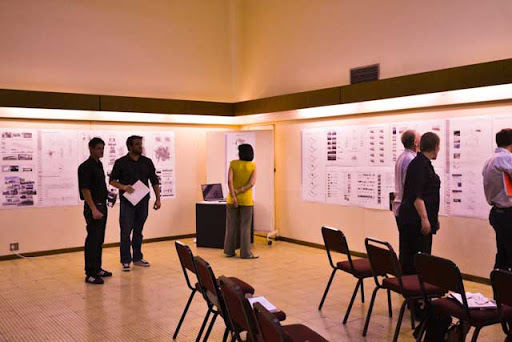
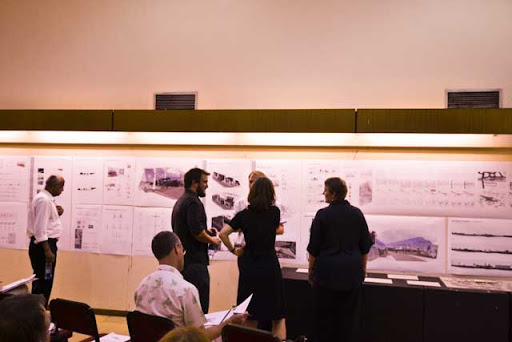
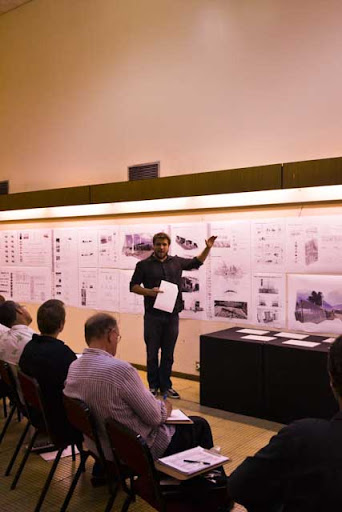
The groups then presented their projects to the panel in an afternoon exercise at the end of the 10 day process.
Each group had 30 minutes to present their work, describing the findings they had uncovered as well as possible solutions for future ‘seeds’ in their contexts.
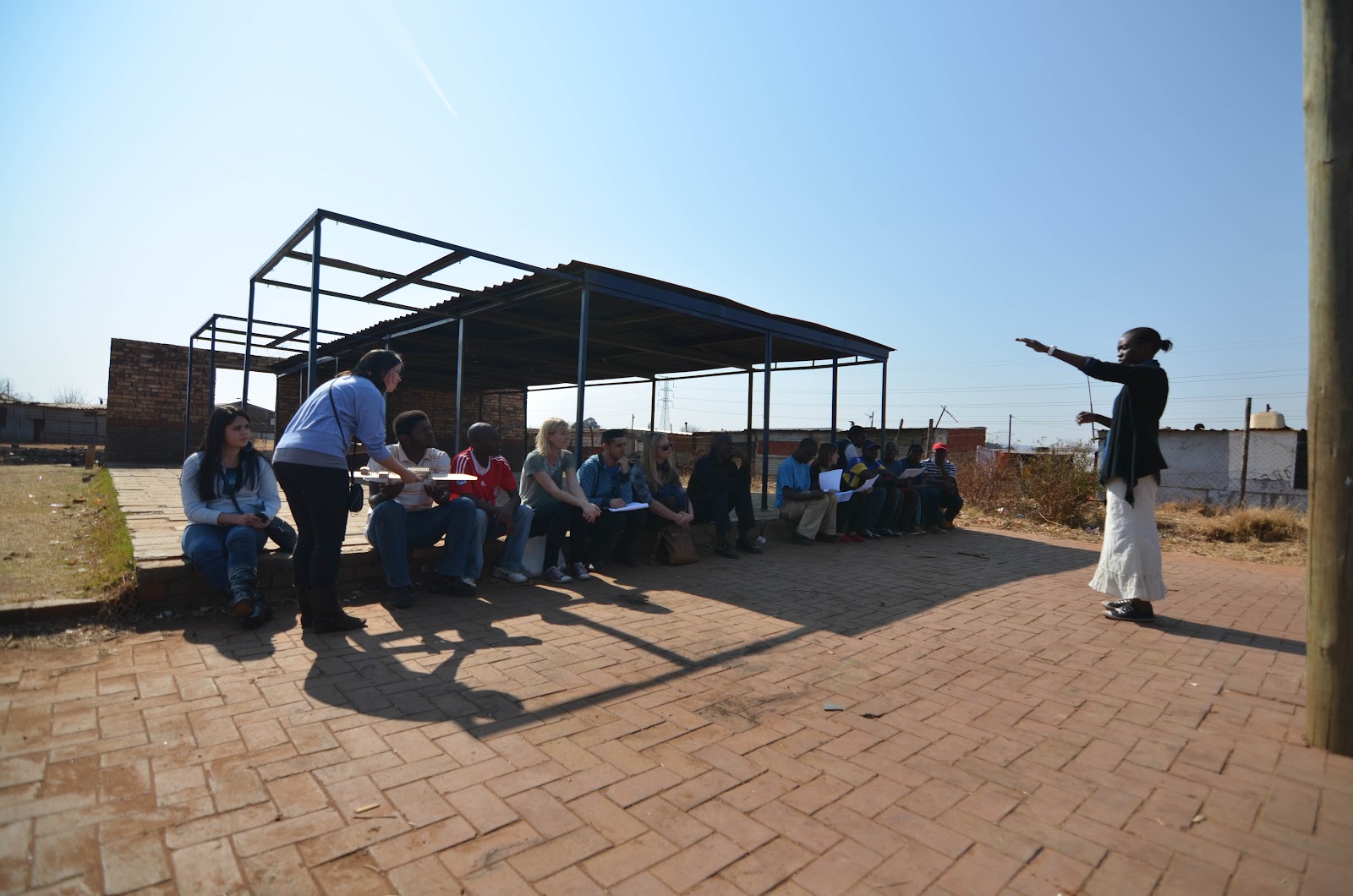
Group Presentations (KKH, 2012)
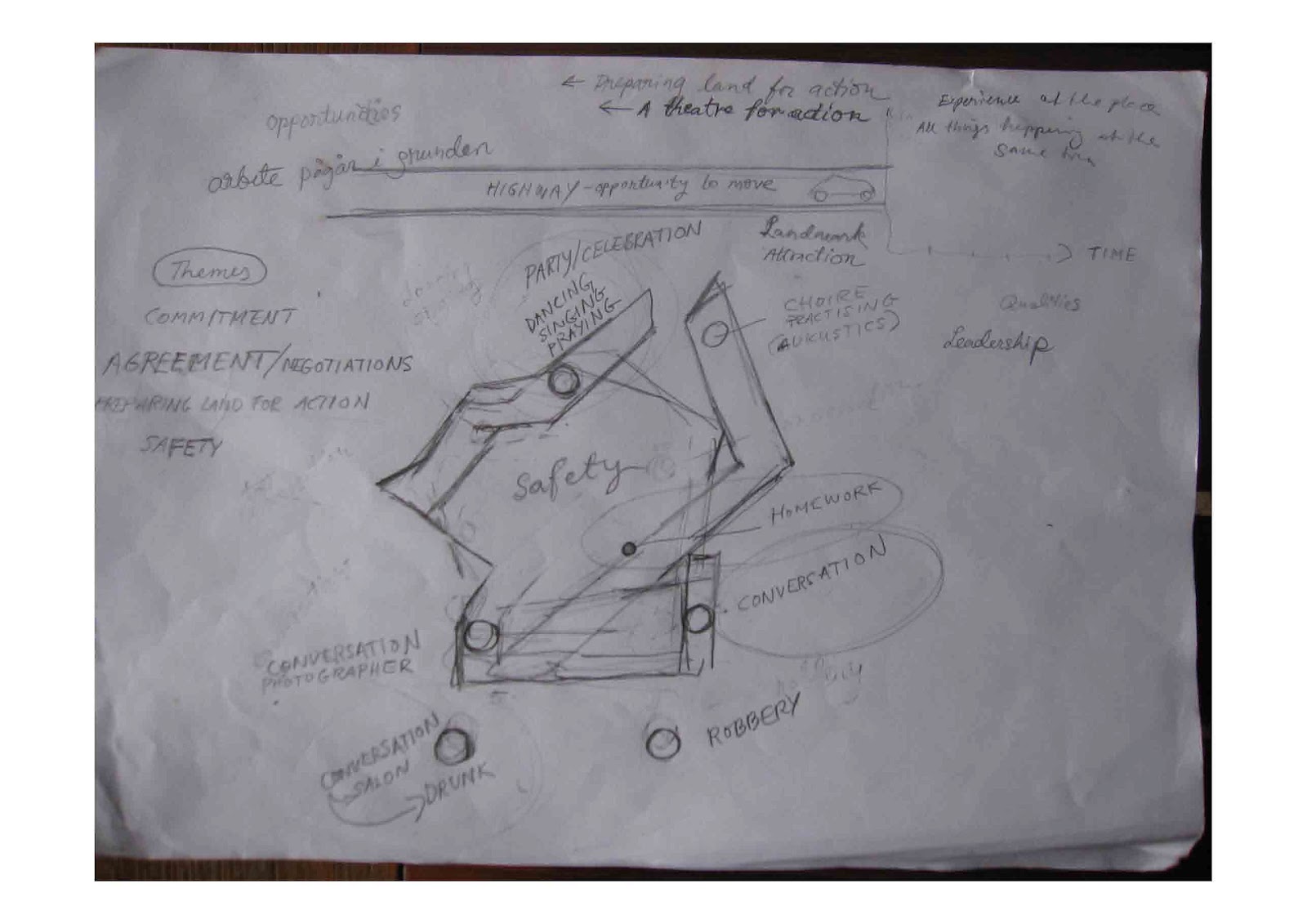
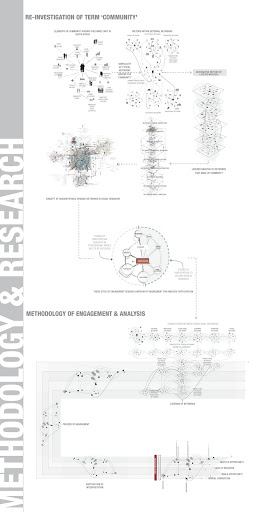
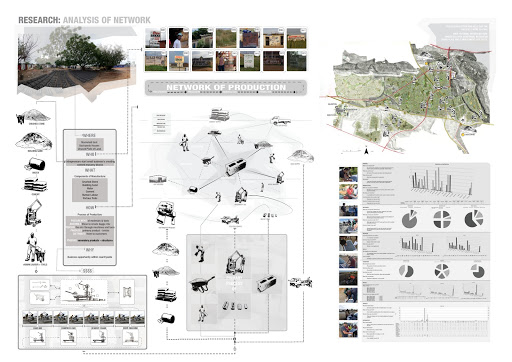
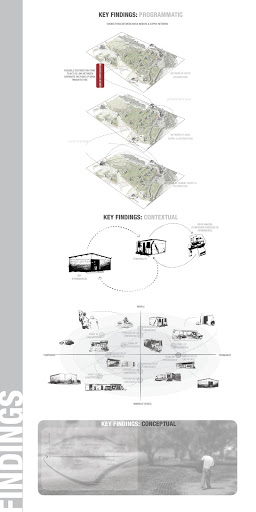
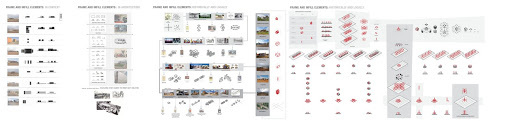
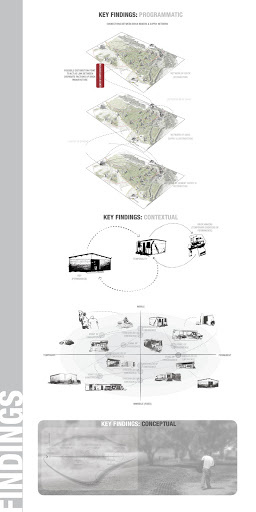
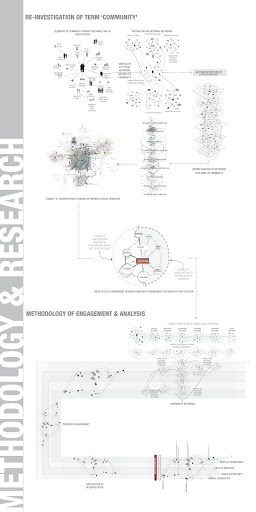
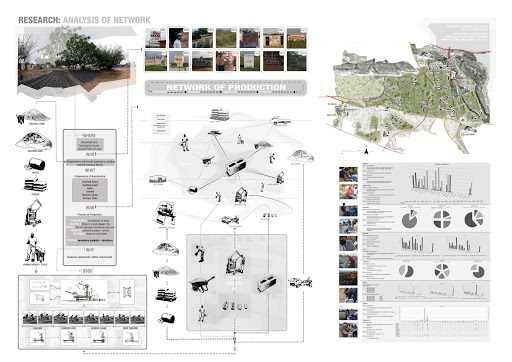
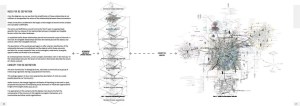
The Dunoon group arrived at a multi-perspective narrative of their experience with the school. Beginning with a metaphor of the school as a Theater of Action, based on Iain Louw’s writing.
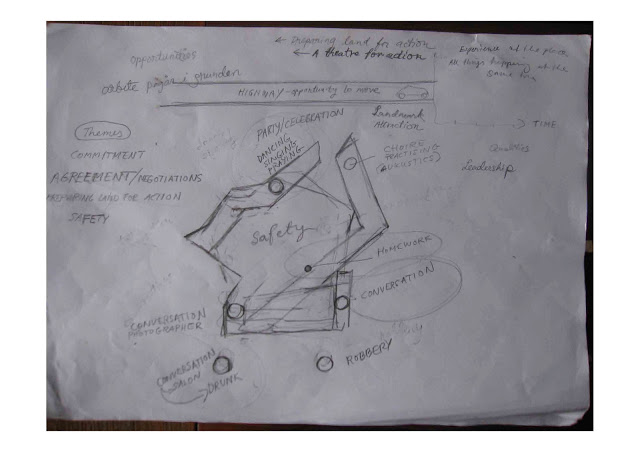 |
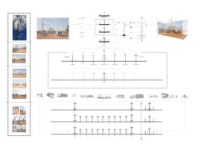
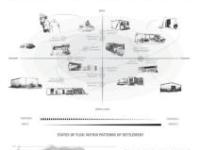
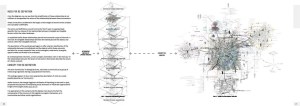
| Multiperspective map of Inkwenkwezi Secondary (Dunoon Group,2012) |
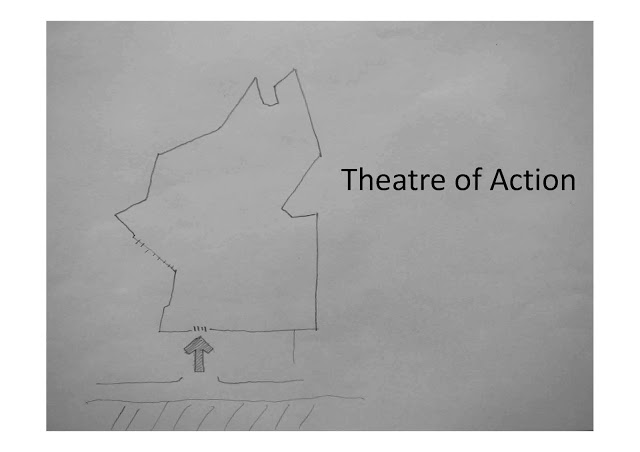 |
| Metaphor for analysis – Theatre of Action (Dunoon Group, 2012) |
They expounded on the diverse nature of the school, in that it could host so many different conditions simultaneously – a theft just outside, church groups inside, and spaces of safety for learners, etc.
 |
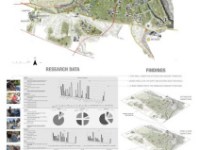
| Analysis of process around school ( Dunoon Group, 2012) |
They then described the school through the different perspectives of the various interviewees. Each member playing the role of a fictional character in the ‘theatre of action’ and explaining their story.
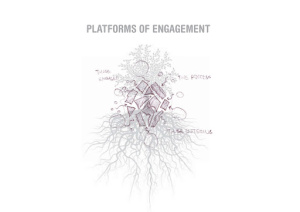
The group then summarized their process in a possible method for future development – a metaphorical ‘bracelet’ of approach.
The bracelet signifying an element that carries intangible value while remaining close to one. This bracelet metaphor could be taken further in allowing it open up and expand into new directions.
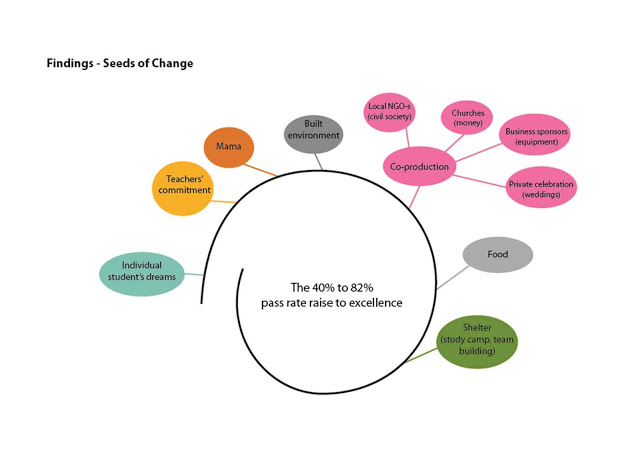 |
| The Bracelet – A metaphor for future development |
Comments on the panel were varied, but carried a general positive tone towards the nature of the work undertaken by the students as a whole.
*
What I discovered after the presentation, was that the Dunoon group was looking to find real possible interventions to be implemented at a later stage. This explained some of their urgency in determining ‘solutions’ for the problems.
In the end I felt the product of all the groups were very general compared to the richness of the exercise, with the true value lying in the process of immersion undertaken by the Swedes into an entirely different context.
Naartjies and Apples
A speaker from the Sustainability Institute asked a question that any researcher in such a field should ask themselves:
“What process of un-learning have you undergone to prepare you for this experience?”
Perhaps the degree or nature of open mindedness of any professional in contrasting contexts should be constantly questioned. This is true of not just foreign visitors, but applies to local professionals who struggle to open themselves to the alternative realities faced by South Africans in poor underserviced.
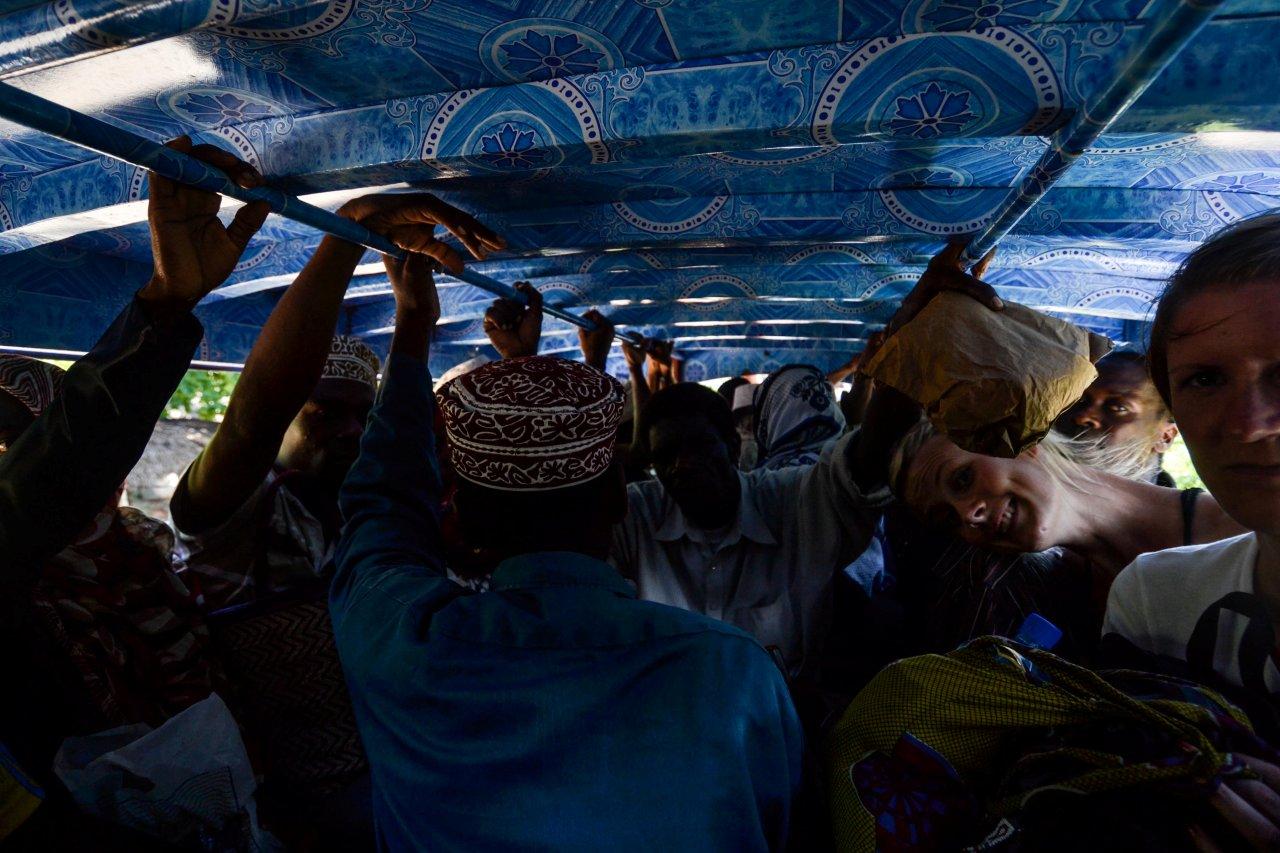
From the moment I sat down on the bus with the Swedes, the questions began. Questions which I assumed I had a fairly grounded understanding of. Having spent the better part of my tertiary education investigating these topics I felt that the opinions I had fostered were more appropriate than an outsiders as I had been involved hands on, and had personally dealt with these contexts and associated problems.
The truth I feel is that the underlying issues at hand are so interlaced with so many contextual, political and cultural factors that the understanding I had developed is in fact as subjectively based from within as the pre-conceptions the Swedes had from outside.
It has solidified my own resolve to stay honest to my personal mandate of explorations of the African urban context, and future studies within my career.
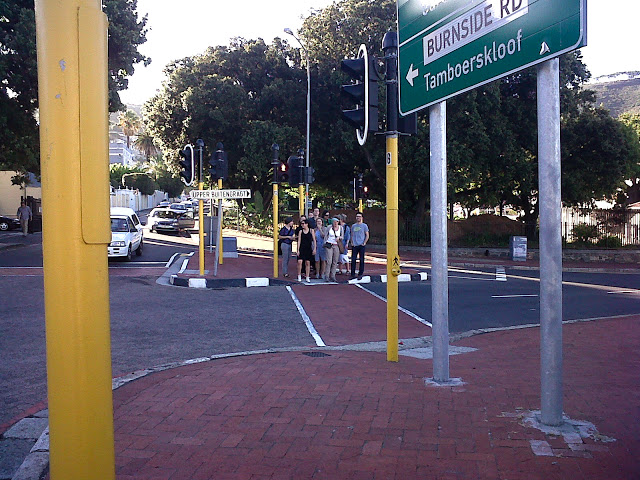 |
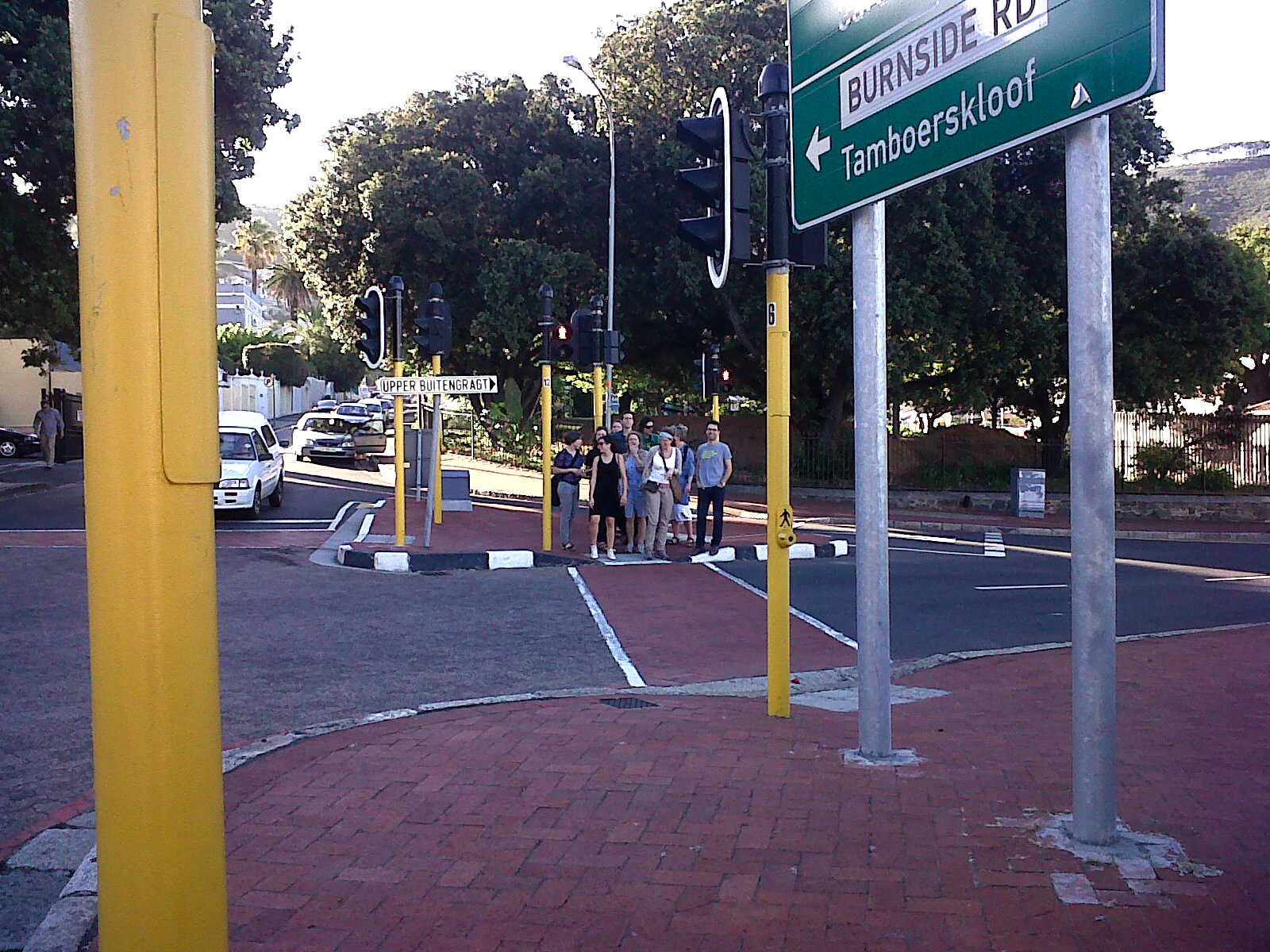
The Swedes, trapped by a system of rules (Bennett, 2012)
|
References
Jhono Bennett, Author. Photos
KKH, Royal Institute of Arts, Stockholm Sweden. Photos
Dunoon Group, KKH. Photos


























































































































 Jhono Bennett