This project was initiated by the PublicActs/Johannesburg (www.publicacts.org) programme, conceived and curated by Katharina Rohde & Thireshen Govender, under interventions (Act #5 and Act #6) of the greater PublicActs/Johannesburg Project:
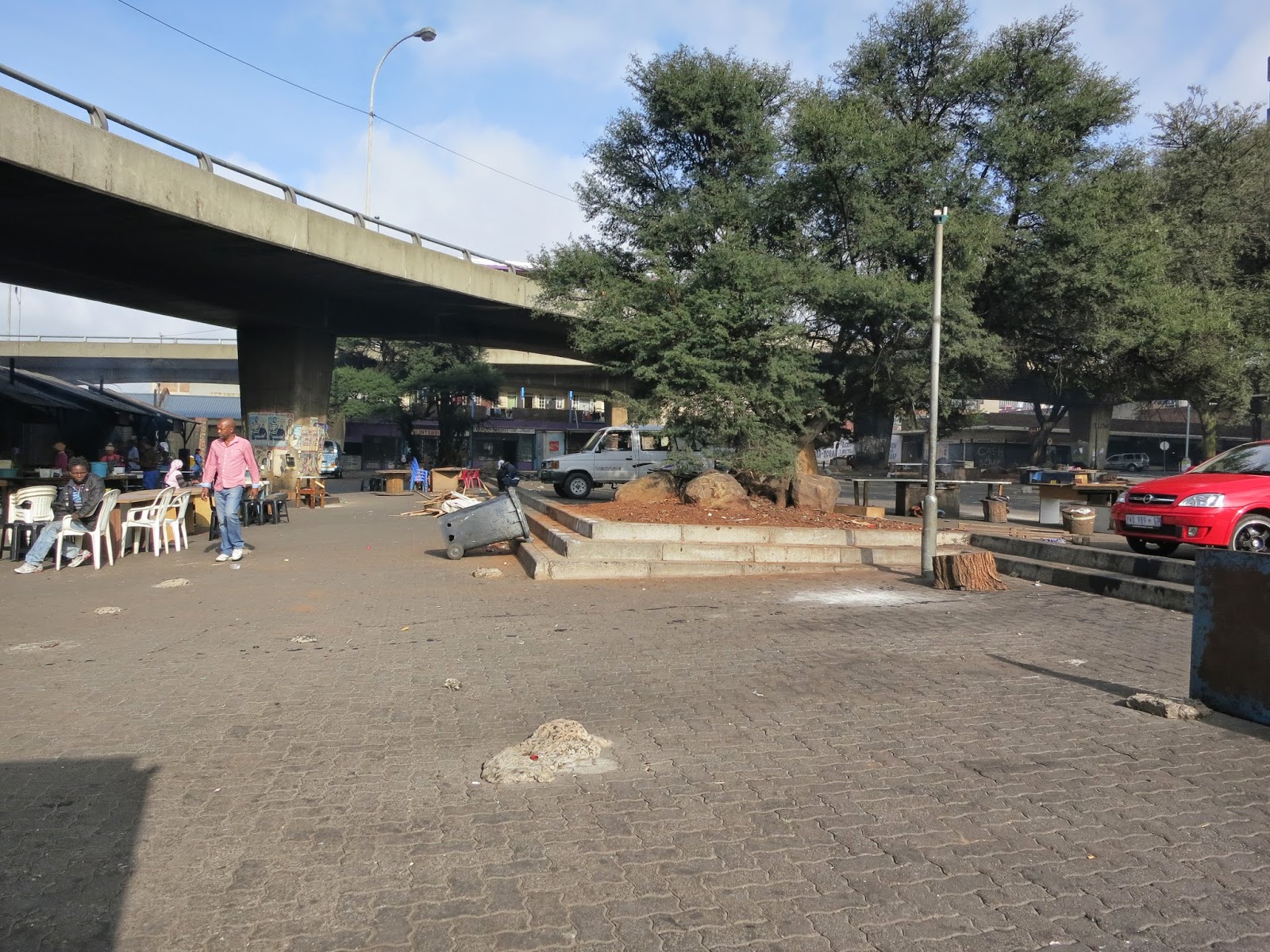
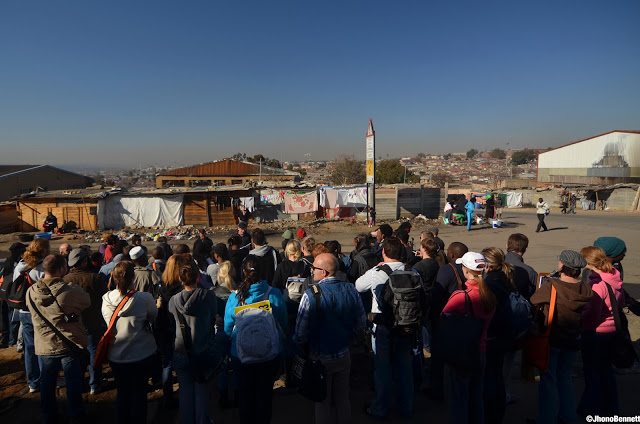
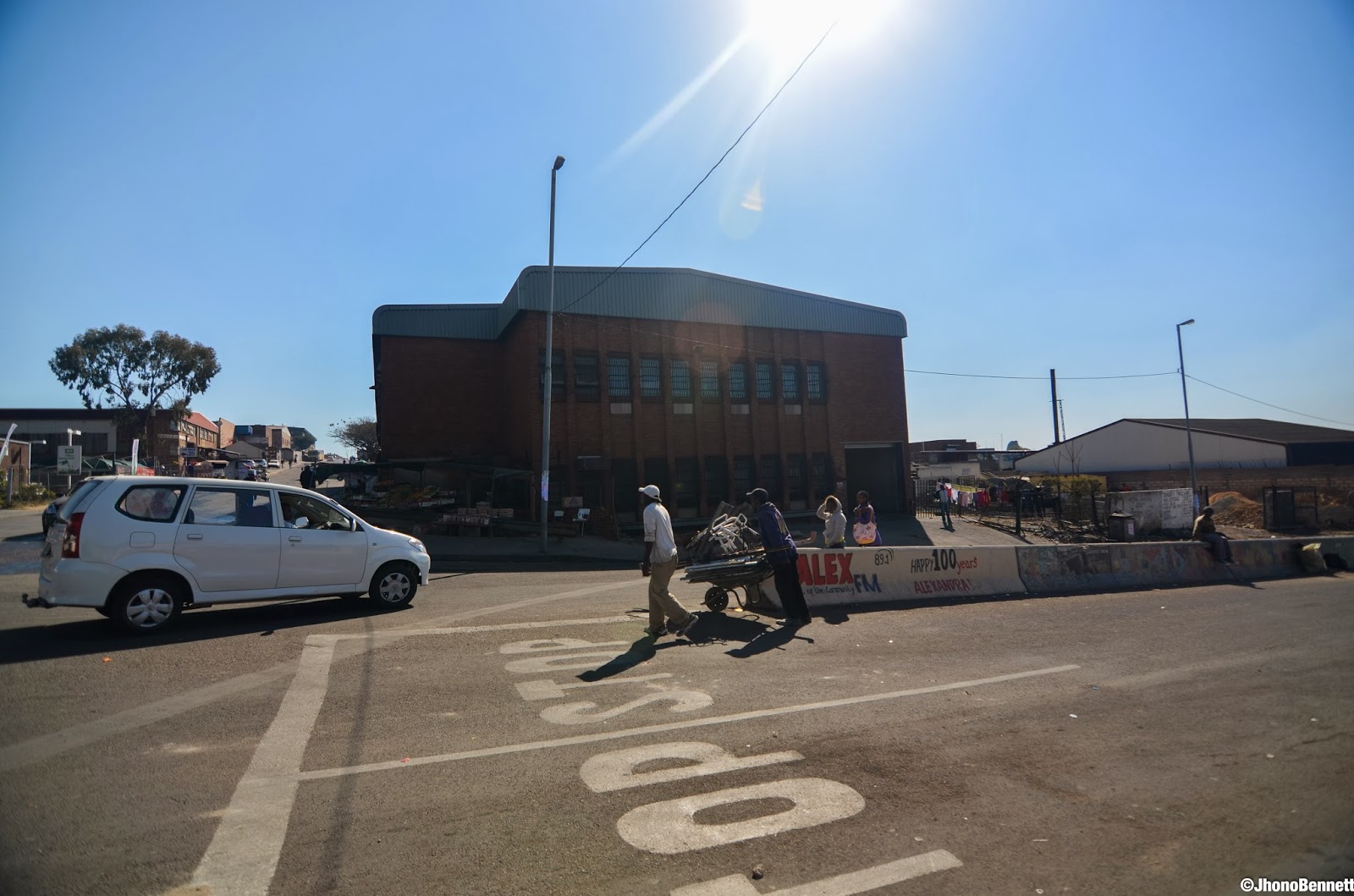
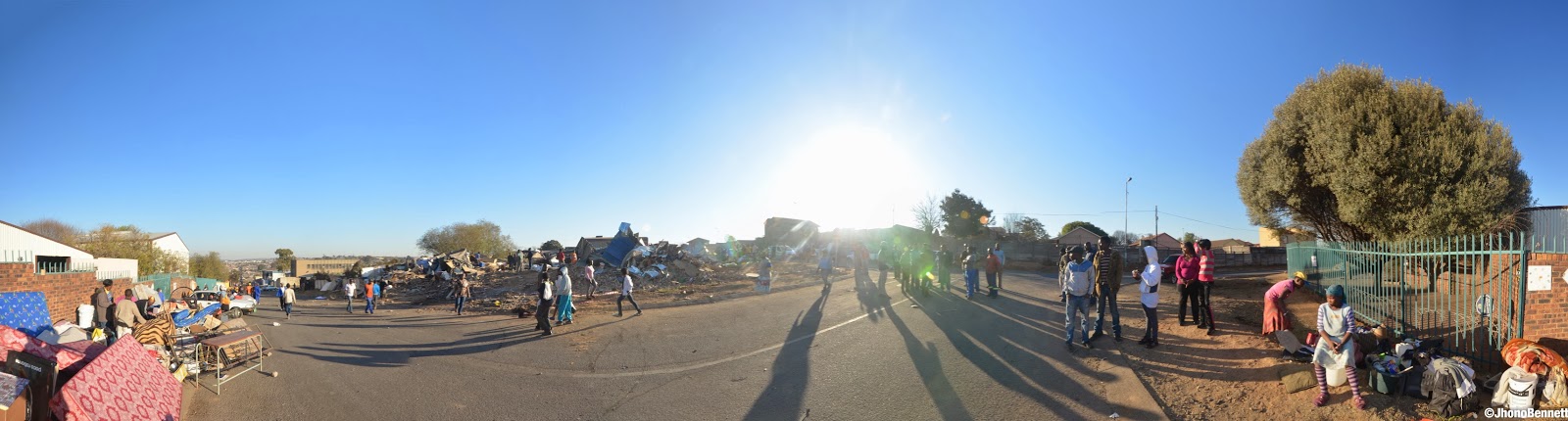
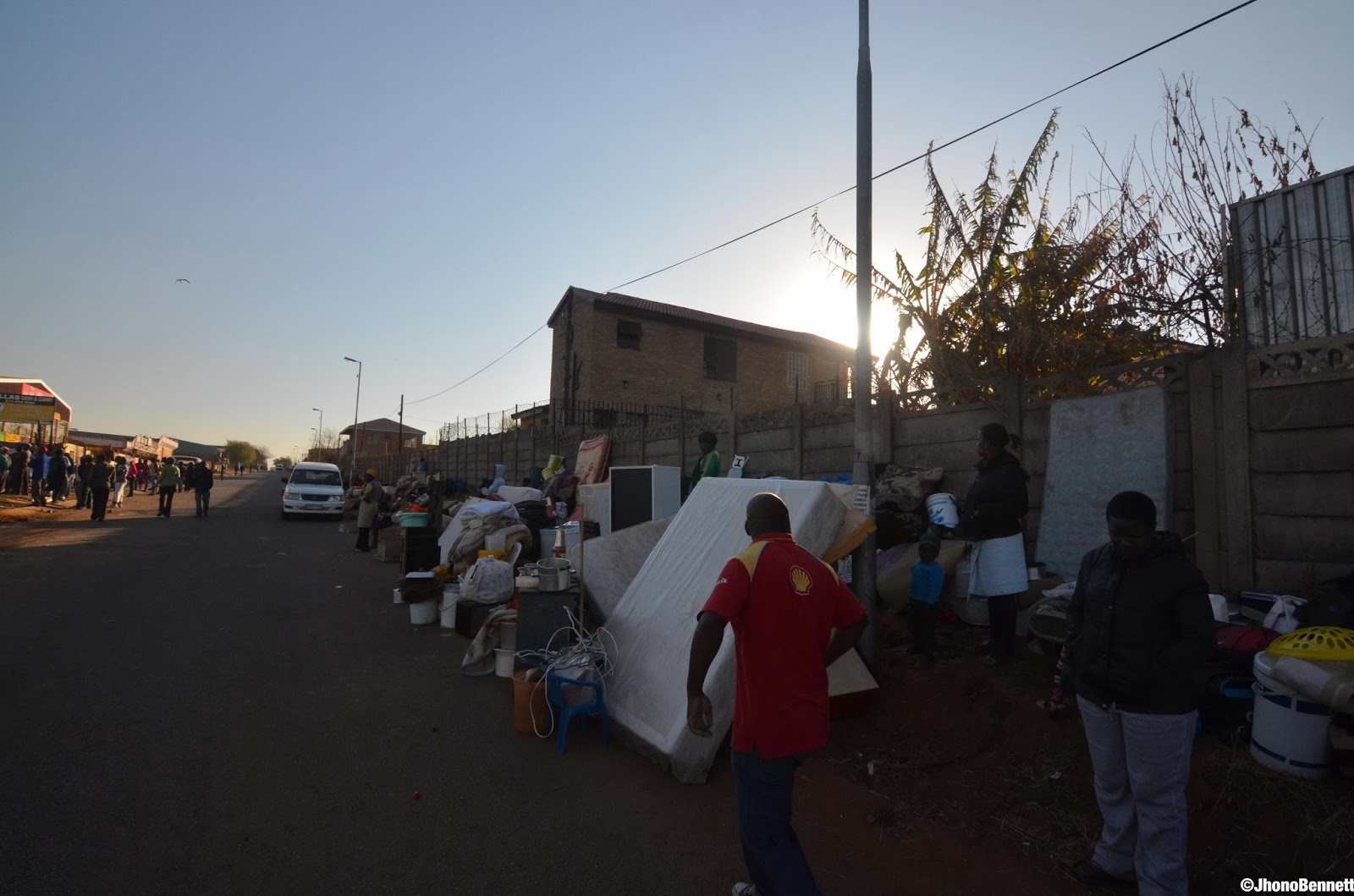
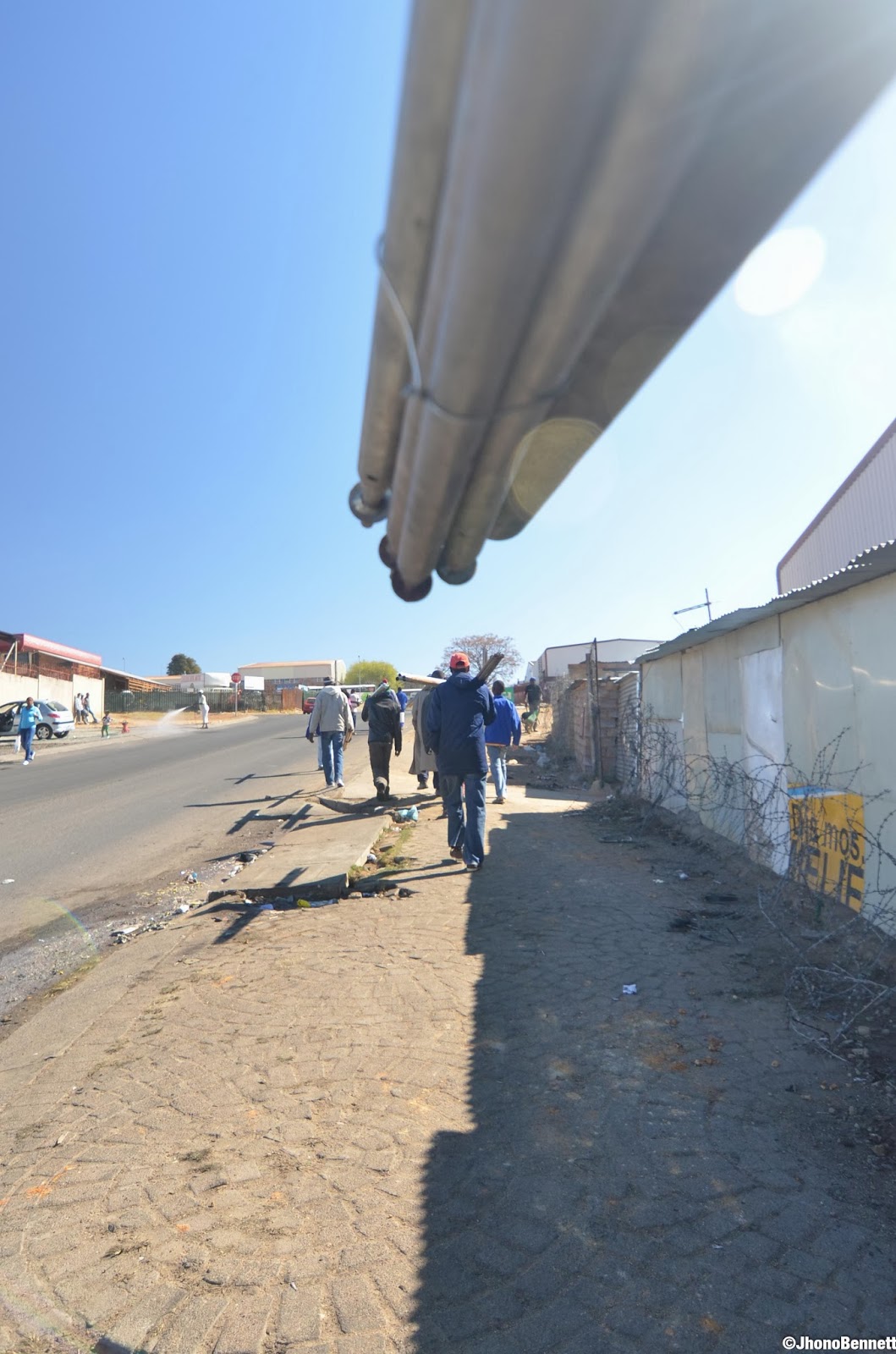
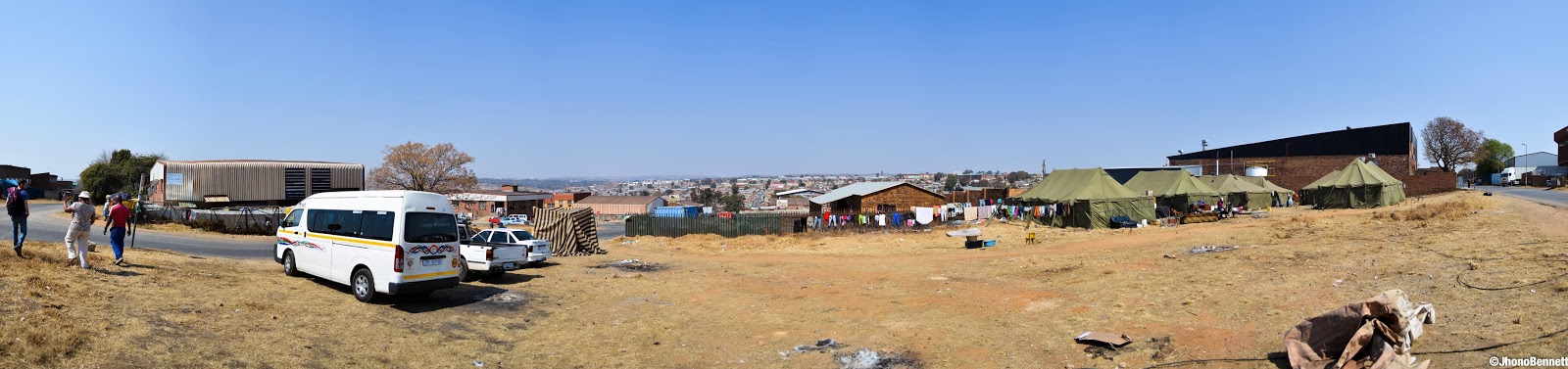
Mai Mai Market in the morning (Image: Jhono Bennett)
“Focusing on new and emerging public spaces PublicActs/Johannesburg aims to investigate and showcase its many different manifestations and potentials.
Producing a catalogue of urban public conditions based on criteria that respond to the contemporary reality of our city and represent its diverse geographies, six sites are identified for their critical value. These meander between the New Imaginaries, the Everyday, the Grand and Spectacular, the Ephemeral and Politics, Power and Protest.
Acknowledging different interpretations of publicness, six creative collaborators alongside local actors are invited to produce a series of actions, site-specific interactions or performances in defined sites, to provoke discussion and the imagination around future public spaces in Johannesburg.
The project culminates into 24hour choreographed Public Acts which invites spectators to playfully engage and interact with the creative interpretations on site. Additionally to the artistic outputs, the festival program will engage local stakeholders and a greater public to critically reflect and comment on the projects findings, speculations and provocations. This will allow for thought about the conditions and production of public space in Johannesburg
With the research and experiences generated we aim to challenge urban actors and decision-makers to engage and construct public spaces in Johannesburg in innovative and democratic ways. Our findings and creative outputs shall function as a guide on how to approach, use, misuse, appropriate and imagine public space in African cities”. (text taken from www.publicacts.org)
The Kwa-Mai Mai socio-spatial action research intervention was the 6 week culmination of a critical process of engagement with the Kwa-Mai Mai Committee and the Mai Mai users. This article explains the process undertaken by those involved and summarises the experience highlighting the key findings and discoveries along the way.
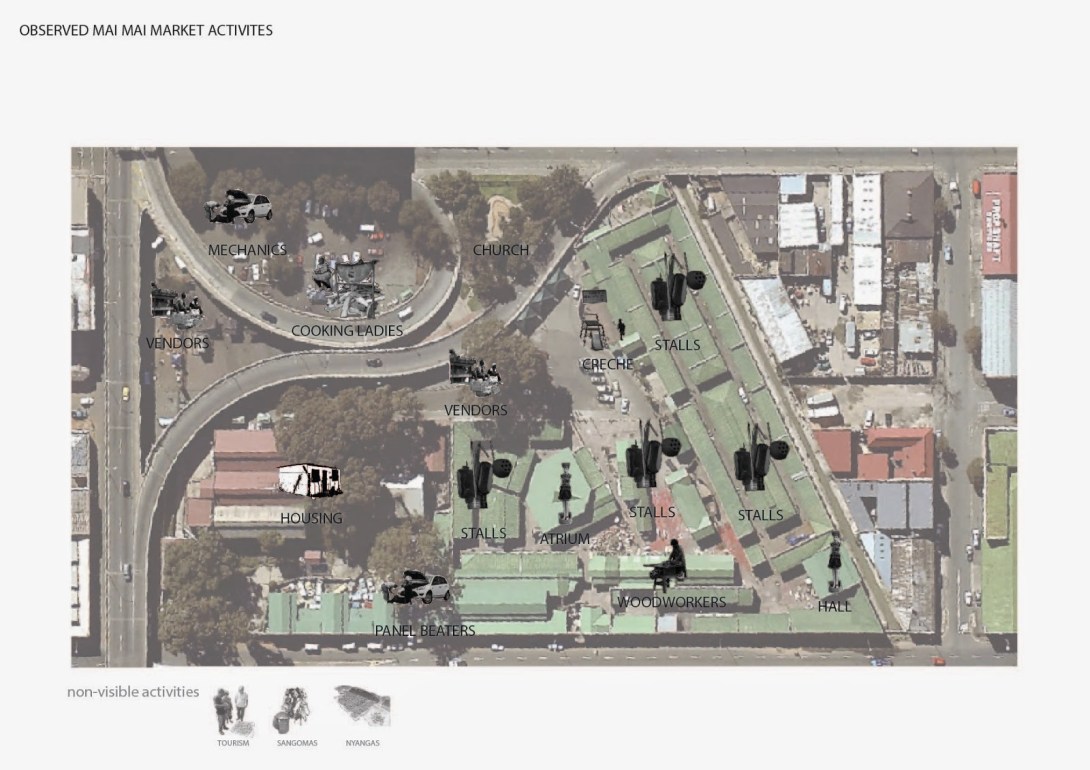
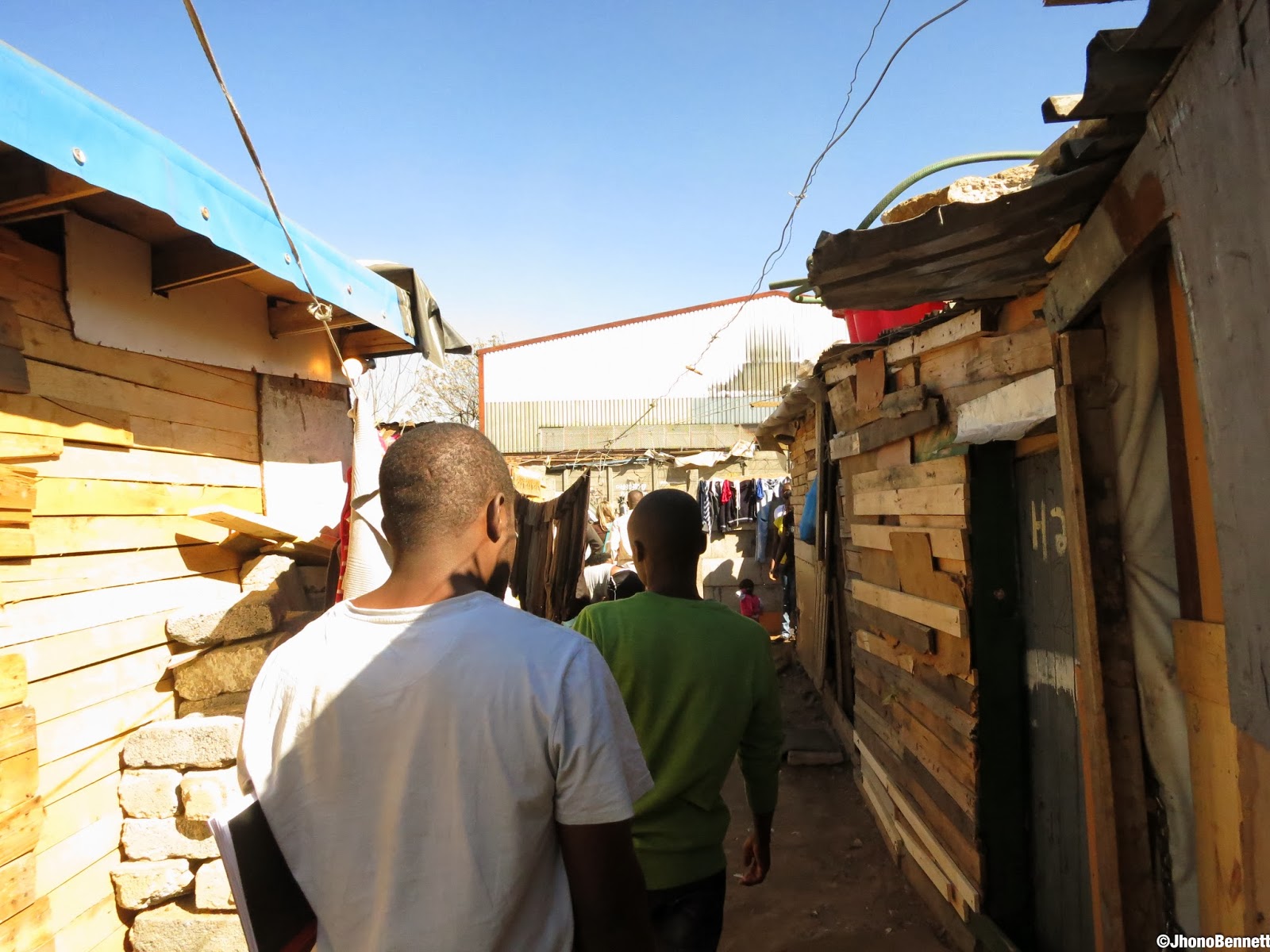
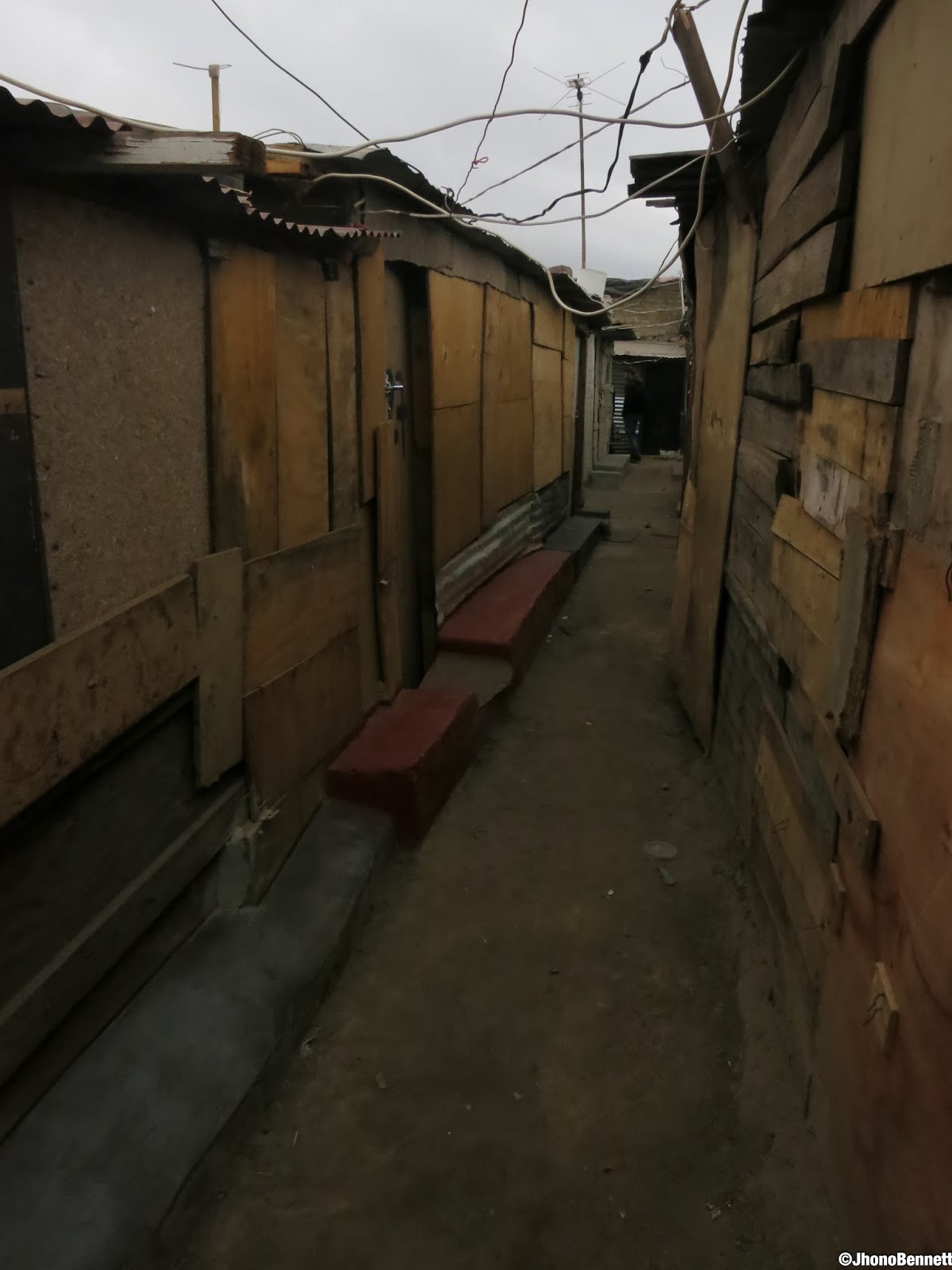
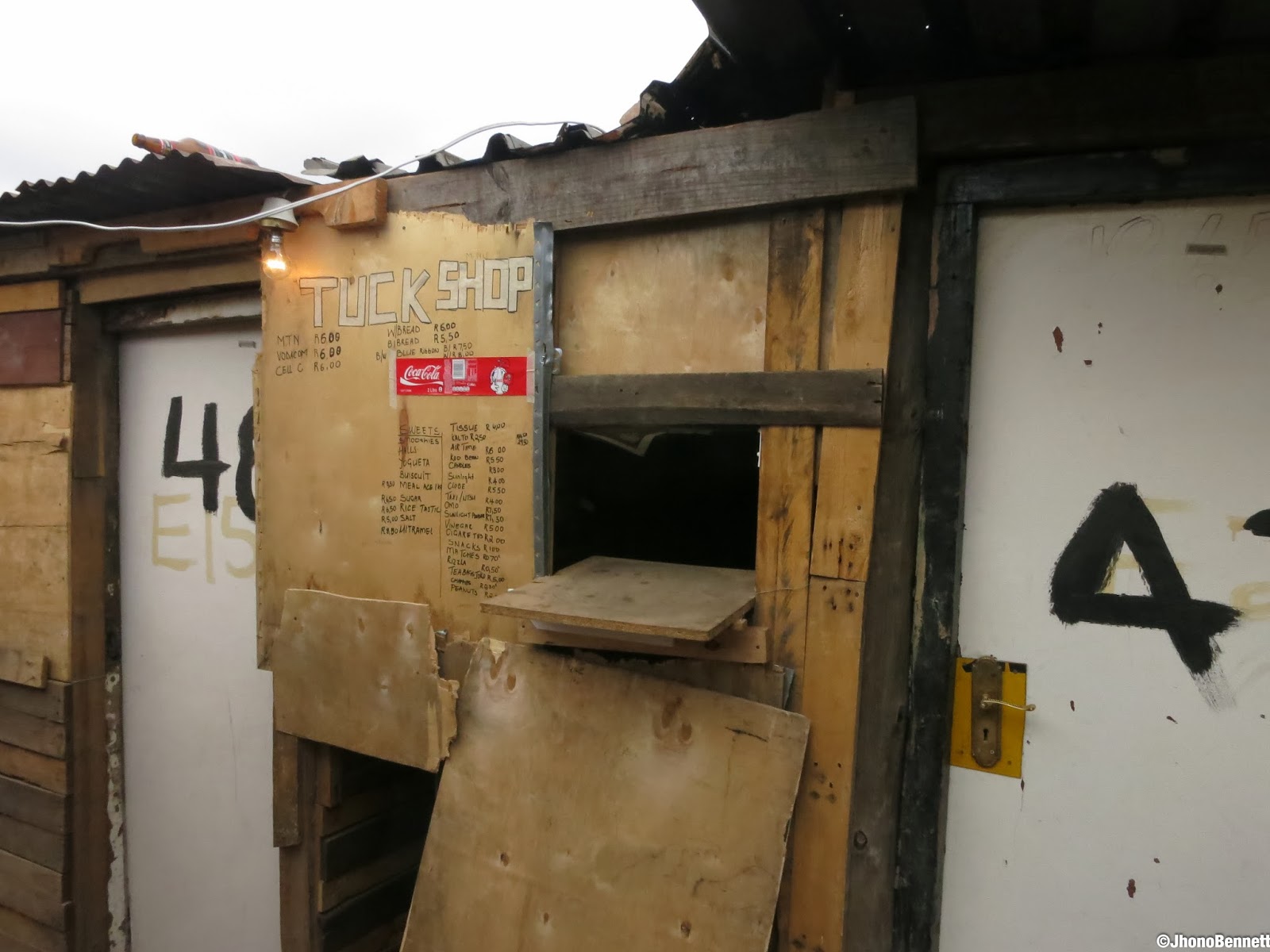
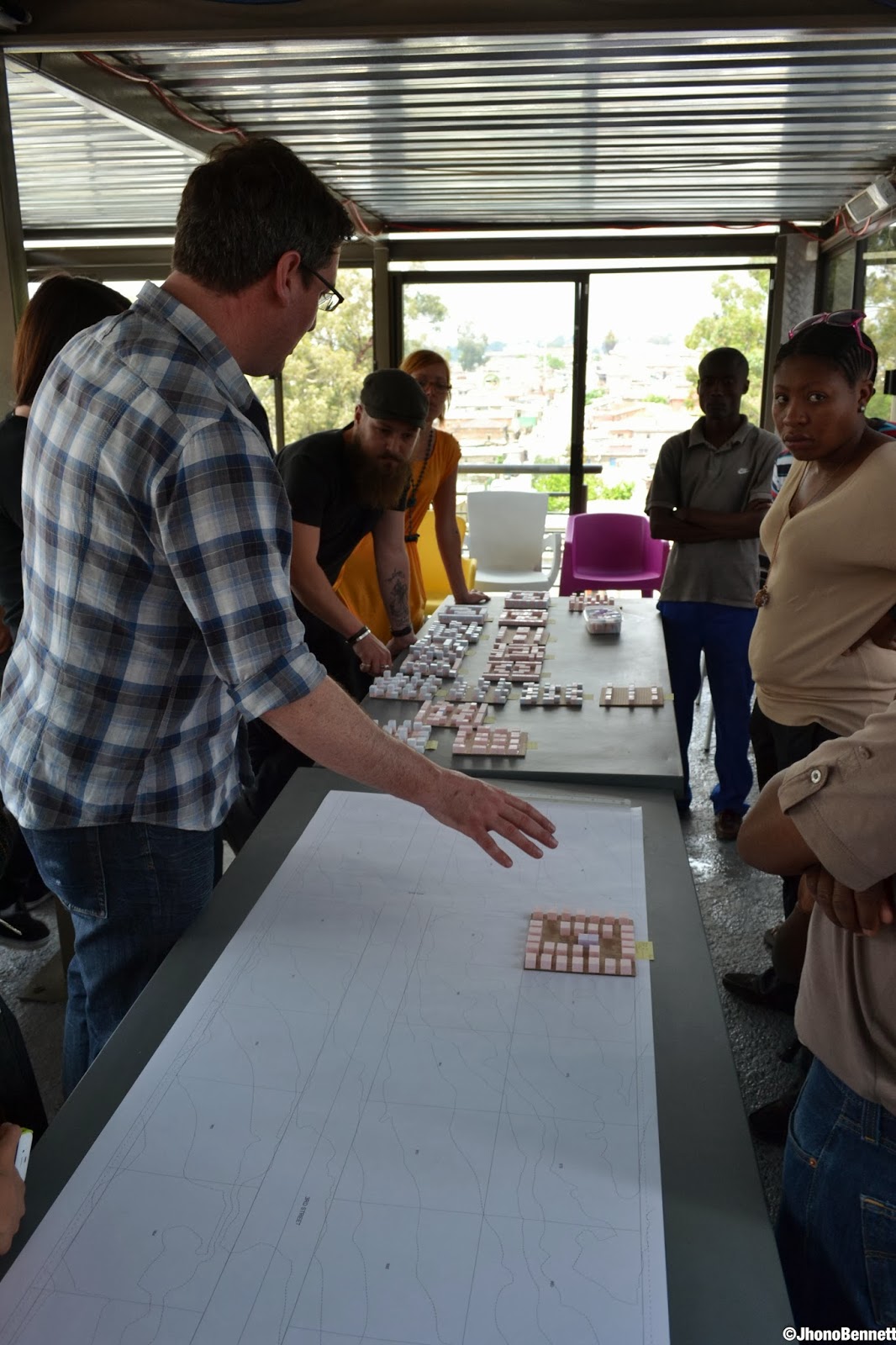
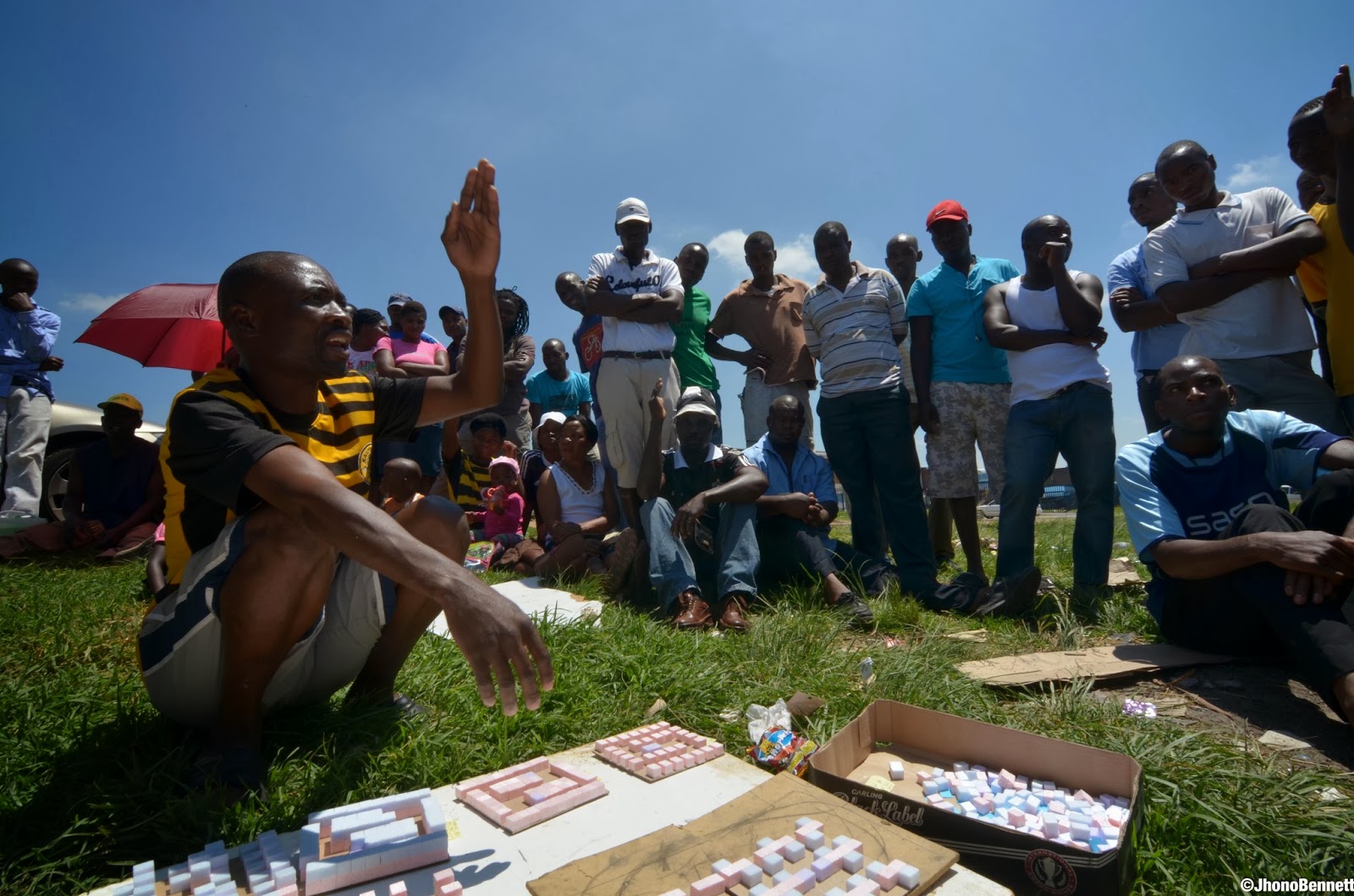
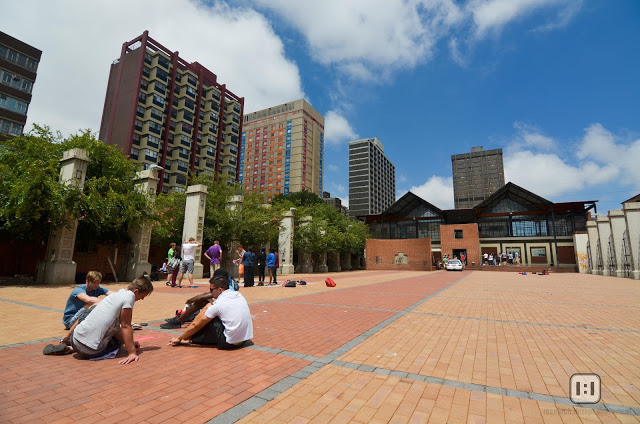
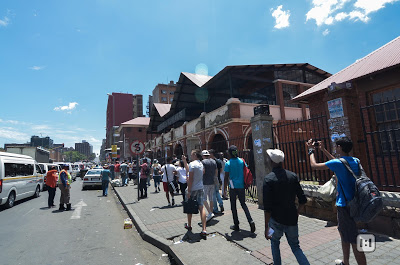
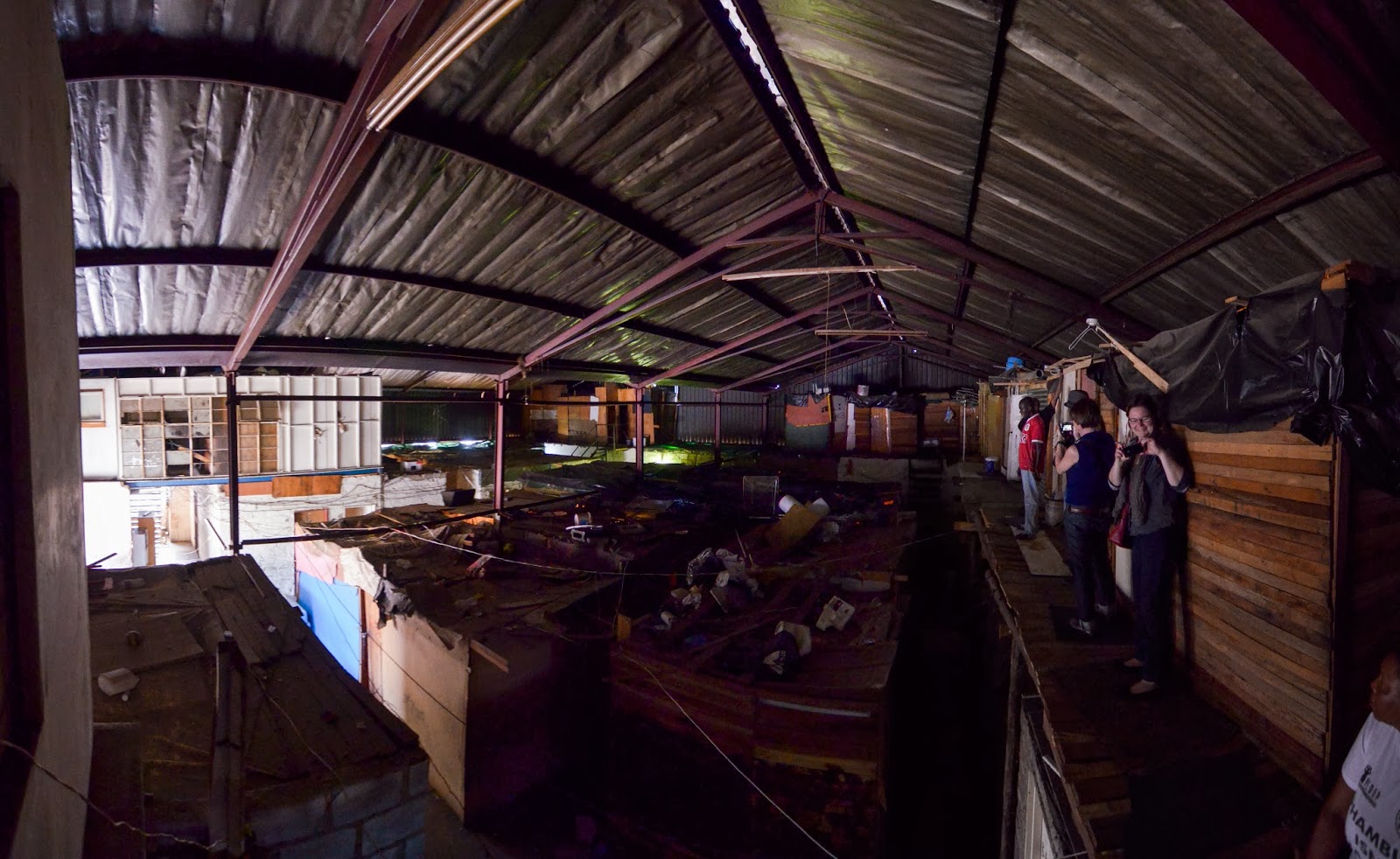
Through a series of discussions, informal workshops and mapping exercises fellow PublicActs provacateurs, Liliania Transplantor and WayWord Sun of AMBush Gardening Collective and myself began investigating the complex and layered qualities of the socio-spatial dynamic of the Kwa-Mai Mai Bazaar (referred to locally as the Mai Mai Market and the entire area as Mai Mai) in Johannesburg’s Central Business District.
What was amazing was not in the fact that they were taken, but that as the day progressed the chairs were slowly returned to the site as the extended leadership from within the Mai Mai Market exercised its control over the entire Mai Mai site, and through co-ordinated movements all chairs were returned back to their original placement.
Mai Mai Food Court before the Act began – with chairs re-appropriated (Image: Jhono Bennett)
Mai Mai Food Court before the Act began – as the chairs began returning (Image: Jhono Bennett)
Mai Mai Food Court before the Act began – as the chairs began returning (Image: Jhono Bennett)
Mai Mai Food Court before the Act began – all chairs returned (Image: Jhono Bennett)
This finding eluded to a much more complex and organised form of leadership and governance that exists in Mai Mai. Simultaneously, more intricate territories amongst the food court users were revealed as the chairs became a symbol of territorial control as users claimed ownership over various arrangements.
Findings
While the experiment did not meet the original aim of constructively provoking forms of seating and gathering it revealed many of the intangible connections and controls that allow the Mai Mai Food Court to work as a highly successful and productive democratic public space in appearance, but a deeply territorialised and governed space in the public realm.
This initial engagement was the first step in a much longer envisioned engagement from both 1to1 – Agency of Engagement and AMbush Gardening Collective with the Kwa-Mai Mai Committee and its users in their own goals of developing Mai Mai into their collective vision.
What the process revealed to us, and our project partners, was how crucial the delicate and negotiated process of trust building that is required through critical engagement to even begin to uncover important social and spatial relationships areas such as the Mai Mai Market.
More so, how important it is for city planners and spatial practitioners to understand that not all systems reveal themselves at face value and often in such complex and rich public spaces, one needs to more engaged and critical when interrogating public space towards an understanding or an intervention.
This research is a continuation of previous research undertaken in Berlin during June 2013, and serves to clarify the hypotheses and findings of both spatial research exercises. The premise of both papers rests on the contrasting backgrounds of the researchers, as during the initial pre-project logistics it quickly became clear that both members of the tandem brought very different perceptions of public space and its use; most notably the contrasting views on what determines safety in public spaces. The initial goal of our partnership was to investigate informal and formal perceptions of ownership in public space. As a tandem, we were interested in how different user groups perceive public space and how these users “owned” the space. This interest stemmed from the contrasting differences in our backgrounds as we quickly realised that as two people from such different places our own perceptions were so different in our initial discussions.
The aspect of ownership has revealed itself in the our experience to be a key factor in understanding the complexity of informal activities in public space in contrast to what are considered the formal use by those who control and manage such spaces. This understanding of the relationship between formal and informal uses is crucial for those looking to intervene spatially or develop an understanding of such diverse public spaces.
After comparing the findings in both parks the understanding of formality and informality broadened. It became very clear that informality is a wide term, impossible to define. Discussing it around an example helped to make it more comprehensible.
The method mix was very helpful, in that it allowed for a variety of answers to the research questions from many different points of views. This shows that perceptions of space and safety are irrevocably interlinked to people’s backgrounds, understanding of local norms and their own experience.
Having come from such different backgrounds the effect of the method mix proved even more valuable. Each tandem had the possibility to get an insight into the work of an architect / a geographer. This was seen most critically in the beginning of the process, as it became clear that both tandem partners use different approaches to investigate space and place – an important finding in order too develop better future methods of working inter-disciplinarily
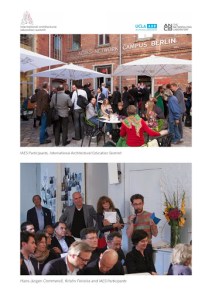
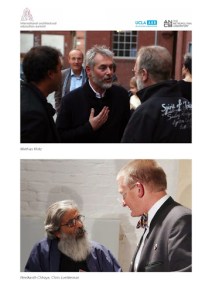
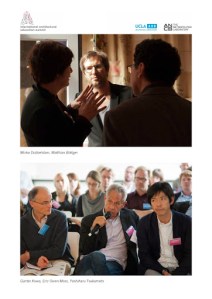
In September 2013 I was honoured to be invited as a speaker at the 3rd International Architectural Education Summit in Berlin:
Conceptualised and organised by UCLA Department of Architecture and Urban Design, Los Angeles; ANCB The Metropolitan Laboratory, Berlin; IE School of Architecture, Madrid in collaboration with the Cassiopeia Foundation, Düsseldorf. The summit provided a platform for exploring approaches to address new directions in architecture education.
It broadened and deepened the continuous ANCB debate, which started with its inaugural symposium ‘Educating the Global Architect’ in 2009. The 3rd IAES in Berlin focused on the acute issues at the intersection of three thematic panels: ‘The Role of Alternative Architecture Education Platforms’, ‘Interdisciplinary Strategies in Architecture Education’ and ‘Collaboration between Architecture Education and Non-Academic Partners’.
The summit was dedicated to fostering a constructive dialogue between leading academics, practitioners, policy makers and industry representatives concerned with ideas to take architecture education forward.
Understandably the topics I put forward around emergent design, socio-technical processes and civil based engagement were not on the main agenda, with the large debates discussing robotics in architecture, funding models through research and a large interest in Eastern Asian Urbanism and Architecture.
The highlight of the conference was my opportunity to present alongside those who I had studied for so long, most notably Tatjana Schneider, who’s amazing work with Jeremy Till through the Spatial Agency has guided so much of my research.
It was quite difficult to be comfortable at such an event as the youngest person there (as well as the only African) but on a whole those that I did connect with were very welcoming and open to discussion.
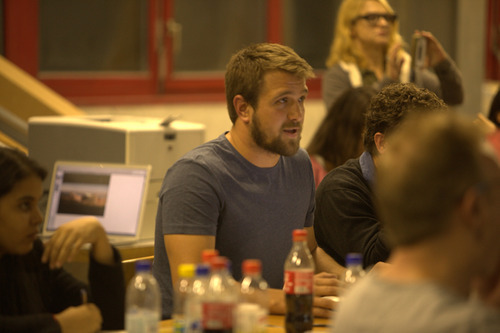
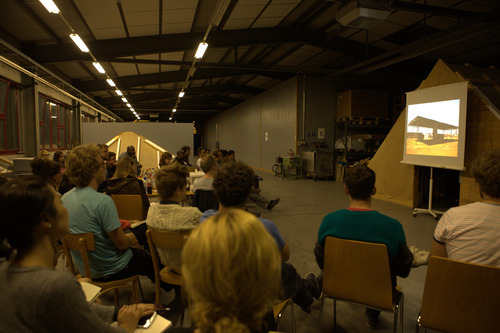
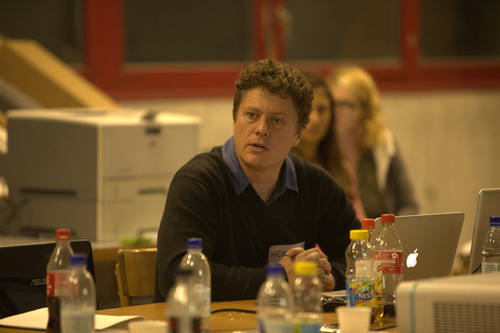
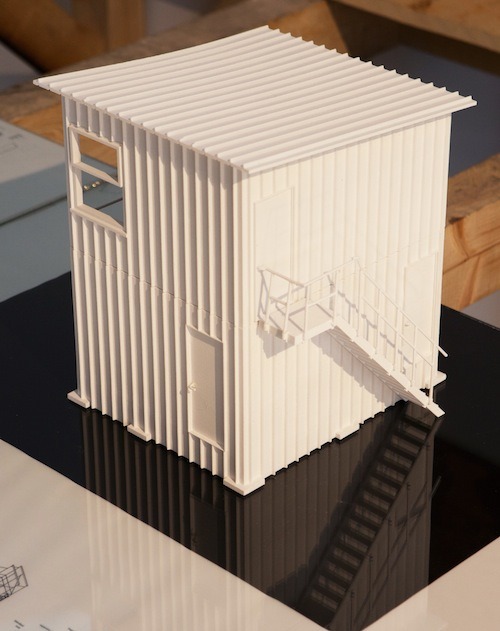
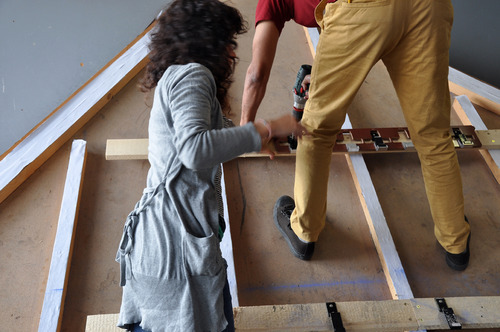
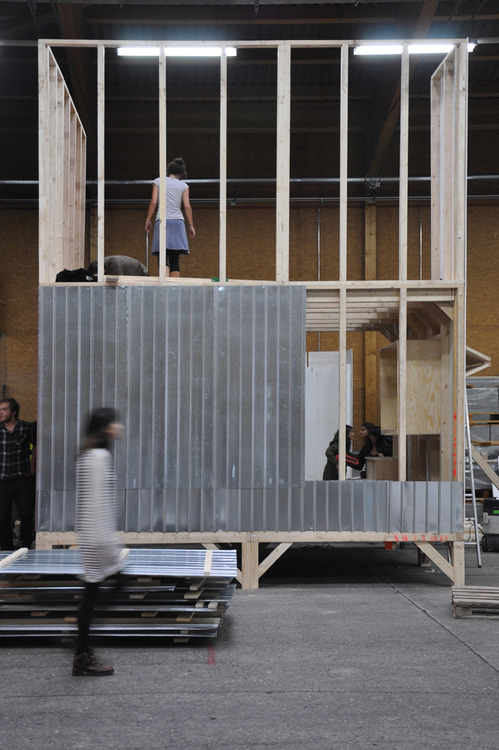
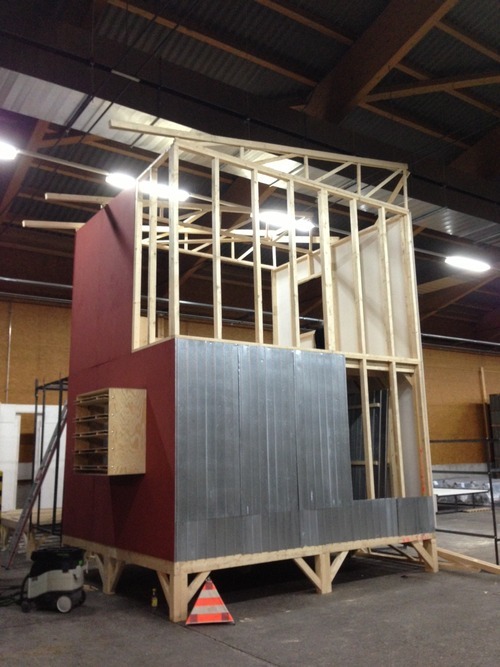
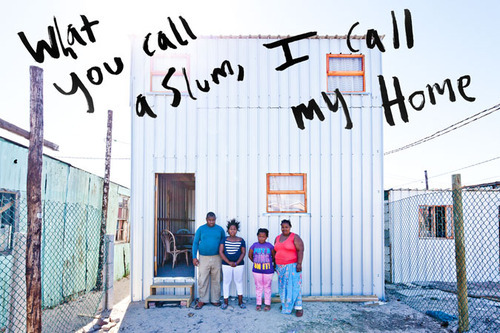
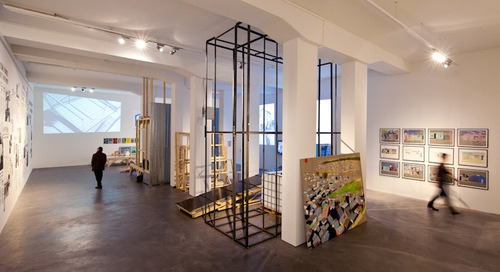
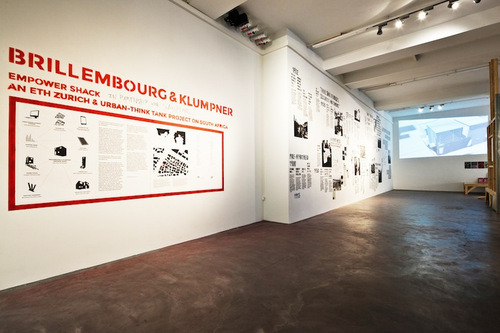
The summer school intended to oversee the design and construction of double storey ‘shack’for a site in Cape Town’s Kayalitsha. Students were facilitated to work with a local NGO under the South African Shack Dwellers International Alliance alongside residents of the settlement who were flown out to Zurich.
By chance I had worked in this very settlement with the invited resident, Phumezo, and could offer critical insight into the context.
Socio-Technical Design Presentation
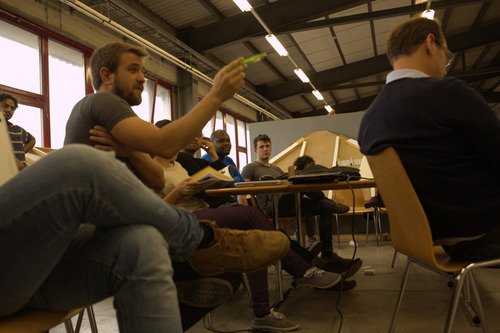
I was given this opportunity to share some of my experiences with the Summer School Class in the first few days of the 2 week Course. Here I shared the story of 1to1 – Agency of Engagement and how we learned through critical engagement crucial socio-technical skills that guide our work today.
The summer school had many other guest presenters including Heinrich Wolf who presented an in-depth and beautifully critical view on the spatial and political landscape of South Africa.
I was highly appreciative of the invitation to contribute to the Summer School by such an acclaimed entity as Urban Think Tank – the course was run well and the students showed a great energy. While I feel my addition to the process was minimal, I do hold some reservation to the process that such initiatives are conducted:
The housing issues in South Africa are complex and mired in a difficult social history. The efforts by local NGO’s are commendable, but sometimes can miss the bigger picture that the housing issues we face here are not technical – we have proven that as a country we can deliver technical delivery with over 2.3 million homes delivered with a Housing backlog that is bigger now, than it was in 1994 according to the latest statistics (2013).
In my opinion we, as a country, are missing the necessary systems to deliver not just housing but re-developed landscapes that are still spatially unjust and unequally serviced. To address these missing systems we need additional modes of spatial practice and spatial design in South Africa.
Technical design systems are part of this process, but I feel that too much focus and promise is often held in a ‘better’system or better development aid product. My faith lies in better ways of designing and engaging with this issue.
*
I respect the fact that the Empower Shack Team went and constructed the prototype in South Africa with the South African Shack Dwellers International Alliance’s support. I was not in agreement in the way that the local partner NGO within the alliance included the residents of BT Section – it felt token and not truly co-productive, but this remains my on-going critique of this NGO who I’m sure have good intentions.
What I do commend the Empower Shack Design, is that it does attempt to respond to existing systems, with the input from local NGO’s, but having come from such a product based beginning I feel the result is a ‘product’- perhaps from this point it can begin to grown into a locally merged system?
I look forward to seeing more come from this project and wish the team best of luck with such a difficult task.
The workshop forms part of the Change by Design Programme developed by ASF-UK and tested in several contexts including Brazil and Kenya.
The programme applies a holistic and multi-level approach to participative design in vulnerable contexts and seeks to support local stakeholders through its mechanisms.
The process has been documented in detail by the organisers and can be viewed here:
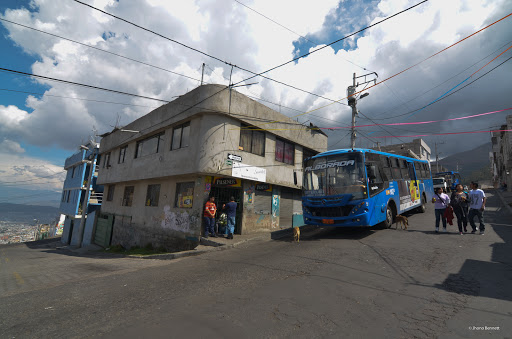
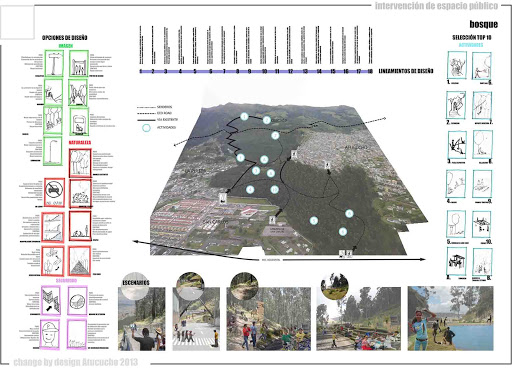
“For the 4th installment of the Change-by-Design workshops, ASF-UK is teaming up with a coalition of Ecuadorian architects, community organisations, activists and academics to develop design ideas for the “Buen Vivir” neighbourhood, that can inform and help shape the Urban Revolution Agenda or ‘Revolución Urbana’ in major Ecuadorian cities in 2013. The Buen Vivir concept, meaning ‘Good Living’ (or sumak kawsay in Kichwa) is an indigenous philosophy that advocates for social organisation, collective wellbeing, and new ways of engaging with people and the environment. Building on participatory design tools developed in previous workshops in Brazil & Kenya, we will be using the Buen Vivir concept to design an upgrading plan for the community of Los Pinos and a series of project proposals for the Community of Atucucho. The workshop will also engage Ecuadorian students and professionals alongside the international participants, and will host a city-wide symposium and several visits to other organised informal settlements. Local partners | The Ecuadorian coalition for Buen Vivir and Change by Design This coming May, the Ecuadorian coalition will be implementing a series of one-day workshops with various actors, exploring the City, the Neighbourhood and the House of Buen Vivir, in preparation for the Change by Design workshop in August 2013. For images, stories and updates on the communities and local partners visit our Facebook page”
The coalition is formed by: CLACSO’s Latin American Working Group on Popular Habitat and Social Inclusion CONBADE The National Confederation of Barrios of Ecuador (CONBADE) IAEN | The National Institute of Higher Studies UPS | The Polytechnic Salesian University of Quito (UPS) GBA | The Neighbourhood Government of Atucucho BCA | The Community Bank of Atucucho The Community Development Committee of Los Pinos
The workshop brought together 40 practitioners on the project and divided the group into a Los Pinos and Atacuho group, then into the 4 focuses: Policy & Planning, City, Community and Dwelling.
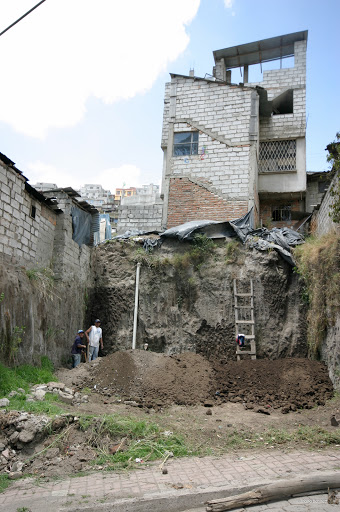
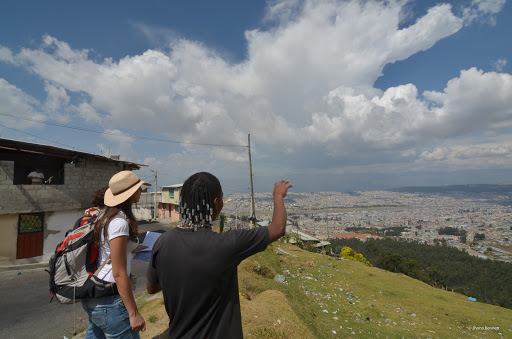
The first few days were spent visiting the sites and receiving critical input from various experts.
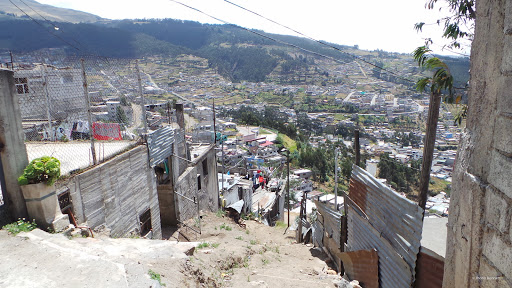
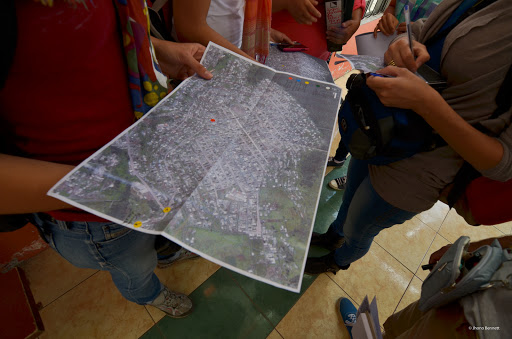
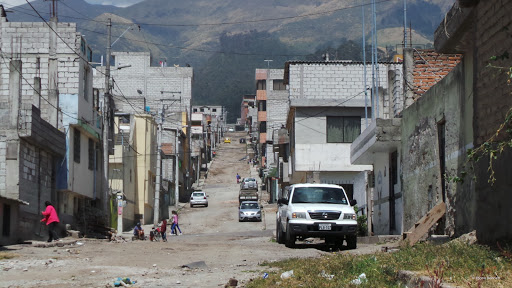
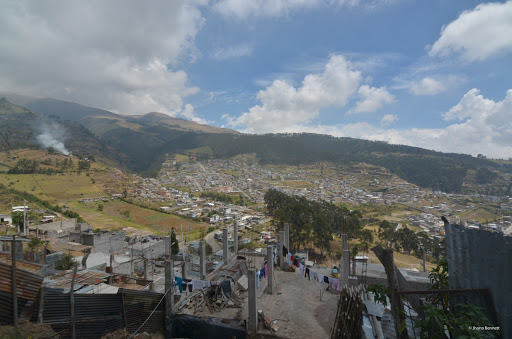
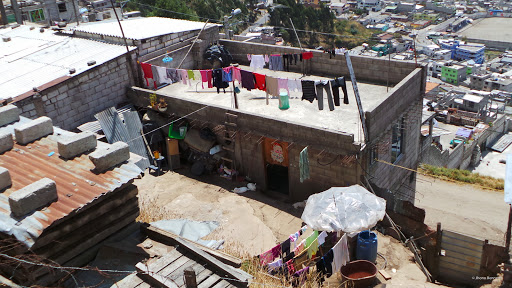
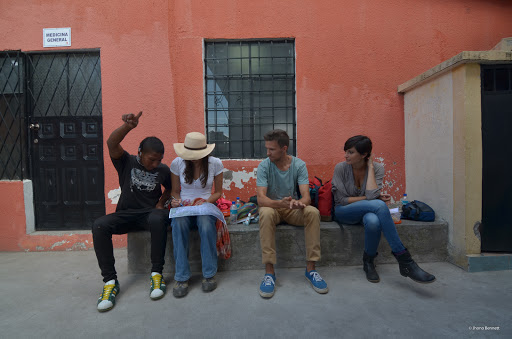
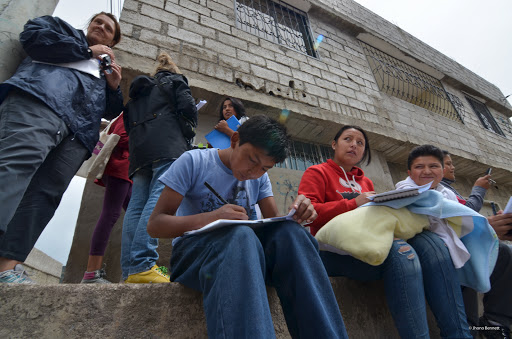
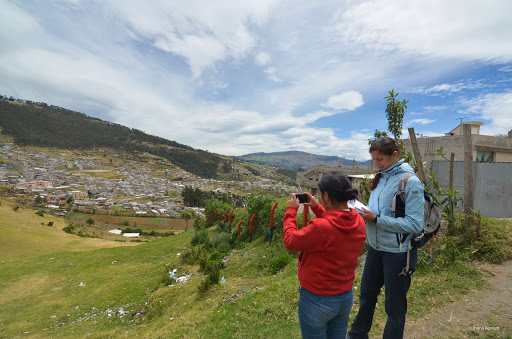
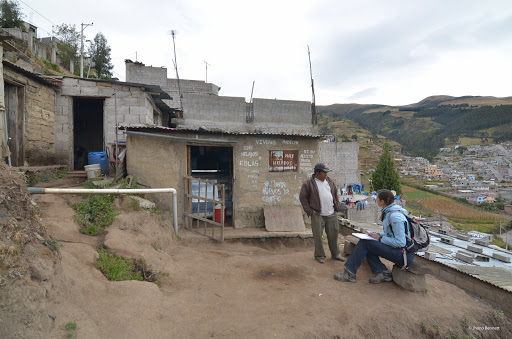
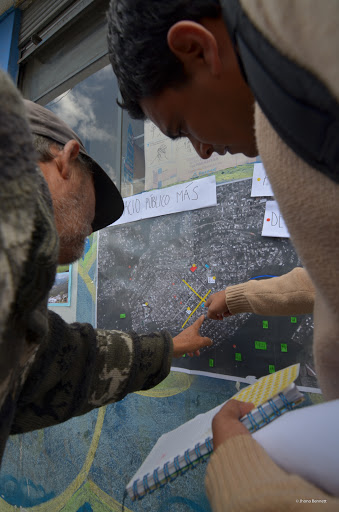
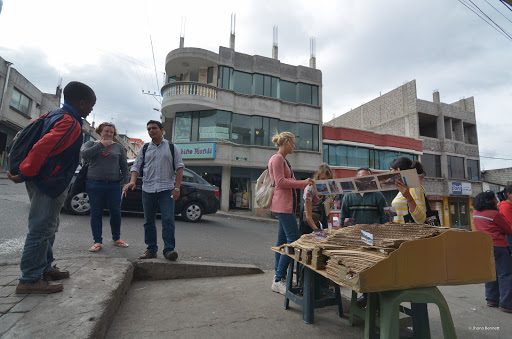
I was assigned to Atacucho, and the community focus group. We were tasked with beginning an immersive critical mapping process with various community groups from the Atacucho Neighborhood.
Each day, we carefully documented and planned the following day with the various teams in order to work towards the agreed outcomes decided by the project organisers and local stakeholders.
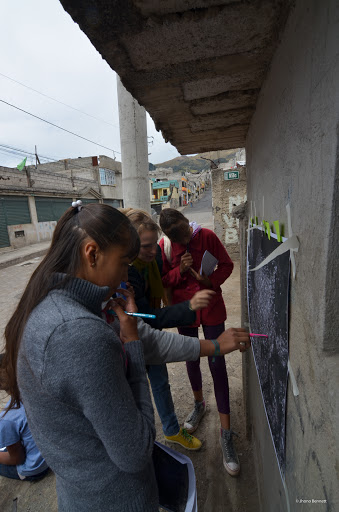
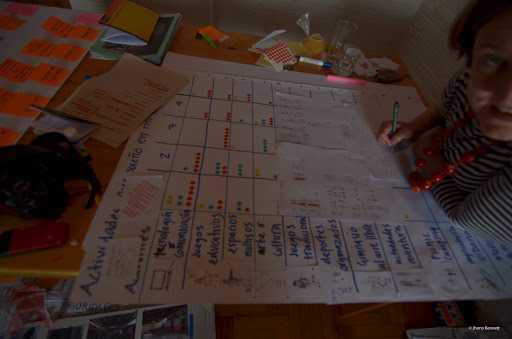
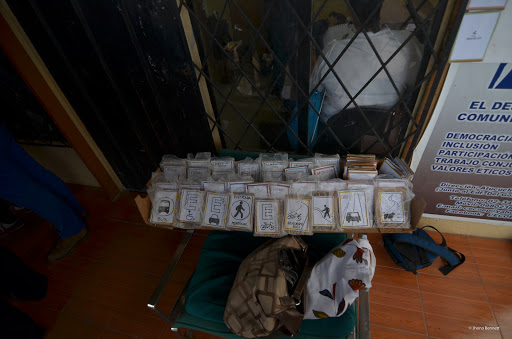
We developed various tools to engage with the youth group in Atacucho, and prototyped ‘Atacuchbook’ as a way to collective data.
This process of mapping, researching and documenting was the foundation towards determing the next set of workshops where we would share these findings and gather more nuanced and subjective findings.
Workshop 1
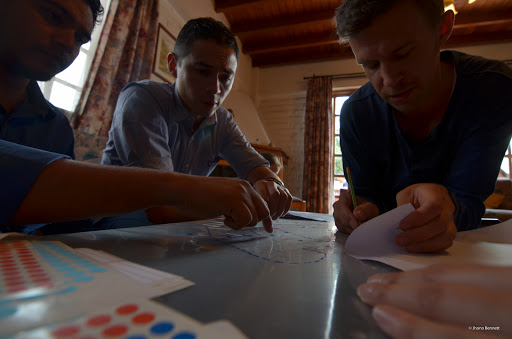
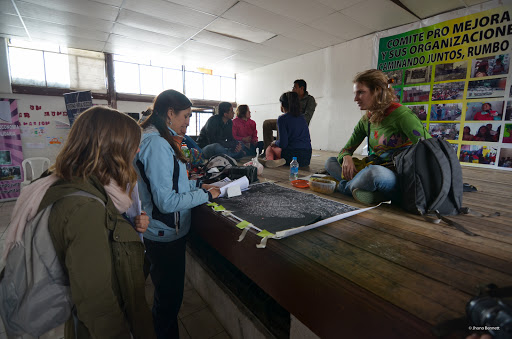
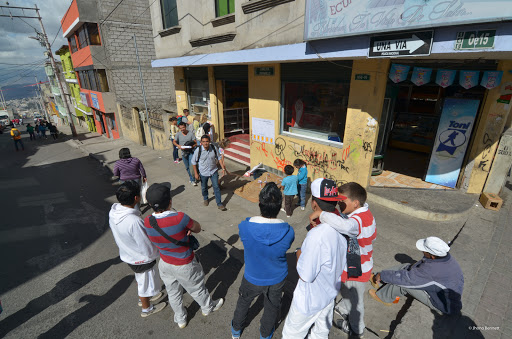
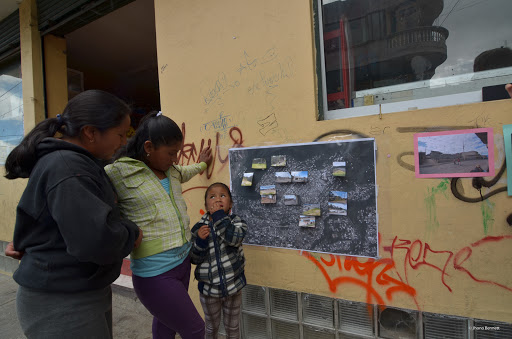
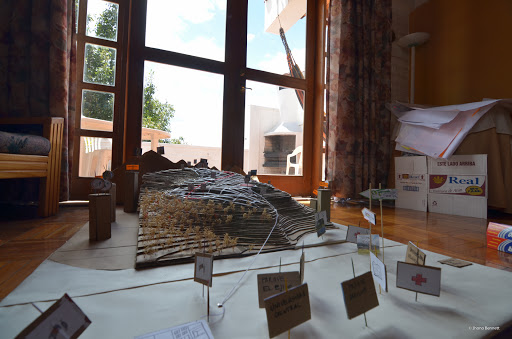
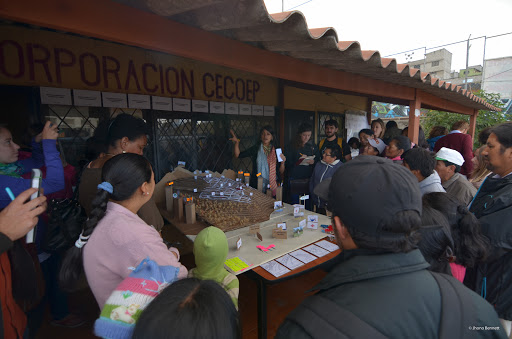
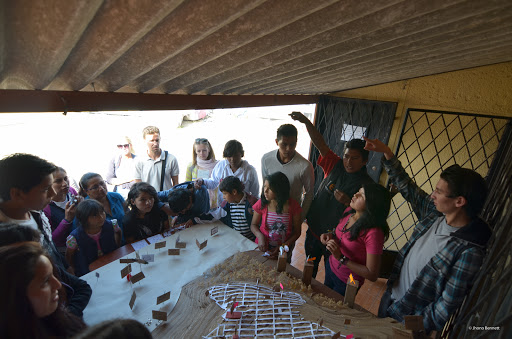
Our team set about building an interactive site model, as well as creating a series of exercises to uncover information from the broader Atacucho Neighborhood.
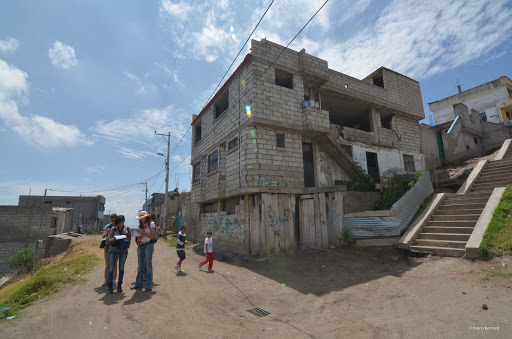
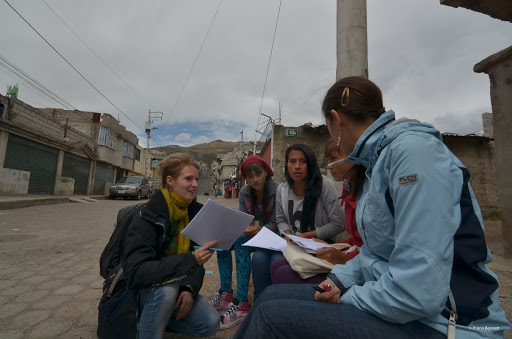
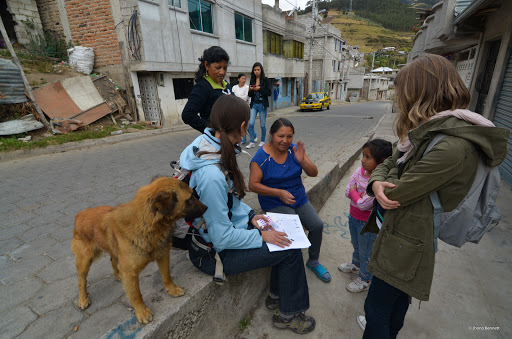
This set of exercises was conducted in various locations including the street corner to broadly engage with as many groups, ages, gender and cultural sects within Atacucho.
Workshop 2
We continued this set of exercises to spread the net of engagement as wide as we could, and adjusted some of the questions based on the initial process.
Workshop 3
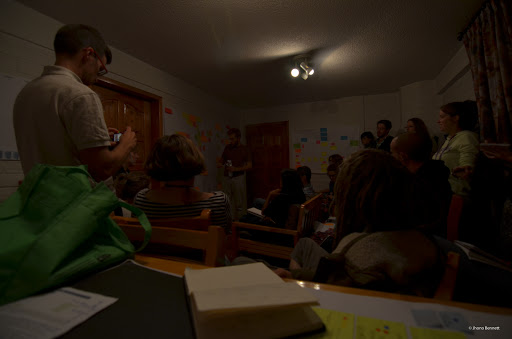
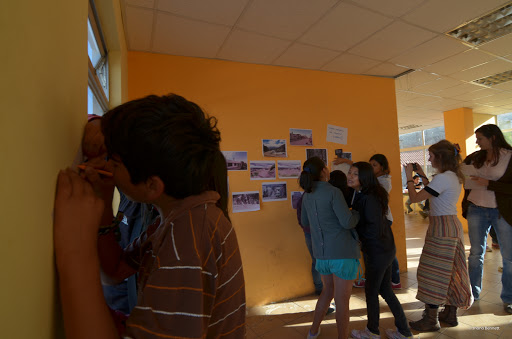
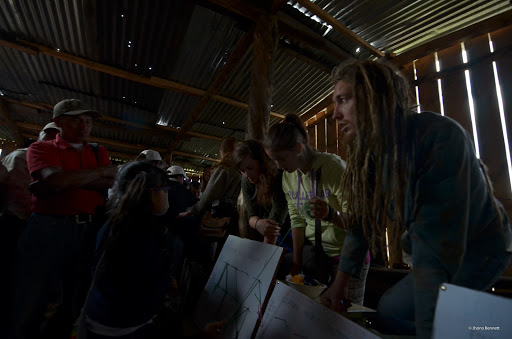
Armed with this data, and a restful weekend, we set about creating the next series of interactive exercises to work through with pre-arranged focus groups.
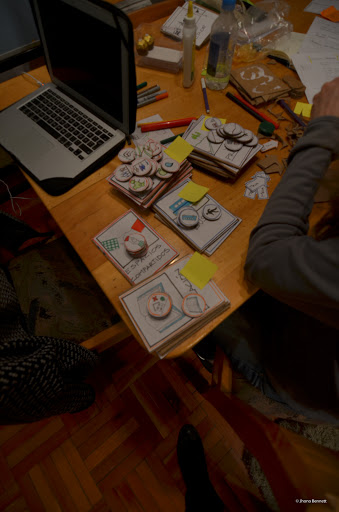
These exercises had us manufacturing and designing simplistic ‘games’ that allowed us to capture the subtle nature of people’s ‘vision’ for the neighborhood.
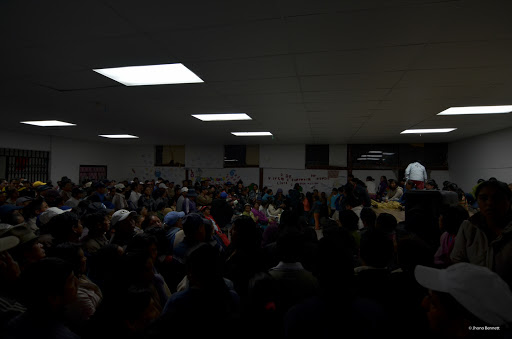
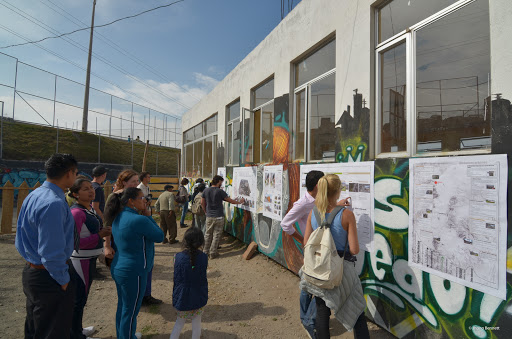
Final Workshop After this intensive two week process, we gathered all the data and the findings and developed a set of ‘recommendations’ that we shared at the local youth centre as part of the initial hand over process. The workshop made allowance for a set of interns to remain after this engagement to further develop these with the stakeholders over a six month period.
co-determined recommendation page example
This took place in both Atacucho as well as Los Pinos and was the culmination of a very intense 2 week process.
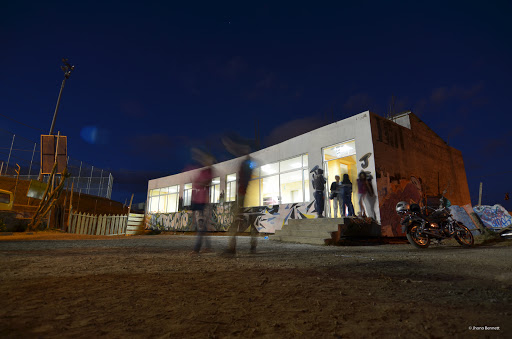
Final workshop night
Reflection Quito reflects many parallels to South African cities, and offered some interesting aspects of social cohesion in the ‘mingas’ (social work parties) that allowed government tactical ways to recognise ‘community’ and work through towards development.
The workshop exposed me to a highly rigorous and complex process that truly engaged with the complexity of vulnerable urban residents, while allowing me to part of a process with no expectation of leadership.
I feel there is much I will take forward with me into my work in South Africa.
Post (in)formal City Programme, some of the participants stayed in Berlin to further take in what the city had to offer. Below is a short photo essay on some of the spaces visited in the downtime.
Post Programme Adventure: the Great Cycle Mission Dagmar Hoetzel, an architectural journalist and project supporter, offered to take myself and fellow participant Claudia Morgado on an Architectural Bike Tour of her favourite spaces in Berlin. Starting at the Kreutzberg Hill Dagmar took us on an epic adventure across the city’s network of cycling routes.
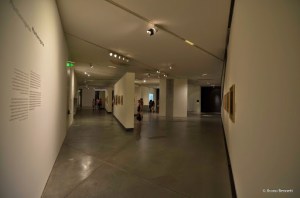
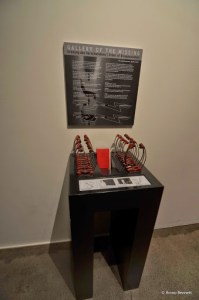
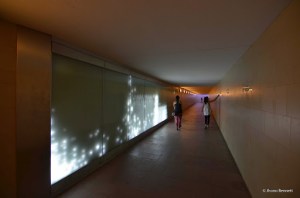
This exhibit asks the viewer to put the head phones on, then as one moves close to the wall receptors pick up the frequency and a voice begins to speak.
The most tourist part of the trip. What is is most interesting is the crazy picture taking, Starbucks, McDonalds and other global brands that dominate this space.
Lest we forget our current fascist leaders – Mugabe hiding in the background
The initial goal of our partnership was to investigate informal and formal perceptions of ownership in public space. As a tandem, we were interested in how different user groups perceive public space and how these users “owned” the space. This interest stemmed from the contrasting differences in our backgrounds as we quickly realised that as two people from such different places our own perceptions were so different in our initial discussions.
The aspect of ownership has revealed itself in the our experience to be a key factor in understanding the complexity of informal activities in public space in contrast to what are considered the formal use by those who control and manage such spaces. This understanding of the relationship between formal and informal uses is crucial for those looking to intervene spatially or develop an understanding of such diverse public spaces.
This is essentially a photo essay of the events from my perspective, with supplemented referenced links from on-line sources, that depicts my involvement in the MWCC’s processes during this period.
The MWCC had been established after a fall out with various civil and local authority groups who had negotiated for the residents on their behalf to their right to occupy the warehouses.
The MWCC working with CORC technical member
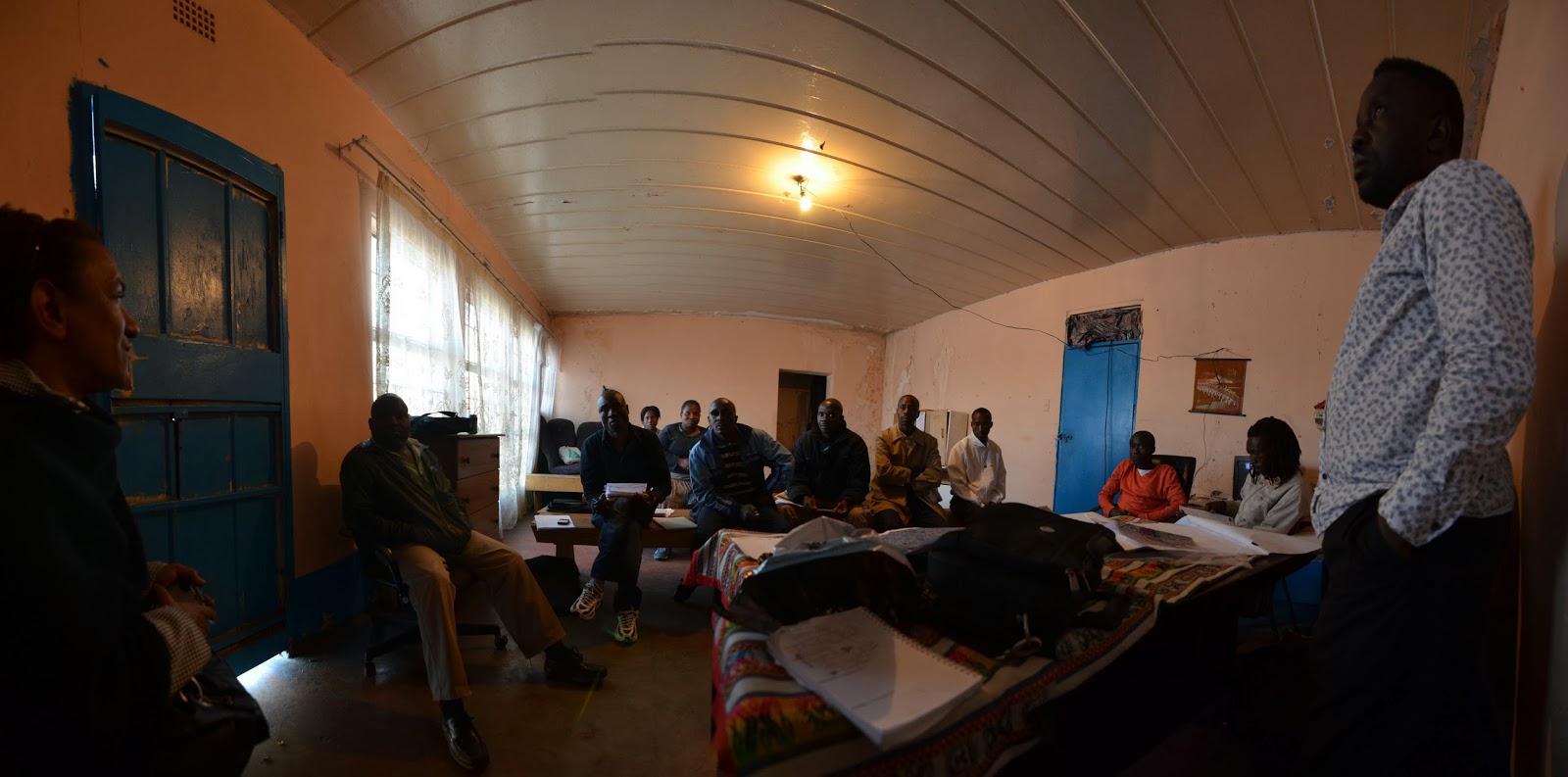
As Socio-Technical support a large part of our our job consists of being in leadership meetings.
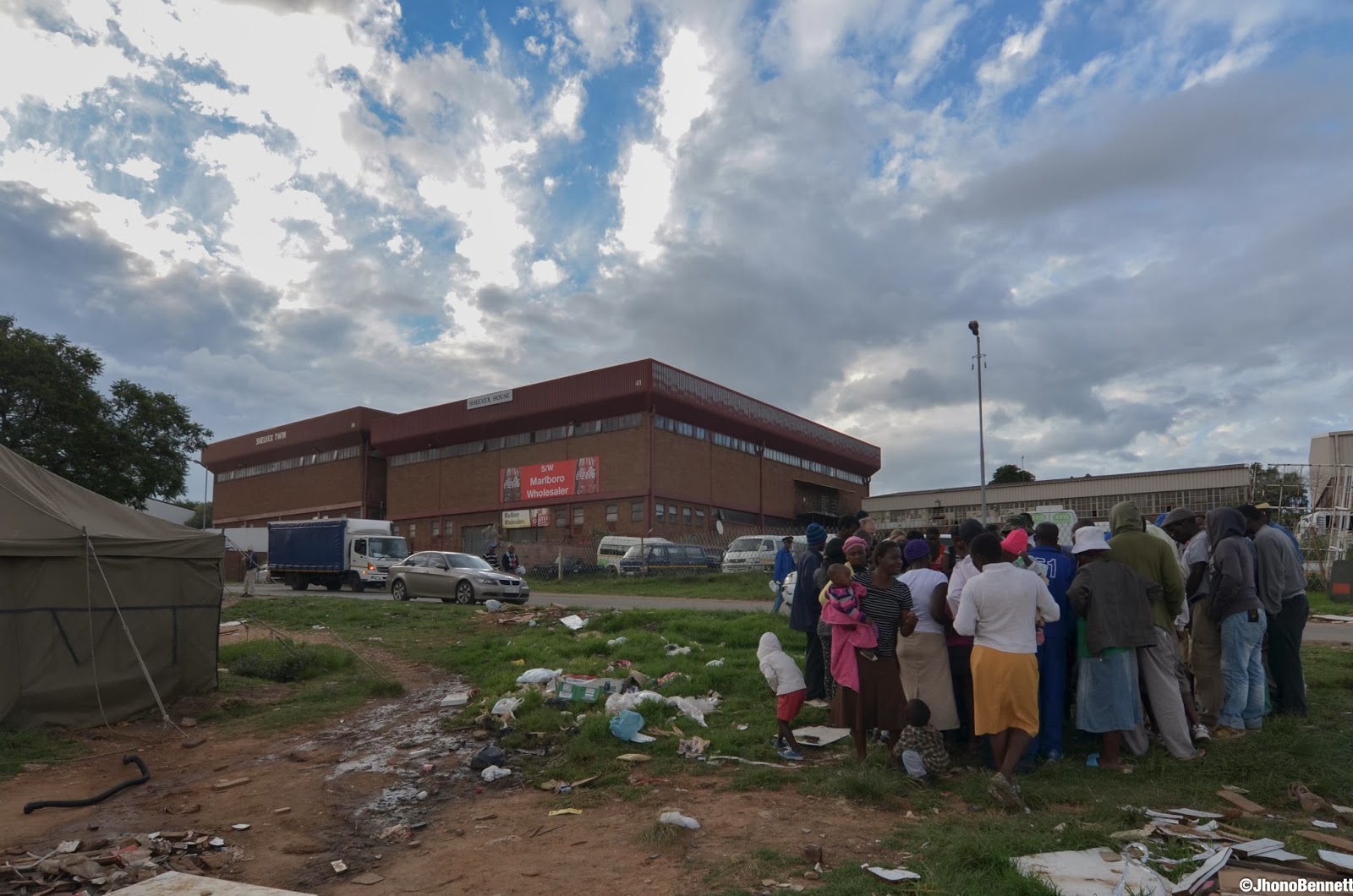
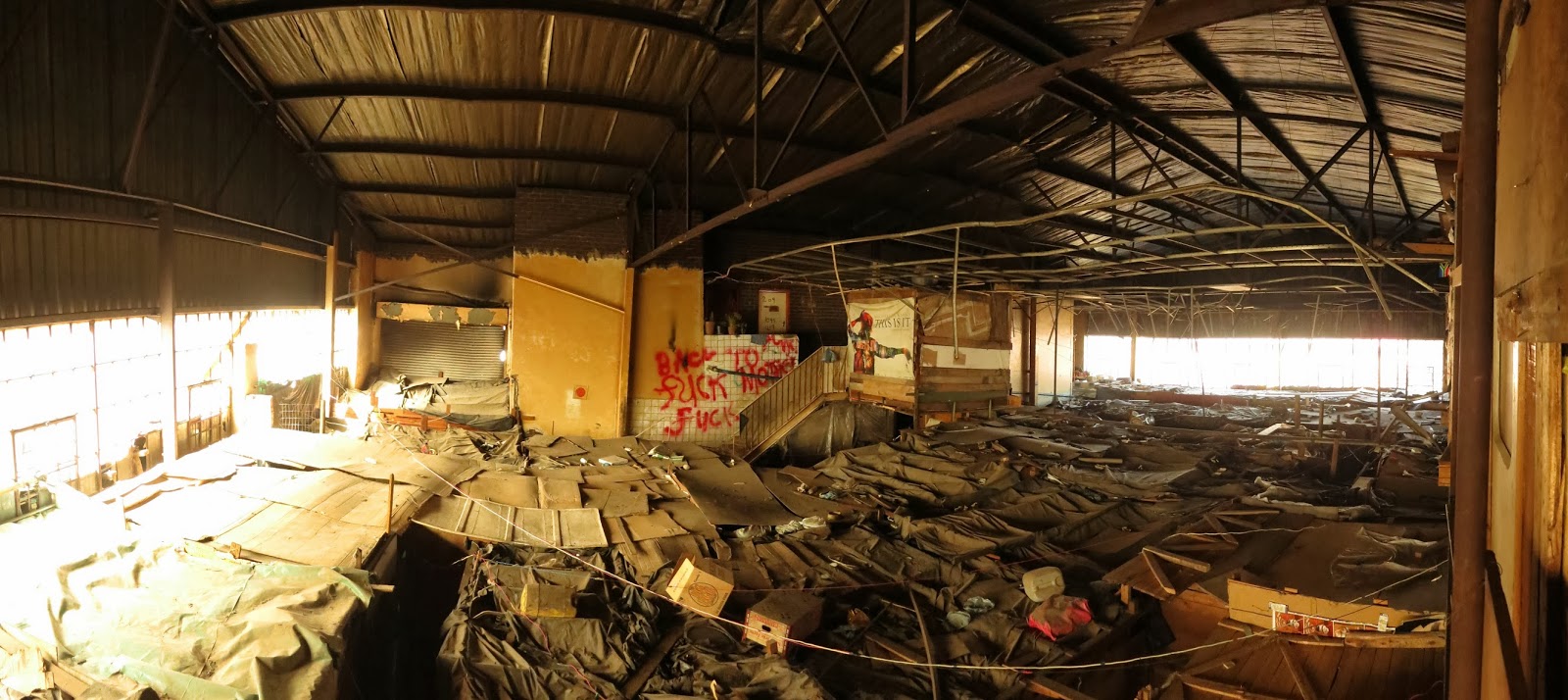
In total the MWCC represented 53 occupied warehouse who spatially had re-furbished factories ‘abandoned’ during the violent periods in Marlboro South during the early 1990’s.
Some warehouse were occupied with minimal changes
Other warehouse were completely adapted internally
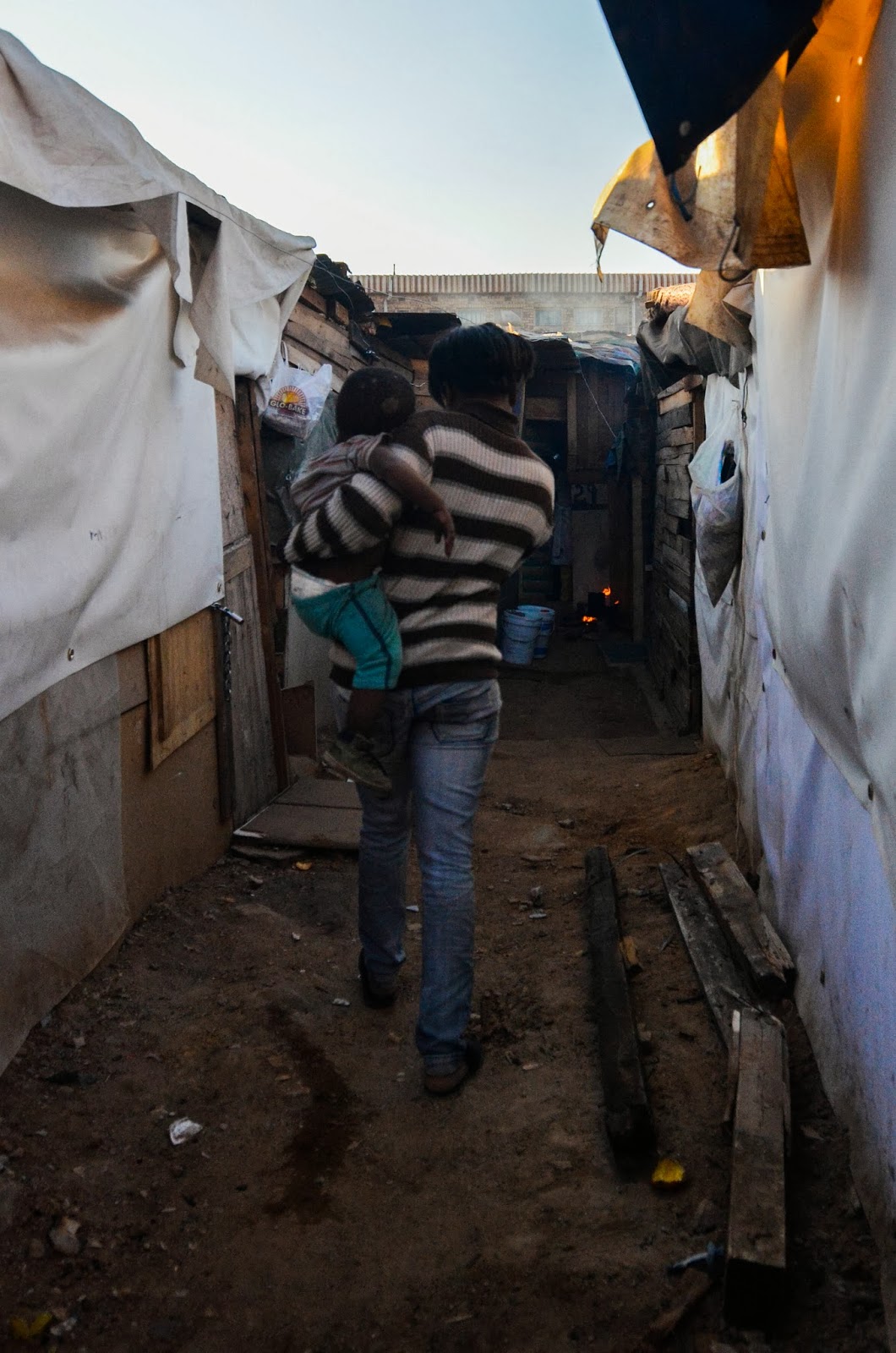
While other had their internal delivery yards converted into housing.
At the time, I had just taken over from a former colleague, Jacqueline Cuyler, who had recently completed a temporary housing solution for residents under the MWCC while working for CORC in response to an earlier illegal eviction with the MWCC weeks before.
These temporary houses were part of the SASDI’s Community Upgrade Finance Facility (CUFF) project process, and were intended to house MWCC members while the leadership engaged the powers that be.
The idea of what is considered temporary emerged many times during my work in Marlboro South. These structures were erected in less than 3 days and were later dissembled in a shorter time, but are considered permanent by most institutional bodies for very obscure reasons.
What is interesting is which elements of the houses are considered crucial such as the stoep’s – an important social space – that doubles as structural stabilisation and a weather foot. As well as numbers and entrance features when built at this speed and for this purpose.
Retail and other business opportunities are quickly seized upon.
My first project was to help in a savings group that was looking to install a new toilet through the CUFF process. This involved assisting with the design, costing and facilitation through the various social processes that the SASDI work through.
Intern on site in Marlboro South
During this time I held a dual position between the University of Johannesburg (UJ) as a part time lecturer and researcher while working at the SASDI, and as part of my interest in developing and sharing socio-technical spatial design skills (1:1 Student League) I would bring interested students to various meetings to expose them to these complex spaces.
The (in)formal studio undertook their first project in 2011 in Ruimsig, working with SASDI members, and sought to continue the project in 2012 in Marlboro South with the MWCC, and I was charged by the NGO with facilitating the relationship.
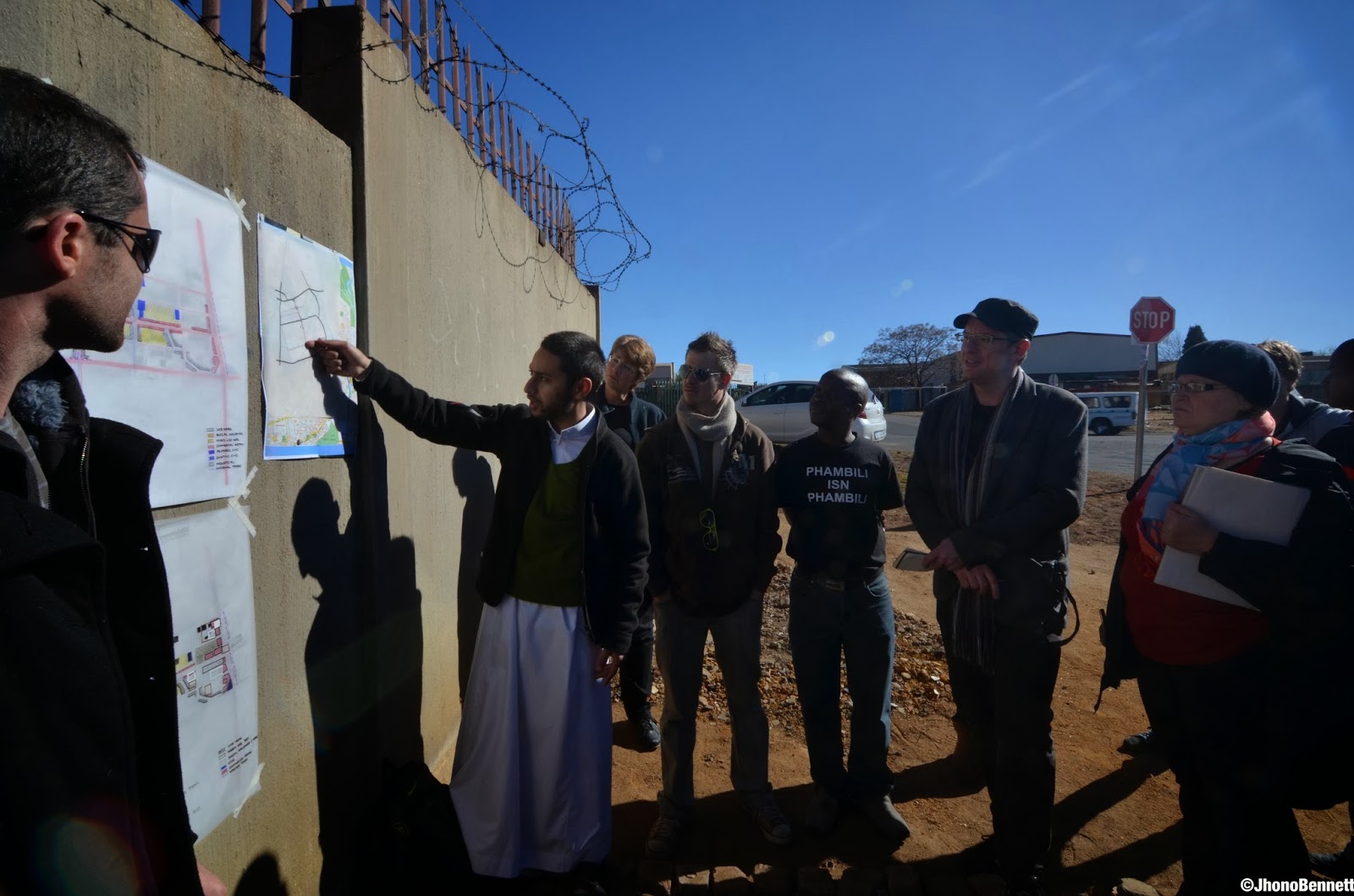
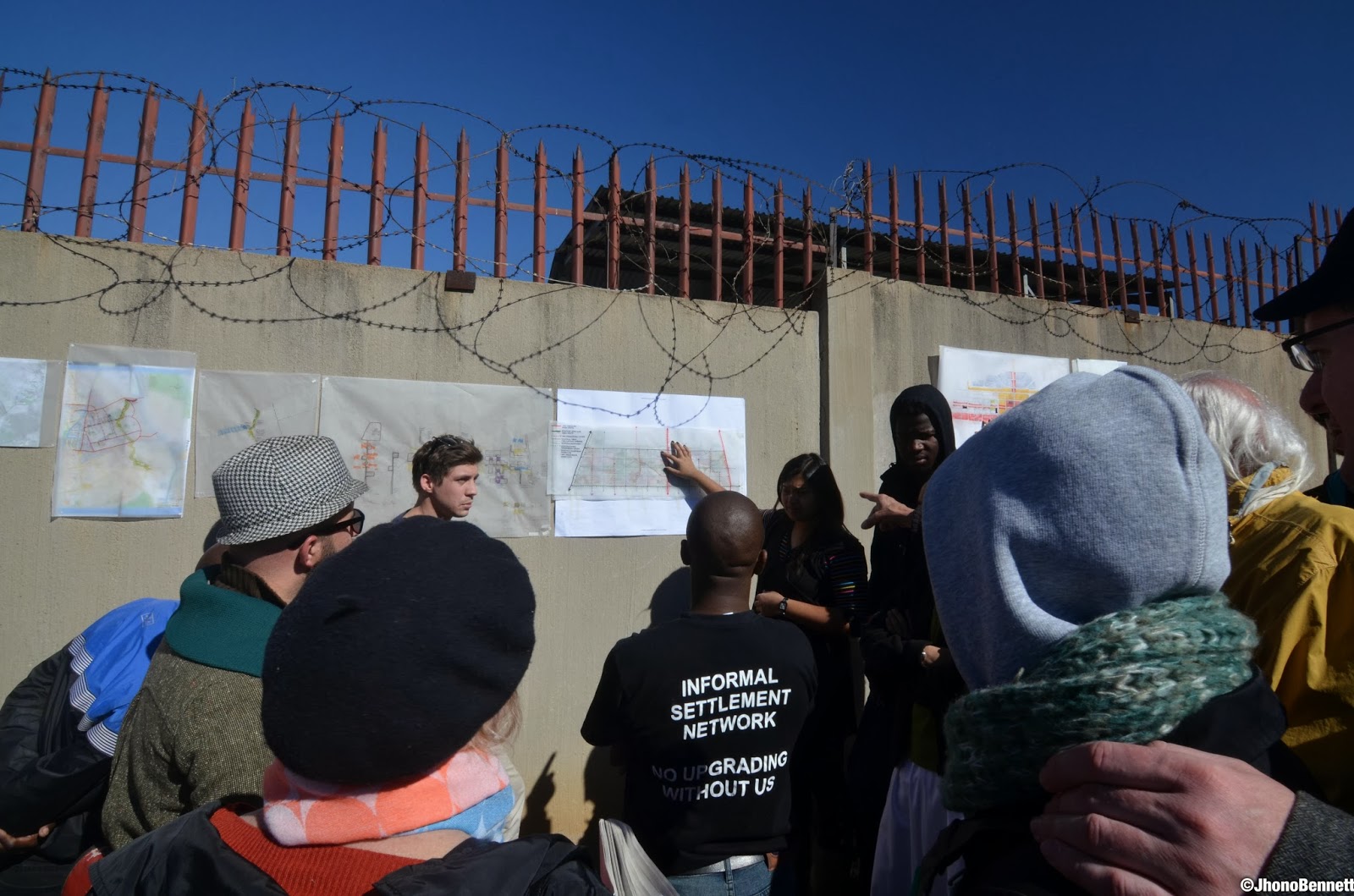
UJ lecturer Alex Opper and Architect Thorsten Deckler walk through Marlboro South with ISN memeber Albert Masibigiri
The challenge in developing the brief, was to satisfy the academic nature of a Architectural investigation into a complex socio-political environment with the crucial needs of such residents in their potentially un-spatial requirements.
My dual position between UJand theSASDI allowed me to play an important role in facilitating the needs of the MWCC while assisting in the development of the brief forUJ’s Architecture Department.
What emerged was an incrementally structured brief that broke down the site of investigation and design into 3 scales of research and intervention that eventually culminate into a potential architectural product that was the sum of an intense process of engagement with and for residents and the MWCC members.
The studio was then broken into sections of engagement on a weekly basis from large scale land use analysis to participative mapping site scale mapping all the way down to life-world analysis of individual residents of Marlboro South warehouses. This was done in mixed teams of post graduate and undergraduate students and Marlboro residents under the guidance of the SASDI Alliance.
Extract from UJ brief (University of Johannesburg, 2012 Brief Hand Out)
The studio was arranged with weekly meetings in both the settlement site and the University studio on campus, this was done in order to share the spatial realities of both participating groups.
Members of ISN and MWCC arriving at UJ
UJ Students arriving in Marlboro South
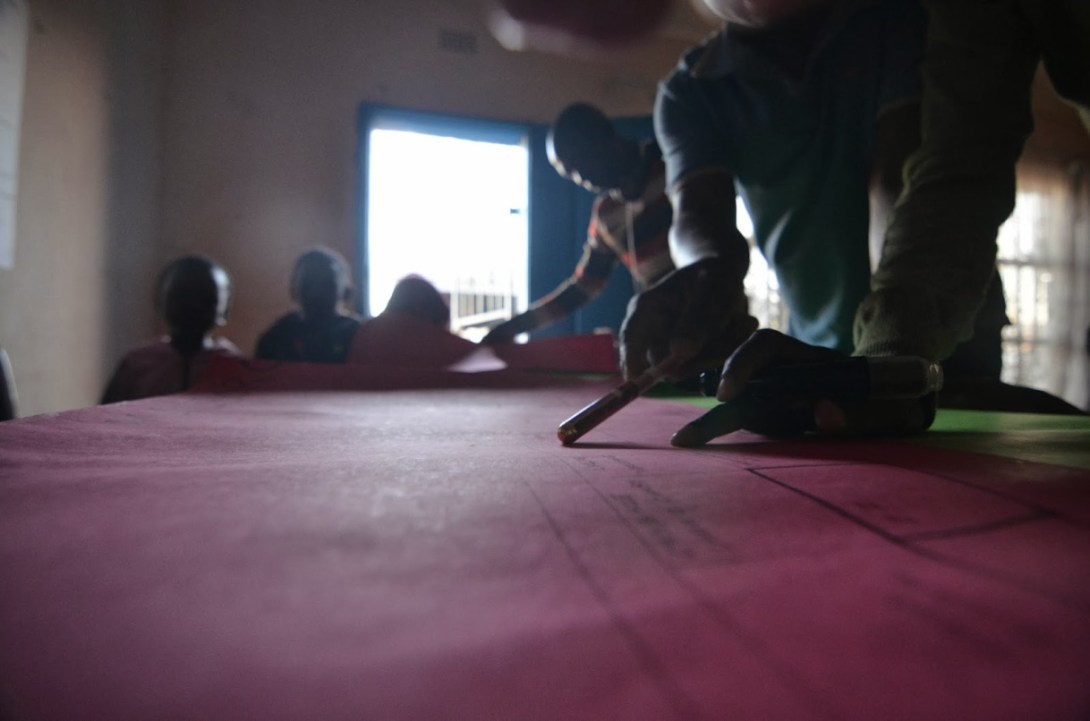
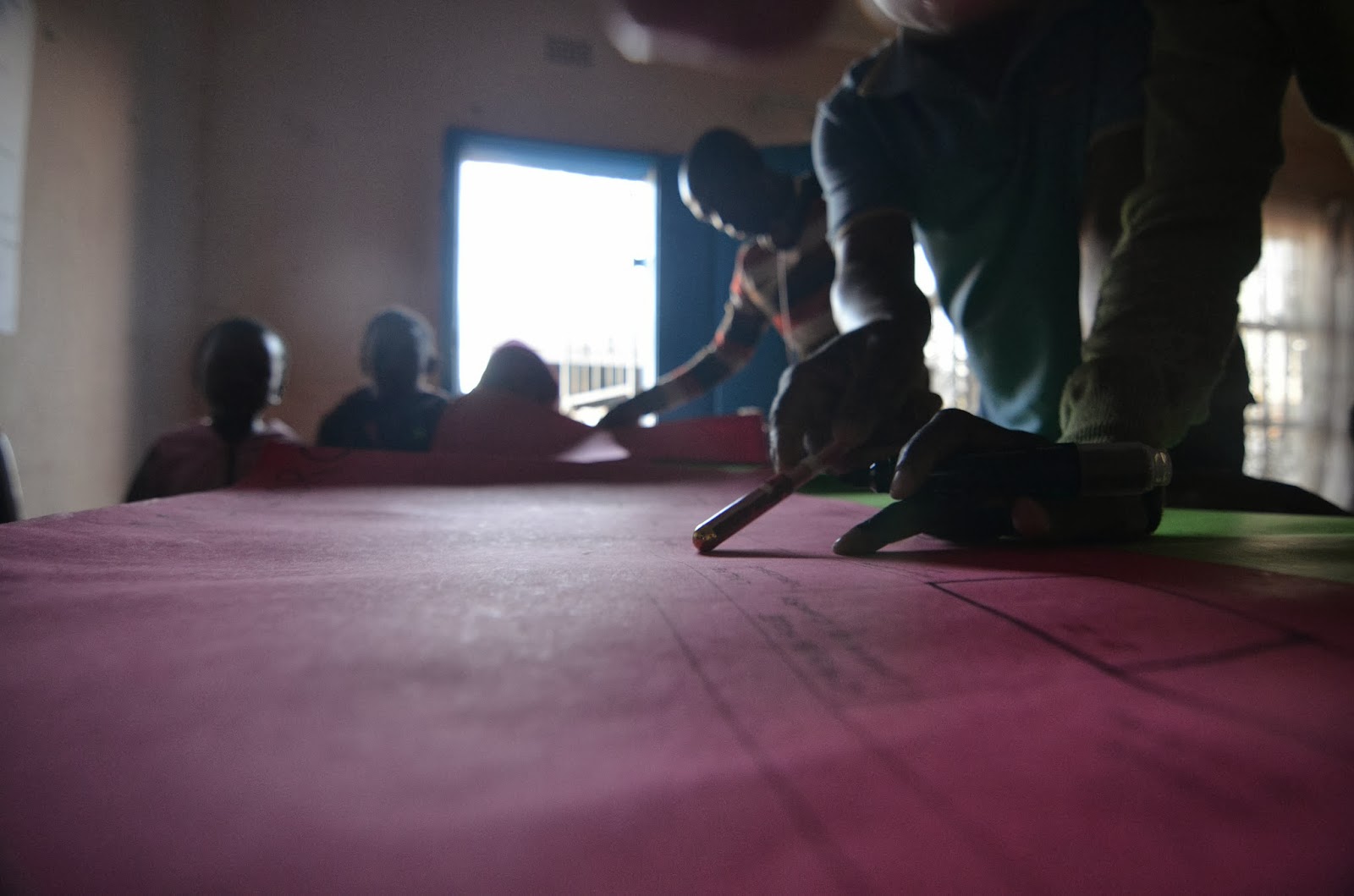
Mapping and measuring exercises at UJ with ISN, MWCC and students
Mapping and measuring research in Marlboro South with ISN, MWCC and students
Mapping and measuring exercises at UJ with ISN, MWCC and students
Mapping and measuring research in Marlboro South with ISN, MWCC and students
Mapping and measuring exercises at UJ with ISN, MWCC and students
Mapping and measuring research in Marlboro South with ISN, MWCC and students
Mapping and measuring research in Marlboro South with ISN, MWCC and students
Mapping and measuring exercises at UJ with ISN, MWCC and students
Mapping and measuring research in Marlboro South with ISN, MWCC and students
Mapping and measuring exercises at UJ with ISN, MWCC and students
Mapping and measuring research in Marlboro South with ISN, MWCC and students
Mapping and measuring exercises at UJ with ISN, MWCC and students
Mapping and measuring research in Marlboro South with ISN, MWCC and students
Students were then divided into smaller groups and asked to determine site specific design intervention solutions at a framework level and present this back to the MWCC and the residents for feedback in the scheduled workshop meetings. The groups would then begin to propose possible solutions within this framework from a small scale level of intervention to possible larger ones.
Student presentations in Marlboro South occupied Warehouses
Student presentations in Marlboro South occupied Warehouses
UJ Student presentation at UJ Architecture Department
Student presentations in Marlboro South car wash facility outdoors
UJ Student presentation at UJ Architecture Department
Student presentations in Marlboro South occupied Warehouses
Student presentations in Marlboro South occupied Warehouses
Student presentations in Marlboro South occupied Warehouses
UJ Student presentation at UJ Architecture Department
UJ Student presentation at UJ Architecture Department
Student presentations in Marlboro South occupied Warehouses
UJ Student presentation at UJ Architecture Department
Student presentations in Marlboro South car wash facility in Marlboro South streets
Student presentations in Marlboro South car wash facility outdoors
Student presentations in Marlboro South car wash facility outdoors
Unfortunately an impromptu later deemed illegal eviction of several sites occupied by residents and the MWCC by the City of Johannesburg made the issues of capacity and focus very difficult, as well putting the students at potential risk.
UJ students at one of the sites of the eviction
The studio was altered and majority of participatory work happened on the University campus and other adjacent venues.
Local restaurant in Marlboro South chosen due to evictions
From an academic standpoint the studio was highly successful in opening up student perspectives on the various forms of tangible and intangible support designers can offer, as well as exposing some of the student body to contexts and cultures not critically experienced before.
This studio process revealed how important it is for these processes to be managed by larger social groups, as universities do not have the capacity or scope to support such large social movements or deal with evictions and the repercussions of such an act. At first the large team sizes were difficult to manage, but put together large amounts accurate socially sensitive of data very quickly – this proved invaluable in the ensuing lawsuit against the city, while creating a large volume of work from which further exercises can be held.
Land Use Diagram that was instrumental in proving the illegality of the eviction by JMPD
While the design studio exists as one of the most flexible and adaptable spaces to navigate the intricate and dynamic world of socio-technical design processes, it needs to be considered in the larger picture of what design pre-professionals are required in the ‘real world’. If the processes employed in these spaces are not done so with an understanding of the expected role of the students then result can be defined by a product and process that only benefits an academic inquiry into development work, but not a pragmatic one.
These ‘living laboratories’ require sustainable systems of development through socially inclusive and open processes. These systems need to be clearly documented and the set up in a manner that does not rely on the individuals gains of singular entities, but speak to a larger drive of all parties involved; that of socially conscious open minded people within groups that are up front in their intentions around engagement.
The relationships that the design studio establishes and nature of the enthusiasm open minded pre-professionals carry through into the real world should be guided by a strong acceptance of these process by not only the tertiary bodies that facilitate, but by the profession that needs to look at its role in this and support those pushing through the current limitations.
The underlying ethos of these studios should not be one of design professionals entering an informal context and superimposing the values of formality in their support, but of seeking to understand and ‘un-learn’ in order to respond in such a way that works with the energies and capacities of the informal context. This approach distances the designer from control of the final ‘product’ of support, but allows for long term sustainability of support facilitating the most key aspect of design support – ownership
Eviction – August 2012
On August 17, 2012 I received a call from the a member of the MWCC. He was speaking fast and all I could hear over the background roar was that JMPD were evicting people from the warehouses and that a bulldozer had killed someone. Not sure what to do, I phoned the lawyers (SERI) we were working with who told me all we could do was try and get the physical court order document and gain an interdict as soon as possible.
Armed with this knowledge and my camera I rushed to Marlboro South, but was denied access to the area by JMPD. After parking my car deep in Alexandra I ran the 2km gauntlet around the police blockade to the MWCC office, here I found out that no one was dead – but someone had fainted after a police bulldozer had knocked down her home.
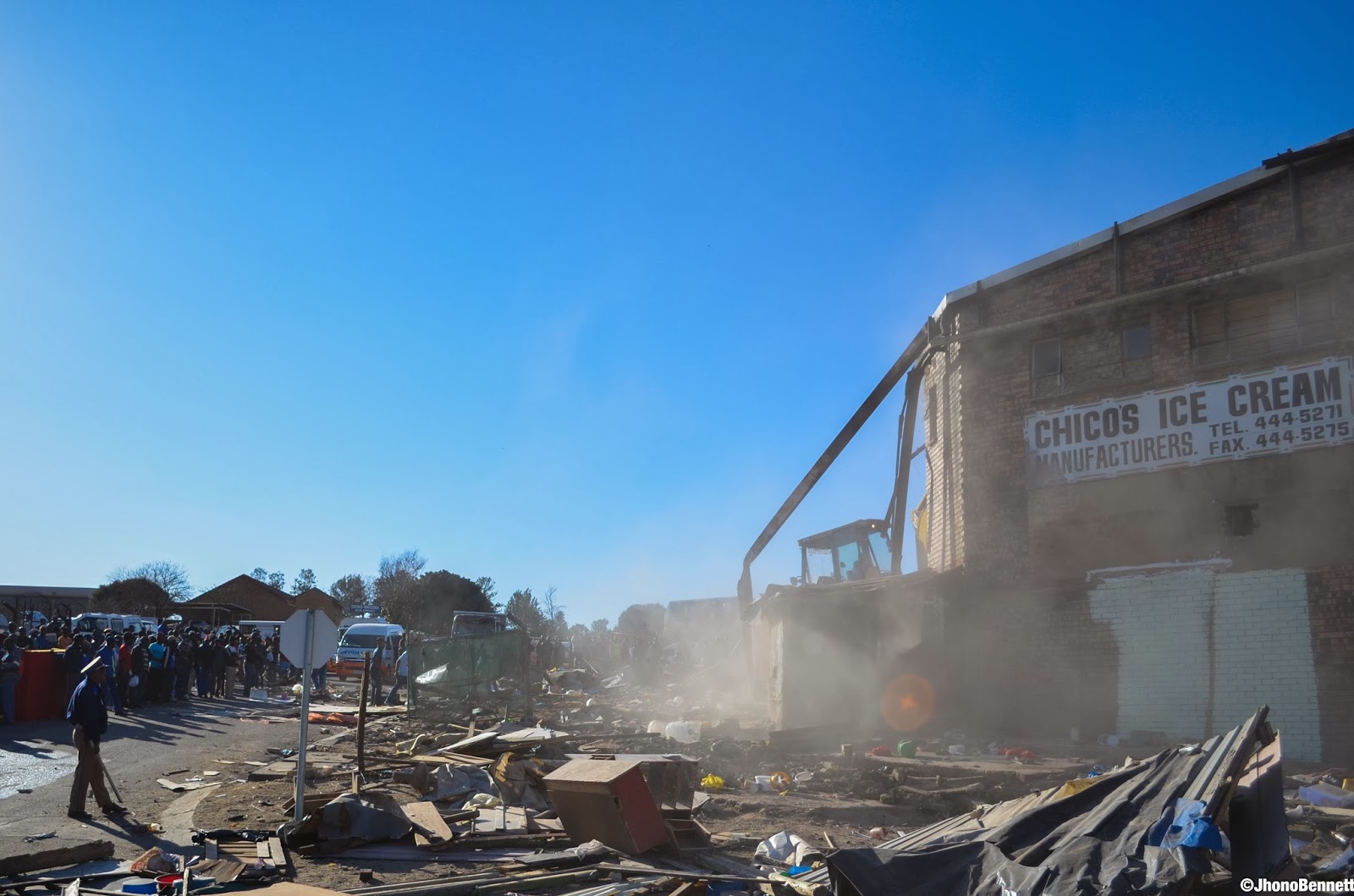
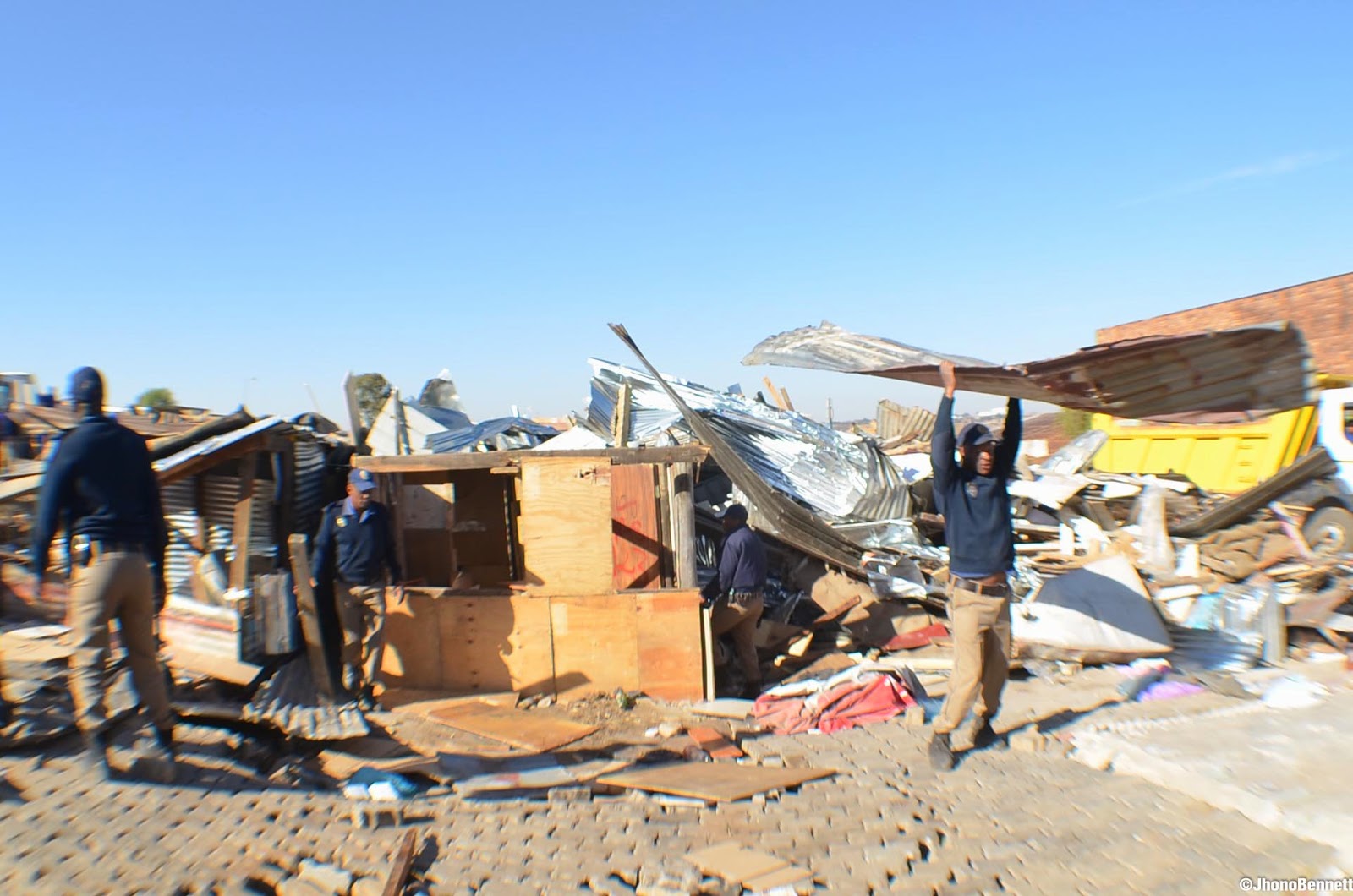
Marlboro South was overrun with JMPD, a later estimated 500 plus members of orange and blue were demolishing selected sites over the industrial belt.
With the MWCC behind me I approached several official looking members of the police to try and find the court order, when I had eventually reached the top of the hierarchy I was joined by a journalist friend I called en route and the lawyers from SERI. Here we were shown the ‘official’ document for the eviction – a handwritten note.
There was very little the lawyers, the NPO or the MWCC could do but watch as the police demolished their homes, as the process to block the order was delayed and most of the residents were at work at the time.
some residents chose to burn their homes rather than have the material confiscated (formerly mentioned CUFF project)
Other residents attempted to salvage what they could (CUFF project seen above)
As most of the inhabitants were at work, they returned that evening to find their homes destroyed and the material confiscated along with their personal belongings and valuables.
Post Eviction
The evictions continued for several days intermittently, the MWCC attempted to protest by blocking JMD access into Marlboro by placing obstacles in the roadways. Which resulted in JMPD employing crowd control methods including rubber bullets.
Residents were shot with rubber bullets during an attempted protest and block of further police evictions.
After the initial eviction, the Gauteng ISN and FEDUP, the Community Based Organisation (CBO) under the CBO’s within the SASDI, assembled in Marlboro to support the MWCC.
Asihambe (We won’t go: IsiZulu ) Solidarity March
While the Lawyers for Human Rights (LHR) worked to obtain the official interdict, the CBO’s under the SDI prepared a formalised march to address the City of Johannesburg around the eviction.
Other technical members of the SDI, specifically a planner from the U.S working at the alliance worked tirelessly to examine housing and policy law to assist the lawyers in the case, while the my most valuable skills at this stage I could offer were that of photo-documentation and poster design to support the march.
Several single mothers sheltered in the MWCC office during the eviction
During the process of gaining a temporary interdict for 65 families that could not be sheltered anywhere, the City of Johannesburg’s lawyers offered the residents ‘temporary’ occupation of the site on condition that they would not erect structures more than 1m high, that could not be made of ‘iron metal’ and that had no structural support – as seen here in the documentary “Landless”:
Using the South African Housing code’s stature on temporary housing as being a minimum of 24 sqm, and 2.4m high made of material that offered occupants safety and privacy. The city then replied that the structures could be 2.4m high, not ‘permanent’ and have ‘poles’ that could not be longer than 2m.
The SASDI offered support in providing temporary shelter for these families, but had very little money to support this. This put forward an interesting design brief for us providing the socio-technical support, as what the city had stated in writing was a clear omission of spatial and material elements and heigh restrictions.
As practitioners we offered an interpretation of that order to possibly build it out polycarbonate panels, and what if the houses were all put together in 1 large ‘tent-like’ structure maybe made of hydra form (non permanent bricks) – essentially working around the legal requirements through design.
We were advised by the lawyers to respect the spirit of the order and not be to clever in such a delicate situation.
A piece of government owned land was chosen by the MWCC and several army tents were donated by donors to the NGO.
These tents were an emergency solution to the temporary housing of the 65 most vulnerable families in the eviction. The names of each person was registered in the court order and were awarded temporary occupation by the court on site until the City of Johannesburg responded. This was crucial as 1 week later Johannesburg experienced a rare snow storm that plunged temperatures to freezing overnight.
Permanently Temporary Solutions & The (in)formal Studio – November 2012 – February 2013
In the background to the eviction and court battles, the professionals and academics who had been involved in the studio were working on developing a more permanent housing solution to show the City of Johannesburg alternatives to addressing some of the major issues in Marlboro South.
The architect’s discussing a possible government owned site with the MWCC
This solution was to be part of a larger body of work, including the student’s design work, that would make up a travelling exhibition to showcase these types of engagements and projects to a larger audience.
One of the major outputs was a participatively developed housing scheme that would re-house residents of the MWCC in a safer, more incremental pattern that worked with current spatial typologies and land use.
These possible layouts were work-shopped with various MWCC members and residents and developed into a larger development plan.
The tools used for this larger development design, were used to attempt to negotiate a temporary solution for the tent dwellers who were occupying a different parcel land.
The 65 families were engaged on several occasions to develop an accepted layout for the City of Johannesburg to adopt in accordance with the court order.
This smaller temporary plan was put together through CORC and submitted to the City of Johannesburg as part of the deliverable from the residents side.
As the weeks went by, and the City of Johannesburg missed its court ordered dates of engagement, and the tent dweller residents began making temporary adjustments to their tent home, including a cooking area and other social spaces.
The walls get higher…
To date the tents are still up and residents are still waiting for the City to keep up its ordained mandate as local factory owners build higher walls and grow more angry at the situation.
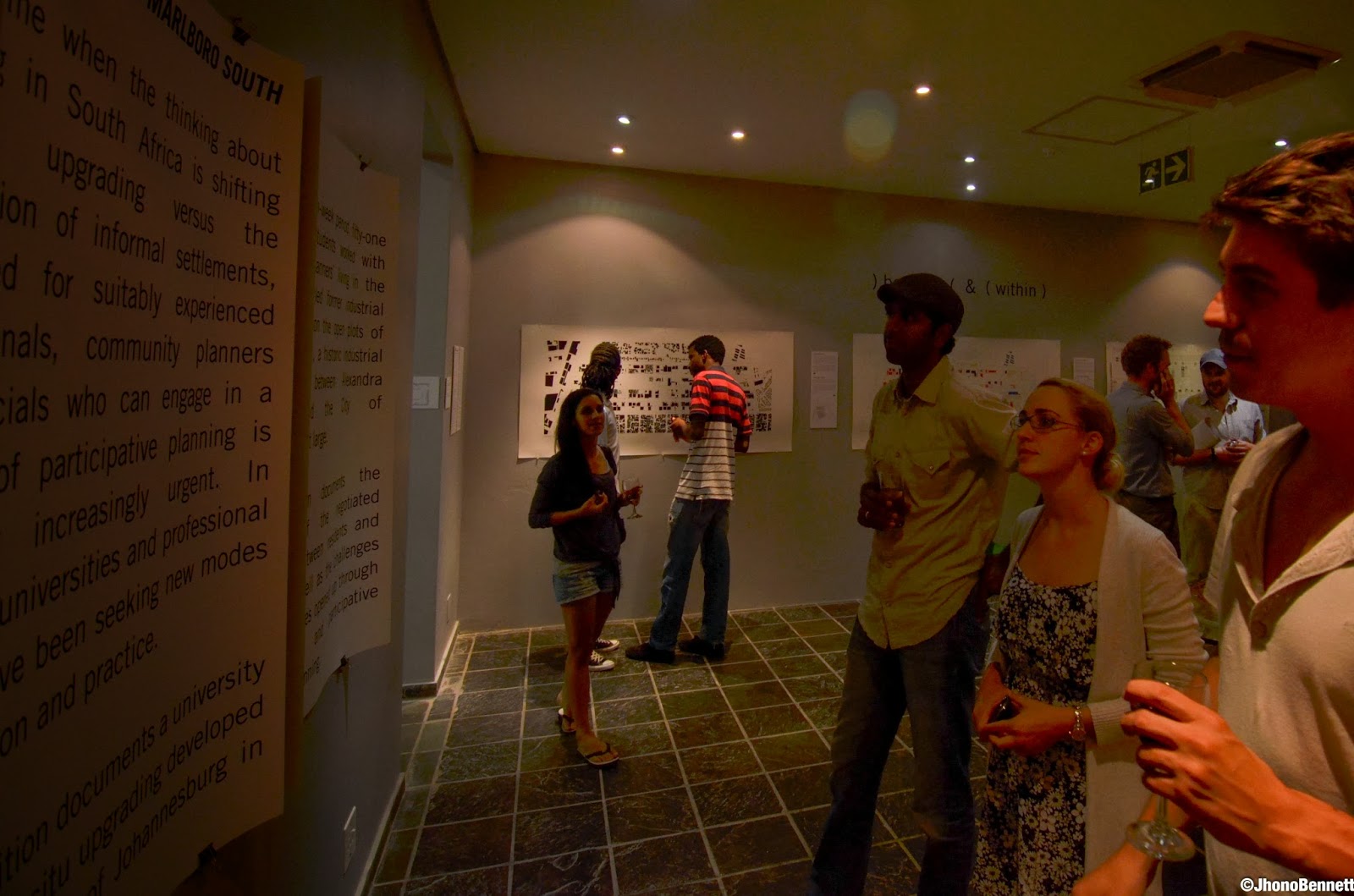
The (in)formal Studio Exhibition – April 2013
“An exhibition covering the entire project was opened in the Goethe gallery in February 2012.
Rather than delivering defined solutions this exhibition delivered on portraying and celebrating human engagement across a divide of one of the most unequal cities in the world. It recorded the contradictions and discomforts but also the tremendous potential which exists in seeing, and acknowledging each other as part of the solution.” Anne Graupner, 26.10′ South Architects
Directed by Lungelo Mntambo & Tolo Pule of DeLite and edited by Nadine Hutton of 2point8
MWCC members recieving their public recognition at the screening in Marlboro South
MWCC member presenting the introduction at the official Exhibition Opening
Post Exhibition Work – May 2013
I have recently left my position at CORC to pursue a focused socio-technical role alongside the NGO, looking more at developing role for spatial design students and pre-professionals.
Quite soon after my departure the SASDI the NGO, by a chance meeting with a non-profit social group in Cape Town, was offered the opportunity by another non-profit group of being a solution to potentially house the 65 families living in the tents nearby in Marlboro South
The conditions were that the those effected should benefit from this donation and the project should not just house, but also socially develop the inhabitants. The SASDI, the MWCC and the newly formed (in)formal Studio collective are currently working on this.
Academics, professionals, NGO and CBO discussing the oppurtunity
Reflection – July 2013
This summary has taken me almost a year to complete. Looking back at the role I played in the social development process has been quite difficult as the notable differences in the situation of those I worked with has not changed much on the ground – although larger scale shifts in approach and thinking have happened higher up in the governance structures.
The role of anyone in an NGO supportive role, let alone someone with an architectural background, is extremely difficult. Having to work across many cultural, economic and social backgrounds while supporting other people’s processes to capacitate without falling into the temptation of short cutting important and tiresome methodologies and just doing it for people is a taxing mental challenge.
I had many sleepless nights (in my own comfortable bed, that looked over Marlboro South in the distance) during the eviction feeling utterly useless in the face of such a huge destructive force. These concerns stayed with me during my time at the NGO as the issues facing these initiatives are so complex and overwhelming that is often drains you of your resolve.
What eventually led me to step out of my position at the SASDI was the realisation that the role spatial designers (architects, planners, some engineers) can play in these processes is niche – but crucial. While it’s difficult to make changes to the large picture, I felt my role could be much more effective in my own ‘community’ of spatial design students and pre-professionals. By being involved from this position I could make the difference I wanted by first bringing these practitioners into these spaces they would not normally work in, and by developing additional ways of acting, thinking and intervening in such situations.
I am still involved with the South African Shack Dwellers International Alliance in Johannesburg, working with the organisation on various projects and assisting in the support of their new socio-technical staff. I now sit part time at the University of Johannesburg and Pretoria while focussing on the role that the 1:1 Student League and recently developed 1:1 – Agency of Engagementt in socio-technical spatial design in South Africa.
In early 2013 I was offered the opportunity to apply for a professional exchange programme between Berlin and Johannesburg, The (in)formal City Programme to explore the nature of informality, which i was fortunate enough to be selected for:
The (in)formal City is a cooperation project around an interdisciplinary team from Berlin and Johannesburg of people interested in the complex phenomena of urbanisation between formality and informality. The project was initiated by Inpolis and the Goethe-Institut in Berlin and funded by the Robert Bosch Stiftung. The cooperation partners in Johannesburg are 26’10 SOUTH ARCHITECTS and Alexander Opper (University of Johannesburg).
The programme selected 12 participants from a Johannesburg application process and 12 from Berlin, and involved spending 2 week focussed research periods in either city exploring the nature of informality in both locations.
Day 1: what does Informal/Formal mean to you?
Berlin was introduced to the Joburger’s in a rapid and thorough fashion, starting in the city’s planning department with amazing scale models of Berlin.
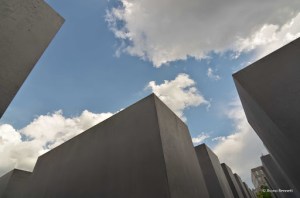
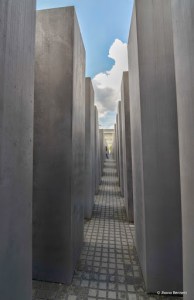
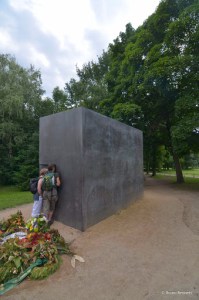
The simplicity of arranging these columns in a grid to re-create the effect of disappearance is quite amazing.
Eisenman Memorial Effect # 1
Eisenman Memorial Effect # 2
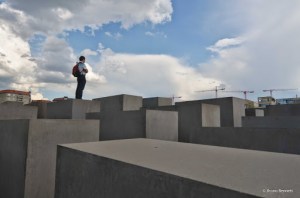
Eisenman Memorial Effect # 3
This space is highly successful in achieving the intended effect, with a colleague sharing how a friend she brouhgt to site was so moved by the experience that he/she was brought to tears in remembrance of a family member who dissapeared from her/.his life.
The forms encouraged people to climb on top for reflection
While many people choose to pay their respects to the memorial in reflective silence, other choose to play – with local authorities close by to reprimand them.
…and play
The heights and forms appeal to the playful nature of attracted many people to engage with the volumetric nature of the space – which the local authorities quickly and continually had to re-enforce.
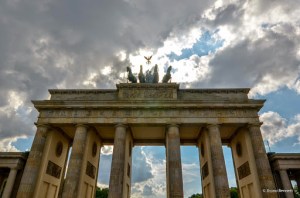
Brandenburg Gate
Followed quickly past the Holocaust memorial were the Brandenburg Gate…
The first day was finished in a strange experience for a South African – enjoying an afternoon in a public park…more on this was explored later in the programme
Relaxing in Public Space?
Day 2
Prinzessinnengarten, a ‘community’ garden in Berlin’s was our first stop the following day, this urban garden has been set up in the bustling suburb of Kreutzberg on the former border of Berlin’s Eastern edge. As a group we were very lucky to be shown the garden by co-founder Robert Shaw.
Nomadisch Grün (Nomadic Green) launched Prinzessinnengärten (Princess gardens) as a pilot project in the summer of 2009 at Moritzplatz in Berlin Kreuzberg, a site which had been a wasteland for over half a century. Along with friends, activists and neighbours, the group cleared away rubbish, built transportable organic vegetable plots and reaped the first fruits of their labour.
We then made our way to Oranienplatz, where a group of ‘African refugees‘ were demonstrating against the their inhuman treatmant by the European Union:
Refugee protest camp
The group had a set up a camp in the Berlin neighbourhood and under the support of the mayor staged their protest peacefully to:
– To abolish the law of residency obligation
– To stop deportations
– To close refugee camps
– To achieve better living conditions in dignity for us refugees in Germany
Refugee protest demonstration
See fellow participants Martin Schinagl & Tshanda Mbuyi’s research on the Refugee Protest:
The afternoon was completed by a tour of the ‘Turkish neighbourhoods’ by local resident who explained the complex history of Turkish migrant labour and the social stigma’s around such minority groups today.
‘Turkish Neighborhood’ visit
See fellow participants Sylvana Jahre & Trusha Mitha’s research here on community organizations in Berlin:
Visiting the famous modernist housing development of Gropiusstadt and seeing in person the structures and forms that one has studied for so long is a truly inspiring experience.
See fellow participants Nathalia Garzón Arredondo & Nicolette Pingo’s research on Gropiustadt here:
There is something about growing up so far from taught precedents of architecture that makes seeing such examples in person so special.
Templehof Field
By far my favourite space in Berlin, the Templehof Field is a de-commissioned airport that has now become an integral part of the open-green public space systems in Berlin’s dense residential neighbourhoods.
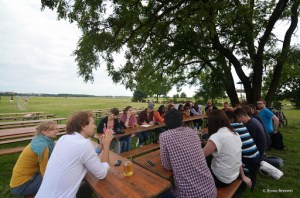
We experienced the Templehof Field through a local organisation that had set up a public garden space within the large expanse of green.
Templehof Field
… and finished the day with a Berlin-styled Braai…
See fellow participants Héctor Carreto & Olumuyiwa Adegun’sresearch on Templehof:
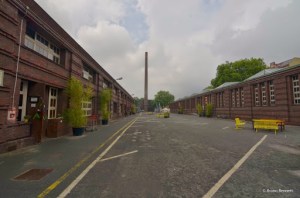
De-Commissioned Industrial Building – turned into dance hall
Many of these industrial spaces now serve as creative or cultural spaces such as this de-commissioned warehouse that now houses a dance studio amongst other performance spaces.
Street Art
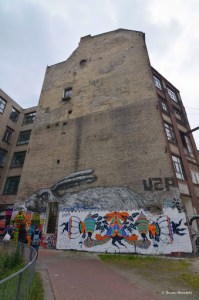
These areas are littered with street art, that guided us through these amazing city spaces.
Street Art
Statt Swembad
This part of the programme took us to the Statt Swembadt – a re-purposed public swimming pool that housed such cultural and creative programmes.
Statt Swembad Pool – turned into music venue
Statt Swembad Pool – wall art
Statt Swembad change room – turned into creative office space
The change rooms had been conveted into a hot desking space that at the time was being used by a print artist.
Statt Swembad Pool – turned into music venue
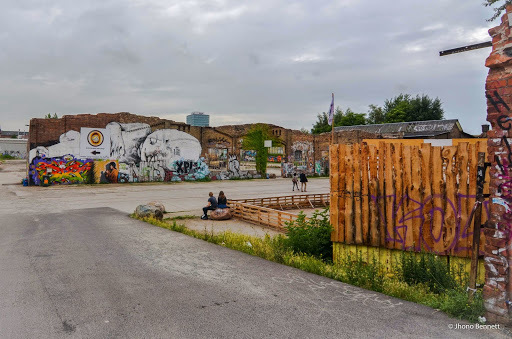
This day concluded with a visit to RAW an industrial strip located between the Spree river and Boxhagener – a very trendy part of residential Berlin.
RAW Street Art
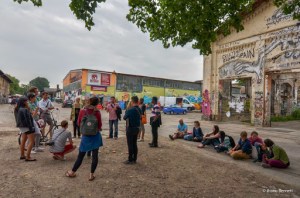
This area is largely houses a mix of party venues from Gothic themed venues to Jazz and Salsa – and is such that most of the building are beautfiully expressed through painted street graphics.
RAW Street Art
RAW Street Art
RAW Street Art
The RAW precinct is part of the Anti-Media Spree Campaign that is fighting the privatisation and development of such spaces across the Spree River banks.
(in)formal City team exhausted…
See fellow participant’s Claudia Morgado and Tilman Versch’s research on Fashion:
Following an action packed week of Berlin we were given the weekend off to explore the city un-programmed.
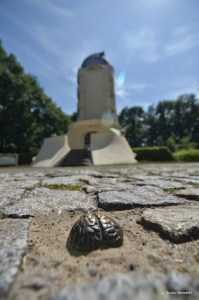
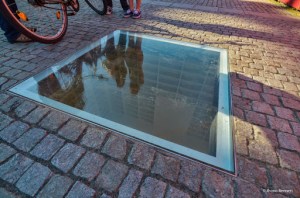
Stumble Stones – a city wide memorial to those who were taken by the Nazis
The residential areas of Berlin hide a beautiful and sinister memorial at various locations – these stumble stones commemorate those who were taken from their homes during the nationalist pograms and are intended to be ‘stumbled’ upon in everyday life.
Stumble Stones – a city wide memorial to those who were taken by the Nazis
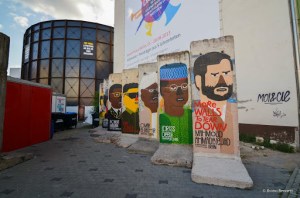
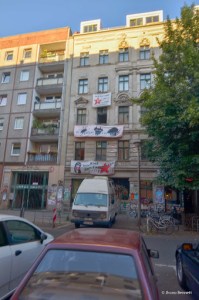
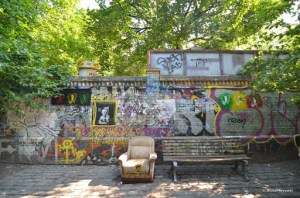
Mauer Park Berlin Wall Art
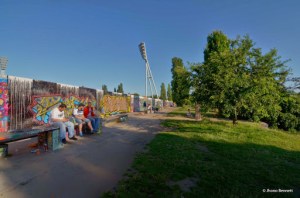
Parts of the Berlin wall are commemorated all over the city. The wall in Mauer Park is constantly being re-painted and re-expressed.
Mauer Park Berlin Wall Art
Re-purposed industrial park
The weekend was spent relaxing as our hosts showed us more of the diverse artistic spaces and initiative across the city.
Re-purposed industrial park
Boxhaganer Platz
Boxhagener
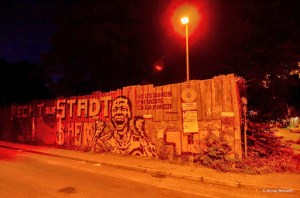
Street Art by night
Party in a boat house on the River Spree – as we came expect in Berlin this was not uncommon…
Street Art by night
Berlin Squatters – Party Time
Weekend close off
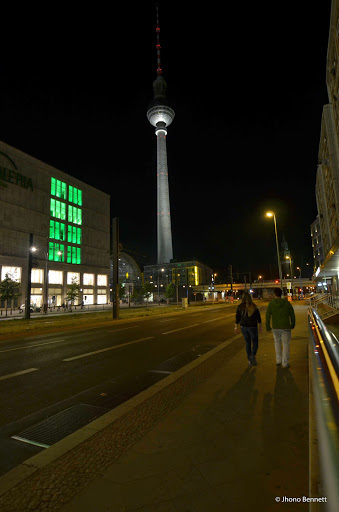
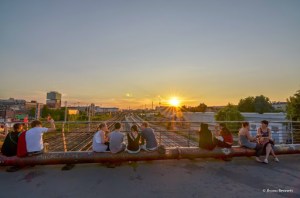
The week was beautifully closed by a Sunday sunset on a bridge with Alexanderplatz Tower in the distance.
Week 2
For this week we were to choose a tandem partner, and explore one of the sites further through a condensed research exercise.
Goerlitzer Park
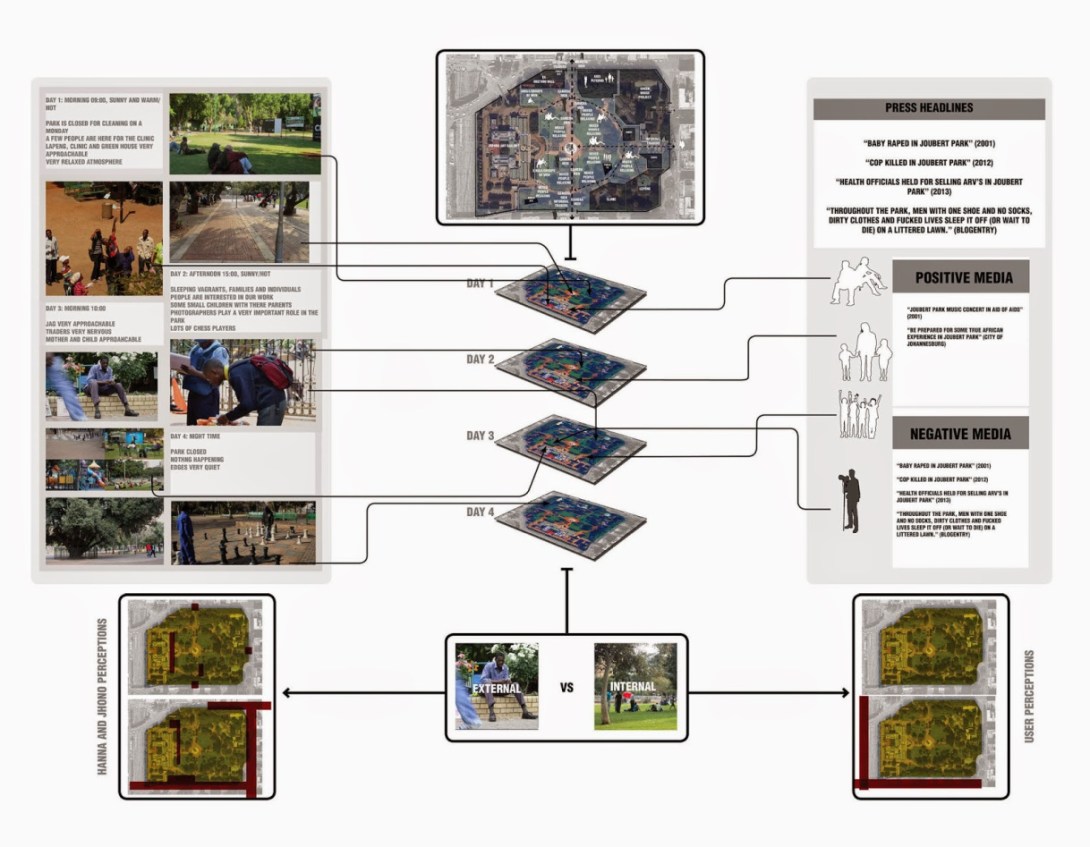
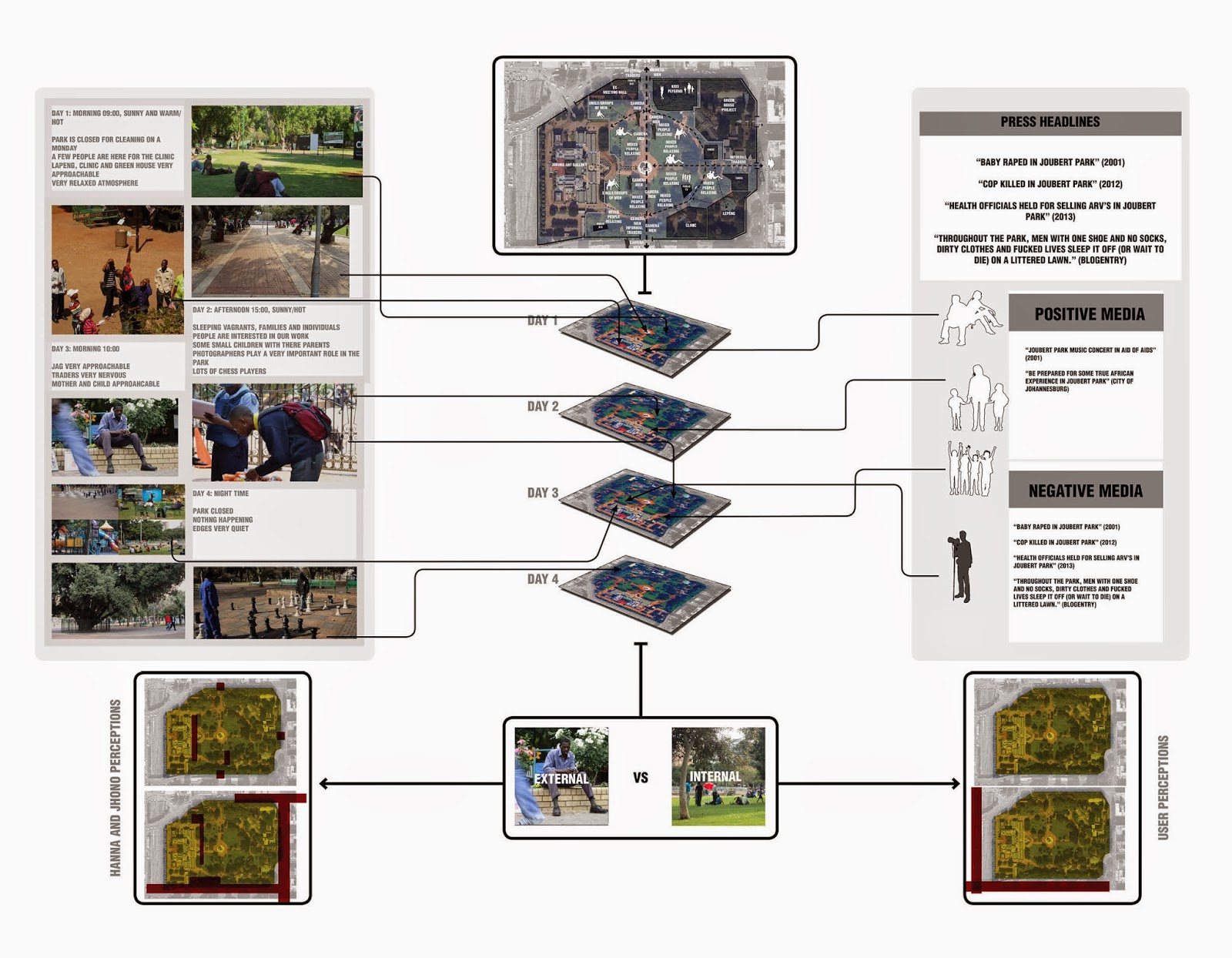
I was partnered with a geography student from the Humboldt university, Hanna Niklasz. We chose to look at perceptions of public space with a larger aim to compare how people used and expressed their perception to public space in a public park in Berlin; the Goerlitzer Park.
To see my research conducted with Hanna Niklasz on Goerlitzer Park:
The park is stigmatized with an assocaition to drug dealng and drug use – this perception did not seem too far off as I experienced very obious drug dealers who operated in plain sight and quite openly (and friendlily) offered us their services.
Stigmatized – but used public space
Even though the drug selling was quite evident, the park is still active and quite busy at most hours of the day.
For me as a South African the idea that such an element operated in the park in both open and closed public spaces was quote a shock .
These perceptions of both the tandem and park users were explored and documented thoroughly in the following post:
See participants Malve
Jacobsen & Tebogo Ramatlo’s research on Bottle Collectors in public space:
The ‘formal’programme concluded with tandems presenting their various process and findings in a lrage rgoup discussion where the concepts of informality/formality were discussed through the various case studies presented.
Post Programme
The programme was originally framed to explore the complexity of terms such as informal and formal and manifested into something much more discursive around these terms.
From the beginning the difficulty of this was quite evident, as our various disciplinary, geographic and cultural backgrounds brought such diverse introspection to the terms.
What we perceived as Joburger’s and were shown by our Berlin hosts was difficult for us to describe as informal, but through the process we were able to understand their perception of these terms around the counter-currents of space use, action and civil movement that exist in Berlin.
I was left asking the question, why informal, as this term from my experience only has value when coupled as prefix or suffix to describe one of the many connotations that this word holds.
As a practitioner and part time academic, this term for me is useful when attempting to understand a situation or object that is located within a complex system – with the ultimate aim of engaging with such a situation or object in order to design and act on this understanding.
The Berlin leg of this project was highly insightful and left me appreciating many afro-pessimistic aspects of Johannesburg City that I felt were negative as things that even first world cities struggle with.
My first teaching role at the Faculty of Art Design & Architecture was dropped into my lap by Suzette Grace. By throwing me into the deep end of arranging a week long introductory week for the entire department of Architecture, she effectively kick started my teaching career. Thank you Suzette 😉
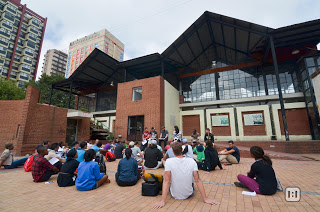
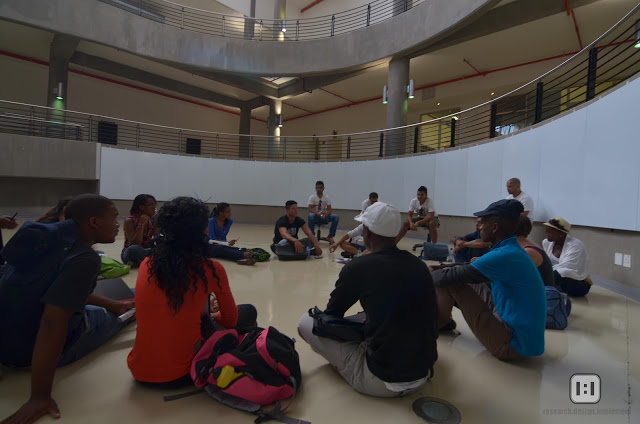
Creativity Week/Vertical Studios
The Creativity Weeks/Vertical Studios were meant to be a week-long participative event kicking off the year with a series of interactive and challenging exercises that bring together the current and new students of Architecture at the University of Johannesburg – across all years of study. The assignments are intended to take students into exciting parts of the city and explore/re-discover spaces in the City of Johannesburg.
They were meant to be a fun ‘orientation week’ for the start of the new year that allowed students to do something creative, fun and together for the start of the year. I used the oppurtunity as a way to explore some of my own interests in inner-city Jozi.
Creativity Week 2013
This first year I worked within an existing partnership between Dr. Barbara Holtmann, Emma Holtmann and UJ, as well as employing the precedented work of the Creativity Week 2012 by Eric Wright . The week long programme was intended to facilitate the introduction and further development of Architectural thinking, doing and problem solving in Johannesburg’s dynamic inner city spaces – while bringing together the students from the various years. This facilitation the exposed the students to the larger strategies of the stakeholders involved in this area.
Students were asked to take part in the week long exposure to the inner city and the project partners that was facilitated by Dr. Barbara HoltmannJoburg Child Welfare and Joburg Region F who brought together government, business and NGOs in the inner city. This collaboration aimed at bringing about a systemic transformation of the neighbourhood surrounding and including the Old Drill Hall, which is the site of Joburg Child Welfare’s Thembalethu project.
By focusing on “what-it-looks-like-when-it’s-fixed” and co-creating a shared vision for the future of the inner city based on integrated approaches and partnerships, the process promotes change in three primary and inter-connected areas: health and wellness, access and mobility in the city and in supporting the city’s programmes.
Day 1 & 2:
The week began with the FADA Auditorium introduction, followed by group division and the first bus trips to the site. On site we were met by JMPD and the Best Life project co-ordinators.
DAY 3:
With the previous day’s elective’s workshop’s guiding them, the students then focussed in on their specific areas of interest and gathered on site data to begin their intervention proposals.
The purpose of the exposure and facilitation now being focussed around the question of how the students can use their skills as designers to improve the spaces they were tasked to engage with – and present their ideas to the group of stakeholders made up of city officials and academics.
DAY 4 & 5:
The students now were allocated time to work in their multi-year groups and produce the necessary documentation and presentation products to express their ideas.
Each group was led by a pair of BTech students who had been guided by Dr. Holtmann’s workshop to lead their younger members towards the outcomes and observations discussed on Day 2.
Final Presentation
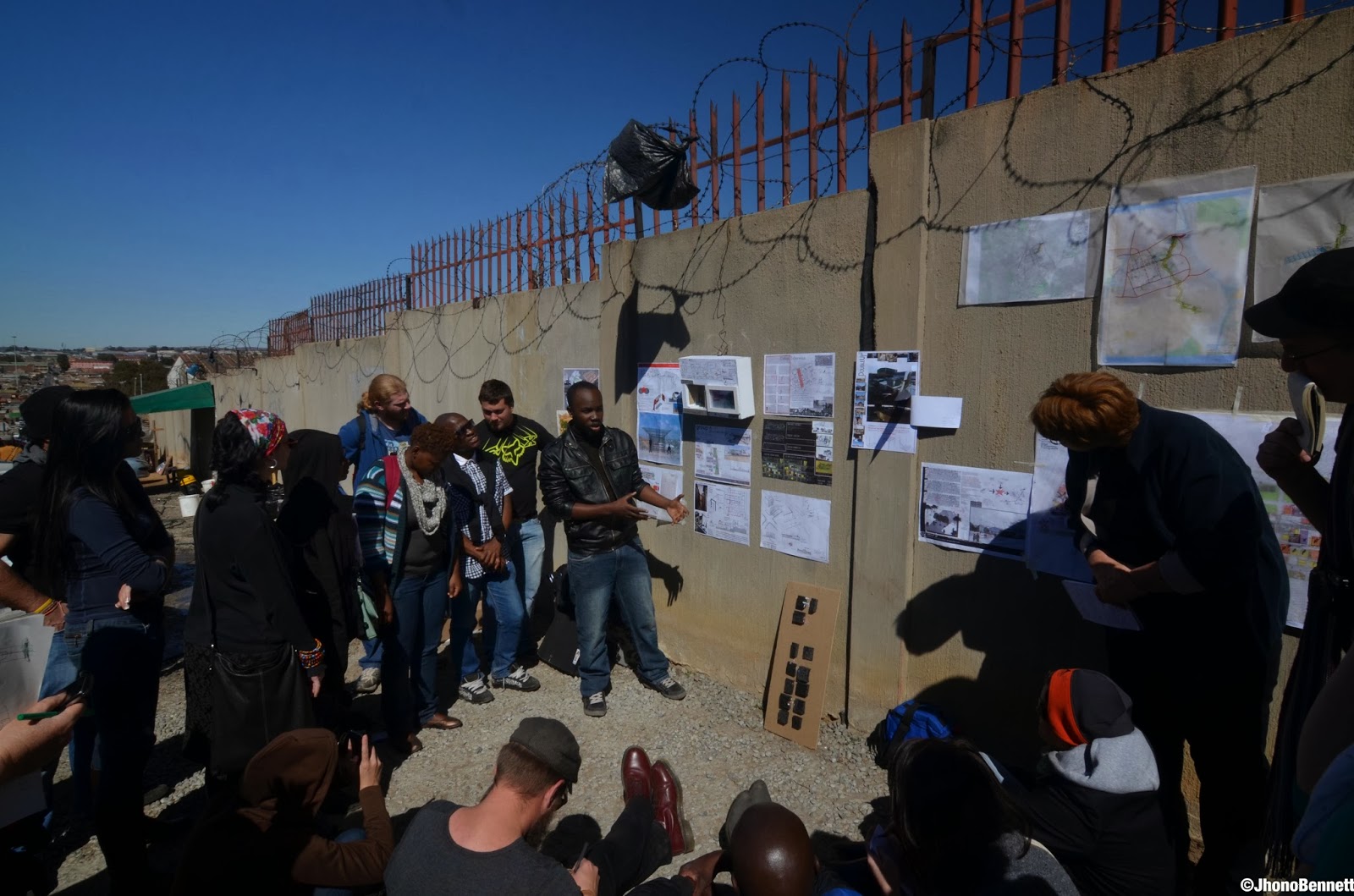
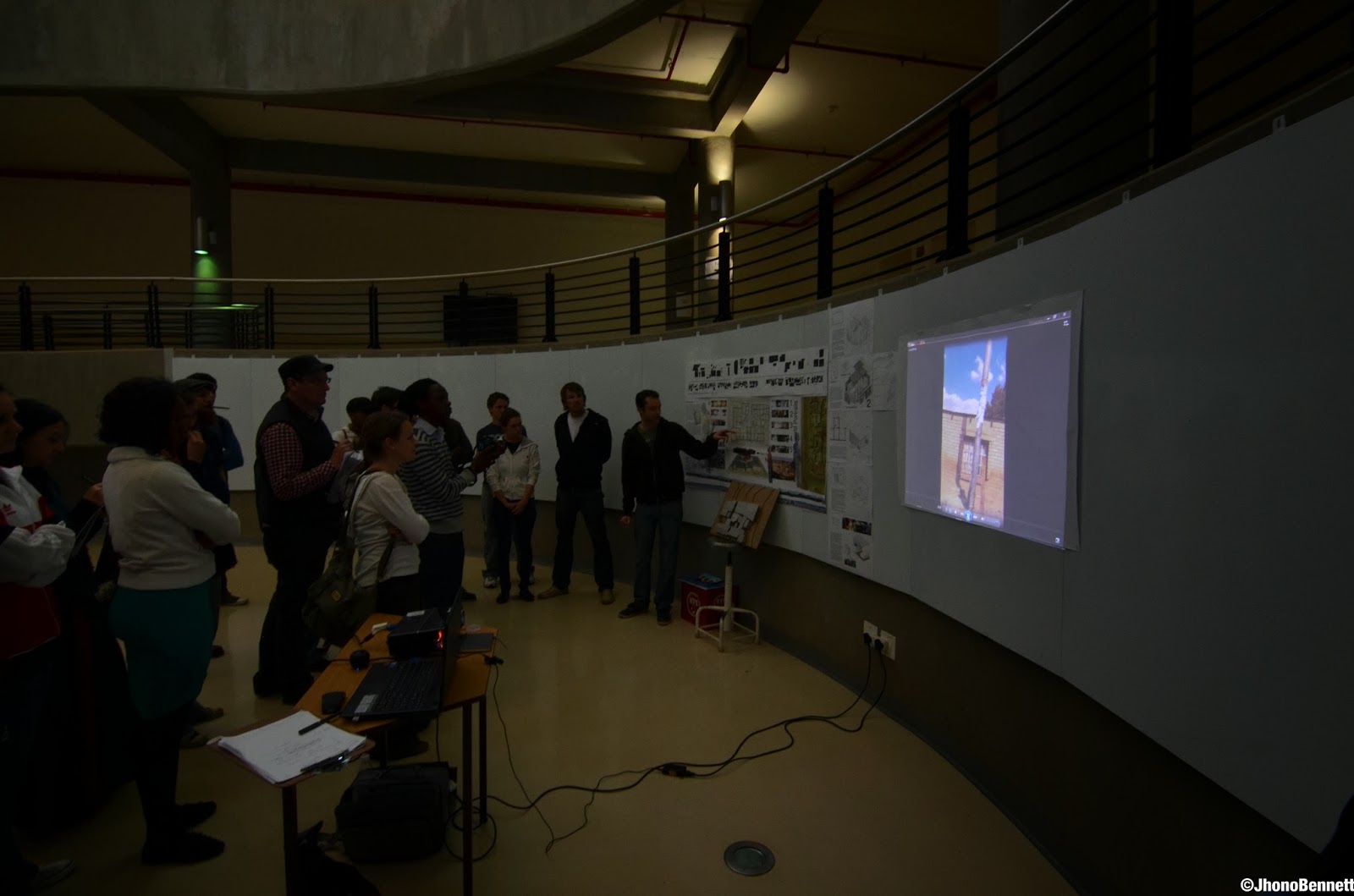
The MTech 1 students were asked to critique the groups (A-I) and each group presented for 10 minutes to the student panel. Of these 9 groups, 6 were chosen to present to the stakeholder panel scheduled for the afternoon session and 3 prizes were chosen by the MTech panel:
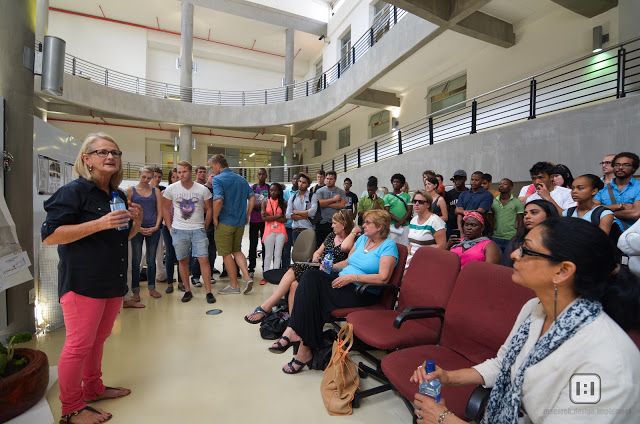
The stakeholder panel; made up of City of Johannesburg officials, academics and welfare staff, were very impressed with the enthusiasm and quality of the student work and their presentation. They called for the work to be taken further and discussed finding a way to present this to the mayor.
Staff members pledged to try and facilitate future engagement with stakeholder panel by aligning their academic programmes to support the work. The students expressed their interest in taking the work further, possibly in their own capacity, and seemed to enjoy the week’s programme. A working relationship is being established with the stakeholder at the moment.
At the closure of the presentations a small function was held in the FADA basement parking, where the prizes were awarded and the students completed the week’s event – arguably the most important part of the week’s activities.
*
Vertical Studio 2014
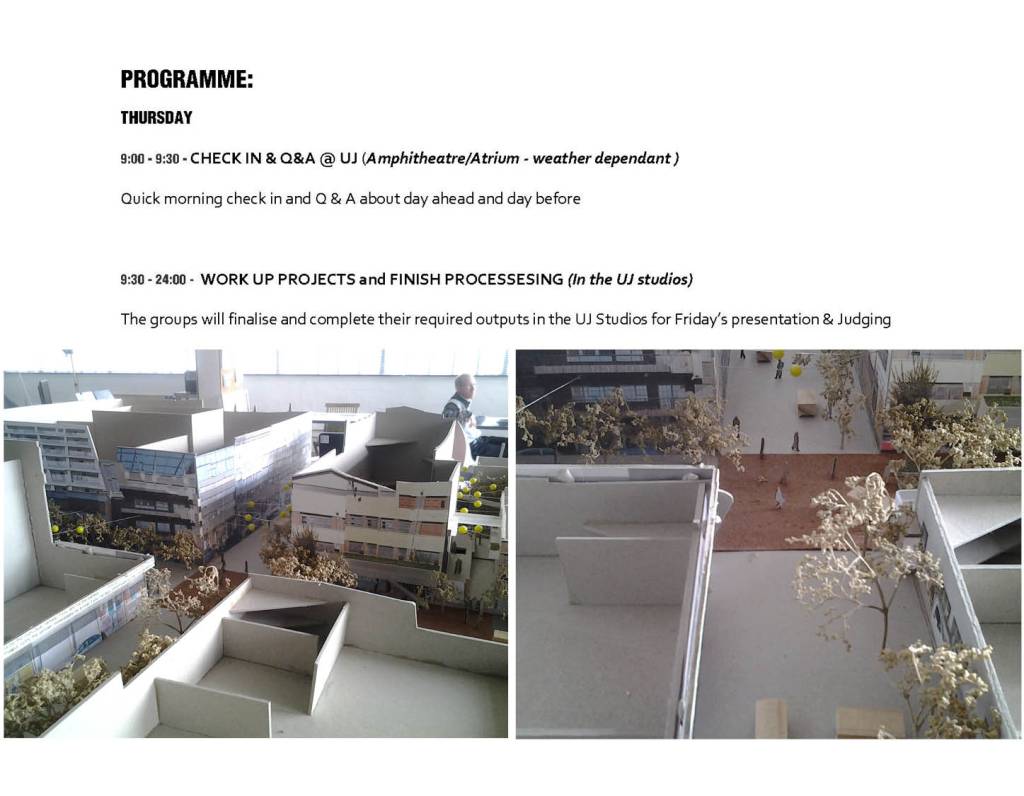
The Vertical Studio was the evolution of Creativity Week based on the new undergraduate framing structure of the department. This year students worked alongside Thiresh Govender and Katharina Rohde in line with their PublicActs initiative.
BACKGROUND:
PublicActs is a practice-based investigation into urban matters with a focus on cities in the global south. PublicActs brings together various creative disciplines such as artists, architects, urban anthropologists or geographers to connect with communities and actors on site. In collaborative processes public spaces are creatively audited in order to implement sustainable strategies for an adequate architecture and urban design. For more information: www.publicacts.org.
PublicActs employs various methodologies and tools to interrogate and explore public space:
1. GRAND AND SPECTACULAR
These sites are characterised as being: large and dramatic in scale, highly specialised, singular ownership, dedicated used, exclusive (sometimes), grand, controlled accessibility (sometimes).
Examples include: Mary Fitzgerald Square, Bank City, Walter Sisulu Square of Dedication, Monte Casino.
2. EVERYDAY
These sites are part of our everyday experiences and are characterised as being: accessible, open, transient, emergent, imagined, appropriated, contested, negotiated, intimate, multiple narrative, intensely used.
Examples include: a street, a taxi, markets,parks,squares…
3. NEW IMAGINARIES
These sites are new and unexpected which have emerged through innovative and/or survivalist responses to urban space. They are characterised as being: open, vague, abandoned, repurposed, inbetween, placeless, emergent, transgressive.
Examples include: under bridges, pathways, rooftops, open spaces, sidewalks.
4. EPHEMERAL
These are not so much sites as moments where ‘public-ness’ is constructed. They come in to being for a short space of time due to some or other urban condition. They are characterised as being; spontaneous, creative, inter-active, social…
These sites are closely associated with places of civic power and are characterised as having important public, social importance and gravitas. These are spaces where the voices of a democracy can be articulated and heard by those chosen to represent a society. They are characterised as being: harsh, concrete, exclusive, narrow…
Examples include: Constitutional Square, the Magistrates Court, Joburg Civic Centre Forecourt, The Supreme Court (Von Brandis Square), The Family
OBJECTIVE:
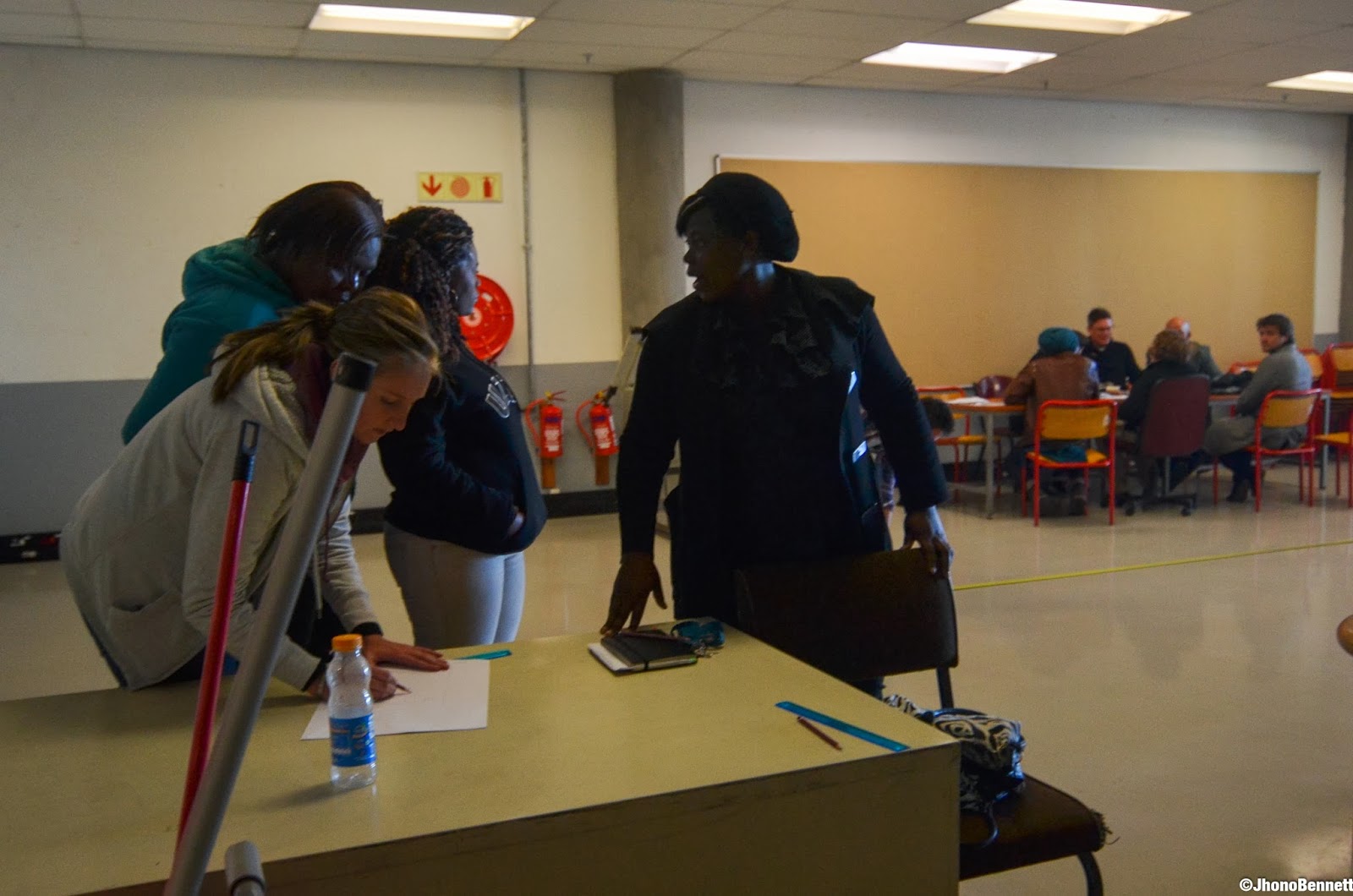
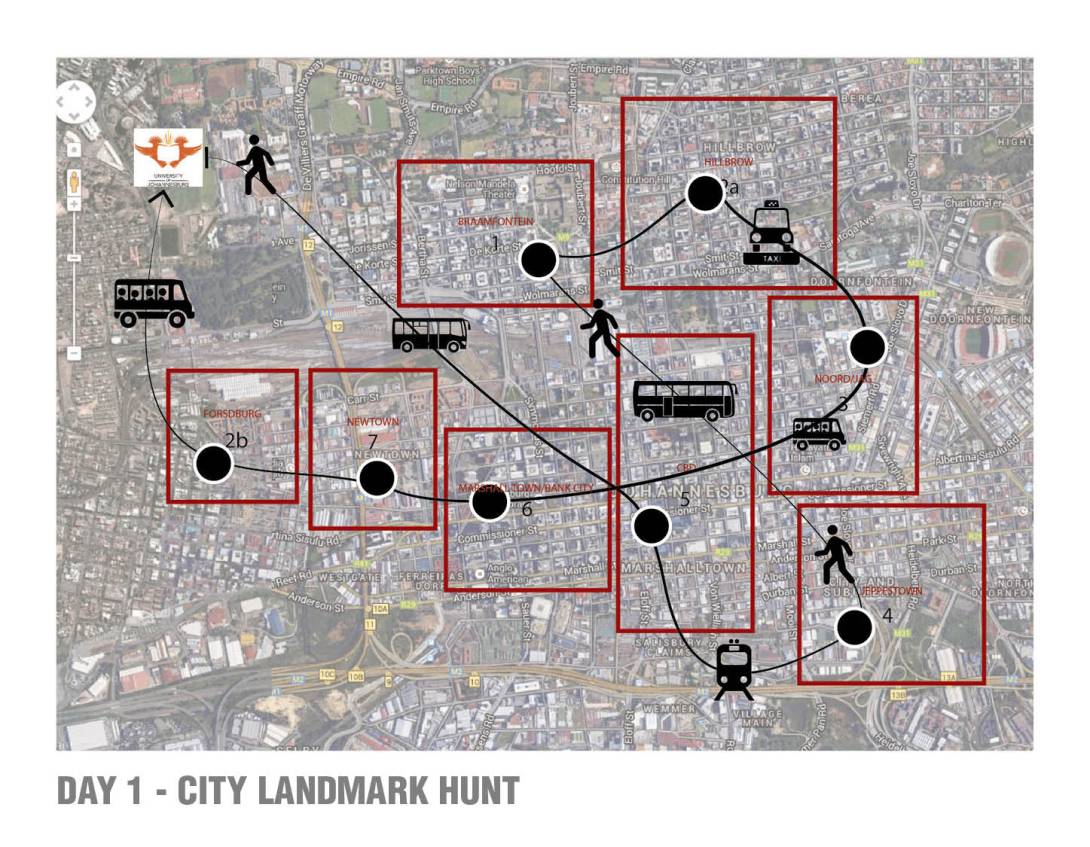
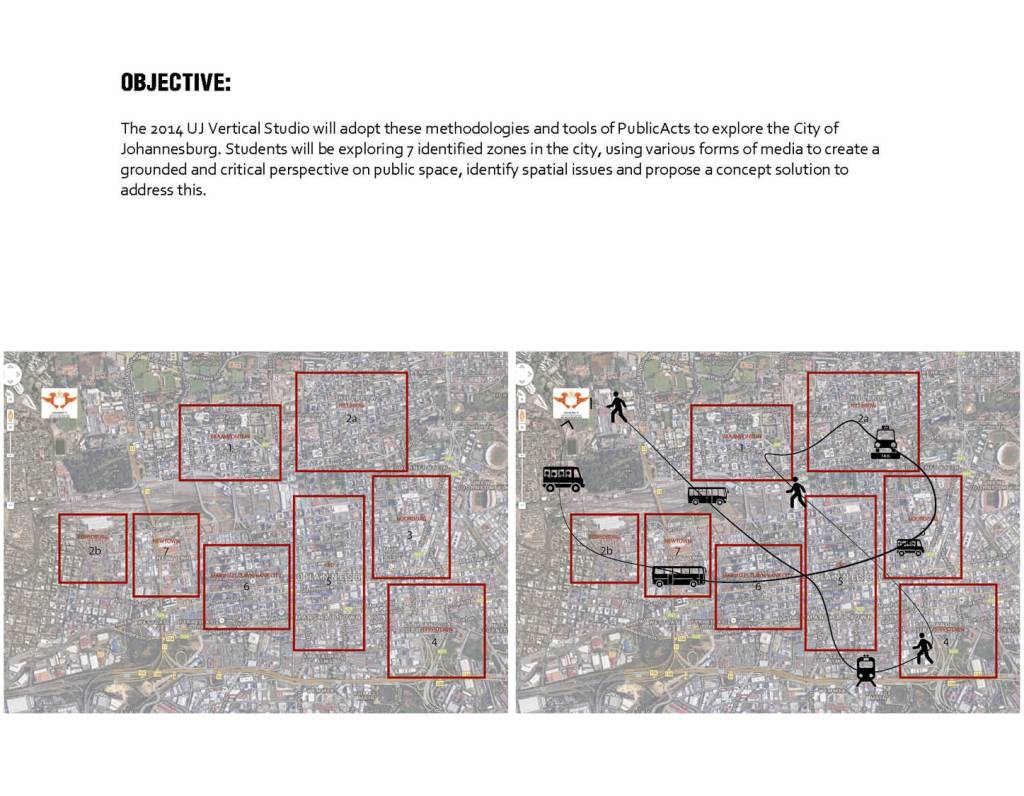
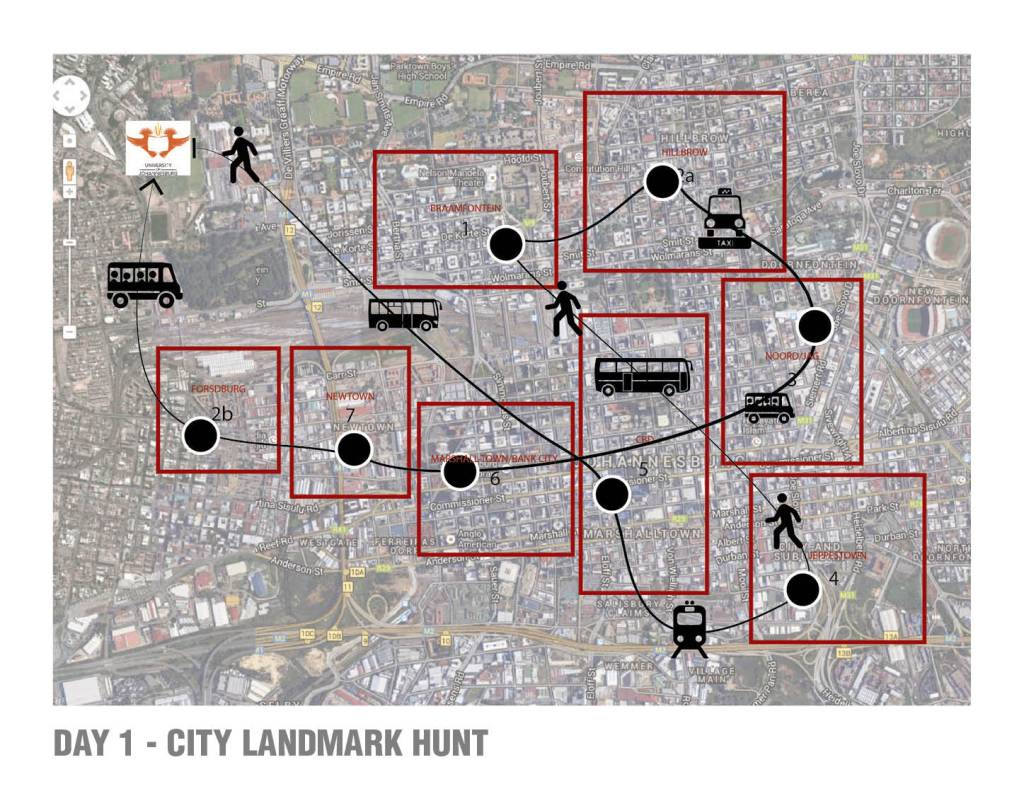
The 2014 UJ Vertical Studio adopted these methodologies and tools of PublicActs to explore the City of Johannesburg. Students will be exploring 7 identified zones in the city, using various forms of media to create a grounded and critical perspective on public space, identify spatial issues and propose a concept solution to address this.
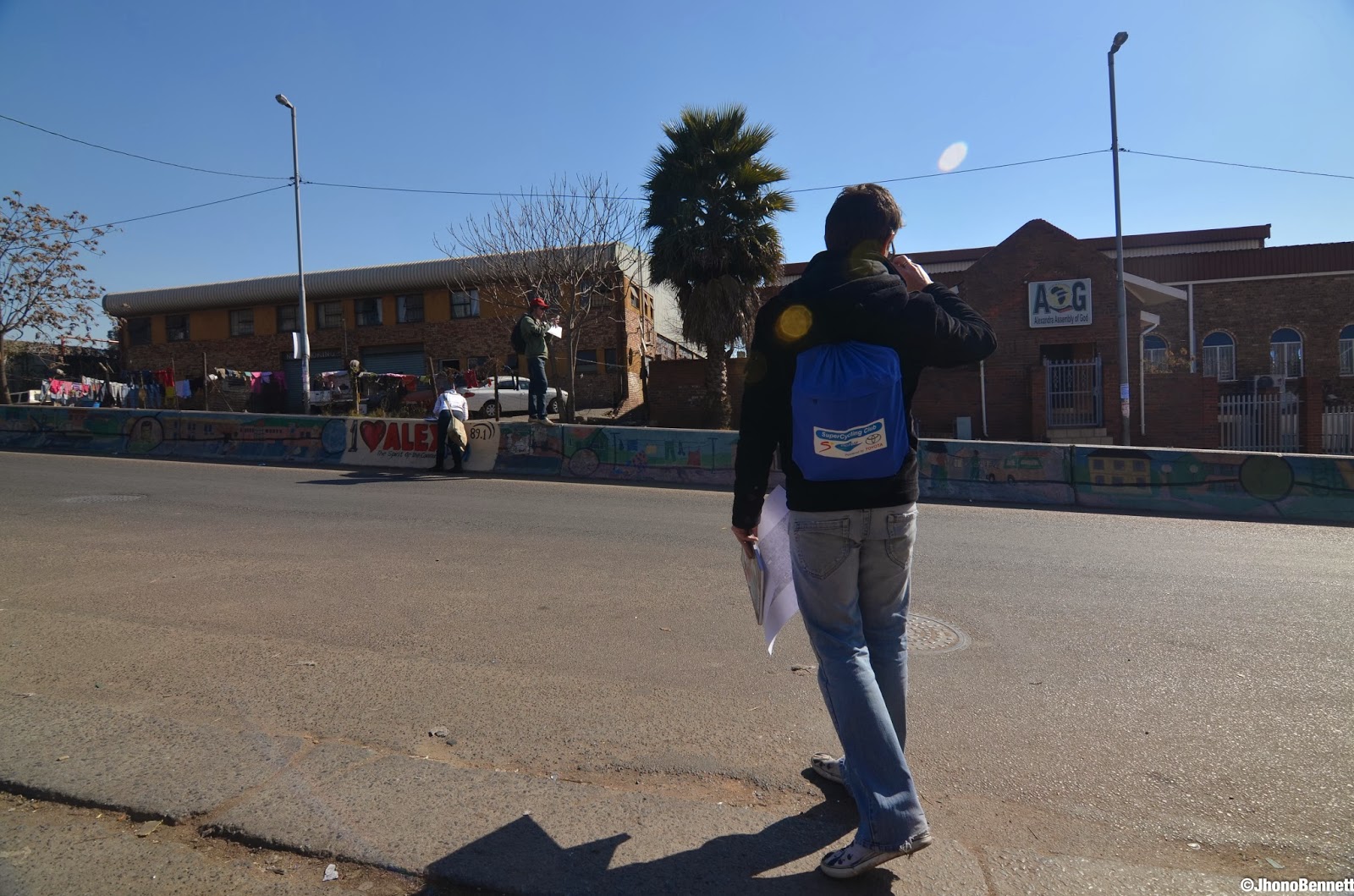
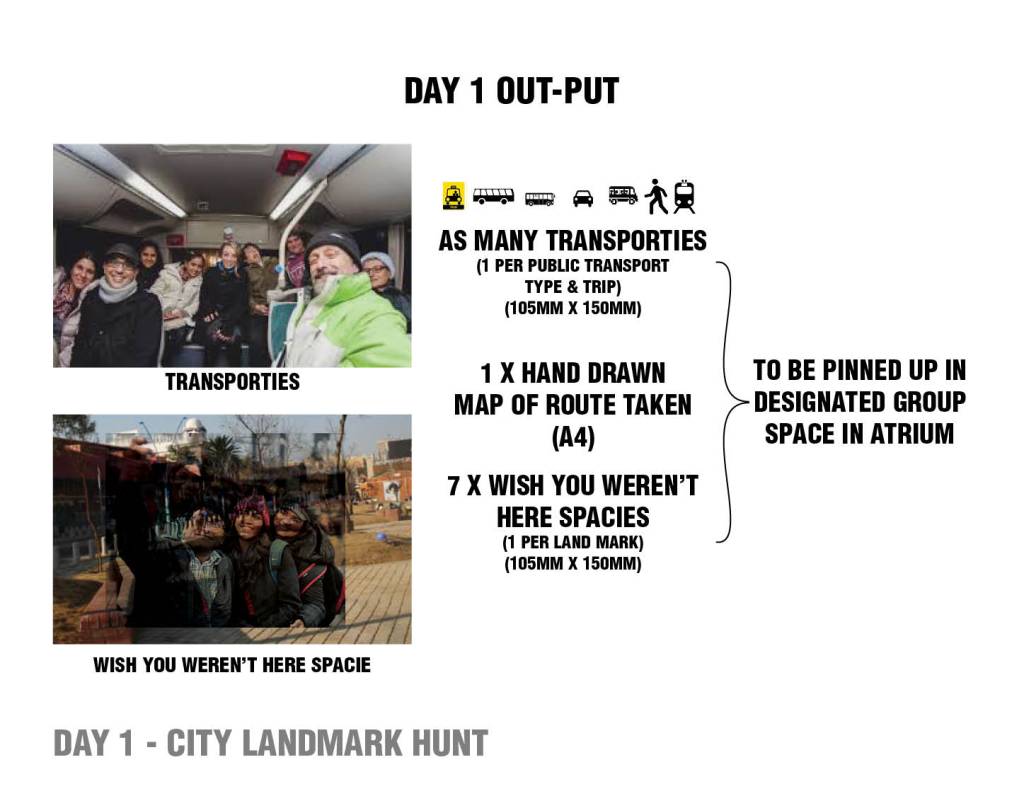
Using the idea of selfies and space students were set the task of exploring the city on foot to take these ‘spacies’ while employing different forms of transport through a treasure hunt type event.
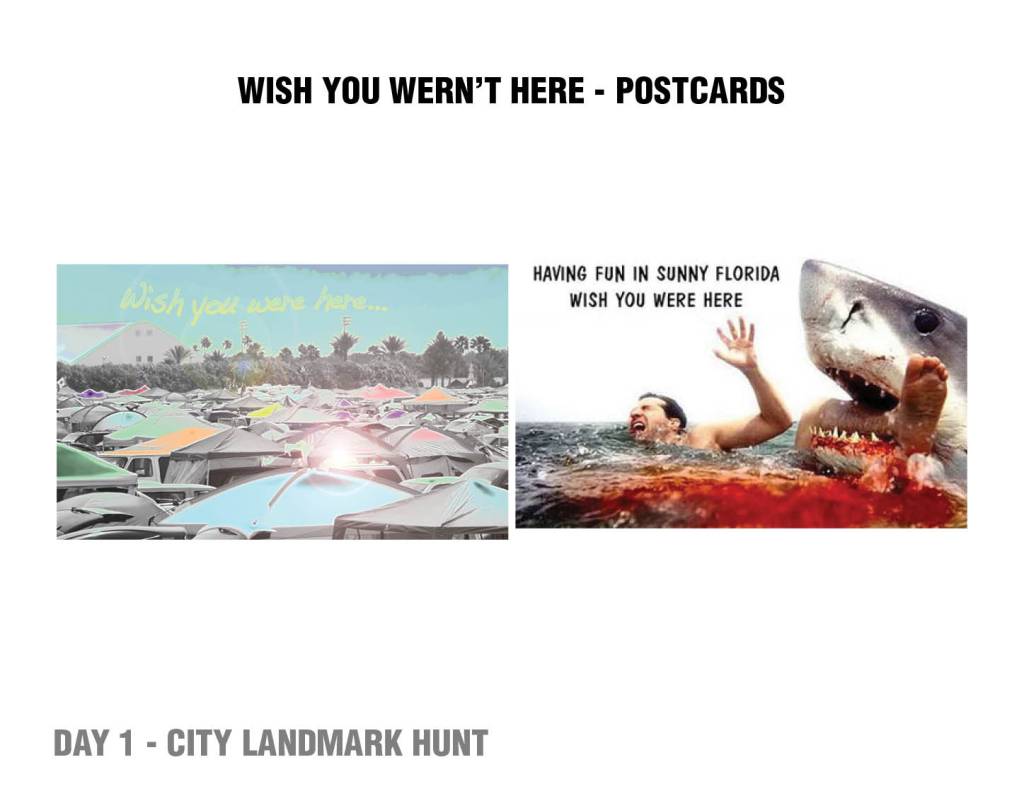
The students then were asked to explore the 7 themes through a set of ‘ironic’ post cards
Vertical Studio 2015
The fial year I ran this programme, we extended the brief into a more creative field, and worked with Eduardo Cachucho through his Derive App.
Student Instructions
Johannesburg’s inner city represents one of the most diverse cross-sections of contemporary South Africa in less than 5 square kilometres of concrete skyscrapers and bustling streetscapes.
From hipster’s to migrant workers, a vast array of characters unknowingly work together to make up a dynamic inner city ecosystem that represents the heart of the strongest metropolis in Africa.
As practitioners of space, we often (sometimes intentionally) are distanced from the palimpsest of narratives that give meaning and value to the spaces we overlook daily – these stories that thrive within the interwoven networks and individuals that pulse through the CBD hold the potential to reveal new understandings of how a contemporary city in modern South Africa flourishes.
Your task this week is to dive head deep into the complex spaces that make up the CBD and imagine what possibilities these stories hold for an ever changing city that still draws scores of hopeful urbanites to its lights. Using the Derive App (http://deriveapp.com/s/v2/) you will explore the city and collect objects, experiences, stories, characters. Then as a group you will transform these findings into a short story of your own – projecting 50 years in the future.
The first 2 days will have you engaging in the city with the Derive App. Once you have collected your story elements, you will then spend the next 2 days working towards building these elements into a narrative – projecting your story 100 years into the future. Your story must focus on a character/characters and their relationship to the space you are designated too. The intention behind this task is to explore how people define their spaces in the city.
You may choose any form of narrative device from the list, which you will present to a panel of judges on Friday, followed by prize giving/party in the FADA Building Basement.
Task Description:
As a group you will choose one person to use their smart phone, and log into the Derive App. Once you are in your designated zone, you will log into the Vertical Studio Week Group and use a deck of 50 cards to collect your story elements.
Each person in the group must choose their documentation tool, all tools must be used in the groups.
Instagrammer
Tweeter
Sketcher
Videographer
Each group must use their specific hashtag #ujvertstudio_8
You may use any media to tell your story:
Film
Storyboard/ Graphic Novel
Story (oral/written)
Performance/Song
Photo Essay
Other?
Prize Categories:
Best film
Best photo essay
Best graphic novel/Storyboard
Best Performance/Song
Best Other
Student Submissions
Reflections
Running these programmes was extremely rewarding, challenging and just good fun. It gave me the necessary exposure to grow and develop as a young teacher and urbanist,.
My intention for 2016 was to return this opportunity to the next round of younger early staff members who has helped me run these this programme along the way (Joana Ferro, Blanca Calvo, Tuliza Sindi, Sanjay Jeevan, Sumayya Valley amongst many others), but due to the dynamics of the school – this was not allowed and the programme became something very different.
Broadly, Architect’s (in South Africa at least), are trained to translate the requirements of a client (in many forms), while taking into account as many factors (your own intuition and preferences included) into a technical product.
From my experience from working in complex developmental or advocacy environments this broad definition of the role of Architect, planner or engineer (Spatial Practitioner) as a ‘designer’ or ‘professional’ shifts more into a facilitative mode.
This position still requires the analysis, thinking and acting tools that the professional training gives, but calls on the practitioner to also transverse many different cultural, economic and disciplinary background with empathy, much patience and a willingness to let go of strategic aspects of control.
The role of socio-technical support is not to completely give into the complexity of social or development processes, but to look deeper and find the unseen connection between technical requirements and the larger picture while still meeting the needs of the individuals (or community) at hand.
This role of socio-technical support had me advising, documenting and facilitating the technical projects that make up the 6 rituals of the SDI:
the rituals in action
These projects were specific technical projects put forward by residents of various informal settlements in Gauteng that required intermediary technical support in their longer development goals and varied from tap fixtures to lighting solutions to meeting halls.
the constant contrasts of working in informal settlements
These projects are funded by a trust overseen by elected members of the SASDI called the Community Upgrade Finance Facility (CUFF). Residents are required to identify a project, work with the socio-technical professional to determine a design and a cost get this initial concept approved by the CUFF board, then save 10% of the project cost as a community to be able to begin implanting such a project.
This process is intended to bring residents together around a tangible output that benefits the community as a whole, and create a platform for the community to engage local council through demonstrating their organisation and mobilisation towards larger development goals in their future.
engaging community around CUFF projects
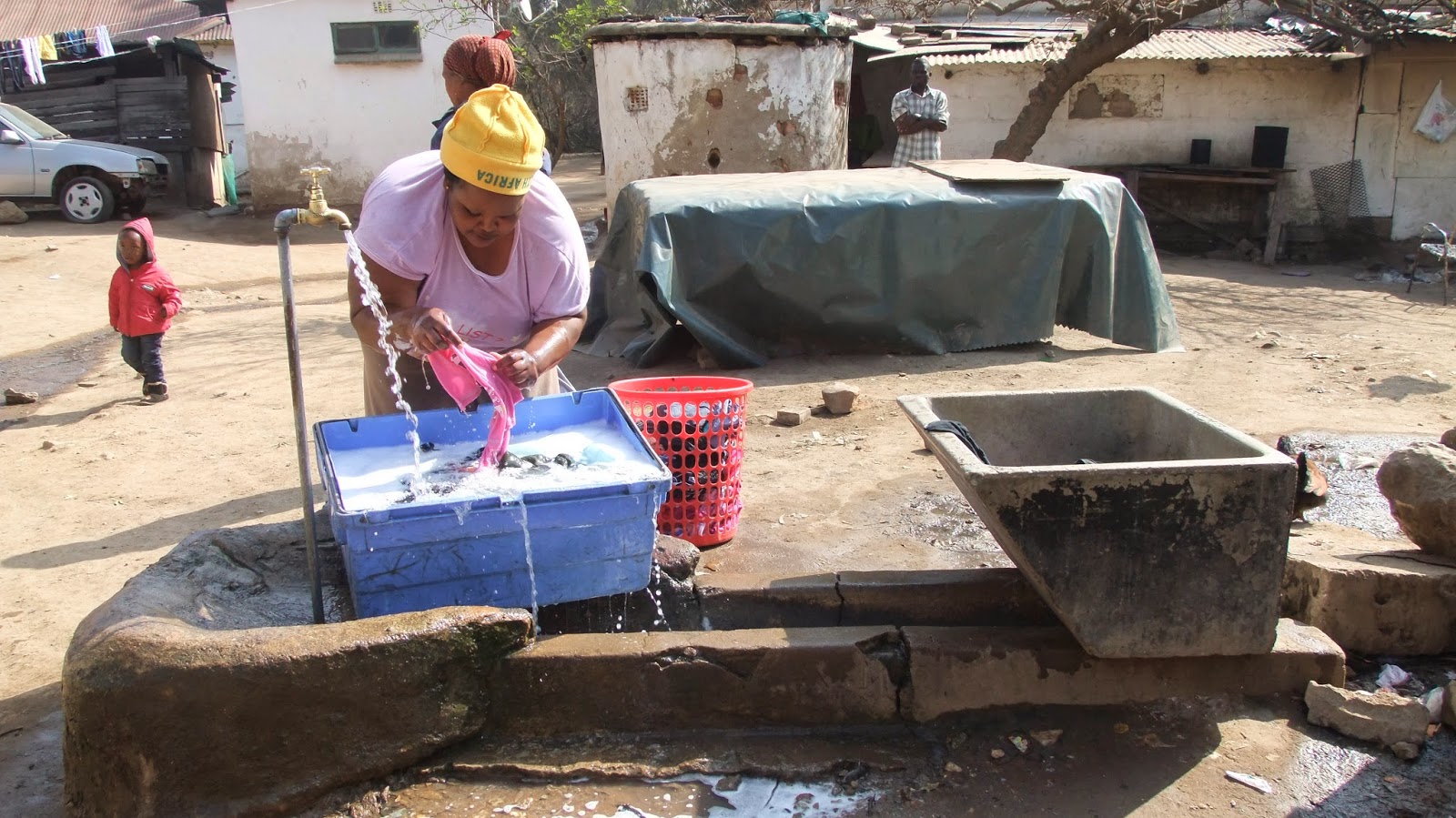
common need for water access
post eviction response
My year at the SASDI took me across a broad range of projects, and exposed me to the complex political and social difficulties involved in informal settlement development, as well as the working of such a large and reaching alliance of Non-Governmental Organisation (NGO’s) and Community Based Organisations (CBO’s) that make up the SASDI.
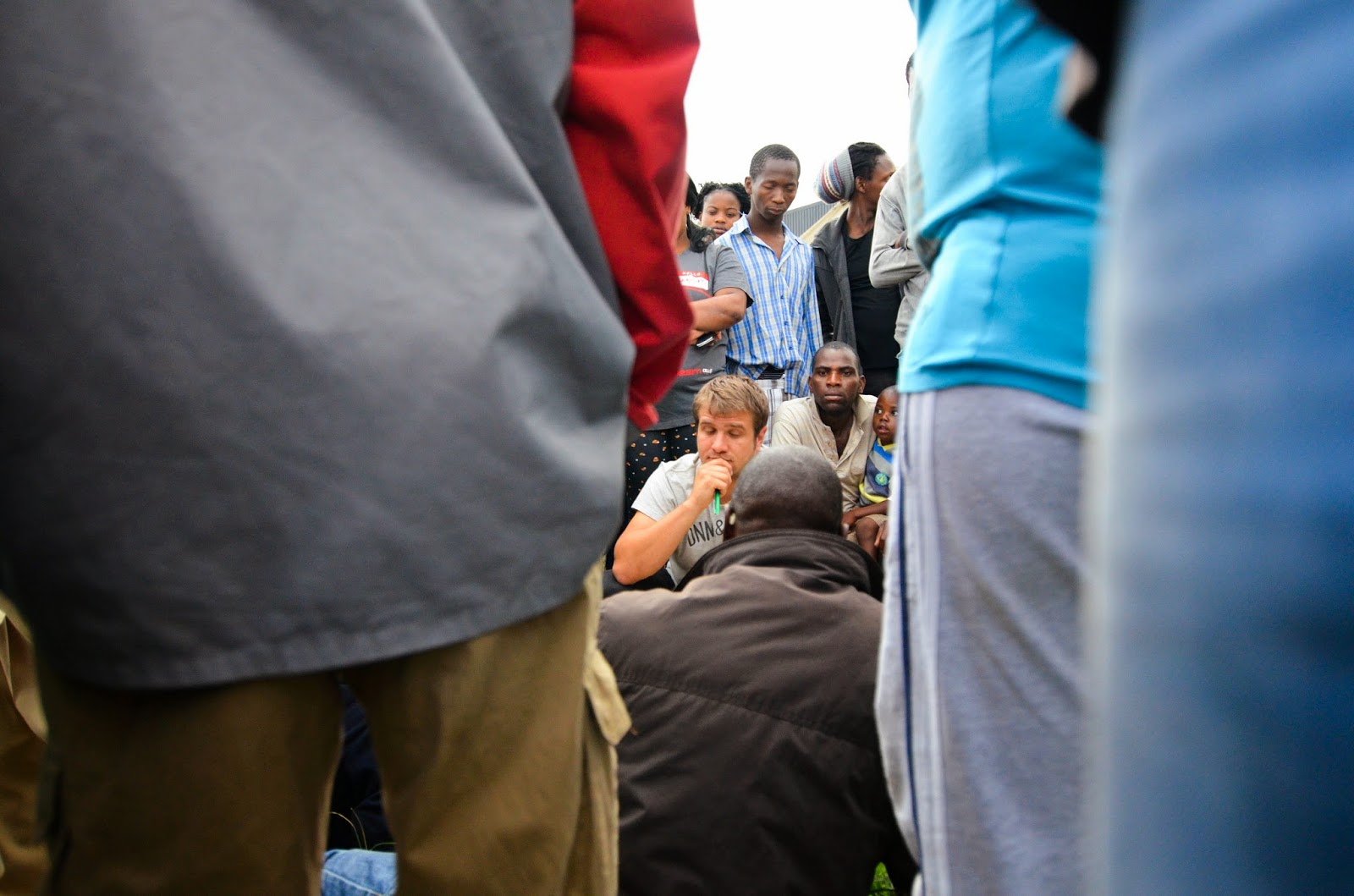
community meetings
informally squatted warehouses
temporary housing solutions
leadership meetings
eviction aftermath
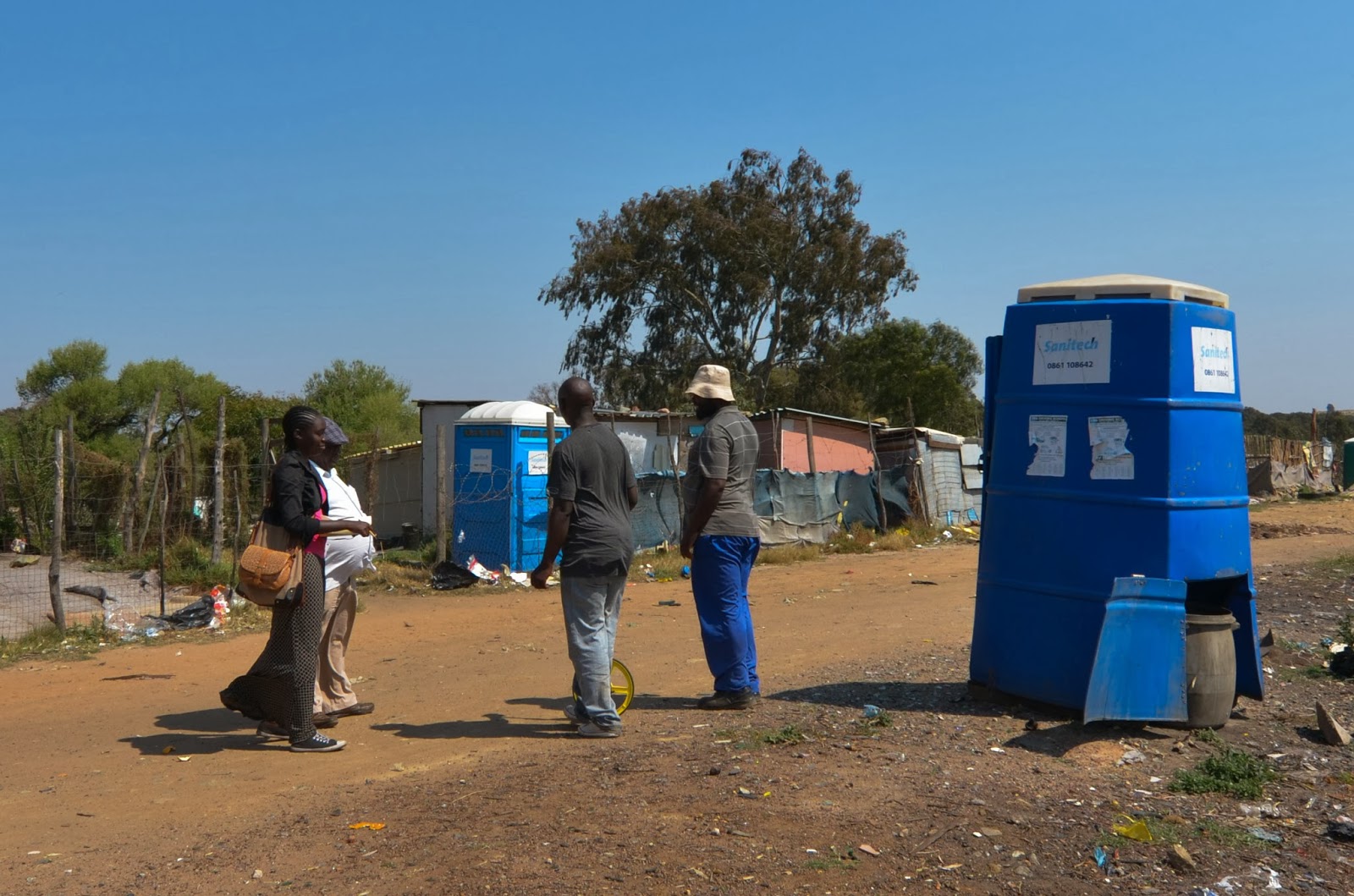
current sanitation
I have recently, stepped out of the alliance, in order to better position myself outside the complex social and political working of such an organisation to be in order to provide the niche socio-technical support and capacitation of young professionals and students through the initiative 1:1 (1 to 1) -Agency ofEngagement while working at the University of Johannesburg as an independent researcher and part time lecturer.
As 1:1 we plan to not only work with the alliance and other indivuduals or organisations on specific socio-technical and research projects but also help facilitate students and young professionals to get involved with the SASDI and other NGO’s working in this sector in South Africa, while developing this additional role for Architects in South Africa.
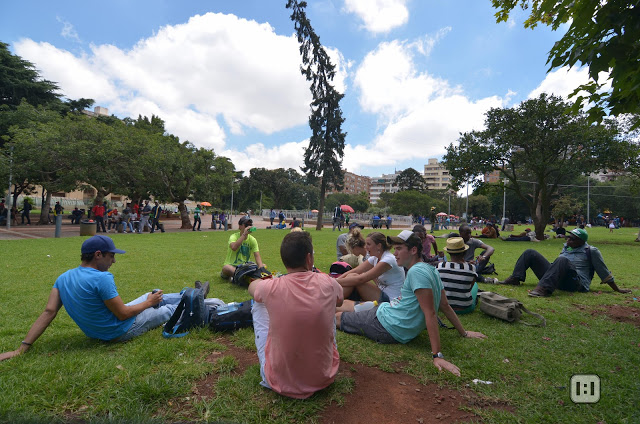
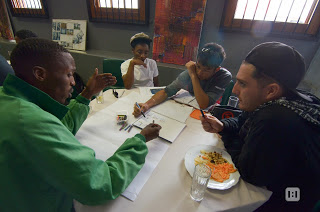
I was recently commissioned to gather resource information around Durban’s Market’s of Warwick. These photos were collected during this exercise, but do not depict any information in regard to task I was assigned.




 This finding eluded to a much more complex and organised form of leadership and governance that exists in Mai Mai. Simultaneously, more intricate territories amongst the food court users were revealed as the chairs became a symbol of territorial control as users claimed ownership over various arrangements.
























































































































































 Jhono Bennett