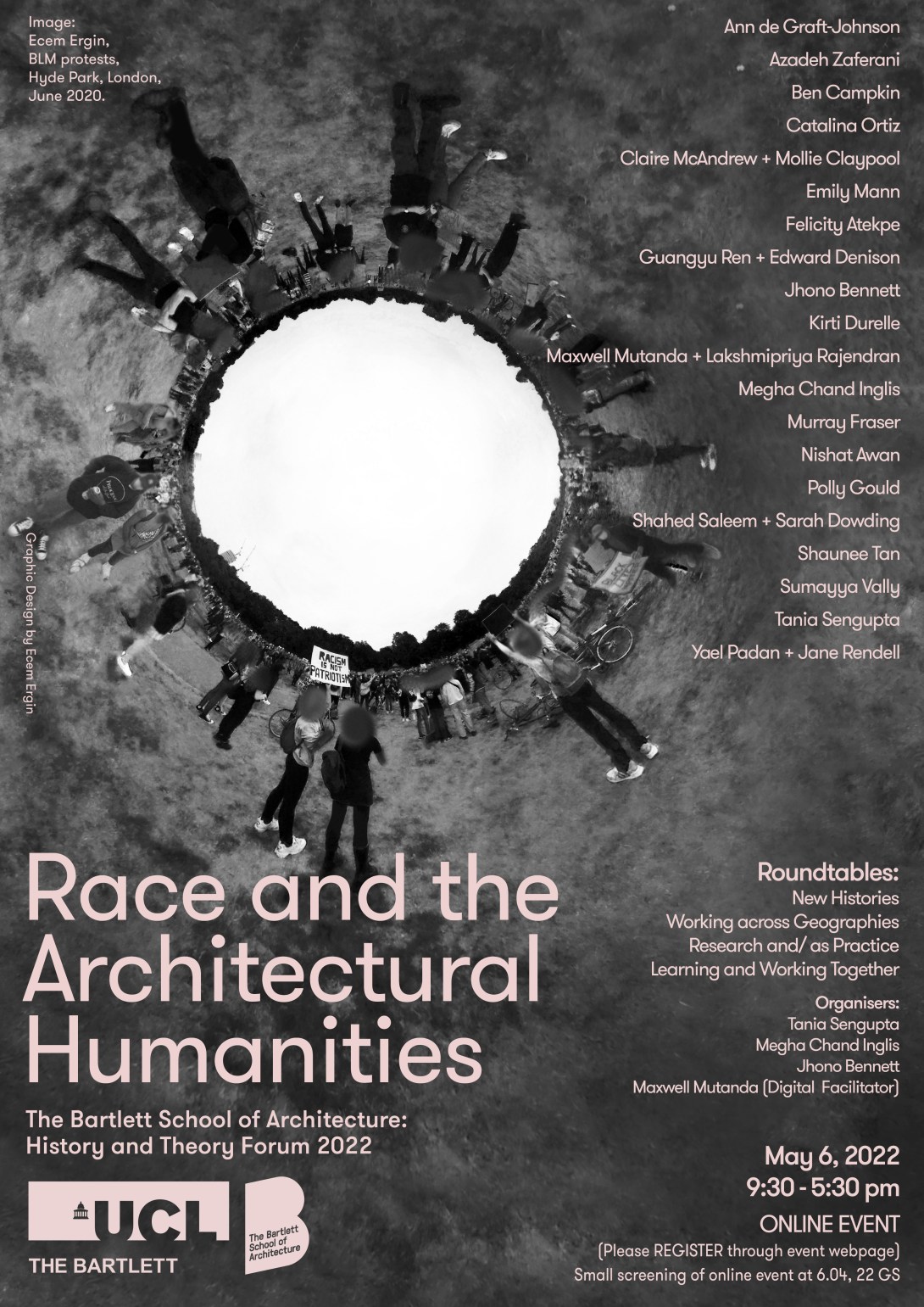
“Curated by The Bartlett School of Architecture’s Director of History and Theory, Tania Sengupta, along with Megha Chand Inglis and Jhono Bennett, the History and Theory Forum is being revived this year after a hiatus, particularly as part of collective action on urgent issues.
This year’s theme is ‘Race and the Architectural Humanities: How we (can) research, teach and learn’, understood broadly, and including the interactions of these themes with design and technologies. Reflecting on how these relationships shape or might shape research, design or other forms of practice and pedagogy through inclusive, anti-racist, socially equitable, environmentally just and culturally nuanced approaches.
This online event – consisting of roundtables, show-and-tell presentations and conversations – is open to all Bartlett School of Architecture staff and students. The presenters include the school’s staff and students as well as key external researchers, designers, creative artists and activists. The forum will enable the school to gather as a community and share the varied efforts taken that address such questions and consider how we might transform our practices in fundamental and meaningful ways.
There is limited capacity to join the event in 6.04 at 22 Gordon Street.
This event has been oranised by Tania Sengupta, Megha Chand Inglis and Jhono Bennett. The digital facilitator will be Maxwell Mutanda. Visual Design by Ecem Ergin. “
The excellent graphic design work was undertaken by Ecem Egrin, while Maxwell Mutanda and I facilitated both a digital and physical summary space for the session and captured the day’s discussion live via a Miro Board.
In addition I presented my own doctoral work through the specific focus on positionality and my research titled: Navigating the What-What: A situated Southern urban design inquiry around how
In all, the day was highly successful, and has placed a solid foundation to continue this work outwards into other areas of focus and dissemination across the school and wider faculty.
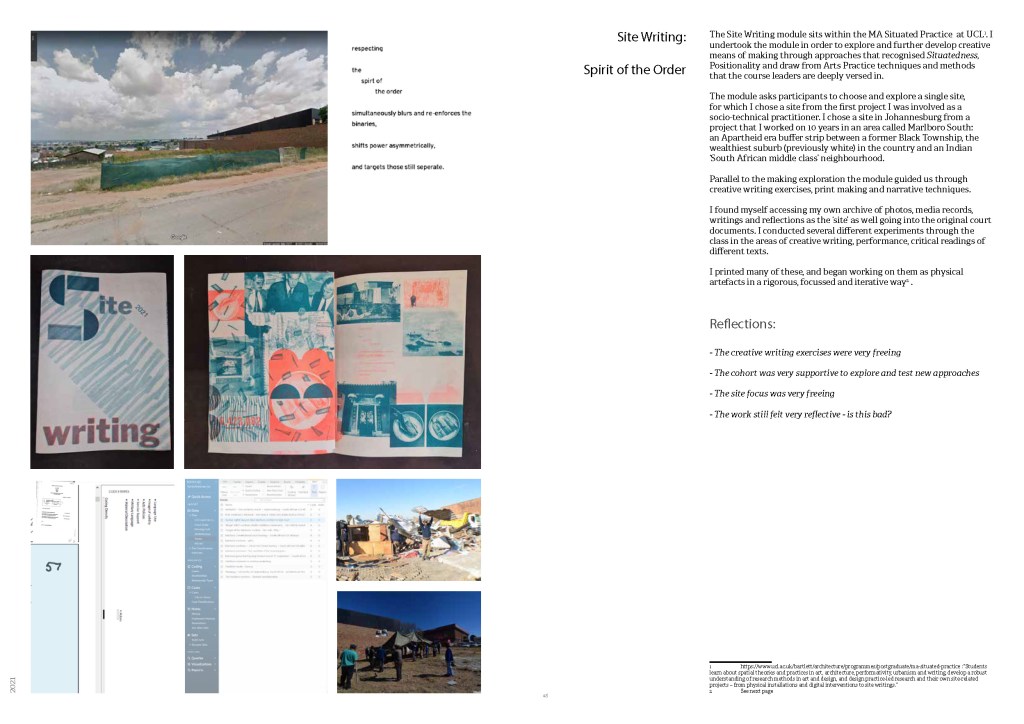
The final exercise in the Site Writing Module I undertook in 2020 with Dr. Polly Gould, Dr David Roberts and Dr. Jane Rendell called for an ‘Artist Book’ to accompany by a body of text to support the work.
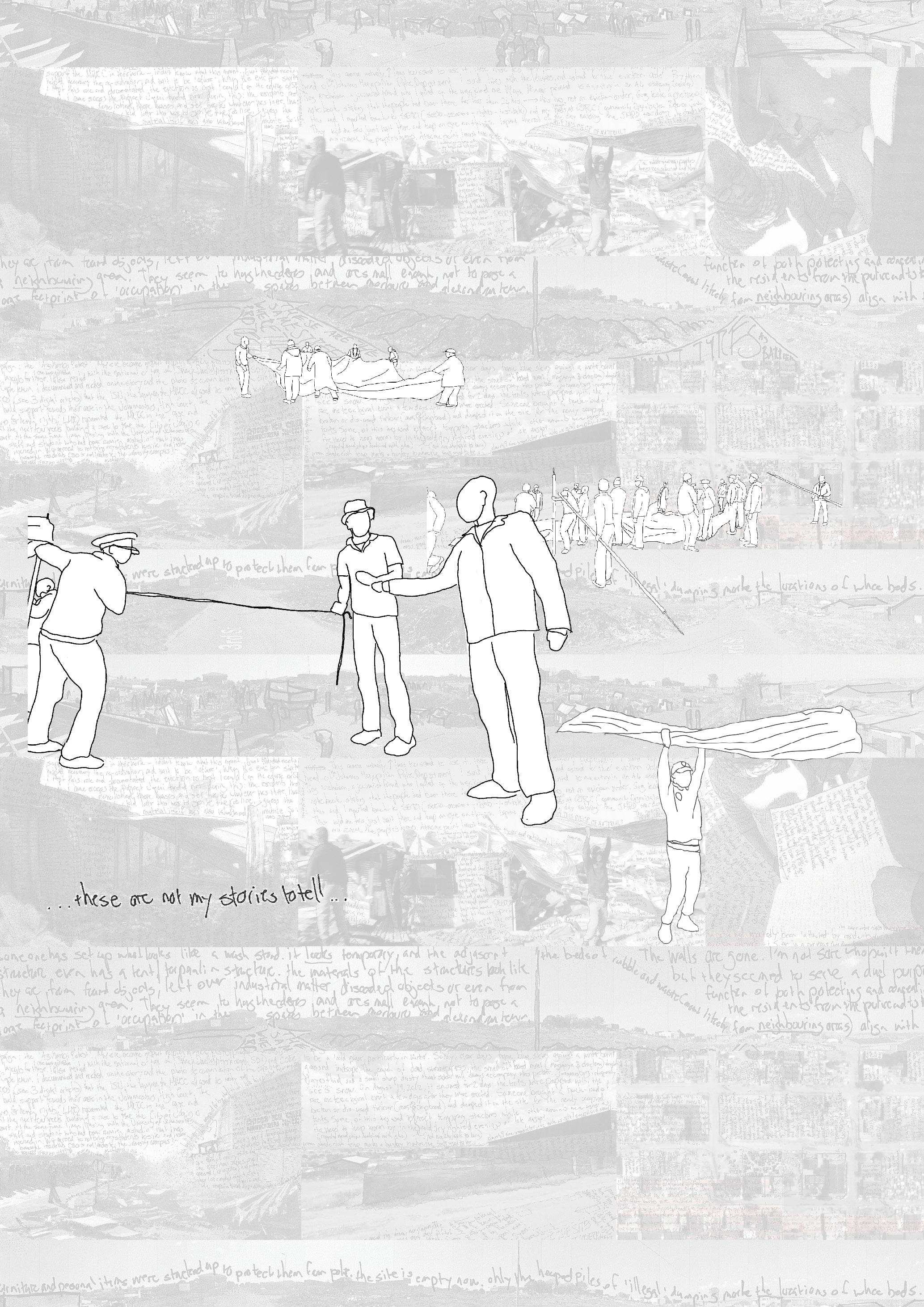
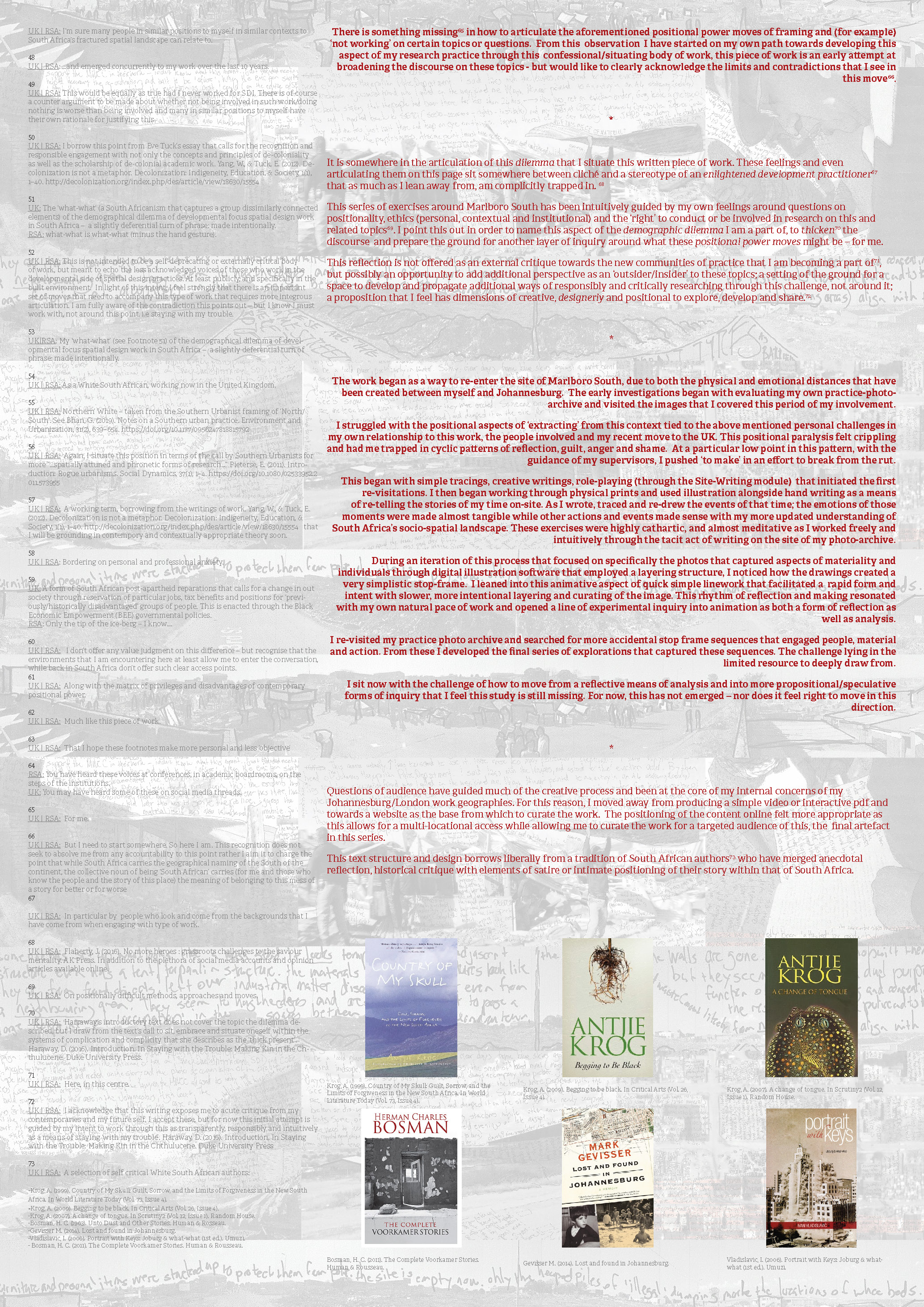
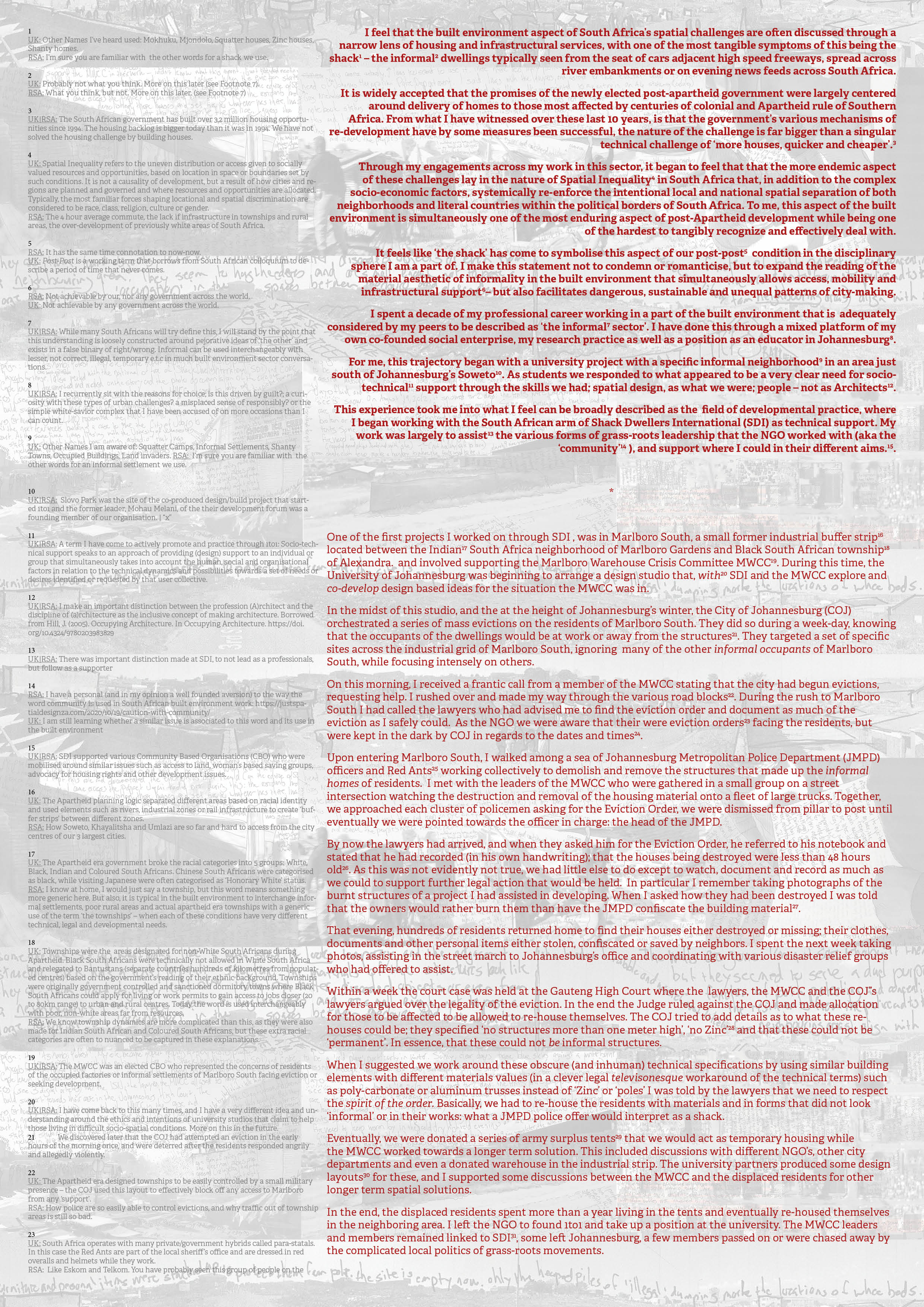
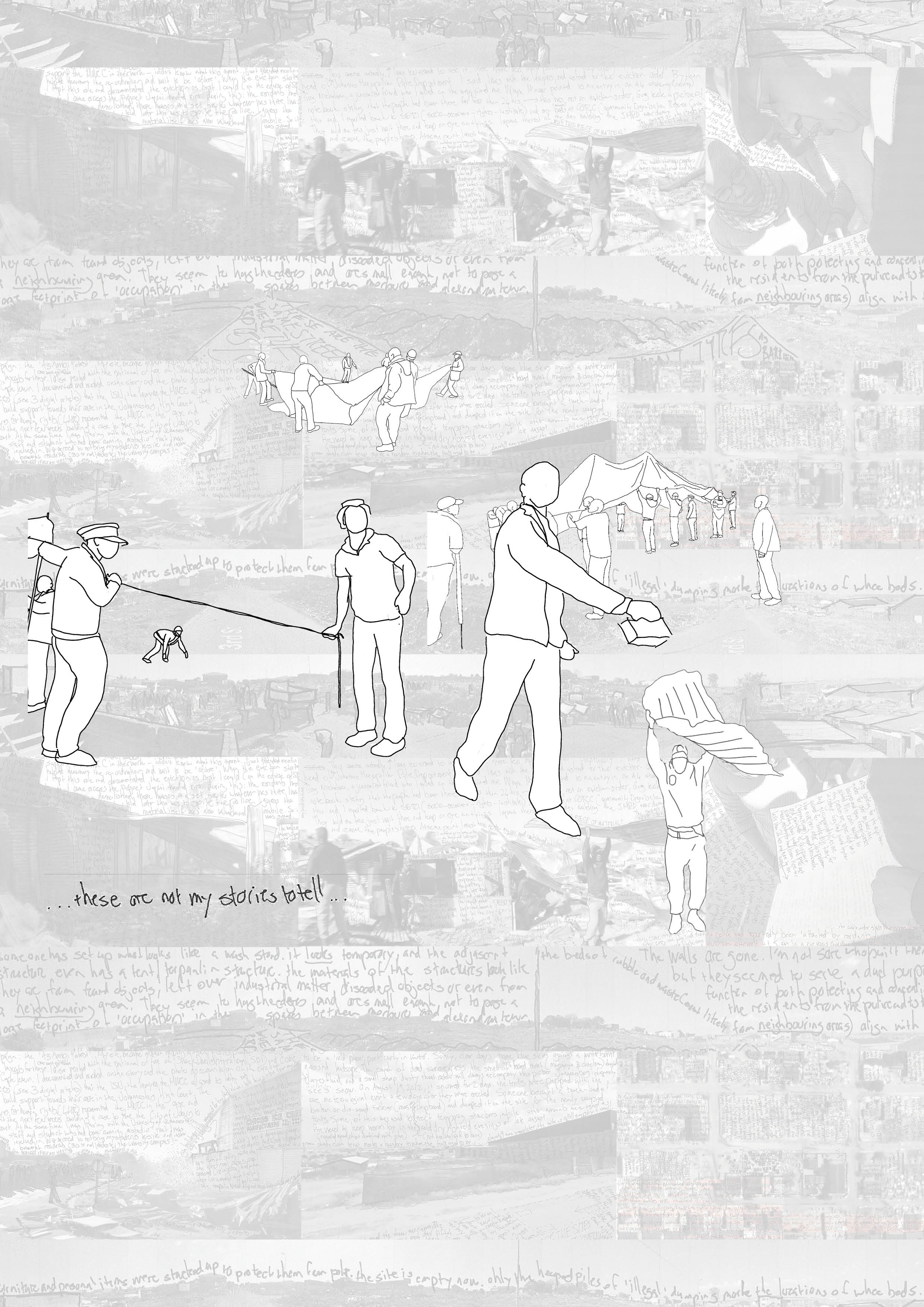
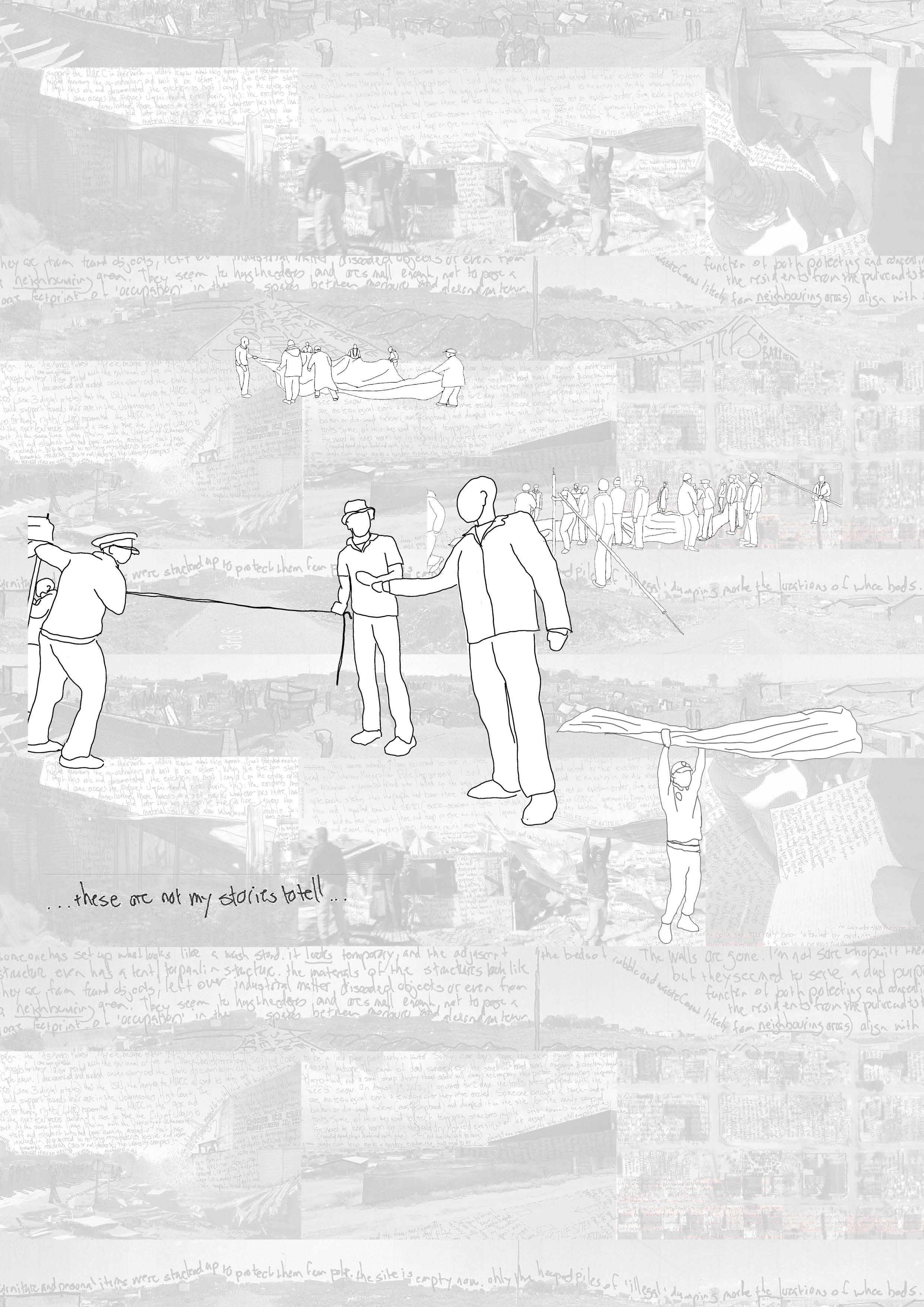
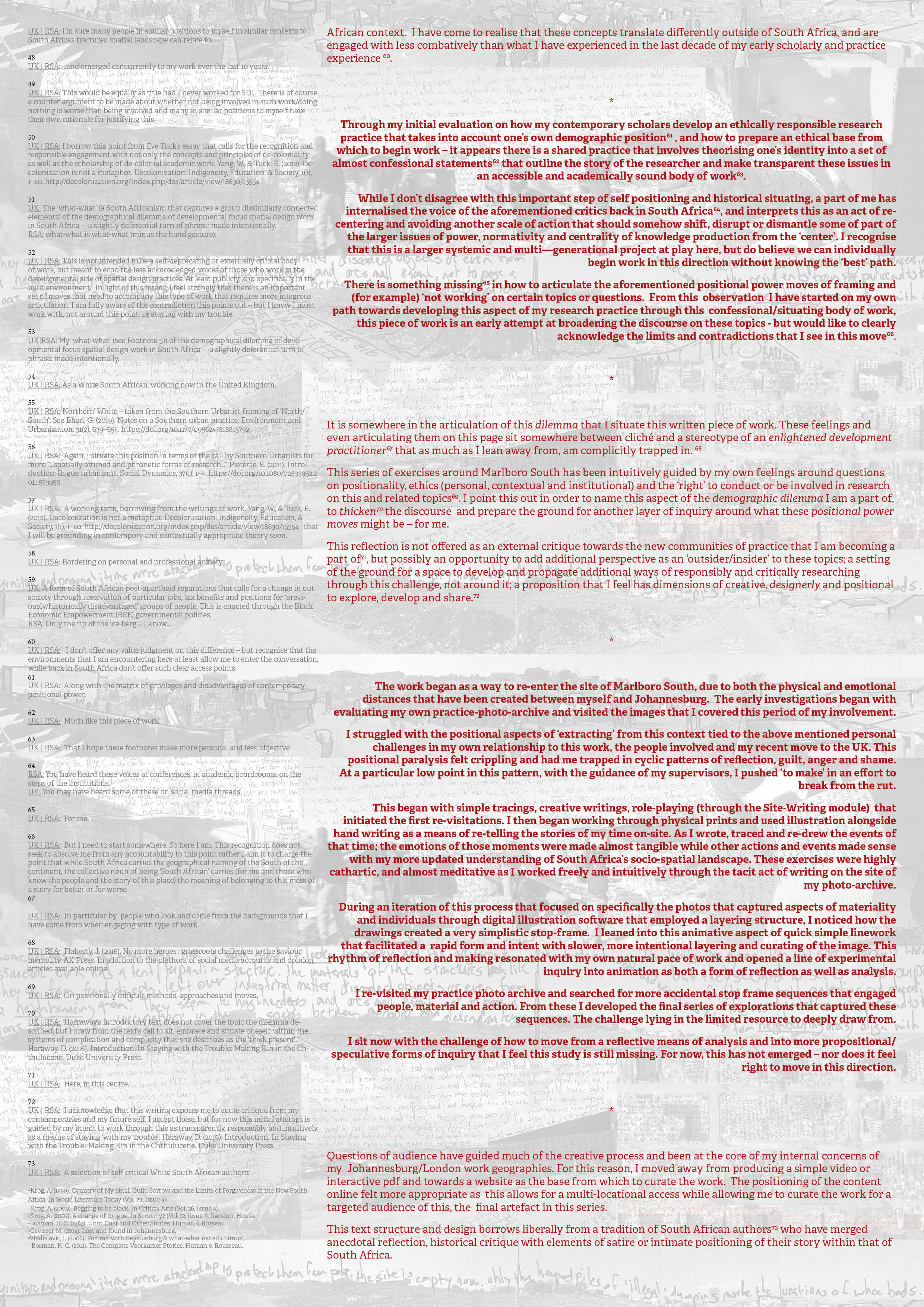
This was my first public creative piece of design research and arts-practice orientated work. For this exercise I combined the writing exercise with the animations to produce a curated web installation that aimed to frame the ‘demographic dilemma’ /the ‘what-what’ that had been present throughout the module.
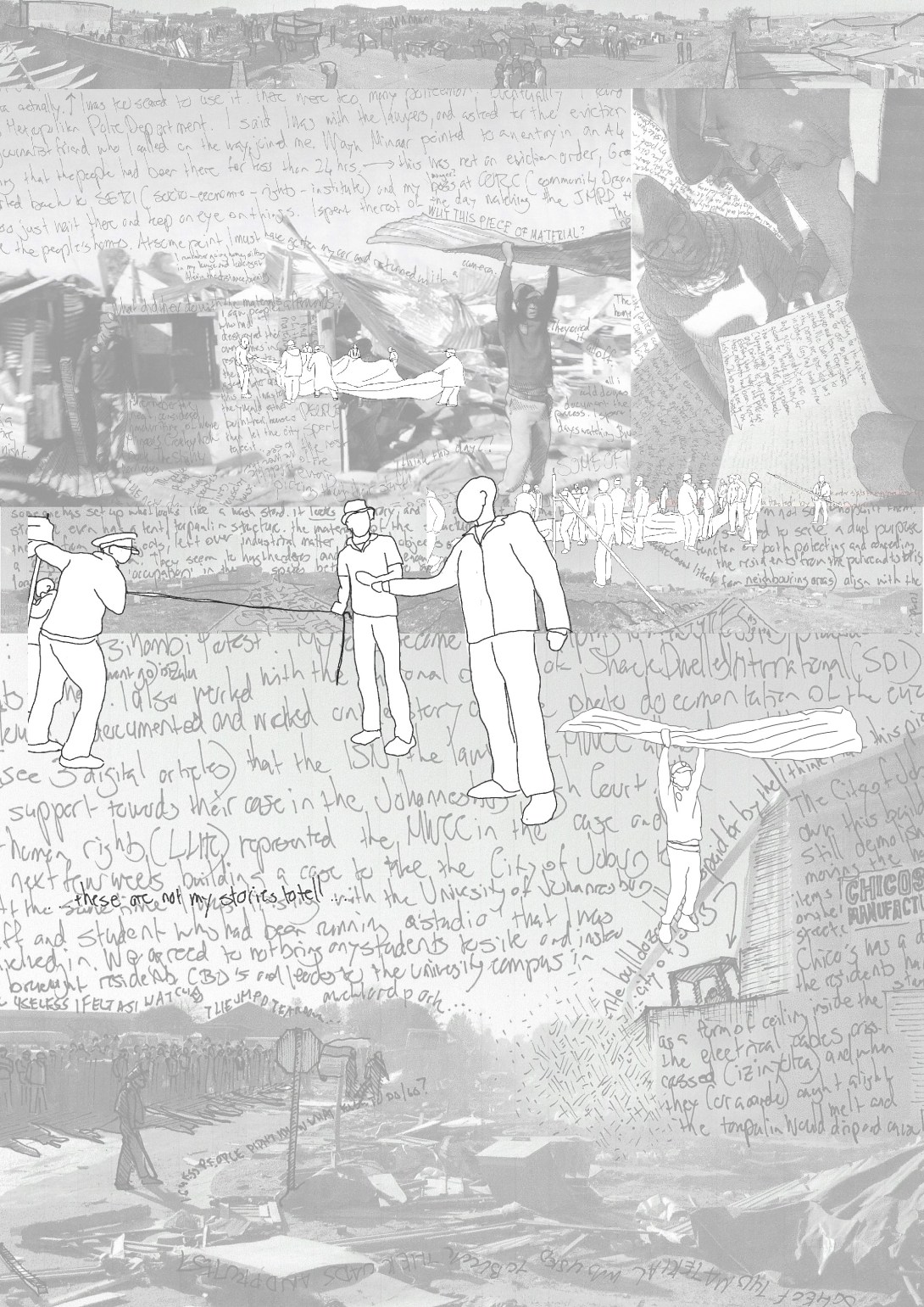
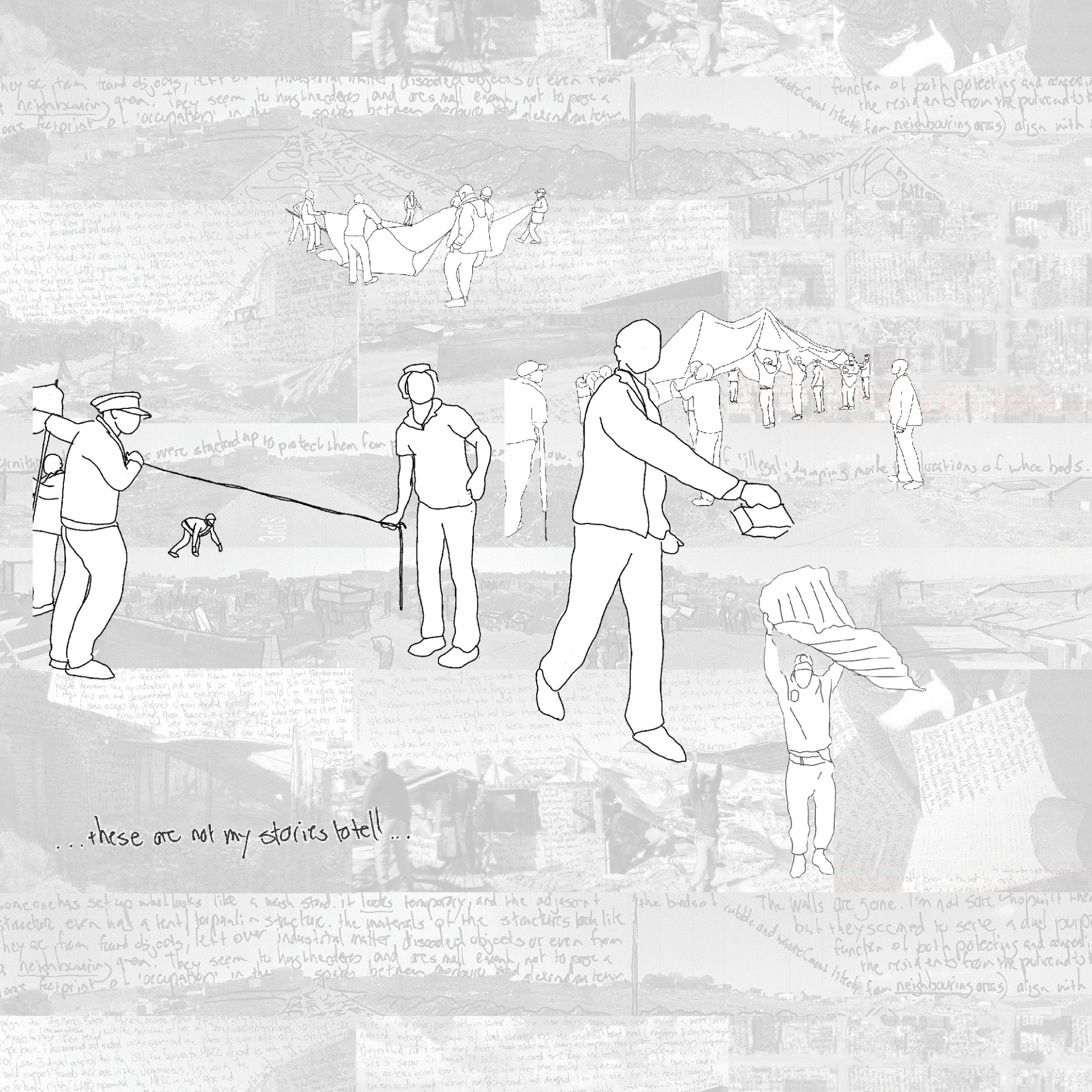
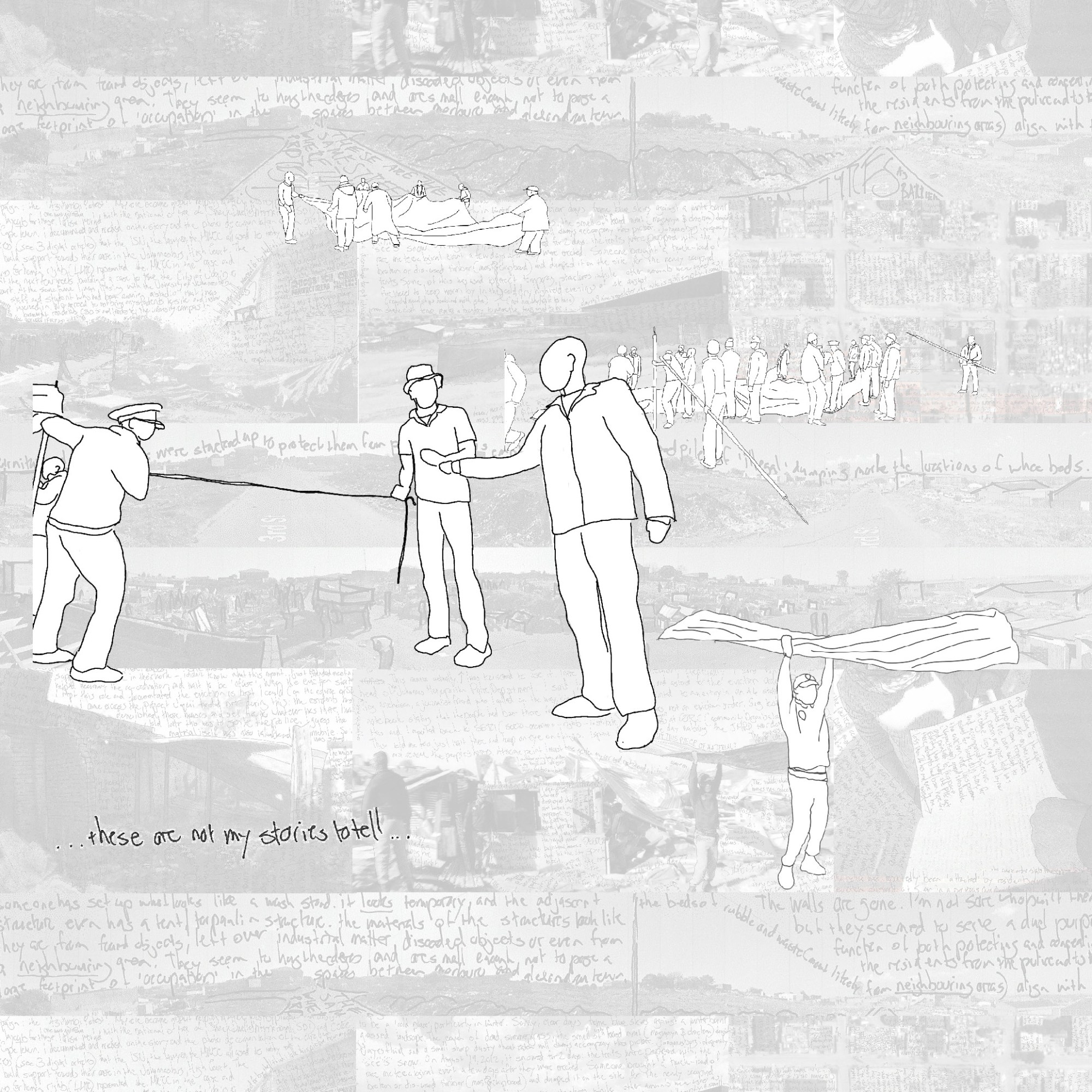
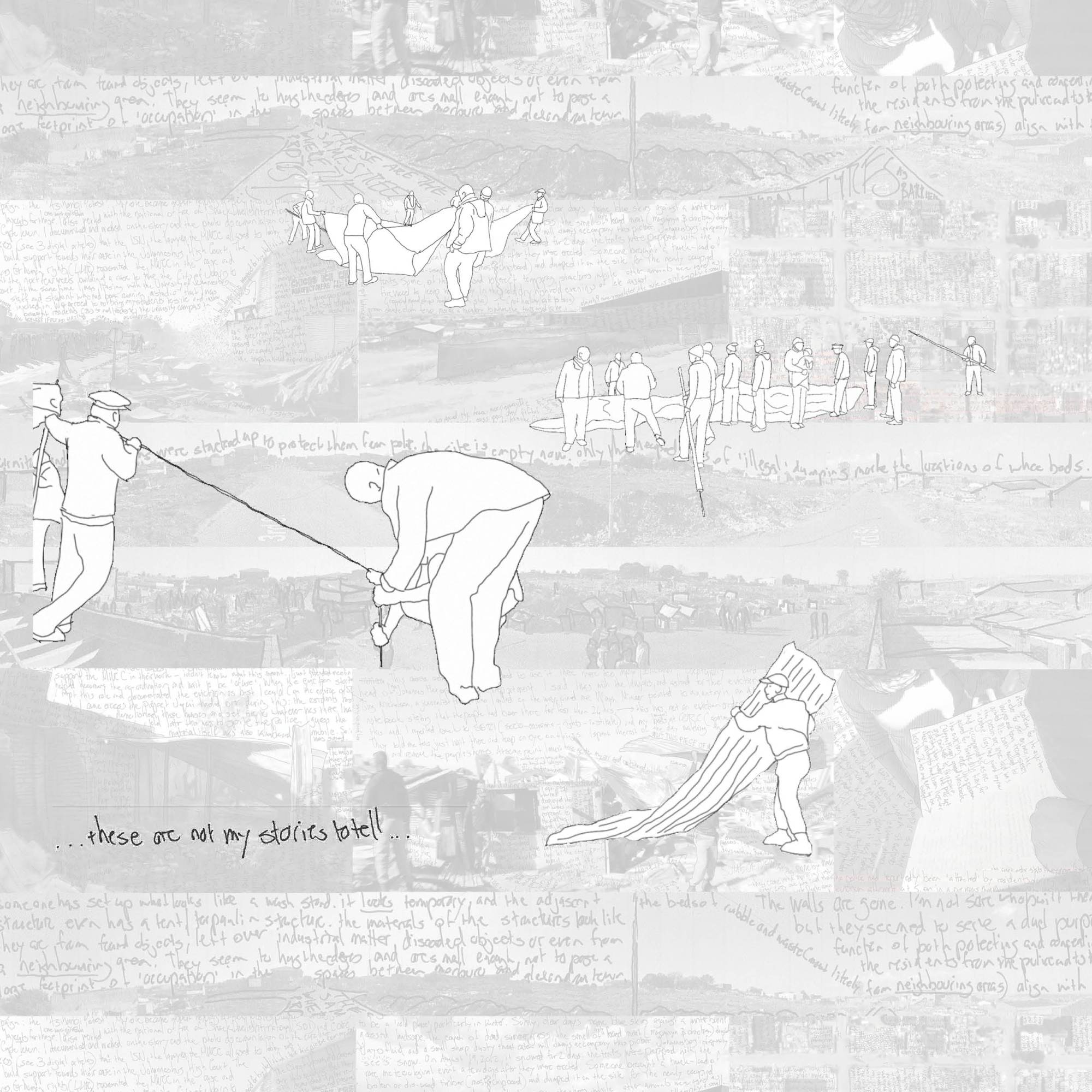
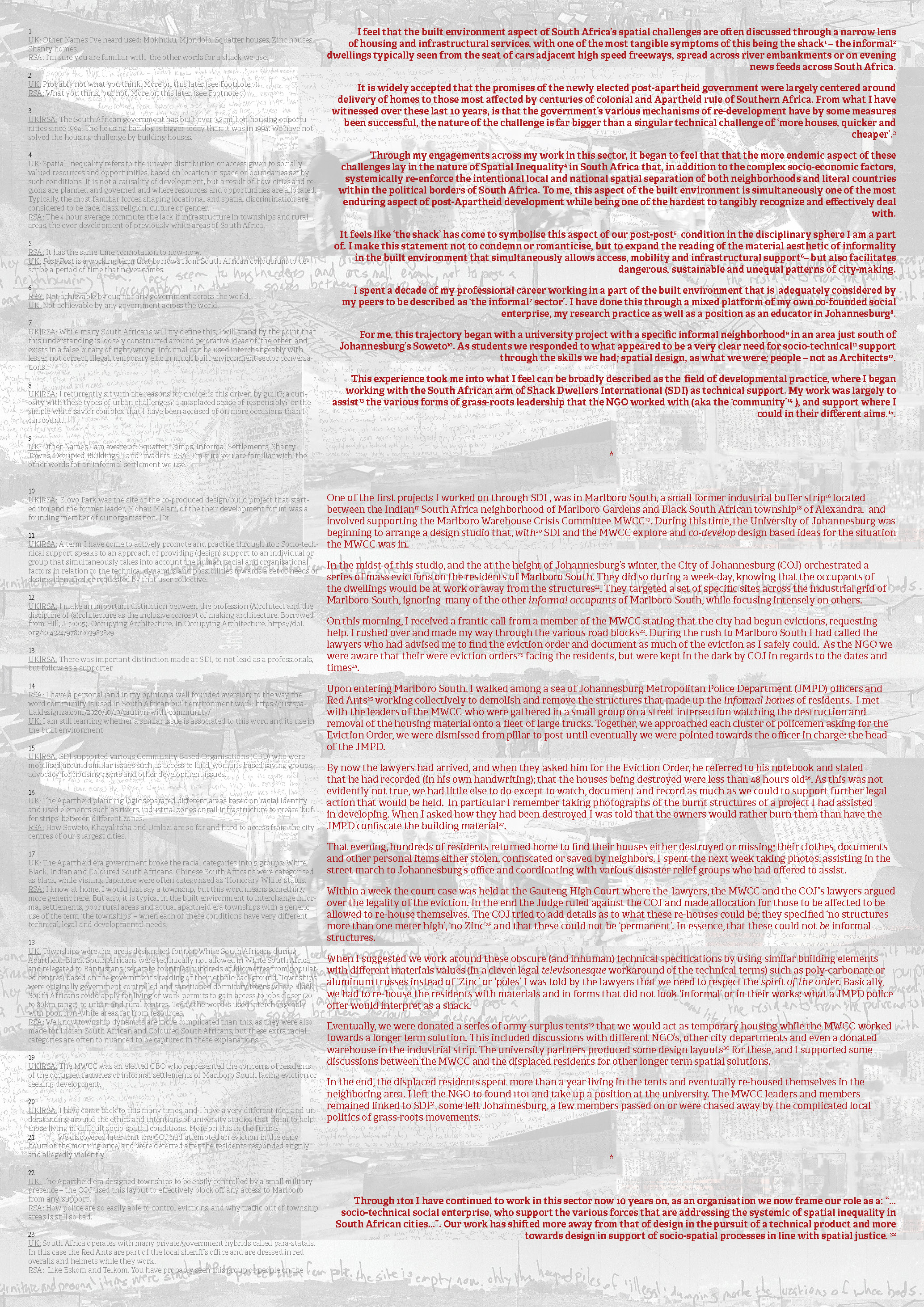
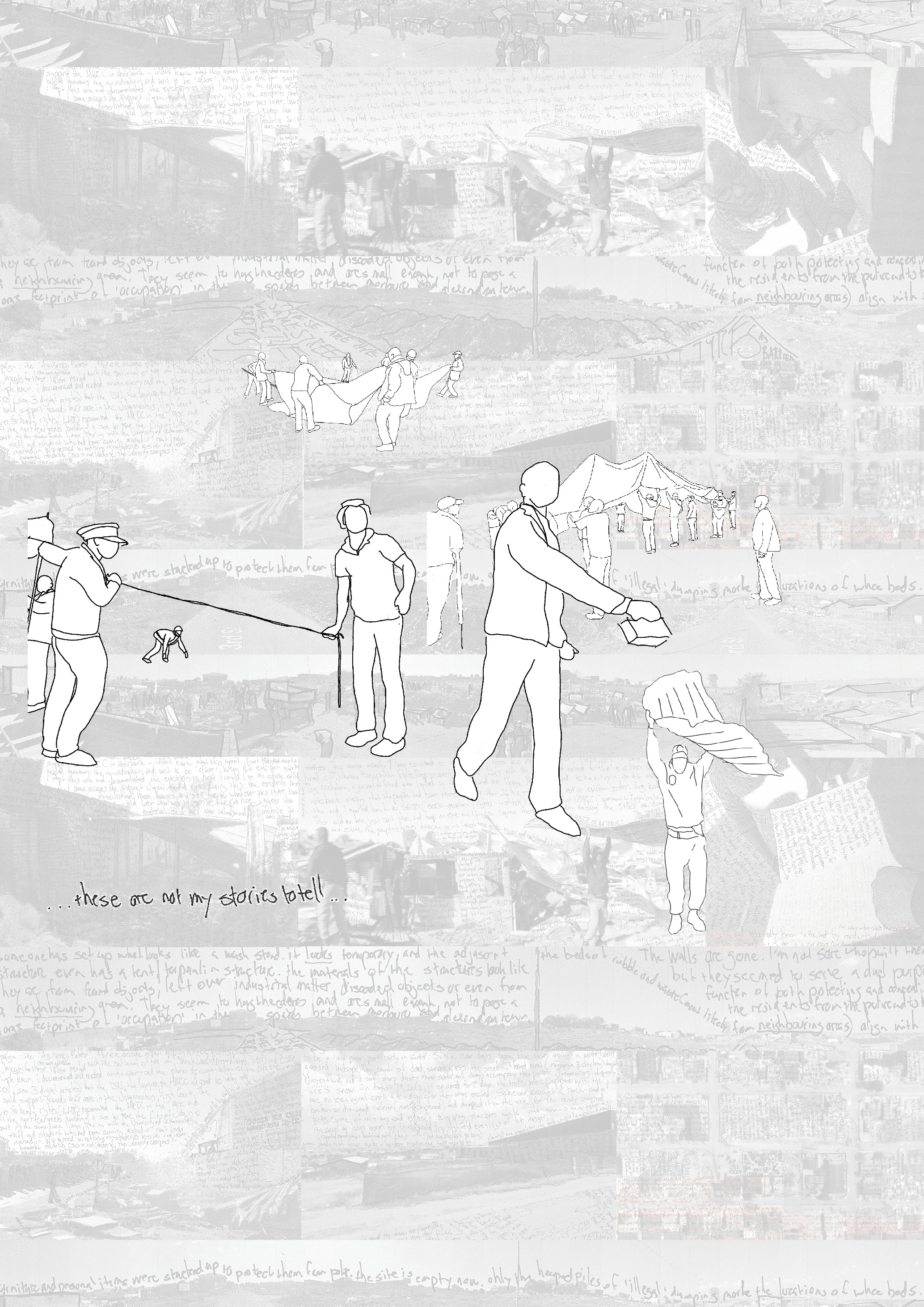
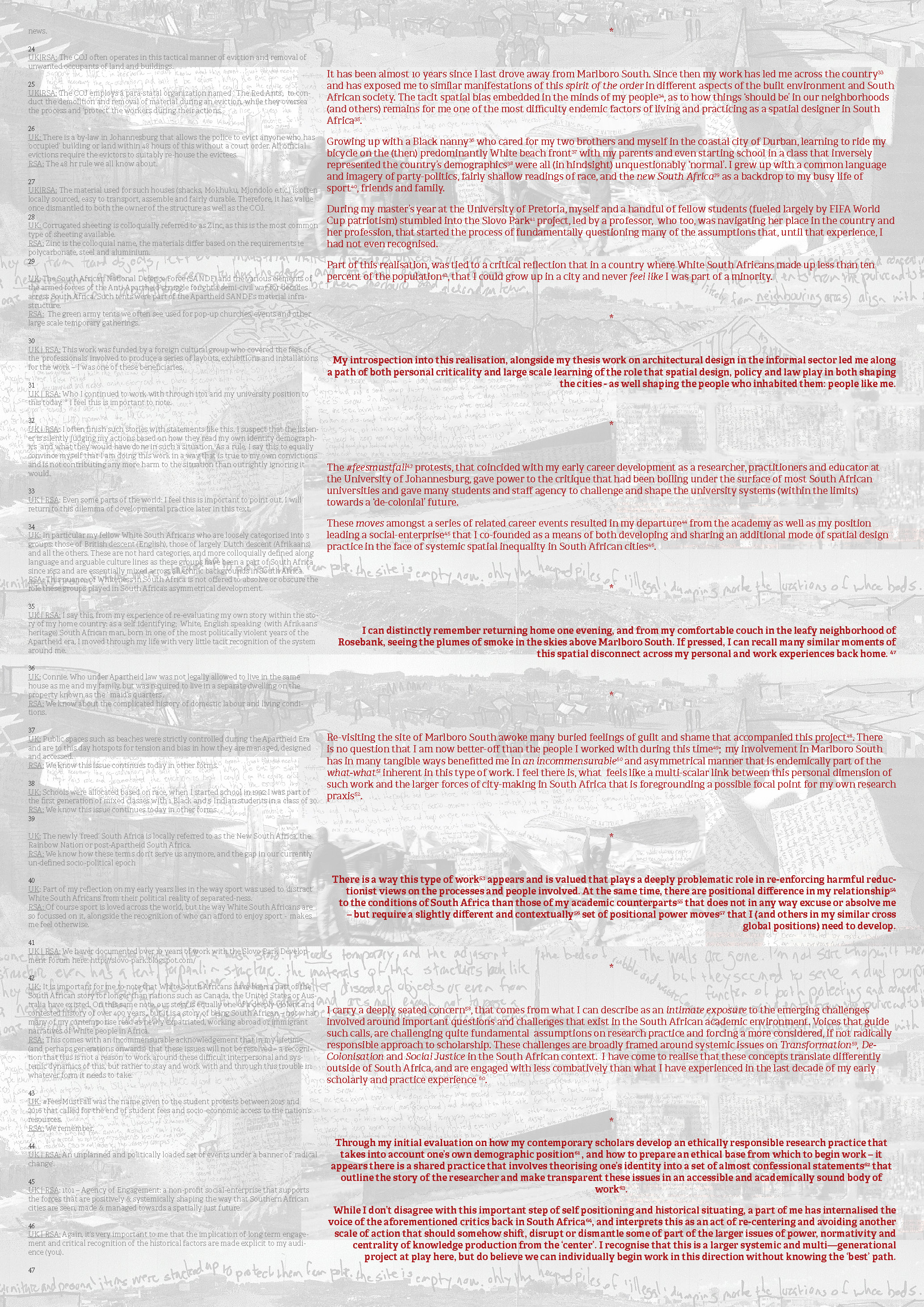
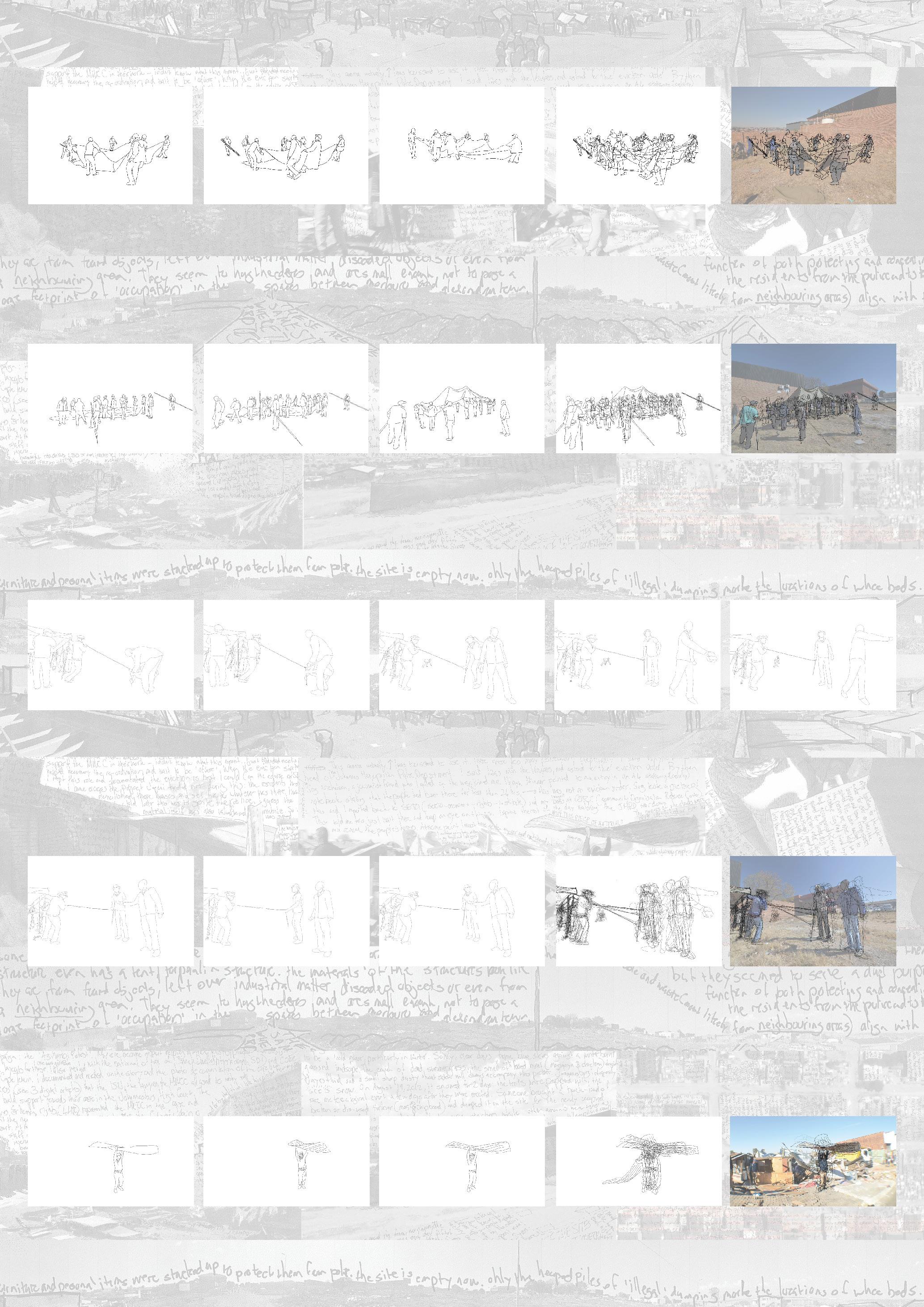
The web page lands on the 4 animations produced in the earlier iteration as the reflective writing/drawings (along with court documents) move on a continuous loop in the background. As one scrolls down the page the text moves between a descriptive narrative of the events that took place in the project.
These are contrasted with a different voice that speaks to my personal experience of this work across my practice. As the conversation continues, it turns back to the work and incorporates the website into the discussion – breaking a digital 4th Wall.
The footnotes supplement the narrative, and offer a mixture of anecdotal historical information in conjunction with insight into the writing’s intent and aim. These are intended to speak to specific audiences.
The writing style and structure borrows liberally from a tradition of South African authors who have merged anecdotal reflection, historical critique with elements of satire or intimate positioning of their story within that of South Africa.
Situating the Research The work began as a way to re-enter the site of Marlboro South, due to both the physical and emotional distances that have been created between myself and Johannesburg. The early investigations began through an evaluation of my own practice-photo-archive and visited the images that I covered this period of my involvement.
I struggled with the positional aspects of ‘extracting’ from this context tied to the above-mentioned personal challenges in my own relationship to this work, the people involved and my recent move to the UK. This positional paralysis felt crippling and had me trapped in cyclic patterns of reflection, guilt, anger and shame. At a particular low point in this pattern, with the guidance of my supervisors, I pushed ‘to make’ in an effort to break from the ethical rut.
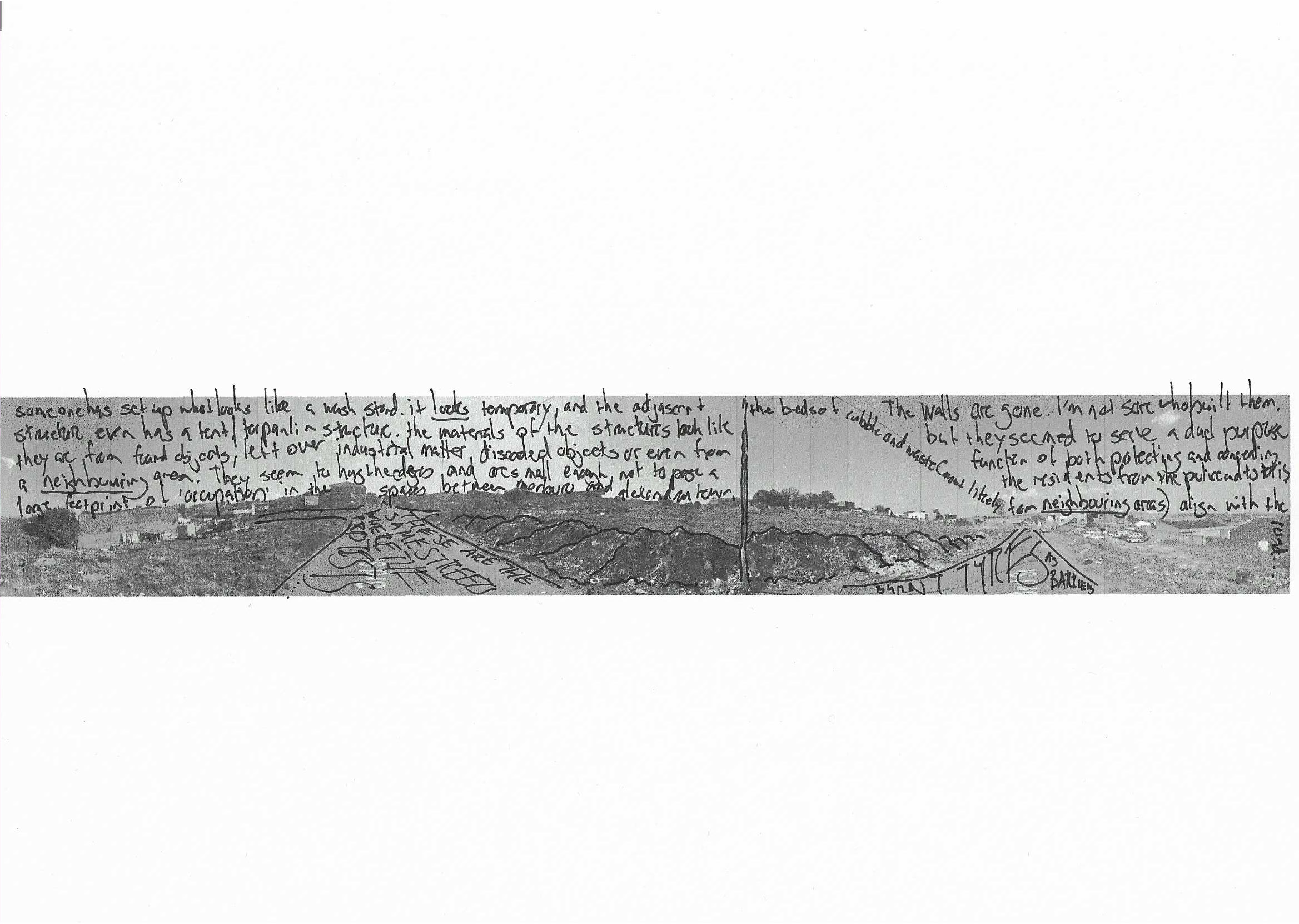
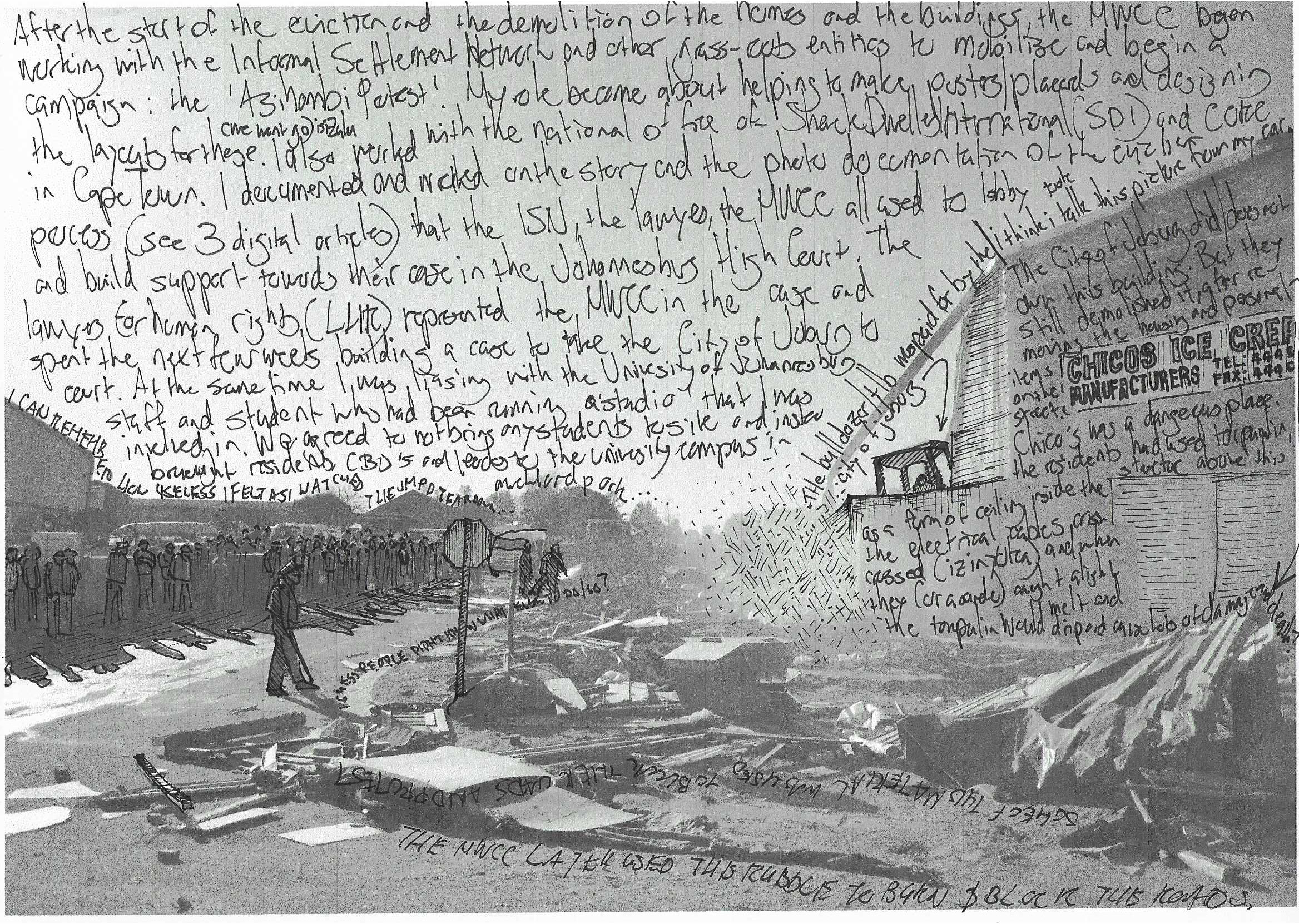
This began with simple tracings, creative writings, role-playing that initiated the first re-visitations. I then began working through physical prints and used illustration alongside handwriting as a means of re-telling the stories of my time on-site. As I wrote, traced, and re-drew the events of that time; the emotions of those moments were made almost tangible while other actions and events made sense with my more updated understanding of South Africa’s socio-spatial landscape.
These exercises were highly cathartic, and almost meditative as I worked freely and intuitively through the tacit act of writing on the site of my practice photo-archive. This form of writing, drawing and working through not only reflection, but towards a larger practice actions and future potentialities is drawn from scholarly work on creative practice as a disciplinary field.
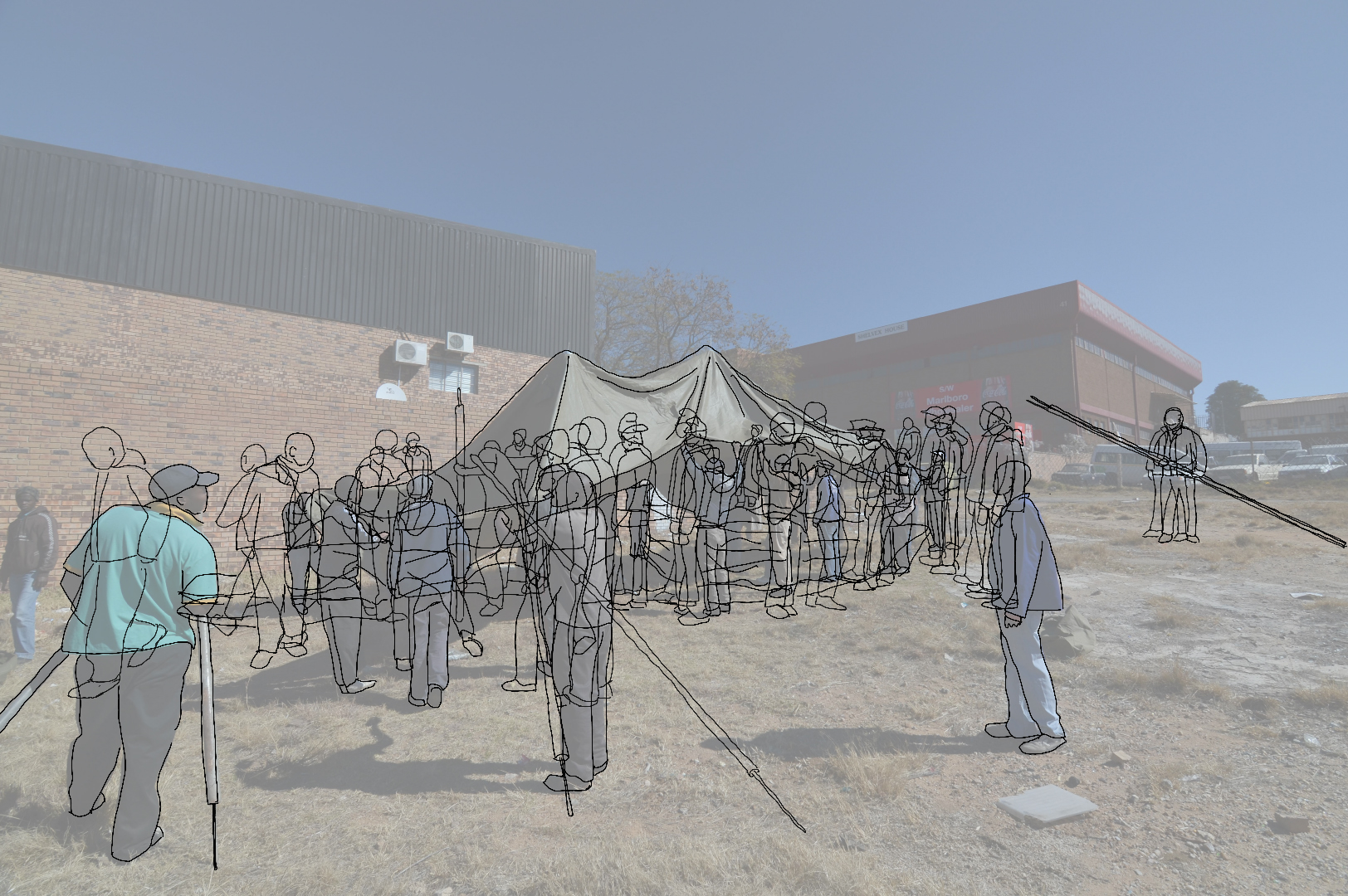
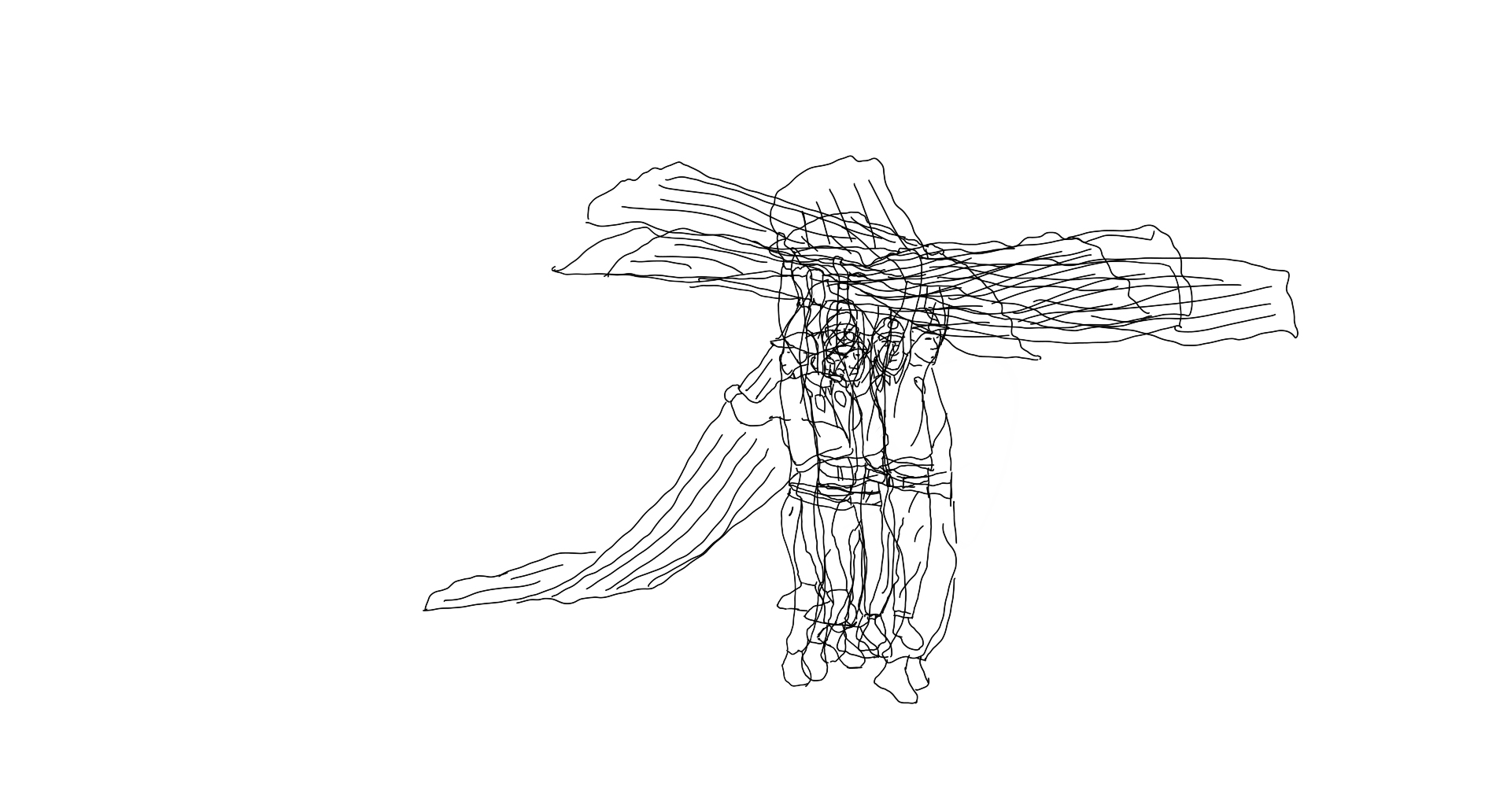
During an iteration of this process that focused specifically on the images that captured aspects of materiality and individuals through digital illustration software that employed a layering structure, I noticed how the drawings created a very simplistic stop-frame. I leaned into this animative aspect of quick simple linework that facilitated a rapid form and intent with slower, more intentional layering and curating of the image. This rhythm of reflection and making resonated with my own natural pace of work and opened a line of experimental inquiry into animation as both a form of reflection-on-practice as well as analysis.
I re-visited my practice photo archive and searched for more accidental stop frame sequences that engaged people, material and action. From these I developed the final series of explorations that captured these sequences. The challenge lay in the limited resource to deeply draw from.
Questions of audience have guided much of the creative process and been at the core of my internal concerns of my Johannesburg/London work geographies. For this reason, I moved away from producing a simple video or interactive pdf and towards a website as the base from which to curate the work. The positioning of the content online felt more appropriate as this allows for a multi-locational access while allowing me to curate the work for a targeted audience of this, the final artefact in this series. The text structure of digital exhibition site borrows liberally from a tradition of South African authors who have merged anecdotal reflection, historical critique with elements of satire or intimate positioning of their story within that of South Africa. The Footnote and Endnote functions were carefully designed to convey both an academic rigor of referencing and linking the concepts and authors to existing cannons of knowledge while speaking to a dual audience of South African and United Kingdom based spatial design practitioners and researchers.
Due to both the spatial and temporal limits of access to my chosen site for the first full online iteration of the Site-Writing module, I used my own practice-photo archive to re-engage the context. As a result, I found myself working closely with these images and through iterative and repetitive actions of both drawing and writing through a blend of digital and physical formats, I re-visited and worked through the site of Marlboro South , 2021. These deeply situated and reflexive explorations through the images of the practice photo-archive eventually led me to new readings of my experience and a form of reflective animation that was both analytical as well as symbolic of other gestures of action in regard to material actions
Within the solitary and barren empty ocean of the doctoral voyage, one of the few milestones available beyond starting and finishing a PhD at UCL is the ‘upgrade’. This is an upgrade from an MPhil student to Candidate Doctoral Student and involves the submission and presentation of a package of written work that includes a Case for Upgrade, a draft chapter, an outline of the proposed study and thesis. At the Bartlett School of Architecture this includes a public presentation of the Case for Upgrade and is open for feedback from staff and peers.
Subject
Locating Spatial Practice Within the Post-post City: a Situated Southern Urban Design Inquiry Around How
South African cities remain among the most unequal urban areas in the world; the tacit logics of their designed built forms play a significant role in how these inequalities continue to manifest decades after social and political reform. The socio-spatial city-making forces that led to these asymmetries were not an impassive by-product of centuries of segregated development, but were conceptualised, drawn, designed and implemented by built environment practitioners – individual spatial designers who were socially, historically, politically, technically and ethically situated in South Africa.
This observation is made to highlight an important, and under-explored, inter-scalar dimension of agency between the individual practitioner, the disciplines, and the socio-spatial systems that require more situated explorations of spatial practice in regards to city-making in contemporary South Africa, as well as in similar spatially unjust contexts. In response to this observation, the doctoral study will respond to the growing efforts of Southern scholars in developing more locational and theoretically contextualised forms of urban research and engagement and will employ Southern Urbanist principles from which to develop and explore the research questions.
The study is positioned at the disciplinary intersection of architecture, urban studies and arts-practice in developing a situated design-research methodology to creatively, ethically and iteratively guide the approach. In addition, the study will work with a community of contemporary local practitioners through a series of engagements around the nature of spatial design practice as well as a practice-orientated auto-interrogation of my own work over the last decade.
Ultimately this inquiry will attempt to locate and reveal the various tacit values embedded in the how of socio-spatially focused post-Apartheid South African spatial design practice, and seeks to contribute an additional partial perspective to the ongoing conversations around Southern urbanism through the development and documentation of a practice-orientated situated research-methodology that focuses on spatial design in Southern cities.
The work presented was made up from a series of selected design research exercises that I have been working on since early 2020:
Developmental Gestures
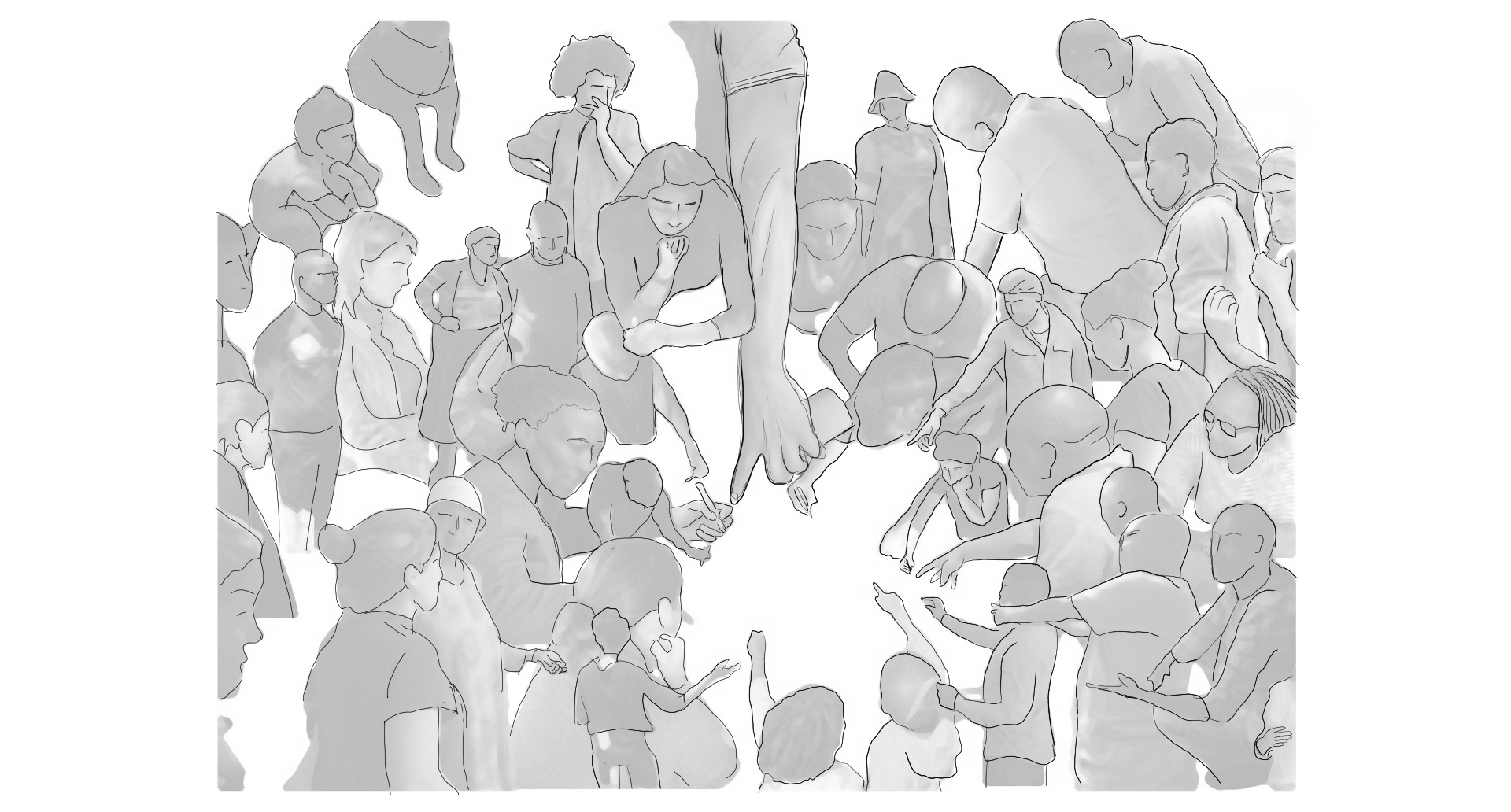
A self-critical and satirical reflection on the nature of socio-technical design work in South Africa that examined the various gestures, postures and actions that make up the field of ‘development’ work.
Spirit of the Order
Through Dr. Jane Rendell’s Site Writing Module I engaged with critical inquiry with my work with the Marlboro South evictions in 2012. This exercise led to my primary method of reflective animation that I will be using going forward.
Catalogue of Auto-Critique
Throughout the process I have been cataloguing reflections, observations and self-critique on the visual methods and techniques as a means of building a positionally iterative tool for navigating the demographic and locational dynamics of this work.
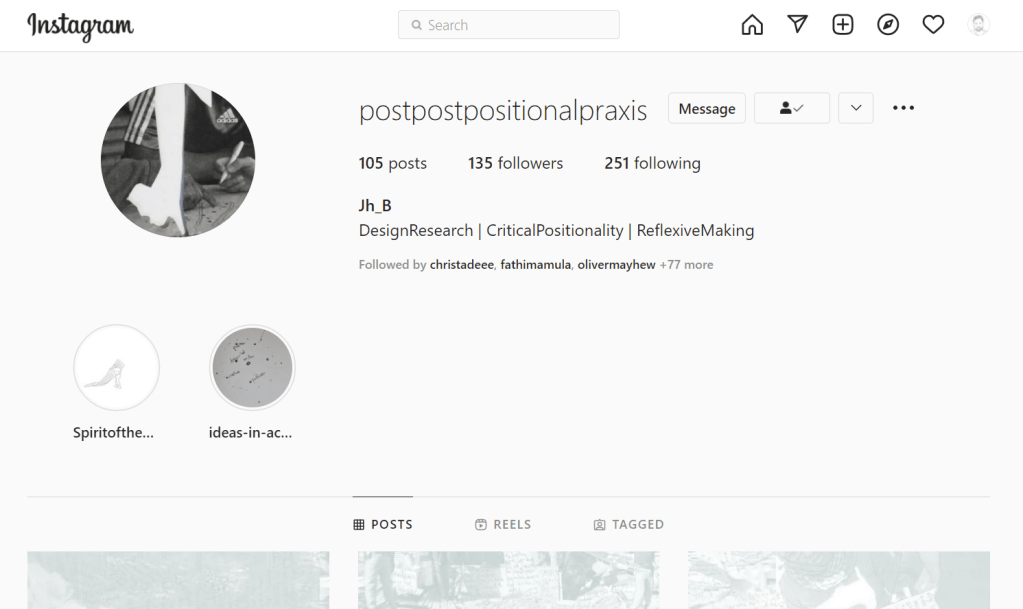
All this work is documented on an instagram account I have made for the doctoral design research explorations:
From this point, the next few steps will be to arrange the field work that will be taking place in Johannesburg in 2022 and work through the proposed design research structure.
In July, two online roundtables will bring together staff and students from Witswatersrand University and UCL to share and discuss work-in-progress on transformational decolonial urbanism. Contributions will report on a variety of research, teaching and other initiatives for change in our institutions.
Speakers include: Jhono Bennett, Nnamdi Elleh, Hayley Gewer, Neil Klug, Nkosilenhle Mavuso, Clare Melhuish, Matimba Ngobeni, Kamna Patel, Makena Phaledi, David Roberts, Nathaniel Télémaque and Tsepang Leuta.
These discussions will lead into a public lecture by Professor Achille Mbembe (Wits Institute for Social and Economic Research) with responses by Dr Tsepang Leuta (Wits) and Dr Adam Elliott-Cooper (Queen Mary, University of London and Visiting Research Fellow, UCL Sarah Parker Remond Centre, UCL); and a PhD workshop for UCL and Wits students.
Unfinished Symphonies is organised by Ben Campkin, Solam Mkhabela, Naigwe Kalema and Jennifer van den Bussche with support from the UCL-Wits Strategic Partnership fund.
Here I shared my early work on a project titled ‘ The Spirit of the Order’, where I have been critically reflecting on the role and nature of socio-technical spatial design practice from a deeply positional and iterative series of creative exercises that is currently guiding my doctoral studies.
The recordings of all the presentations are available here:
The even was held on rainy evening in Oxford, United Kingdom and was a refreshing reminder of the energy and capacity of students entering the field of design and spatial development.
During my time teaching at CEPT, I was offered by a colleague who was working on India/South African urbanist relationships (Eesha Kundurito) to share my initial doctoral work process with the Centre for Policy Research in Delhi.
“The Centre for Policy Research (CPR) has been one of India’s leading public policy think tanks since 1973. The Centre is a non-profit, non-partisan independent institution dedicated to conducting research that contributes to the production of high quality scholarship, better policies, and a more robust public discourse about the structures and processes that shape life in India.”
I was invited to share my work at the Centre de Sciences Humaines, an introduction to my own initial questions for my doctoral research:
“TURN collaboratively conducts research on urban informal processes and the tacit knowledge integral in them from multiple vantage points in the relational geographies of settlement, housing, and economies, with the eventual goal of incorporating that understanding into knowledge systems that support policy-making.”
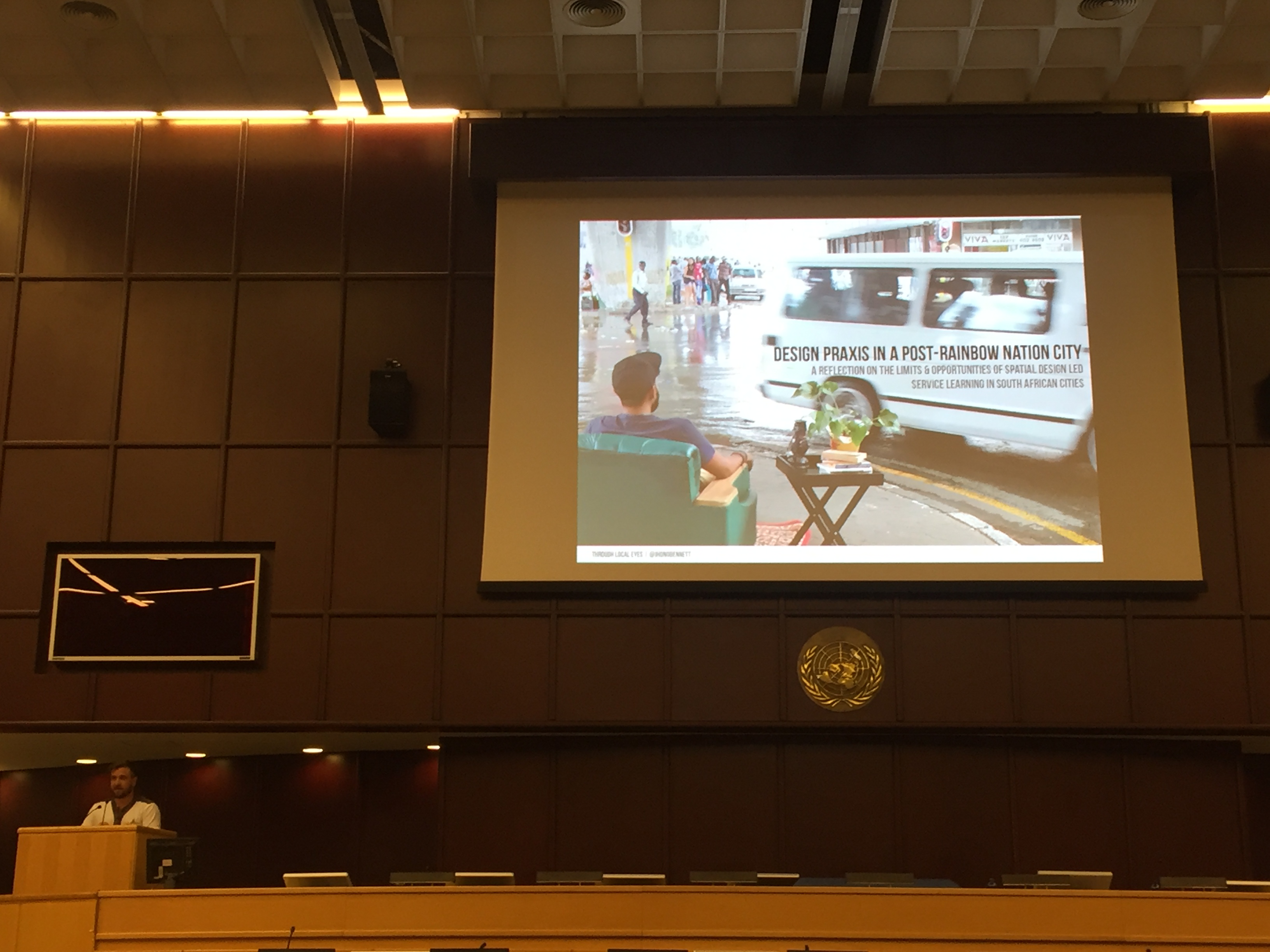
I was invited to present the paper at the International Conference in Addis Ababa as a Keynote speaker and was met with a rich and constructively critical response from the audience and panel.
Abstract:
Over the last few decades the discourse on the relationship between inter-stakeholder university engagements, or Service Learning, and the broader society that South African universities claims to serve has been deeply discussed by academia; the inherent problematics within the power structures, the challenges of achieving mutually beneficial project outcomes and the growing concern of vulnerable voices being overshadowed by institutions and individuals are key factors identified in this arena of critique.
Less nuanced in these debates remains a recognition of these dynamics within the emerging field of Design Research and Design-Led Research that have met a steadily commercialisation of ‘design’ in global markets. This is seen in the rise of acclaim by the commercial market for groups such as IDEO and Stanford who remain paragons of the ‘socially-driven’ or ‘economical’ potential of design approaches to address complex societal challenges.
Regarding design-led Service Learning, schools and institutions of Architecture and Design across the globe have a rich history of undertaking service learning design and/or build projects as a means of creating value and learning for both students and the stakeholders of such projects. These projects, too, have seen the critique of the above-mentioned academic discourse – but in South Africa are just starting to be unpacked through a ‘post-rainbow nation’ lens, as previously marginalised voices are starting to be recognised and find traction in learning and practices spaces across South Africa.
This paper will reflect on the author’s experience with emergent voices and reflexive concerns as a researcher, lecturer and spatial design practitioner in Johannesburg. The paper will set the context for this type of learning regarding city-making in Southern Africa and outline two case studies undertaken by the author and his collaborators. The reflection will conclude by a framing of the identified limits inherent in the promise of design as well as a speculation on the opportunities for growth and reflection for the author and those in similar positions of praxis.
The framing of the identified limits and opportunities has been used as a means of tempering critique with a constructive and proactive reflective framing of the issues – a praxis that is currently being developed by the author as a means of working responsibly through the intersectional complexity of post-rainbow nation South Africa.
It was a very enlightening experience and the discussions after were hugely insightful.
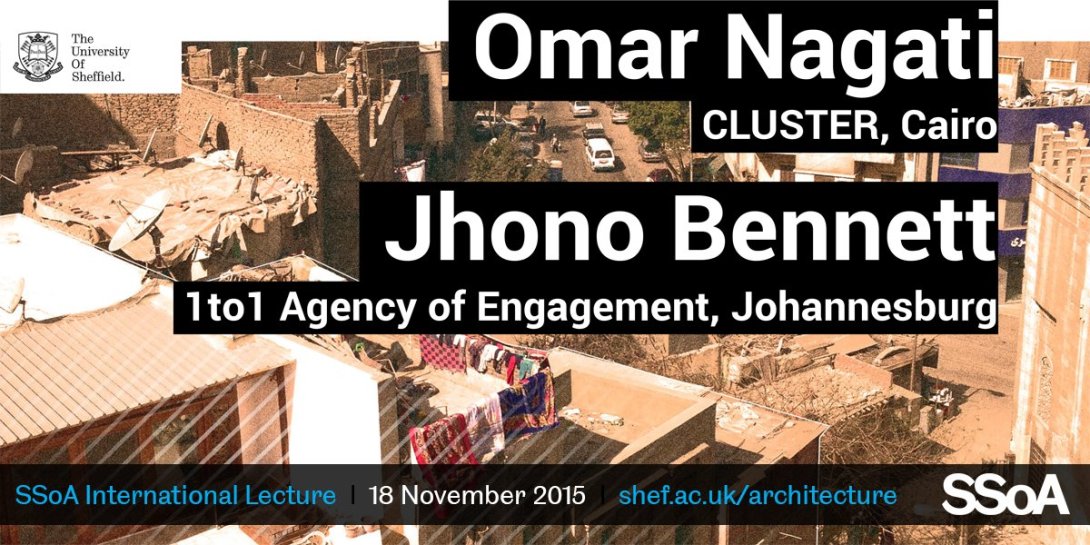
“The lecture focuses on the work, ideas, and methodologies of CLUSTER and 1to1 Agency of Engagement, two innovative design and research practices based in Cairo and Johannesburg respectively. Jhono Bennett and Omar Nagati share examples of on-going and recent work within the rapidly shifting urban landscapes where they operate.
Through their presentations, they discuss the new modes of urban practice that might emerge through an active engagement in the processes of urban change, redefining the position of architects and urban designers. They reflect on these new modes of practice by outlining some of the methods and strategies adopted by CLUSTER and 1to1 Agency of Engagement, as well as key projects in Cairo and Johannesburg.
This event was organised by Beatrice De Carli on behalf of the research group Globalisation and Spatial Practice at Sheffield School of Architecture.“
I was again invited by Dr. Beatrice De Carli to teach in the Urban Design Masters at Sheffield for the 2016/2017 teaching period. This was done as part of a larger network project that has been set up with University of Sheffield (Sheffield, UK), Nanjing University (Nanjing, China), CEPT (Ahmedabad, India) and the University of Johannesburg…
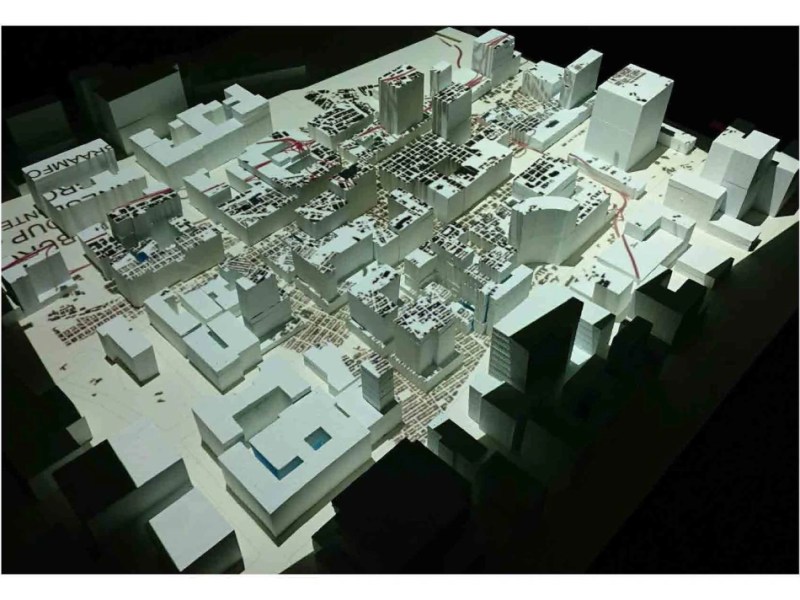
In 2016 I was invited by Dr Beatrice De Carli to assist in the teaching of the Masters in Urban Design at the University of Sheffield’s School of Architecture for the ‘Design from Afar Module”. We set the brief in Johannesburg’s Braamfontein and aimed to create a teaching/research model that would allow students in Sheffield…
2018 marks the final year of a 3 year mobility exchange between the University of Johannesburg’s DSD Desis Lab and the Sheffield School of Architecture. RAUM #2 Day 1. Rathul sharing the debate on Public Space as a teaching method for CEPT A post shared by Jhono Bennett (@jhonobennett) on May 8, 2017 at 7:12am…
I was invited to present my views on Socio-Technical architectural practice in South Africa alongside a panel of students and practitioners at this year’s AZA 2015 Architecture Biennial for the Student Debate – Tomorrow’s Architects Today
The debate was an interesting sharing of student ideas and perspectives and has been summarised here by Onthathile Makgalemela, the debate organiser and producer.
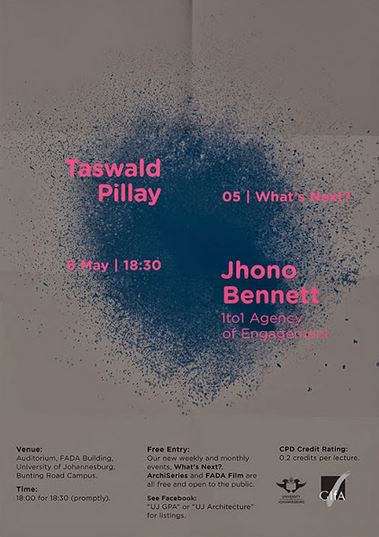
“The Graduate Programme in Architecture at UJ presents What’s Next?, a series of double-talks by a range of dynamic young Jo’burg practitioners – architects, urban designers, artists, researchers, and just-graduated students. The next generation of talent demonstrates new ways of practising architecture in a complex, rich and emergent society, often with unexpected outcomes. Talks range from the scale of a single-family dwelling that celebrates ‘architecture as craft’ (Studio ZA), zooming all the way out to the importance of potential in examining the Gauteng city region (Guy Trangos/GCRO)” What’s Next? Series
My presentation shared the values of 1to1 – Agency of Engagement through some of the work we have been involved in over the last years.
Image: Alex Opper
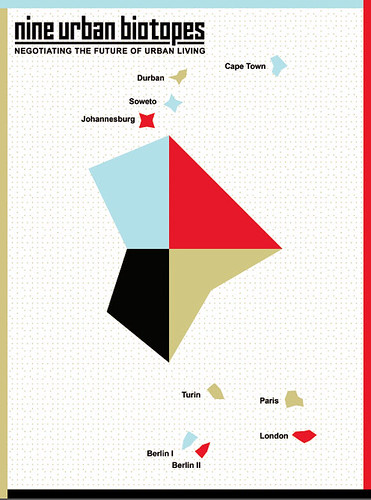
Here I presented alongside Taswald Pillay, who spent 3 months working and living in Paris with the Urban Biotopes Project.
What’s Next?
There is still one more lecture in the series, Guy Trangos and Edna Peres will present on the 20th of May.
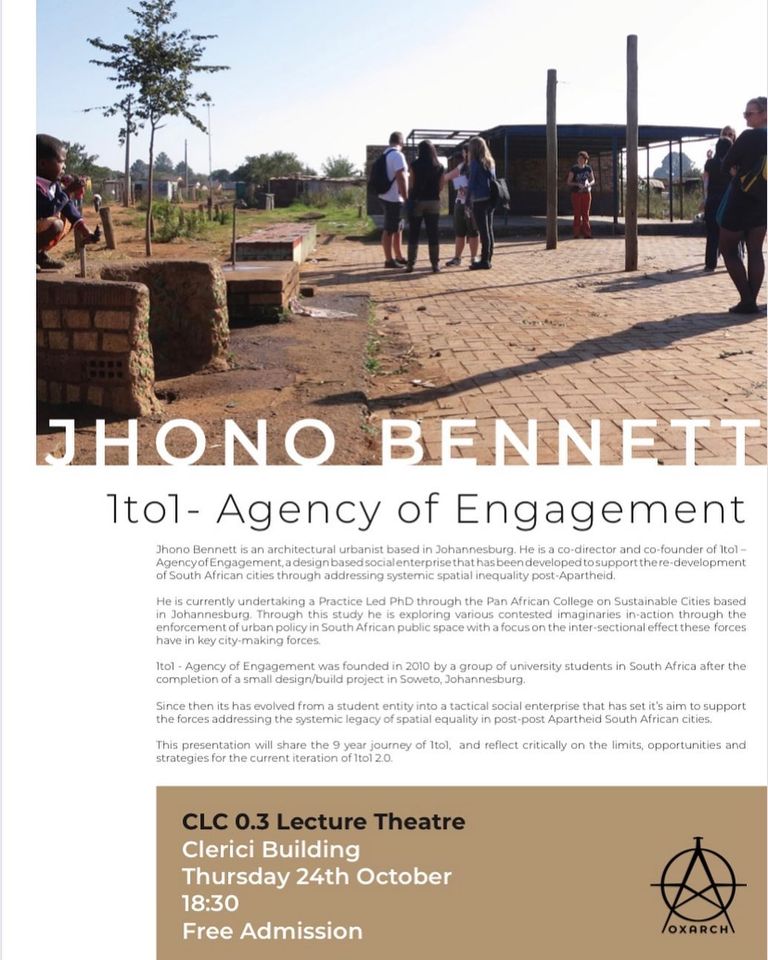
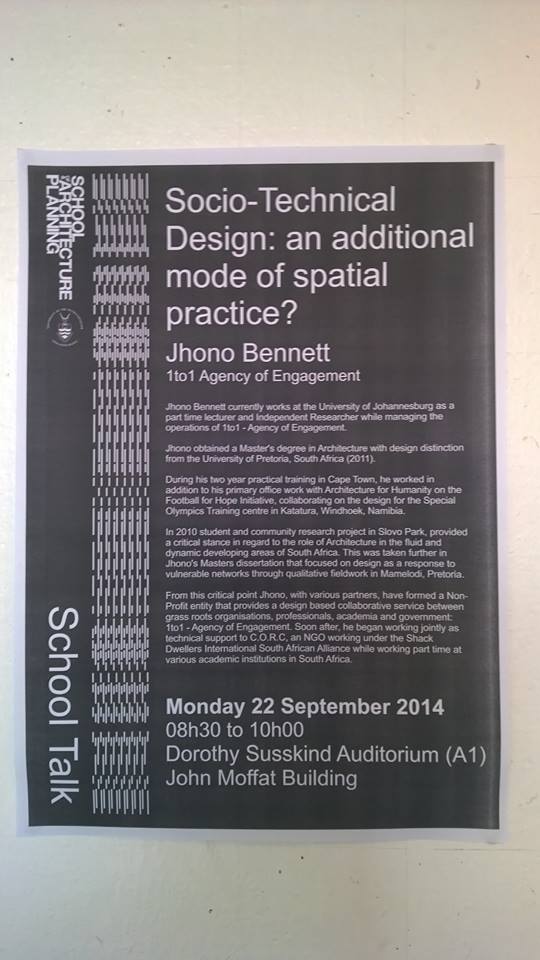
A presentation on the work I have undertaken over the last 5 years around of community centered design projects underlying the development of socio-technical spatial design a emerging mode of spatial practice for South Africa
Location: University of the Witwatersrand, Johannesburg
Event Date: Sep 22, 2014
Organization: University of the Witwatersrand
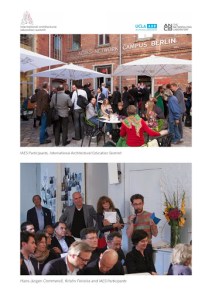
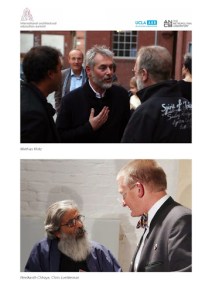
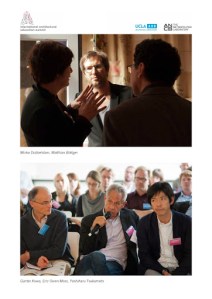
In September 2013 I was honoured to be invited as a speaker at the 3rd International Architectural Education Summit in Berlin:
Conceptualised and organised by UCLA Department of Architecture and Urban Design, Los Angeles; ANCB The Metropolitan Laboratory, Berlin; IE School of Architecture, Madrid in collaboration with the Cassiopeia Foundation, Düsseldorf. The summit provided a platform for exploring approaches to address new directions in architecture education.
It broadened and deepened the continuous ANCB debate, which started with its inaugural symposium ‘Educating the Global Architect’ in 2009. The 3rd IAES in Berlin focused on the acute issues at the intersection of three thematic panels: ‘The Role of Alternative Architecture Education Platforms’, ‘Interdisciplinary Strategies in Architecture Education’ and ‘Collaboration between Architecture Education and Non-Academic Partners’.
The summit was dedicated to fostering a constructive dialogue between leading academics, practitioners, policy makers and industry representatives concerned with ideas to take architecture education forward.
Understandably the topics I put forward around emergent design, socio-technical processes and civil based engagement were not on the main agenda, with the large debates discussing robotics in architecture, funding models through research and a large interest in Eastern Asian Urbanism and Architecture.
The highlight of the conference was my opportunity to present alongside those who I had studied for so long, most notably Tatjana Schneider, who’s amazing work with Jeremy Till through the Spatial Agency has guided so much of my research.
It was quite difficult to be comfortable at such an event as the youngest person there (as well as the only African) but on a whole those that I did connect with were very welcoming and open to discussion.