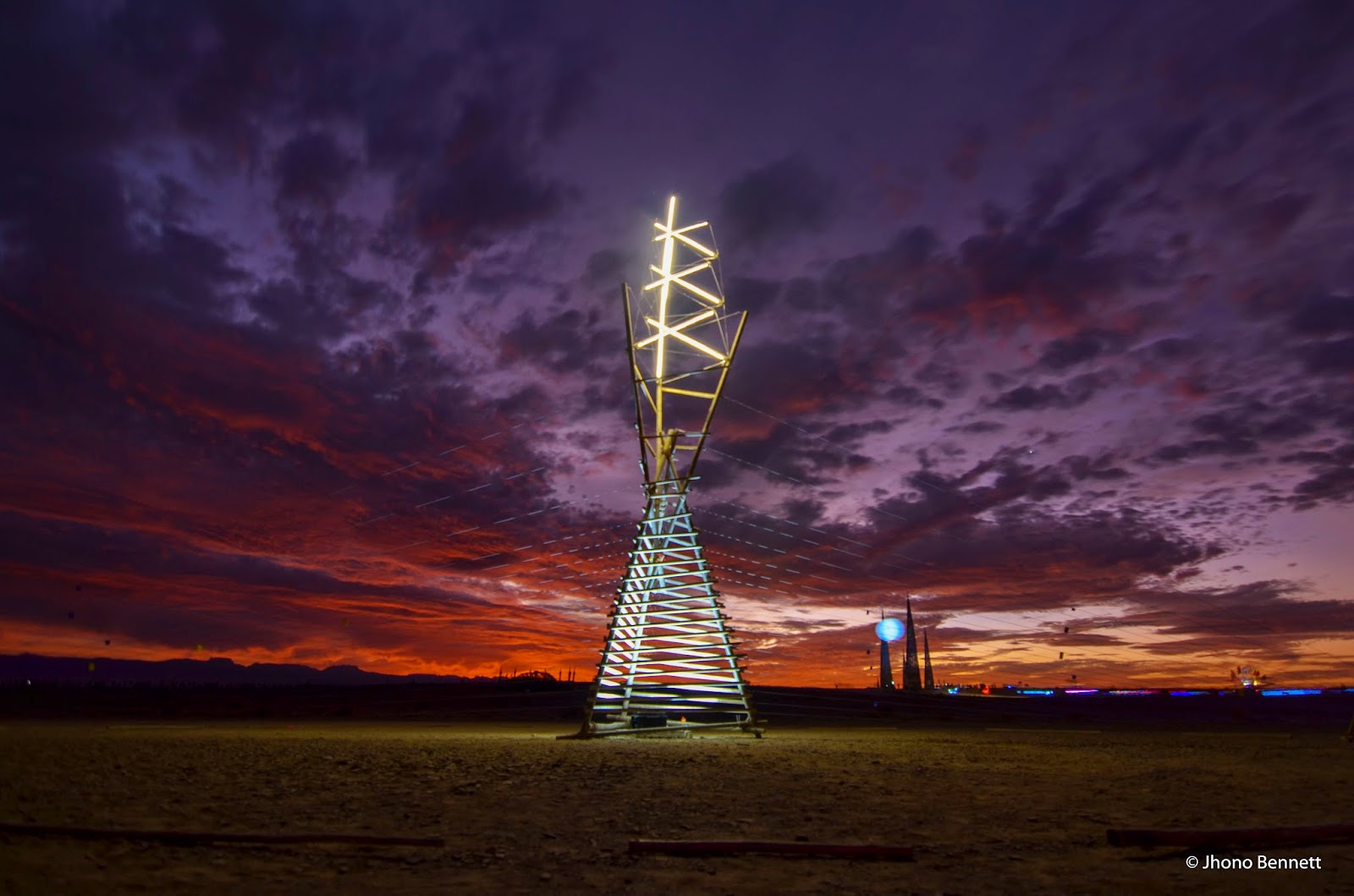
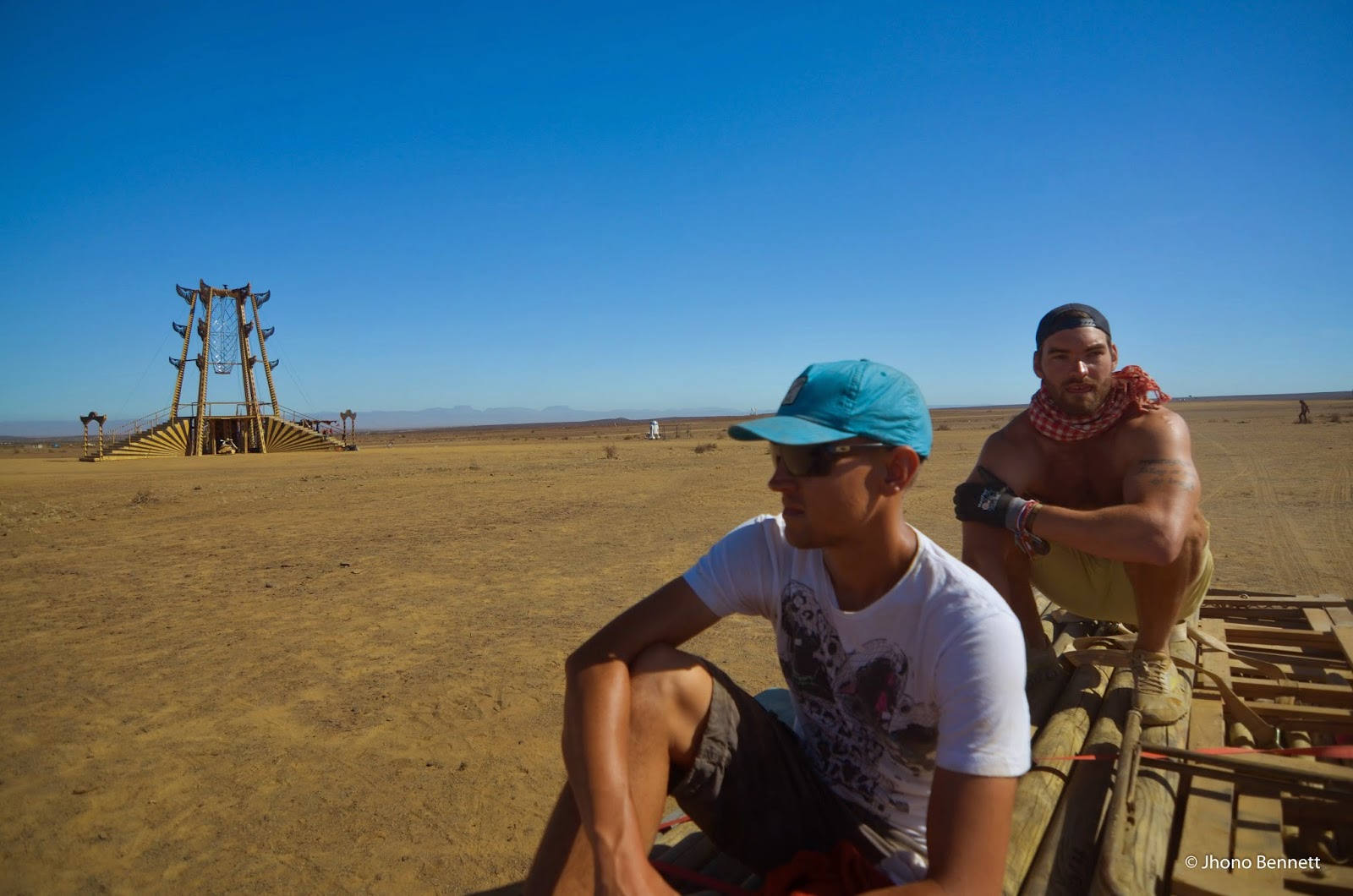
Thomas Van Deventer, a University colleague from my masters’s year, put together a team to design, fund and build a sculpture for the event this year and invited me to join their efforts. They formed the team in Cape Town and worked furiously on top of their day-to-day to make the project happen.
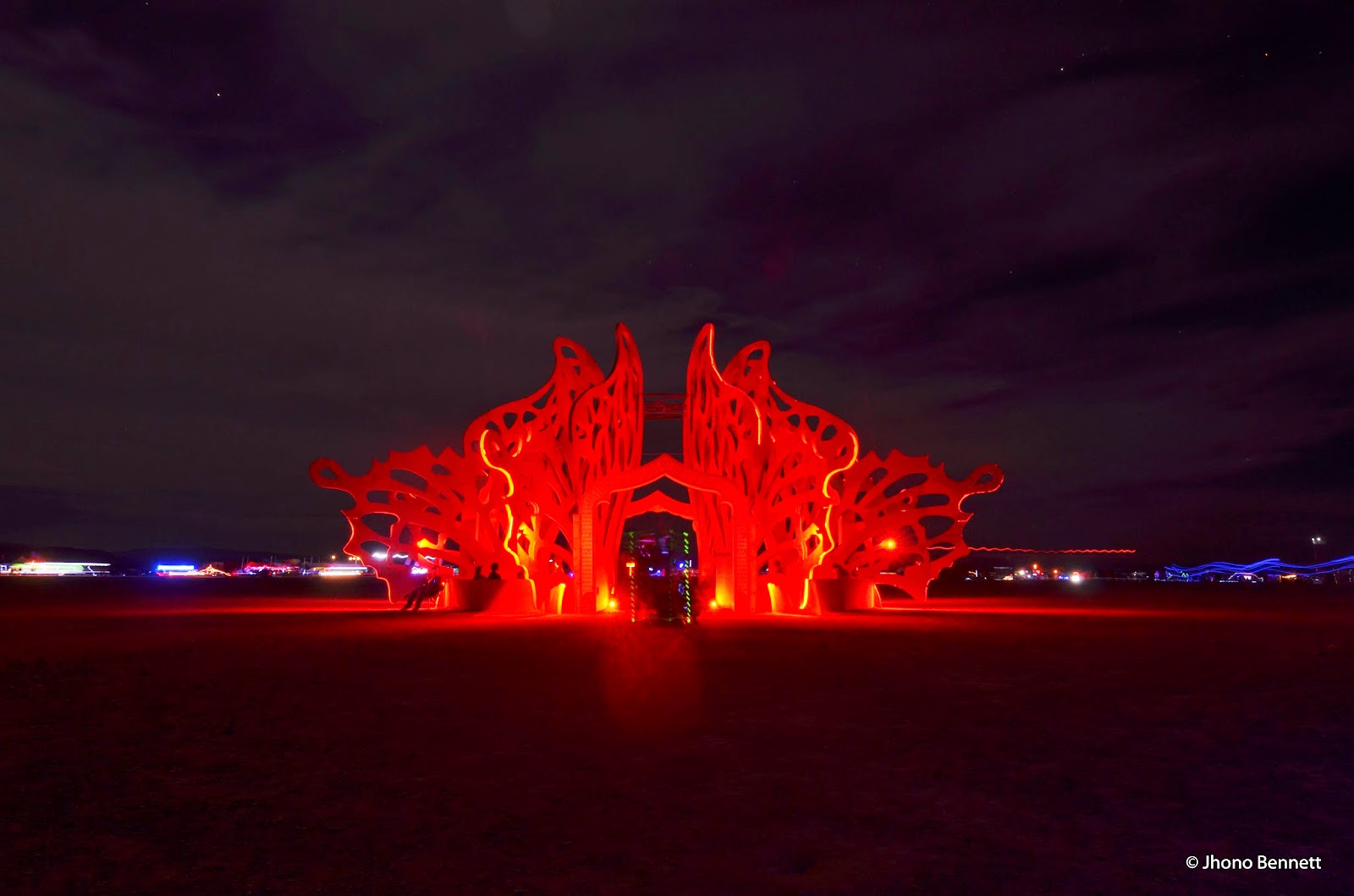
They named the project Dissipate and jointly design an amazing tensigritous structure seen here:
The team put together a tight ThundaFund Campaign and through much effort and a fundraising event secured the financial support to complete the build . It was only here that I was able to help the team, as well as assist in the logistical arrangement of a trailer.
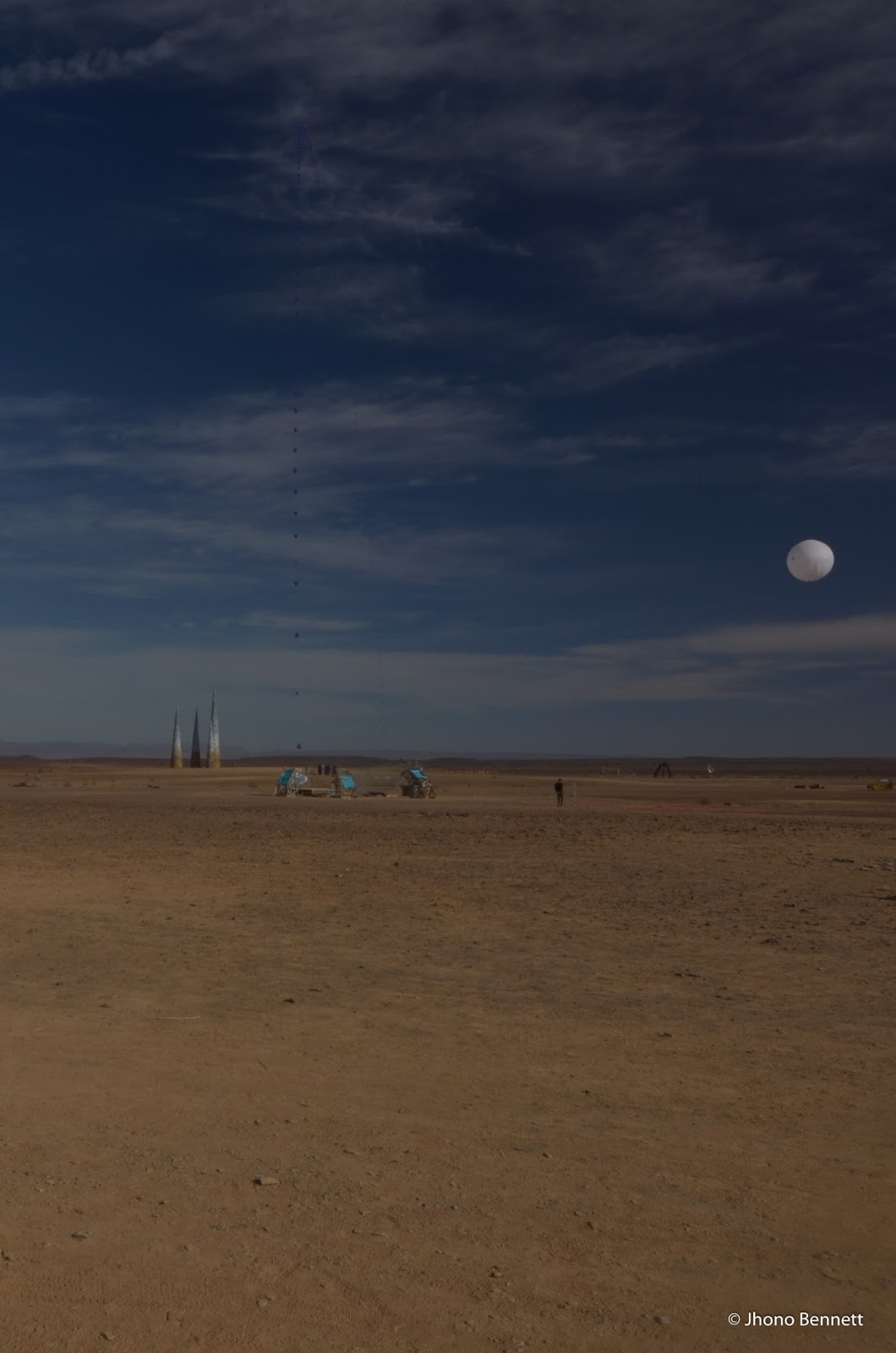
I was able to help with some of the later stages of the build process, only arriving on the Thursday. But spent much of the Burn documenting the structure:
Later on the first night the Burn decided to hold a party around the structure.:
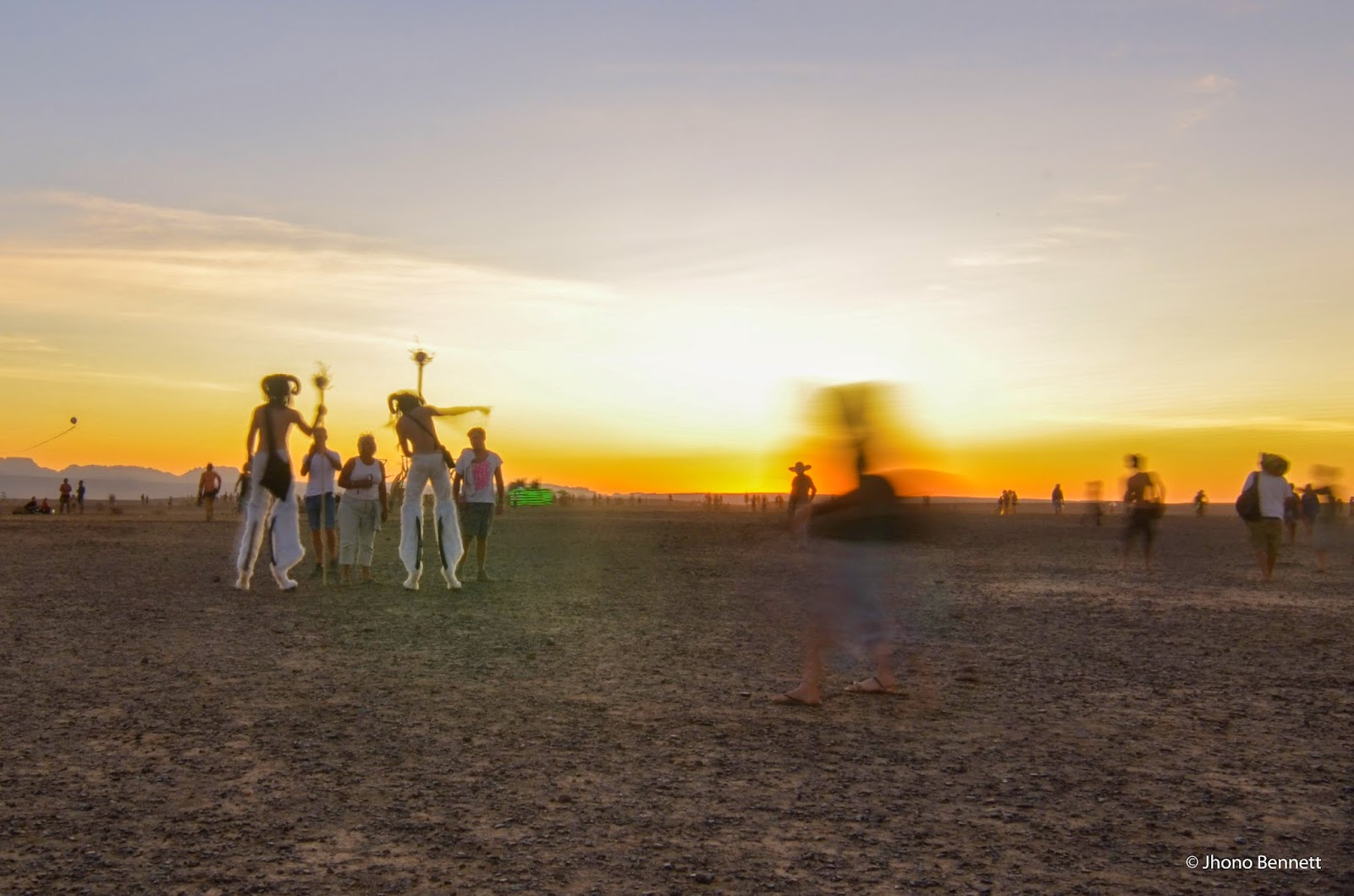
From here the team was able to relax a bit more and enjoy the countless activities and happenings across Tankwa Town.
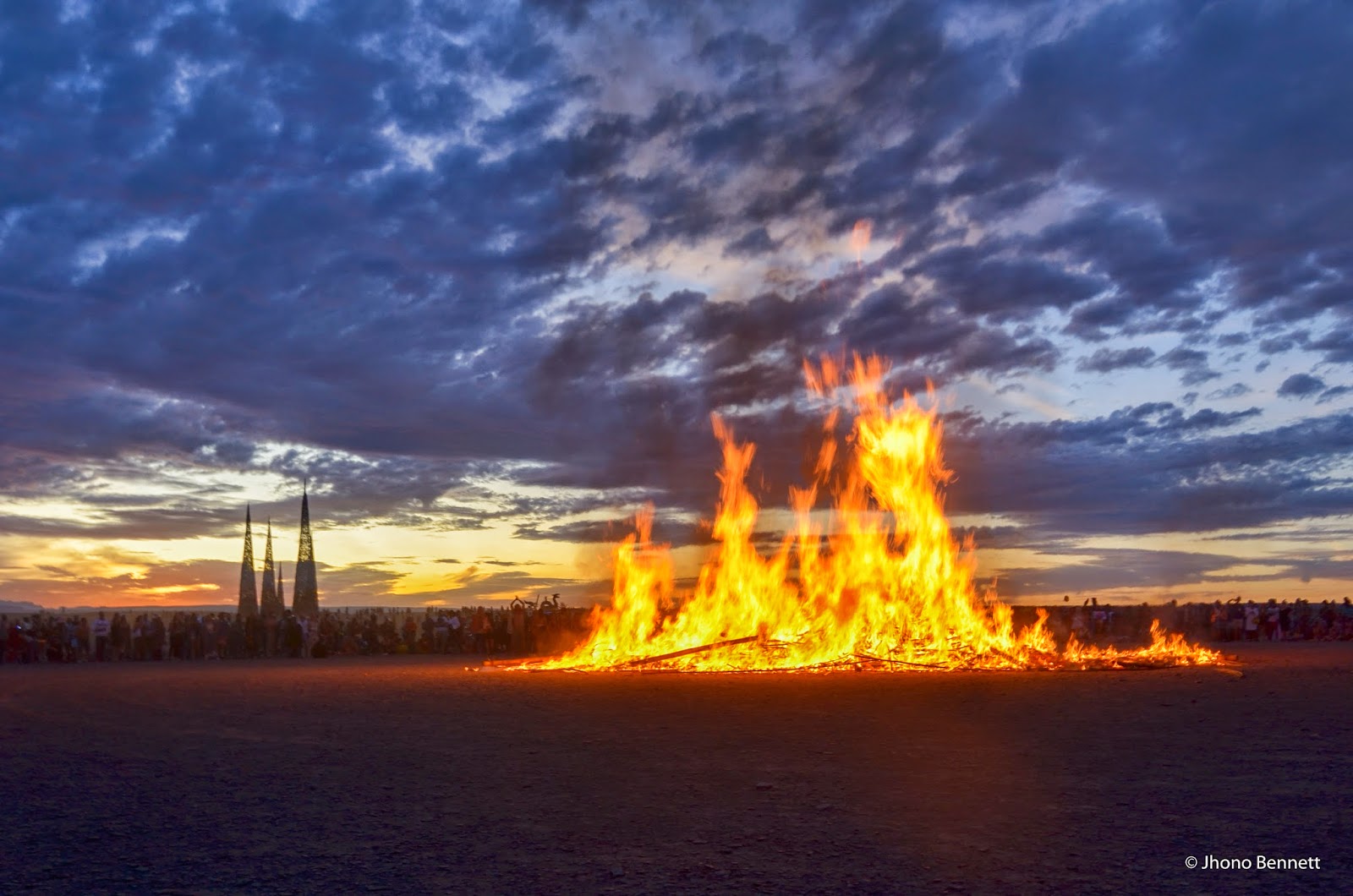
The spectacle of the burning of the various sculptures was the highlight of many evenings, and brought out many characters from 10 000 plus people who attended this year.
Dissipate
The Dissipate team did not burn the sculpture for several reasons, but chose to dissassemble and and take the various parts back to Cape Town.\
Looking forward to next year. The planning has already begun….
In 2014, after moving into Johannesburg’s inner city, I became involved with a group of artists who had started a very interesting project around engaging ‘positively’ with Johannesburg’s inner city, commonly known as the ‘Joburg CBD’.
They called their project Joburg Joburg, reference to the South Africanism of repeating a word to add emphasis to its meaning:
Person 1: So Johan, where are you staying theses days?
Johan: I’m living in Joburg.
Person 2: Oh, I hear Sandton is very nice.
Johan: No, I’m living in Joburg
Person 2: So like Parktown?
Johan: No, like Joburg Joburg – downtown CBD.
This adage has a base in the other more popular South Africanism of Now Now: see here for more details.
This scenario holds a seminal message of why the Joburg Joburg was conceived – many people don’t see the inner city Joburg as Joburg, instead they see it as a dangerous no-go zone of unnaccessible spaces occupied by a crime syndicate bent on murdering everyone who crosses it’s threshold.
This stigma, which is endemic of many South African public spaces, is the very thing the Joburg Joburg team and myself were looking to understand and explore through our various projects under Joburg Joburg.
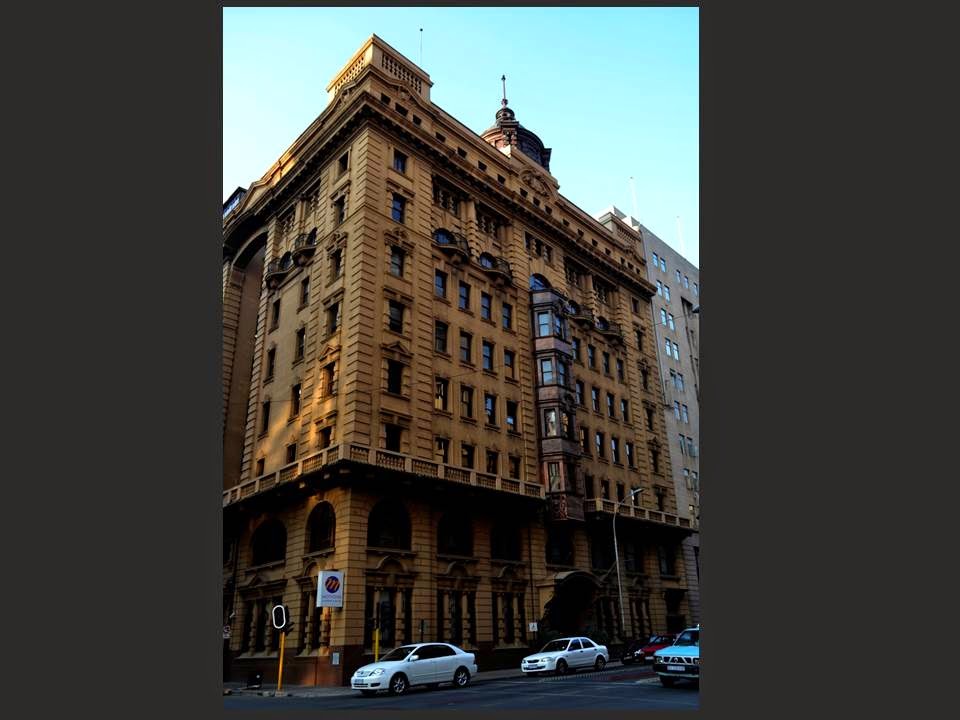
The Joburg Joburg story starts with Johan Stegman, and engineer/artist moving into an unoccupied rooftop space owned by a large down town Joburg developer at their flagship property of Corner House.
Image: Johan Stegman & Allen Laing
Through a set of chance circumstance and a burning desire to engage with the city, Johan with Allen Laing, a sculptor working in the inner city, set up an extensive and highly successful multi-artist exhibition exhibition to engage with this question of ‘responding to the centre’.
At this point I was living in the building across from Corner House and assisted the Joburg Joburg team with some minor installation work. This relationship developed as I began assisting the team with some spatial design support towards what they called the Kingdom Hideaway Partnership Rooftop Vision. A strategic design initiative to bring together the various actors at the Corner House building around a common vision of ‘productive’ inner city use.
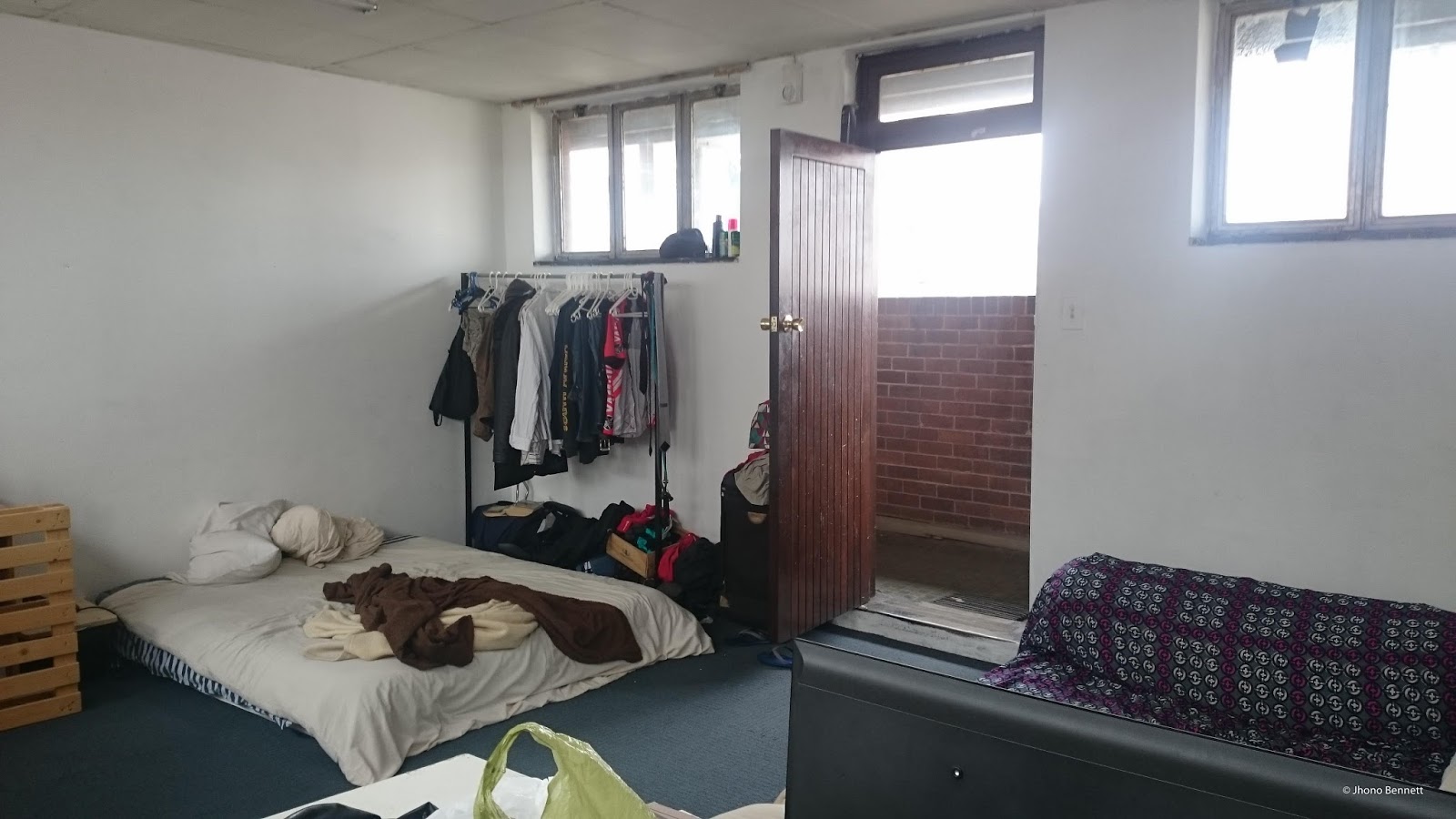
As part of the arrangement was that I was allowed stay on the roof at corner house for a nominal fee where I took up residence in the Apartheid planned ‘domestic quarters’.
These spaces were the logistic outcome of the Group Areas Act that did not allow black people to live in the same structure as white people which in the suburban areas manifested into what we see today as the ‘maid’s room’ a separate room on the boundary of suburban properties.
But in the city these spaces were placed on the roof’s of building and carefully designed with shared (under serviced) ablutions, lockable areas (to keep people in, not out) and windows that are too high to see out of, but provide the minimal amount of ventilation to pas regulation.
My quarters
These spaces are still in use all over Johannesburg, and hold amazing potential to allow mixed income housing as well as developing a more integrated urban culture – but continue to be used to house a a portion of the labour sector in quite unfair conditions.
Rooftop Socio-Spatial Planning
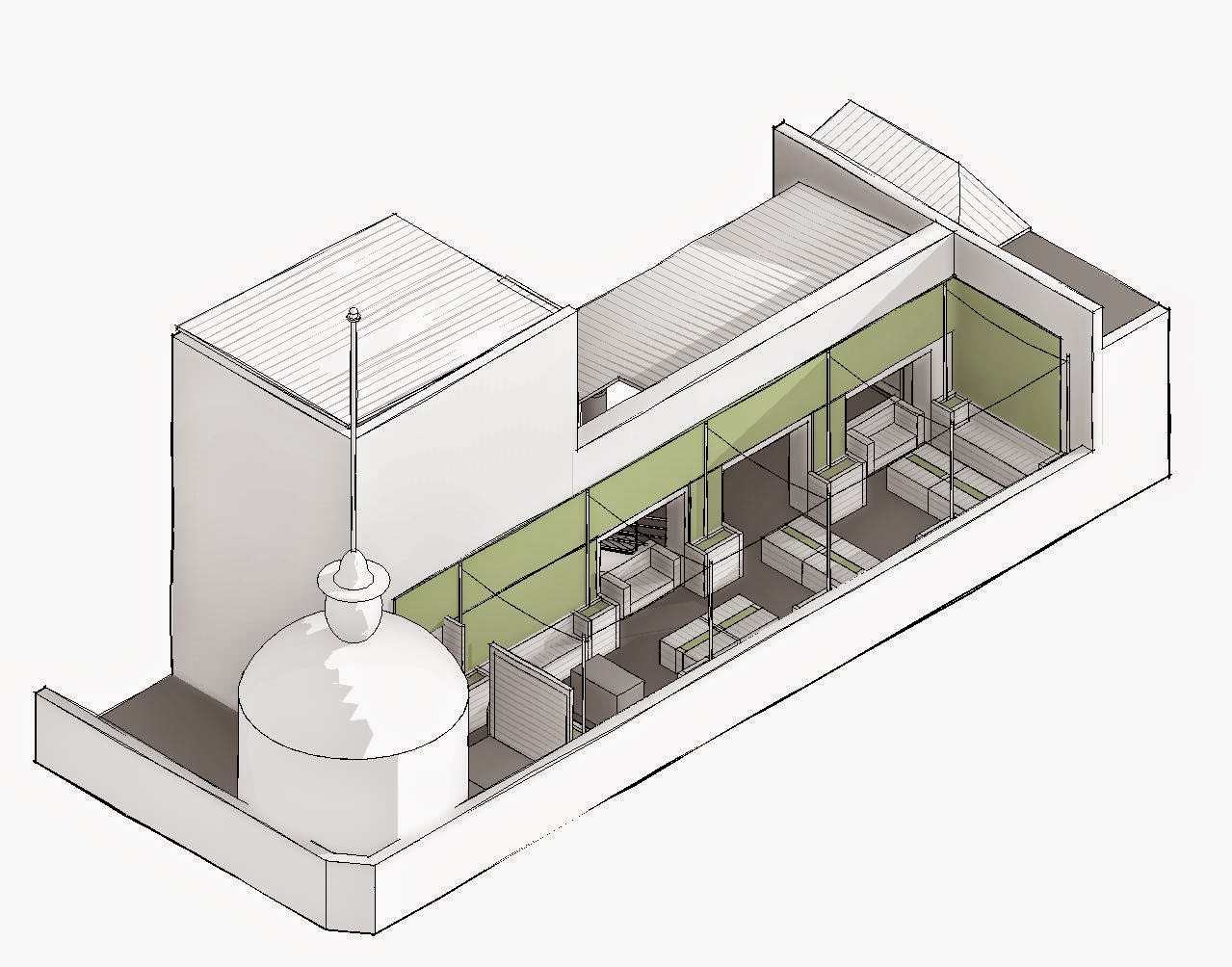
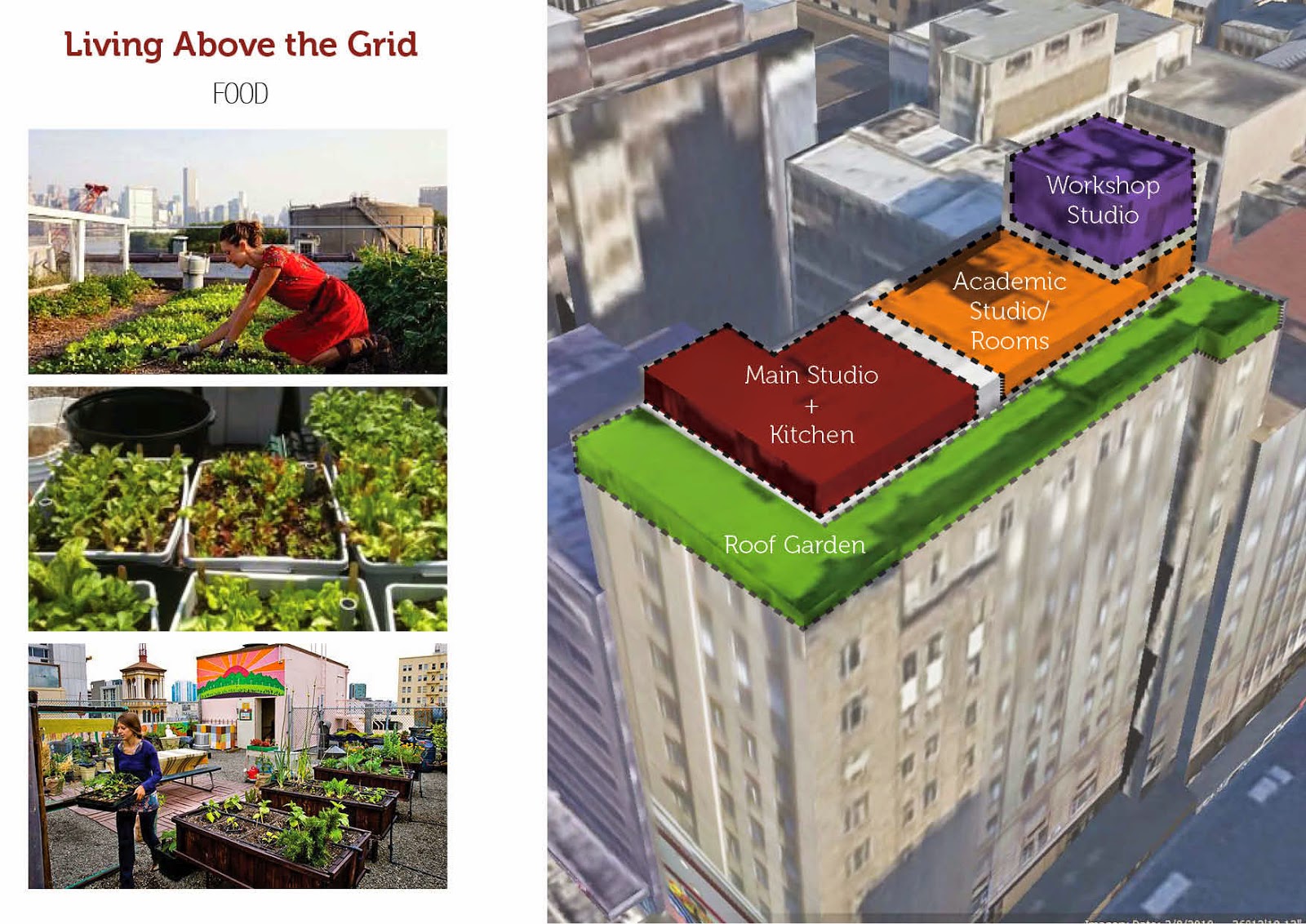
This initial task was to design and strategies a way to maximise the use of the rooftop space, which is currently underutilised and create a shared environment that only brings the various stakeholders on the roof together, but creates a space for others to access city from.
A phased, multi use strategy was proposed that included light scale rooftop gardening, venue spaces and a potential creative residence that would link with existing functions and support the vision held by the developers for the building.
Rooftop Garden Proposal
This strategy wasn’t met with a completely negative response, but due to the various factors involved with a development in the city certain stakeholders were not willing to make the initial investment of time or commitment, but instead chose to pursue ‘safer’ development investments and options.
Beyond Corner House I also provided spatial strategies, alongside colleagues from Johannesburg, for other buildings which were met with a similar response.
Cross-CBD Engagement
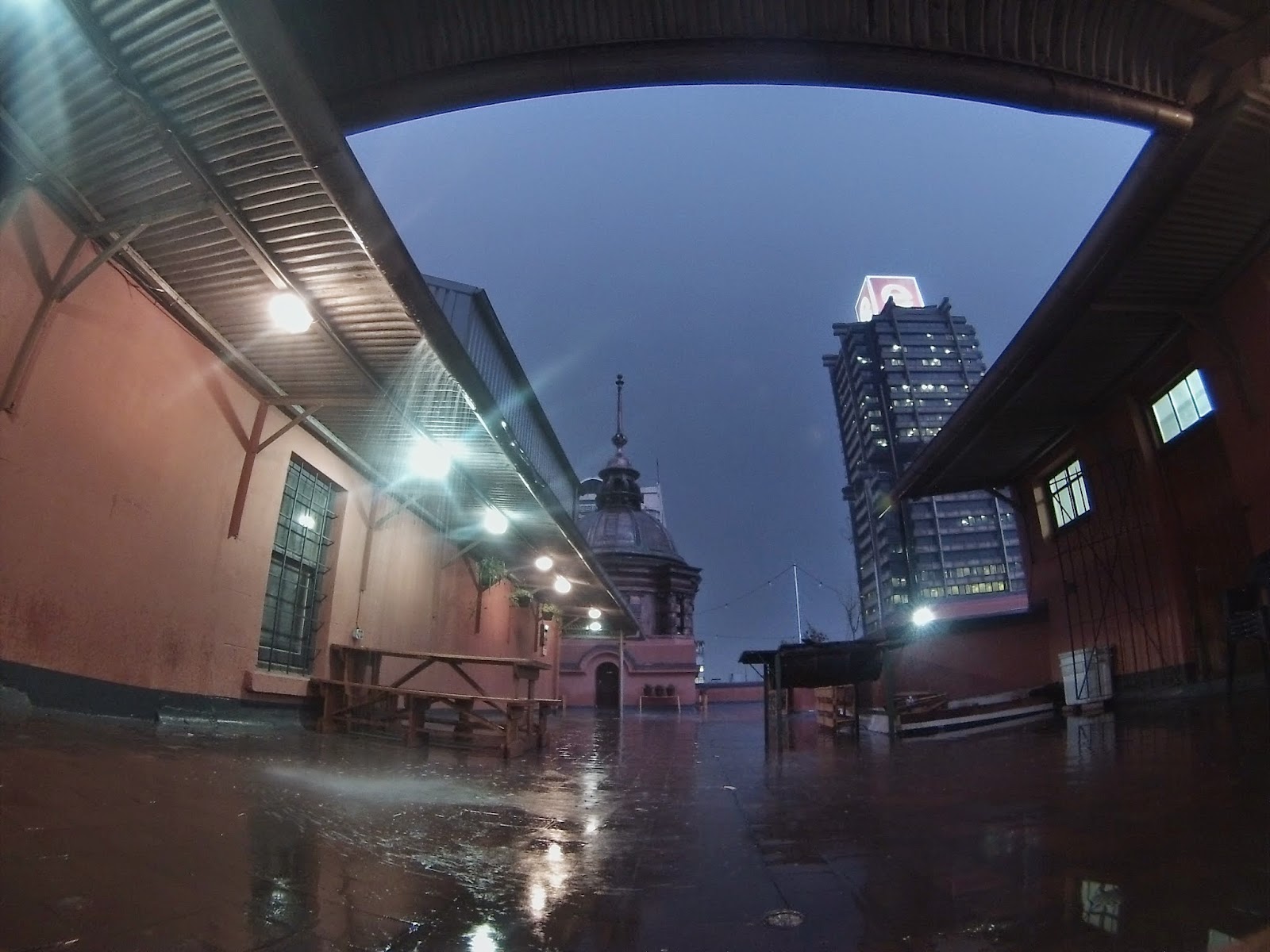
View from the Roof Roof Roof
Although the my time with Joburg Joburg was not productive in shifting the perspective of those I worked with I managed to conduct many interesting projects with the city spaces I worked on and used on daily basis.
Documentation of measuring and rooftop exploration of downtown buildings
City Storms
Capturing the iconic summer storms that makes define a high veld summer
Minimal Mass
Small scale social cycling trips headed by Blanca Calvo
Braamfontein
Unfortunately my time with Joburg Joburg has come to an end, and I am know residing on the edge of the inner city in the vibrant and interconnected Braamfontein District.
Vie from Civic Towers to Inner City
I am still conducting other research into the city of Joburg through my work with the University of Johannesburg’s Architecture Department as well as other initiatives that I am involved in.
Carin invited me to take the students through the same process I had undergone in 2010 in Slovo Park, but this time with more focus on what we now call Socio-Technical Design. This period of teaching proved to be an critical reflective space for me to work through what tertiary architectural education is missing and identify teaching and design methods to bridge the gaps.
Yolandi Viljoen, UP Student on Site at Slovo Park
This became my entrance into teaching, and ultimately paved the way for the 1to1 – Student League.
Tuliza Sindi, presenting work at UP
Tialise Taljaard on site in Slovo Park
Analysis Video that became the documentary Waterborne by Ingmar Buchner
Project Proposal by Abbey Walsh
The students excelled in this module, and developed interesting, relevant and integrated designs from the immersive process that gave the Slovo Park Community Development Forum a clear graphic plan to take to government.
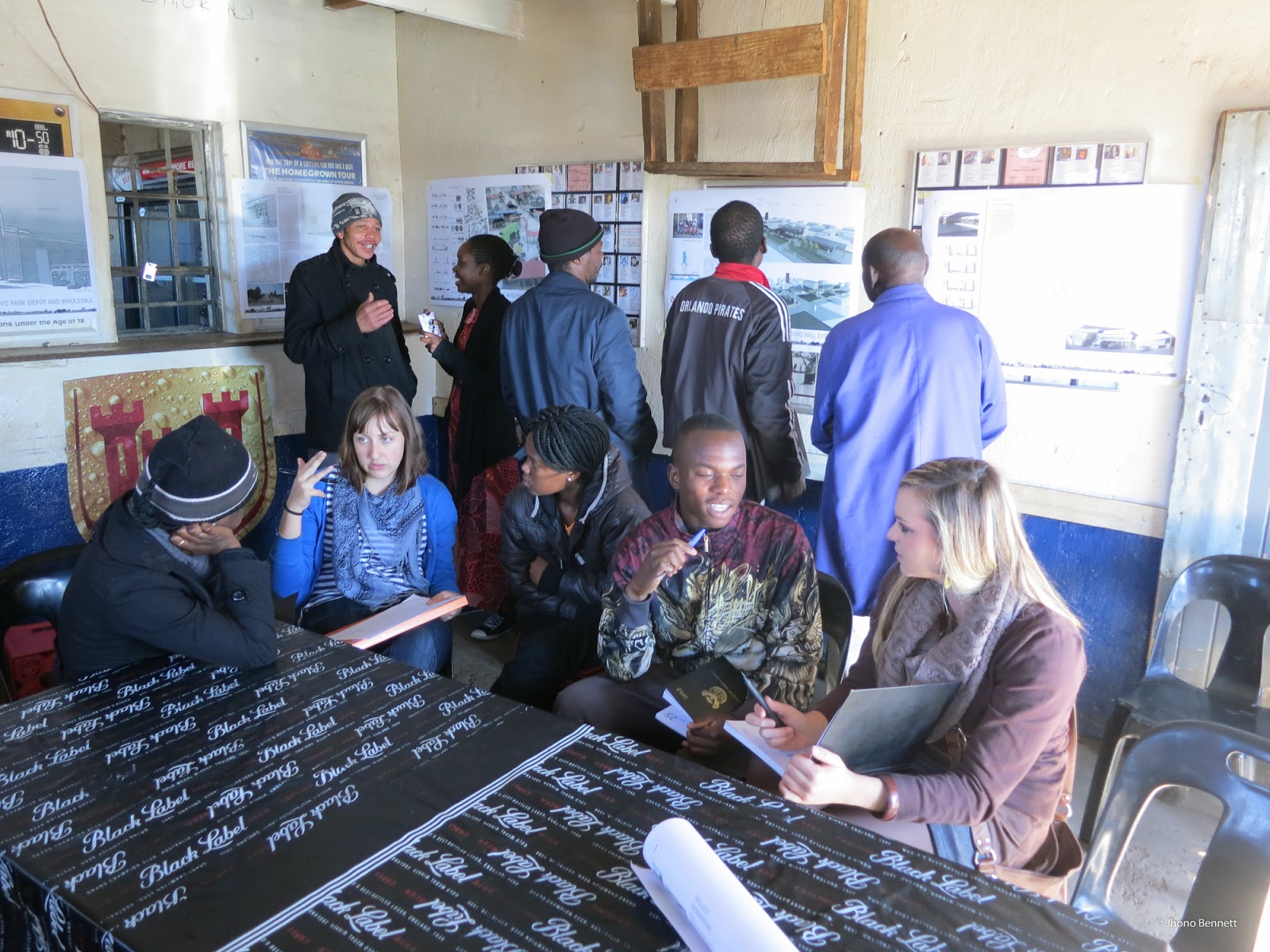
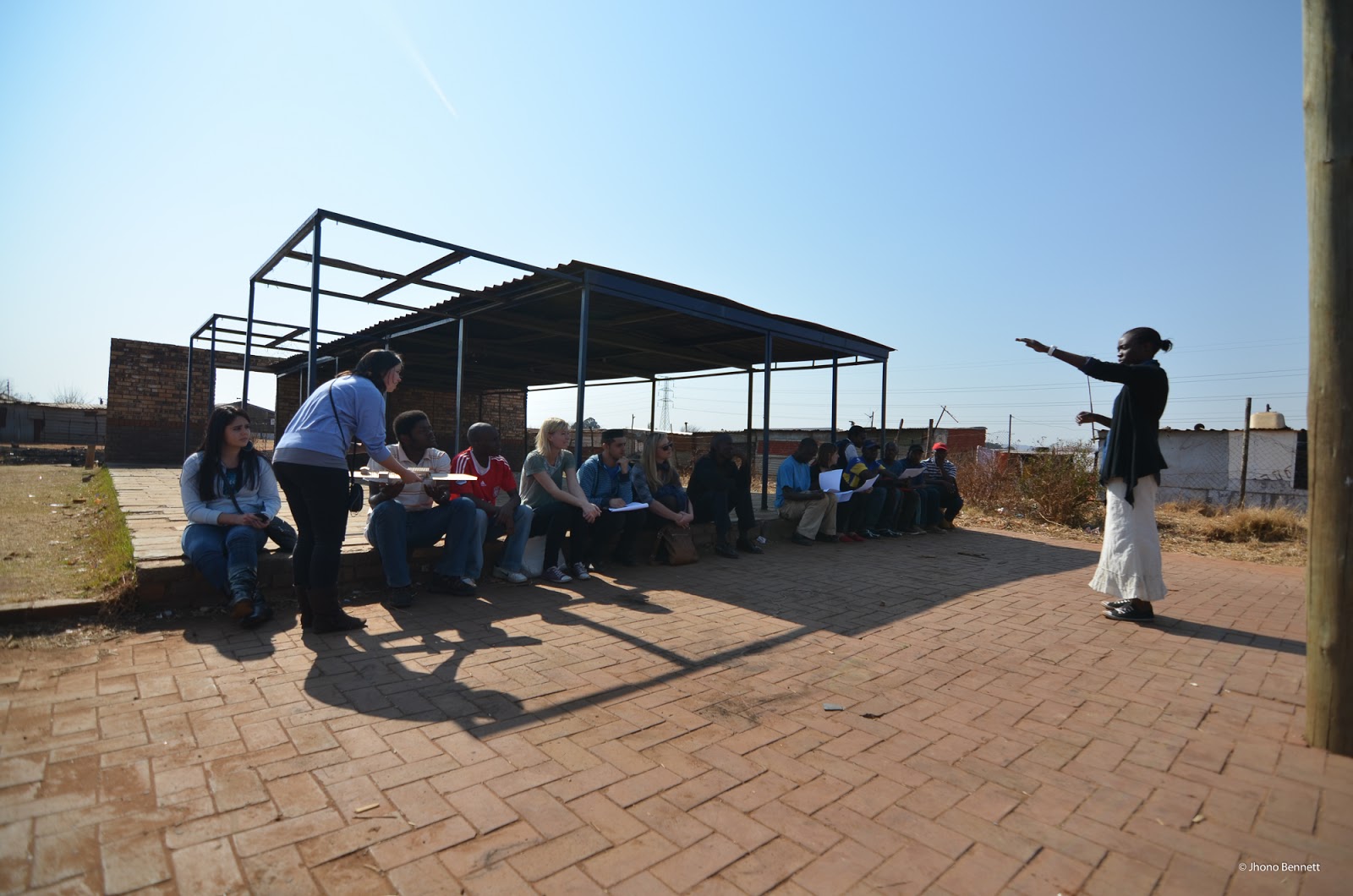
UP Students engaging with Slovo Park Community Development Foruim
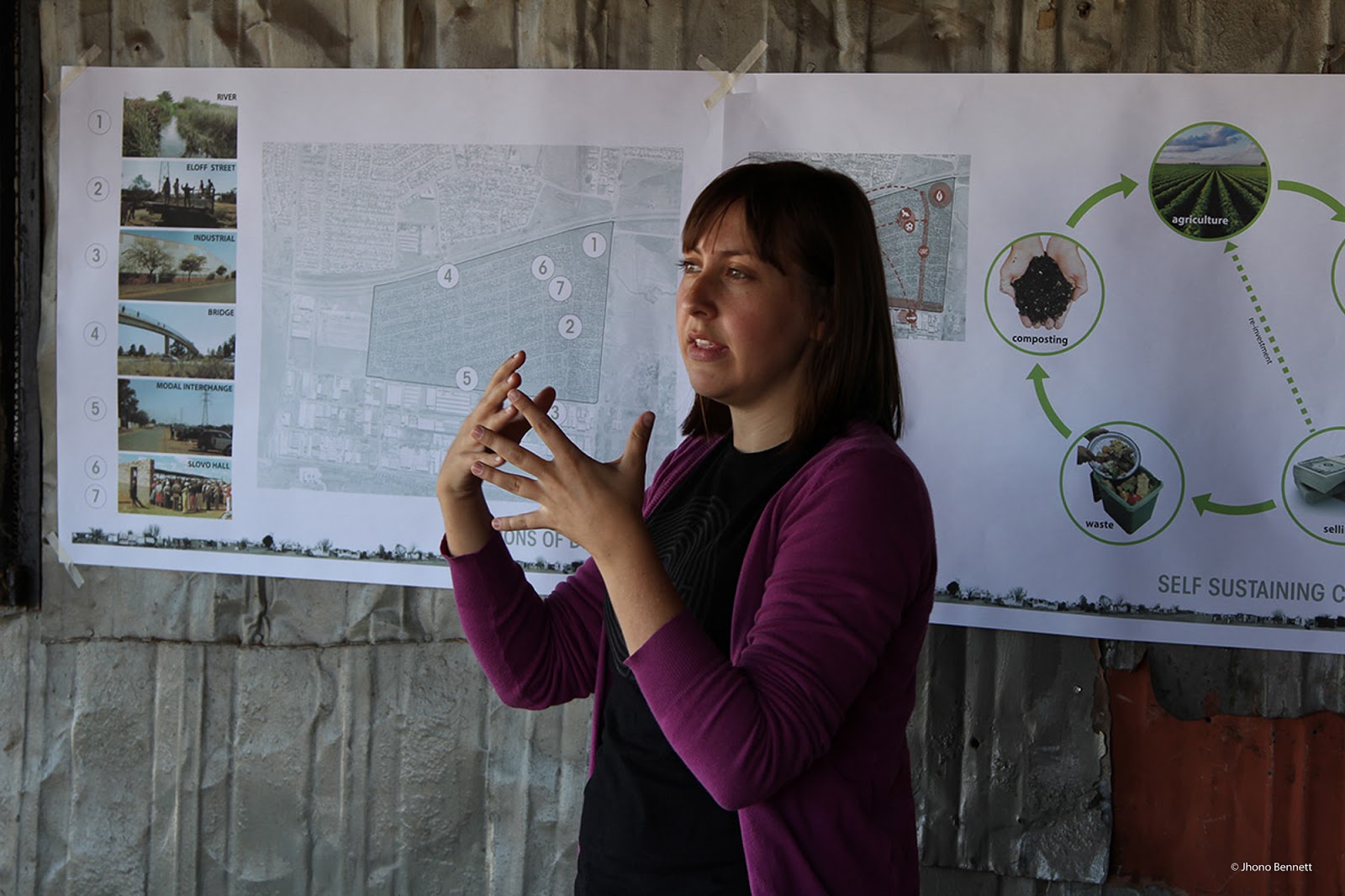
Carla Taljaard presenting at Slovo Park
During my time at Boukunde I also took students to visit other projects across Johannesburg, such as Marlboro South
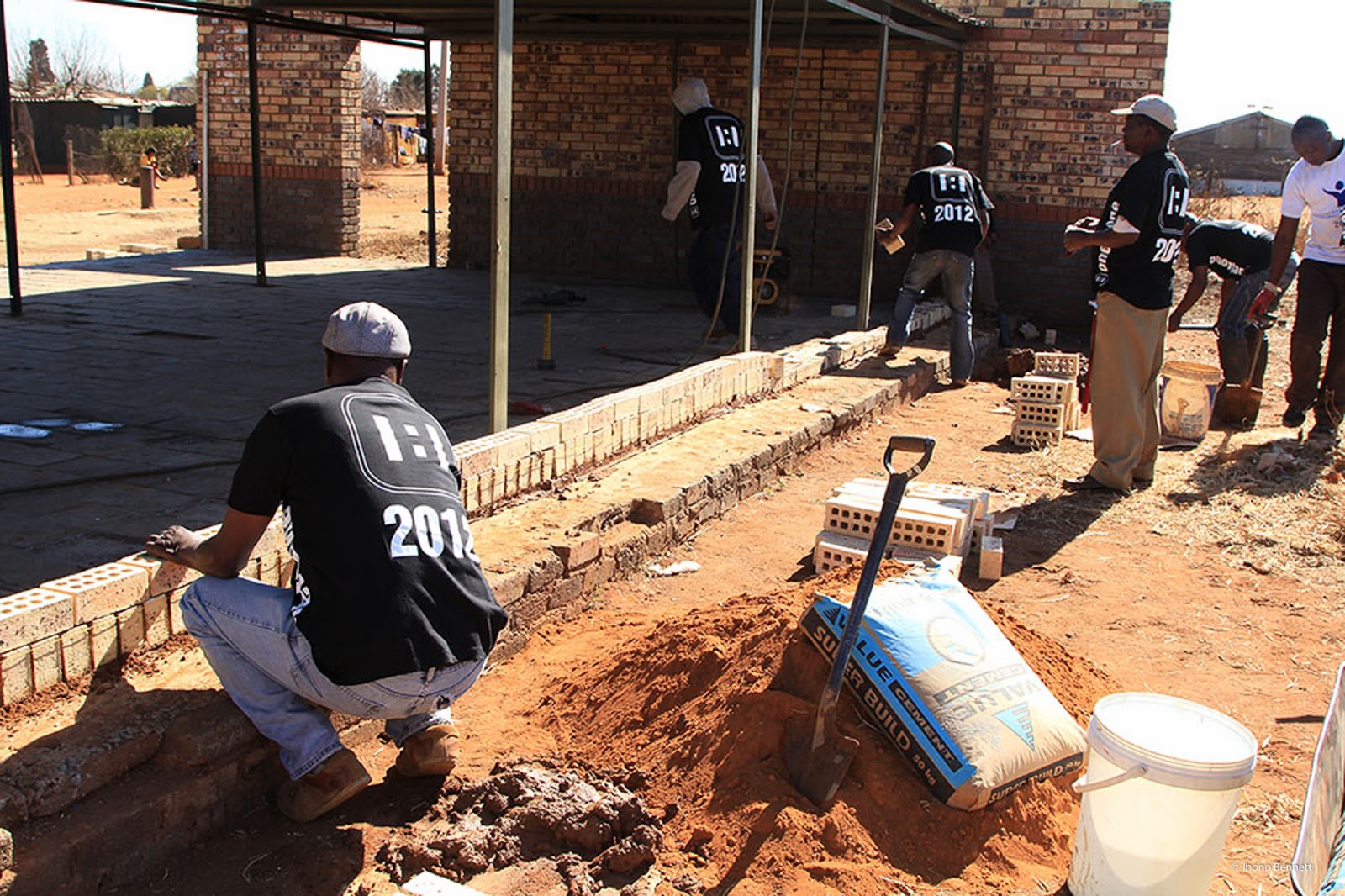
The 2012 group took their module work and inspired by the process worked with the SPCDF to develop a design build that they completed in their July holiday break.
Tuliza Sindi presneting the developed idea to the 2012 design/build team
University of Pretoria – HUE Module 2013
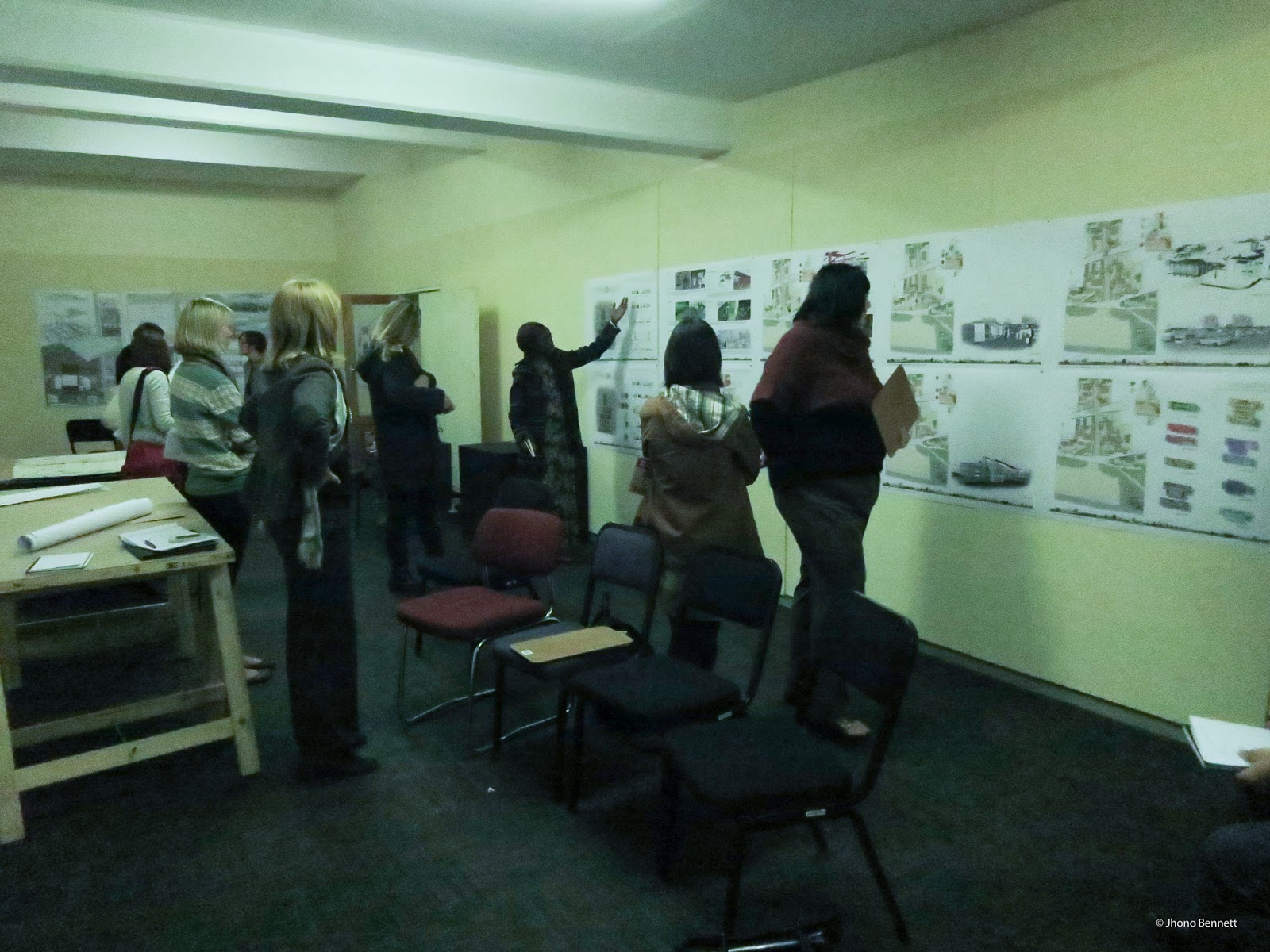
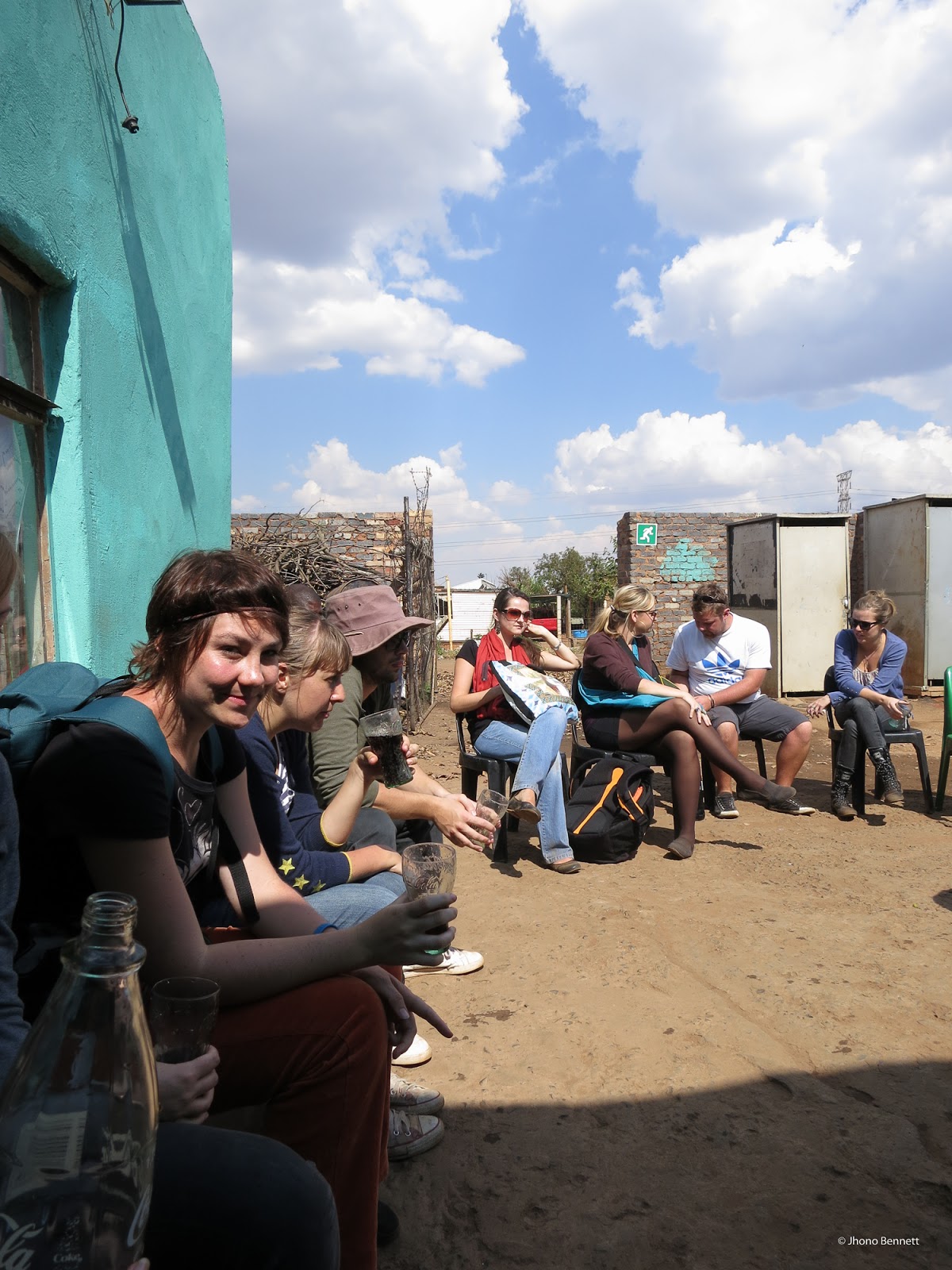
Focussing on catalysts and deep immersion, students spent a rainy weekend living in Slovo Park and were tasked to identify catalytic elements that would tie into the work from previous years.
Alex Becker and Naledi Nkoana planning the mapping day
Mohau Melani, of the SPCDF, Nick Randal, & Naeem Adam presenting in Slovo park
Student Design Work: Nick Randall
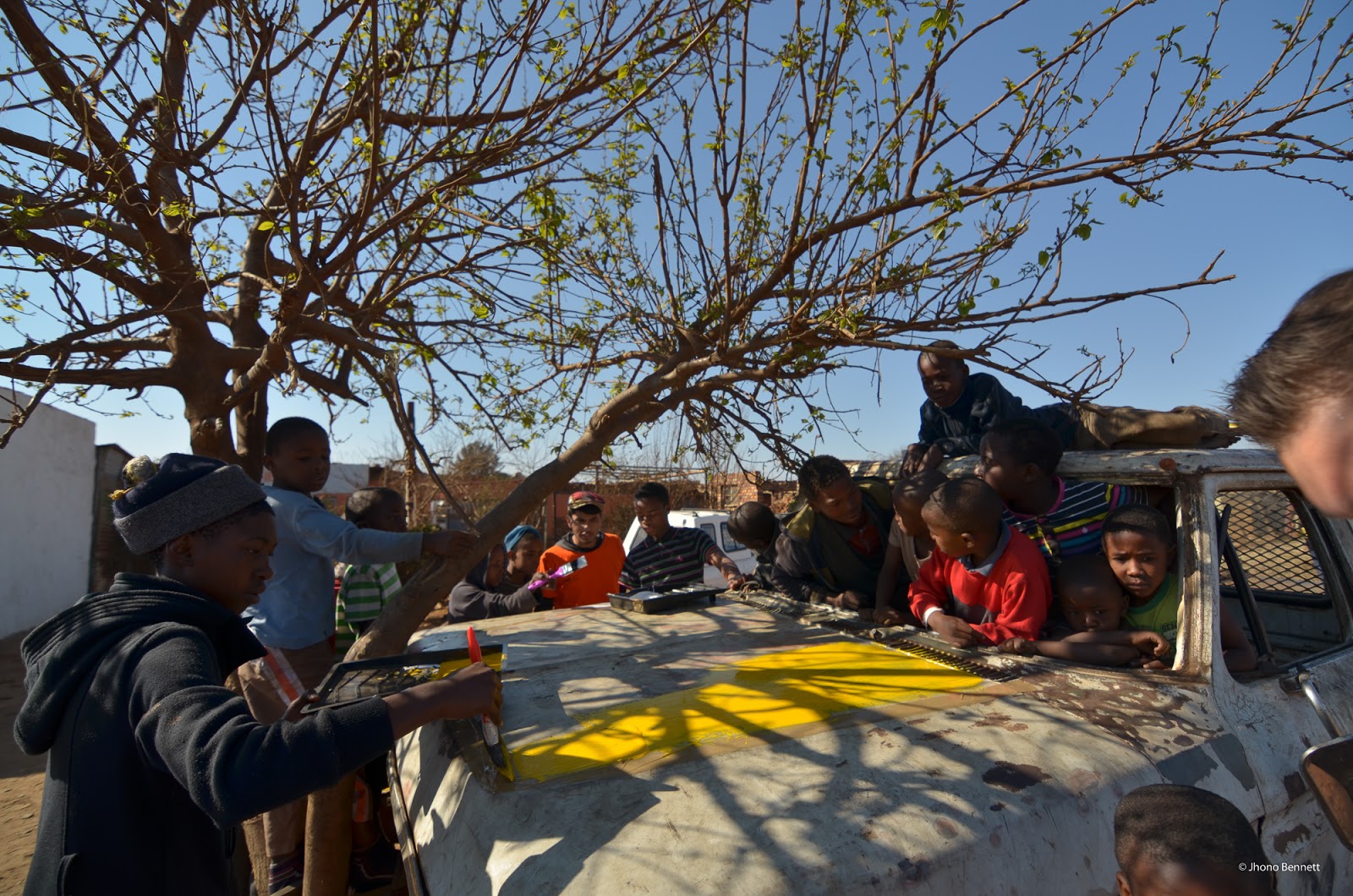
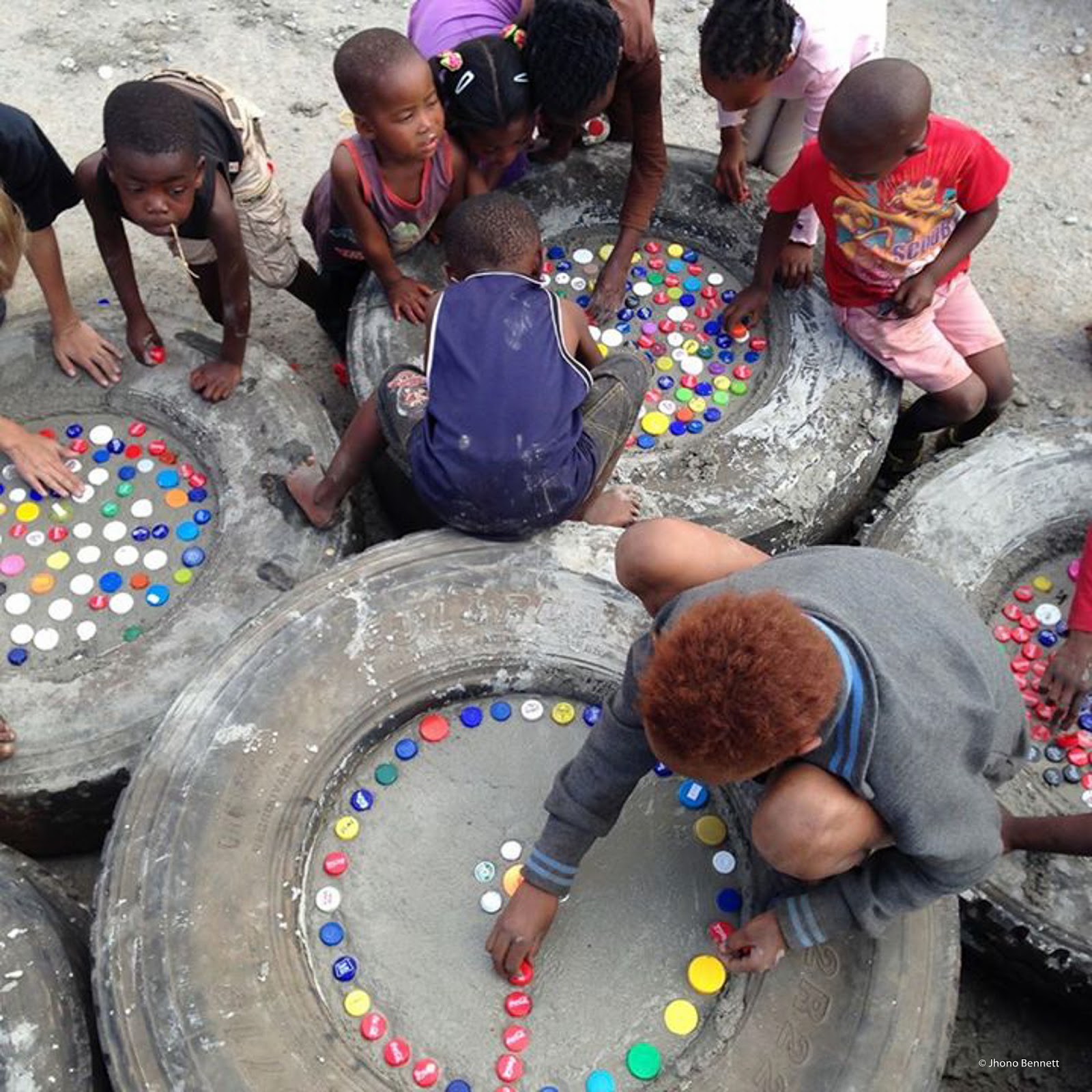
They too, took on a design build challenge and identified a scrapped truck as a key place to create a playground for the children of Slovo Park.
Muhammaed Dawjee on the early stages of the 2013 design/build
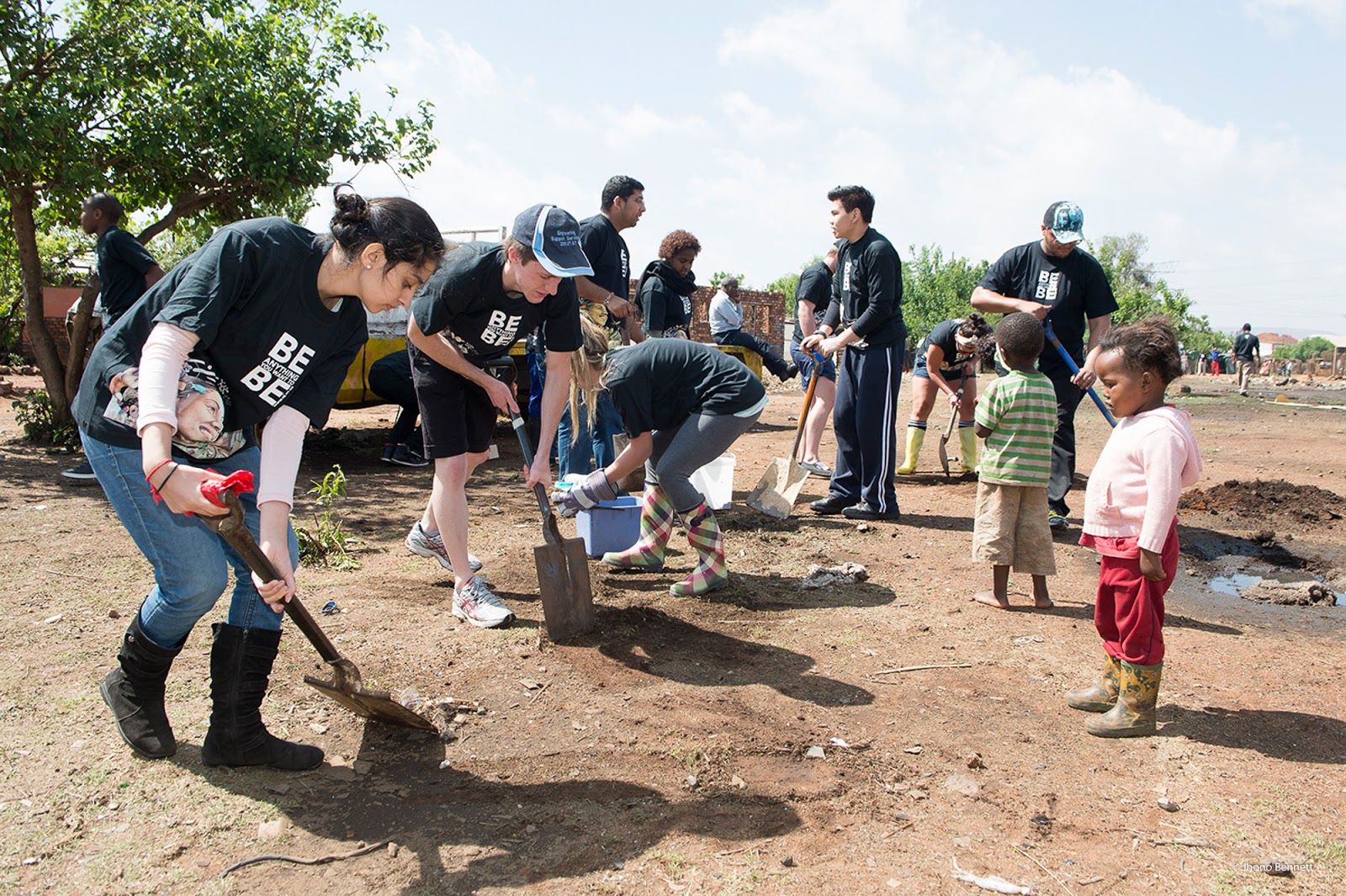
The 2013 UP group then handed this project over to the University of Johannesburg’s 2nd year Diploma students under Denver Hendricks with support from myself.
University of Pretoria – HUE Module 2014
Carin was quite deep into her PHD process by 2014, and requested that I assist in both the HUE module as well as the technical iteration of the design and had through the University of Pretoria’s Community Engagement department had been introduced to the Rehoboth Church, who were looking for support in a community development programme.
Ursula Kotze & Dominque Peel workshoping the Rehoboth design in studio with the church leaders
For logistical and practical reasons, the 2014 studio was conducted in Mamelodi, with the Rehboth Church Group, with the focus on processes of engagement and the development of frameworks and methods to engage.
Students worked closely with the church group to respond to the specific needs of the church’s involvement in their neighbourhood and how to develop ways of designing with and for people.
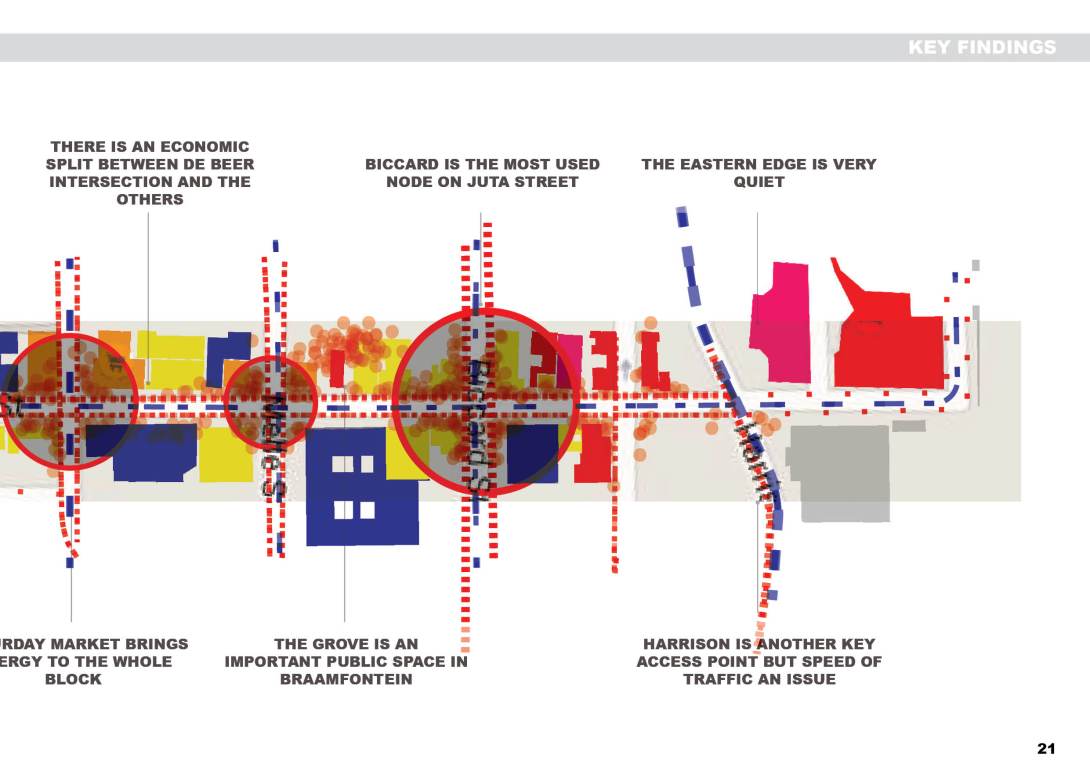
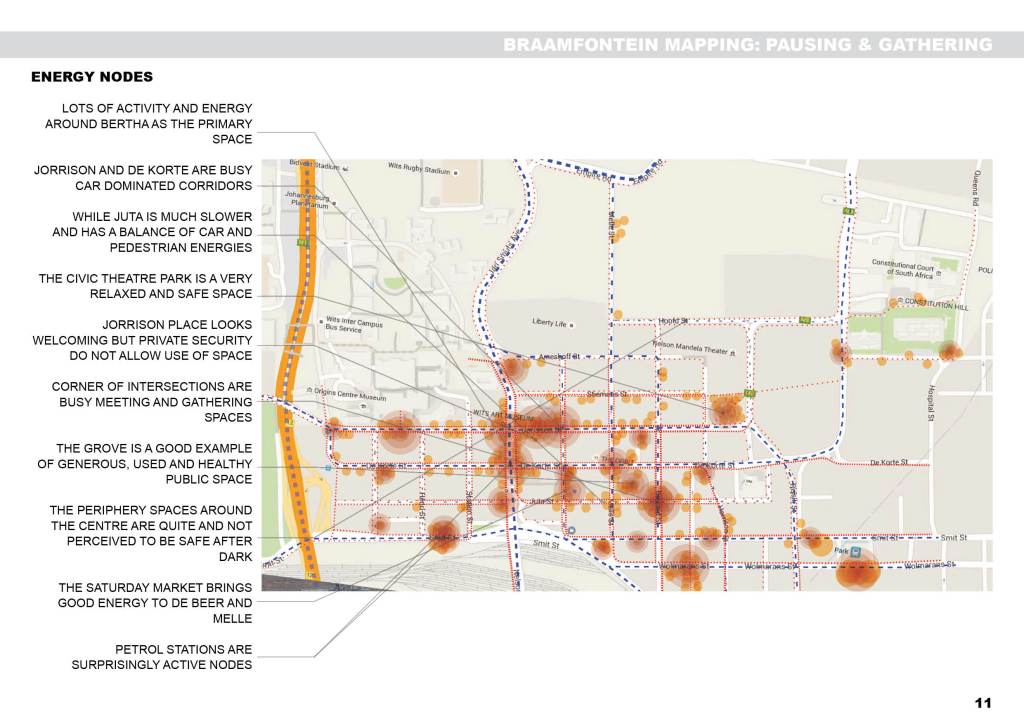
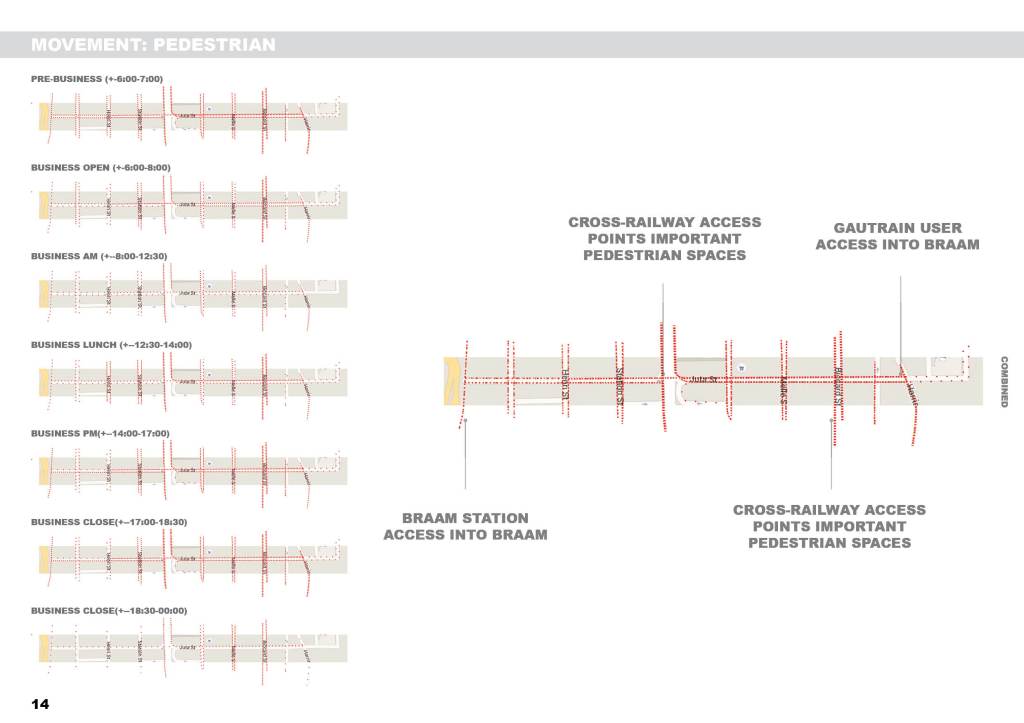
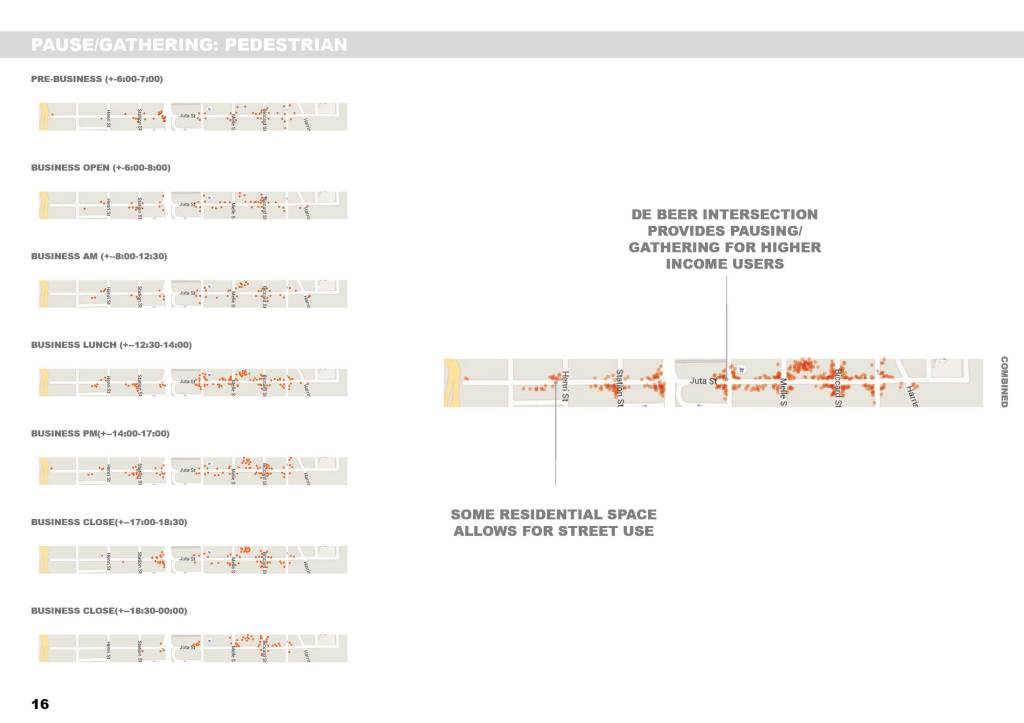
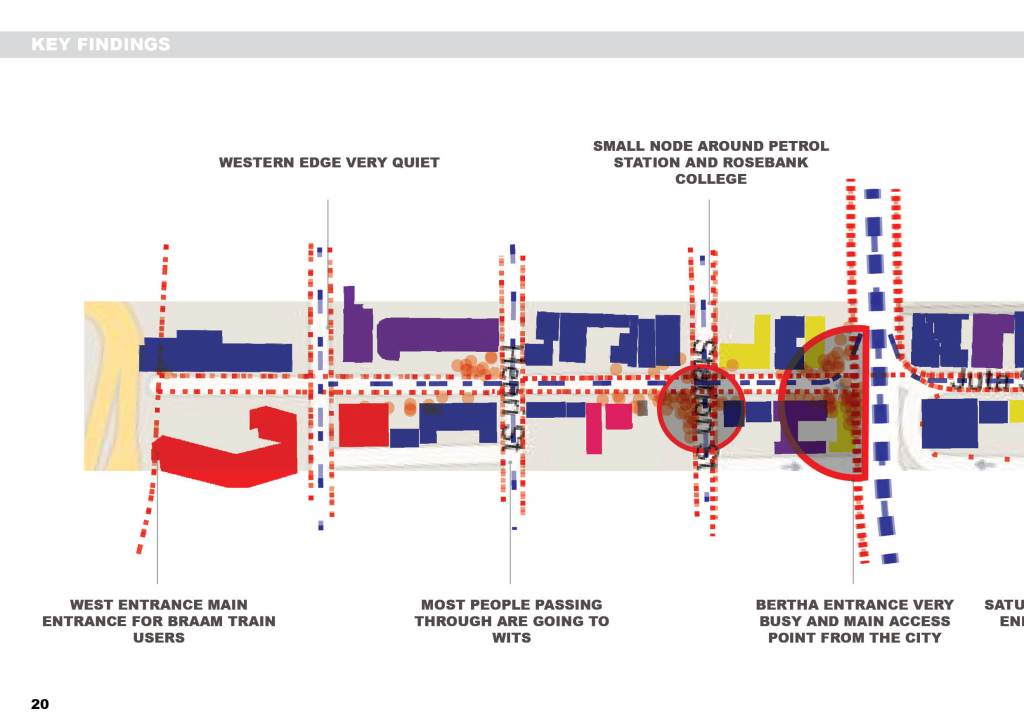
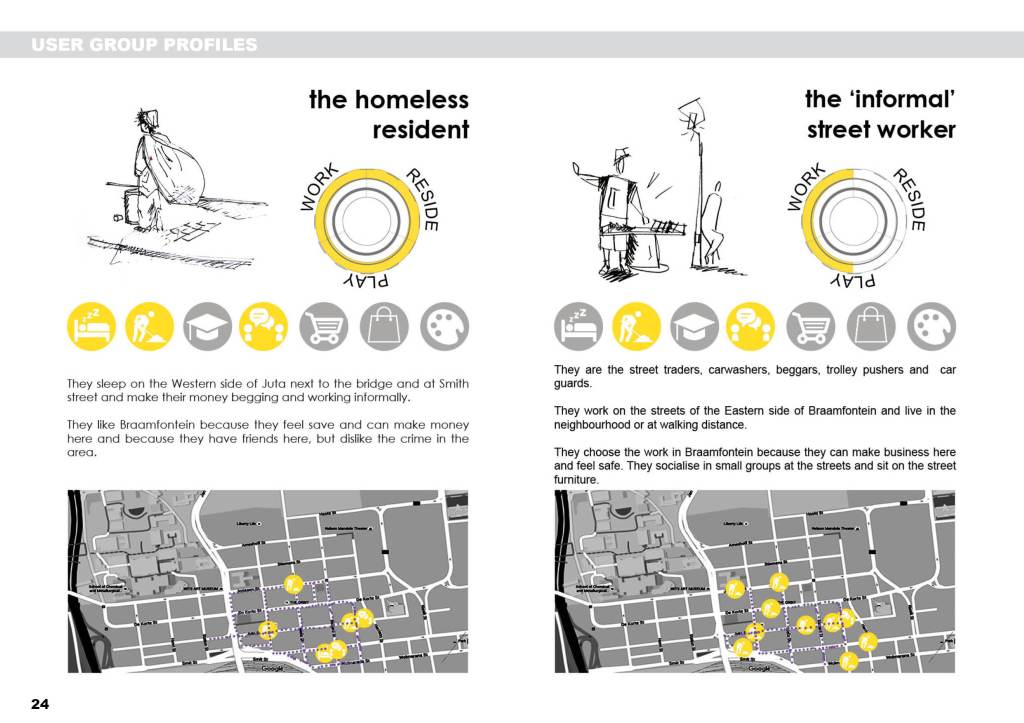
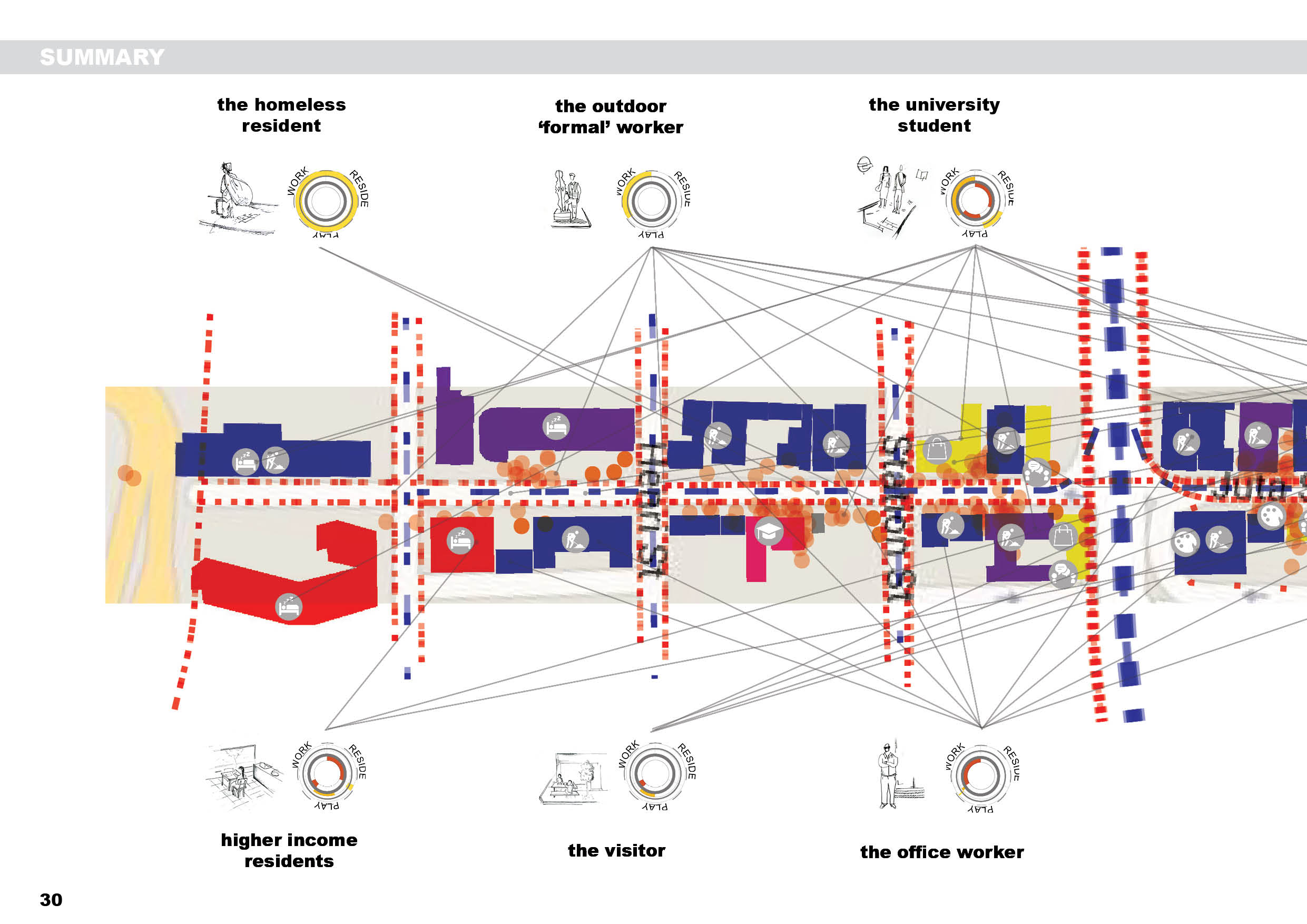
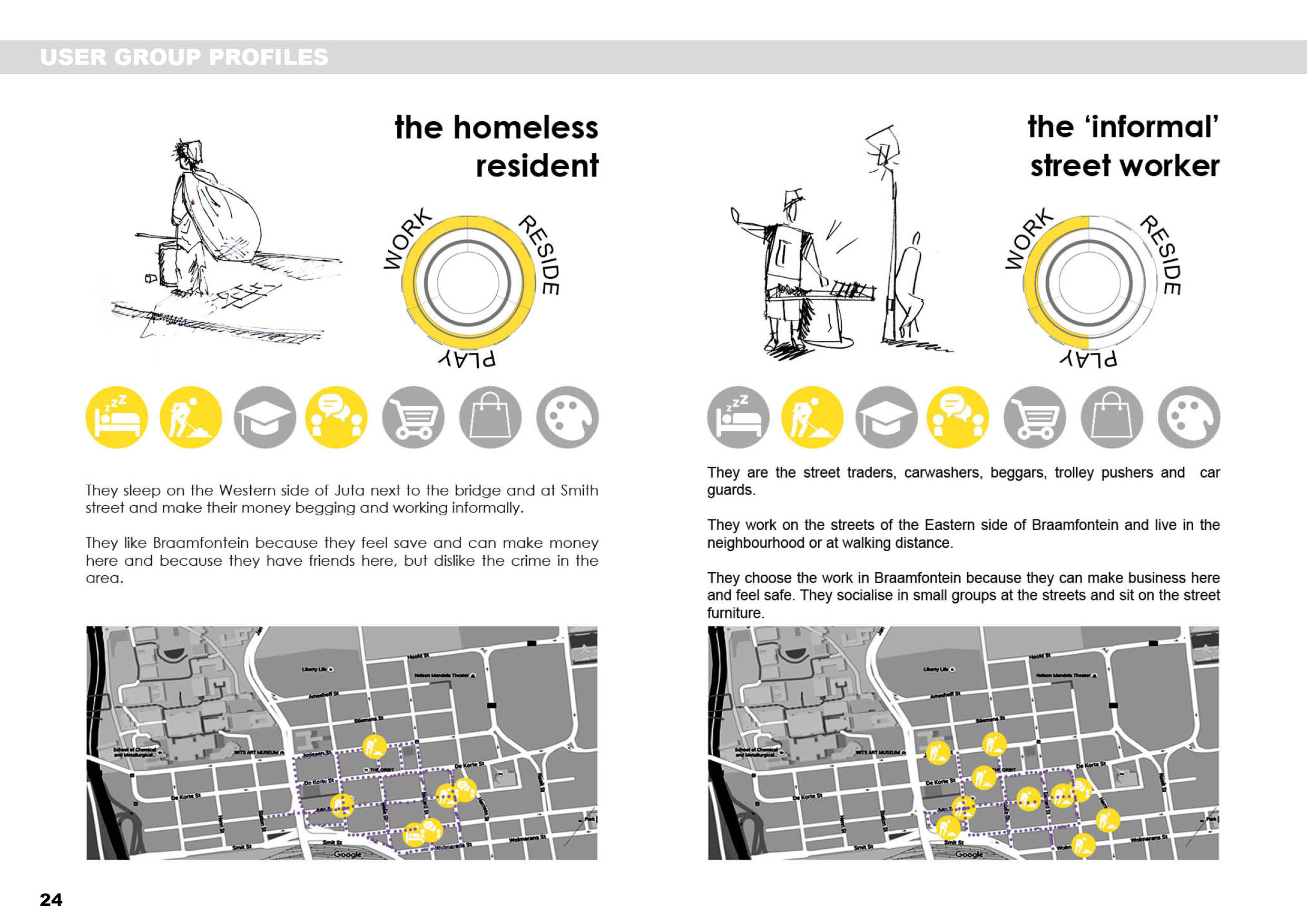
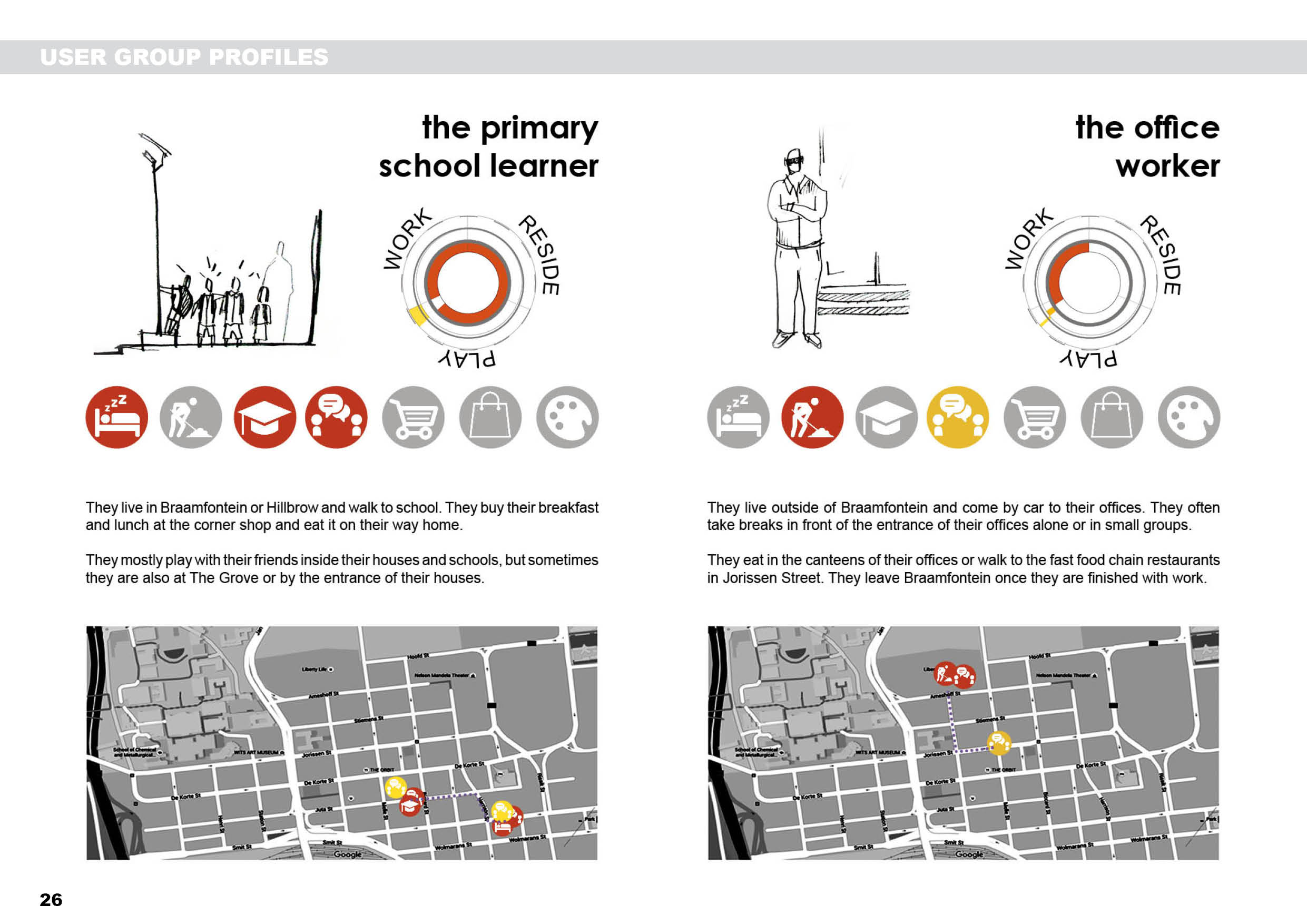
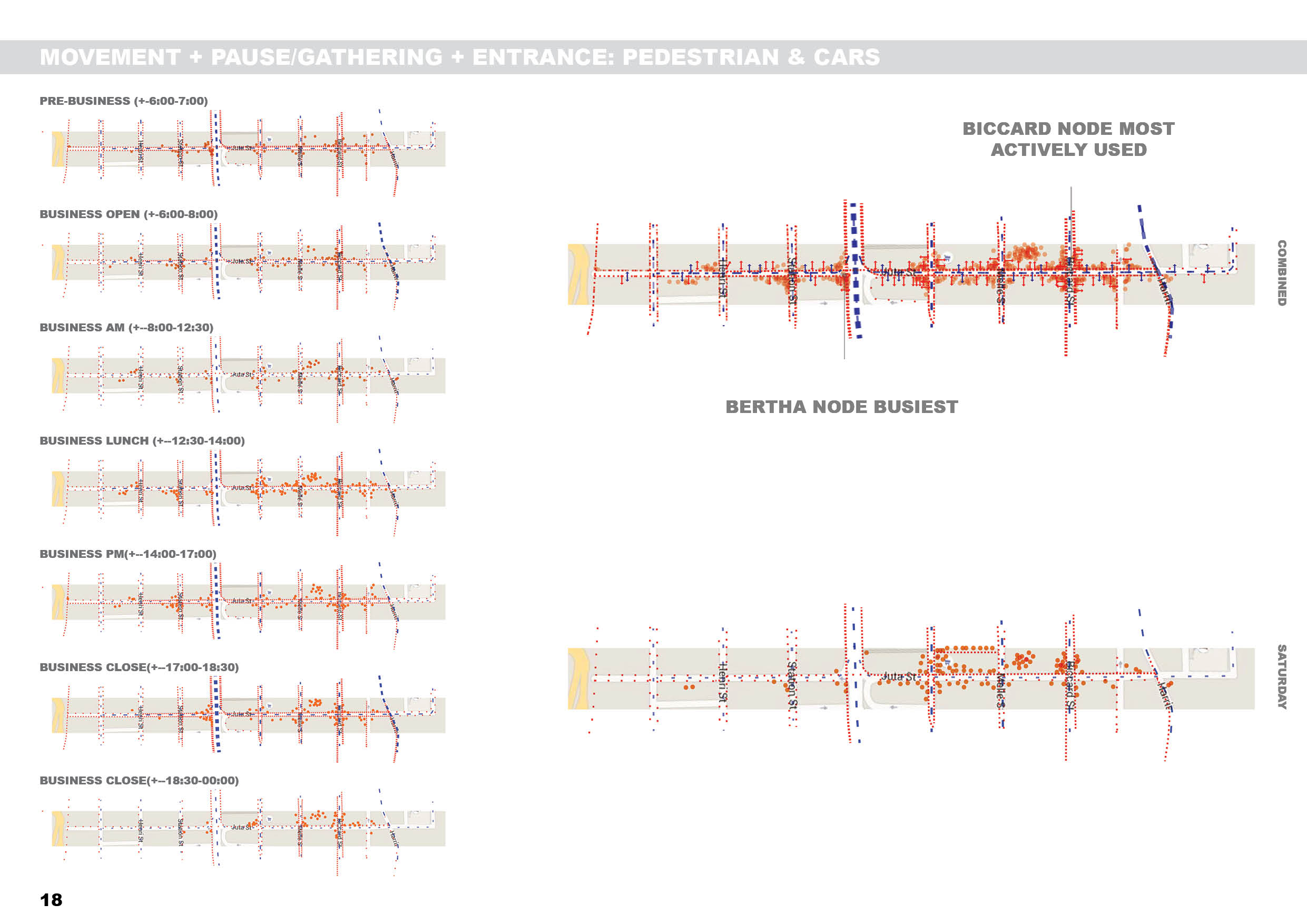
Through 1to1, I was commissioned by Local Studio alongside Urbanists for Equity (U4E) to complete a quick, robust and detailed survey of Juta Street in Braamfontein by Local Studio.
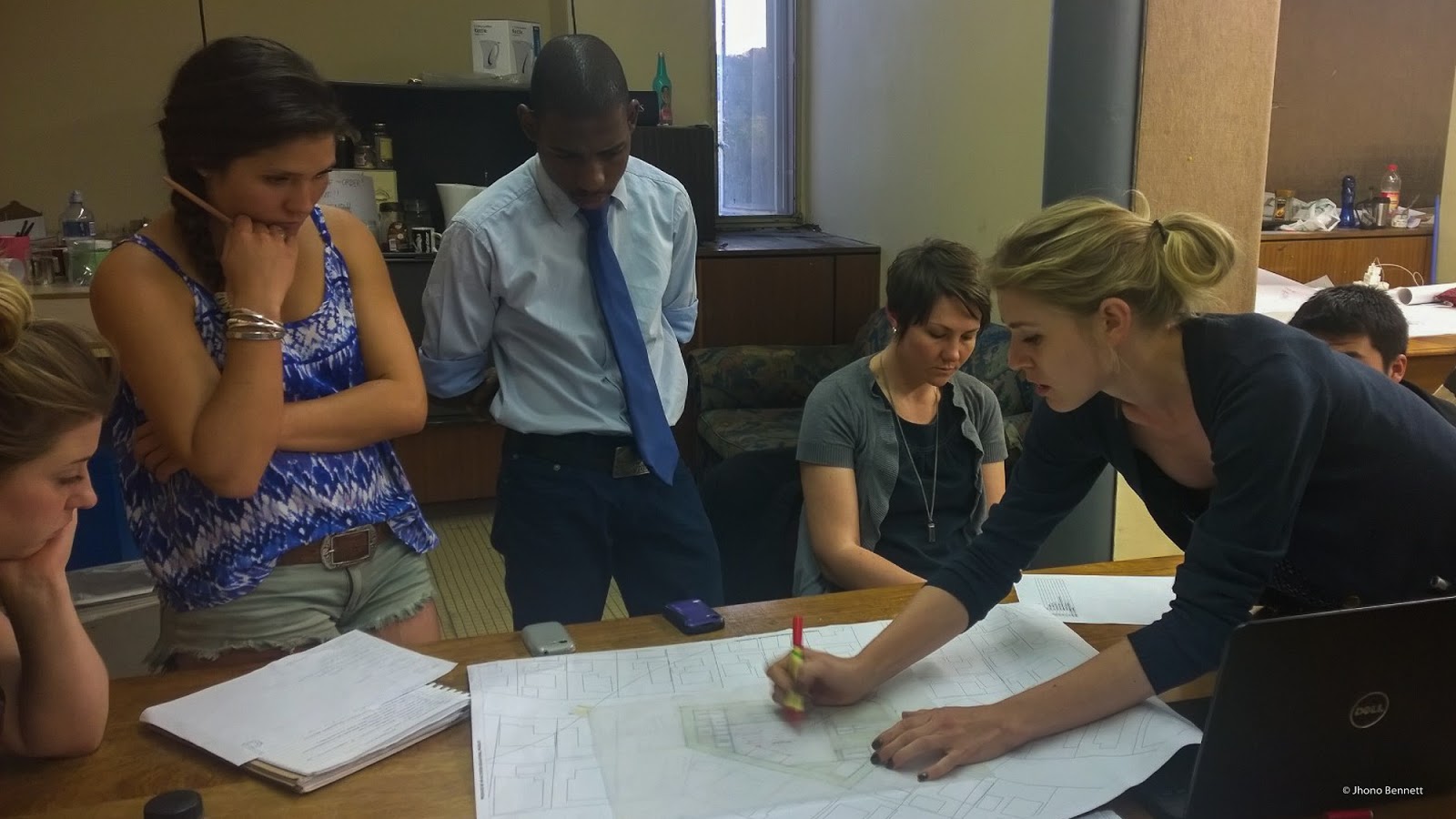
Local Studio required a detailed study of the area to support a proposal for an urban park in Braamfontein and wanted a detailed analysis of the user groups, activities and socio-spatial nature of the area.
1to1 and U4E employed the services of UJ students and completed the entire study in a single week.
This work underpinned a later project with the University of Sheffield’s Masters in Urban Design
I was again invited by Dr. Beatrice De Carli to teach in the Urban Design Masters at Sheffield for the 2016/2017 teaching period. This was done as part of a larger network project that has been set up with University of Sheffield (Sheffield, UK), Nanjing University (Nanjing, China), CEPT (Ahmedabad, India) and the University of Johannesburg…
In 2016 I was invited by Dr Beatrice De Carli to assist in the teaching of the Masters in Urban Design at the University of Sheffield’s School of Architecture for the ‘Design from Afar Module”. We set the brief in Johannesburg’s Braamfontein and aimed to create a teaching/research model that would allow students in Sheffield…
2018 marks the final year of a 3 year mobility exchange between the University of Johannesburg’s DSD Desis Lab and the Sheffield School of Architecture. RAUM #2 Day 1. Rathul sharing the debate on Public Space as a teaching method for CEPT A post shared by Jhono Bennett (@jhonobennett) on May 8, 2017 at 7:12am…
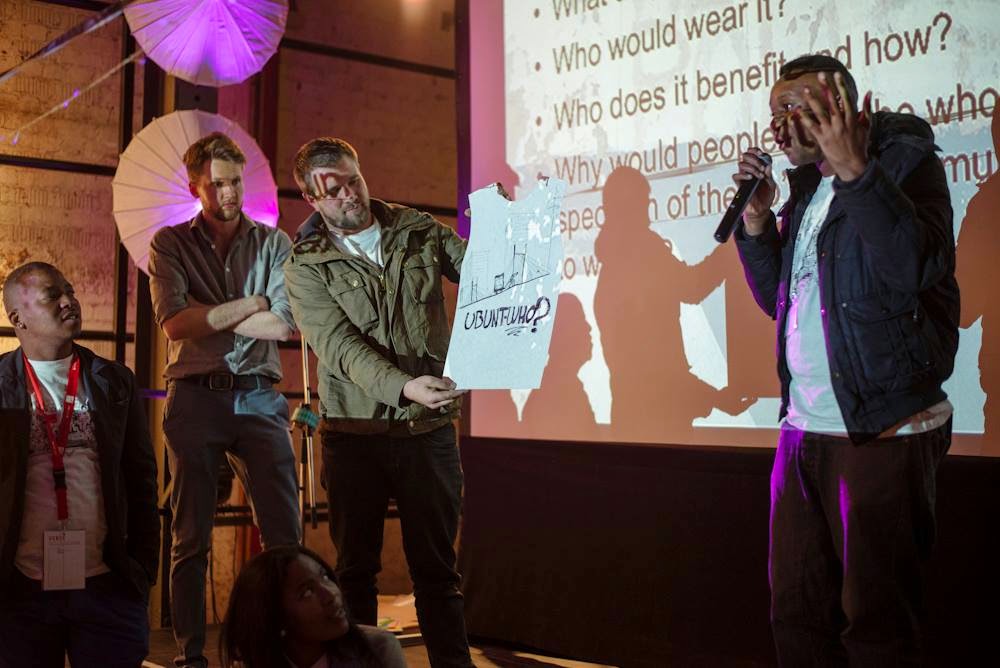
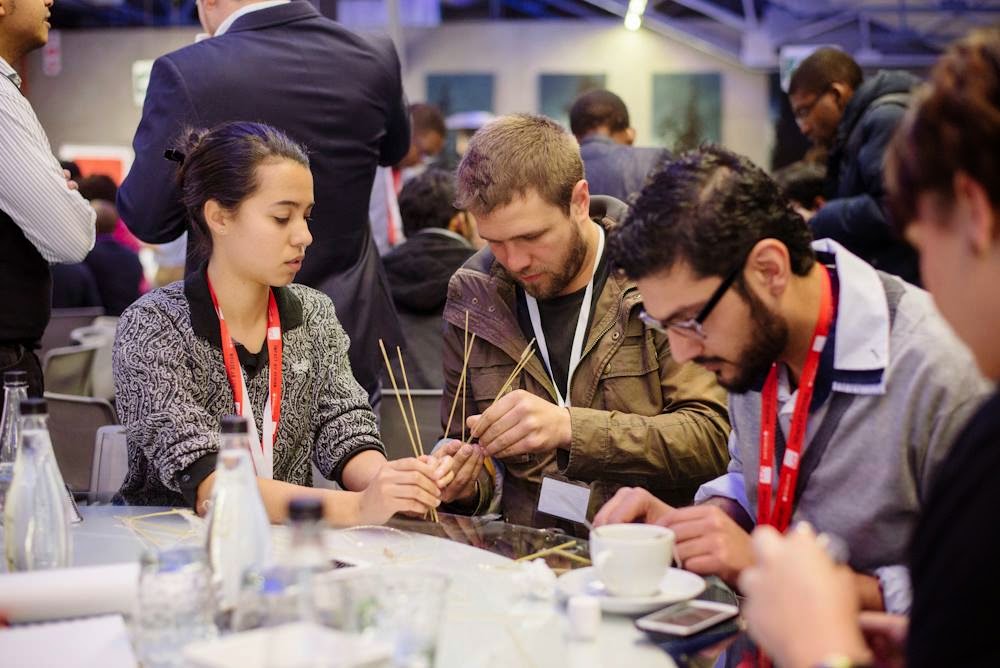
In 2014 while working and living with the Joburg Joburg Creative Collective I was invited to attend the 2014 BYM Summit held in Johanensburg with the theme of Impact by Design.
“Every year we identify 100 new young leaders to join our network. The new recruits first connect at our 5-day summit. Here they teach and inspire each other and, most importantly, act together.
After being inspired by established leaders, which have included Ahmed Kathrada, Advocate Thuli Madonsela, Michael Jordaan, Ketso Gordhan and more, the delegates participate in leadership development and lean start-up methodology up-skilling. Beyond the summit, delegates can use these skills to improve their efforts to change the world.
The culmination of the summit is a team challenge, in which the delegates apply their new skills as they work in teams to design practical solutions to social challenges in the form of sustainable initiatives or businesses with a social impact. It is our aim that all viable solutions come to life by entering into an exclusive BYM incubation fund.
After the summit, delegates officially become part of the BYM network and have access to things like intra-network mentorship, leadership development, networking and further access to funding and business support.
Summit applications are open to 20-32 year olds that are African or living in an African country. We select based on the applicant’s demonstration of their commitment to action and social impact. Even though the summit focuses on very practical up-skilling, we pride ourselves on selecting a rich diversity of delegates, including artists, engineers, scientists, consultants, public servants, civil leaders and more!
All summit costs, including lodging, food and transportation once at the summit are covered. However, those invited to the summit will be asked to cover their travel to and from the 5-day event.”
Jhono Bennett (University of Johannesburg) facilitated a workshop discussing Johannesburg as a city, the larger movements of national government in the face of the national housing challenge and how spatial designers are working within these larger issues. The workshop was supported by a Q & A panel discussion with Baraka Mwea from UN Habitat, Eric Wright and Claudia Morgado (UJ), UoN planners, architects and student representatives including: Adnan Mwakulomba Abdi (chairman), Ms. Hellen Nzainga, Dr. Joseph Kamenju, Prof. Anyamba Tom Tebesi and Dr. Kákumu Owiti Abiero.
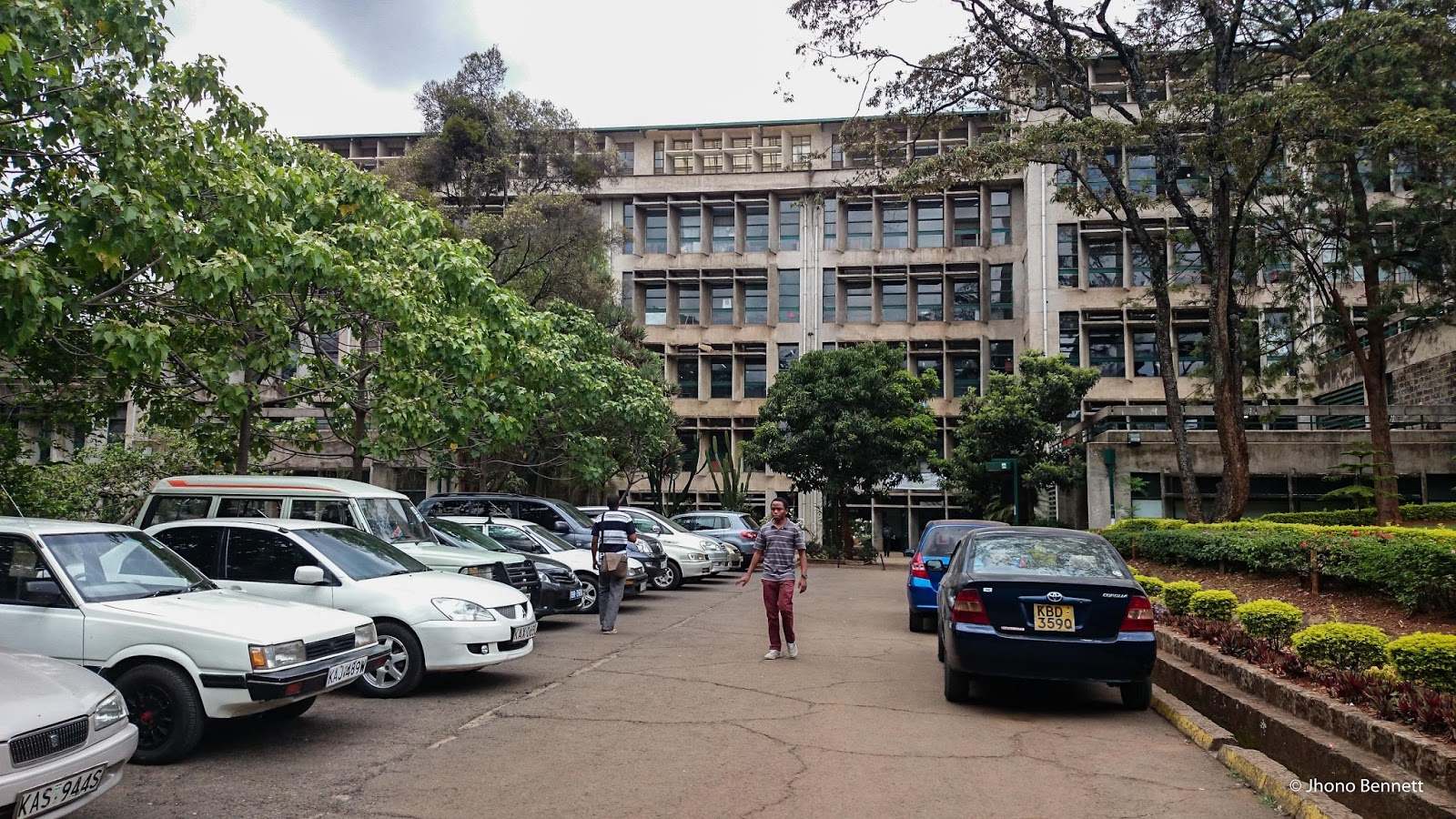
University of Nairobi – Architecture Department
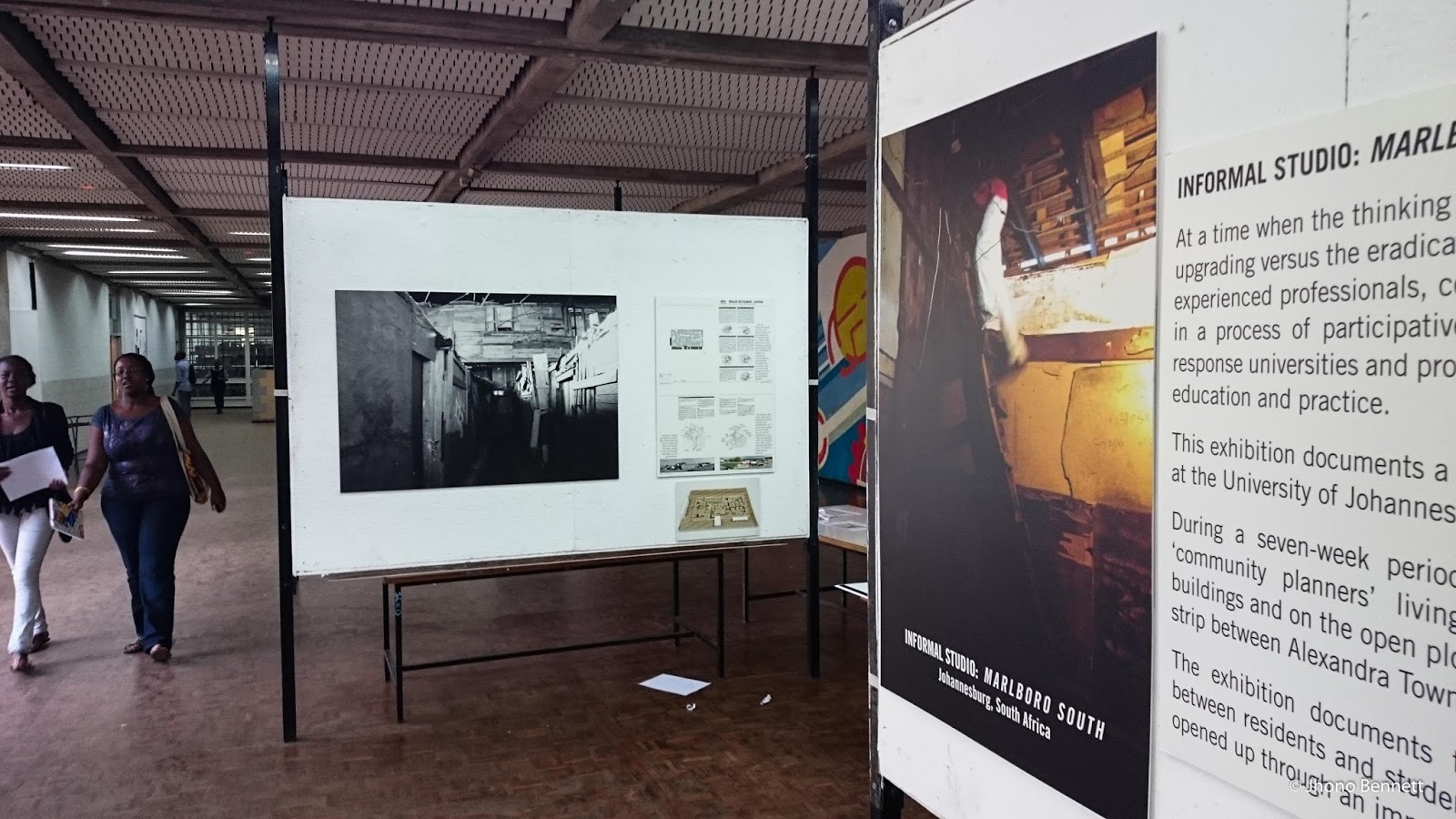
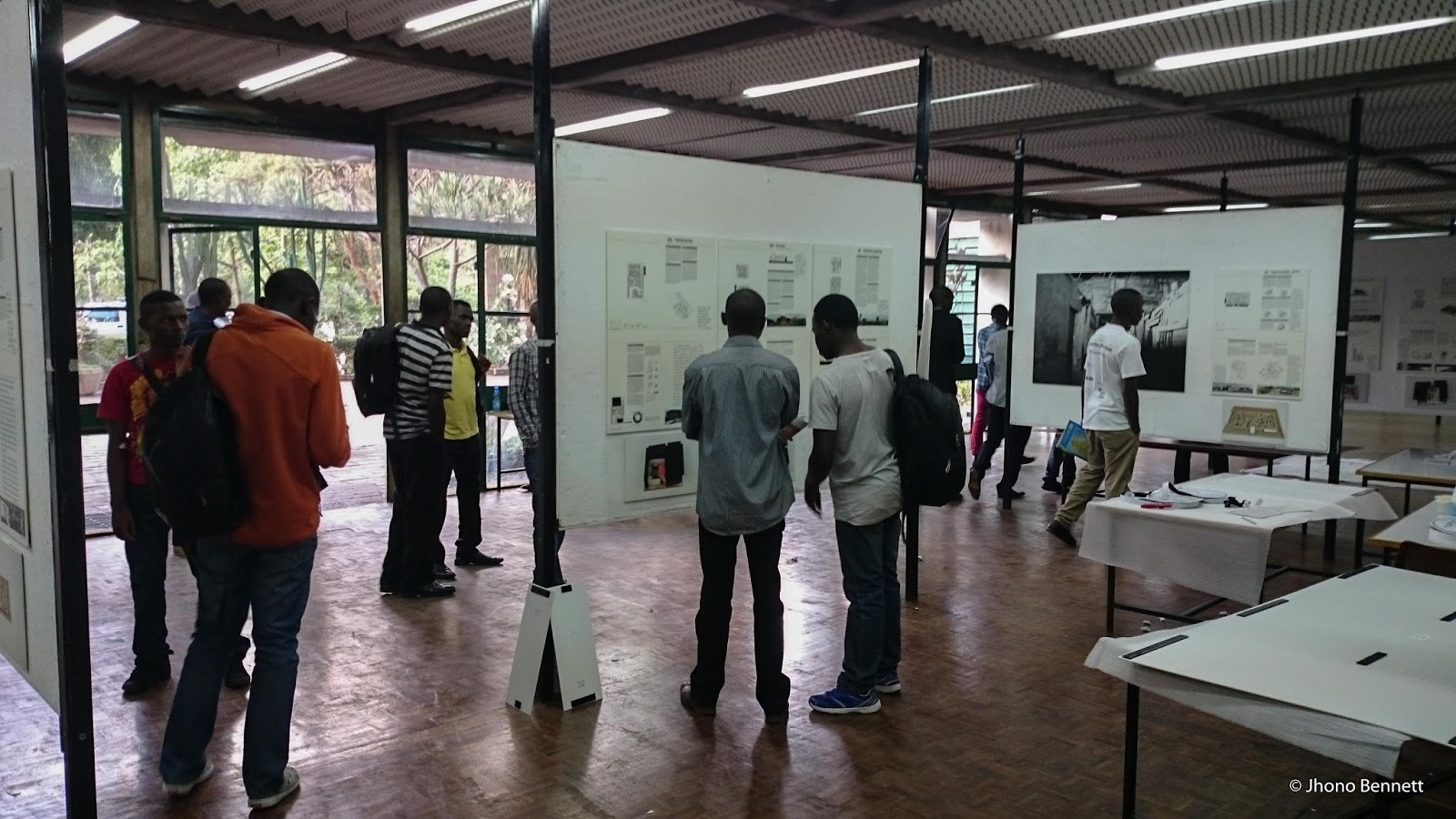
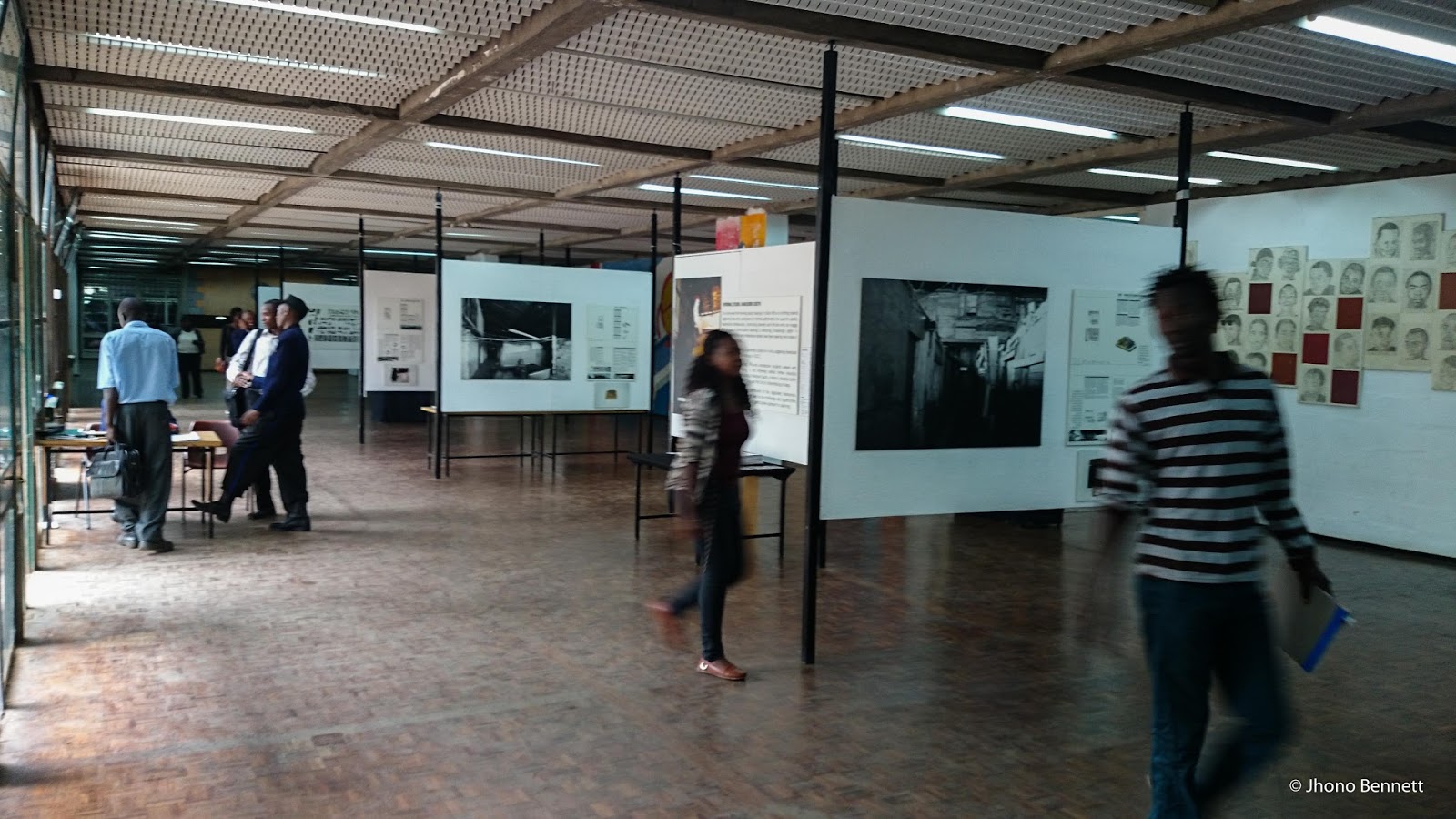
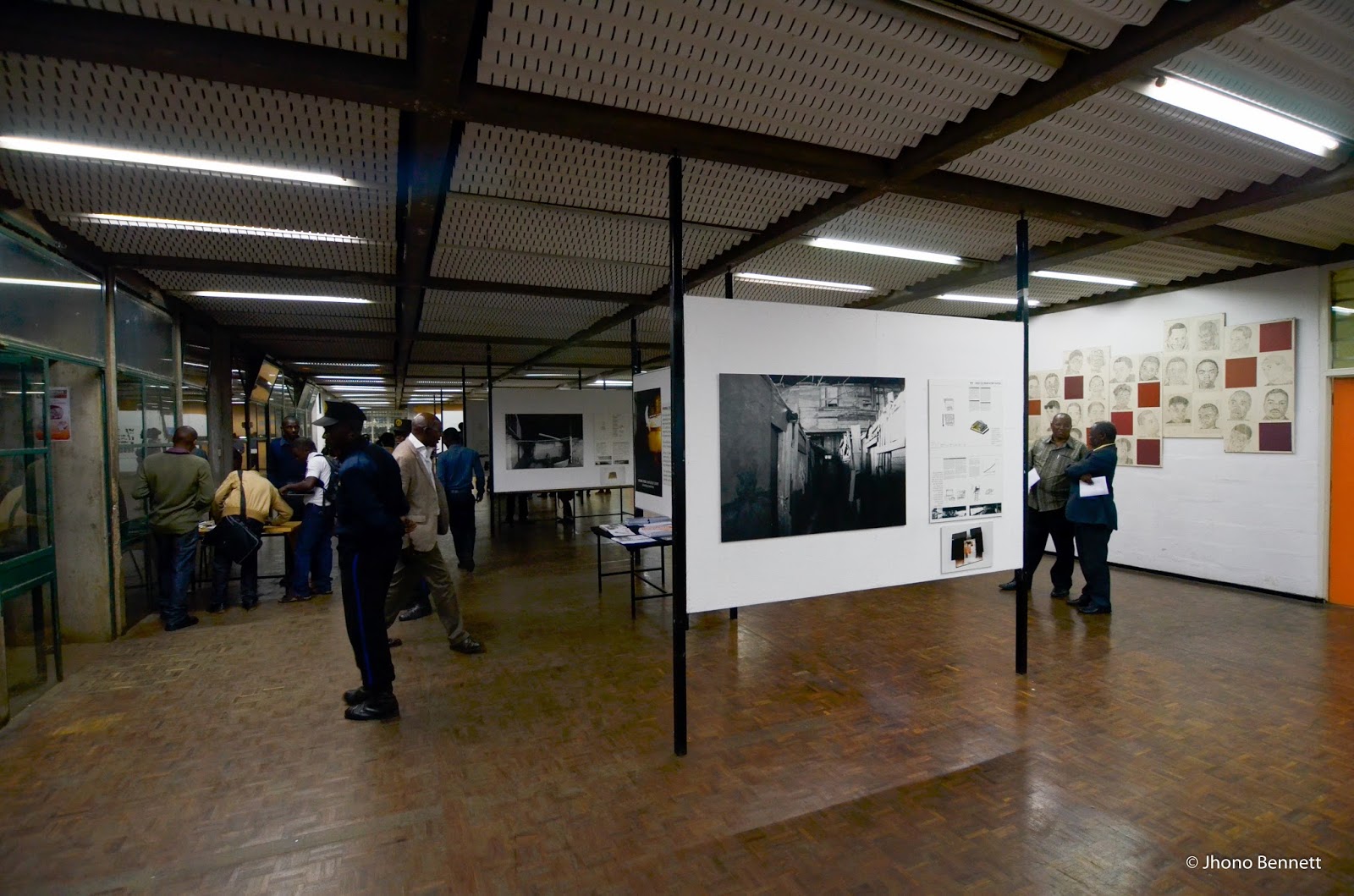
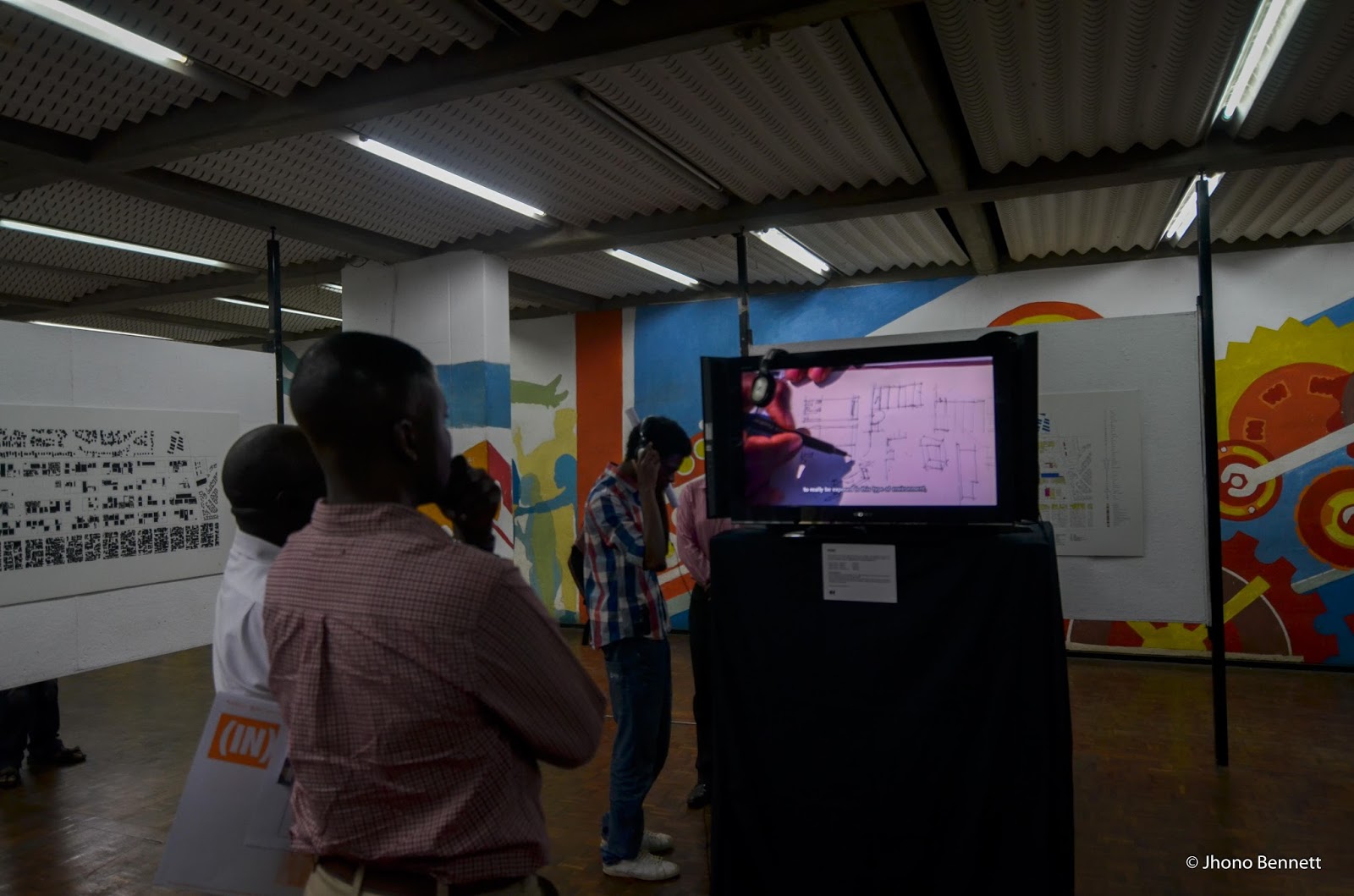
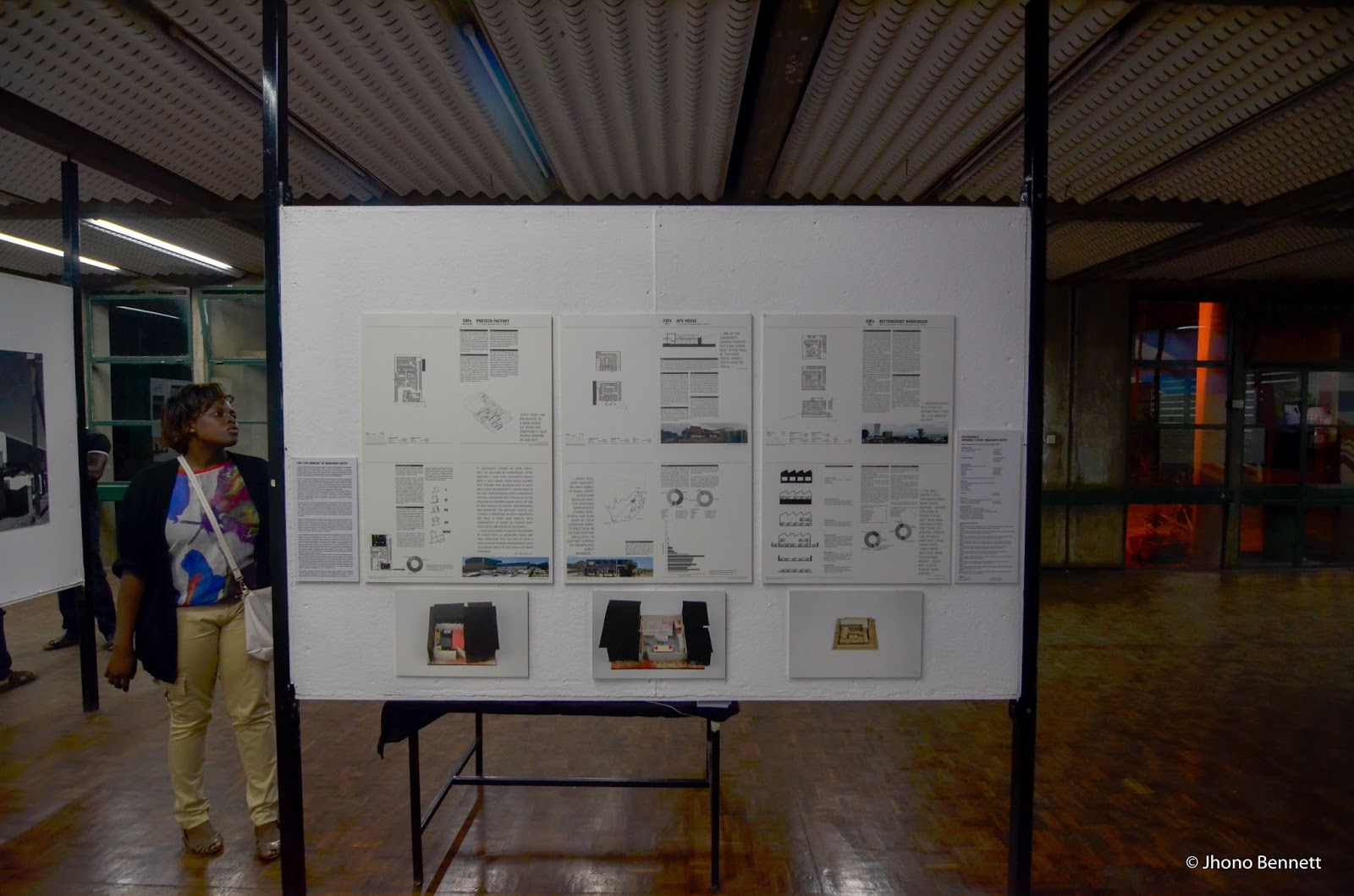
A travelling exhibition on the INFORMAL STUDIO: MARLBORO SOUTH documents the outcomes of the studio and its post-course engagement. It seeks to demonstrate the value of participative design practice in education and practice towards developing contextually founded and achievable approaches to city-making. At the same time, it portays the complexity of engagement across cultural, social and economic divides and makes a case for the redefinition of the role of the professional from top-down expert to grass-roots agent.
This process is captured in multiple narratives which take the form of drawing, maps, diagrams, models, comic and film. The exhibition was curated by Anne Graupner of 26’10 south Architects and its content has been shown in various local and international fora, including the South African Presidency.
University of Nairobi – Architecture Department
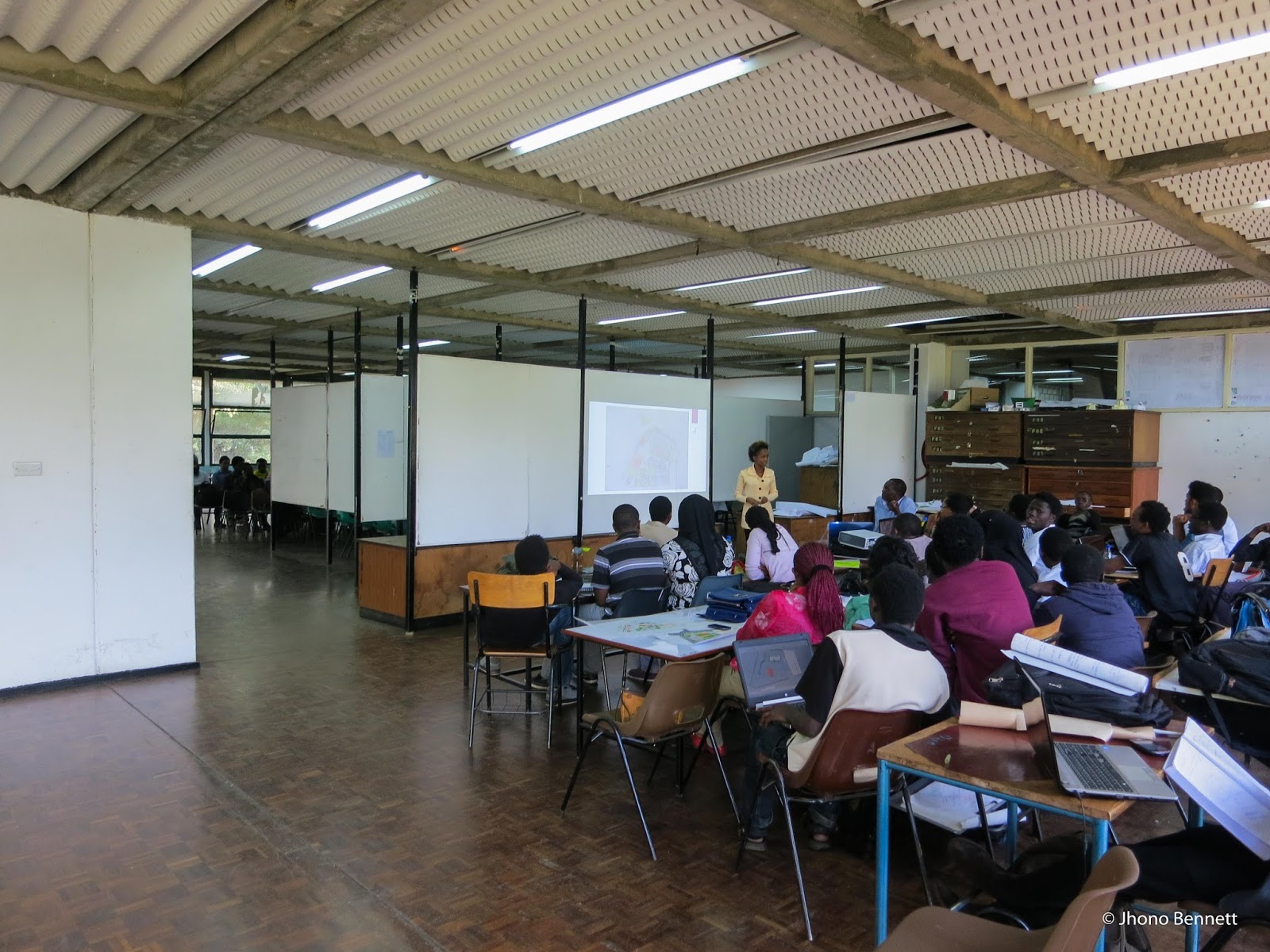
University of Nairobi – Architecture Department Studios
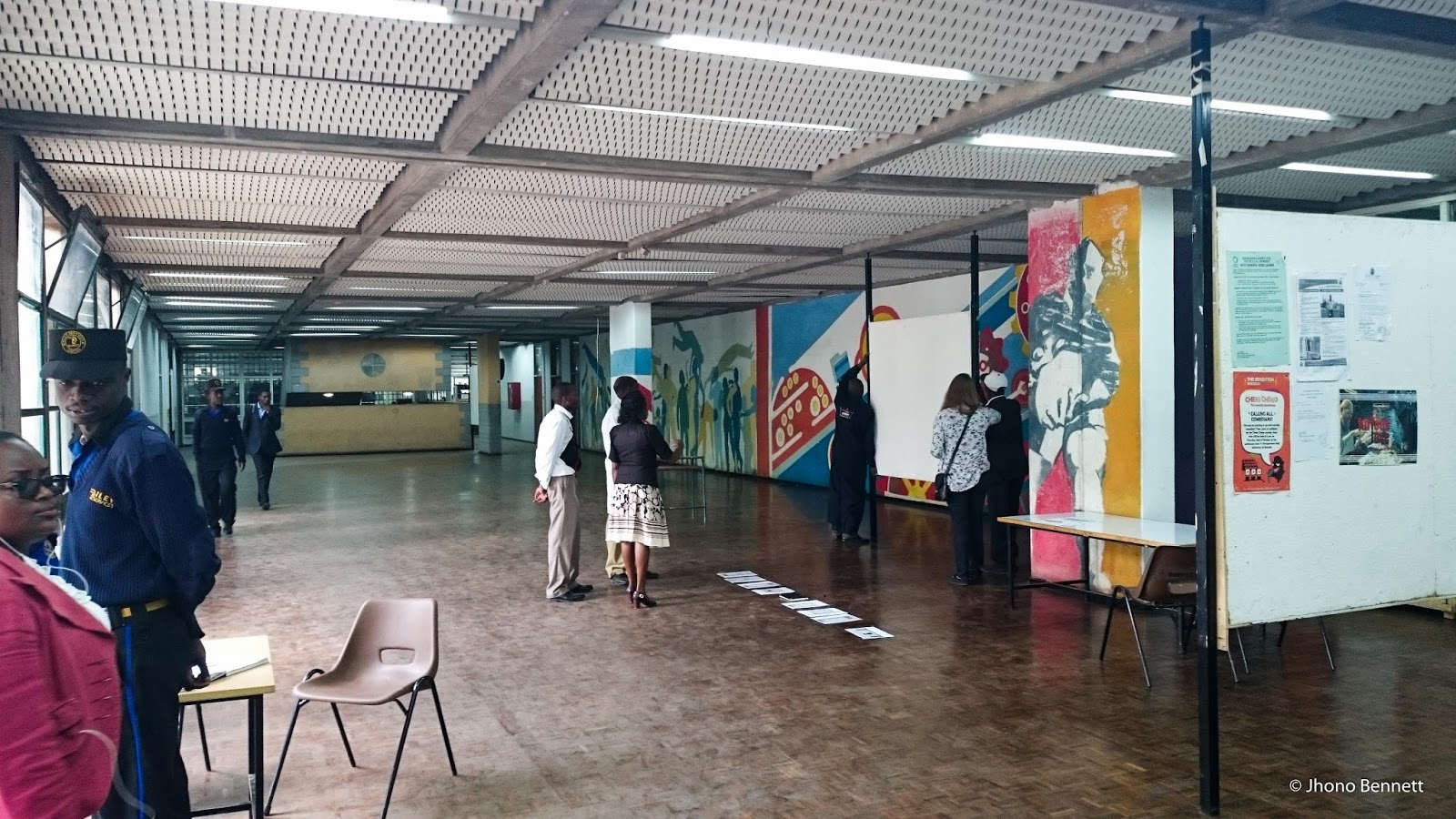
Setting Up
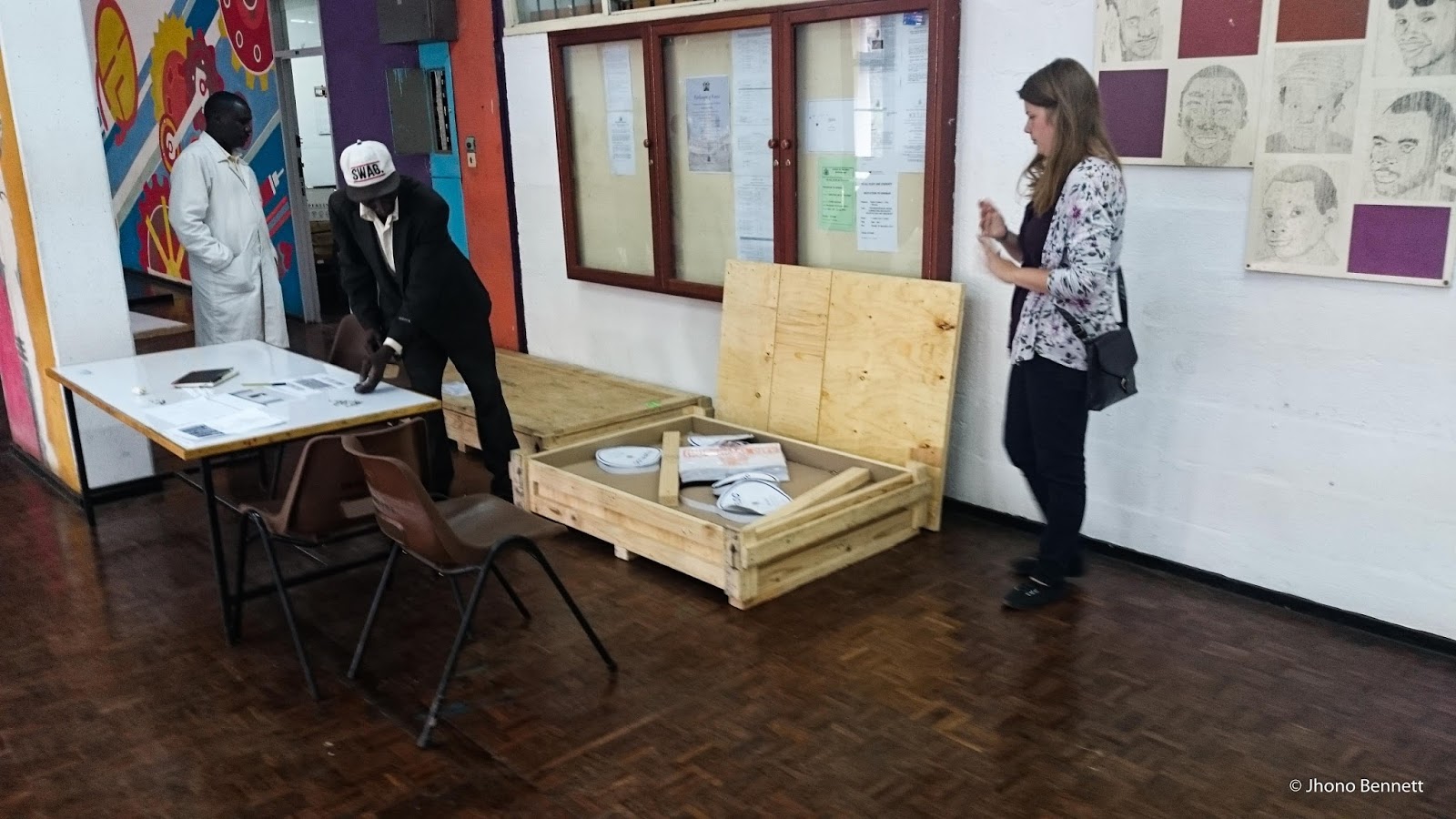
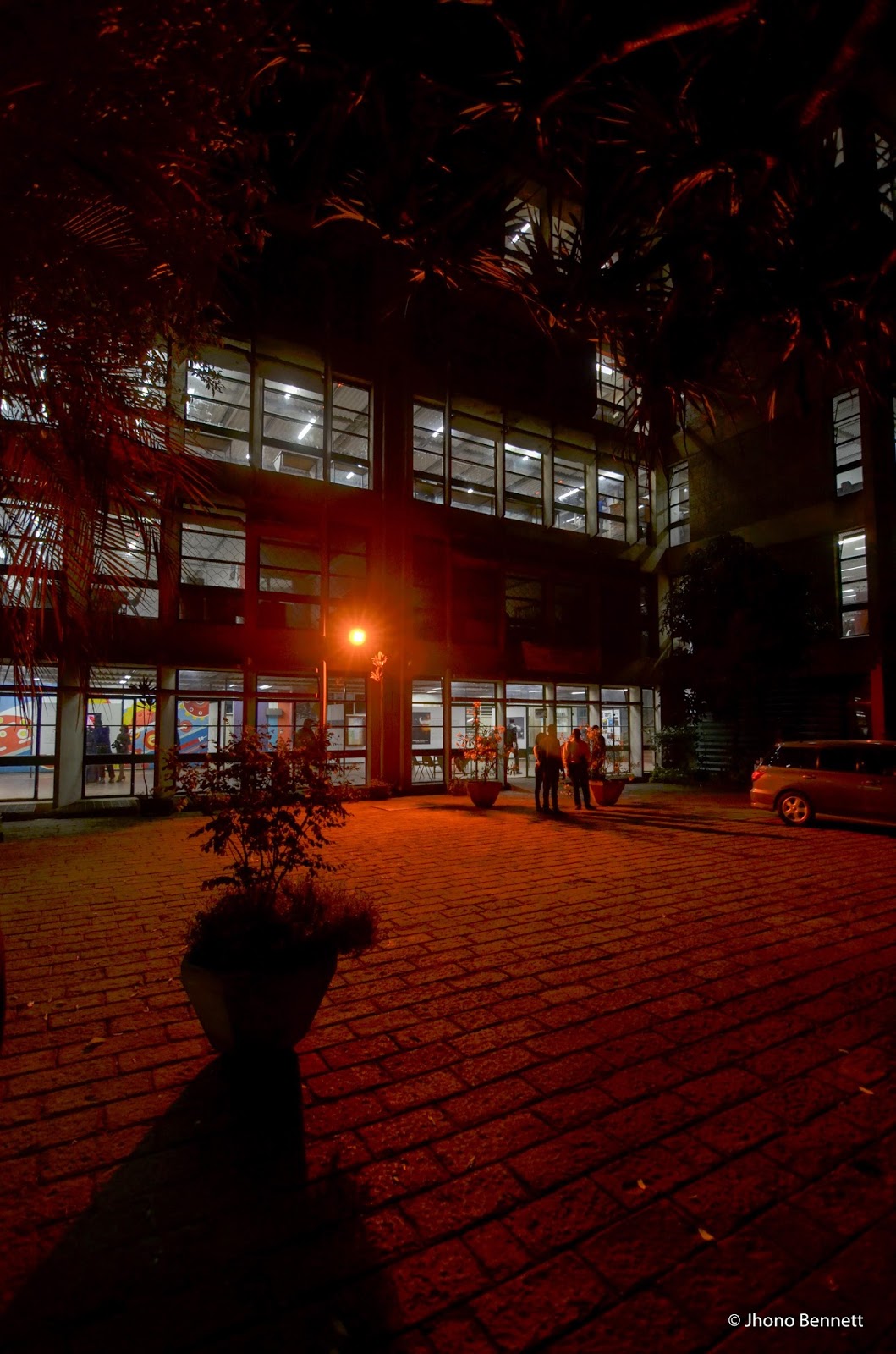
I arrived 1 week before the opening to lead the exhibition set up which with the support of the Goethe and the staff at the University of Nairobi’s Architecture Department went very smoothly.
Having the exhibition in the entrance hall of the Architecture Department was a crucial decision, as this gave maximum exposure to the students as it stood here for 1 month after the opening,
Opening Night
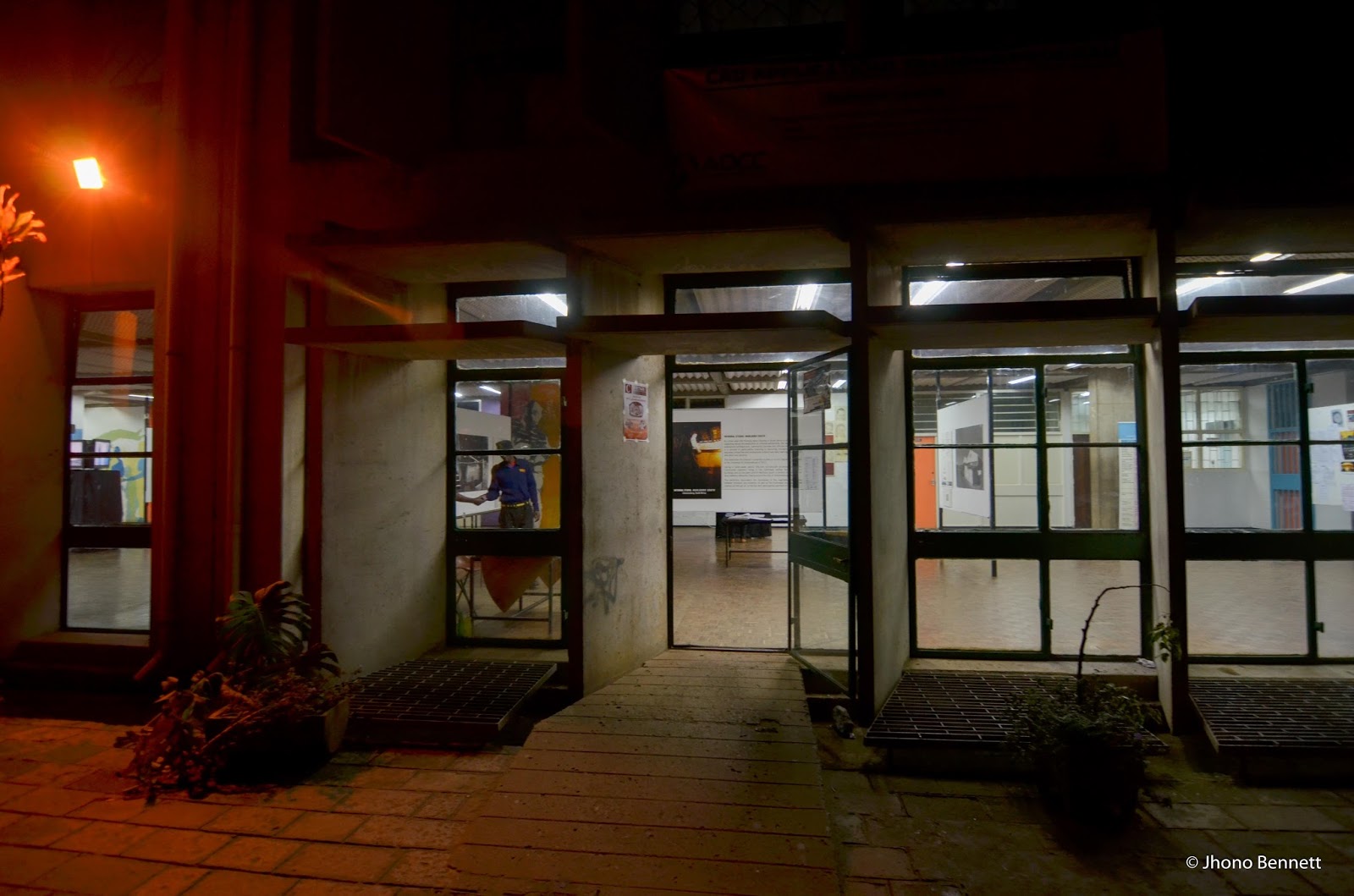
The exhibition was opened to a busy night, which included a short presentation by the Goethe, the head of school and myself on behalf of the Informal Studio team.
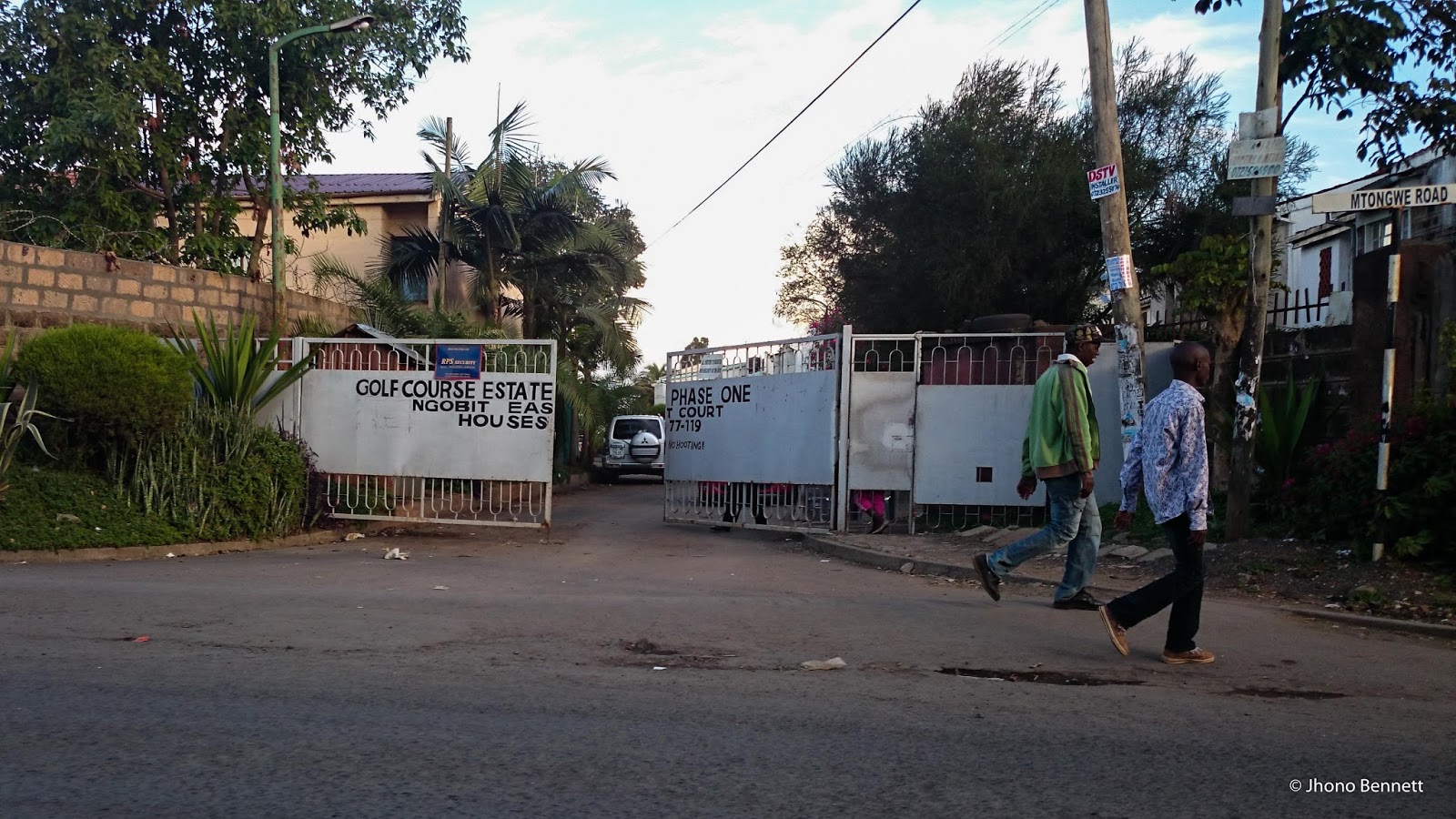
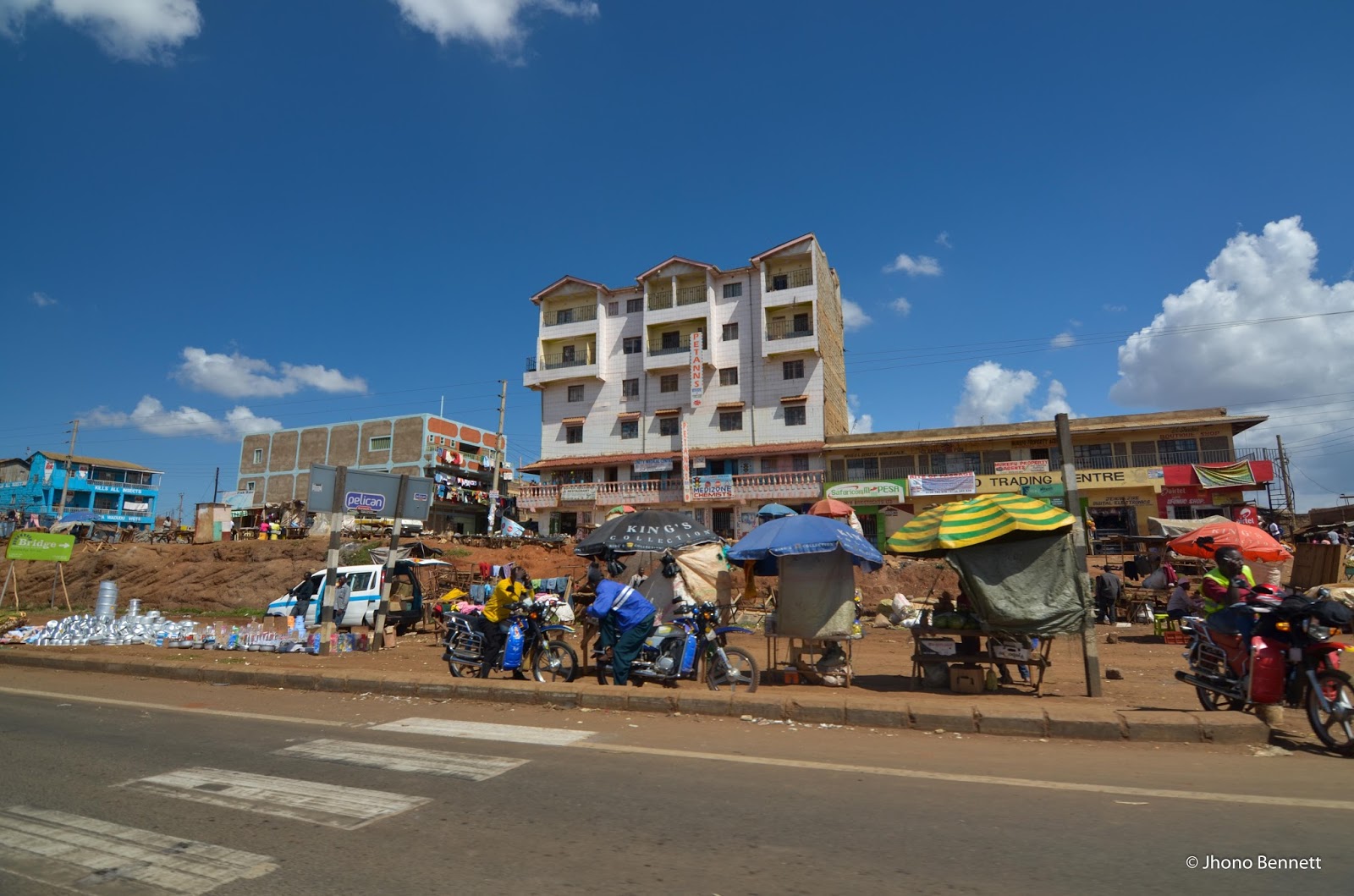
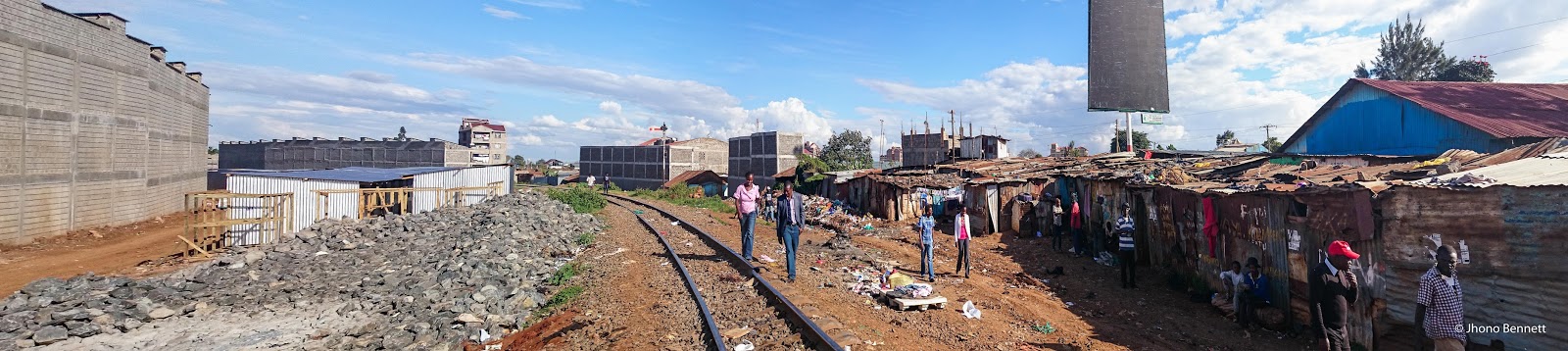
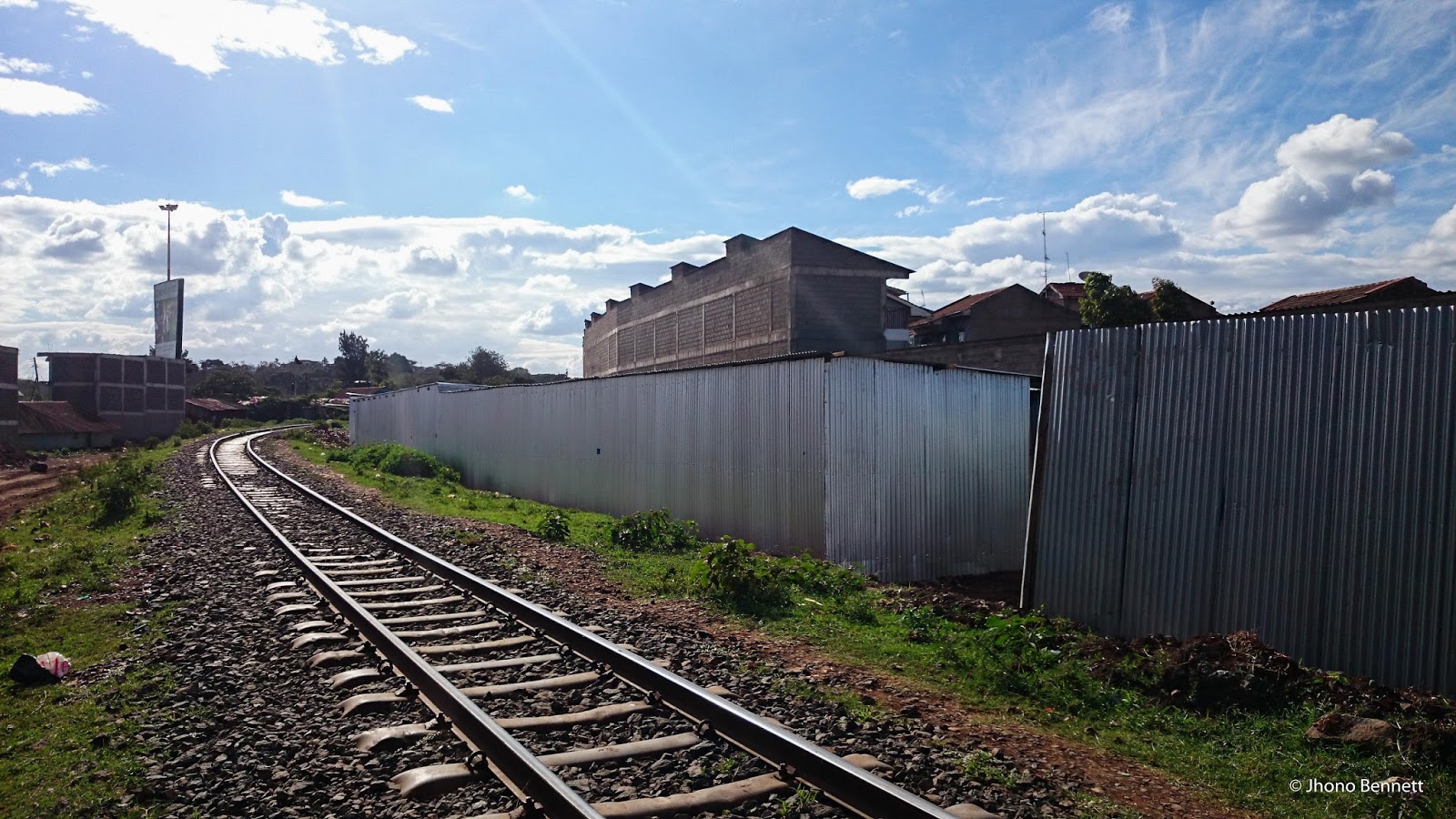
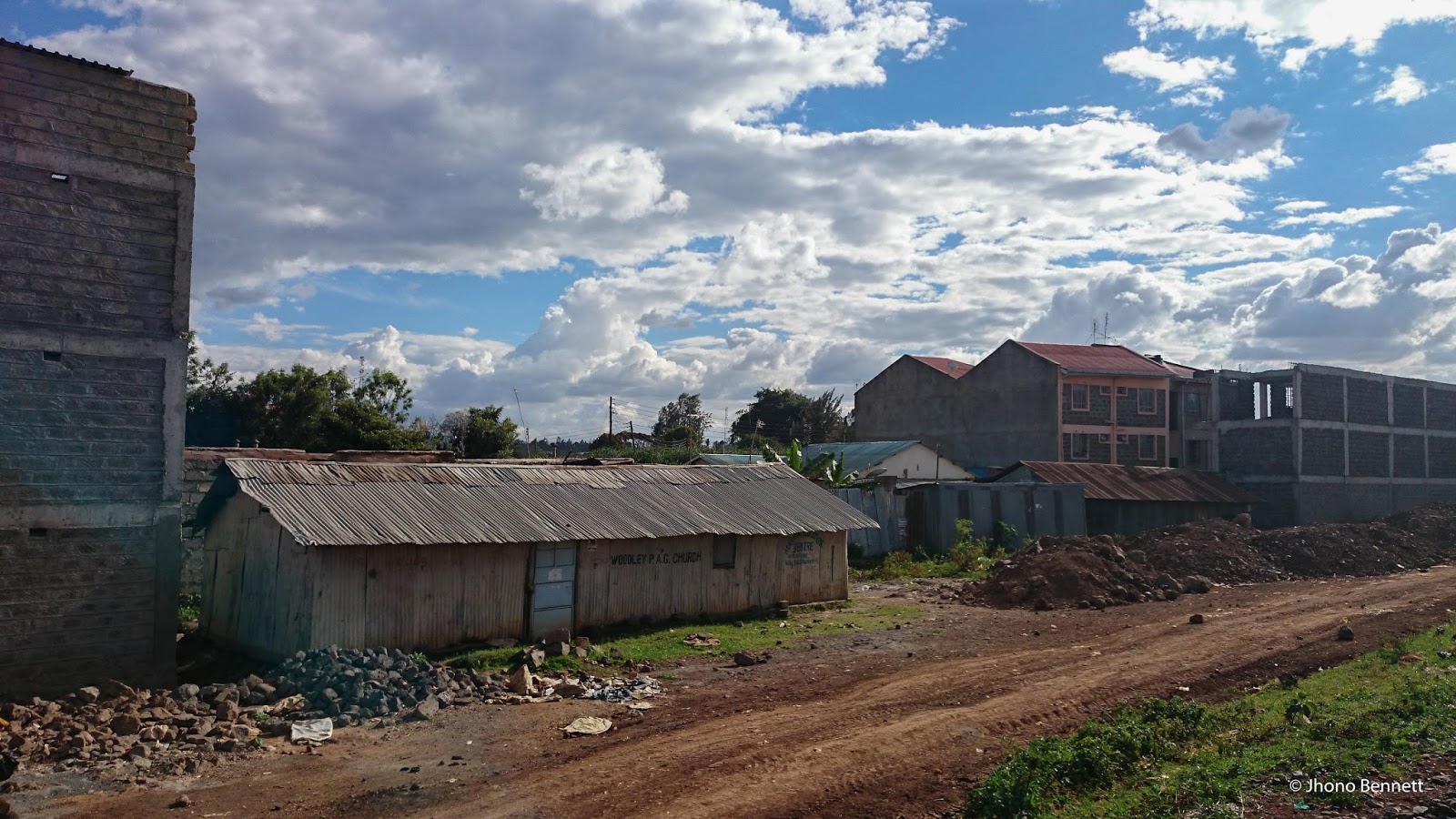
Exploring Nairobi
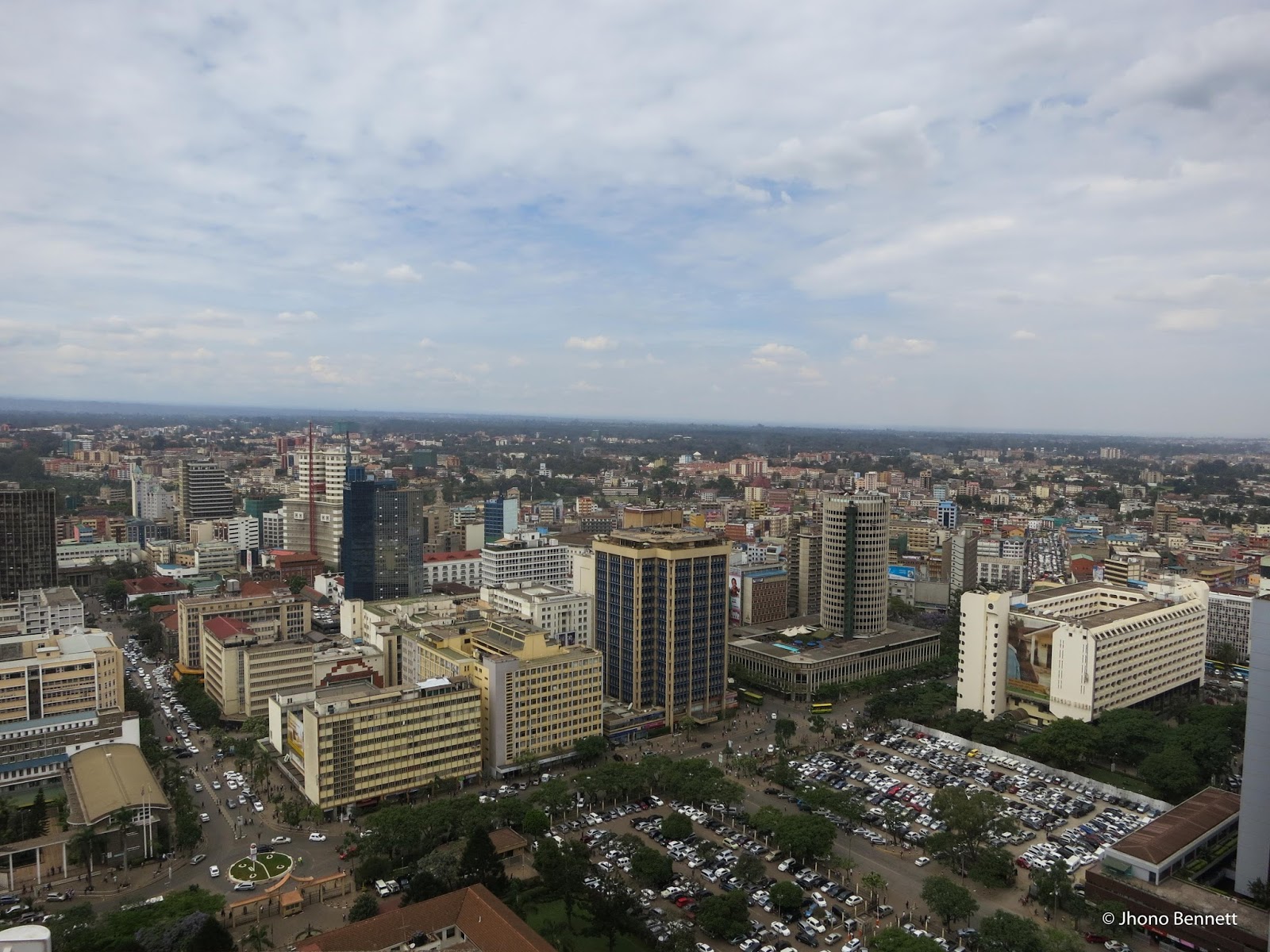
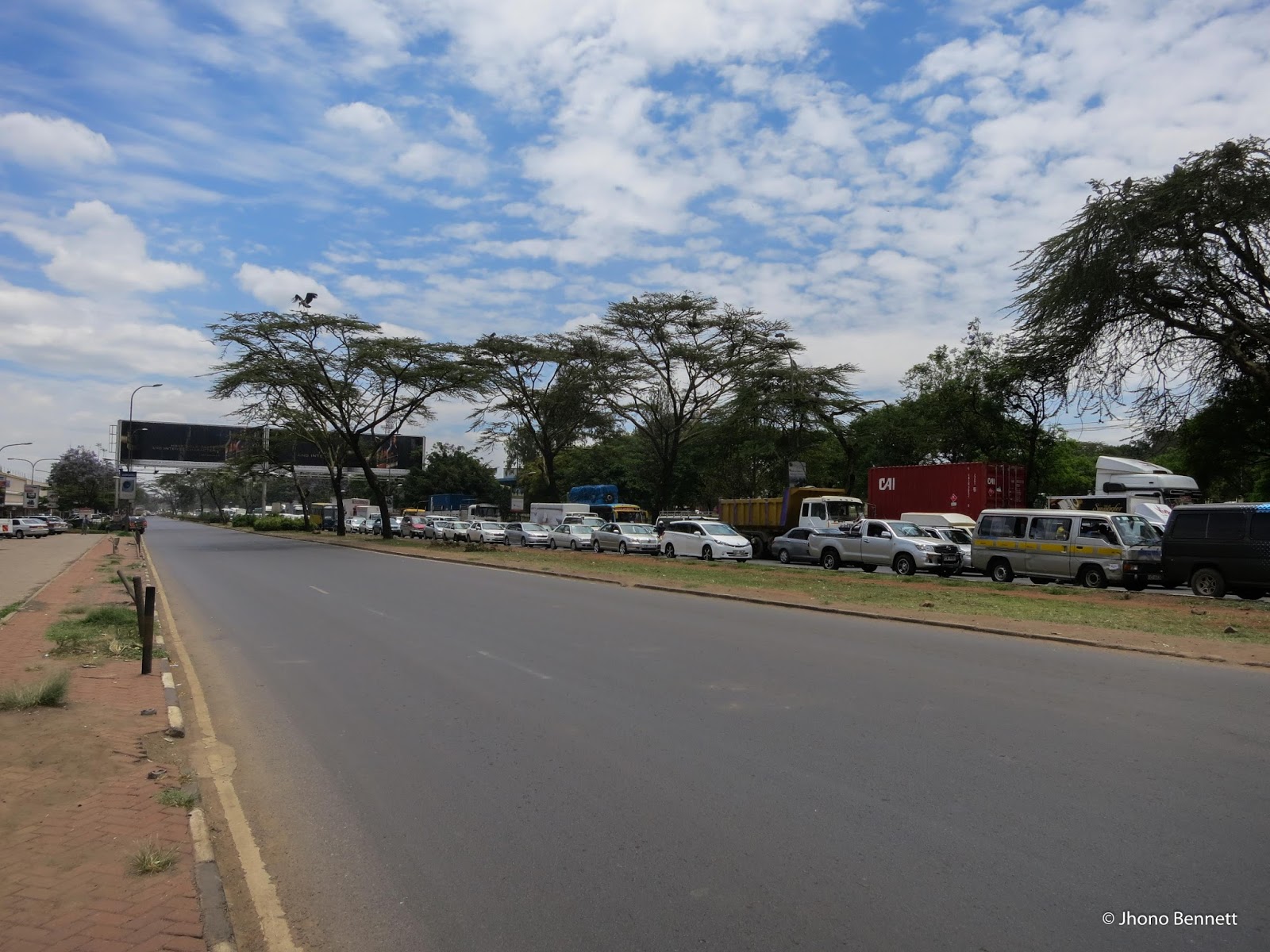
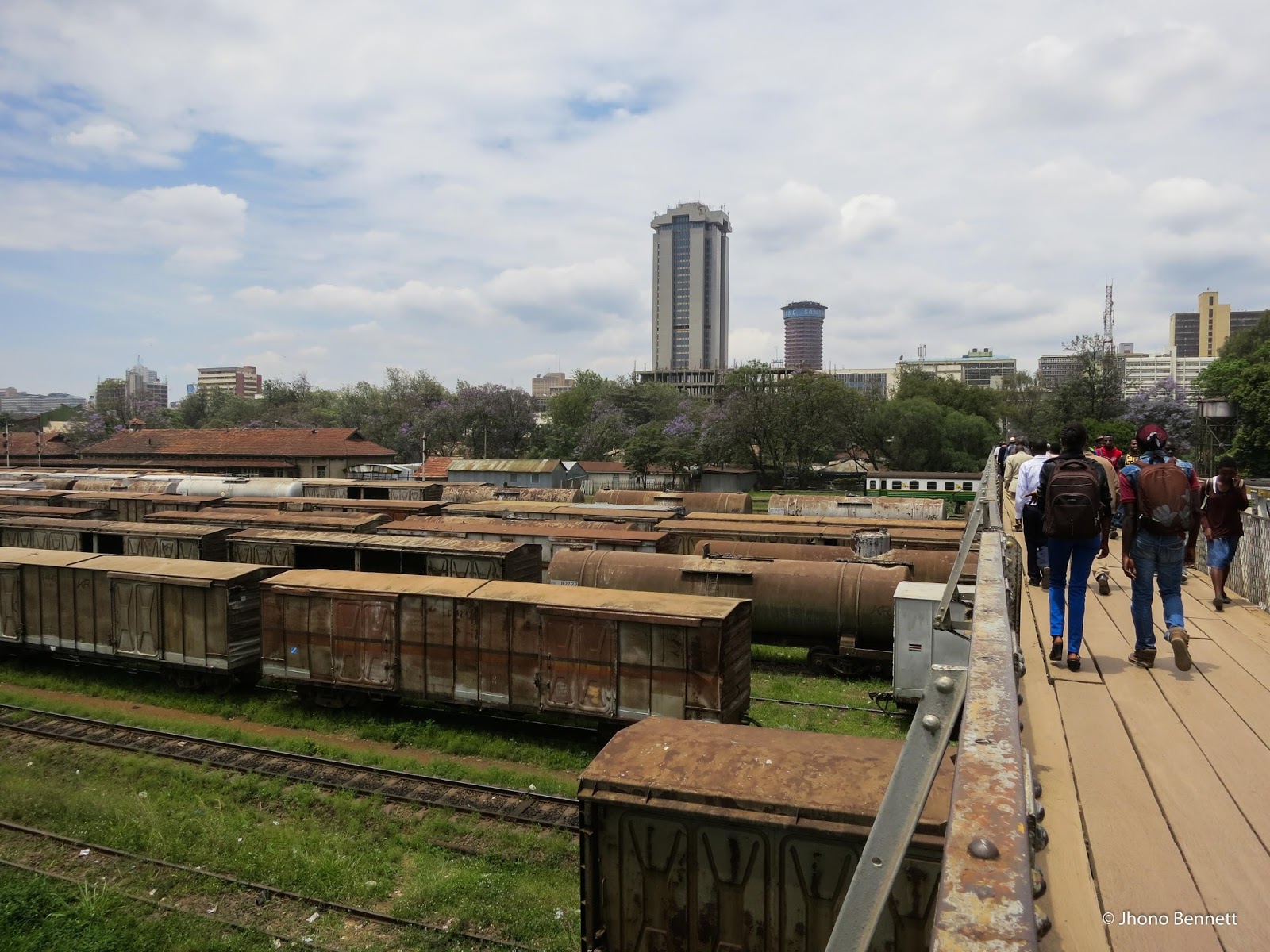
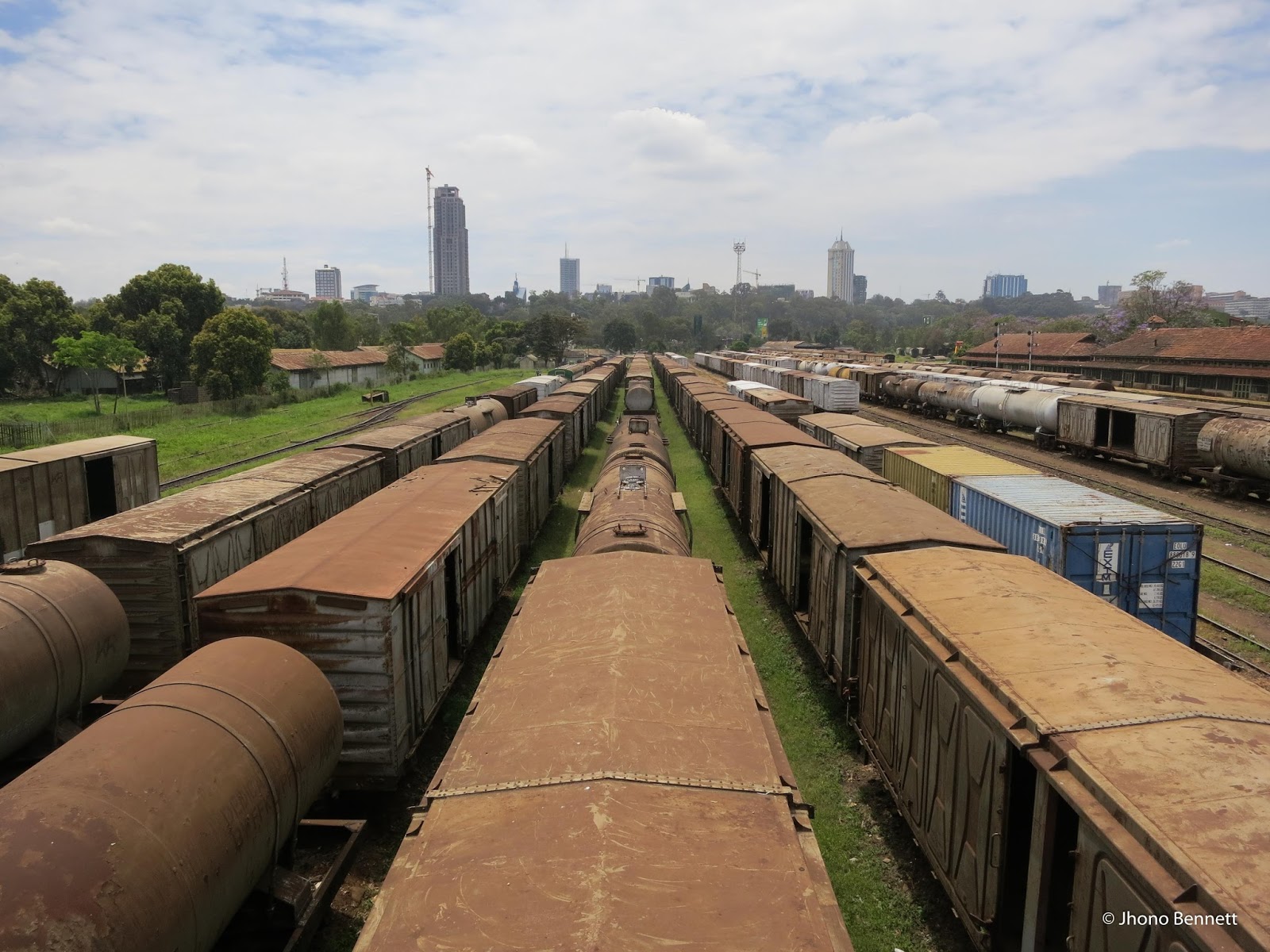
I purposefully extended my trip to allow time to explore Nairobi and meet with other design practitioners working in Nairobi.
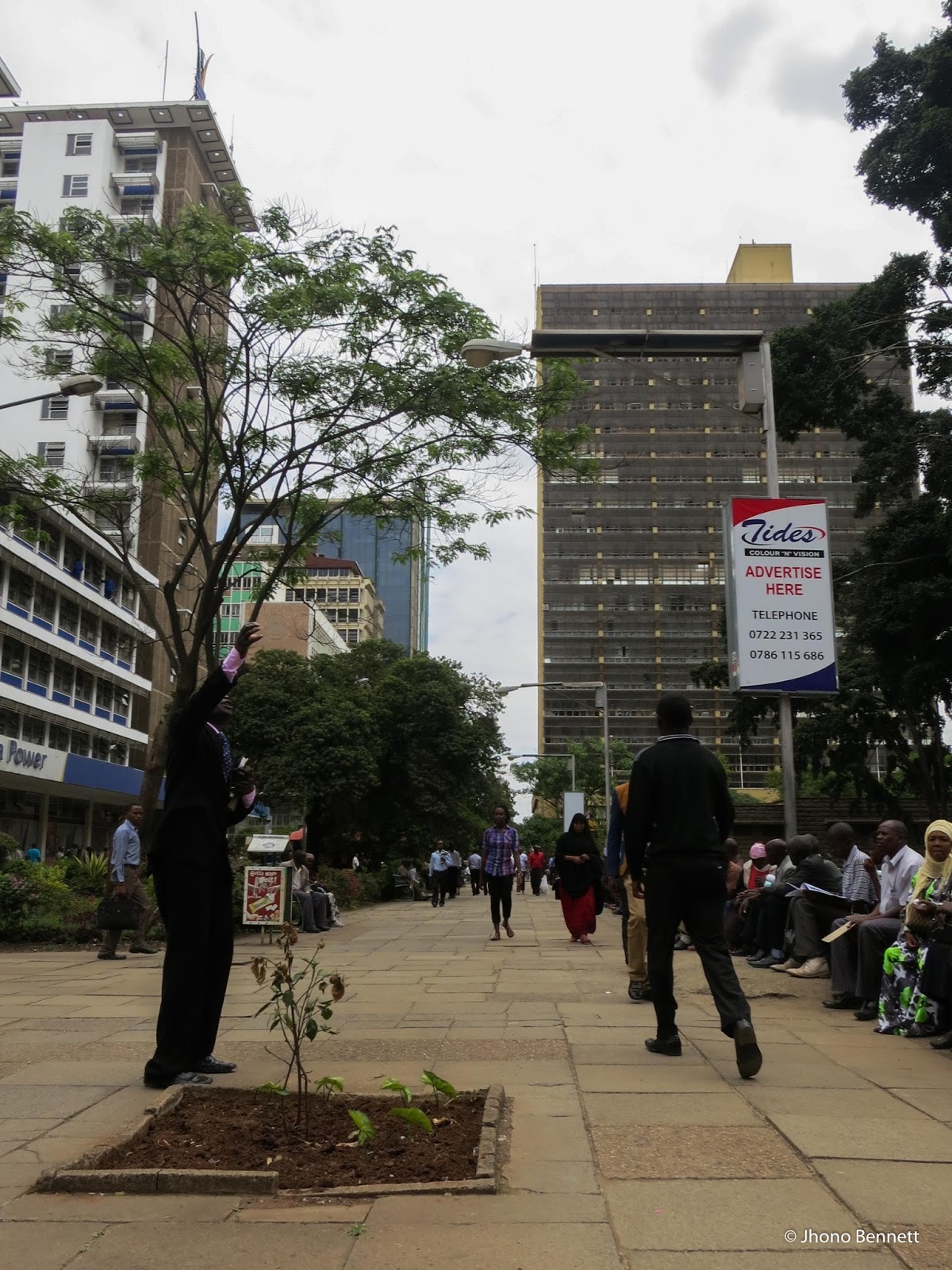
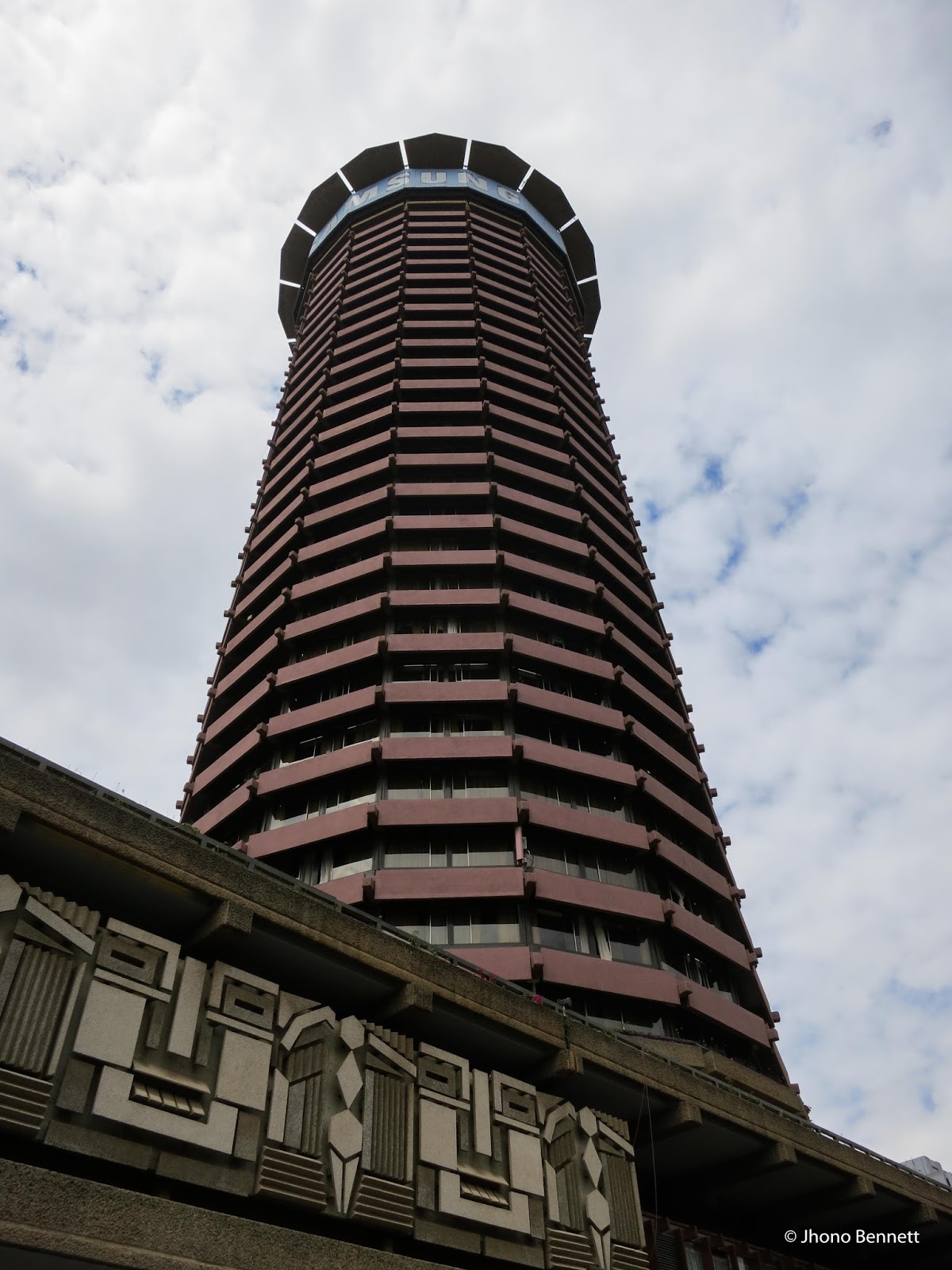
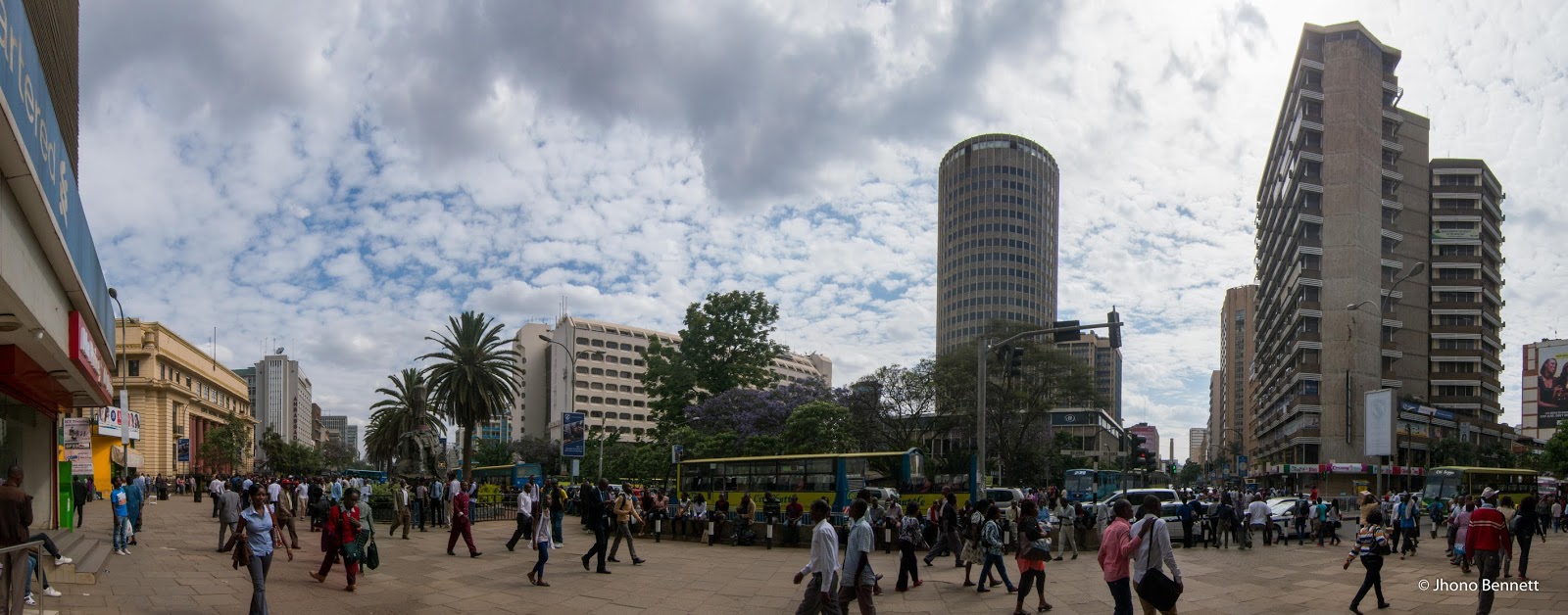
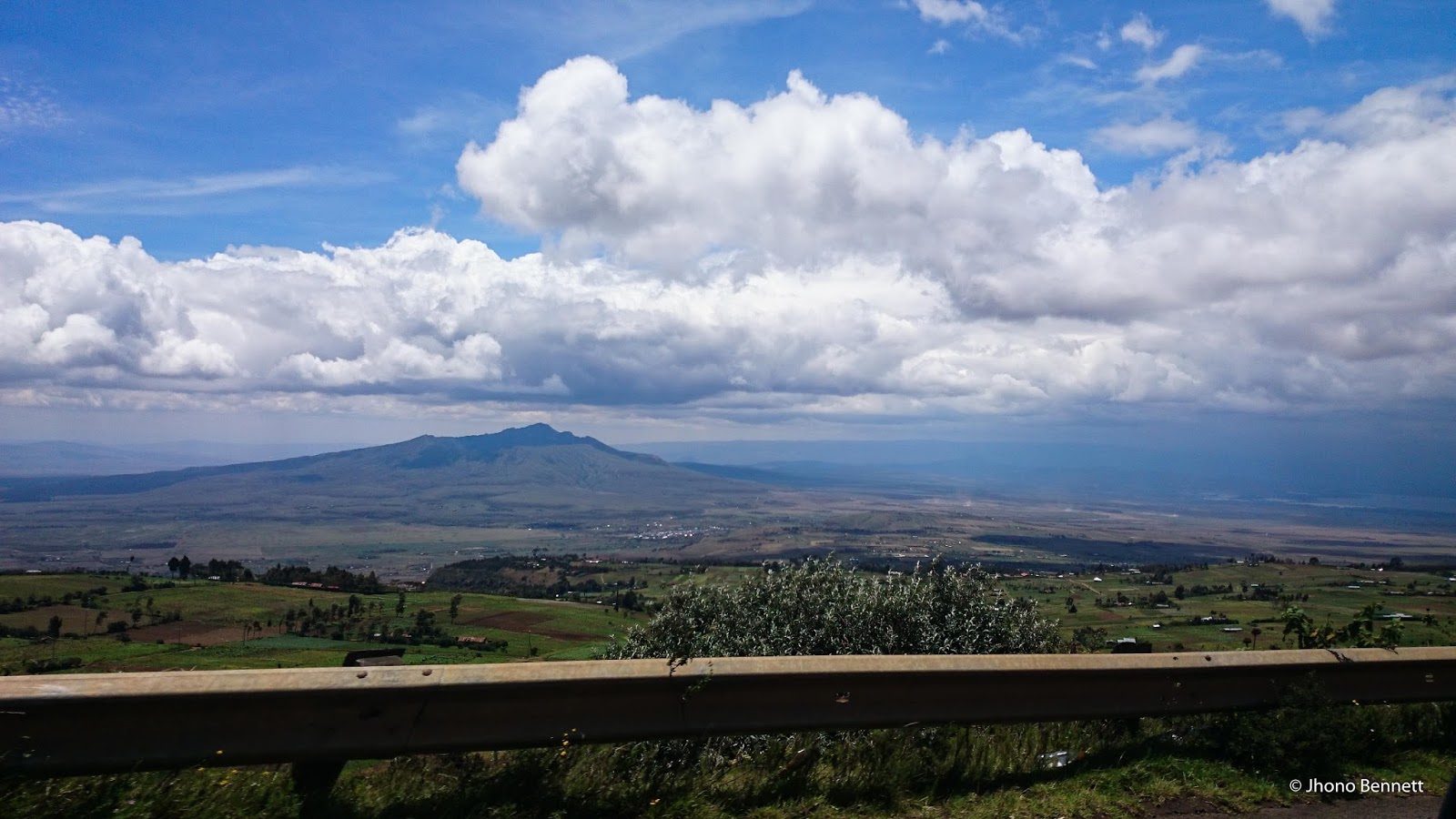
Nairobi Sky-Line
Dreaded Nairobi Traffic
Nairobi Train Station
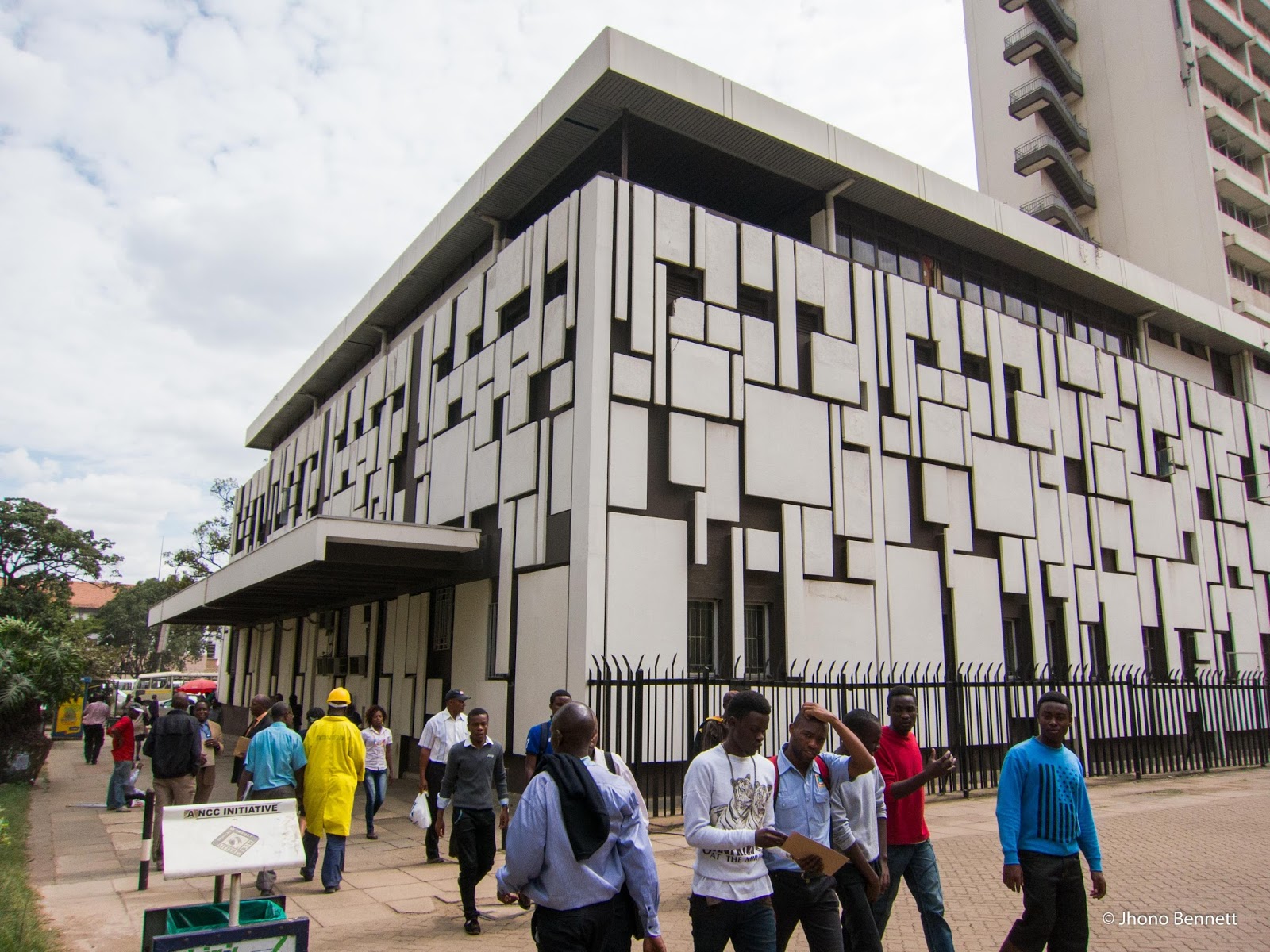
Nairobi Public Space
Infamous Boda Bodas
Nairobi felt like a mix of my home town of Durban with the energy of Johannesburg. From alter discussion I discovered Nairobi was actually planned by a South African planner in the 1940’s and bares many of the same socio-spatial ills of South Africa cities.
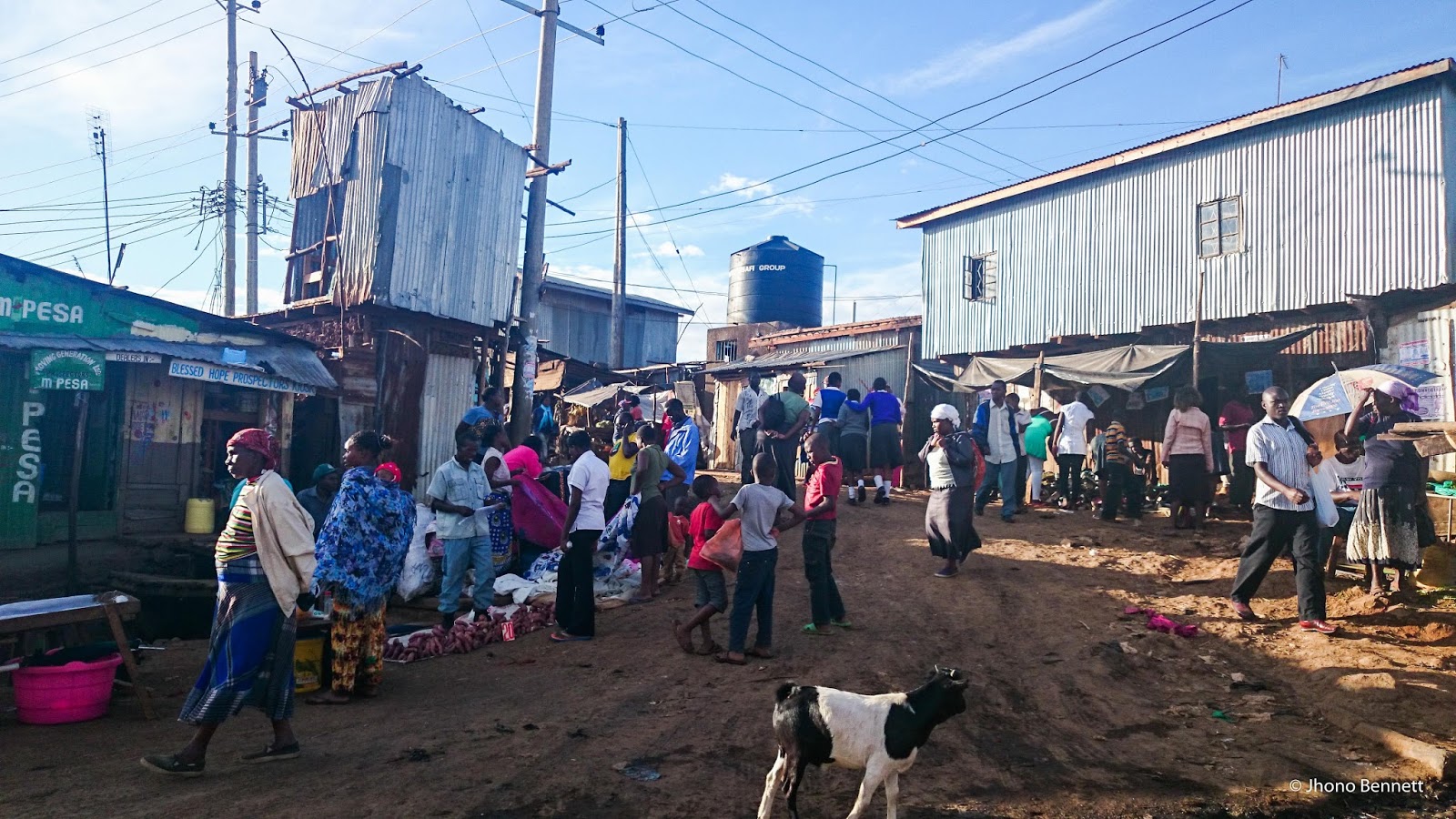
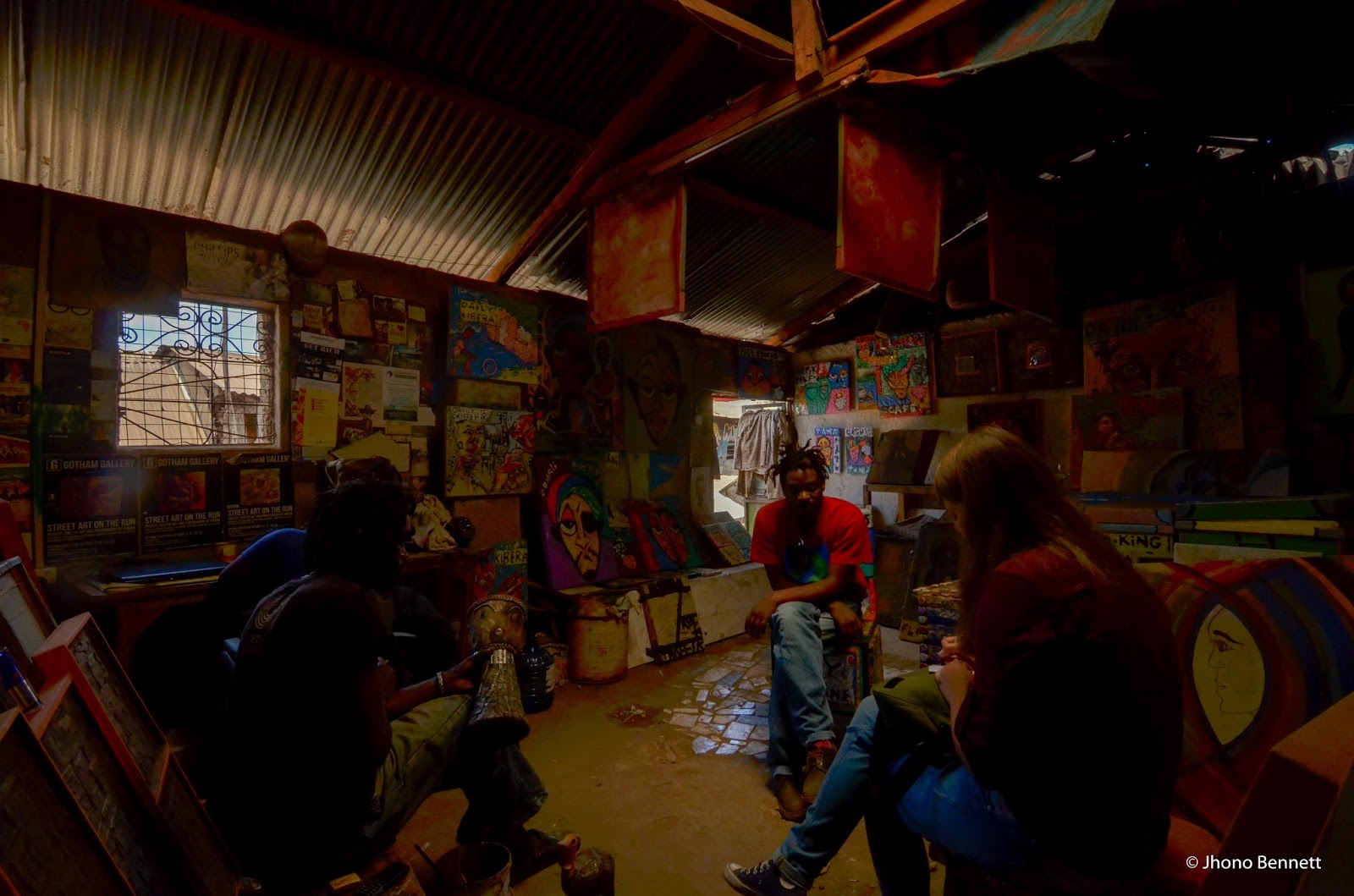
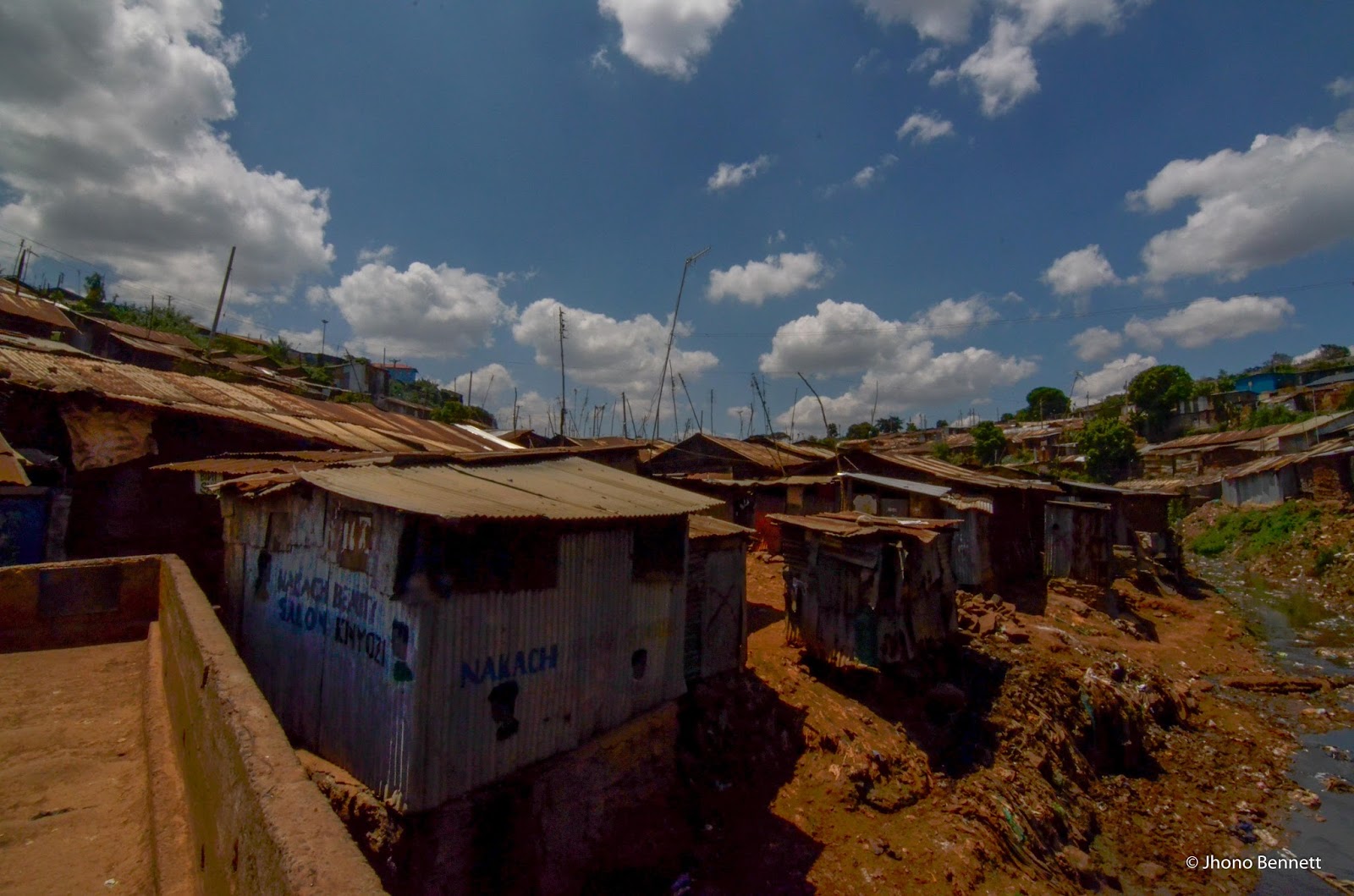
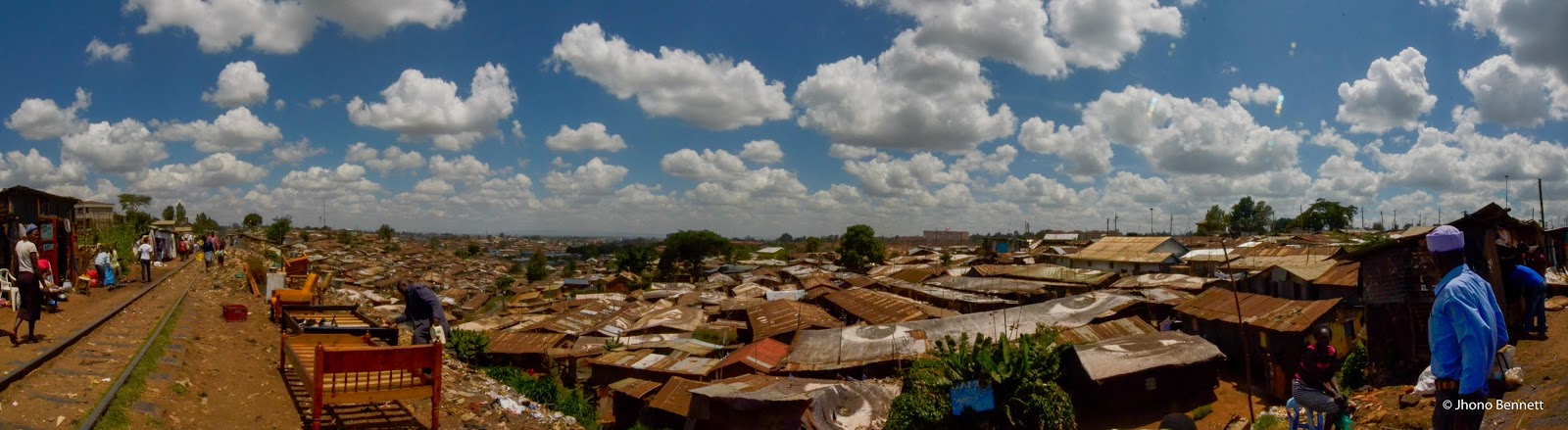
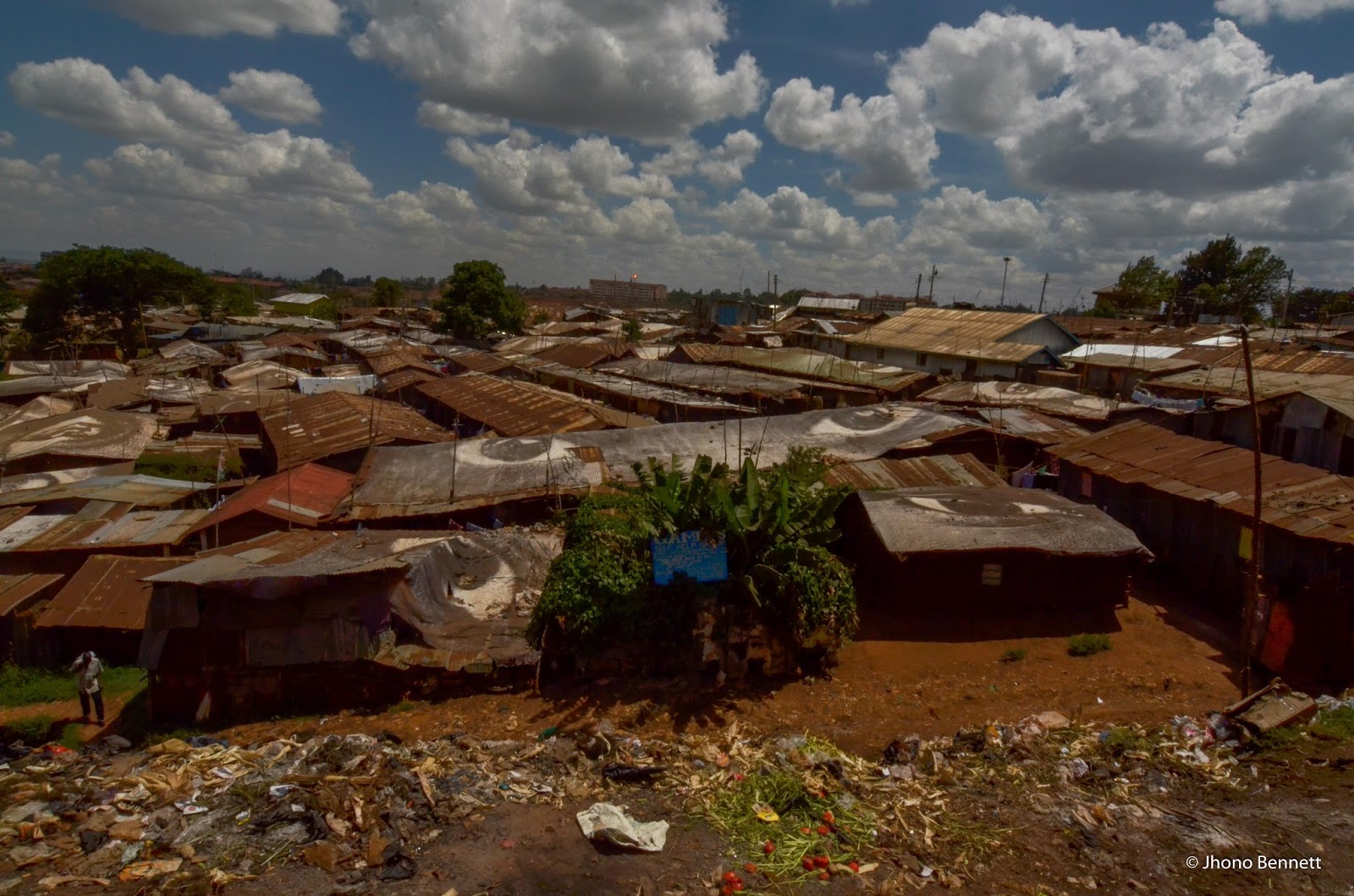
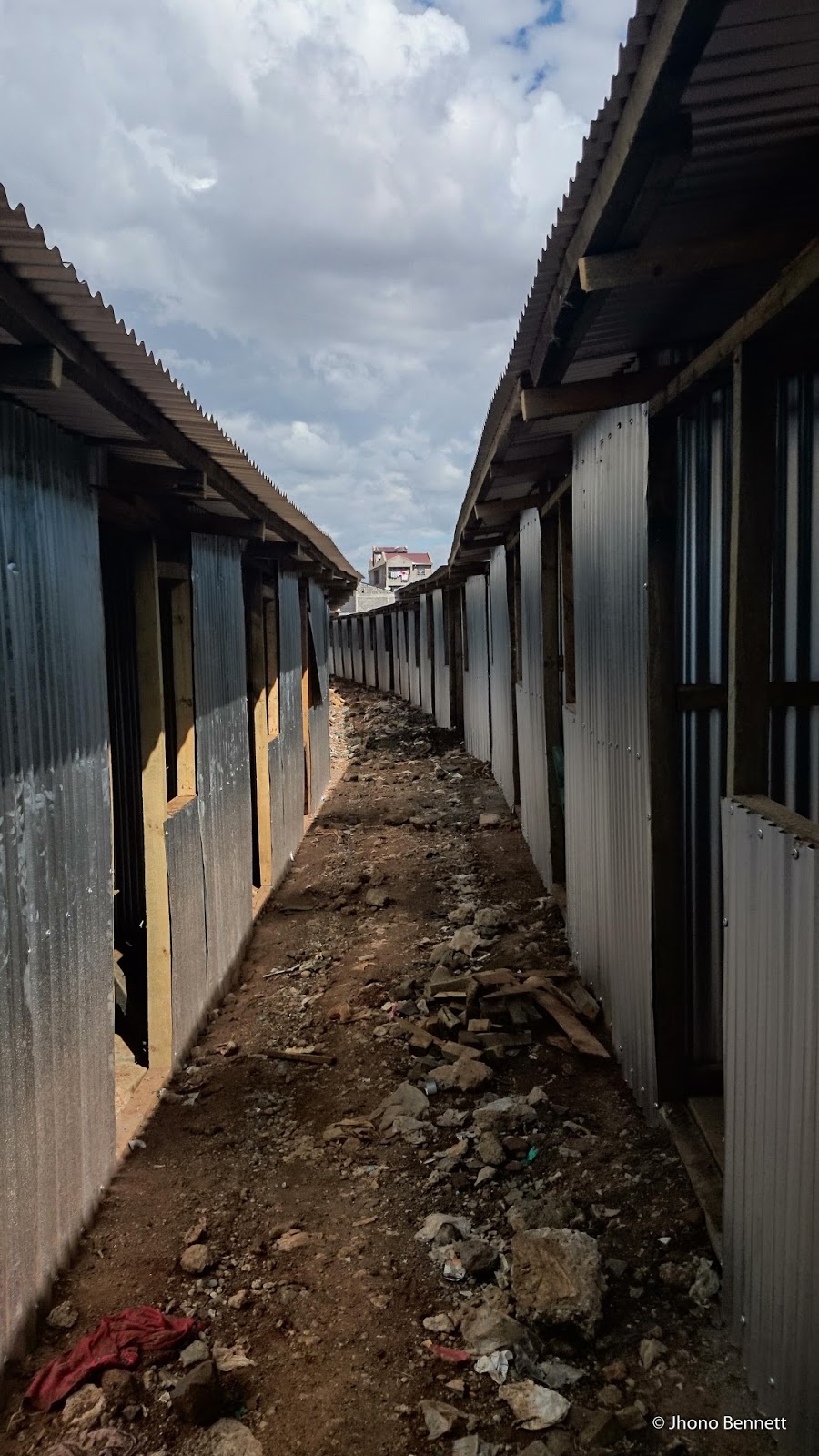
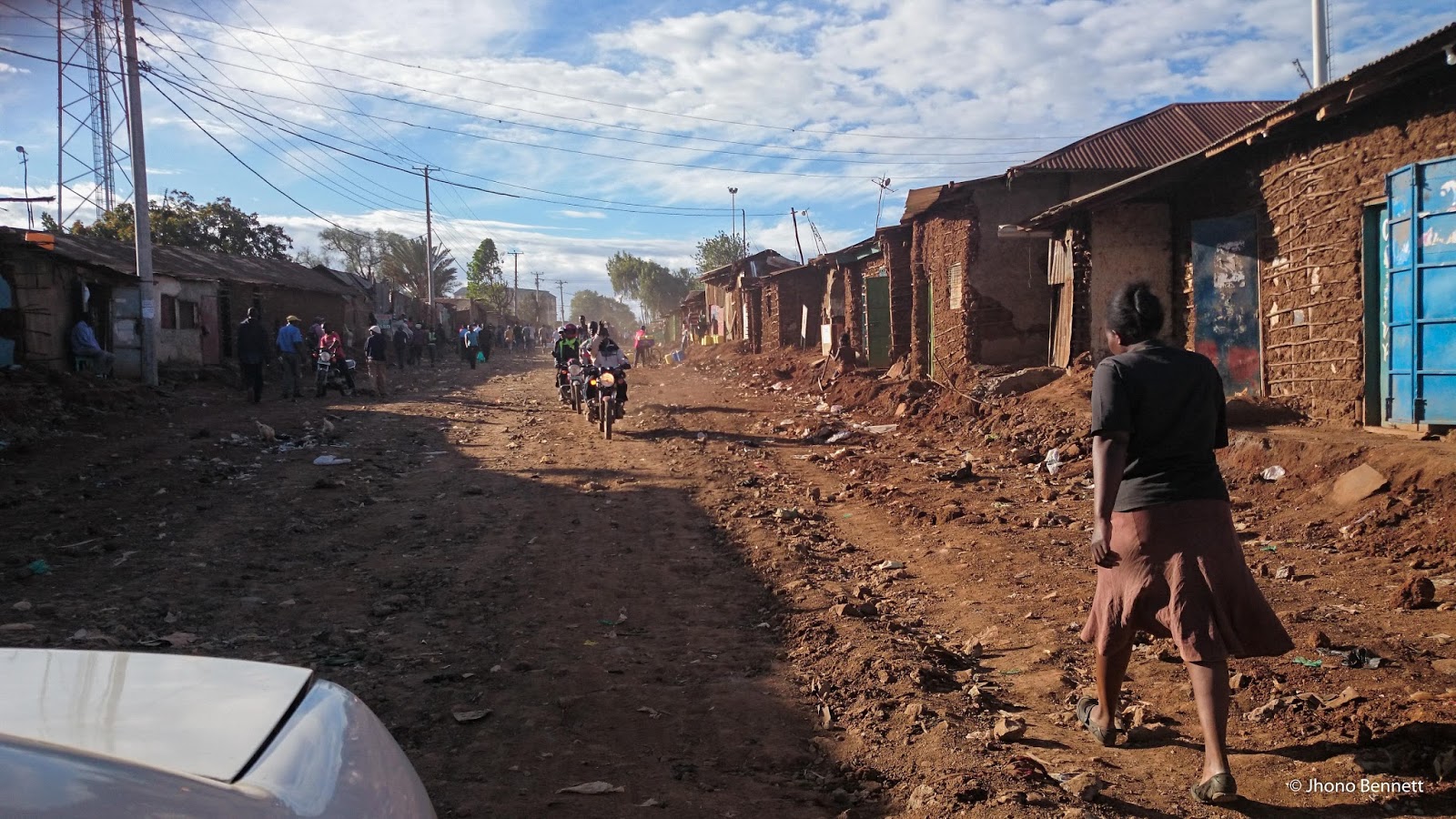
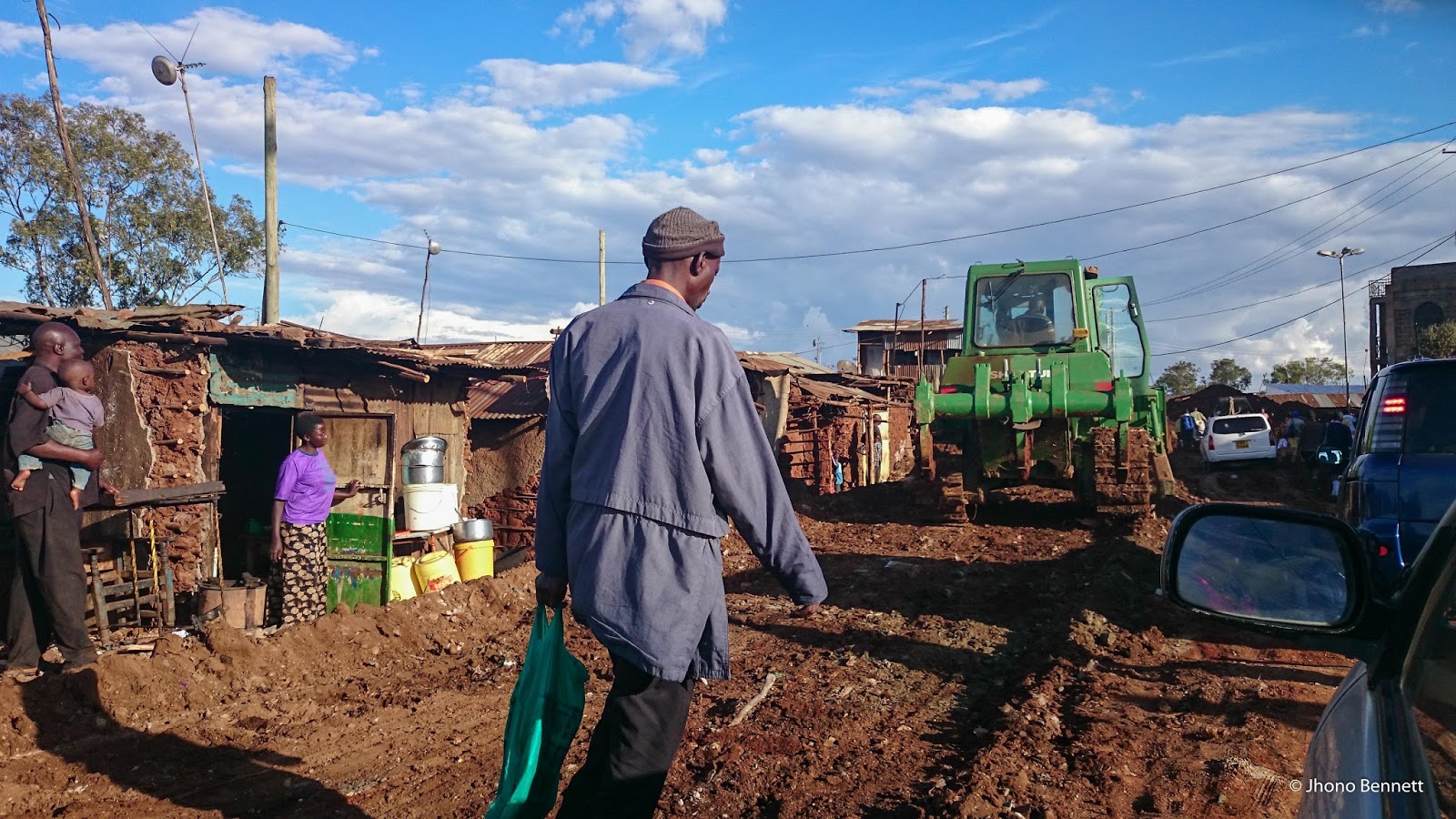
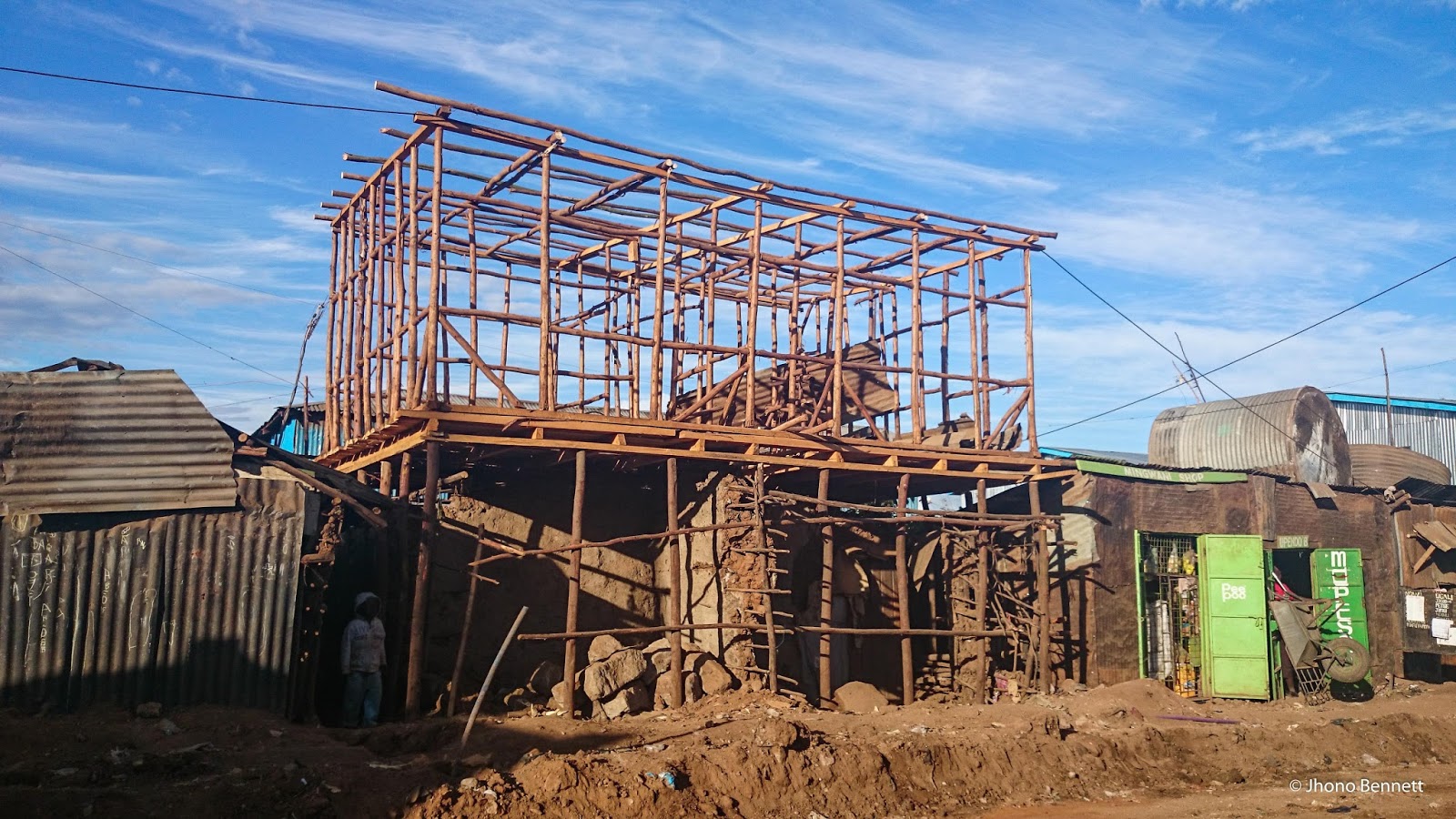
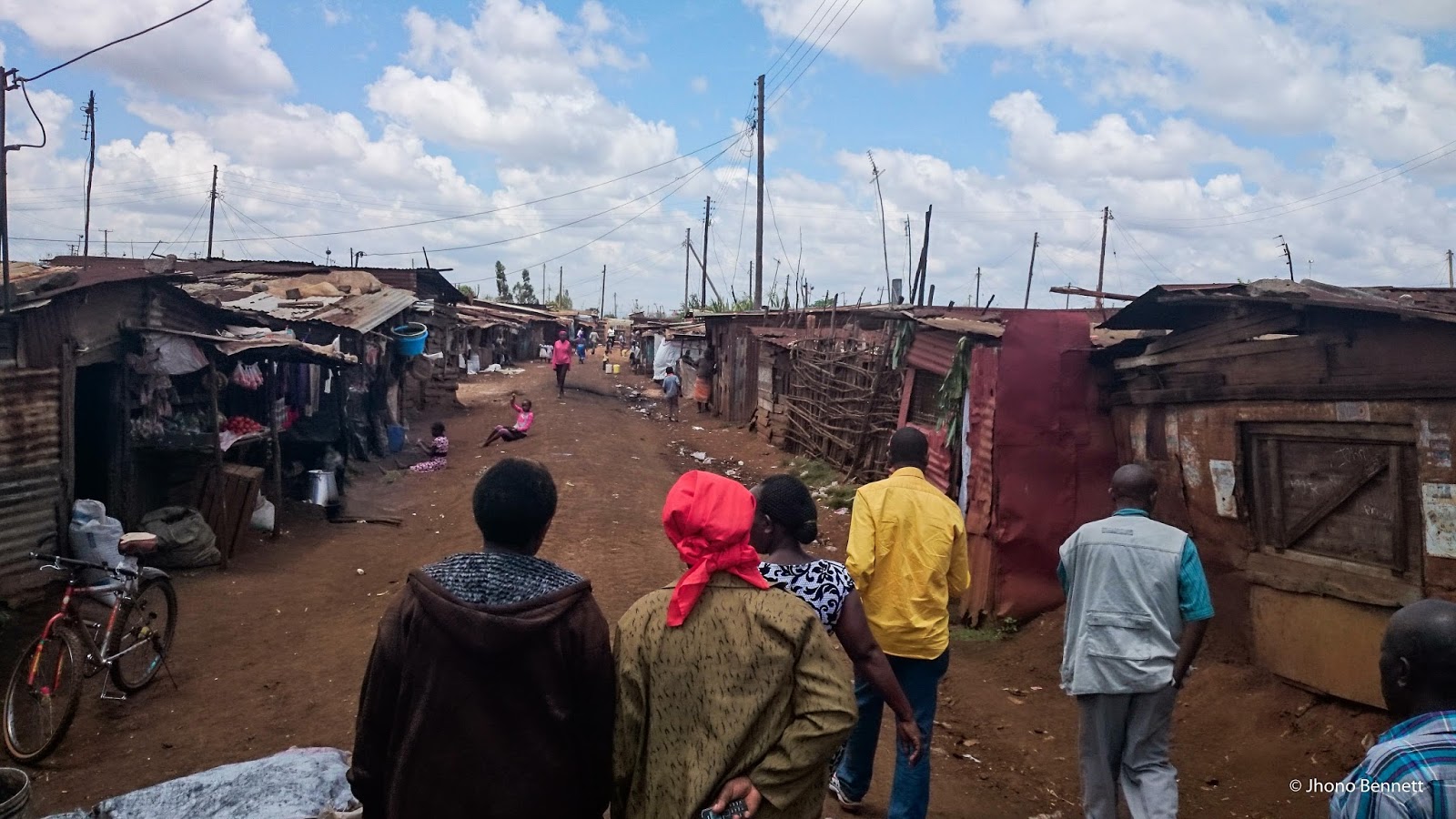
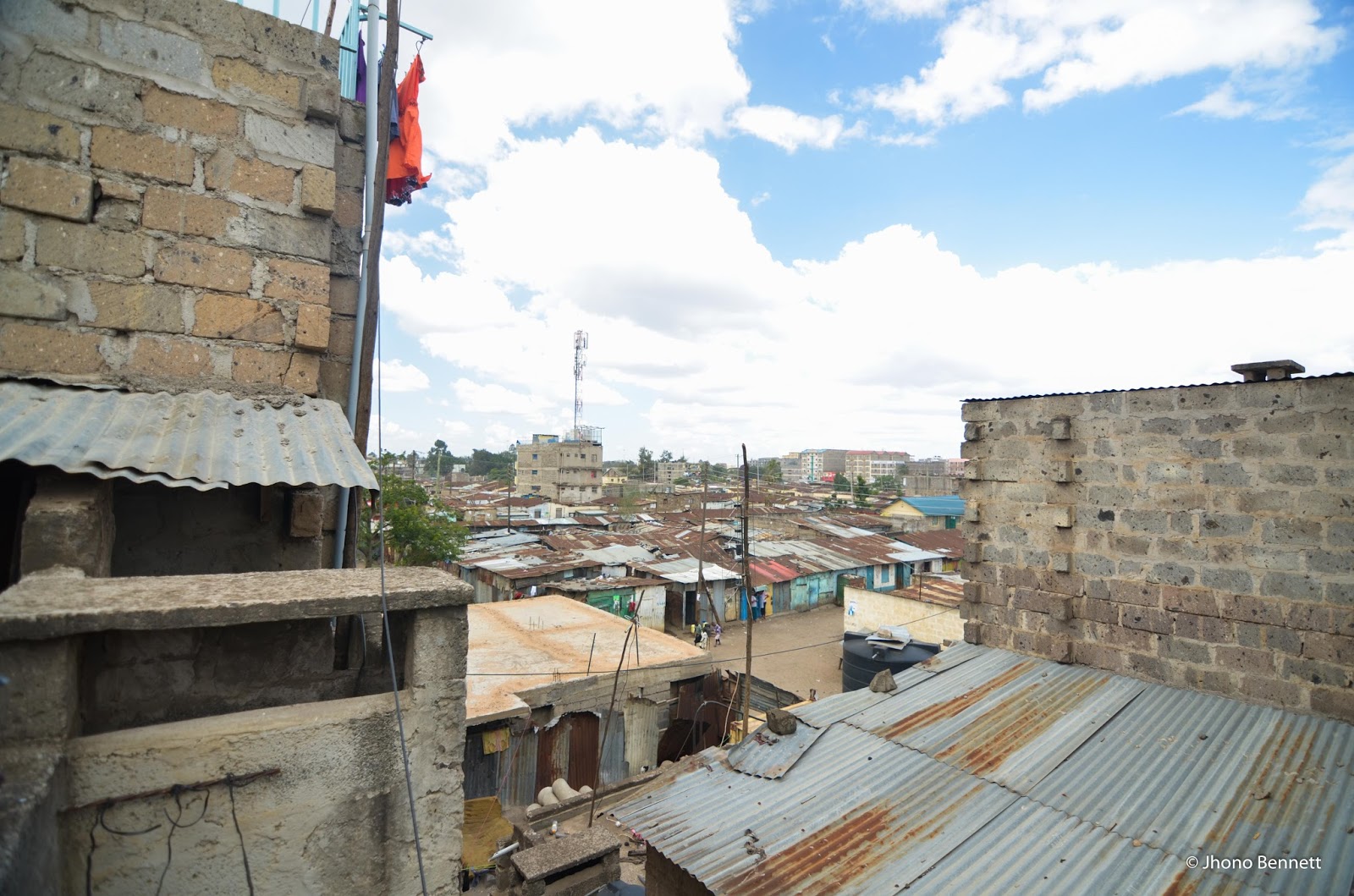
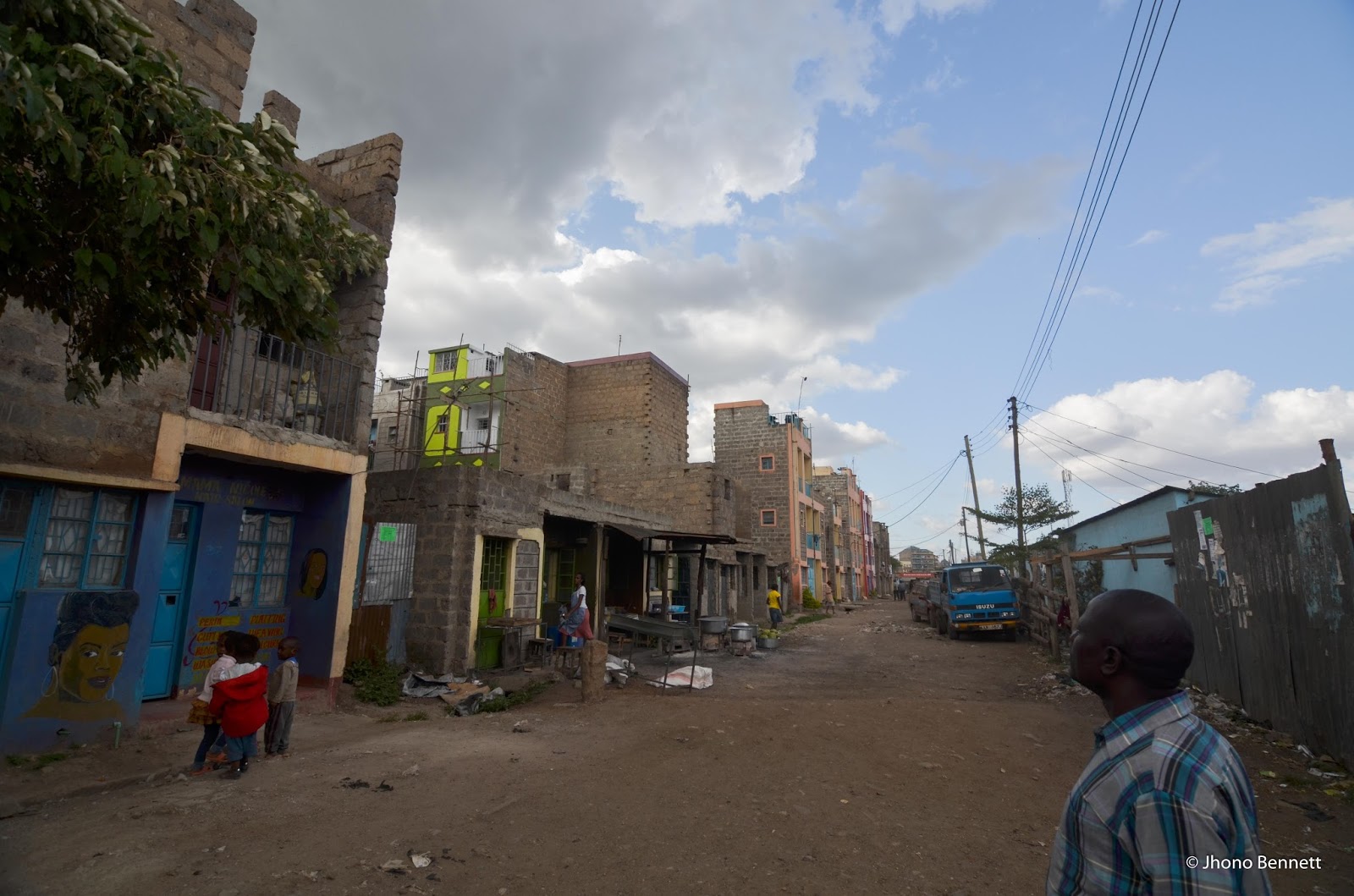
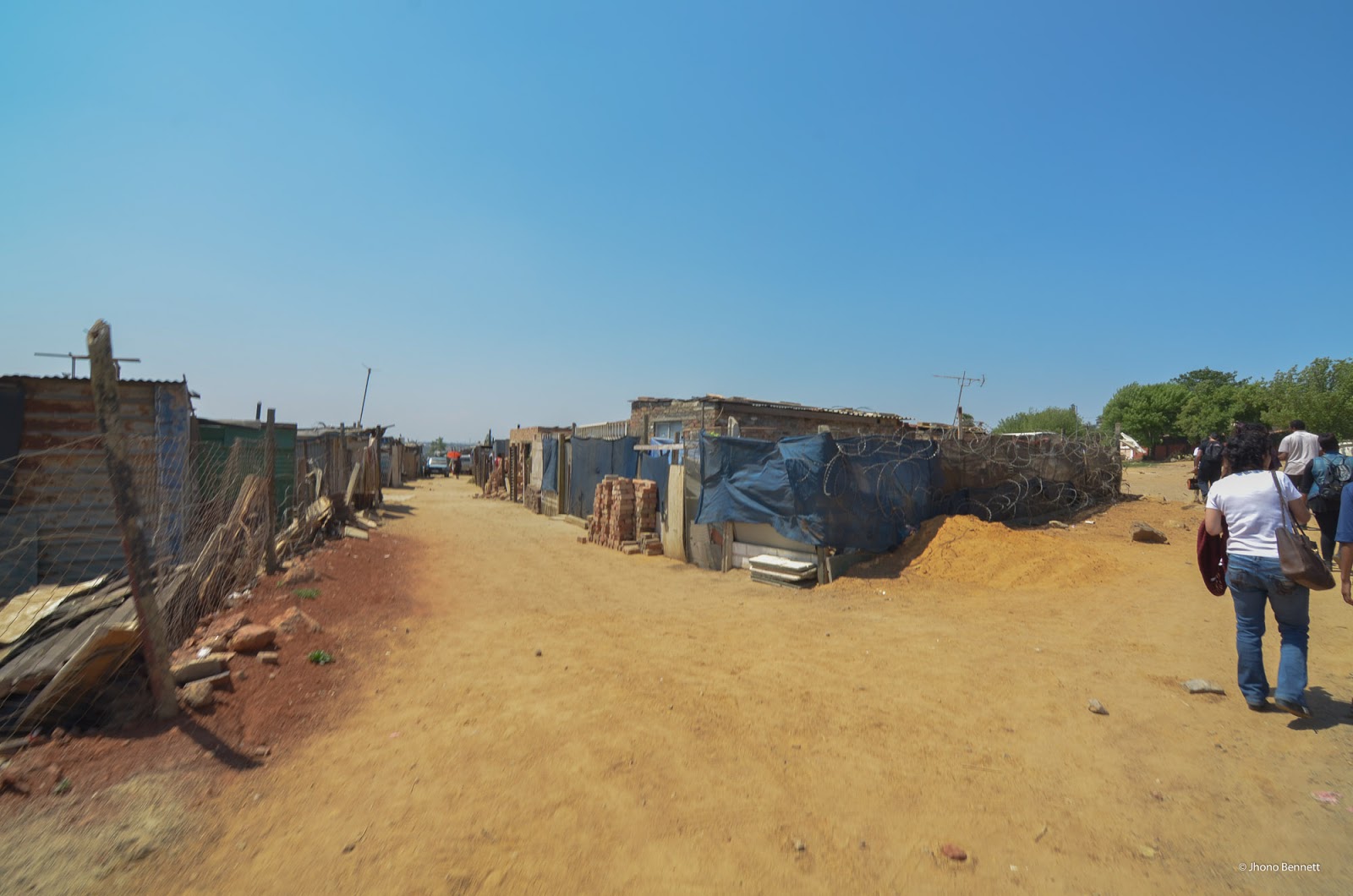
Exploring Kibera
The team from the Goethe Nairobi were invaluable in the exhibition set up, and invited me to visit some of their art programmes in Kibera’s Soweto.
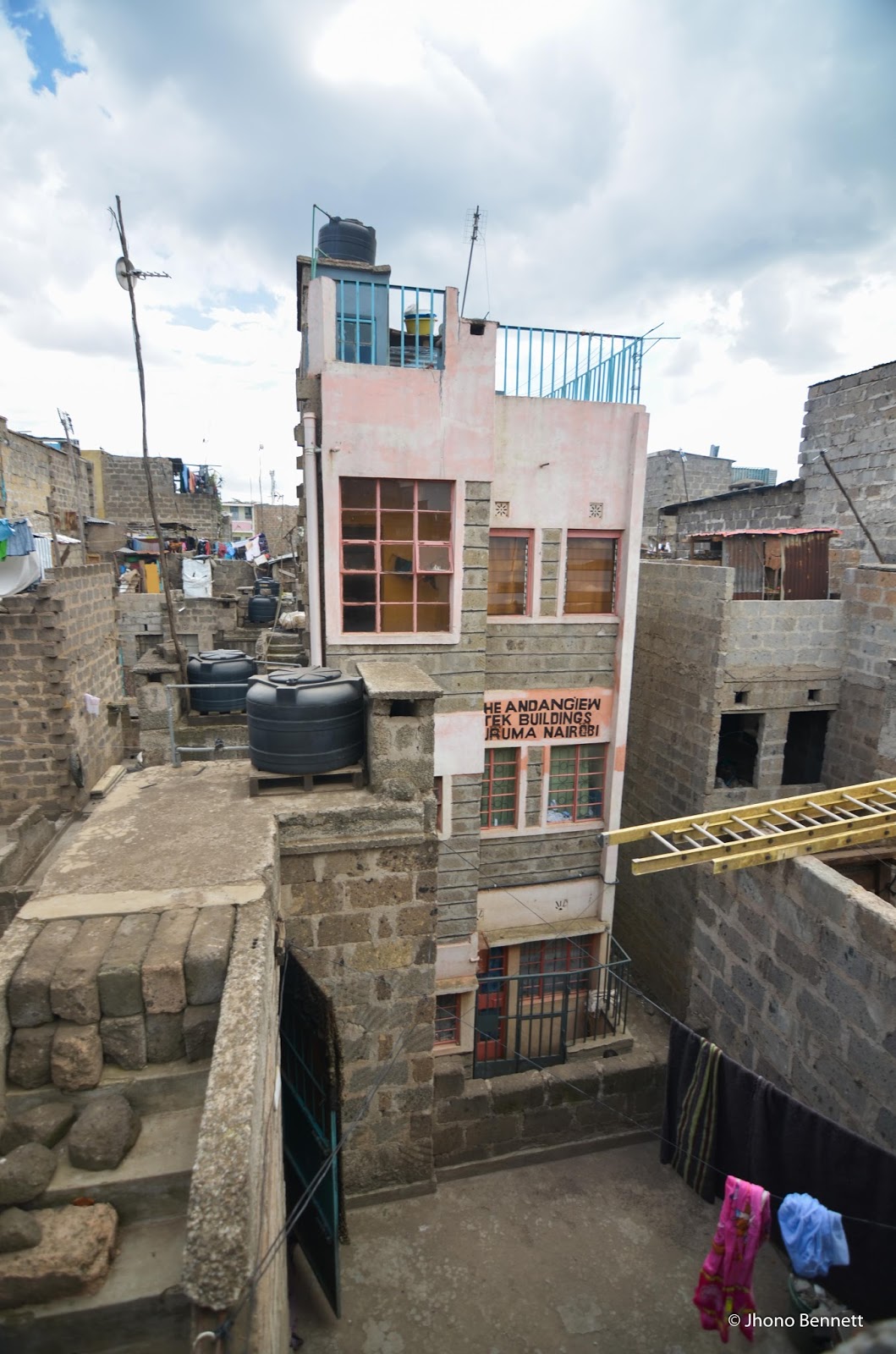
Privately built (questinabbly legal) multi-storey walk ups providing better density than other forms of delivery.
Muungano Trust
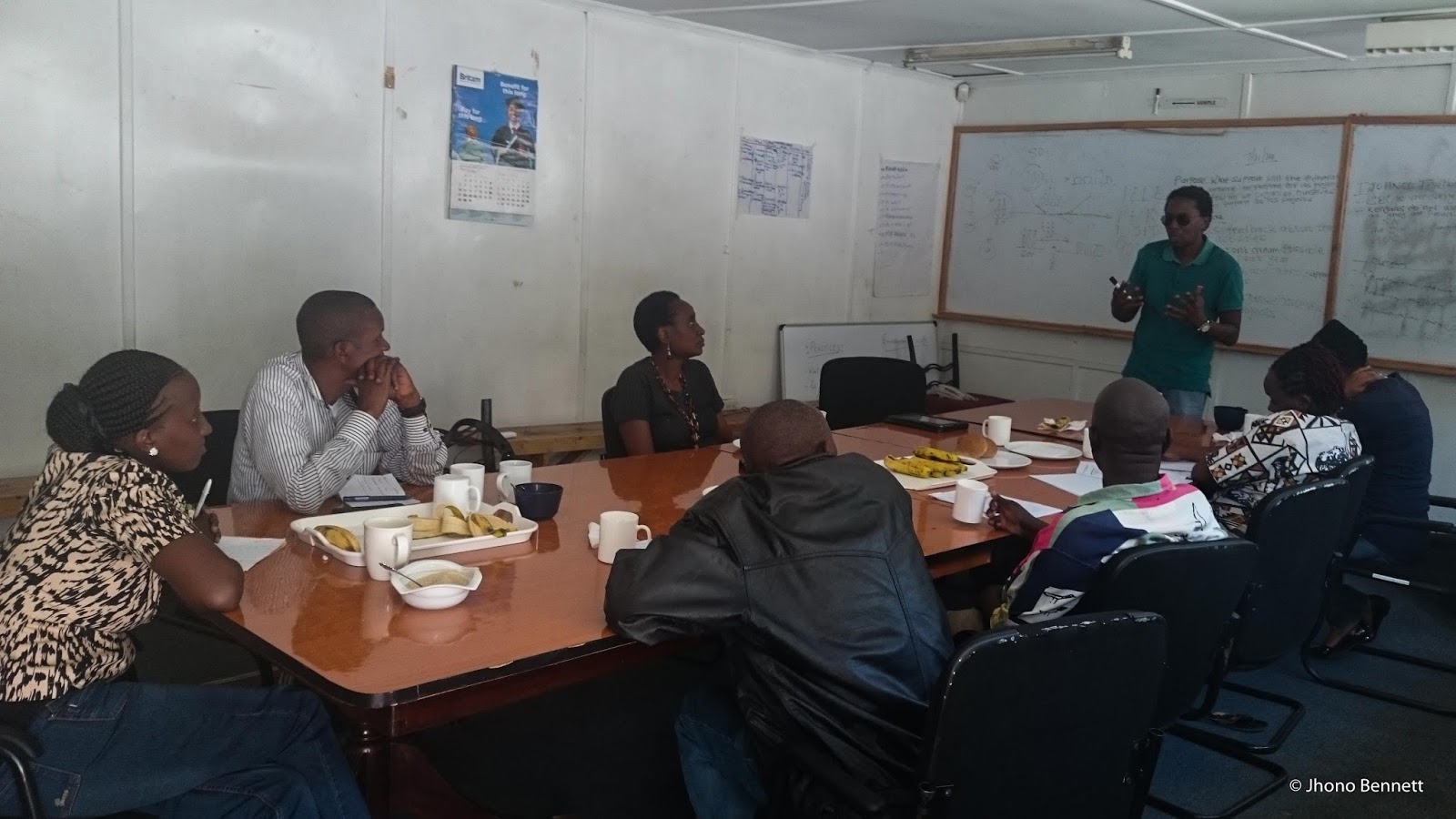
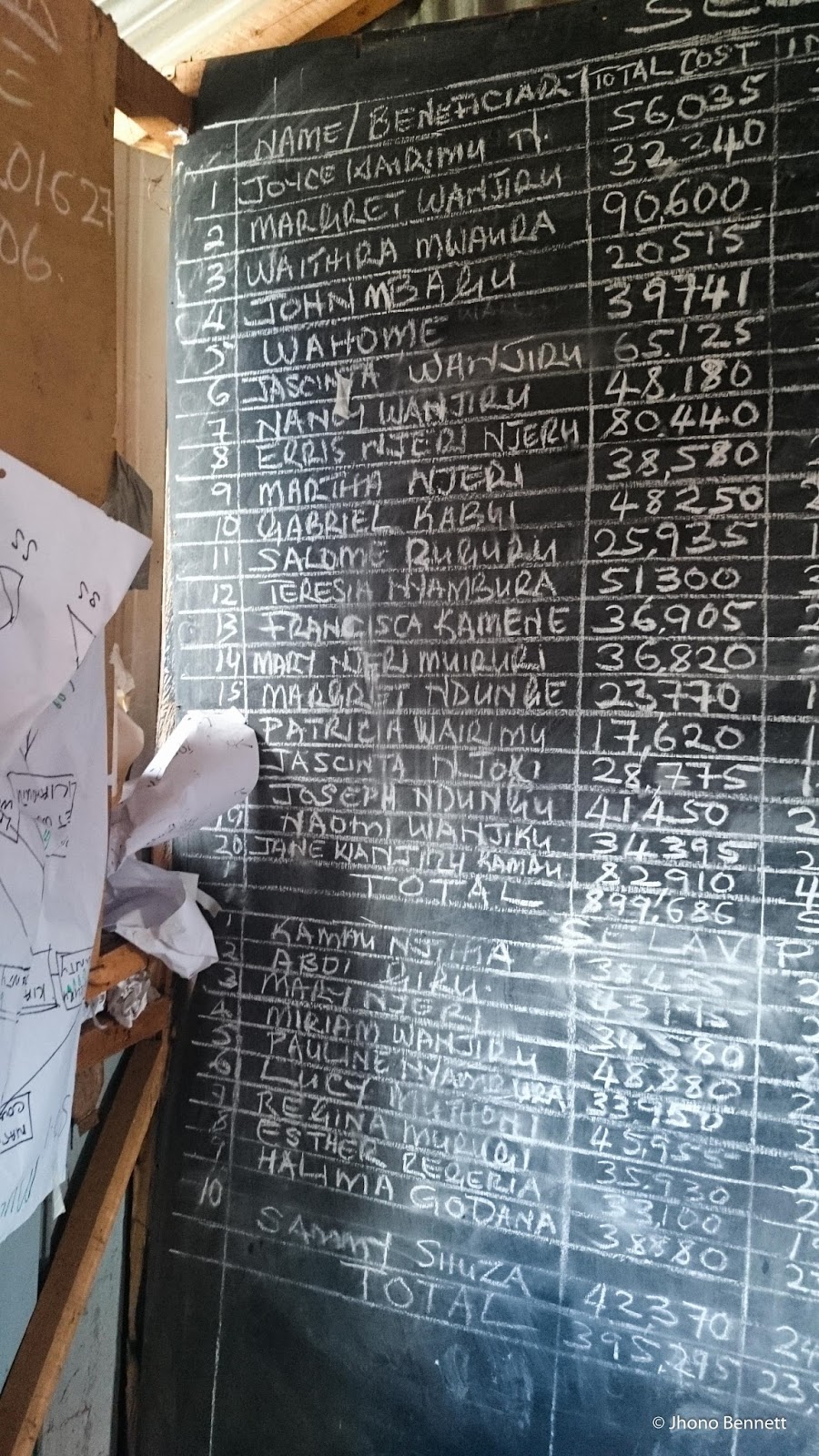
This part of my trip was planned to strategically meet with Jack Makau and Jane Weru of the Kenya SDI Alliance; Muungano Trust & Akiba Mashinini in order to build links between South African Socio-Technical Spatial Designers and those working in Kenya.
The organisations took me around to see their various projects and facilitated an exchange workshop between myself and their technical staff members.
On top of completing my involvement with the Informal Studio, this trip allowed me to see many of the difficulty of the work we conduct in South Africa in a similar but very different context.
This experience was invaluable, and set the relationship for not only future collaborations between the Kenyan SDI Alliance’s Muungano Trust & Akiba Mashinini but also for a potential exchange trip between University of Johannesburg students to Kenya.
Fortuitously my car was in for repairs and I was forced to document and visit all the required building on foot and by bicyle, making for a very interesting assignment.
Unused sample Shot from collection
Unused sample Shot from collection
Unused sample Shot from collection
Unused sample Shot from collection
Unused sample Shot from collection
The book was launched at the UIA 2014 event and the majority of the Johannesburg photos are my own.
The module was taught through research and participatory engagement with various community based organisations that work within Kya Sands.
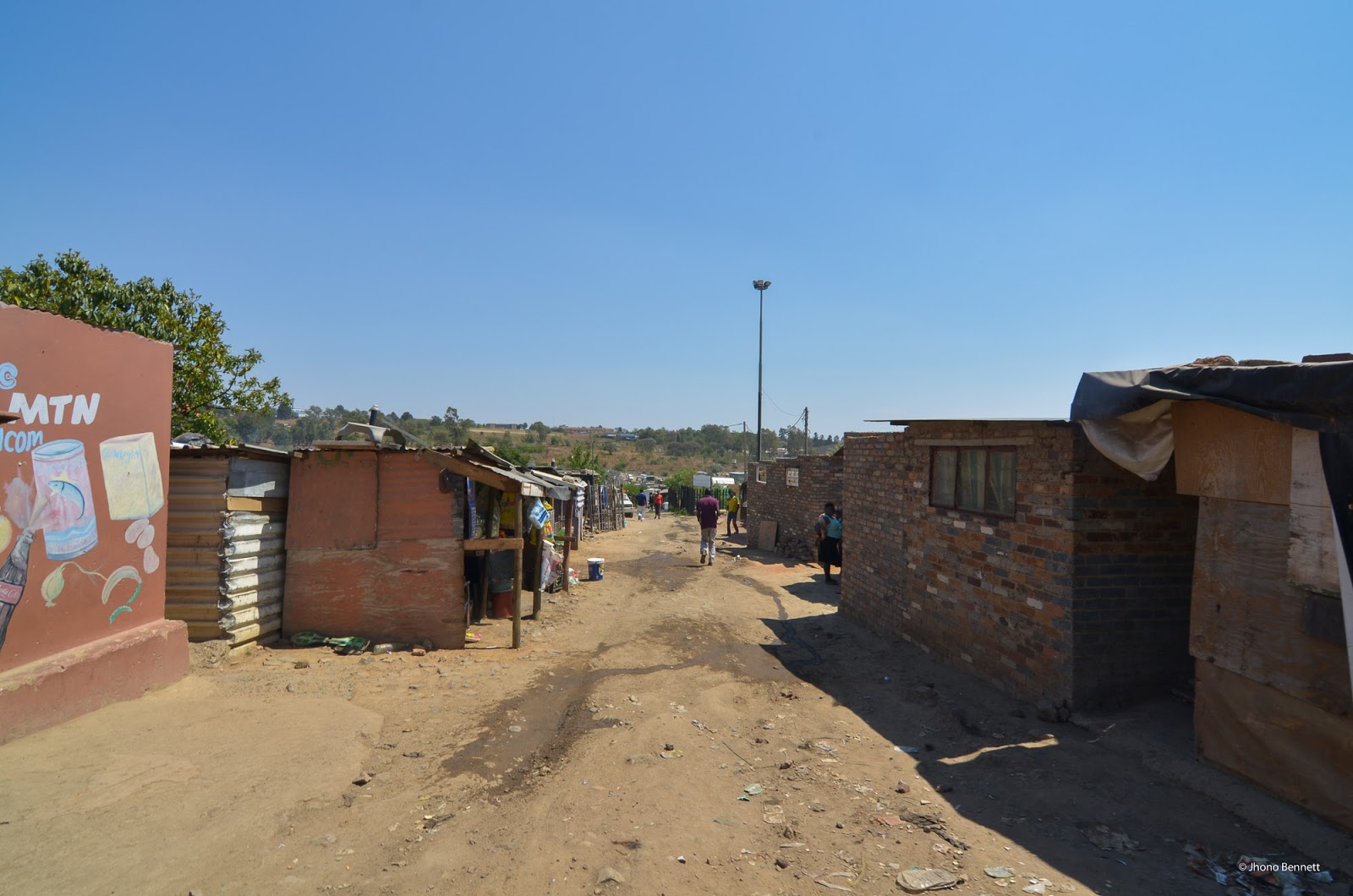
Kya Sands sits in an uncomfortable tension with it’s suburban neighbour of North Riding.
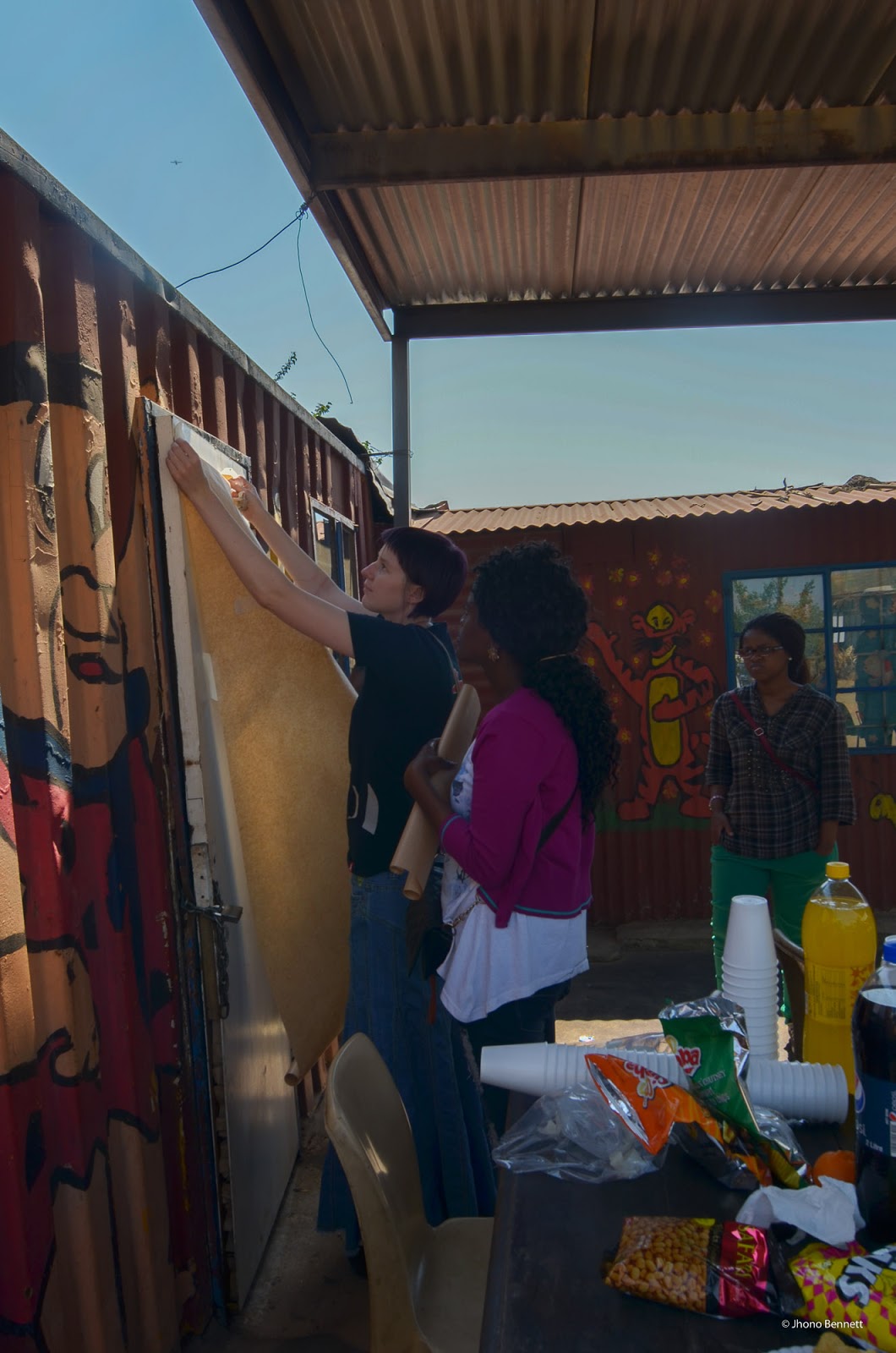
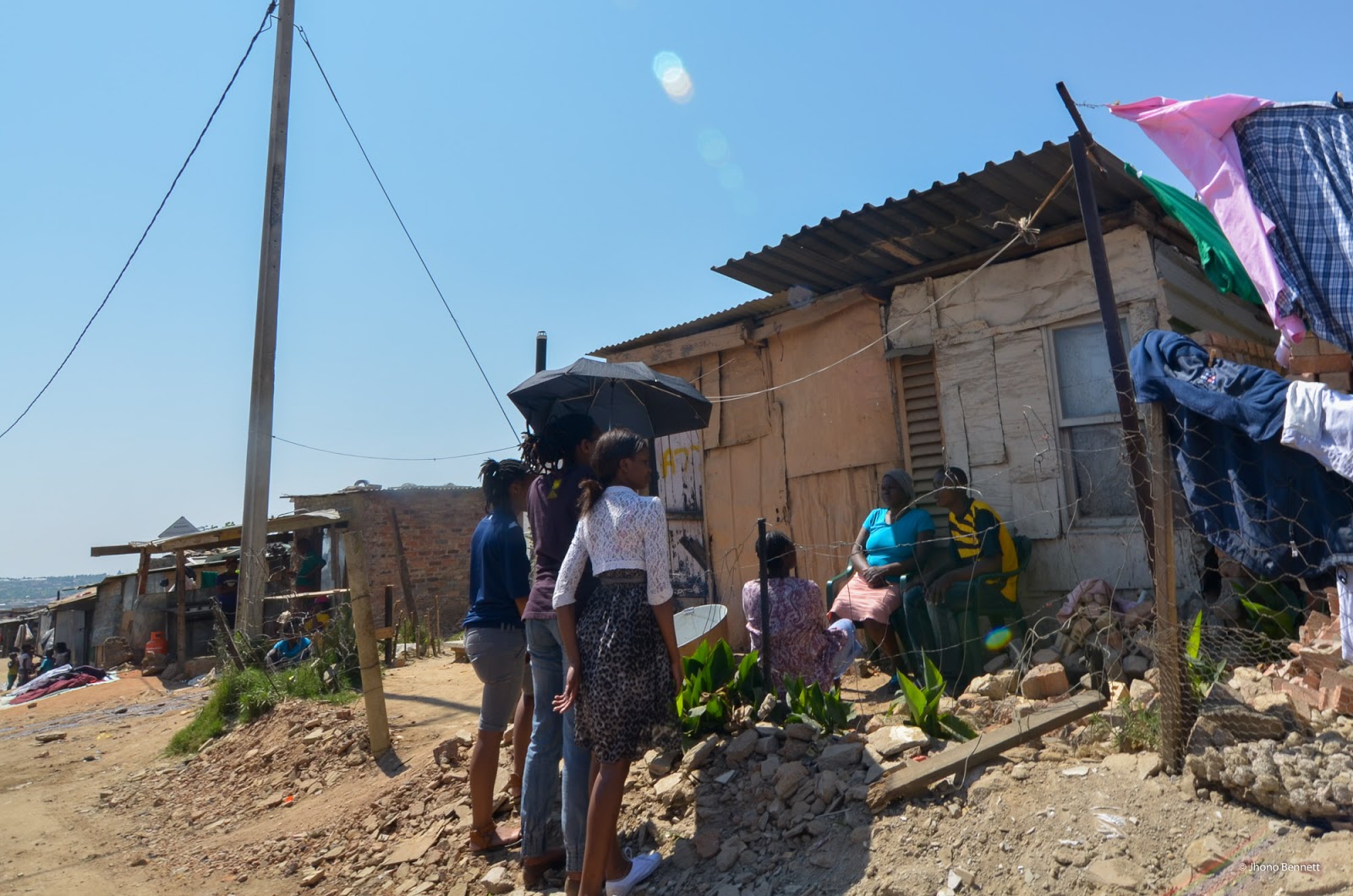
The studio was conducted at the University, but a several site visits were arranged to understand the context of Kya Sands.
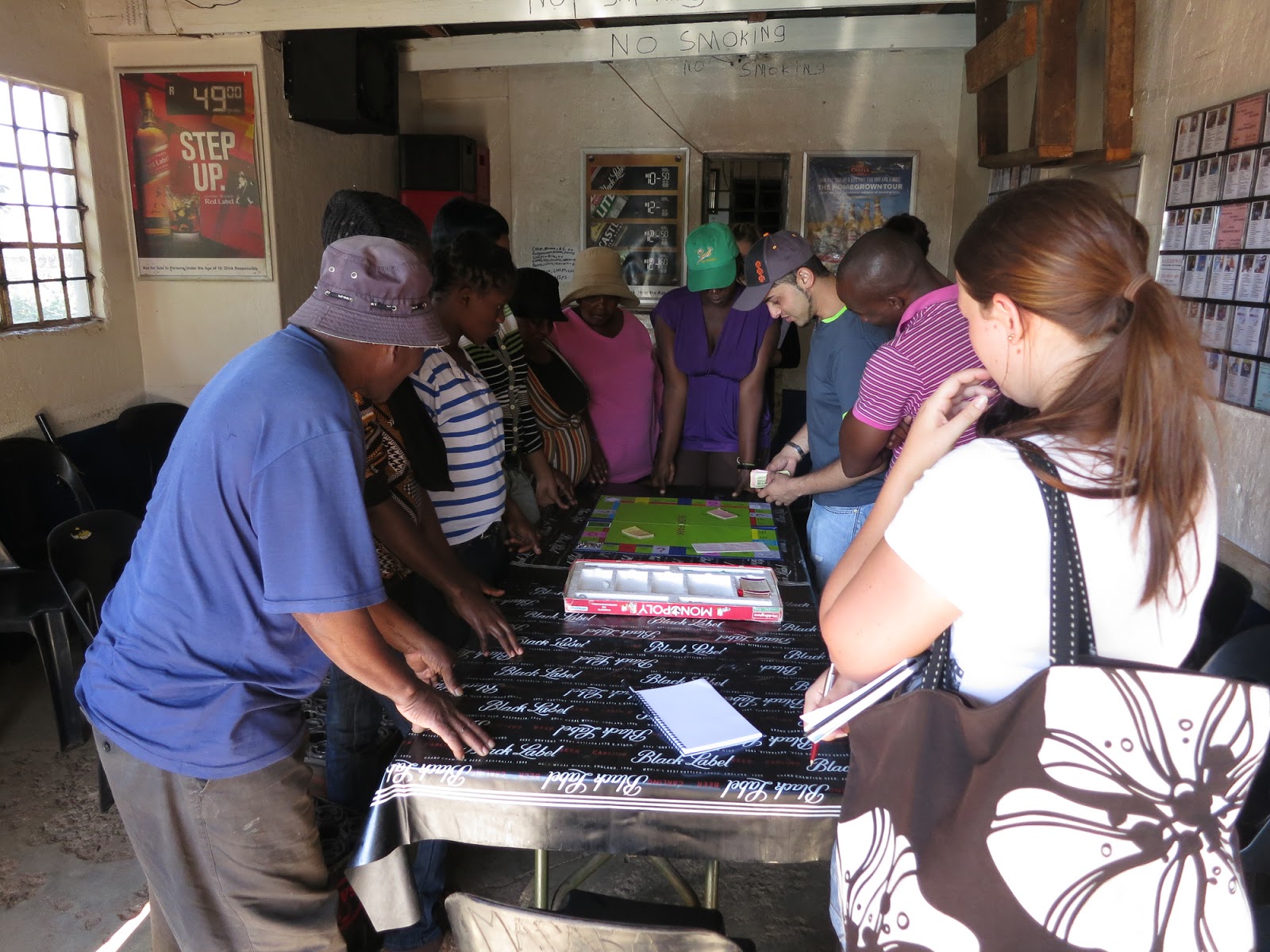
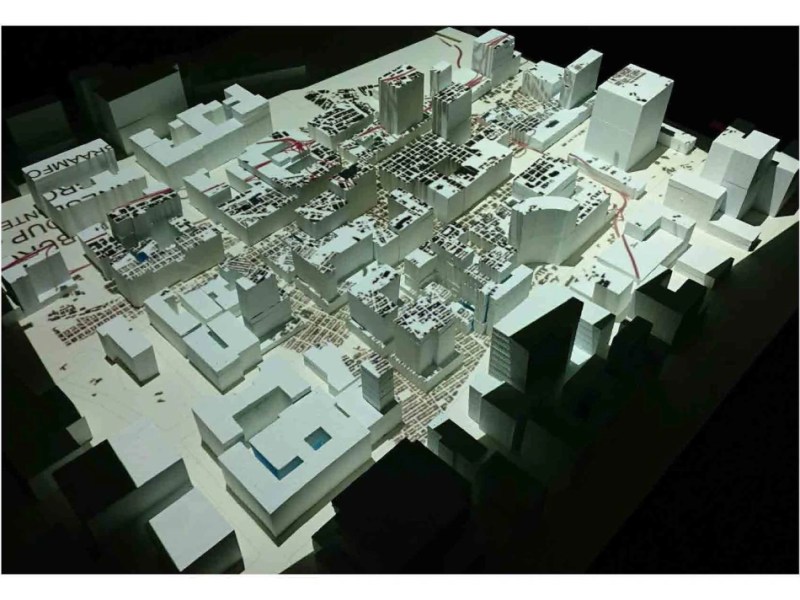
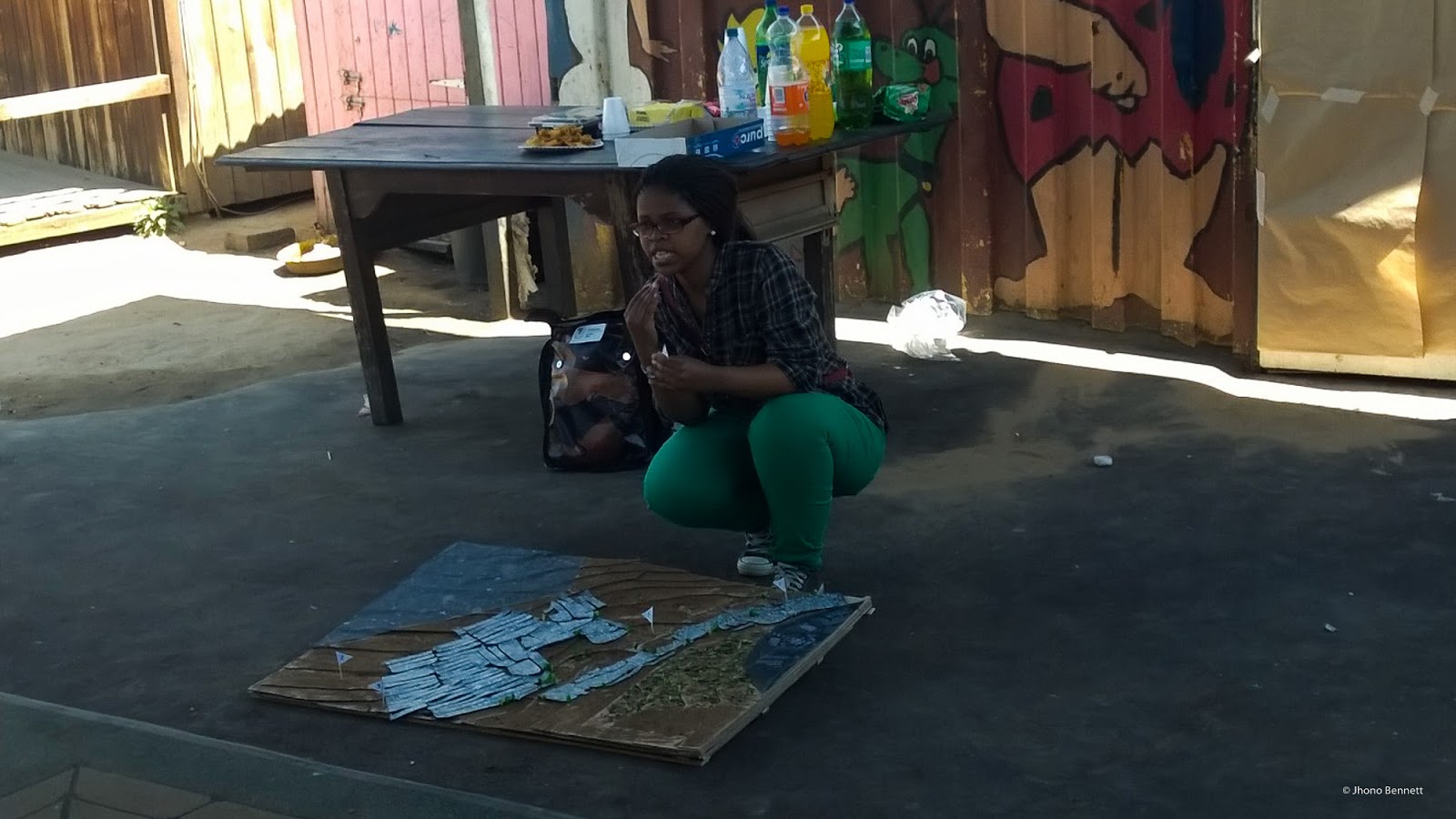
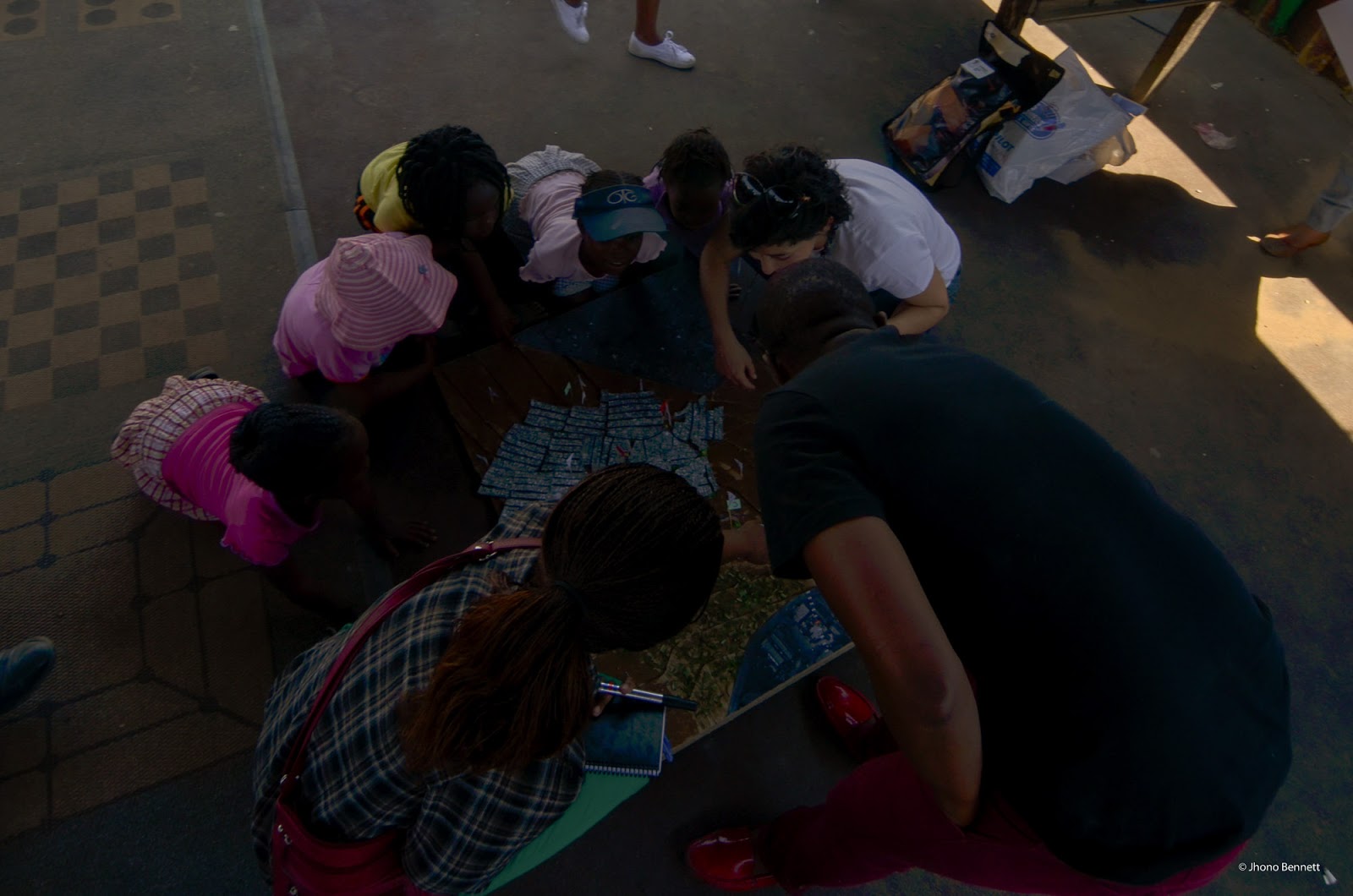
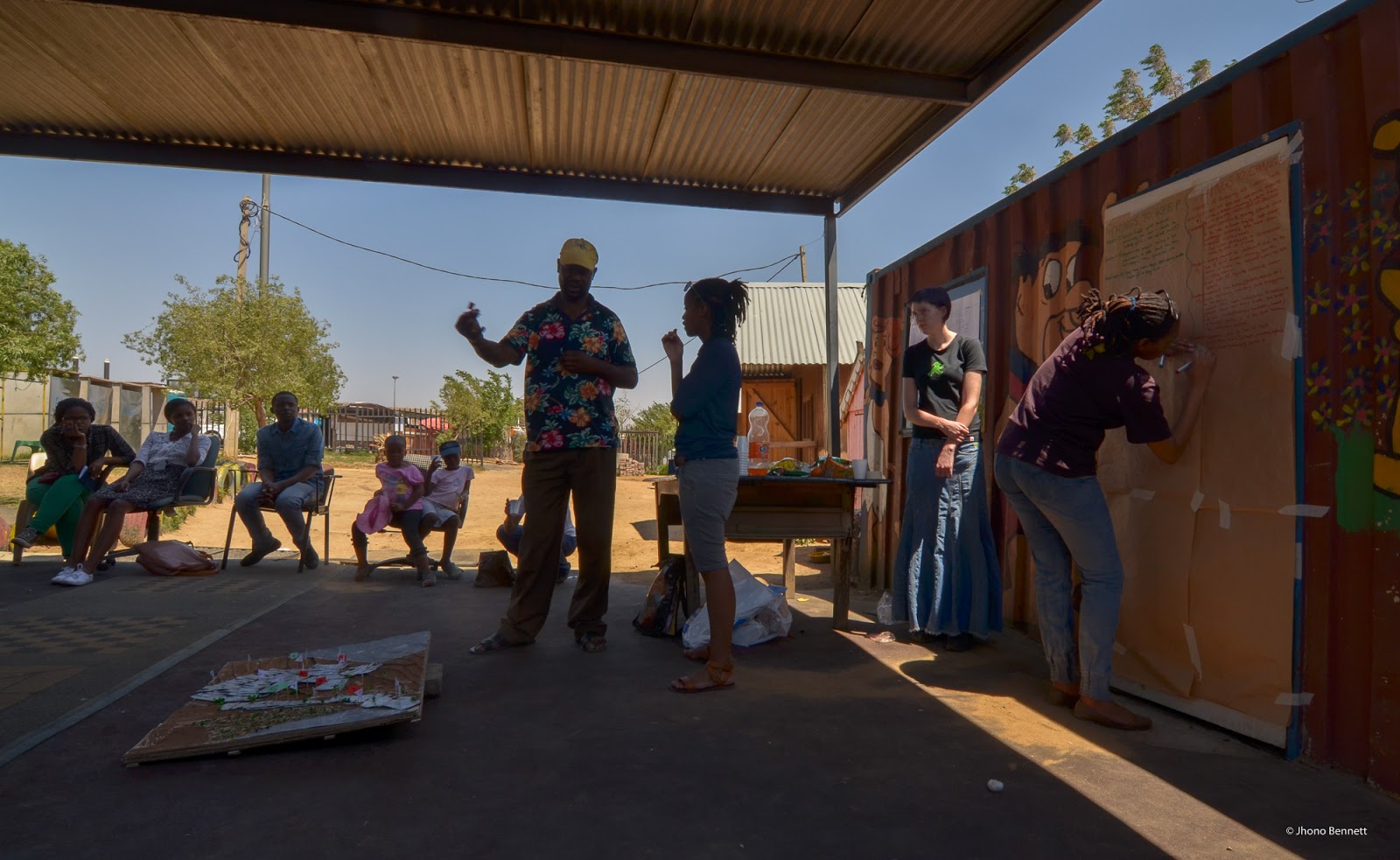
A scaled model was developed and used in a critical exercise to determine the collective aspirations and values held by the various community based organisations.
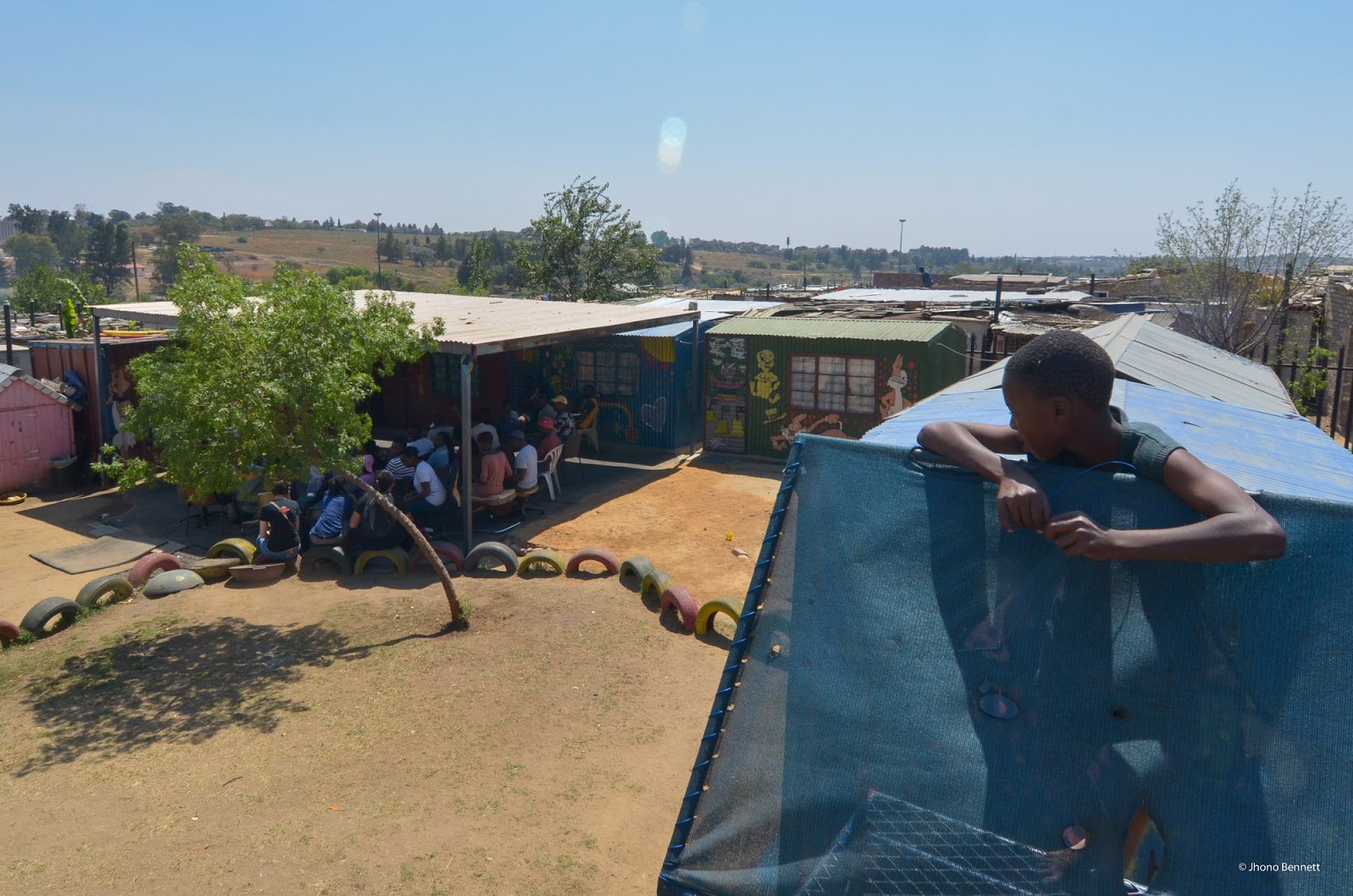
The exercise was held at a local creche and students worked closely under the guidance of Costanza and myself.
Residents surrounding the the creche were encouraged to attend by the students.
The planning students conducted the participatory engagement and crossed many langauge and social barriers through the exercise.
Through the process, the values and findings were carefully collected, and shared with the participants and added to the ongoing research and engagement being conducted through Wits.
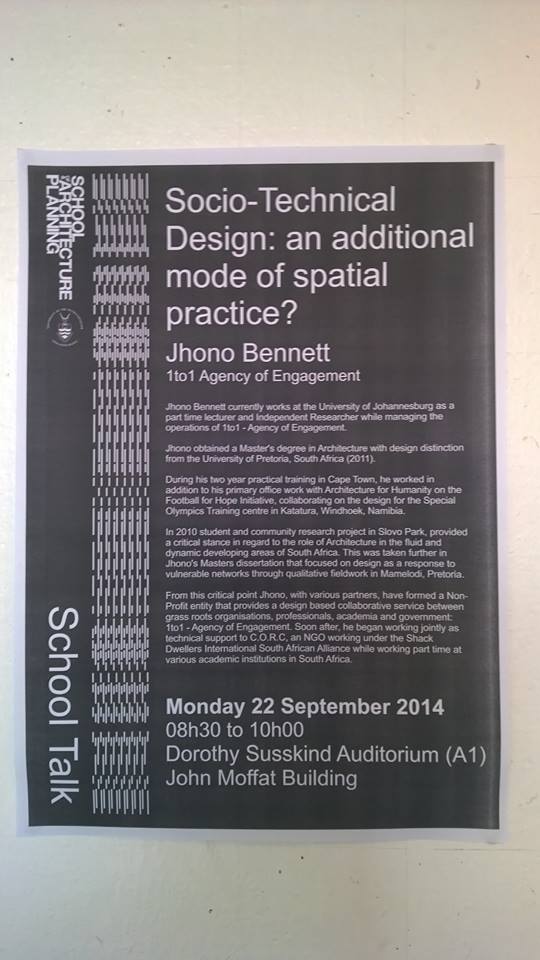
A presentation on the work I have undertaken over the last 5 years around of community centered design projects underlying the development of socio-technical spatial design a emerging mode of spatial practice for South Africa
Location: University of the Witwatersrand, Johannesburg
Event Date: Sep 22, 2014
Organization: University of the Witwatersrand
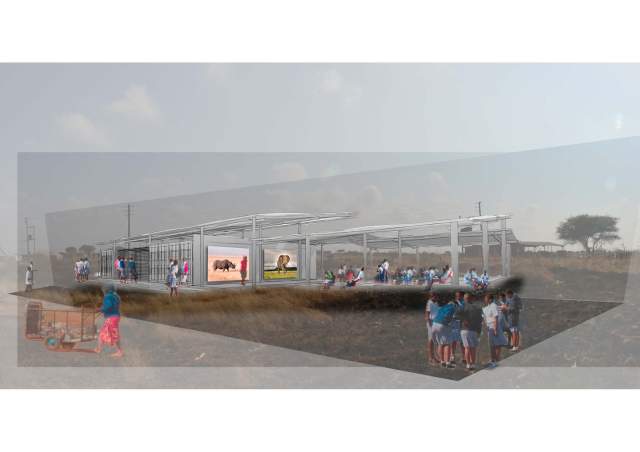
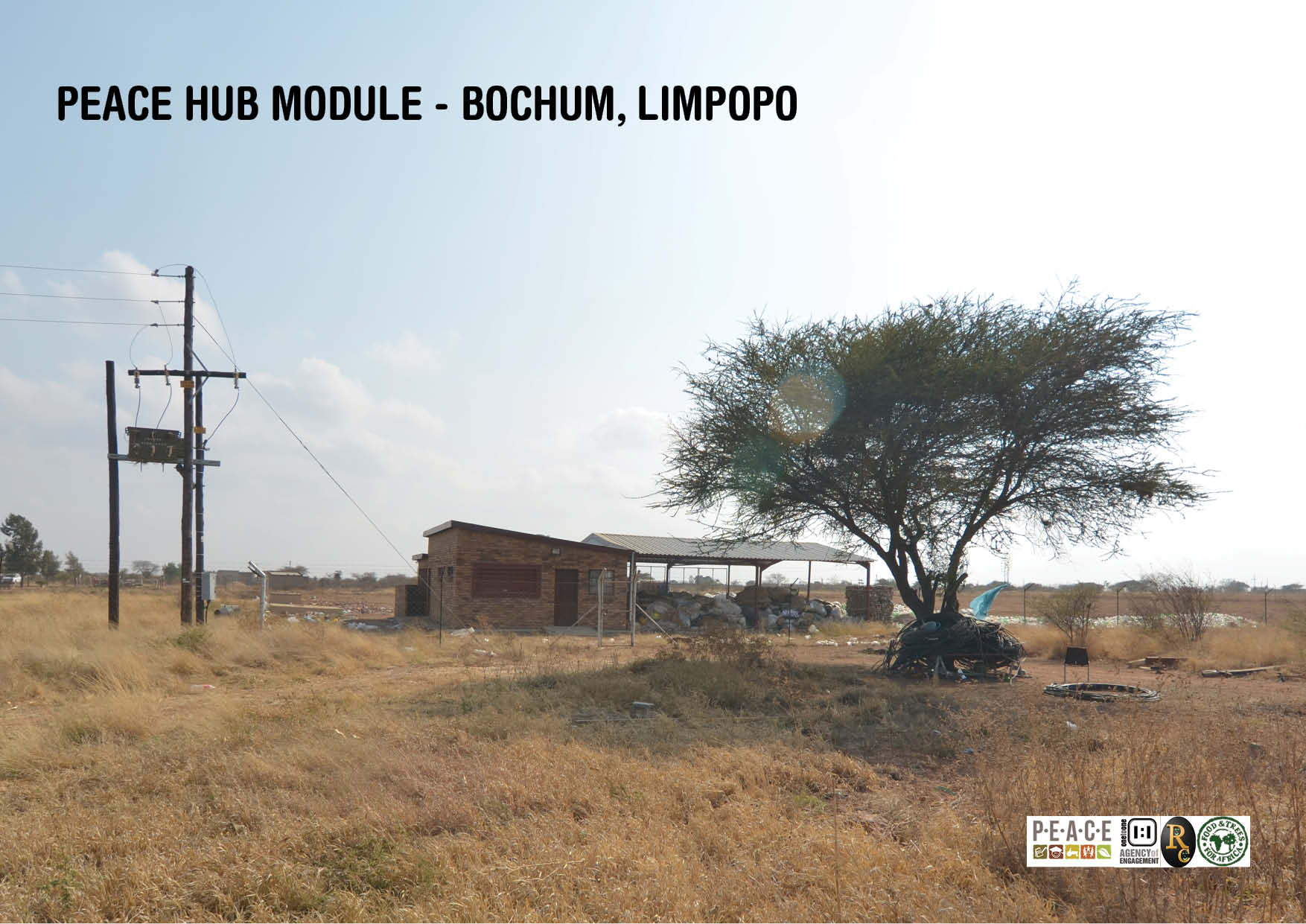
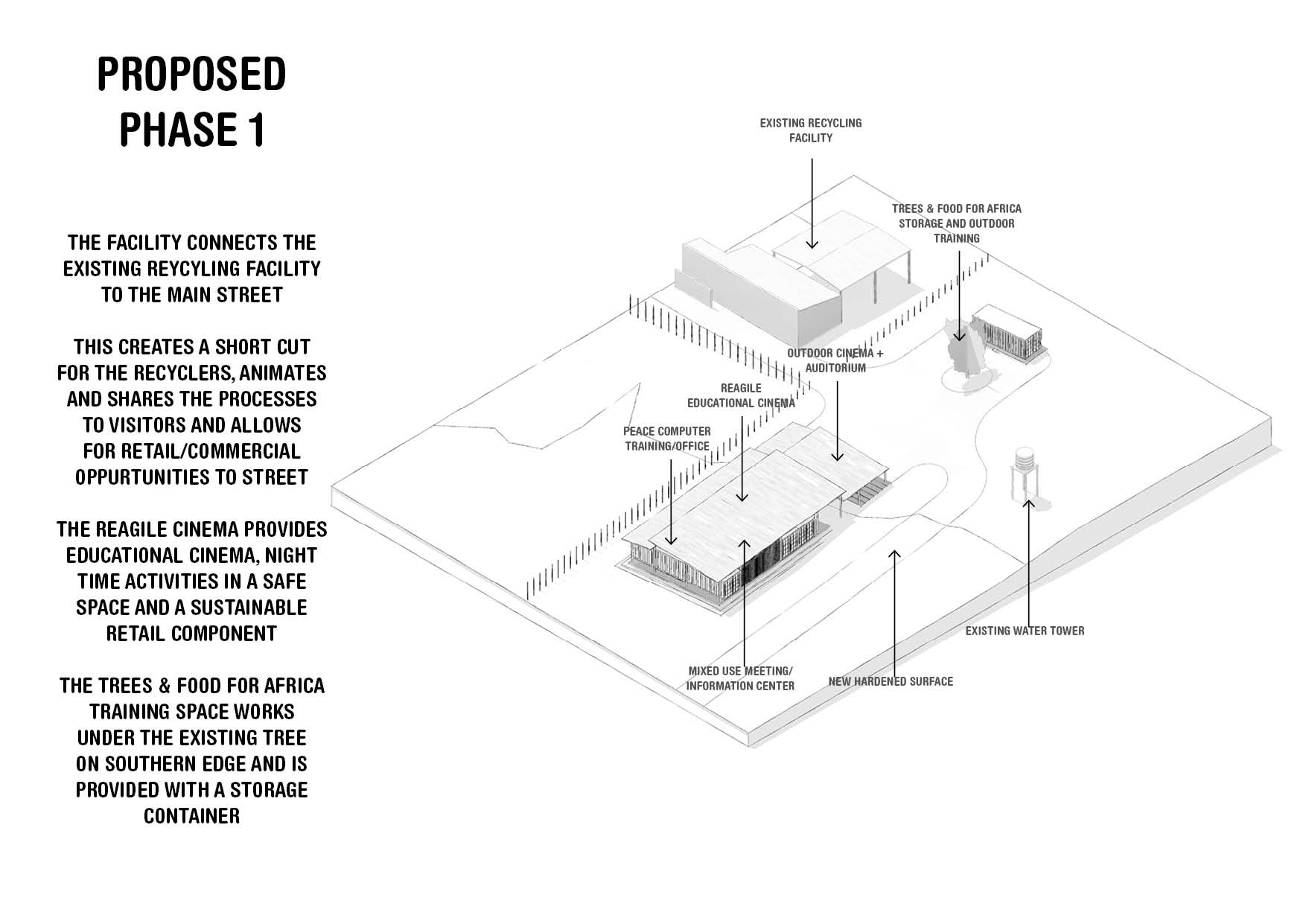
Through 1to1 I was commissioned by the PEACE Foundation to design a multi-purpose rural centre that will be deployed to tactical areas across northern South Africa. These PEACE Centres will be used to support various NGO’s and institutional operations that work with and for the PEACE Foundation.
The prototype centre has been designed to support an existing waste management facility in Senwabarwana (Bochum), Limpopo. This centre’s main activity is through educational training around computer literacy and environmental awareness.
XXV International Union Of Architects World Congress 2014
“The 25th International Union of Architects World Congress of Architects, UIA 2014 Durban, will be held at the International Convention Centre in Durban from 3-7 August 2014. This is the first time that this Congress is being held in Southern Africa and we are expecting 6000 delegates from around the world.
The International Union of Architects (UIA) organizes a World Congress every three years, and there have been 24 previous UIA Congresses. The UIA is a non-governmental organization accredited by the United Nations, and it represents professional associations of architects in 124 countries, and approximately 1,3 million architects worldwide. The UIA secretariat, located in Paris, is responsible for the Union’s management and general administration.
The selection of the Congress host city is made six years in advance. At the UIA 2008 Torino Congress, the South African Institute of Architects (SAIA) won the bid to host this triennial World Congress with the support of the national Department of Public Works, barely nine years after SAIA’s post-Democracy readmission to the UIA.“
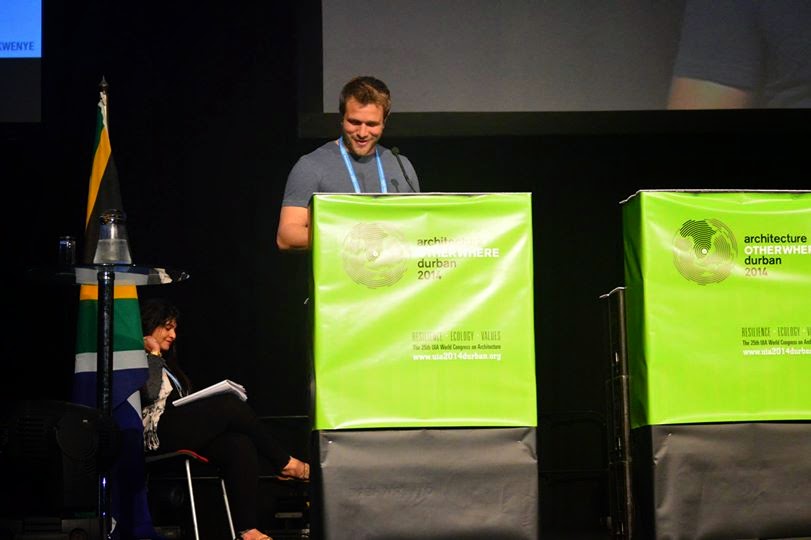
The UIA 2014 World Congress was held in my home town Durban, South Africa in August 2014, where I was honoured to be invited to participate on several platforms at the congress.
During the congress, I presented a co-authored paper, as well as presenting my work in both the Global Studio Seminar and the Architectural Education Forum.
Our understanding of architecture has significantly changed over time. Having been trainedin a post-modernist idiom in the eighties, one of the authors has witnessed the transformationof the profession and architectural design teaching over this time. Younger architects havebeen educated at a time of intense debates on relevance, justice and new professional values.They are now having to invent new roles for themselves and develop new methods of practiceas they navigate this relatively uncharted terrain.The teaching of architecture in general, and residential architecture in particular, has significantly changed over the years. Rooted in participatory design approaches and post-modern teaching pedagogy in architecture, this paper re-thinks the design studio, which isnow many times extended beyond the confines of the university campus, building metaphorical bridges between academia and communities.
The idea of catalysts is key in terms of achieving an intimate understanding of the settingswithin which students and staff operate and where project sites are located. Thinking in termsof catalysts influences processes of identifying potential community collaborators as well as potential project briefs and sites.Some individuals/groups are perceiv ed as “institutions” and champions within their communities: in the sense that they are known, respected, accepted and many activities seemto either be initiated by them, supported by them or revolve around them. Identifying theseindividuals/groups is paramount to the success of a project.
These individuals/groups becomeagents of change. Planning and design interventions may either enhance or undermine thisagency capacity and the potential to institutionalise it. This concept is linked to previousresearch and writing on urban acupuncture and agency in the built environment. Identifying where interventions could take place, what kind of intervention and anticipatingthe kind of influence it would have on the surroundings is critical. Mapping existing energiesand forces in an area may provide indicators as to where input may have the most potential for triggering a variety of responses.
That is after all the ultimate aim: to intervene where itwill generate a response thus allowing more agents to become actively involved in the formulation of the built environment. Key people/groups and small projects are thus seen as vehicles for collaboration,development and learning. This paper presents a process of engagement between the design studio and communities in a proposed framework for this particular component in theteaching of architecture. These generic concepts are reinforced through some case studiesand reflections on practice
The conference was a week long intense experience with an overwhelming programme, packed with inspiring speakers and inspired congress goers. It was great to see Durban experienced by such influential people and I hope the themes of ‘Otherwhere’ carry through long with those who attended.
In 2014, we (Eric Wright, Claudia Morgado & myself) as a team of architects, lectures and urban researchers assembled a collective architecture/urbanism/landscape laboratory which closely engages with complex urban conditions of South African. We termed this collective Aformal terrain (AT).
Our first experimentation with this collective was through a critical studio with the leadership of Denver, Informal Settlement in Johannesburg CBD through the studioATdenver. This project was established to take course over a period of 3-5 years and support s much larger development process that Denver is already a part of in regard to the Department of Human Settlement’s work in Gauteng and South Africa. In addition AT worked on a variety of projects in our defined research area:
Aformal Terrain is a collaborative research group based at the University of Johannesburg’s Faculty of Art, Design and Architecture.
Background
Aformal Terrain (AT) is a collaborative and collective architecture/urbanism/landscape group who closely engages with complex urban conditions.
AT focuses on integrating resources and skills towards promoting awareness and generating appropriate responses to the context of rapidly changing and often unstable contemporary urban phenomena.
This approach is underpinned by people-driven methodologies for engagement, research, design responses and planning strategies.
Aformality
The use of the term ‘Aformal’ frames a critical investigation (immersion) into complex spatial, social, cultural, economic and physical urban scenarios as an ‘in-between’ condition, or terrain. This direction is rooted in working with, and, within urban informal settlements with a focus on incremental in-situ upgrading and organic urbangrowth – interrogating current polarised definitions of the ‘formal’ and ‘informal’, and the often confused interpretations between legality and illegality.
Each Studio (project, exhibition, publication etc) is aimed at identifying and interconnecting multiple role-players (actors).
This occurs through an immersive, collaborative and co-produced process of engagement, establishing a platform to enable trans-disciplinary exchange and capacitation, consequently activating public, private and community joint efforts.
AT directs this purpose to three areas of action:
Teaching & Learning
To generate an awareness of varying urban conditions at multiple scales ranging from regional, through neighbourhood, to specific people groups. This action relies on trans-disciplinary collaborative exchange with the aim of leading to well-informed and achievable plans that assist and support community-led development.
An embedded intention here is to further inform current professionals, settlement residents, local/city officials and current students (future professionals) about the nuances and complexities of participatory processes through immersive, real life projects (studios).
Awareness & Knowledge
Strongly tied to teaching-and-learning processes this action is underpinned by the co-production of knowledge and information through collective and mutual exchanges. This process identifies two main sources towards the production of relevant and useful knowledge:
Existing Data – sourcing, analyzing and sharing current data about the specific area of work/study. This includes; local upgrade plans (at city level), National upgrade plans (NUSP and the like), Global references and tools (investigating ‘Global South’ relationships and networks).
Local Knowledge – identifying collective community plans and objectives through discussions and exchange with local residents. This process aims to build on local knowledge with the aim of drawing connections between bottom-up and top-down processes.
Real Projects
AT intends to cultivate long-term sustainable relationships with the networks generated through the teaching-and-learning studios.
Real Projects refers to this intention – to identify potential roles for professionals and spatial practitioners through on-the-ground collaborative processes – assisting community action plans and governmental upgrade plans through providing relevant spatial and design services fitted to contexts of informal settlements.
AT Team: Eric Wright (BOOM Architects), Claudia Morgado (BOOM Architects), Jhono Bennett (1to1 – Agency of Engagement), Stephen Hoffe (Build A Future), Katrine Lategan (ARUP),
AT Collaborators: Tyler B Murphy (Sins of Style), Tuliza Sindi (BRN WSH), Jabu Makhubu (UJ Lecturer), Blanca Calvo (CORC), Motebang Matsela (CORC), Gloria Pavita (UJ Student), Taylor Holloway (1to1 – Agency of Engagement), Phil Astley (UCL)
South African Shack Dwellers Alliance: Sandra Van Rensburg, Rosy Mashimbye, Maureen Sikepo, Dumisani Mathebula
Local War Councillors: Clnr Neuren, Clnr Simelane
Critical Friends: Simon Sizwe Mason (City of Joburg – Management), Moabi Pekone (City of Joburg – Region F: Housing), Nicolette Pingo (Johannesburg Development Agency), Monty Narsoo (NUSP)
University of Johannesburg Students: [2014] Ayanda Madi, Daniele Cronje, Jade Botes, Jamela Mkansi, Martin Jones, Mitchel Thirwell, Moeketsi Phori, Mulalo Mafela, Nathan Abrahams, Lucille Jacobs, Wandile Bongwa Mahlanga, Gareth How, Mohau Moidi, Brian Maila, Victor Martins, Ashish Nathoo, Alwyn-Jay Pretorius, Musa Mathe, Joana Ferro, Dewald le Roux, Crystal Francis, Melissa Brandt,Vikash Mithal, Tlali Nyareli, Sibusiso Lwandle, Pierre Perrault, Kerry Trebble, Isabella da Rocha, Megan Wilson, Wandile Mkhwanazi, Simone Pretorius, Siphosezwe Mahlangu, Thabang Semenya, Mohammed R Suliman, Travis Lee, Mfundo Magongo, Julian Almond, Aisha Balde, Rudelle Bezuidenhout, Kgaogelo Mashego, Karabelo Mlangeni, Binaica Morar, Kholokazi Ngoma, Ruben Smit, Jessica Rousseau, Kagiso Teke, Kyle Blake, Jaco Jonker, Maruscha Govenden, Palesa Khumalo, Ricardo De Sousa, Armand Barnard, Kagiso Bokaba, Nyasha Chirinda, Yusuf Dadabaay, Rosalie Ferreira, Lance Ho Hip, Tebogo Ntsoane, Thabo Ranaka, Mandy Shindler, Roland Britz, Llenette Jones, Lindani Langa, Tebogo Madito, Kashiya Mbinjama , Thabang Montle, Carol Phophi, Roberto Pinheiro, Leme Swanepoel, Nicholas Abrahams, Lerato Bothloko, Sanjay Jeevan, Tebogo Kgatla, Irena Konstantinova, Morena Mahlare, Tebogo Mokgwetsane, Njabulo Ndaba, Joshua Sampson, Reinhard Van Niekerk
[2015] Allen N, Da Rocha I, Erasmus C, Gama J, Jamieson R, Kubayi T, Mabaso M, Makutu N, Mamba S, Mantle W, Mokgwetsane T, Molekoa K, Mothoagae O, Msiska A, Musehane K, Naicker S, Ncube T, Ramos D, Samsodien C, Thirlwell M, Trebble K, Tshivhase M, Vasconcelos T, Nkoana M, Moutloatse L, Adu Agyei D, Behane M, Botlhoko L, Carstens G, Chokoe M, Dekker A, Di bon J, Fourie B, George R, Hollis K, Jama A, Madi A, Makofane T, Malanda J, Mashinini N, Mayes J, Mlambo S, Mlangeni K, Paiva E, Perrault P, Phaladi K, Russwurm J, Saloojee Y, Suliman M, Wilmans M, Tsheoga M, Gono T, Carvalho M, Dart T, Ebrahim F, Greeff M, Isia F, Knobloch A, Makhubele N, Masango B, Mazwi N, Mntambo W, Moore S, Murakata P, Mvakade Z, Ngobeni V, Sikepe M, Sithole S, Tatham P, Thomas N, Van Rooyen R, Zwane J, Machaka M, Mahlangu R
The core underpinnings, purpose and relevance of AT stems from and builds on the development of,and involvement in,these preceding studios
[i]informalStudio: Ruimsig (http://2610south.co.za/gallery24.php) Teaching staff: Thorsten Deckler (principal at 26’10 south Architects), Alexander Opper (director of architecture master’s programme, UJ), Lone Poulsen (architect and urban planner at ACG Architects), Melinda Silverman (urban design theory, UJ). \Ruimsig Community: The community of the Ruimsig informal settlement, including Dan Moletsane, Dingaan Matia, the community leadership and the eight ‘community architects’: Irene Mohale, Rosalina Mphuti, Julia Mashaba, Mildred Thapeni, Albert Masibigiri, Jemina Mokoena, Watson Sibara, and Alfred Mthunzi.UJ Students: Dewald Badenhorst, Dean Boniface, Dirk Coetser, Dana Gordon, Zakeeya Kalla, Daniel Lyonga, Julian Manshon, Matthew Millar, Karabo Mokaba, Jarryd Murray, Trisha Parbhoo, Sean Pillan, Taswald Pillay, Miguel Pinto, John Saaiman, Salome Snyman.Support: Goethe-Institut South Africa has financially and logistically supported the project from its inception; Steve Topham (NUSP); Andy Bolnick (Ikhayalami); Connie Molefe (of the Roodepoort Athletics Stadium management); Max Rambau & André Mengi (CORC); Tolo Phule and Lungelo Mntambo (Delite Visual Archives Studios); Pheagane “Jakes” Maponya, Pumla Bafo & Thabo Molaba (City of Johannesburg); Lisa Ngagledla, Nomahlubi Ncoyini & Pricilla Mario (for sharing the expertise of the Sheffield Road community in Cape Town); Mzwanele Zulu (ISN, Cape Town); Thembile Majoe, Sihle Mbatha, Phiwe Makubu, Mfundisi Masithe (ISN, Gauteng); & Andisa Bidla (CoJ Informal Settlement Formalisation & Regularisation).
[ii]informalStudio: Marlboro South (http://www.informalstudio.co.za/) Teaching staff: Thorsten Deckler (principal at 26’10 south Architects),Anne Graupner (principal at 26’10 south Architects), Alexander Opper (director of architecture master’s programme, UJ), Eric Wright (3rd year lecturer, UJ), Suzette Grace (3rd year lecturer, UJ), Claudia Morgado (3rd year lecturer, UJ). Support staff (UJ): Melinda Silverman, Suzette Grace, Leon Krige, Amira Osman, Annemarie Wagener, Absalom Makhubu, Dr.Finzi SaidiMarlboro South Community: The community of the Marlboro South informal settlement, including the Marlboro Warehouse Crisis Committee (MWCC): Charles Gininda, Thapelo Mogane, August Tswai, Maluleke David, Loveson Motlapa, and the community architects: Winnie Ngubane, Queenie Nkosi, Happiness Nkosi, Khanyisile Soncgca, Fezeke, Baliswa Mahono, Khanyi Ncube, Nonthando Madondo, Thabo Masenyetse, Phili Thafeni, Karabo Mokaba, Promise Nxumalo, Agnes Lekgotla, Mapule Lekgotla, Anna Mathibedi, Melissa, Jabulani Dwiazawa,Thulie Shabalala, Wonderboy Butheklezi, Andries Tzumbezo, Asanda Magqabi, Ayanda Libala,UJ Students: Francois Mercer, Elaine Engelbrecht, Francisco Hamilton Alves, David Cloete, Rick van Heerden, Shani Fakir, Nakedi Nkoana, Lance HO Hip, Brent Proudfoot, Renee van Rooyen, Dylan Watkins with Steffen Fischer, Jolien Dreyer, Eugene Ncube, Naeem Kooreyshi, Katrin Tenim, Martin Bam, Philip van As, Debbie Pienaar ,Laura Strydom, Katty Harris, Dewald Coetzer, Jurgen Rubirske, Lemohang Sekhoto, Shyam Patel, Joseph Matebane, Ashlea Weaver, Calvin Copeling, Basil Moutsatsos, Nhlamulo Ngobeni, Samantha Trask, Jaco Jonker, Lungelo Zulu, Alex Verissmo, Grant Woodward, Jaques Wienekus, Motebang Matselela, Sachin Mistry, Caitlin Bell, Robin Theobald, Keron Muller, Michelle Jordaan, Thabiso Siwana, Gareth Jones, Marc Sherrat, Glen Jordan, Lucille Jacobs, Tlale Masiu, Hanle van HuyssteenSupport: Goethe Institut South Africa has financially and logistically supported the project from its inception; Steve Topham (NUSP); Andy Bolnick & Ryan Bosworth (iKhayalami); Sandra Van Rensburg, Andre Mengi, Jhono Bennett & Jacqueline Cuyler (CORC); Tolo Phule and Lungelo Mntambo (Delite Visual Archives Studios); South African Shack Dwellers International Alliance (SDI): Rose Molokoane (FEDUP), Patrick Magebhula (ISN)













































































 Jhono Bennett