ASF Change by Design: Cape Town 2017

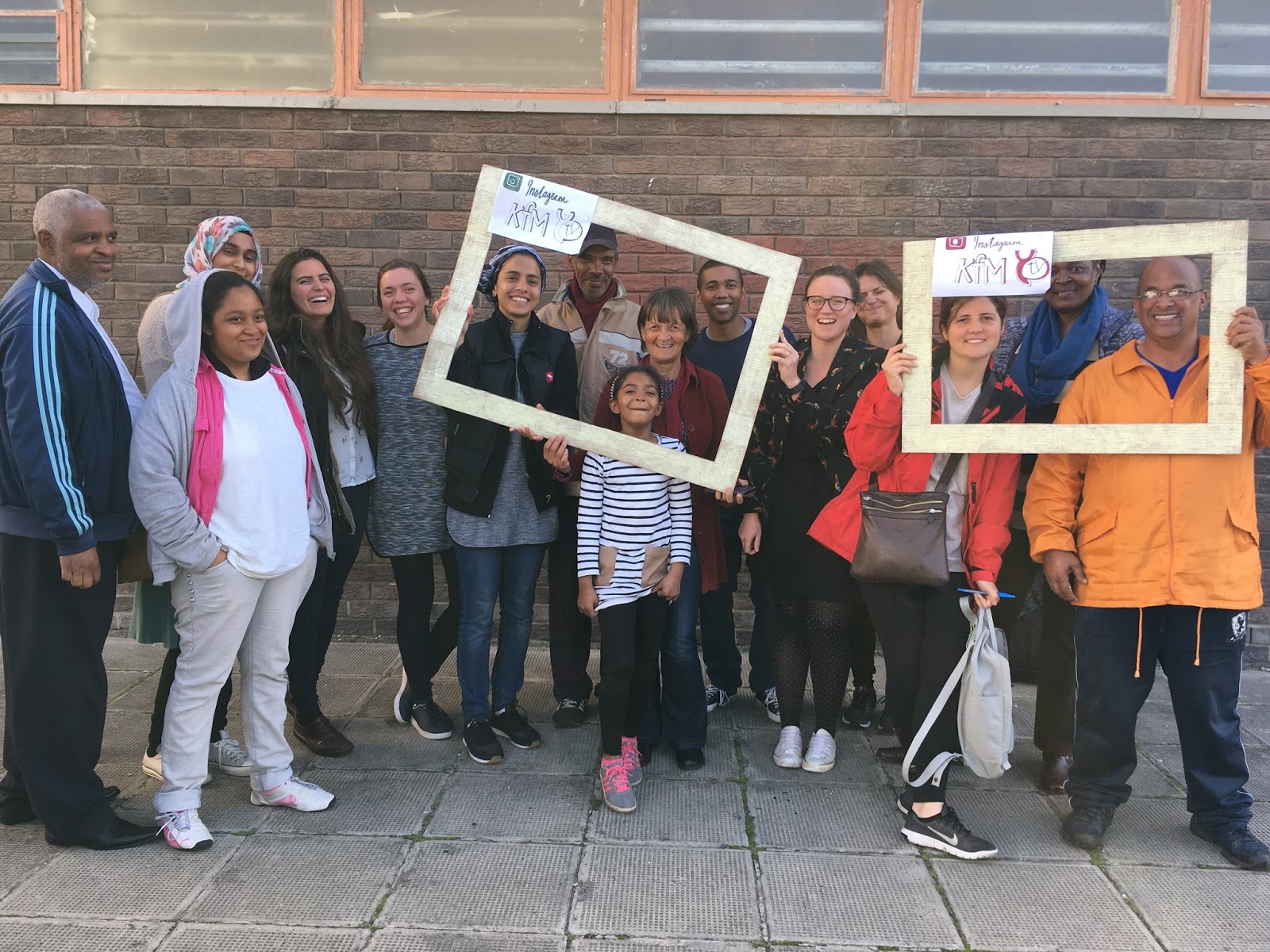
The 2017 Architecture Sans Frontiere’s Change by Design Programme took place in Cape Town in support of the Development Action Group (DAG)’s work with their Active Citizens Programme on 3 specific sites: Kensington, Khayalitsha and Oude Moulen.

The workshops’s goals were to support grassroots movements with strategic tools in action-research, spatial enumeration and strategy building across the grassroots members stakeholder and beneficiary groups.


The workshop ran for 2 weeks and employed an iterative action research methodology to support the unique needs of each site with the workshop particpants and DAG.


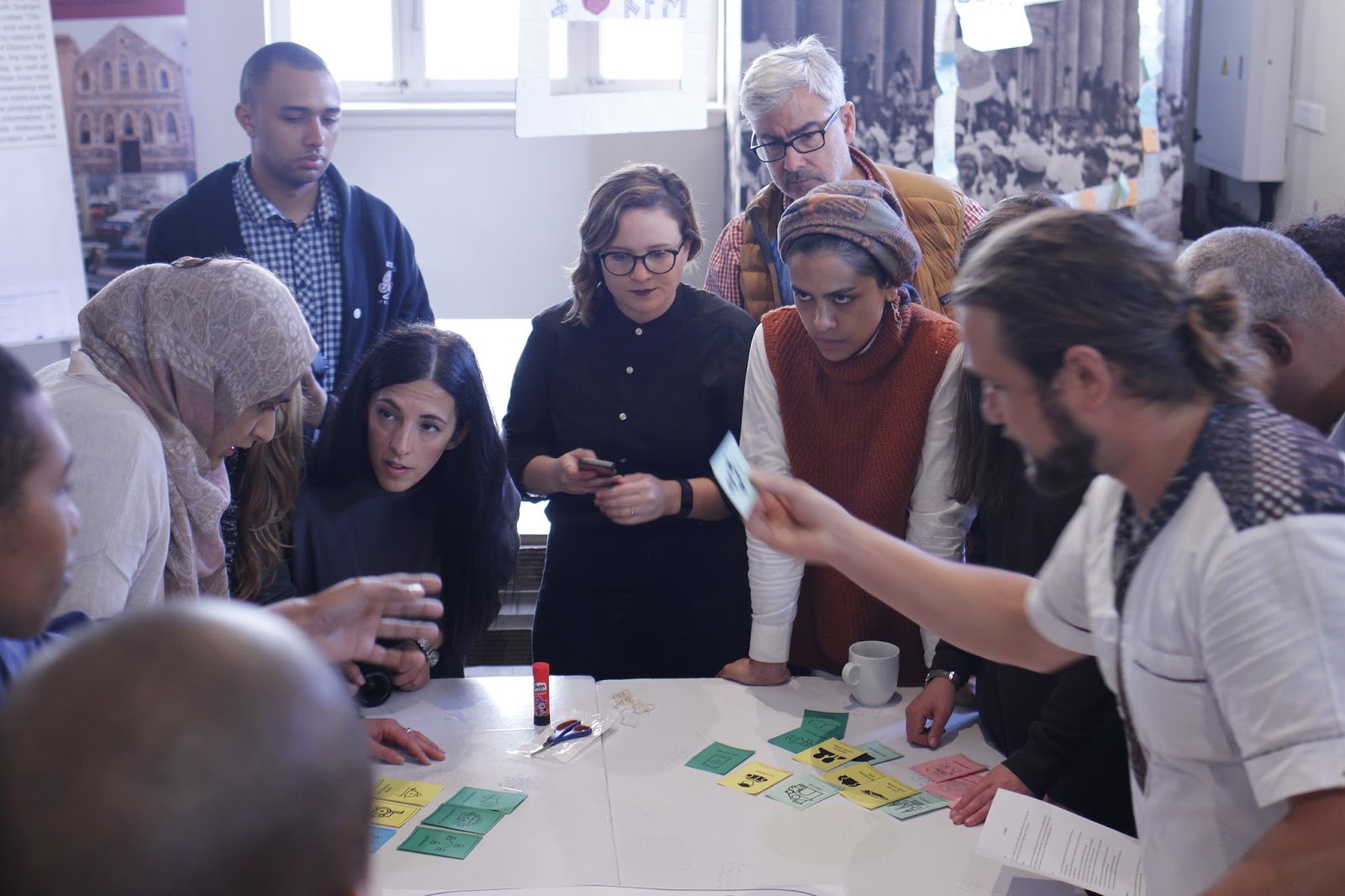
The result of the two week process was a set of grounded spatial research that was intended to support the grassroots leadership’s future engagement with the City of Cape Town. Each group developed a small visual summary of the research in a shared graphic language that was presented back to a large stakeholder group at the district 6 Museum in Cape Town.

At this feedback session each local leadership group shared their findings from the workshop and hosted  a small game that was designed by the ASF workshop team as a means to not only share the feedback from each site, but build a dialogue between local leaders and the workshop participants which included City of Cape Town Officals, other NGO’s and other grassroots organisations.

FOLIO Vol.1 PUPAE: Not a ‘No-Go’ Zone

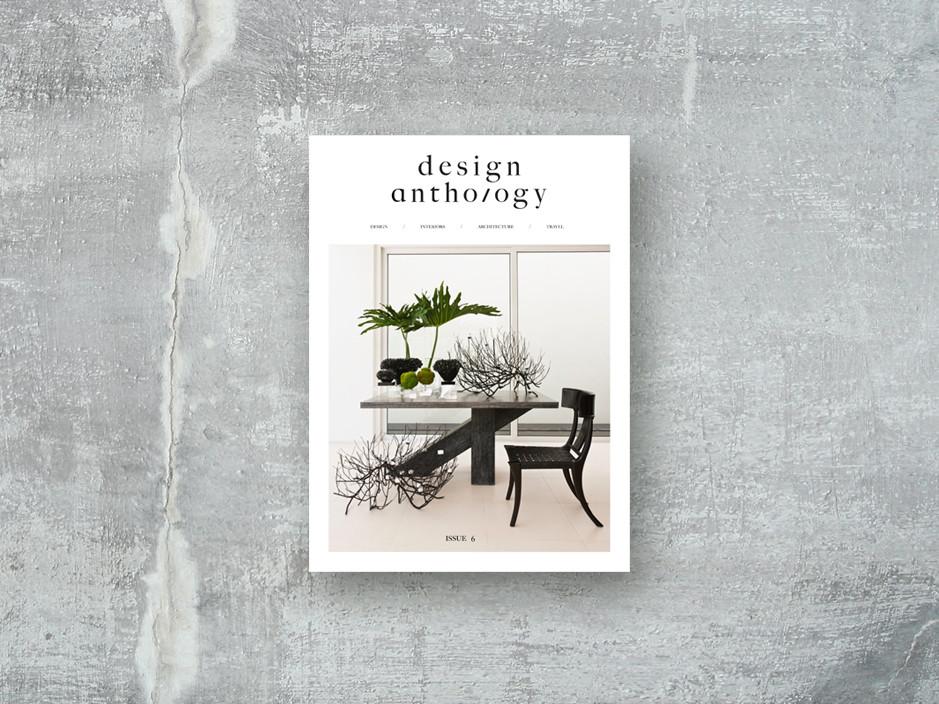
FOLIO is a critical, creative and contemporary Journal of African Architetcure and a product of GSA Imprints, an initiative launched by the Graduate School of Architecture (GSA) at the University of Johanesburg.

Volume 1: PUPAE was launched in 2017 and comprises a collection of critical writing peices, photo essays and design research outputs.

View the first issue here: https://issuu.com/foliojournalofafricanarchitecture/docs/folio_issuu 

Myself and Sumayya Valley of Counterspace put together a short writing peice that was supplemented by a series of drawings created by Sumayya from a previous project we had completed in inner-city Johannesburg.

Harvard GSD Research Facilitation in Durban

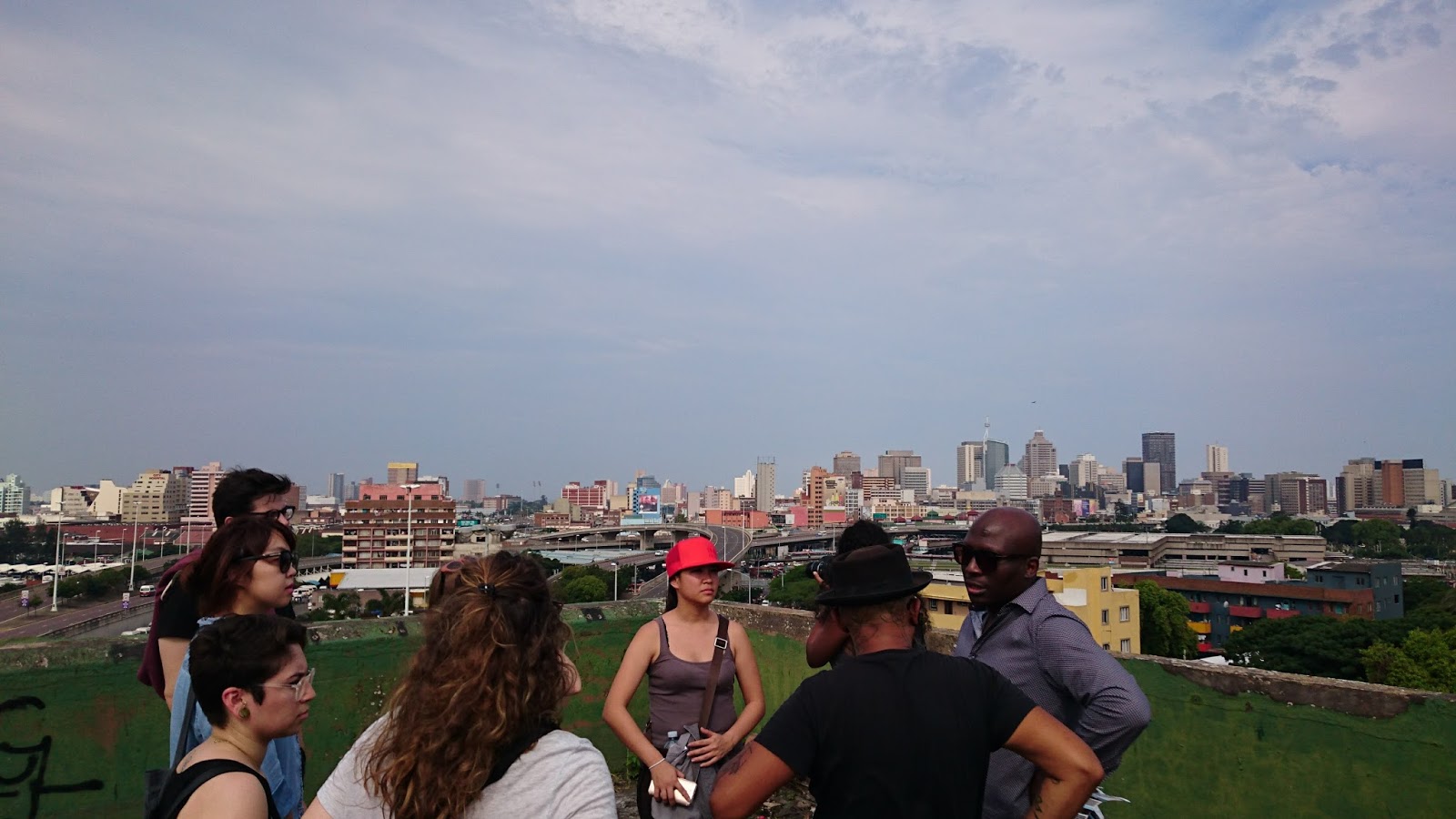
In 2017 Kunlé Adeyemi brought his African Water Cities Research project to Durban through his teaching post at Harvard’s Graduate School of Design. Through 1to1 – Agency of Engagement I managed and facilitated the logistics of the trip, and assisted in the guiding of the learning experience of Durban.
NLÉ is led by Kunlé Adeyemi, an architect, designer and ‘urbanist’ with a track record of conceiving and completing high profile, high quality projects internationally. His recent work includes ‘Makoko Floating School’, an innovative, prototype, floating structure located on the lagoon heart of Nigeria’s largest city, Lagos. This acclaimed project is part of an extensive research project – ‘African Water Cities’ (http://www.nleworks.com/team-member/kunle-adeyemi/)


I was assisted by Adheema Davis and our goal was to expose the students from Harvard to the broad complexities of Durban as an African City while also linking in as many local practitioners, students and organisations as was possible in the 1 week studio visit: UKZN Students, DUT Students, Beset Durban, Cameron Finnie, Mark Bellingan, Doung Jahangeer, Lindsey Busche, Tsidi Moahloli and Asiye eTafuleni to name a few.  We planned the events to offer maximum exposure for all students and even arranged an Archi-Speed Date between the different groups. The studio visit was additionally supported by Sumayya Valley and Mpho Matsipha.
A series of meetings, tours and discussions were planned for the week’s engagement.
BUILDING INDUSTRIES IN AFRICAN WATER CITES
 
“This studio explores the city of Durban to examine the challenges and opportunities presented by the impacts of urbanization in the social, physical, and environmental context of the African continent. The aim is to build industries–to produce a series of new architectural, infrastructural, and urban solutions learning from the local environment with a responsible infusion of relevant global values. Through documentation of international and regional practices, the studio will focus on Durban to investigate the city and its edge conditions, to understand its transformations and adaptations and socio political and economic dynamics.
The studio develops models of small to medium scale infrastructure interventions, scalable through locally managed industrial processes and technologies. In an increasingly globalized world, and particularly in the African context, a pedagogical aim of the studio is to also critically analyze the role of architecture, the architect, and forms of practice that offer sustainable values that shape and stimulate development in African cities and communities.
Starting with urban research, the studio will analyze Durban, South Africa based on seven registers: Demographics, Economy, Socio-politics, Infrastructure, Morphology, Environment and Resources (DESIMER). The studio will draw from NLÉ’s African Water Cities Project (AWC), which explores the impacts of urbanization and climate change in African cities and communities, deducing the fastest growing African cities are also some of the most vulnerable to climate change. Durban, a rapidly urbanizing coastal city, falls within the high to the extreme high-risk zones.
The studio team will visit Durban in the early phase of the research. Throughout the research and design phases, we will engage advisors in various disciplines to guide the DESIMER research and also establish relationships with local organizations, student groups, institutions, and partners in South Africa.
The outcomes of the studio will be presented at the New Solutions of the World Economic Forum on Africa taking place in Durban in May 2017. The goal is to escalate the research and design outcomes into real possibilities of prototyping and industrialization.
Kunlé Adeyemi, Aga Khan Design Critic”
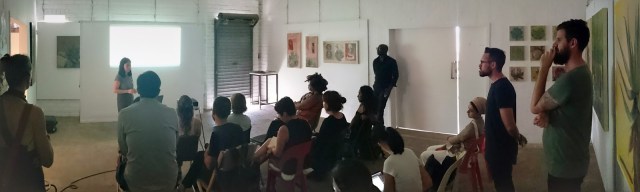
Final Presentation of work for critique from local researchers and practitioners.
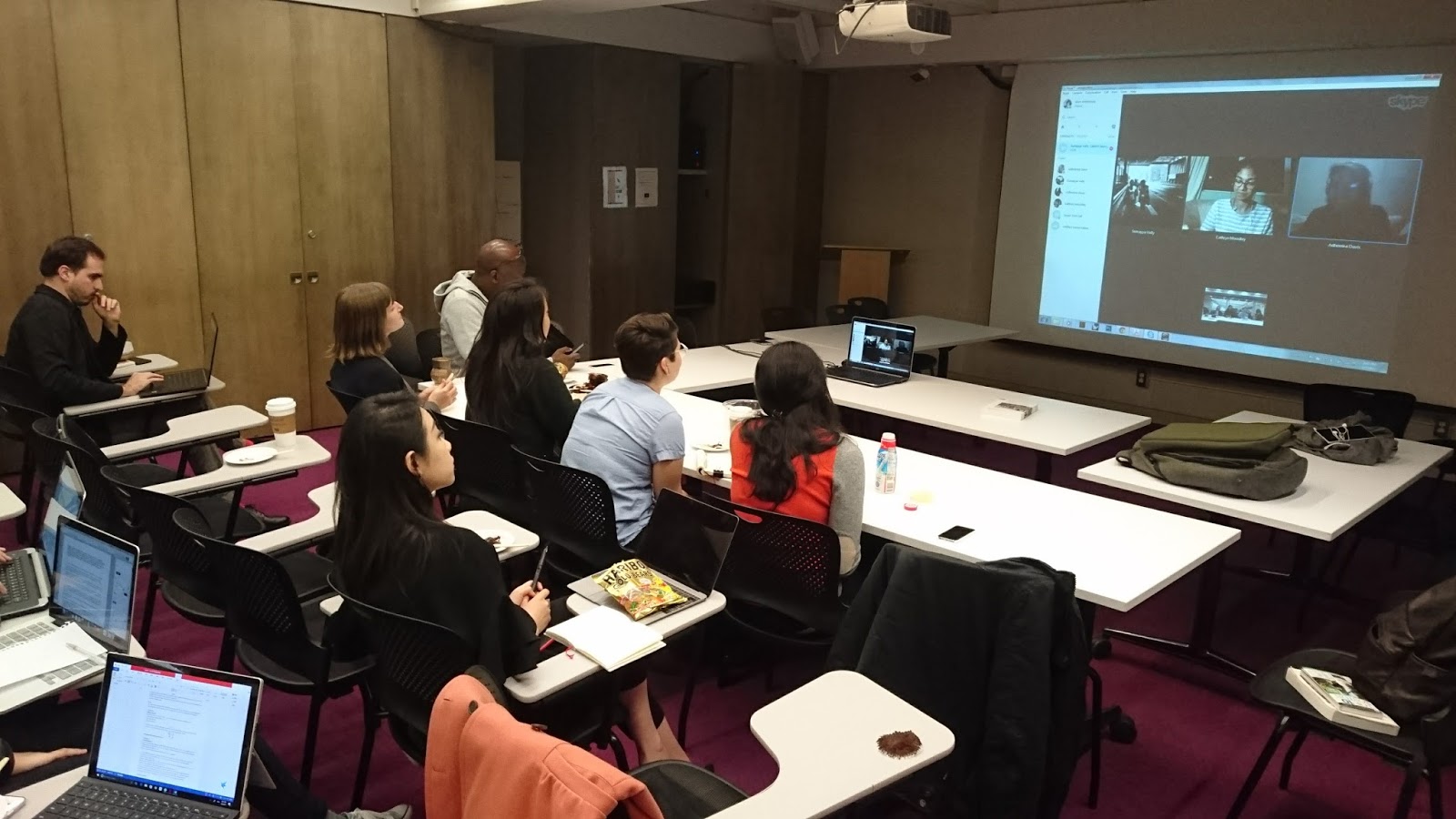
I was fortunate enough to secure funding to then attend the Design Crits in Harvard as a guest critic and support the student’s enquiries during my visit through a few desk crits at the Gund Hall as well as faciliate a skype crit between the South African students and the Harvard students.
Intercontinental student skype crit

Lukhanyo Socio-Technical Facilitation

The Lukhanyo Hub project seeks to develop a system of support to residents in marginalised areas of urban South Africa through programmatic and built infrastructure. The newly formed entity RCDC are currently working in the BT section of Khayalitsha by assisting local groups through a small scale farming and early childhood development programmes.

“Lukhanyo Hub in Site C, Khayelitsha is a new ‘catalytic’ model developed by RCDC to deliver affordable housing, high quality education, training, recreation programmes and health services alongside employment opportunities delivered through innovative buildings, energy systems and outdoor spaces in economically under-resourced areas.
The system is supported through public-private partnership creating an economically sustainable system through public-private partnerships. The overall system is being developed to be replicable in multiple contexts whilst being responsive and respectful of its context and adaptive to changing conditions over time.”  http://rcdcollective.com/
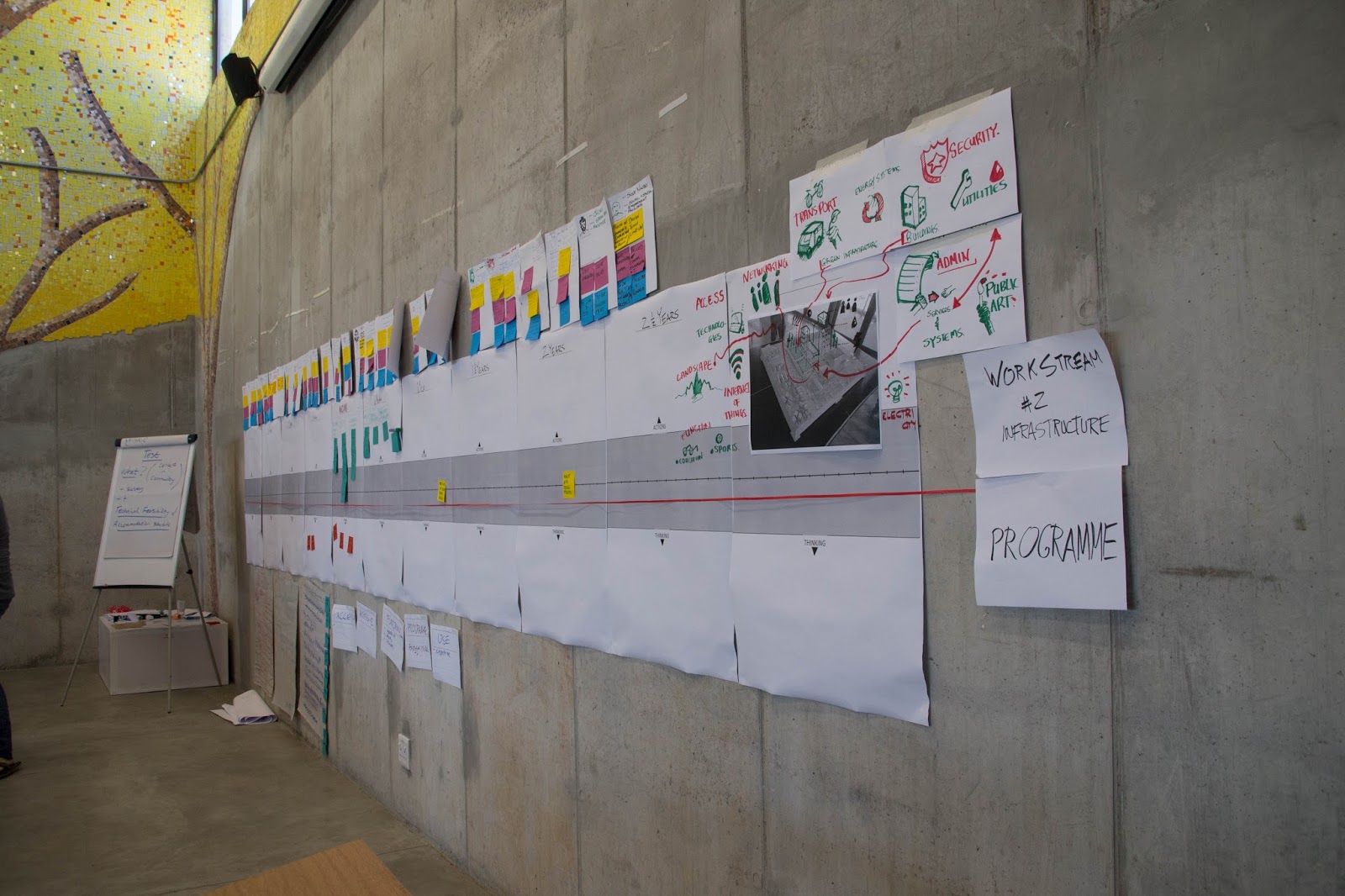
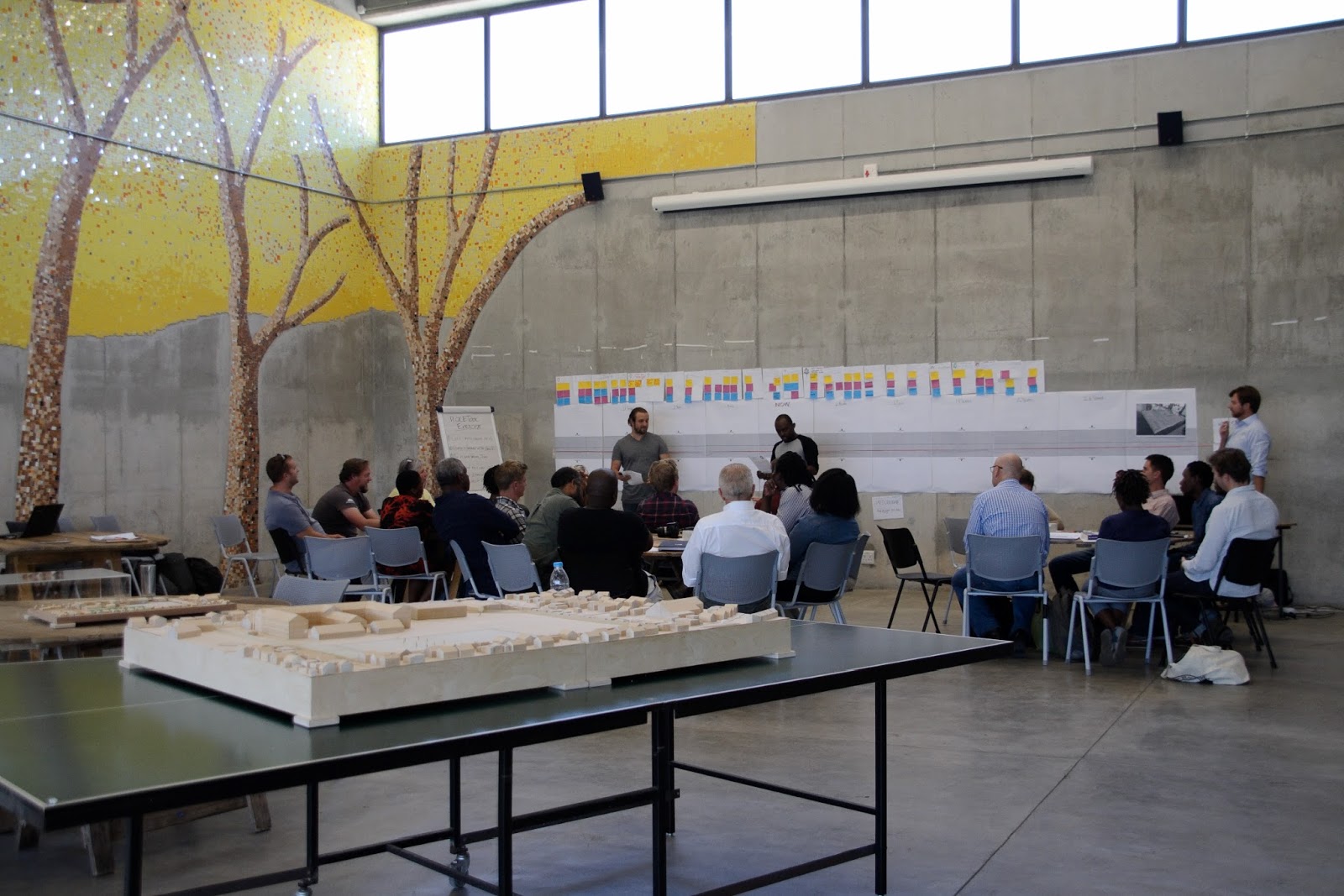
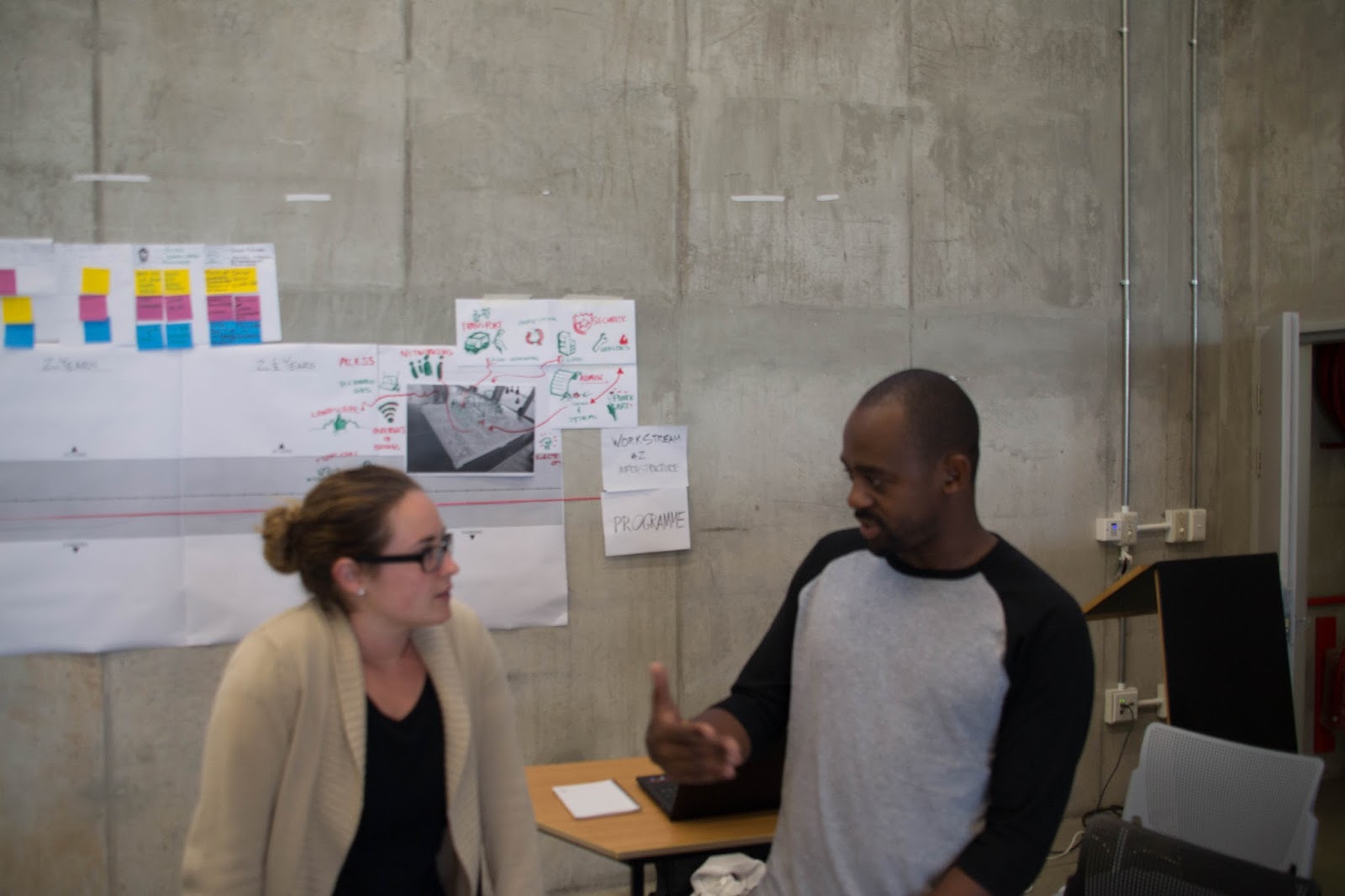
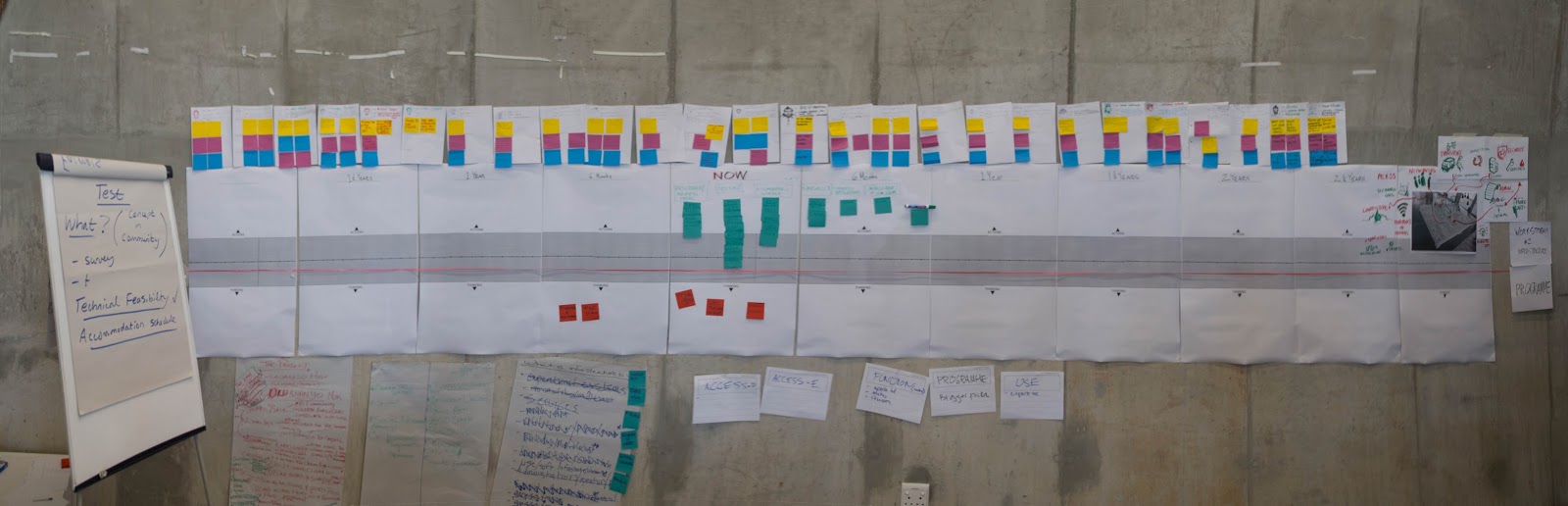
Through 1to1 , I was requested to support in the socio-technical development of a brief around what the Infrastructural requirements for support in the area should be. 1to1 worked with local planner and socio-technical expert Sizwe Mxobo and Natalia Tofas to host a 1 day workshop in order to co-produce a brief with the different stakeholder groups.
The team employed a facilitation tool developed by 1to1 that used the concept of  a timeline as a means to collect valuable information from what has already taken place on site and how the stakeholders see the future of the project.
The time line structure was supported with smaller toolsets that created a common and accessible language format for different types of people and supported visual and design thinking processes.

The tool was successfully used and due to it’s design has become the format from which future workshops, the documentation of the process and the Monitoring and Evaluation process will be used from.

Spaces of Urban Change: Public Lecture

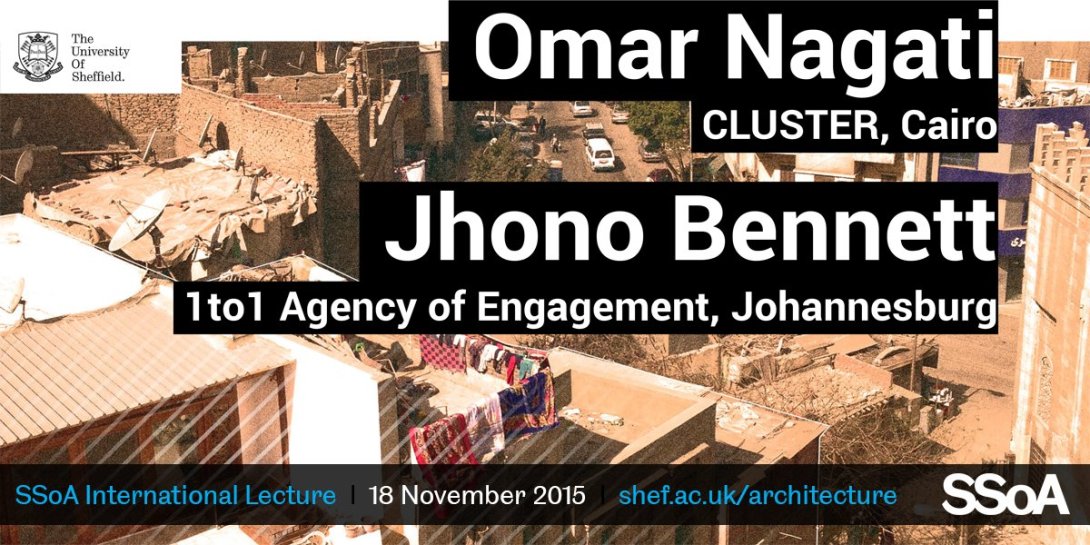
During my work with the University of Sheffield’s Master’s in Urban Design teaching, I was fortunate to share a presentation space with Omar Nagati of Cluster .

It was a very enlightening experience and the discussions after were hugely insightful.

“The lecture focuses on the work, ideas, and methodologies of CLUSTER and 1to1 Agency of Engagement, two innovative design and research practices based in Cairo and Johannesburg respectively. Jhono Bennett and Omar Nagati share examples of on-going and recent work within the rapidly shifting urban landscapes where they operate.

Through their presentations, they discuss the new modes of urban practice that might emerge through an active engagement in the processes of urban change, redefining the position of architects and urban designers. They reflect on these new modes of practice by outlining some of the methods and strategies adopted by CLUSTER and 1to1 Agency of Engagement, as well as key projects in Cairo and Johannesburg.

This event was organised by Beatrice De Carli on behalf of the research group Globalisation and Spatial Practice at Sheffield School of Architecture.

Work with Sheffield University

University of Sheffield – Masters in Urban Design 2016/2017

  I was again invited by Dr. Beatrice De Carli to teach in the Urban Design Masters at Sheffield for the 2016/2017 teaching period. This was done as part of a larger network project that has been set up with University of Sheffield (Sheffield, UK), Nanjing University (Nanjing, China), CEPT (Ahmedabad, India) and the University of Johannesburg…

University of Sheffield – Masters in Urban Design 2015/2016

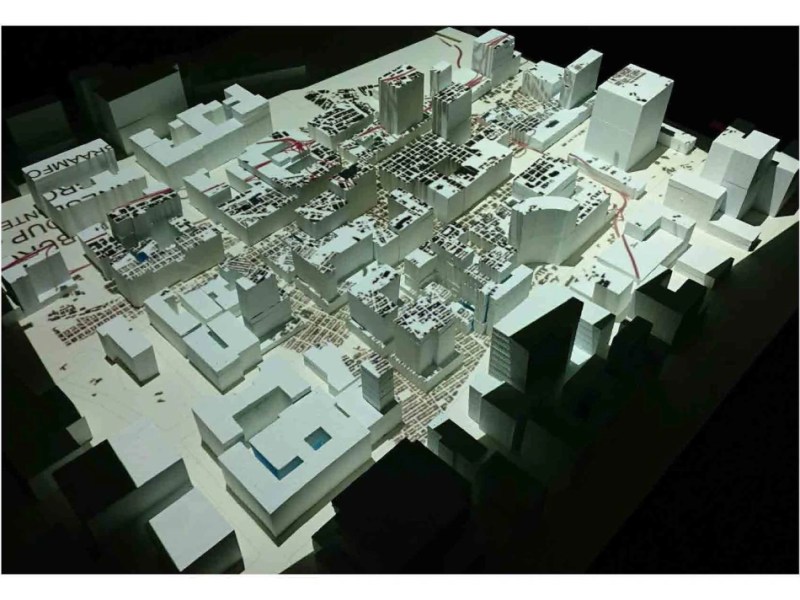
In 2016 I was invited by Dr Beatrice De Carli to assist in the teaching of the Masters in Urban Design at the University of Sheffield’s School of Architecture for the ‘Design from Afar Module”. We set the brief in Johannesburg’s Braamfontein and aimed to create a teaching/research model that would allow students in Sheffield…

Sheffield Mobility: Spatial Design Research

2018 marks the final year of a 3 year mobility exchange between the University of Johannesburg’s DSD Desis Lab and the Sheffield School of Architecture. RAUM #2 Day 1. Rathul sharing the debate on Public Space as a teaching method for CEPT A post shared by Jhono Bennett (@jhonobennett) on May 8, 2017 at 7:12am…

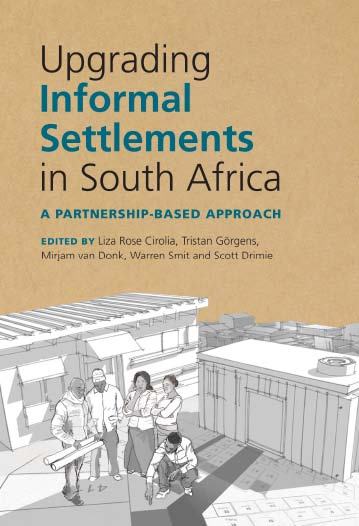
Upgrading Informal Settlement Book Chapter

My master’s professor, Dr Carin Combrinck, and I co-authored a book chapter on the role of architects and architecture in the re-development of South Africa for a book project co-ordinated by the Isandla Institute, UCT and the African Centre for Cities. 
 

The book was published in December 2016 and our chapter was titled: 

Navigating hostile territory? Where participation and design converge in the upgrade debate

The abstract below:

The South African policy landscape regarding Human Settlement development reflects a progressive approach towards the in-situ upgrading of informal settlements. With the assistance of the World Bank and the Cities Alliance, the National Upgrading Support Programme (NUSP) was established in 2008 to facilitate the implementation of the Upgrading of Informal Settlements Programme (UISP) which is further underpinned by the 2009 National Housing Code Part 3 Volume 4: Upgrading Informal Settlements.
 
The policy intent is aimed at a holistic integration of informal settlements into the urban and socio-economic fabric of the greater metropolitan area with a strong focus on locally appropriate community participation (SA 2009:s 2(1)). Factors such as the careful maintenance of existing community survival networks as well as the harnessing of local knowledge and understanding of particular needs are given high priority in the development process (SA 2009:s 3(9)).
Consideration of these matters is directly translated into the approach to the proposed township layout of a settlement, which must be done in consideration of community needs, current land use and densities and designing to minimize relocation (SA 2009:s 3(10)). Even in terms of the stand sizes and layout, the Housing Code favours an understanding of the existing conditions:
Due to the informal layout of informal settlements it is not desirable to determine uniform or minimum stand sizes. Locally appropriate stand sizes should emerge through a process of dialogue between local authorities and residents. (SA 2009:s3(13))
 
In terms of the implementation of this process, the Housing Code makes allowance for the primary role players to be the state in its various functions. Resources are then included from the private sector by way of the professional services of engineers, town planning, land surveying, geotechnical services, Environmental Impact assessment (EIA) services and site supervision (SA 2009:s 2(5.3)). Along with the general provision for the housing process, the Act also allows for the establishment of a mediating body (Community Resource Organisations – CRO’s) that can offer a platform for technical assistance to the communities and financial accountability to the state. These can either be the municipalities themselves, Non-governmental organisations (NGO’s) or Community Based Organisations (CBO’s). The prerequisite is that they must be a legal entity through which the community may then apply for this funding.
 
As can be seen from the short description of the policies relevant to the upgrading of informal settlements, a holistic and progressive context is established where the potential exists for a well-balanced involvement of state, civil society (private sector built environment professionals) and beneficiary communities in the development process. Yet, rising dissatisfaction among the urban poor has resulted in an increased level of service delivery protests (Tissington 2011), indicating an uncomfortable disjuncture between such policies and their implementation.
This chapter focuses on two questions emanating from these policies: Firstly, given the apparently benign and progressive wording of these policies, wherein lies the Navigating hostile territory  disjuncture with their implementation? Secondly, do these policies describe a potential role for architecture in this discourse and if so, how? In consideration of these two matters, the chapter will investigate the potential role of young architectural professionals to engage in the context of in-situ upgrading of informal settlements.
 
Interviews conducted with Prof Marie Huchzermeyer (recognized publisher in the filed of informal settlement upgrade), Mr Steve Topham (director of NUSP), Prof Lone Poulsen (previous Dean of Wits School of Architecture) and Dr Mark Napier (previously of Urban Landmark and currently head researcher in Human Settlements at the CSIR) serve to situate some of the discussion in current discourse. Personal reflection on experiences in particular informal settlements further inform and contextualise the conclusions drawn in the chapter.

AT: Community Action Plan Hand Book

*shared from www.aformalterrainjoburg.wordpress.com*

One of the most important outputs for the engagement with the Denver leadership was the Spatial Layout for the Community Action Plan (CAP). The layout was co-developed with residents, leadership and driven by the data and social capital built during the studioATdenver programmes and additional work conducted by AT.

The layout responded to key issues of emergency vehicle access, shared space, social cohesion patterns and green space allocation identified during the studios and larger forum discussions.

The spatial layout, alongside a series of support materials was packaged into an accessible and shareable format. AT conceptualized this in the form of a Hand Book that could be easily distributed and used format as a ‘Toolbox’.

A day-planner format was conceptualsied as a possible structure for this handbook, as many local leaders already used this type of booklet in their work. The idea behind the small format, would allow for the books to be used together to forma a larger layout (A1 size) if brought together.

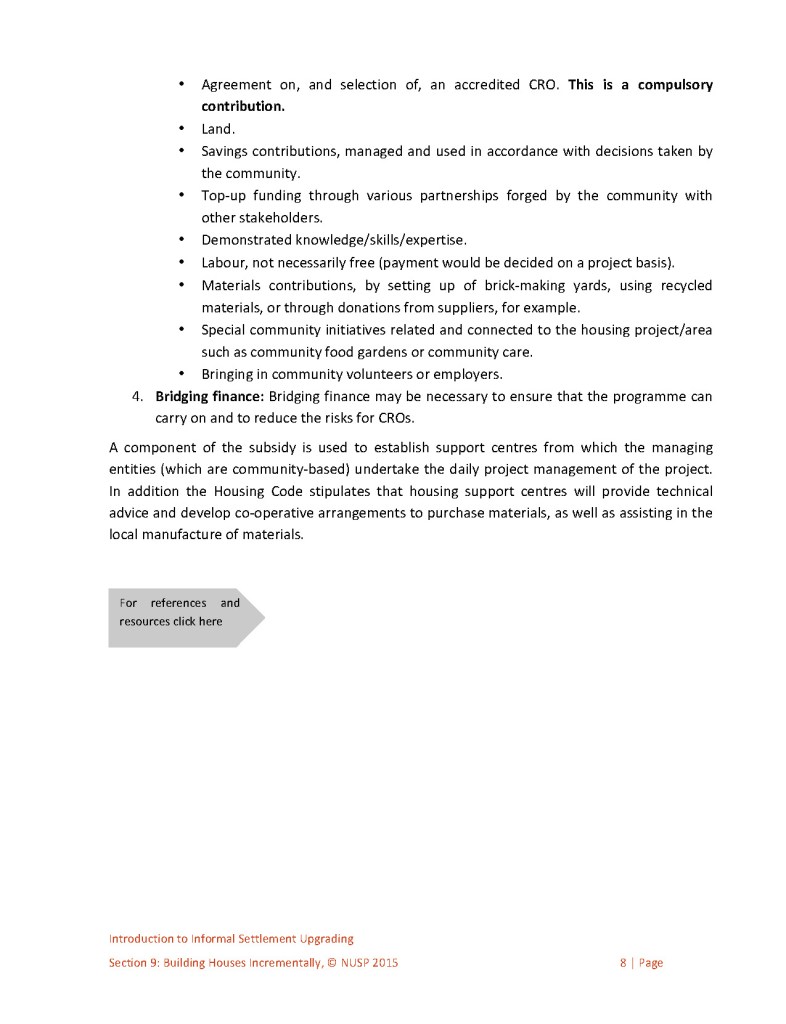
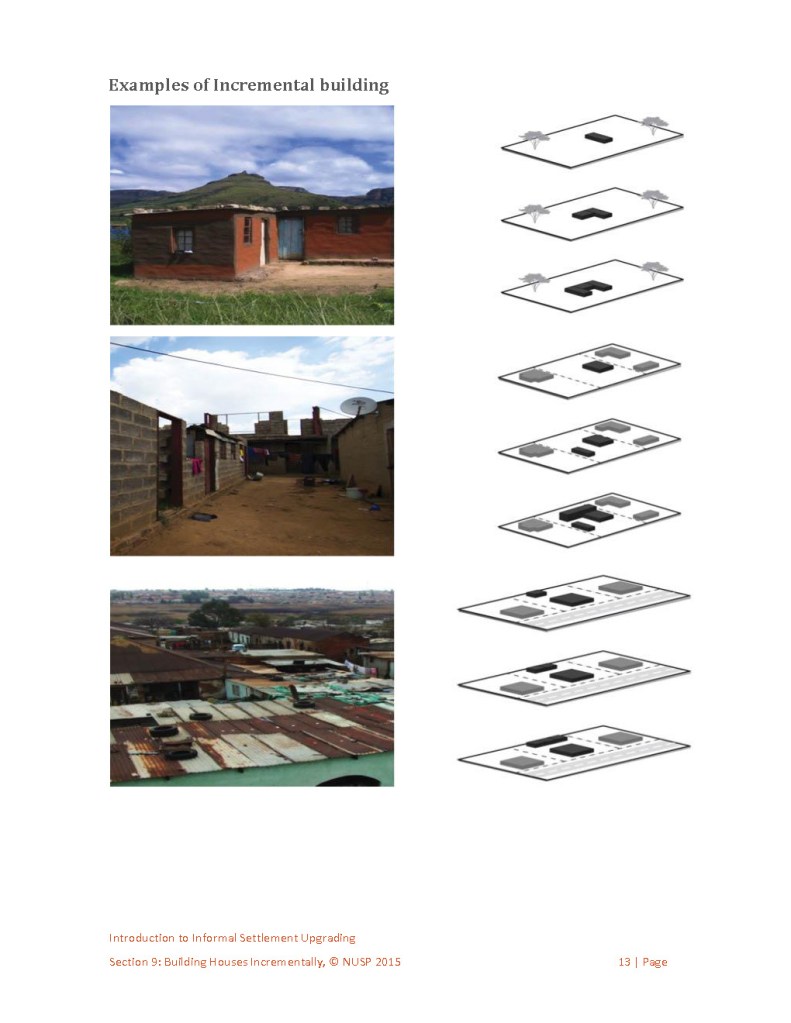
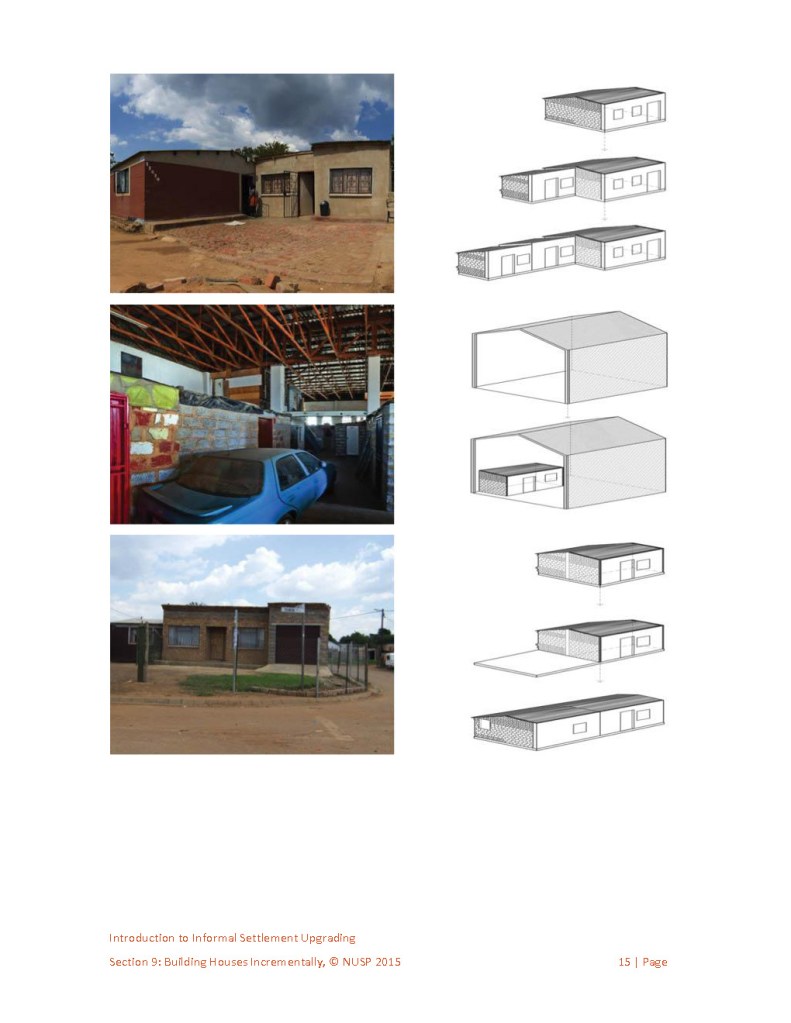
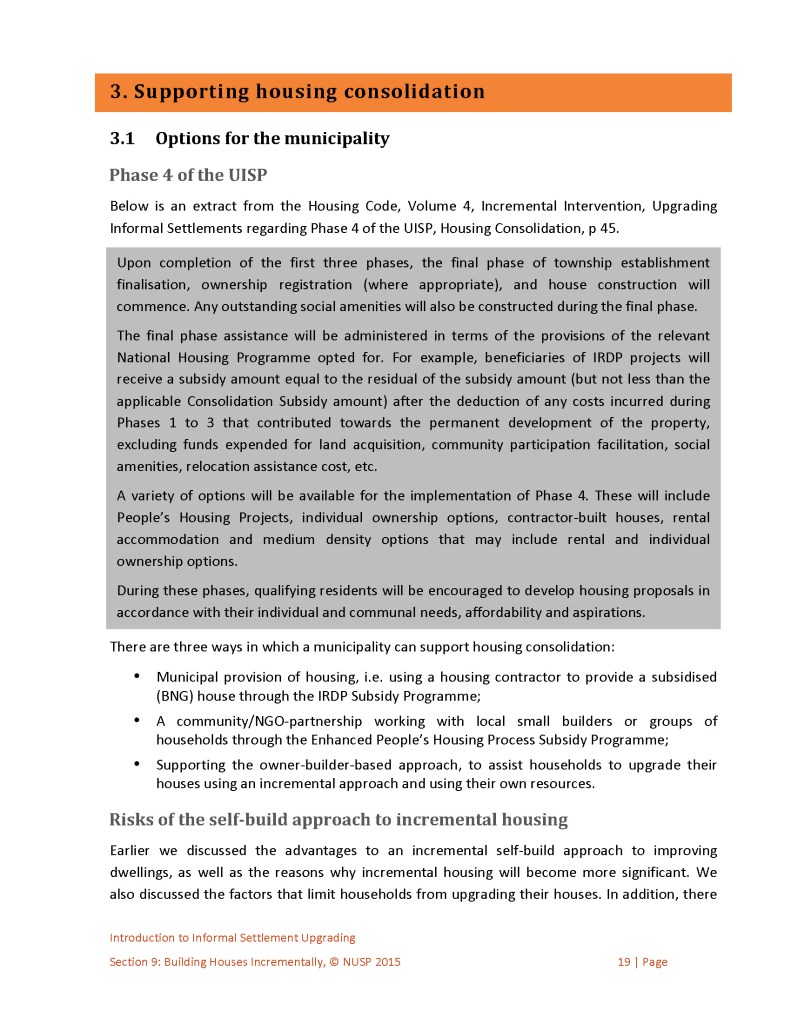
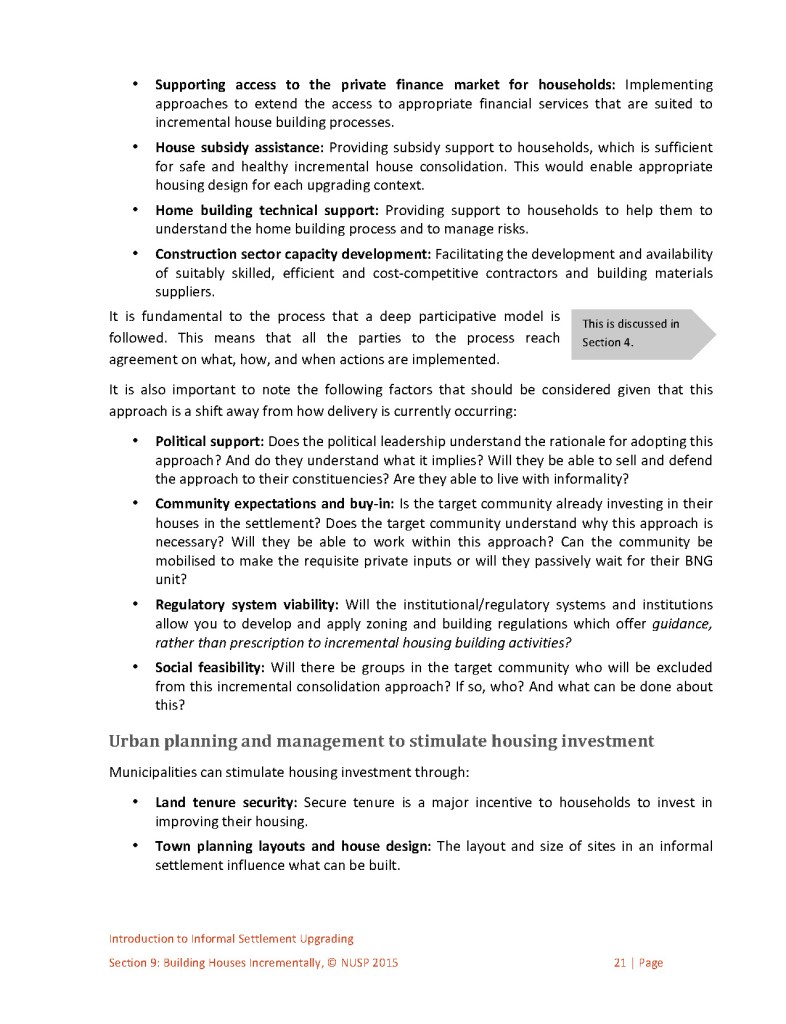
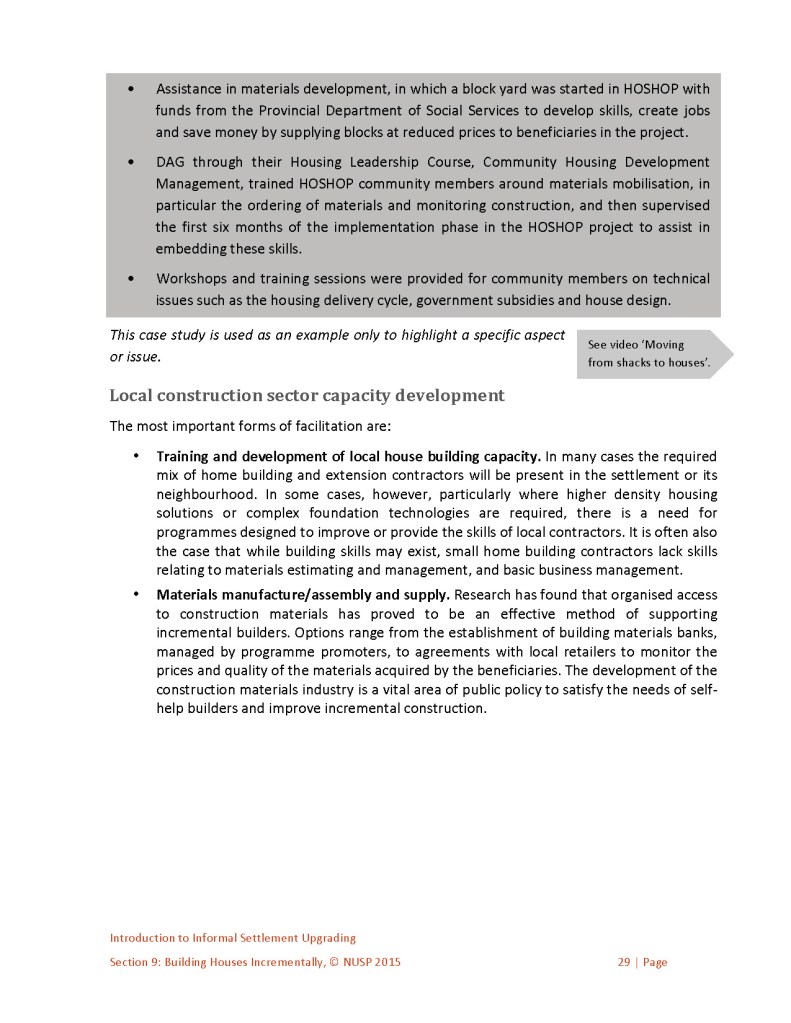
NUSP Incremental Building: Teaching Module

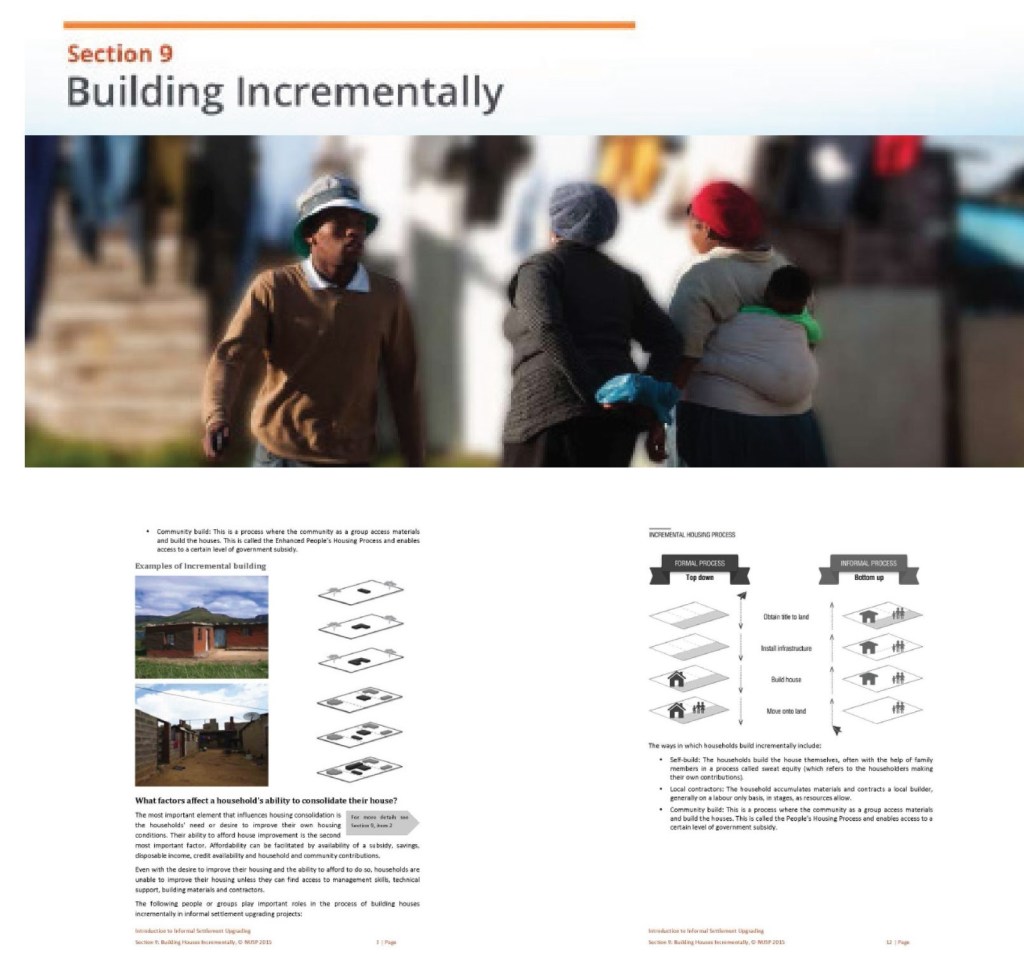
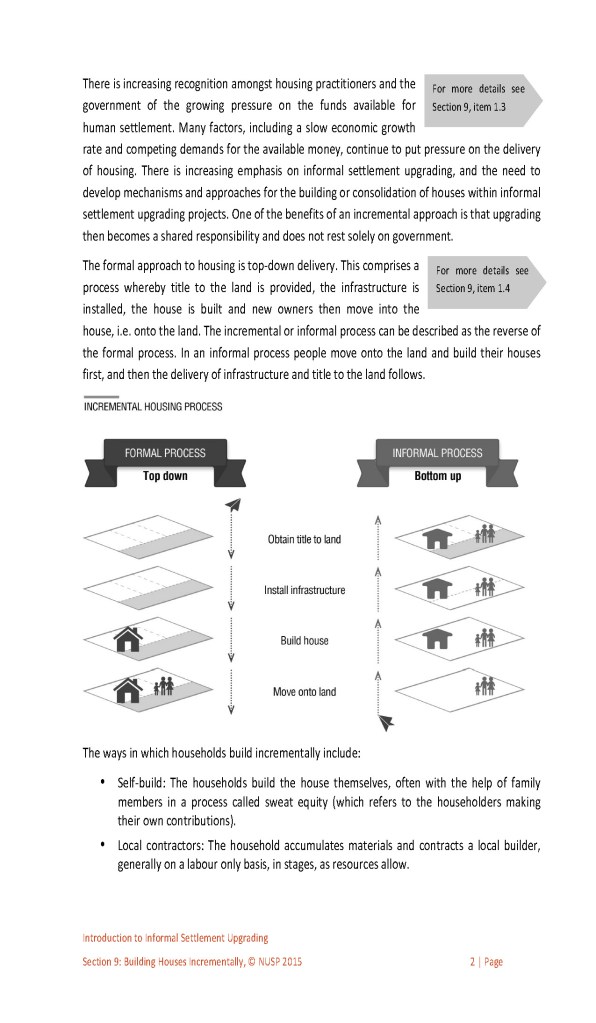
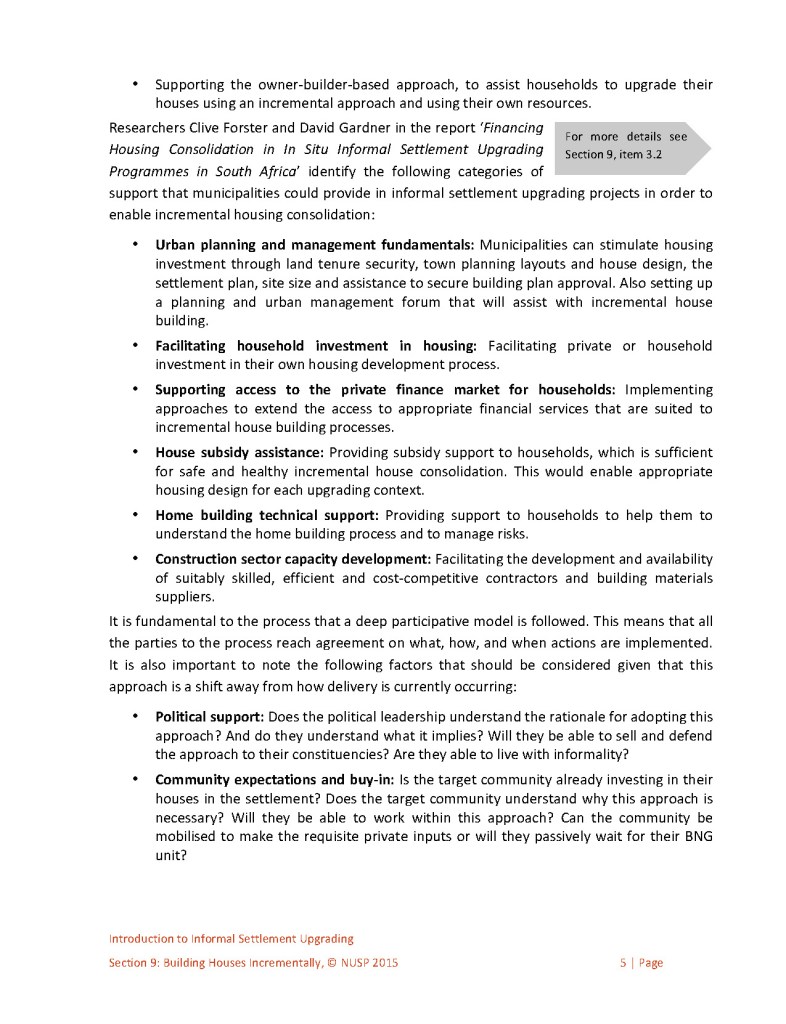
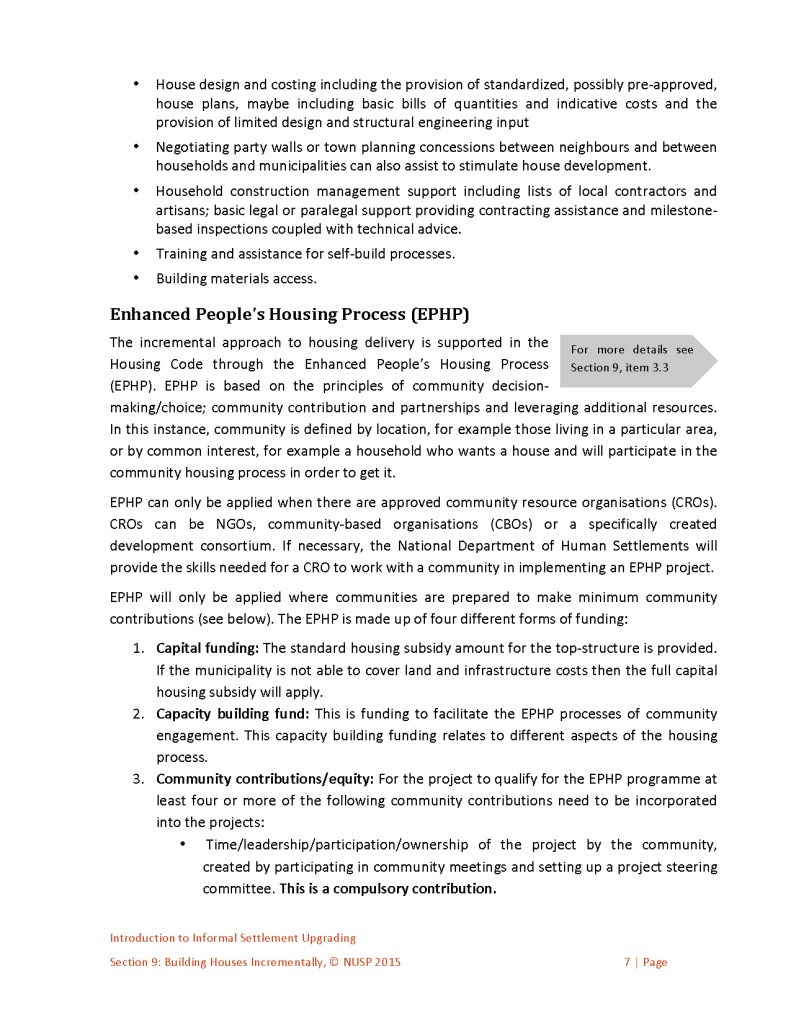
In 2013, through 1to1, I worked with BOOM Architects under Shisaka Development Management Services to write the incremental infrastructure module for the NUSP Socio-Technical Support Manuel for City Officials in Informal Settlement Upgrading for South Africa.


The Section 9 module visually unpacked the variables to consider when allowing for incremental upgrading in informal settlement development as well as requirements for technical allocation.

The full toolkit should be available online at: http://www.upgradingsupport.org

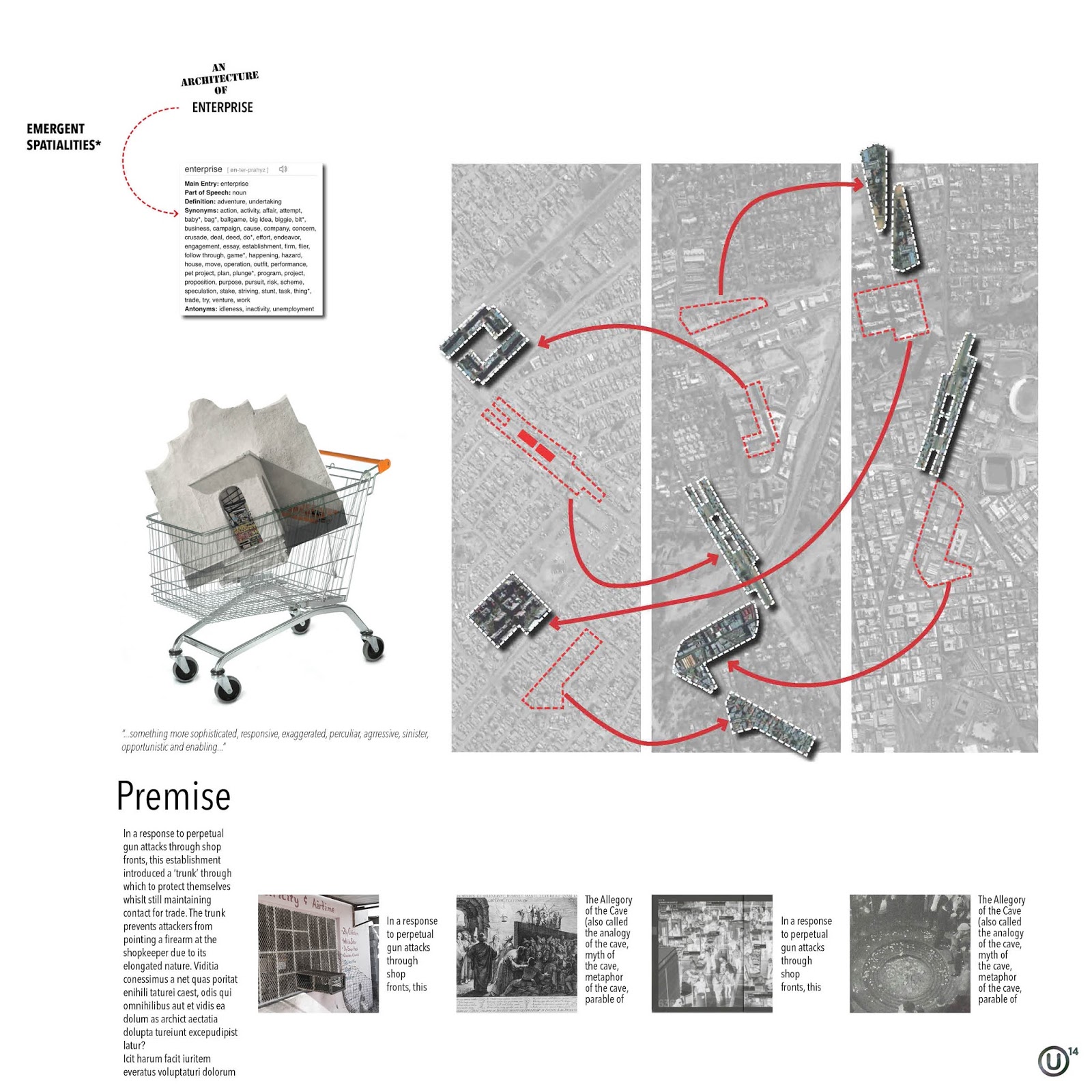
GSA Unit 14: Radical Negotiations

In 2016 I began teaching with Thireshan Govender and Tuliza Sindi in the newly launched Unit System Africa from the University of Johannesburg’s Graduate School of Architecture at UJ’s FADA.

Our unit was dubbed Unit 14 and began it’s inquiry through the search for emergent post-1994 spatialities in Johannesburg.


We did through the lens of Architecture’s of Enterprise and took our 14 students across Johannesburg to explore and search for these conditions.

The students had input from a host of outside actors in the field of urbanism, art, music and planning


The students surveyed Johannesburg using a urban cartogrpahic technique the unit developed. We called this a Landscraped Lexicon and was carefully documented and curated.
https://landscrapelexicon.wordpress.com/


Throughout the year the students produced a myriad of design research and explored the Unit’s concepts within their own specific focuses. See the Unit Journals below:


//e.issuu.com/embed.js


List of student porfolio websites:


https://manqobadlungwane.wordpress.com

http://www.mynewdesigns.blogspot.co.za/

https://tovalubinskyarchitecture.wordpress.com/

https://urbanarkstreet.wordpress.com/

https://ilsaann.wordpress.com/

https://martinsvictor222.wordpress.com/

https://imgita.wordpress.com/

https://salomemonline.wordpress.com/

https://ogundareisrael.wordpress.com/

https://natacheiilonga.wordpress.com/

https://johannlerouxarchitecture.wordpress.com/

https://roelofthumb.wordpress.com/

https://carlagaum.wordpress.com/

Transforming Johannesburg: Kya Sands

In early Costanza La Mantia invited myself and several other researchers, lecturres and practitioners to assist in the running of  a 10 day workshop in Johannesburg’s Kya Sands Informal Setttlement through a project named ‘Transforming Kya Sands’

The organisation team worked as facilitators on the project and guided the participants, made up of a mix of professional, government and students from South Africa and abroad, through the the difficult challenge of how to develop and meet the needs of the kya sands residents.

My group was looking at public space and how it would be addressed in the larger project development. The project is still being published and will be shareable soon.

This project was linked to my ealrier teaching with Costanza at Wits in the Planning School:

http://www.jhonobennett.com/2014/09/teaching-university-of-witwatersrand.html

Spatial Design Teaching Research

2015 has proven to be a very busy year with several teaching, learning and research projects lining up around the idea of pedagogy and design research.
A joint research and experiential exchange arranged between SDI International, the South Africa SDI Alliance and myself in regard to developing a similar network in South Africa.
London – Part 1
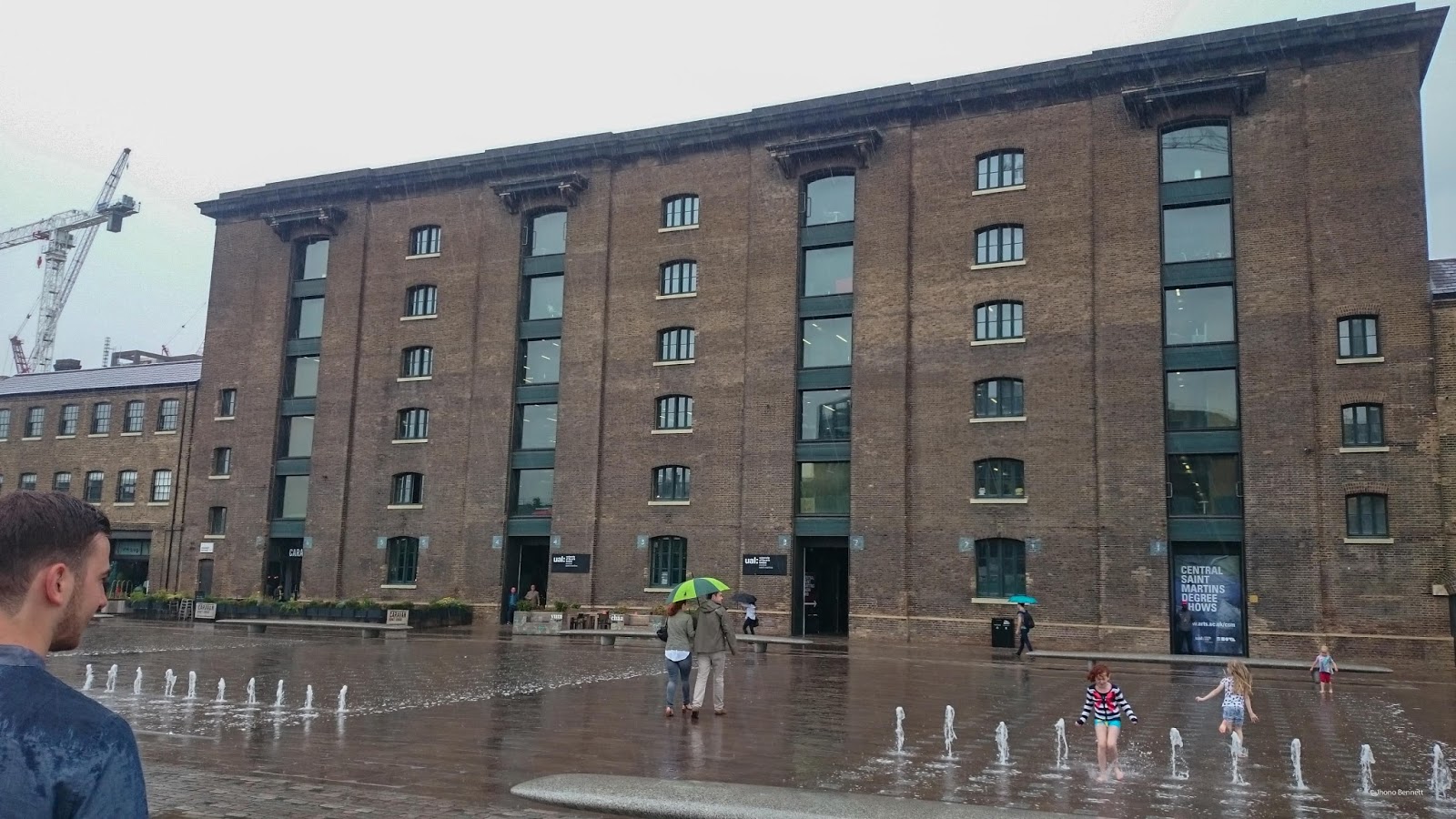
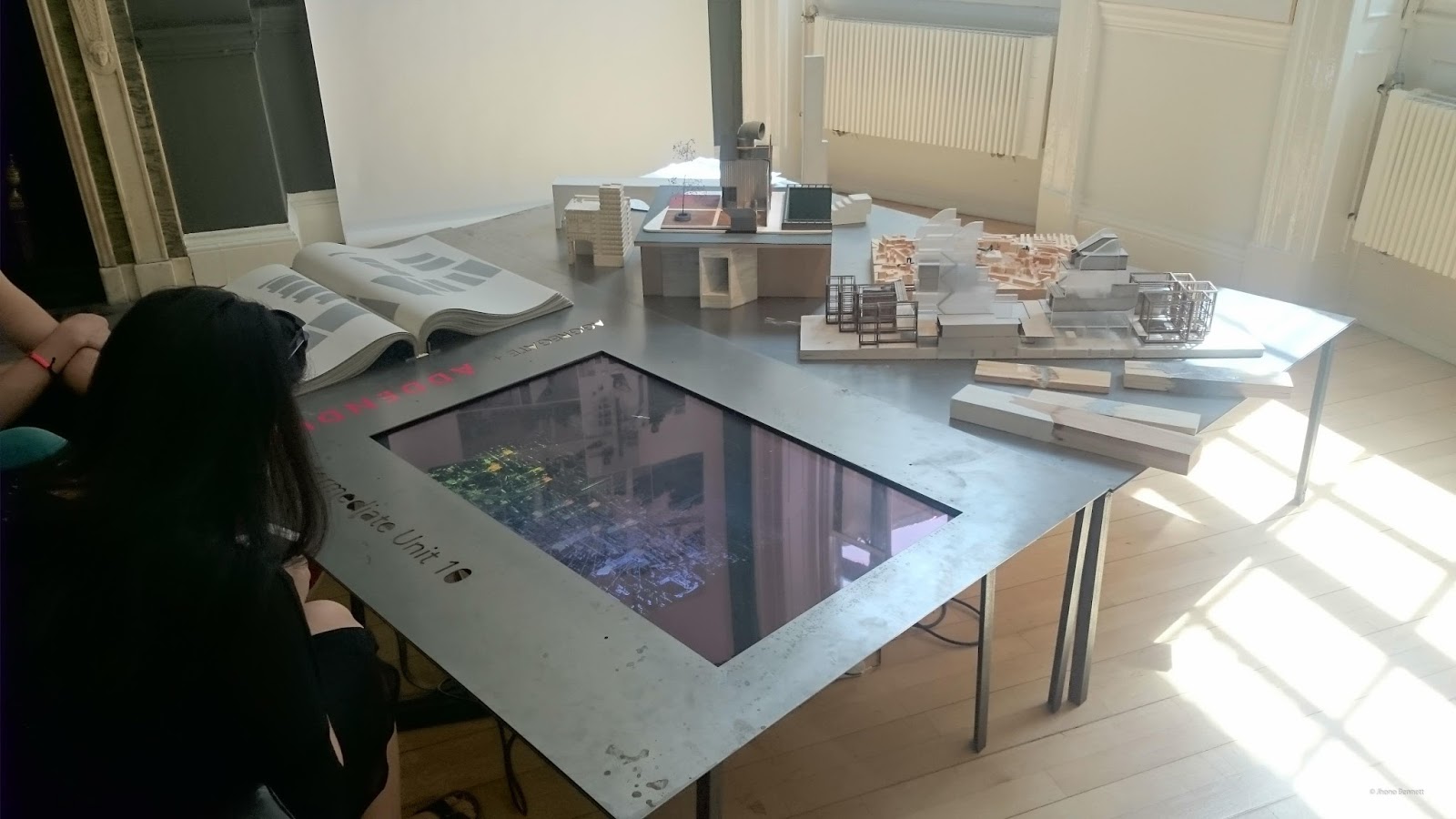
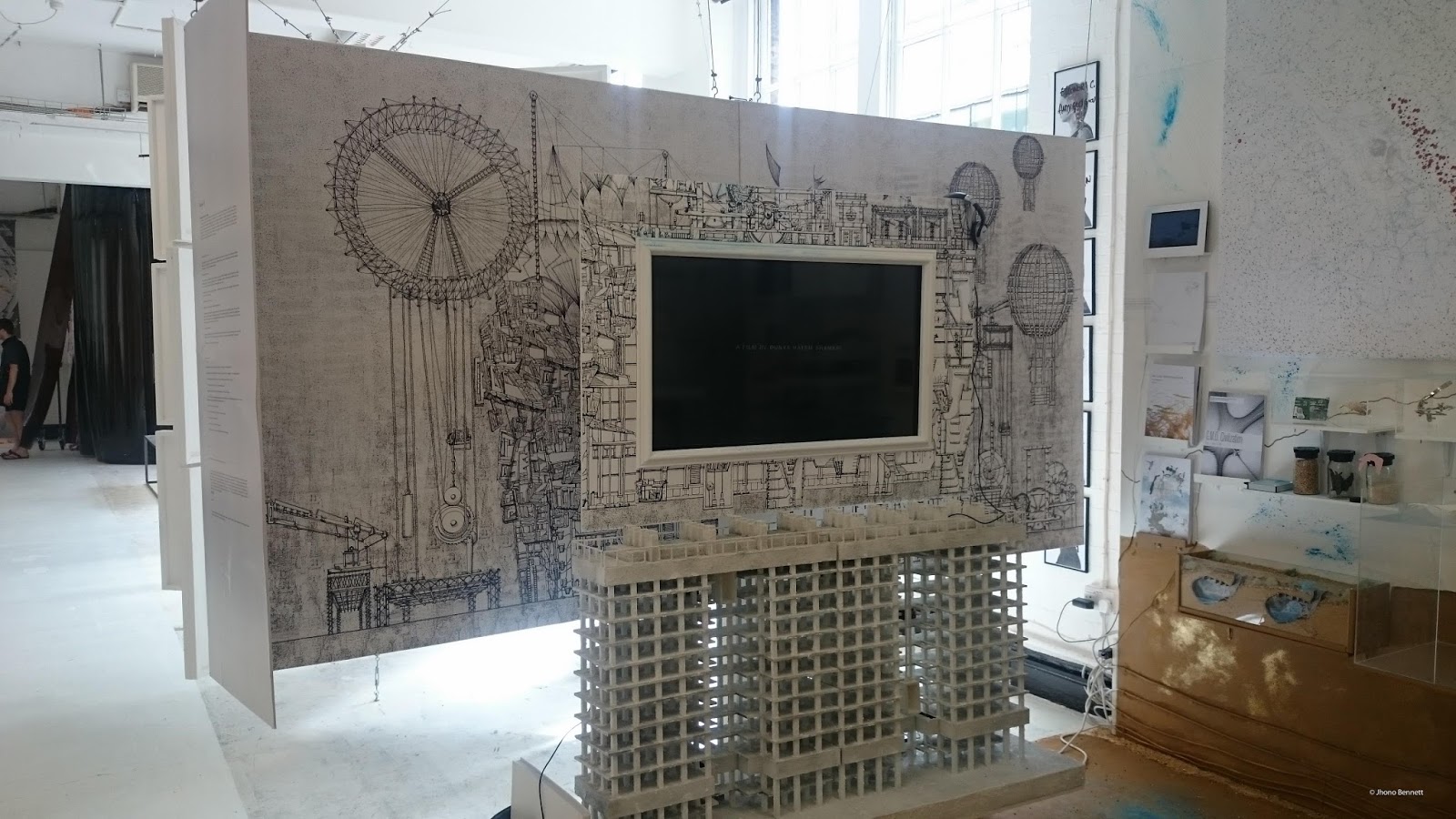
Through an agreement with the various supporters, I arranged to stop over in London en route to the later part of this trip in order to joing my colleagues from the University of Johannesburg who are busy initiating a paradigm shift in it’s post graduate programme of Architecture and arranged several visits to School’s of Architecture in London during the Summer Festival of Architecture to develop a further understanding of the Unit System.
House Boat visit with friends in London
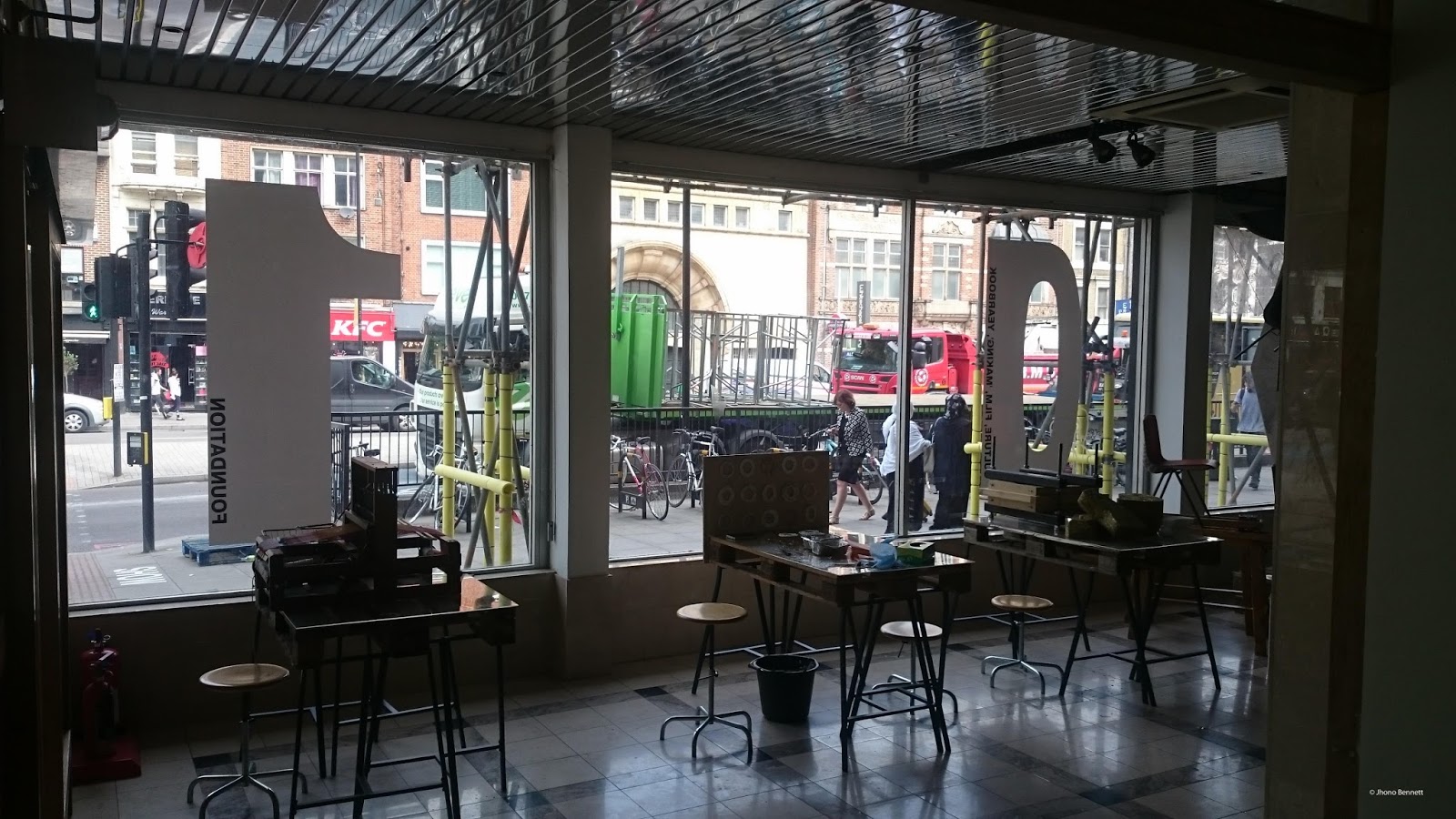
Summer Exhibition through the street facade
University of Johannesburg colleagues touring London Met with staff members
Jeremy Till’s Unit

The AA

Boston, USA
In order to break the long trip up for medical reason’s I managed to arrange a short stay in Boston, where I visited several friends involved in Architecture and global urbanism
Diller Schofield
The Big Dig common space
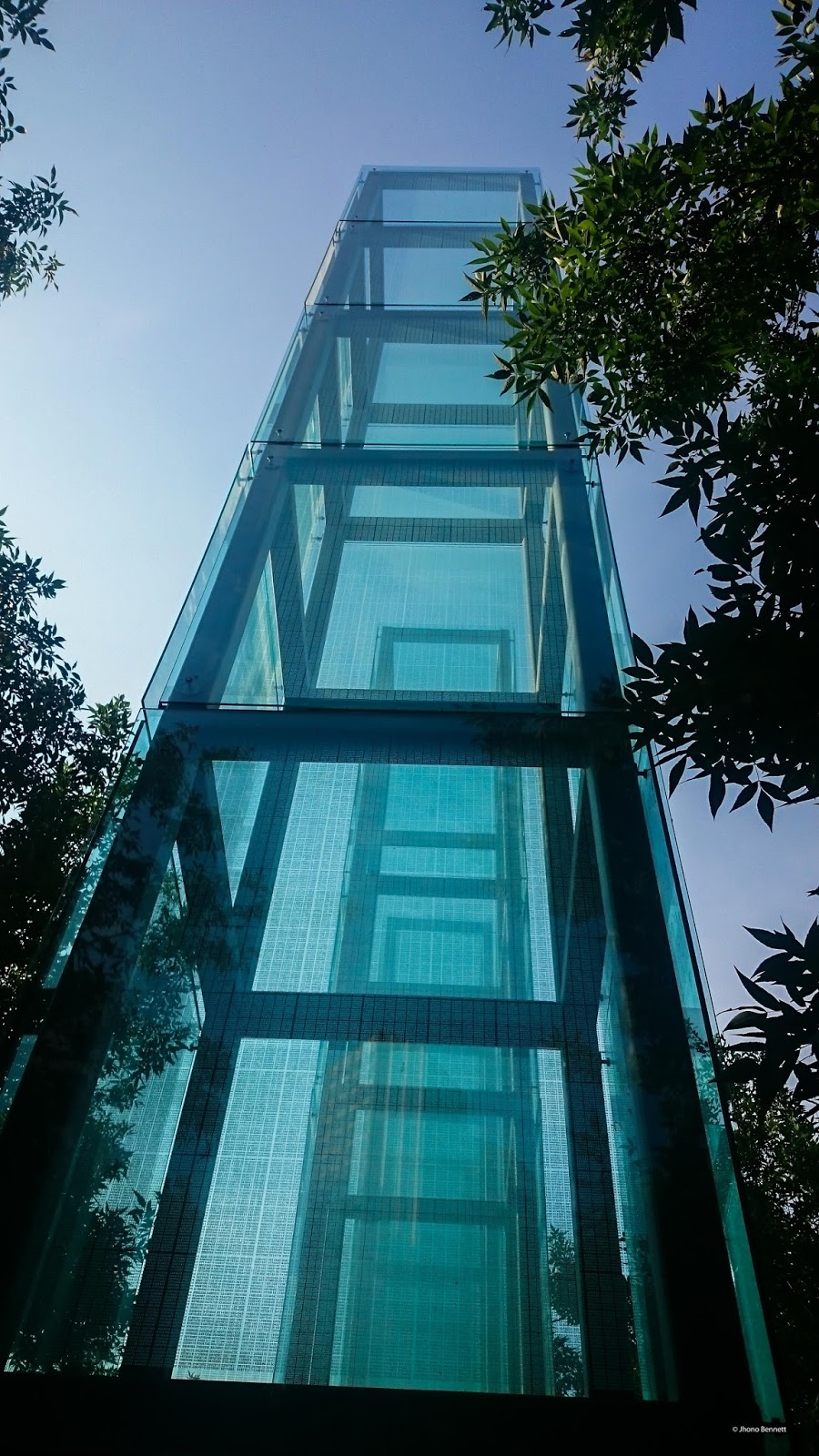
The New England Holocaust Memorial by South African Stanley Saitowitz
Media Lab with Carsen Smuts
http://cp.media.mit.edu/city-simulation/

Harvard GSD

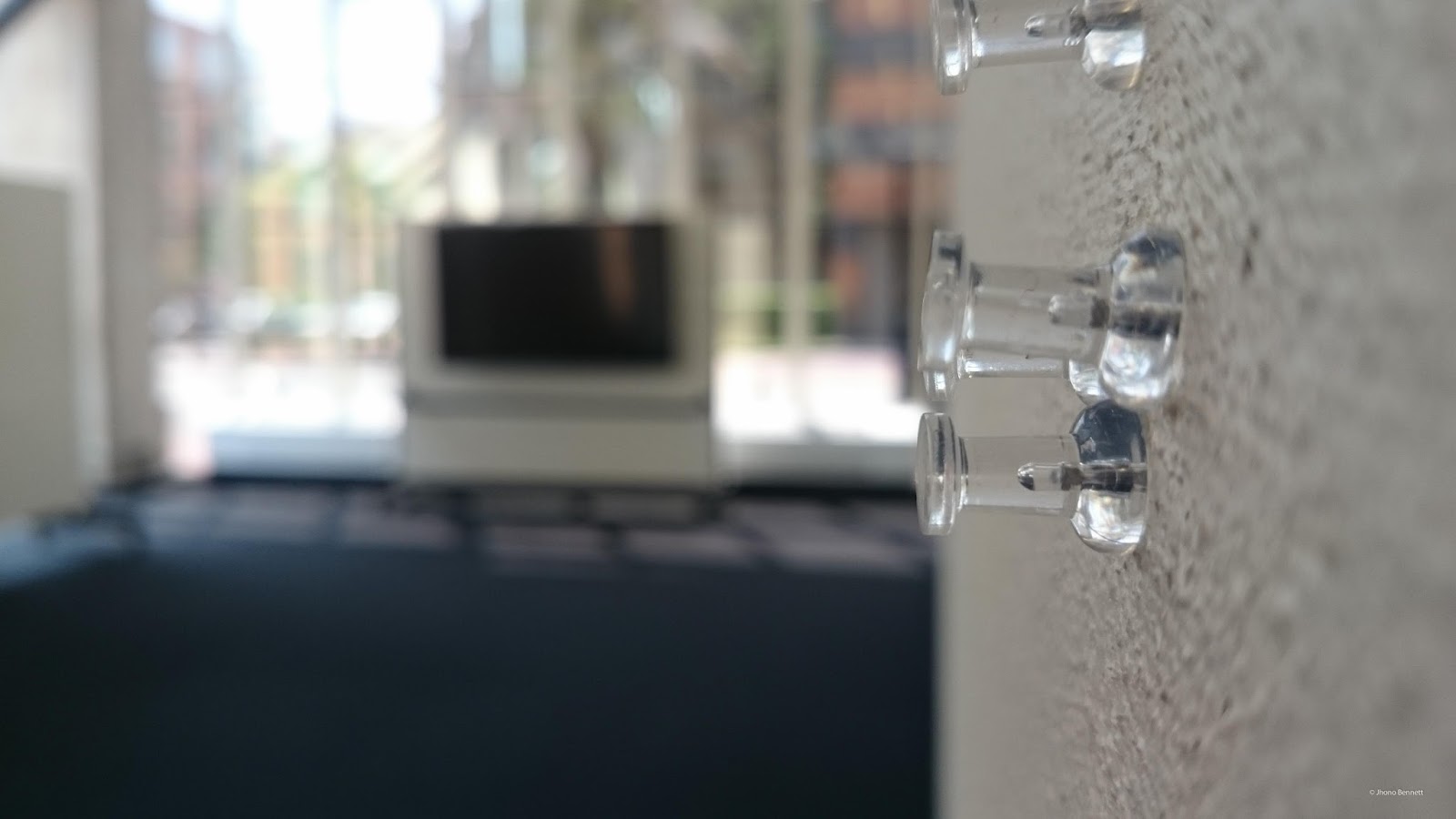
Too happy to see even Harvard still uses thumb tacks
New York
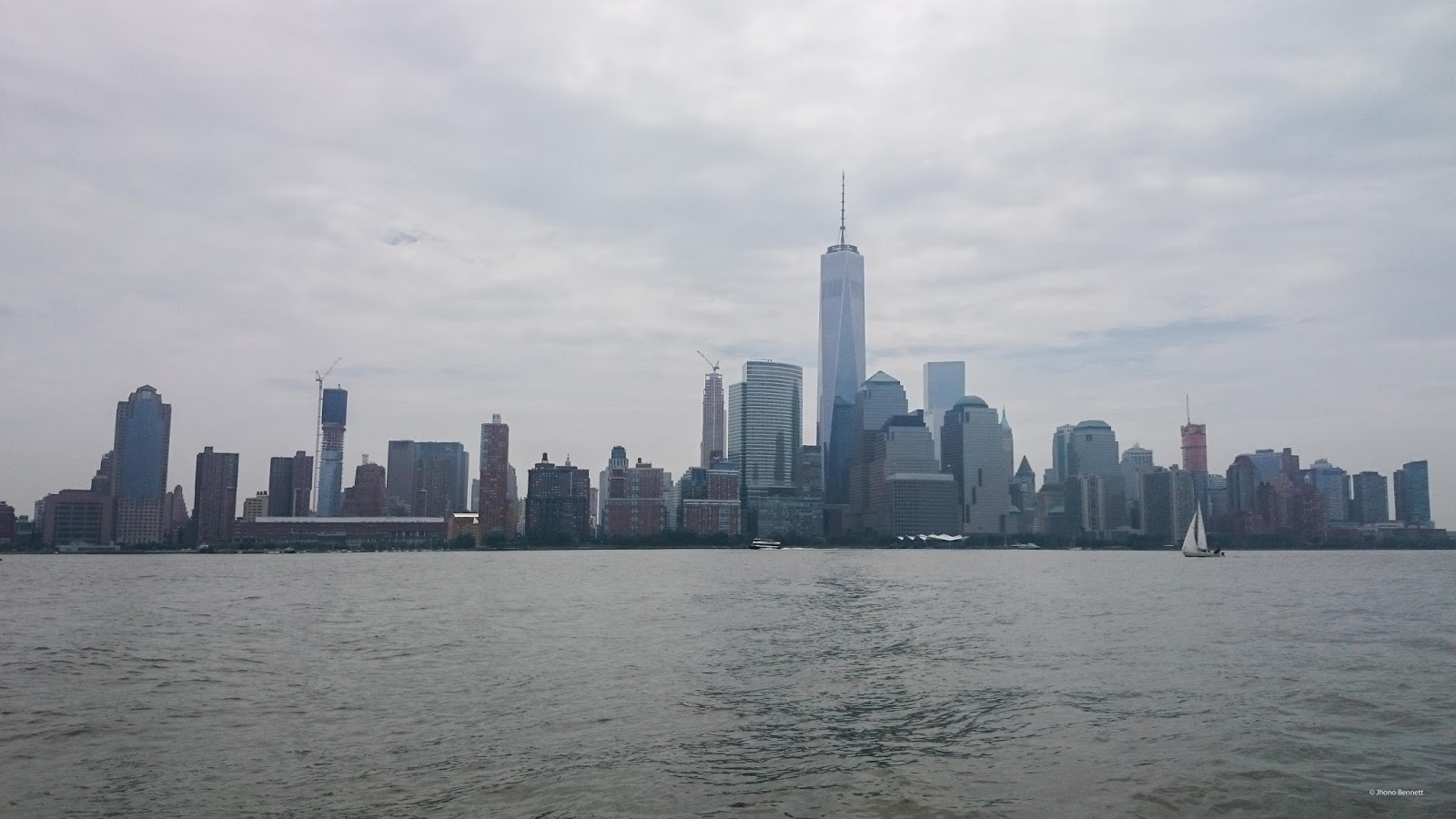
When your offered to see the sites by yacht captain….

Columbia University – GSAPP

Happy to see messy studios

The High Line

The KV Leuvan and the University of Guayaquil arranged an intensive summer school that I was fortunate enough to be selected for their scholarship programme and attend.
London – Part 2
To make and break the return trip home for the same medical reasons, a second visit to London was arranged, where I got to meet up with several key practitioners such as Julia King, who had just completed an exciting Design/Build with the Bartlett School of Architecture’s undergraduate department.
The Barbican, because
Nairobi – Unit 2 Field Trip
By chance the UJ Unit 2 field trip ended up fitting perfectly onto the tail end of this trip and I met the unit in Nairobi, and led the week-long experience with my colleagues Dr. Amira Osman

After Thought

Being positioned so isolated in the ‘global south’ we don’t get to see in person such a diversity of approaches, values and work – this trip exposed me to such a vast array of work and practices that I now understand has deepened my position and values in regard to design & practice.