Design as Utility: At the Intersection of Technical & Social: Yale University

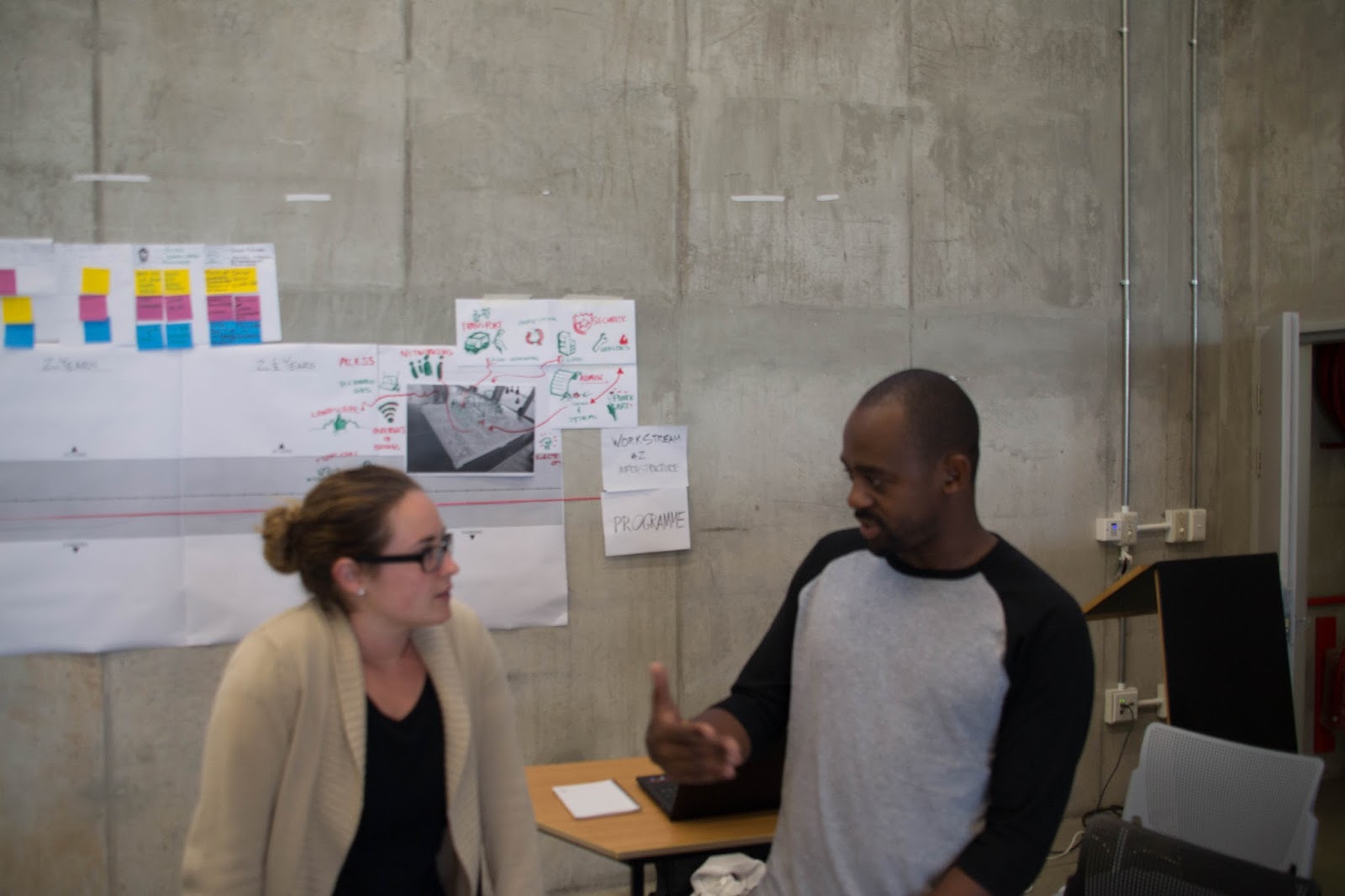
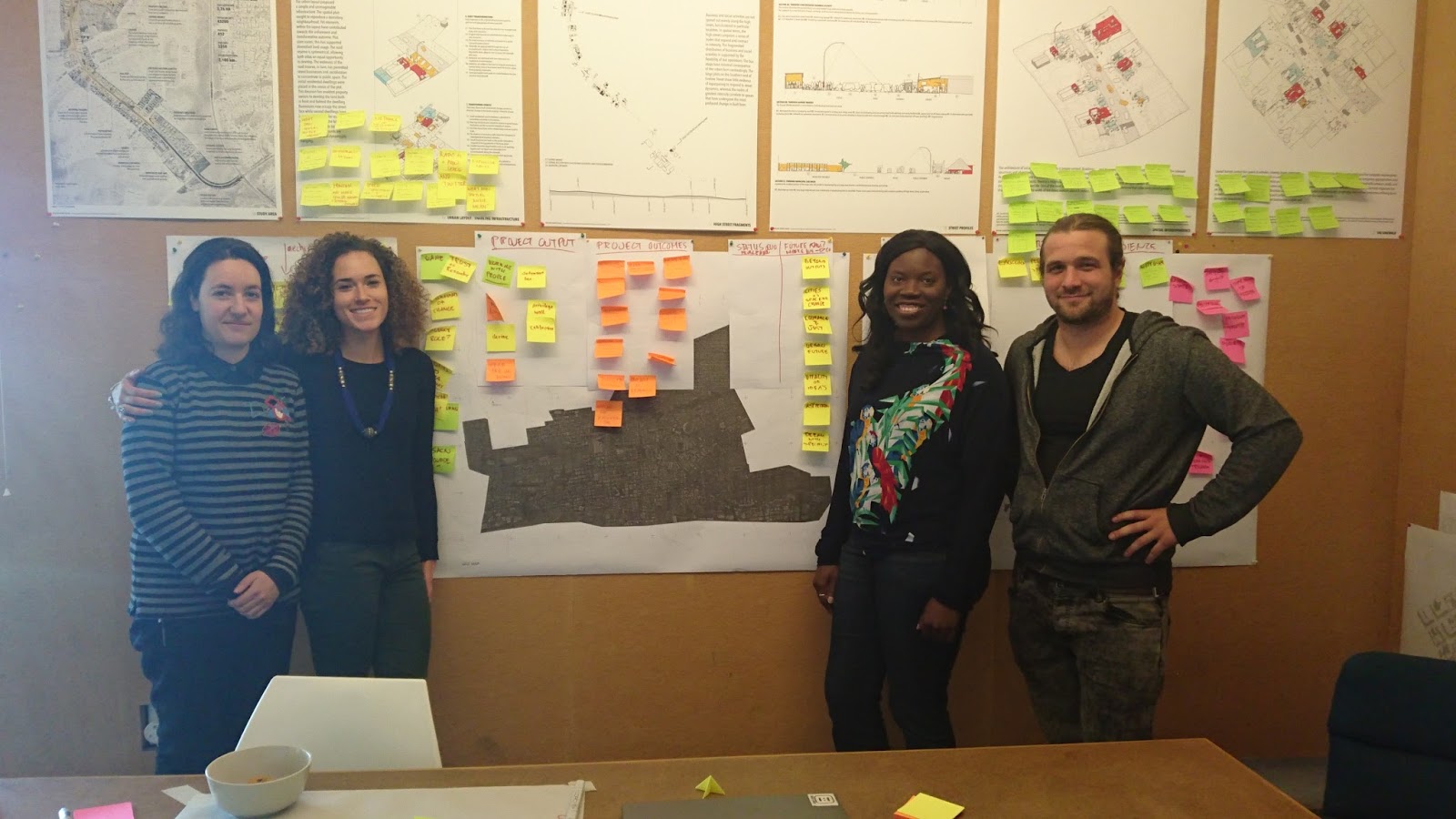
*Cover Image: The presentation of Orli Setton & Olwethu Jack on Socially Engaged Design Work

*Reposted from 1to1 – Agency of Engagement: http://1to1.org.za/portfolio-item/yale-critical-action-workshop/

1to1 alongside Orli Setton, Olwethu Jack, Simnikiwe Xanga and Melilizwe Gqobo provided a 2 day facilitated workshop experience for a visiting group from Yale’s School of Management under Jessica Helfland’s Design as Utility: Luxury, Waste and Sustainability Practicum. The workshop sought to make a critical space for local citizen experts to co-produce a set of values and ways of working with visiting international groups that would not be exploitative to the locals or reductive in it’s inquiry.

The workshop produced a set of thinking tools on top of the facilitated learning that took place.


Killarney Socio-Spatial Mapping

*Reposted from 1to1 – Agency of Engagement: http://1to1.org.za/portfolio-item/killarney-neighbourhood-mapping/

 1to1 alongside our collaborating partner, Urbanists for Equity, were commissioned to develop a body of work that both unpacked the socio-spatial nature of Killarney, but also supported the social cohesion of the various groups that make up the diverse neighborhood through small scale research interventions.

The team worked together with University of Johannesburg students to facilitate and generate the full package of work over the 7 week period.

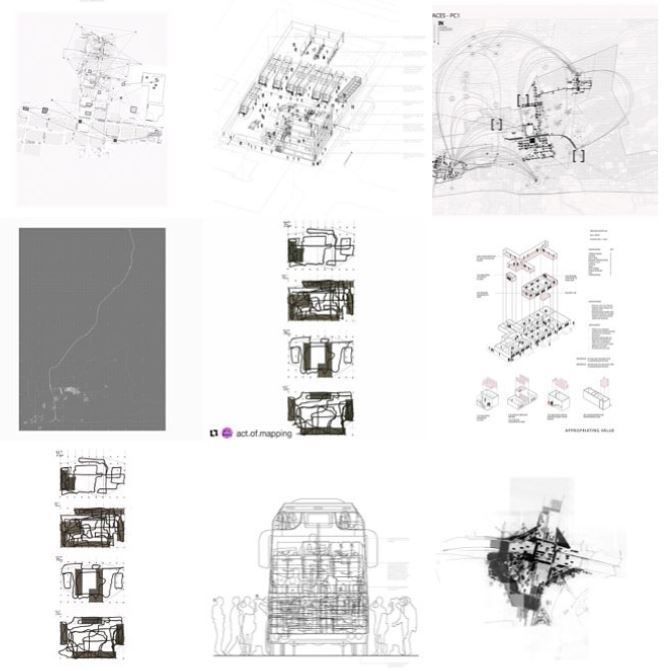
GSA Unit 14: Rogue Economies

Unit 14 at the Graduate School of Architecture is headed up by Thiresh Govender of Urban Works. I have worked with Thiresh on this over a two year period of trials and tribulations and am proud to say that 2017 produced something highly innovative and unique to how we practice urban and architecture research in Johannesburg.

The Unit set out to uncover the Rogue Economies of Johannesburg and worked with a dedicated and hard working group of students in search these rogue forces that shape our City. We were joined by Sarah De Villiers of Counter Space and Valentina Mamente  and spent a difficult but ulmitately rewarding year developing a highly attuned and unique style of inquiry and representation with the students.
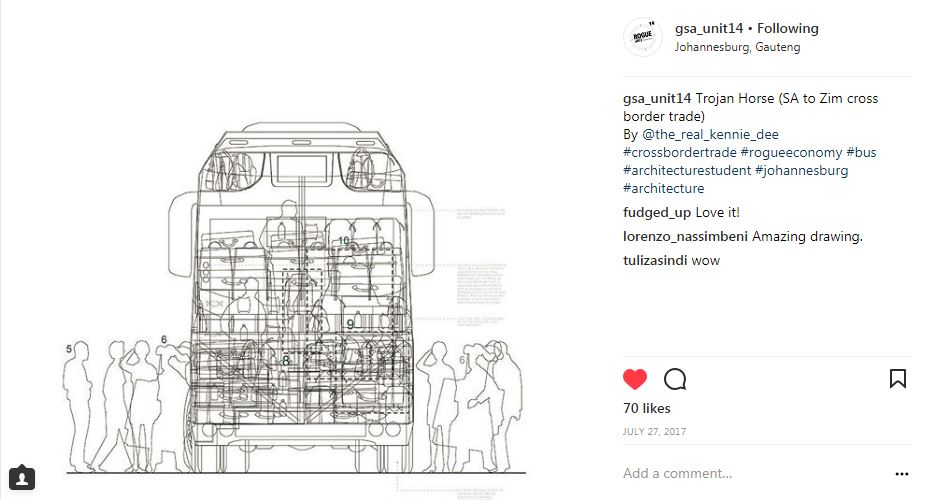
Easy Come, Easy Go: Cross-Border Hypertrade by @the_real_kennie_dee #rogueeconomy #architecturestudent #architecture #mapping #southafrica #zimbabwe #beitbridge @act.of.mapping A post shared by GSA Unit 14 (@gsa_unit14) on Sep 1, 2017 at 7:03am PDT

A post shared by GSA Unit 14 (@gsa_unit14) on Sep 18, 2017 at 11:11am PDT

Landscapes for Trust by Binayka Rama #gsaunit14 #rogueeconomy #produce #fordsburg #johannesburg #mapping #axonometric #architecture #architectureilike #imadethis #drawing #johannesburg @thebeez_ A post shared by GSA Unit 14 (@gsa_unit14) on Sep 18, 2017 at 11:11am PDT


LINK IN BIO: M2 from Unit 14, Israel Ogundare presents his project ‘The Exchange Consulate’ on the African Architecture Awards. Please take a look and vote! @ogundareisrael @happeningatthegsa @africanarchitectureaward @act.of.mapping #rogueeconomy #africanarchitectureawards A post shared by GSA Unit 14 (@gsa_unit14) on Jul 19, 2017 at 2:07pm PDT


The unit drew much inspiration from many local and international researchers such as the work of Eyel Weitzman’s Forensic Architecture and produced a body of work that can be seen here:

https://issuu.com/gsa_unit14/docs/rogue_economies_vol1_rev13__spread_

Backstory – Joburg

Backstory began as an explorative research investigation into the idea of Spatial Ineqaulity in Johannesburg. The initial project collective was led by Liz Ogbu, Counterspace Studio and 1to1 – Agency of Engagement under the title of ‘ the Unjust City’ .

The project took form between 2016 – 2018 as a collaboratively built installation in Johannesburg’s inner-city neighborhood of Braamfontein, where stories and city-data were unpacked through a series of workshops, discussions, and exhibitions. The installation aimed to bring together different city inhabitants and make this confluence of data and stories more accessible to those who use, manage and make the city.

The installation sought to draw in a diverse group of voices to engage with the narratives of spatial justice at play in Johannesburg. The installation space was developed by the Back Story Collective and offered as a platform to selected (typically students, local actors and activists) researchers who were working on topics of spatial injustice.

www.backstoryjoburg.wordpress.com

The Unjust City

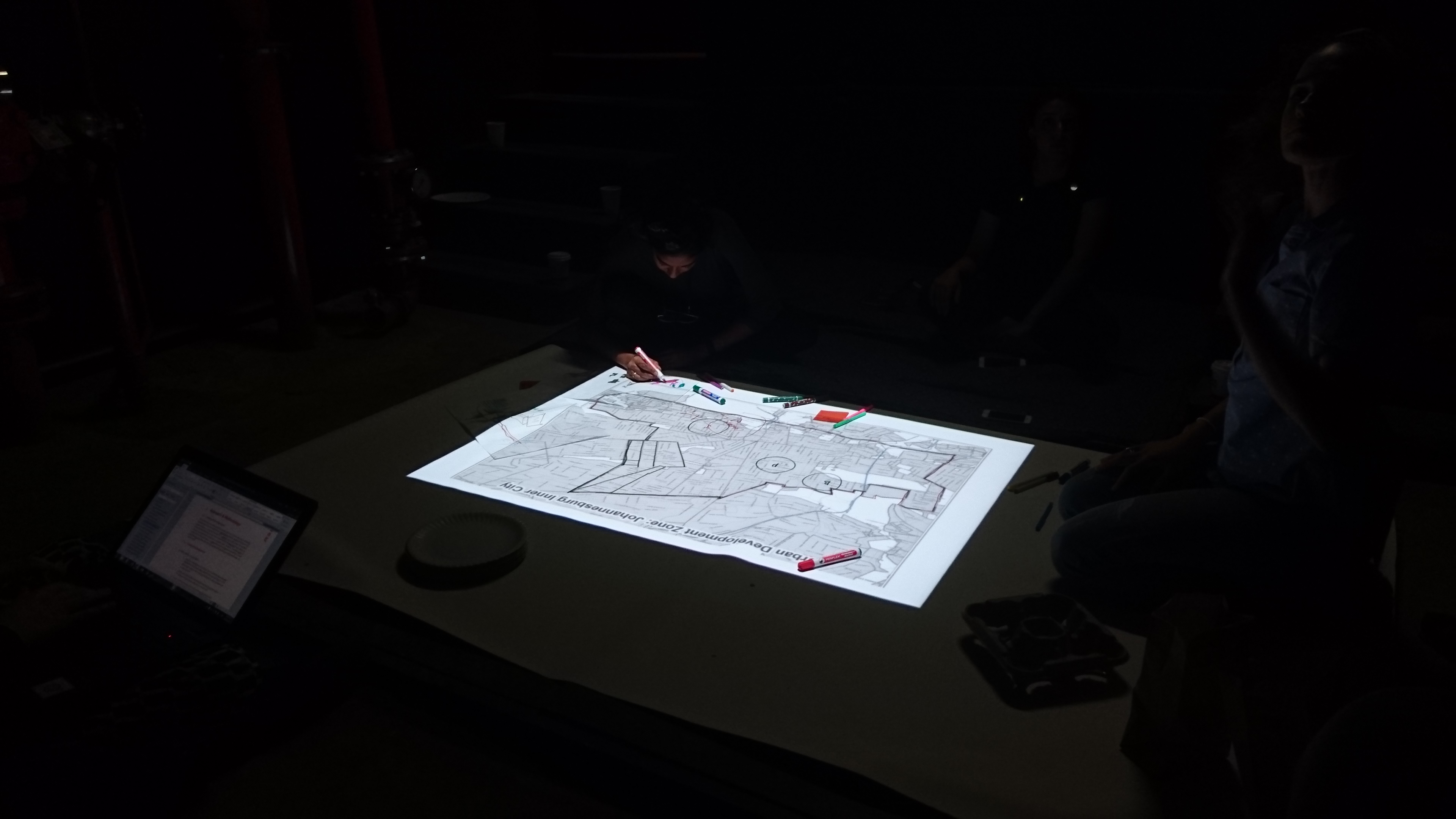
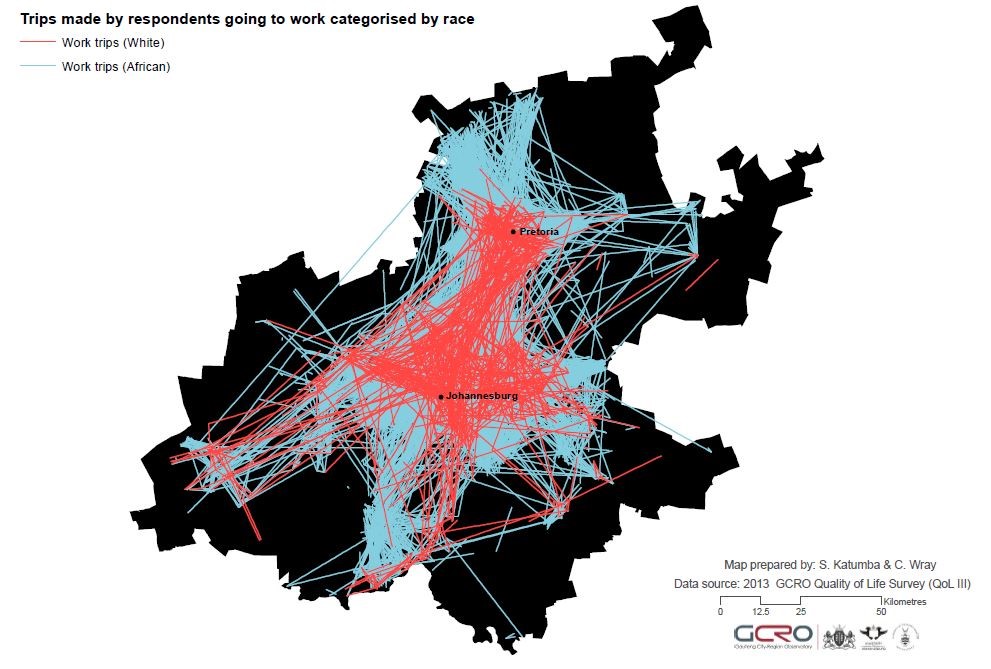
Through 1to1, a alongside Counterspace and Liz Ogbu we set out to co-develop a method of collecting stories from the City of Joburg that ‘ gave soul’ to the heavy and often inaccessible data that city officials and planners use to make decisions on how Johannesburg is run and grows.

The project sought interview a series of different city stakeholders and build a live map from the perceptions gathered – which would be overlayed with hard data. The process additionally used a method tool that collected video interviews from different city stakeholders around the terms they used and understood. The initial engagement with Liz Ogbu was supported by the Mandela Washington Fellowship’s travel grant for the YALI fellows.

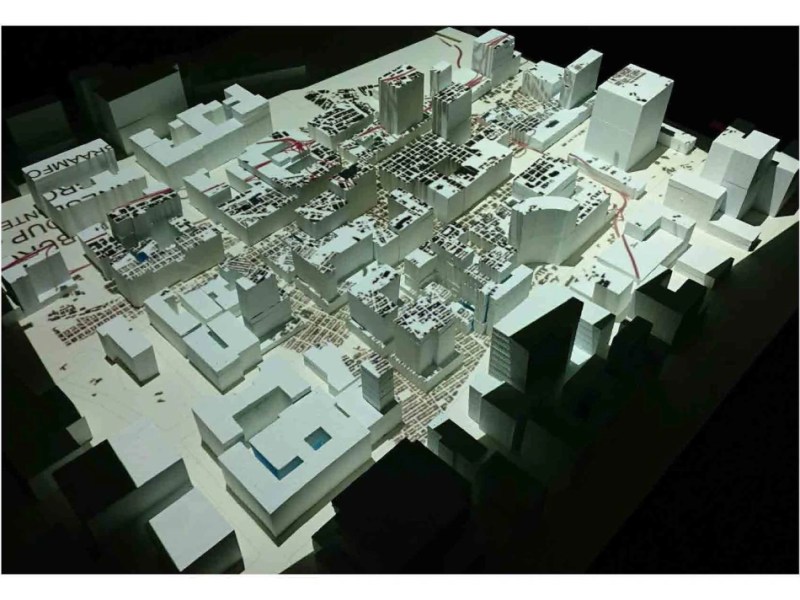
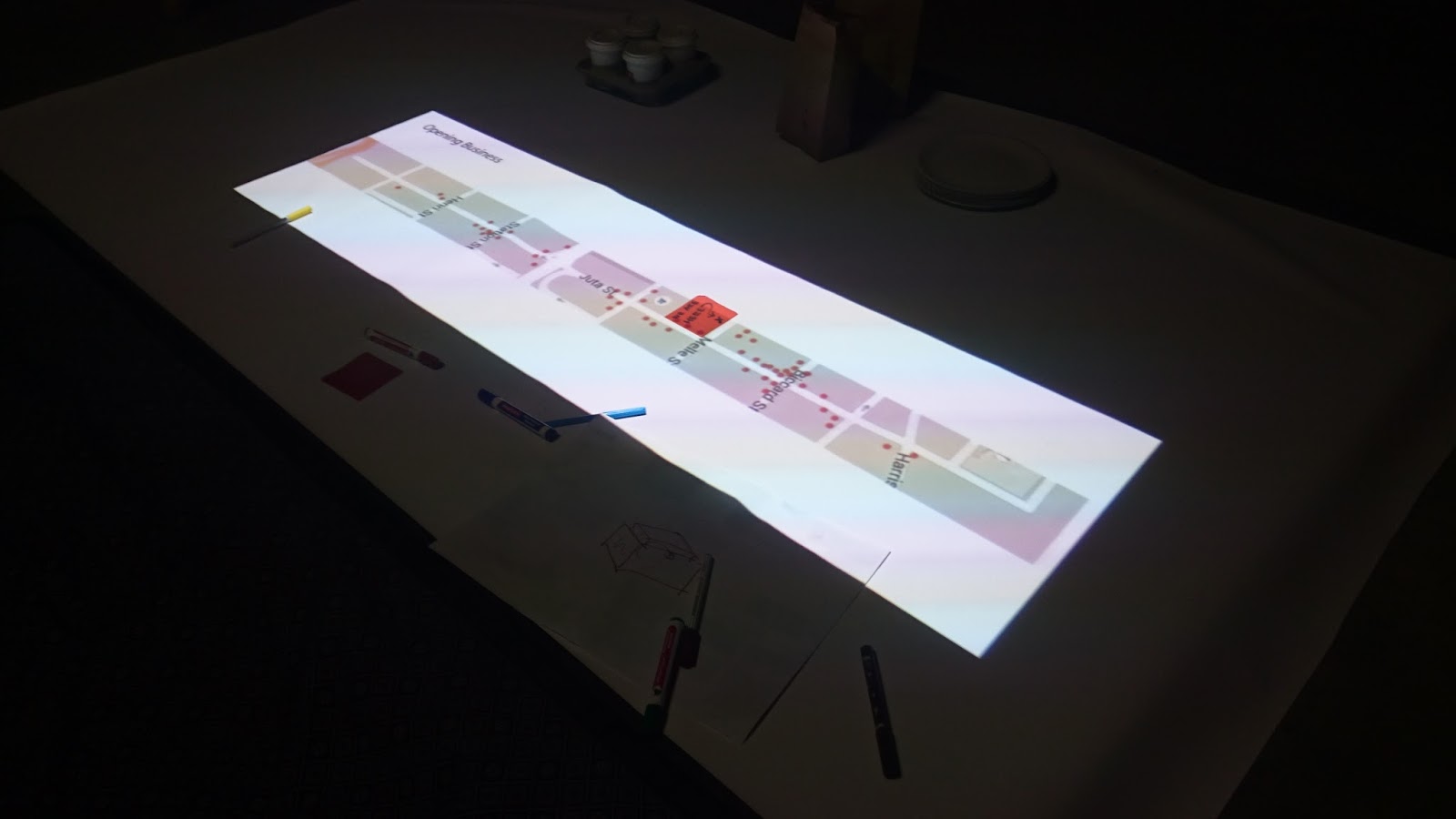
The project is ongoing and has a small installation in Johannesburg’s Braamfontein where various tools and methods are being tested in this endeavour through the Backstory – Joburg Project  The current established tool is a visual projection of city data onto a small constructed model of Page View.

Sheffield Mobility: Spatial Design Research

2018 marks the final year of a 3 year mobility exchange between the University of Johannesburg’s DSD Desis Lab and the Sheffield School of Architecture.

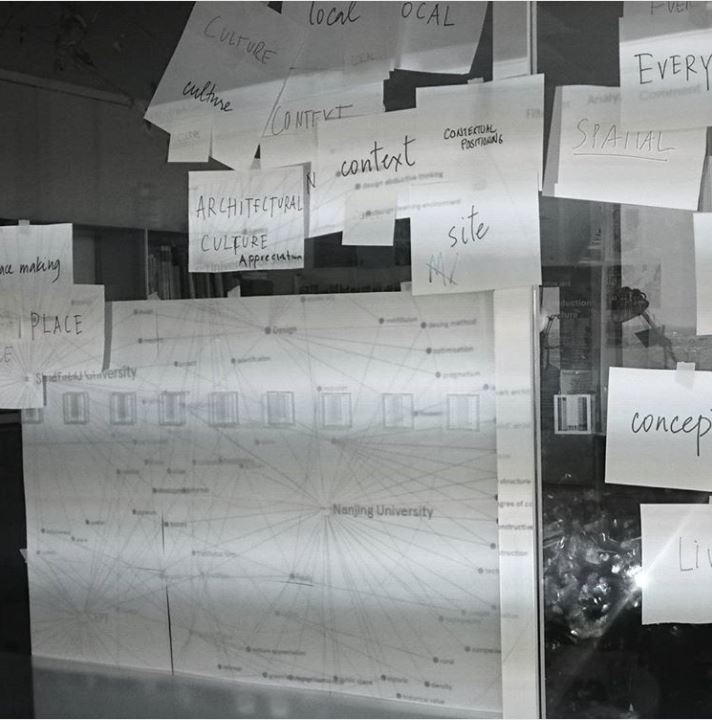
The broader exchange network, Research As Urban Method (RAUM), includes CEPT in Ahmedabhad, India and Nanjing University in  Nanjing,China,I have been facilitating this exchange and alongside Angus Campbell and Terrence Fenn have hosted and taken part in several events and workshops that aim to co-develop a shared field of ‘Spatial Design’ between the various disciplines of design involved in the exchange.

RAUM is a collaborative project investigating spatial design education in relation to global urban development challenges, and is interested in expanding knowledge about teaching in this field.

RAUM is an initiative by Beatrice de Carli, Florian Kossak and Tatjana Schneider at the School of Architecture, University of Sheffield (UK) and is in partnership with the Centre for Environmental Planning and Technology (CEPT) (Ahmedabad, India); School of Architecture and Urban Planning, Nanjing University (China); and the University of Johannesburg, Faculty of Art, Design and Architecture, Design Society Development DESIS Lab (South Africa). The project began in 2016 and will run until October 2018, made possible through European Commission Erasmus+ funding focused on academic staff and PhD student mobility. The focus of the mobility with all partners will be on jointly rethinking the capacities, qualities, methodologies and tools that spatial practitioners need to develop, in order to have a positive impact in the face of epochal challenges affecting cities globally, such as climate change and social inequality. The outcome will be a joint publication that will document the activities undertaken and the methodologies tested in different geographical settings

Updates on events and activities will be posted here: https://researchingarchitectureasurbanmethod.wordpress.com/

//platform.instagram.com/en_US/embeds.js

The initial exchanges centred around commonality and theory in design, and produced a broad word cloud that captured the links and connections.

https://graphcommons.com/graphs/f99e6594-344e-4fa8-8c65-5bb965060ba6/embed

The exchange also hosted Dr. Tatjana Schneider who spoke on a panel with students from UJ around what the role of Spatial Agency in South Africa could be.

ASF Change by Design: Cape Town 2017

The 2017 Architecture Sans Frontiere’s Change by Design Programme took place in Cape Town in support of the Development Action Group (DAG)’s work with their Active Citizens Programme on 3 specific sites: Kensington, Khayalitsha and Oude Moulen.

The workshops’s goals were to support grassroots movements with strategic tools in action-research, spatial enumeration and strategy building across the grassroots members stakeholder and beneficiary groups.


The workshop ran for 2 weeks and employed an iterative action research methodology to support the unique needs of each site with the workshop particpants and DAG.


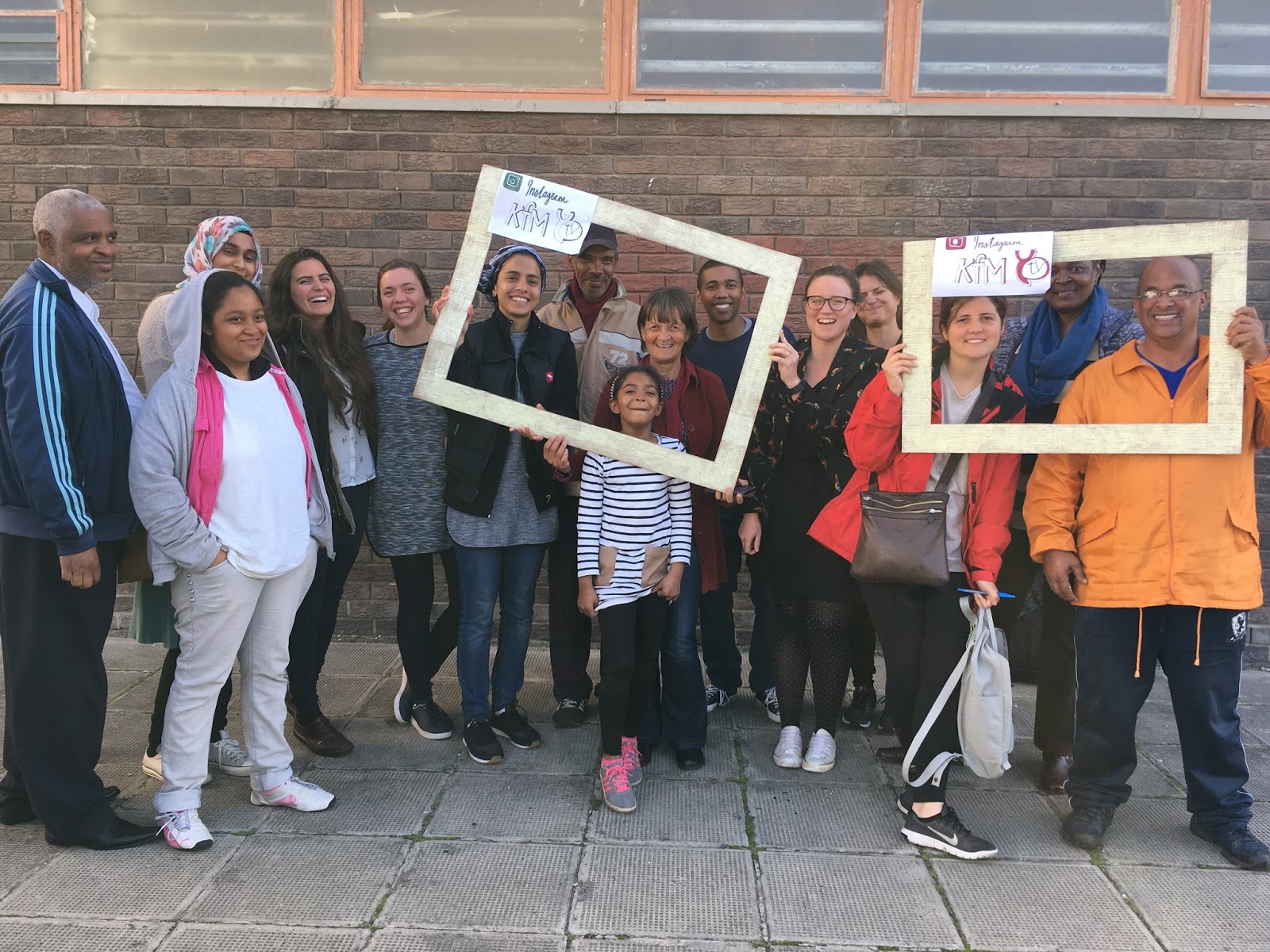
The result of the two week process was a set of grounded spatial research that was intended to support the grassroots leadership’s future engagement with the City of Cape Town. Each group developed a small visual summary of the research in a shared graphic language that was presented back to a large stakeholder group at the district 6 Museum in Cape Town.

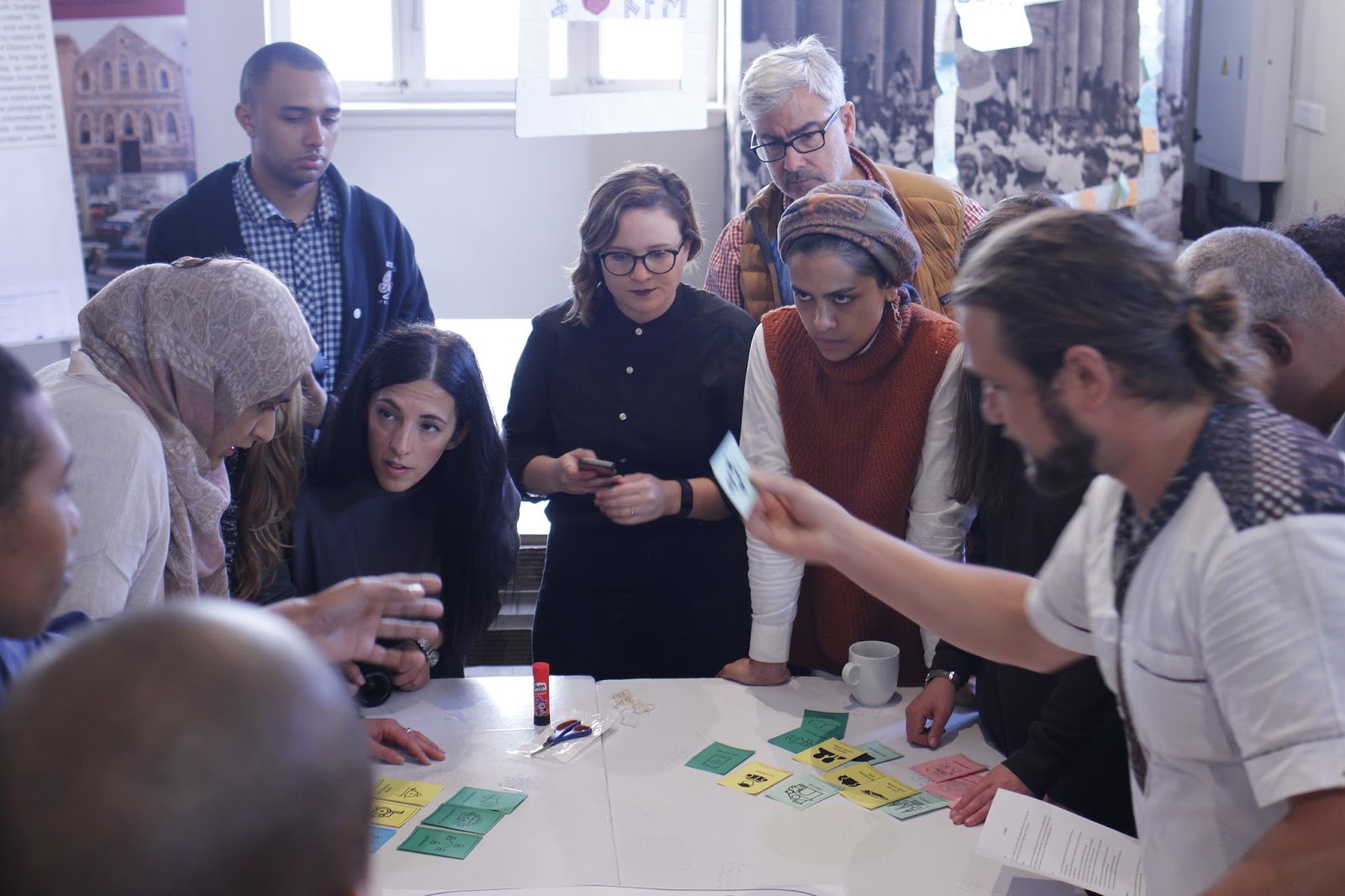
At this feedback session each local leadership group shared their findings from the workshop and hosted  a small game that was designed by the ASF workshop team as a means to not only share the feedback from each site, but build a dialogue between local leaders and the workshop participants which included City of Cape Town Officals, other NGO’s and other grassroots organisations.

Harvard GSD Research Facilitation in Durban

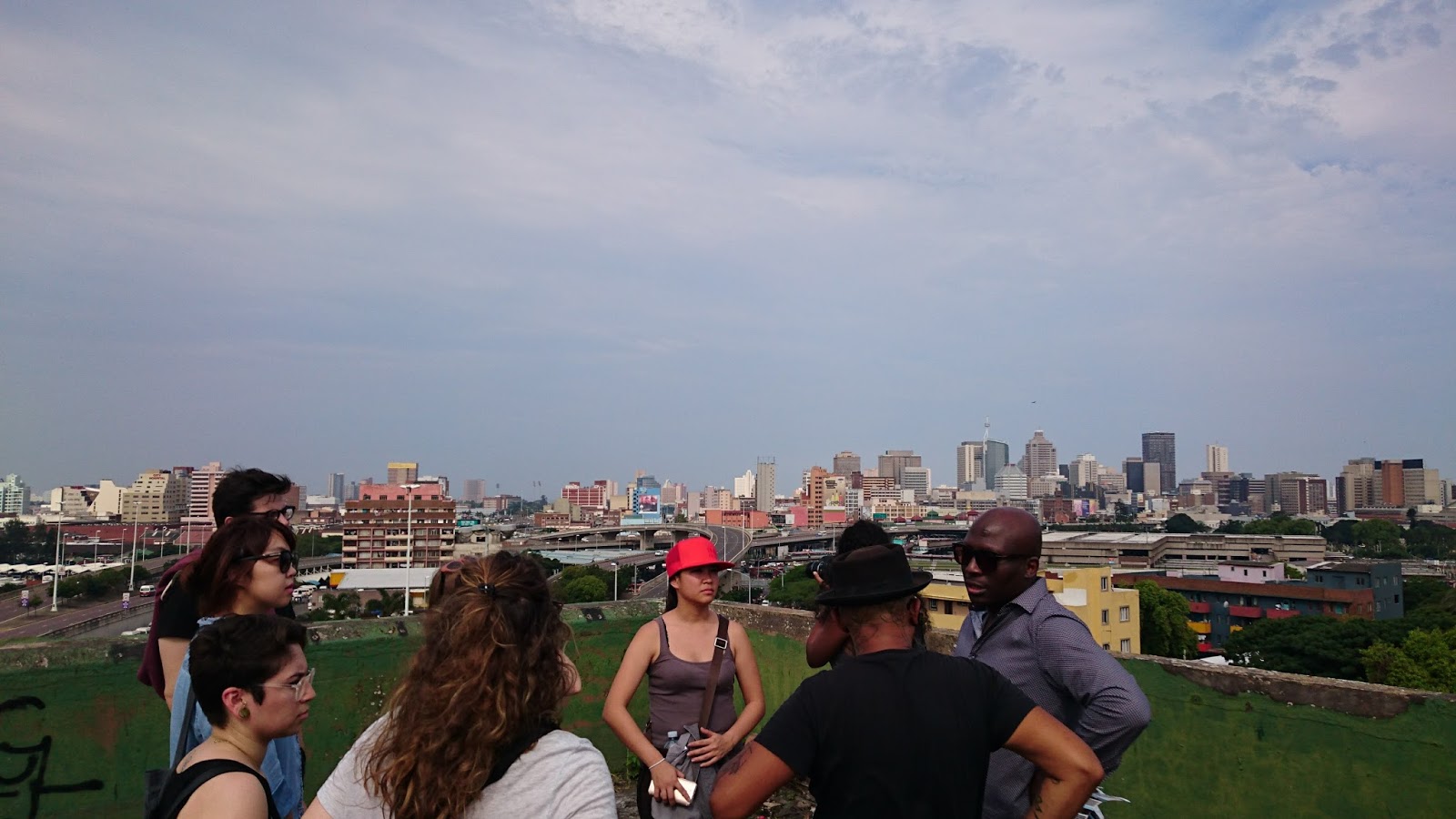
In 2017 Kunlé Adeyemi brought his African Water Cities Research project to Durban through his teaching post at Harvard’s Graduate School of Design. Through 1to1 – Agency of Engagement I managed and facilitated the logistics of the trip, and assisted in the guiding of the learning experience of Durban.
“NLÉ is led by Kunlé Adeyemi, an architect, designer and ‘urbanist’ with a track record of conceiving and completing high profile, high quality projects internationally. His recent work includes ‘Makoko Floating School’, an innovative, prototype, floating structure located on the lagoon heart of Nigeria’s largest city, Lagos. This acclaimed project is part of an extensive research project – ‘African Water Cities’ (http://www.nleworks.com/team-member/kunle-adeyemi/)

I was assisted by Adheema Davis and our goal was to expose the students from Harvard to the broad complexities of Durban as an African City while also linking in as many local practitioners, students and organisations as was possible in the 1 week studio visit: UKZN Students, DUT Students, Beset Durban, Cameron Finnie, Mark Bellingan, Doung Jahangeer, Lindsey Busche, Tsidi Moahloli and Asiye eTafuleni to name a few.  We planned the events to offer maximum exposure for all students and even arranged an Archi-Speed Date between the different groups. The studio visit was additionally supported by Sumayya Valley and Mpho Matsipha.
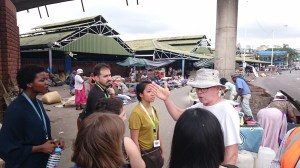
A series of meetings, tours and discussions were planned for the week’s engagement.
BUILDING INDUSTRIES IN AFRICAN WATER CITES
 
“This studio explores the city of Durban to examine the challenges and opportunities presented by the impacts of urbanization in the social, physical, and environmental context of the African continent. The aim is to build industries–to produce a series of new architectural, infrastructural, and urban solutions learning from the local environment with a responsible infusion of relevant global values. Through documentation of international and regional practices, the studio will focus on Durban to investigate the city and its edge conditions, to understand its transformations and adaptations and socio political and economic dynamics.
The studio develops models of small to medium scale infrastructure interventions, scalable through locally managed industrial processes and technologies. In an increasingly globalized world, and particularly in the African context, a pedagogical aim of the studio is to also critically analyze the role of architecture, the architect, and forms of practice that offer sustainable values that shape and stimulate development in African cities and communities.
Starting with urban research, the studio will analyze Durban, South Africa based on seven registers: Demographics, Economy, Socio-politics, Infrastructure, Morphology, Environment and Resources (DESIMER). The studio will draw from NLÉ’s African Water Cities Project (AWC), which explores the impacts of urbanization and climate change in African cities and communities, deducing the fastest growing African cities are also some of the most vulnerable to climate change. Durban, a rapidly urbanizing coastal city, falls within the high to the extreme high-risk zones.
The studio team will visit Durban in the early phase of the research. Throughout the research and design phases, we will engage advisors in various disciplines to guide the DESIMER research and also establish relationships with local organizations, student groups, institutions, and partners in South Africa.
The outcomes of the studio will be presented at the New Solutions of the World Economic Forum on Africa taking place in Durban in May 2017. The goal is to escalate the research and design outcomes into real possibilities of prototyping and industrialization.
Kunlé Adeyemi, Aga Khan Design Critic”
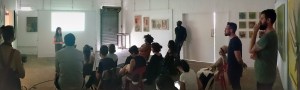
Final Presentation of work for critique from local researchers and practitioners.
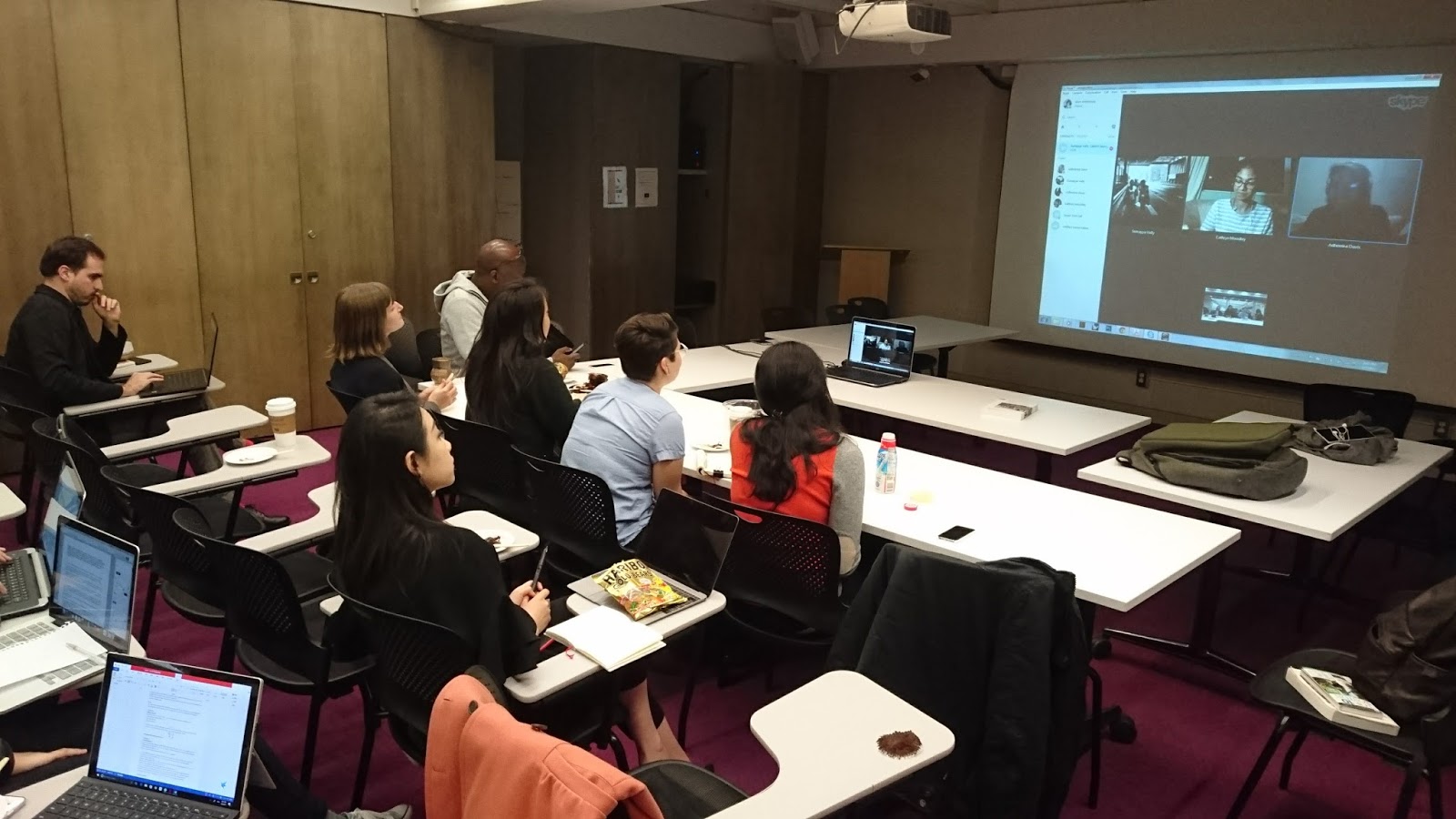
I was fortunate enough to secure funding to then attend the Design Crits in Harvard as a guest critic and support the student’s enquiries during my visit through a few desk crits at the Gund Hall as well as faciliate a skype crit between the South African students and the Harvard students.
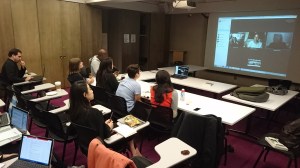
Intercontinental student skype crit

Lukhanyo Socio-Technical Facilitation

The Lukhanyo Hub project seeks to develop a system of support to residents in marginalised areas of urban South Africa through programmatic and built infrastructure. The newly formed entity RCDC are currently working in the BT section of Khayalitsha by assisting local groups through a small scale farming and early childhood development programmes.

“Lukhanyo Hub in Site C, Khayelitsha is a new ‘catalytic’ model developed by RCDC to deliver affordable housing, high quality education, training, recreation programmes and health services alongside employment opportunities delivered through innovative buildings, energy systems and outdoor spaces in economically under-resourced areas.
The system is supported through public-private partnership creating an economically sustainable system through public-private partnerships. The overall system is being developed to be replicable in multiple contexts whilst being responsive and respectful of its context and adaptive to changing conditions over time.”  http://rcdcollective.com/
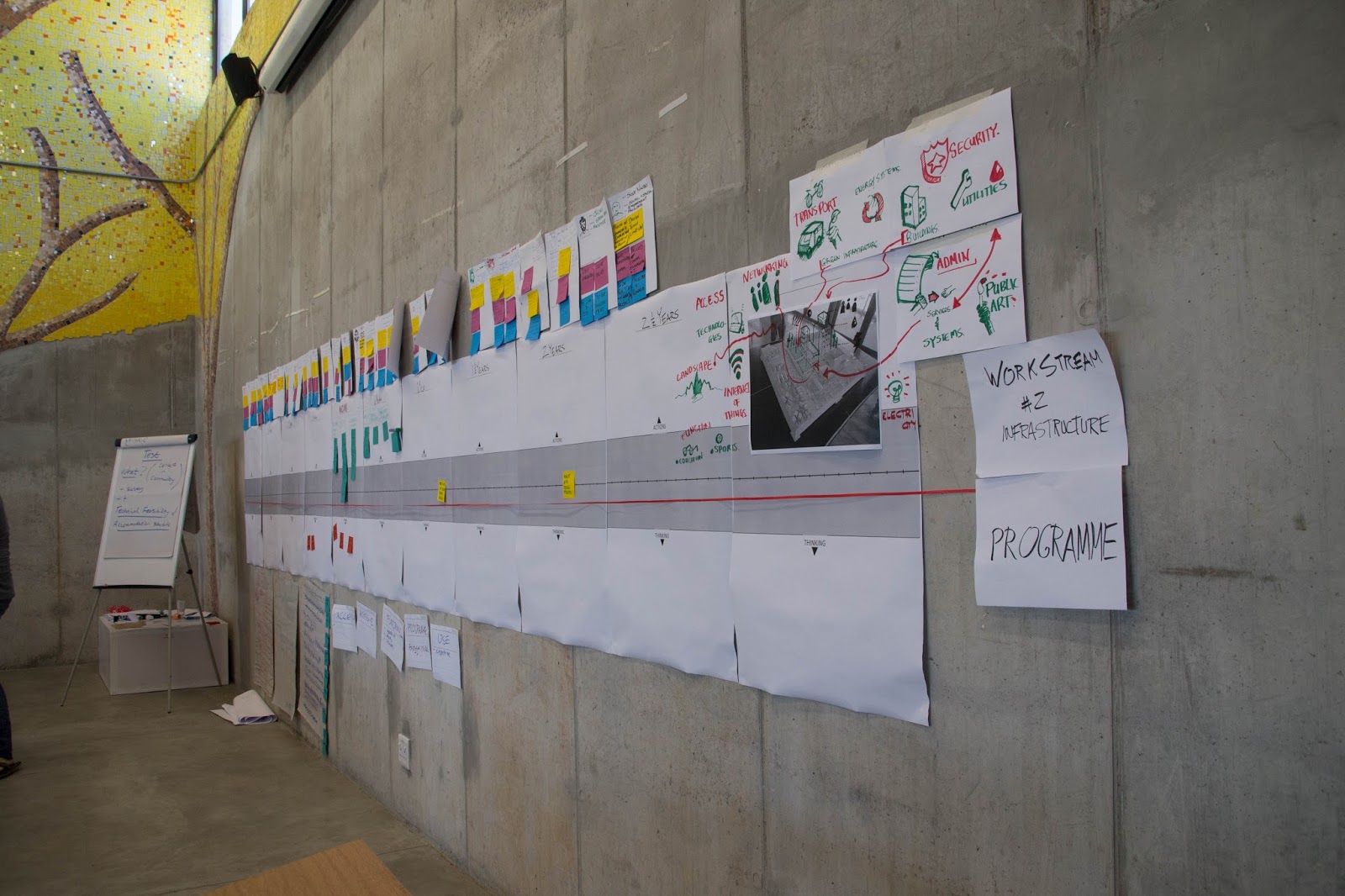
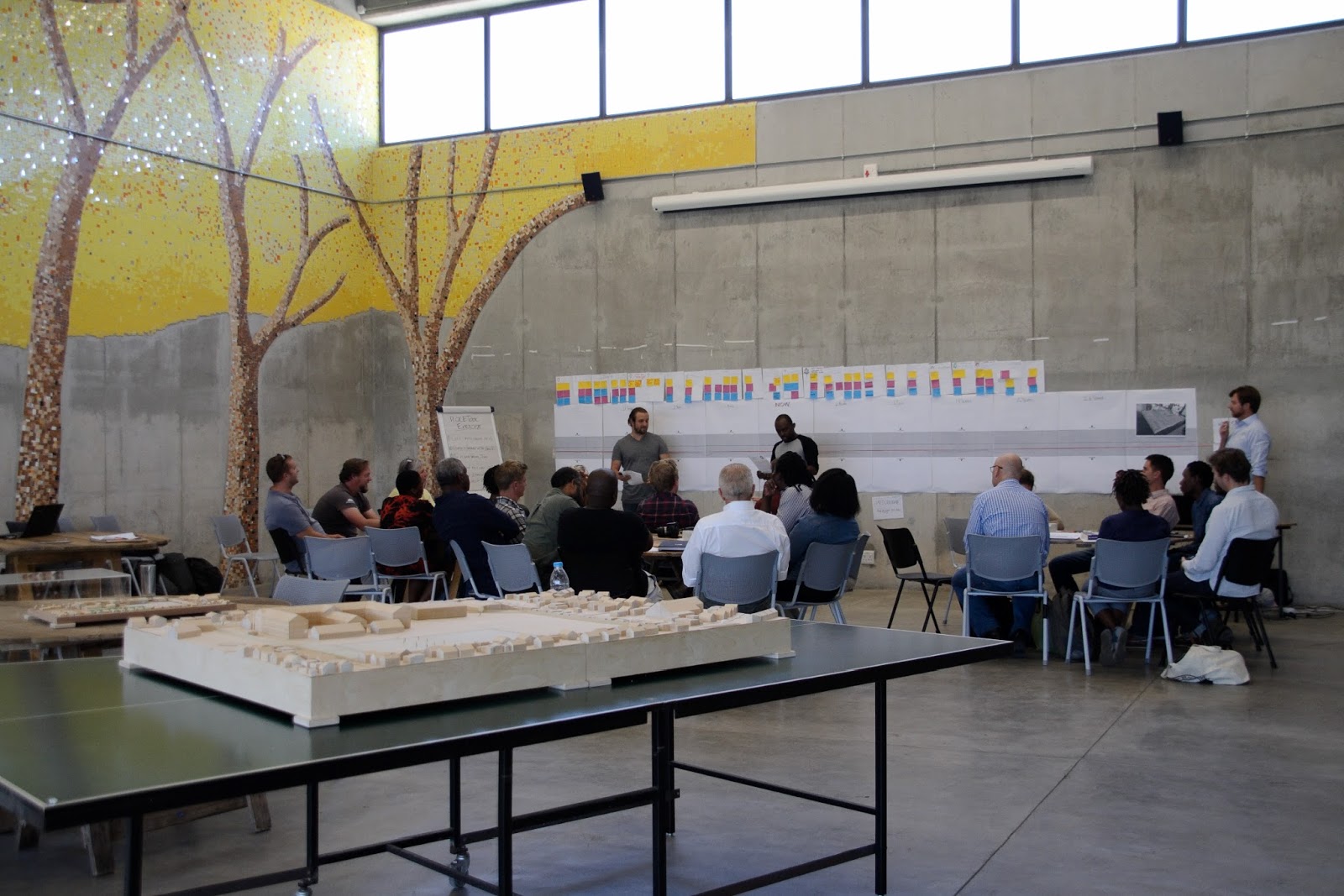
Through 1to1 , I was requested to support in the socio-technical development of a brief around what the Infrastructural requirements for support in the area should be. 1to1 worked with local planner and socio-technical expert Sizwe Mxobo and Natalia Tofas to host a 1 day workshop in order to co-produce a brief with the different stakeholder groups.
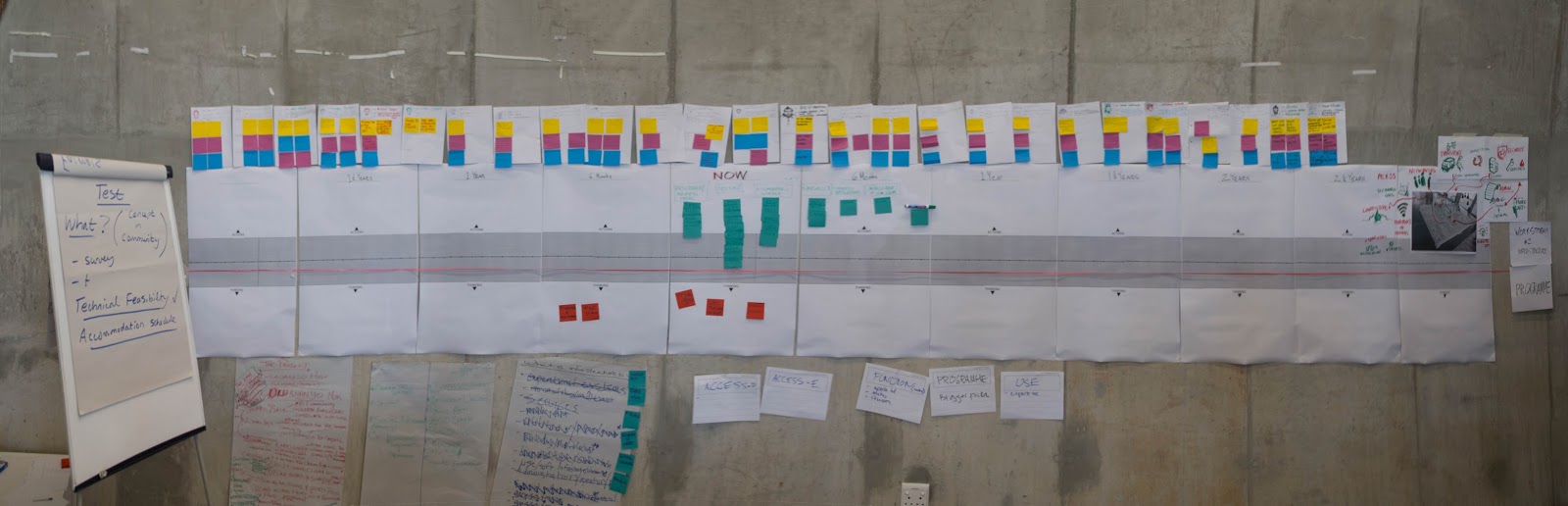
The team employed a facilitation tool developed by 1to1 that used the concept of  a timeline as a means to collect valuable information from what has already taken place on site and how the stakeholders see the future of the project.
The time line structure was supported with smaller toolsets that created a common and accessible language format for different types of people and supported visual and design thinking processes.

The tool was successfully used and due to it’s design has become the format from which future workshops, the documentation of the process and the Monitoring and Evaluation process will be used from.

Spaces of Urban Change: Public Lecture

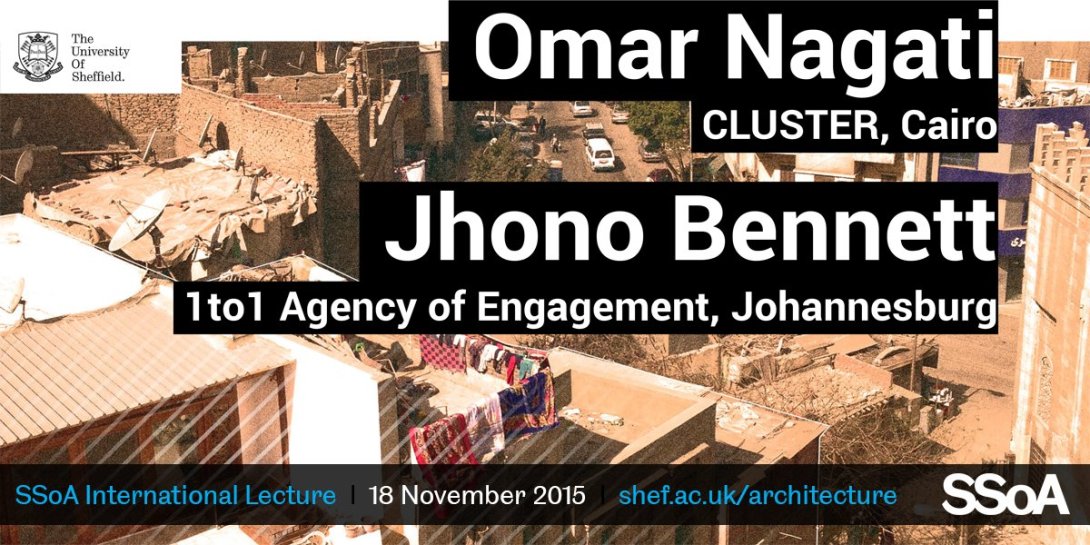
During my work with the University of Sheffield’s Master’s in Urban Design teaching, I was fortunate to share a presentation space with Omar Nagati of Cluster .

It was a very enlightening experience and the discussions after were hugely insightful.

“The lecture focuses on the work, ideas, and methodologies of CLUSTER and 1to1 Agency of Engagement, two innovative design and research practices based in Cairo and Johannesburg respectively. Jhono Bennett and Omar Nagati share examples of on-going and recent work within the rapidly shifting urban landscapes where they operate.

Through their presentations, they discuss the new modes of urban practice that might emerge through an active engagement in the processes of urban change, redefining the position of architects and urban designers. They reflect on these new modes of practice by outlining some of the methods and strategies adopted by CLUSTER and 1to1 Agency of Engagement, as well as key projects in Cairo and Johannesburg.

This event was organised by Beatrice De Carli on behalf of the research group Globalisation and Spatial Practice at Sheffield School of Architecture.“

Work with Sheffield University

University of Sheffield – Masters in Urban Design 2016/2017

  I was again invited by Dr. Beatrice De Carli to teach in the Urban Design Masters at Sheffield for the 2016/2017 teaching period. This was done as part of a larger network project that has been set up with University of Sheffield (Sheffield, UK), Nanjing University (Nanjing, China), CEPT (Ahmedabad, India) and the University of Johannesburg…

University of Sheffield – Masters in Urban Design 2015/2016

In 2016 I was invited by Dr Beatrice De Carli to assist in the teaching of the Masters in Urban Design at the University of Sheffield’s School of Architecture for the ‘Design from Afar Module”. We set the brief in Johannesburg’s Braamfontein and aimed to create a teaching/research model that would allow students in Sheffield…

Sheffield Mobility: Spatial Design Research

2018 marks the final year of a 3 year mobility exchange between the University of Johannesburg’s DSD Desis Lab and the Sheffield School of Architecture. RAUM #2 Day 1. Rathul sharing the debate on Public Space as a teaching method for CEPT A post shared by Jhono Bennett (@jhonobennett) on May 8, 2017 at 7:12am…

AT: Community Action Plan Hand Book

*shared from www.aformalterrainjoburg.wordpress.com*

One of the most important outputs for the engagement with the Denver leadership was the Spatial Layout for the Community Action Plan (CAP). The layout was co-developed with residents, leadership and driven by the data and social capital built during the studioATdenver programmes and additional work conducted by AT.

The layout responded to key issues of emergency vehicle access, shared space, social cohesion patterns and green space allocation identified during the studios and larger forum discussions.

The spatial layout, alongside a series of support materials was packaged into an accessible and shareable format. AT conceptualized this in the form of a Hand Book that could be easily distributed and used format as a ‘Toolbox’.

A day-planner format was conceptualsied as a possible structure for this handbook, as many local leaders already used this type of booklet in their work. The idea behind the small format, would allow for the books to be used together to forma a larger layout (A1 size) if brought together.

GSA Unit 14: Radical Negotiations

In 2016 I began teaching with Thireshan Govender and Tuliza Sindi in the newly launched Unit System Africa from the University of Johannesburg’s Graduate School of Architecture at UJ’s FADA.

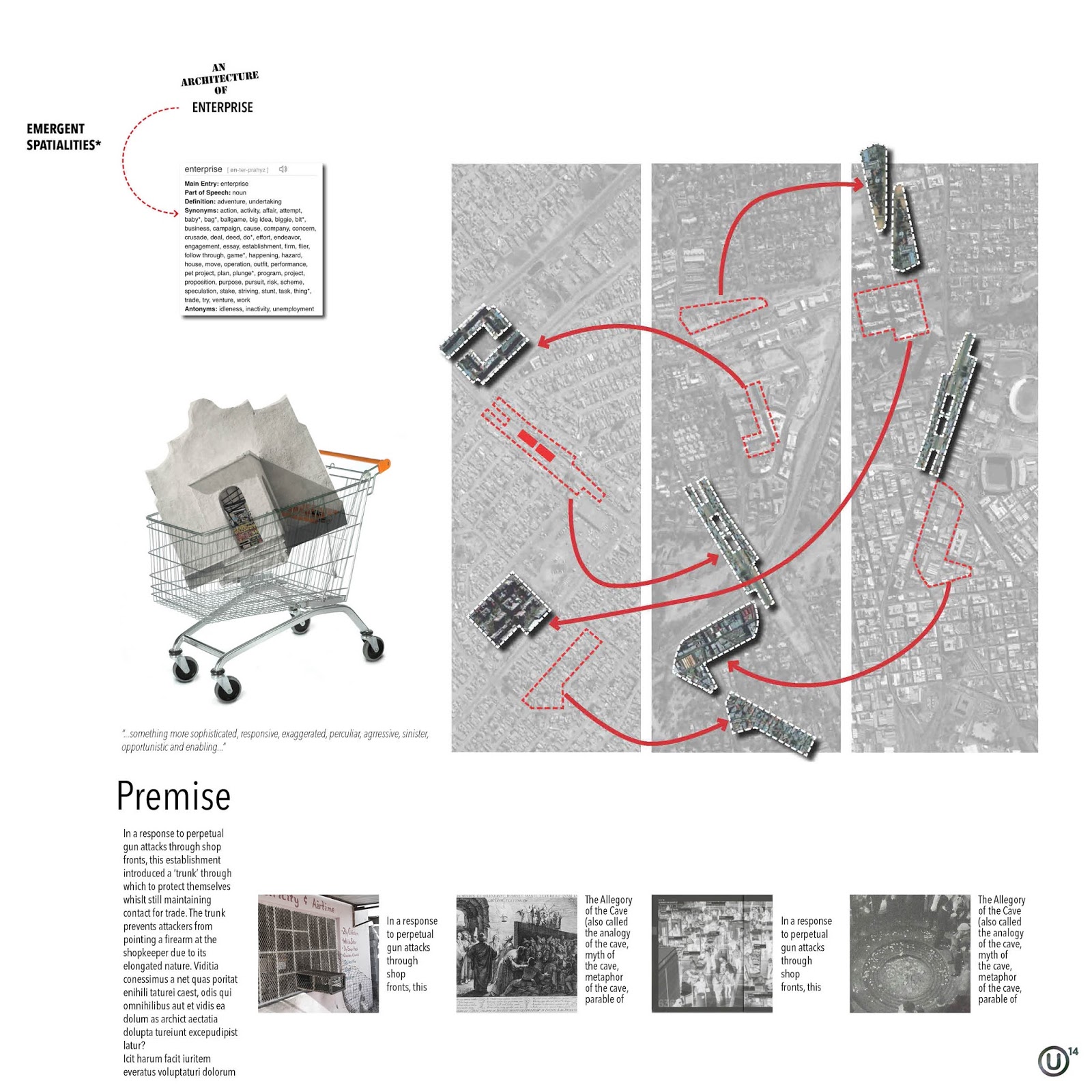
Our unit was dubbed Unit 14 and began it’s inquiry through the search for emergent post-1994 spatialities in Johannesburg.


We did through the lens of Architecture’s of Enterprise and took our 14 students across Johannesburg to explore and search for these conditions.

The students had input from a host of outside actors in the field of urbanism, art, music and planning


The students surveyed Johannesburg using a urban cartogrpahic technique the unit developed. We called this a Landscraped Lexicon and was carefully documented and curated.
https://landscrapelexicon.wordpress.com/


Throughout the year the students produced a myriad of design research and explored the Unit’s concepts within their own specific focuses. See the Unit Journals below:


//e.issuu.com/embed.js


List of student porfolio websites:


https://manqobadlungwane.wordpress.com

http://www.mynewdesigns.blogspot.co.za/

https://tovalubinskyarchitecture.wordpress.com/

https://urbanarkstreet.wordpress.com/

https://ilsaann.wordpress.com/

https://martinsvictor222.wordpress.com/

https://imgita.wordpress.com/

https://salomemonline.wordpress.com/

https://ogundareisrael.wordpress.com/

https://natacheiilonga.wordpress.com/

https://johannlerouxarchitecture.wordpress.com/

https://roelofthumb.wordpress.com/

https://carlagaum.wordpress.com/