1to1 – A Reflective Hand-Over

After 8 years of being the leader of 1to1 – Agency of Engagement, I have stepped aside as the executive director of the Non-Profit we started in 2010 and begun a parallel (and supportive) journey to reflect and ground what I’ve experienced and learnt over the years into a PhD.

A Reflective Engagement
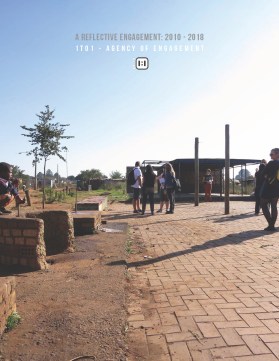
1to1_A Reflective Engagement_spreads large_Page_01

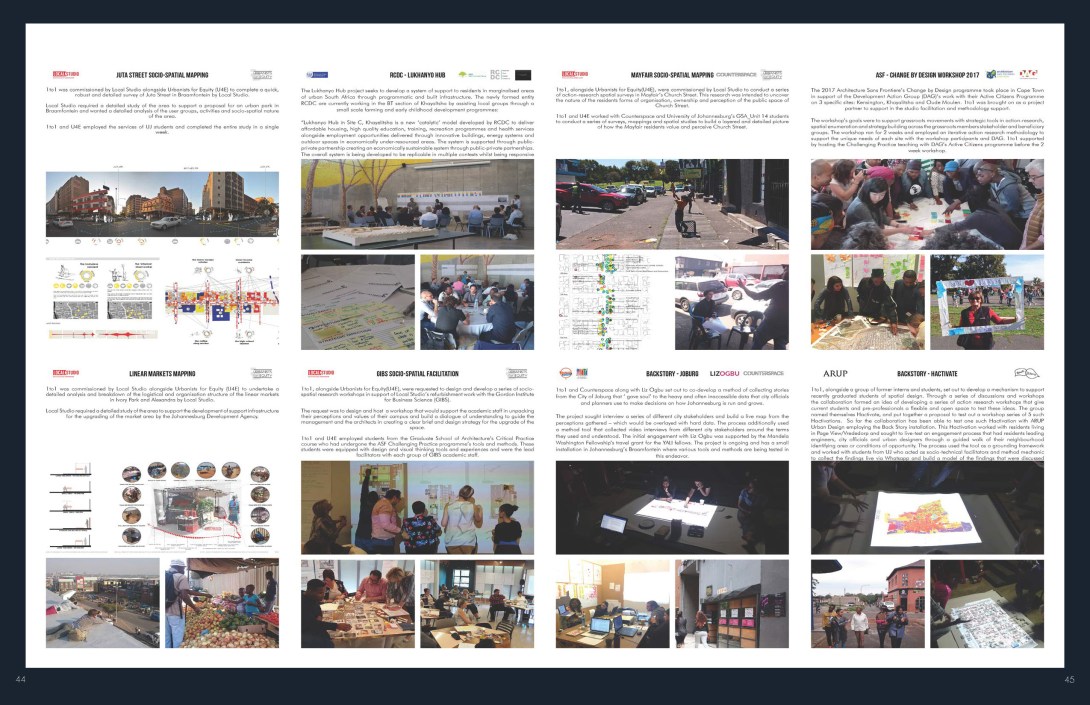
As a means of handing over, reflecting and trying to make sense of the last 8 years we have put together a reflective document that we hope will capture and share the experience for other practitioners, our supporters and the people who have joined us so far. (Link here: https://issuu.com/1to1_enyekwenye/docs/1to1_a_reflective_engagement_snglep)

The report is intended to offer a critical take on what we as 1to1 have done since we started, while celebrating the small wins, recognising the various  people who have made this possible and charting a new path towards a more resilient and effective organisation.

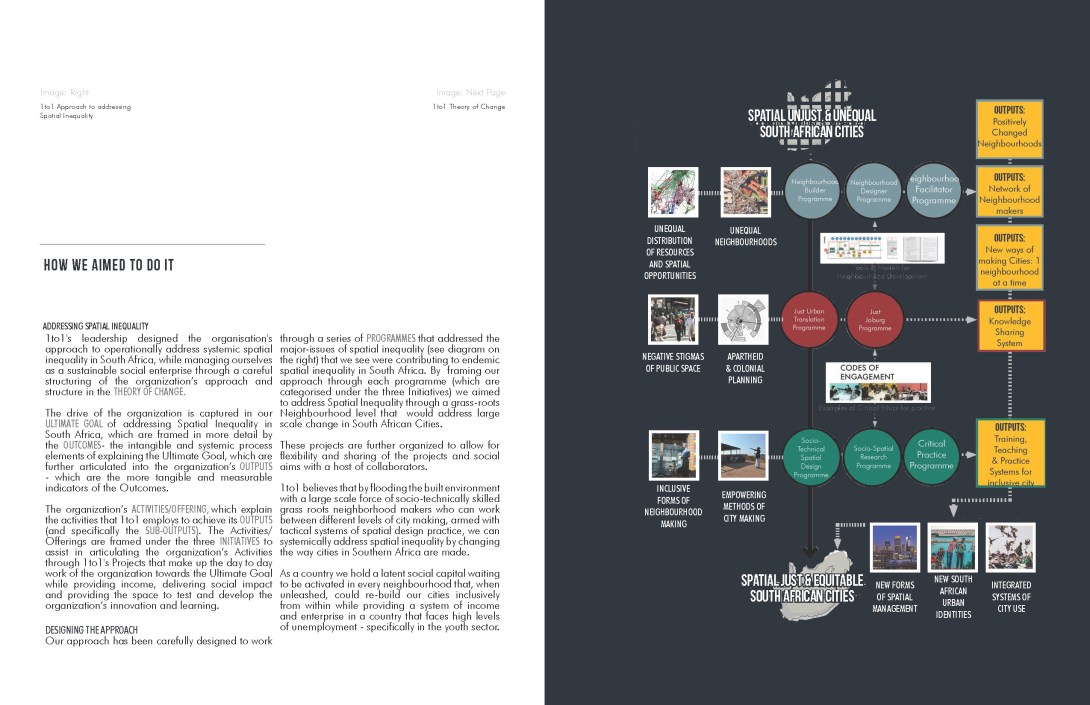
1to1_A Reflective Engagement_spreads large_Page_031to1_A Reflective Engagement_spreads large_Page_071to1_A Reflective Engagement_spreads large_Page_08

The report additionally serves as a record of our work and where we began. We tried to frame 1to1 in this moment, as we prepare to shift and change under new leadership and a more focussed view on the future.

1to1_A Reflective Engagement_spreads large_Page_091to1_A Reflective Engagement_spreads large_Page_111to1_A Reflective Engagement_spreads large_Page_181to1_A Reflective Engagement_spreads large_Page_221to1_A Reflective Engagement_spreads large_Page_23

We archived and recorded all our projects, our partners and offered a retrospective view on the ‘impact’ that we felt held merit and should be re-examined in 1to1 2.0.

1to1_A Reflective Engagement_spreads large_Page_261to1_A Reflective Engagement_spreads large_Page_271to1_A Reflective Engagement_spreads large_Page_281to1_A Reflective Engagement_spreads large_Page_29

Finally we looked hard at the pitfalls and successes of the organisation and asked the hard questions within ourselves – should we keep the entity alive?

1to1_A Reflective Engagement_spreads large_Page_31

This document bears record of every person who has made an active contribution to 1to1 and hopefully sets down the first step towards a better, more resilient organisation.

I wish my colleagues much luck in their new roles and I will always be close by to support and work within my new capacity as Just Urbanism Initiative Lead.
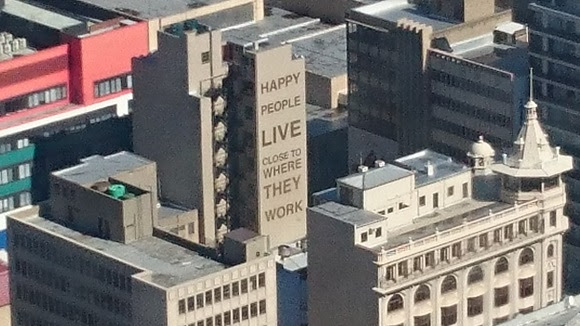
Center for Policy Research – Delhi: Presentation & Workshop

During my time teaching at CEPT, I was offered by a colleague who was working on India/South African urbanist relationships (Eesha Kundurito) to share my initial doctoral work process with the Centre for Policy Research in Delhi.

“The Centre for Policy Research (CPR) has been one of India’s leading public policy think tanks since 1973. The Centre is a non-profit, non-partisan independent institution dedicated to conducting research that contributes to the production of high quality scholarship, better policies, and a more robust public discourse about the structures and processes that shape life in India.”

I was invited to share my work at the  Centre de Sciences Humaines, an introduction to my own initial questions for my doctoral research:

CPR-CSH Workshop on ‘A Post-Post Apartheid Urban Praxis’

Additionally, I took part in a very engaging podcast interview with Mukta Naik for the Tacit Knowledge Urban Research Network (TURN):

“TURN collaboratively conducts research on urban informal processes and the tacit knowledge integral in them from multiple vantage points in the relational geographies of settlement, housing, and economies, with the eventual goal of incorporating that understanding into knowledge systems that support policy-making.”

On Design-led Practice: A Conversation with Jhono Bennett

On Design-led Practice: A Conversation with Jhono Bennet

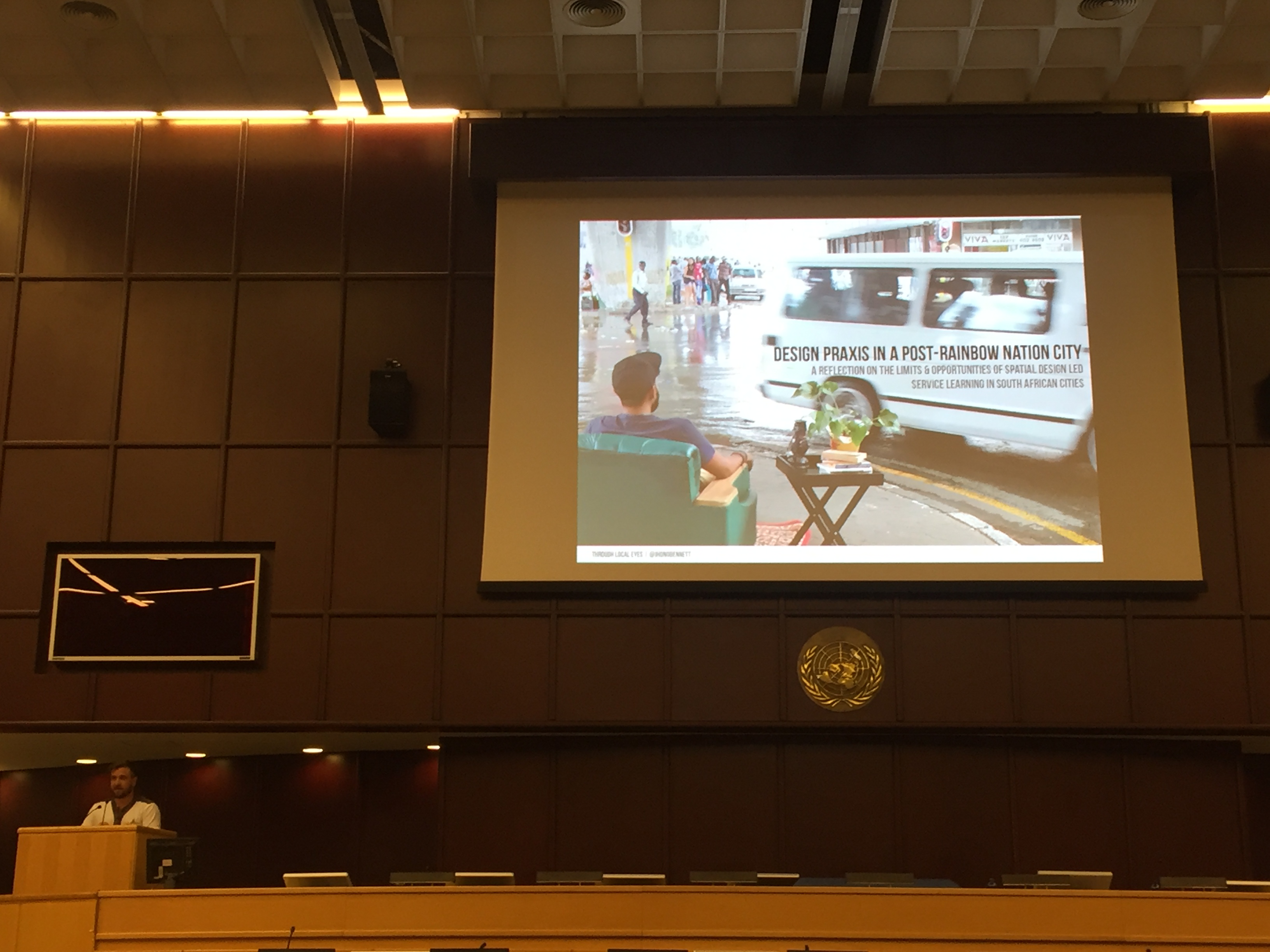
Through Local Eyes: Key Note Presentation

My submission, Design Praxis in a post-Rainbow Nation City: a reflection on the limits & opportunities of spatial design led service learning in South African cities, to the ‘Through Local Eyes: Place-based approaches to emerging architectural, urban design and planning challenges in Africa and the Global South Conference’ was selected as the ‘Best Emerging Scholar’ Paper.

IMG-2893

I was invited to present the paper at the International Conference in Addis Ababa as a Keynote speaker and was met with a rich and constructively critical response from the audience and panel.

Abstract:

Over the last few decades the discourse on the relationship between inter-stakeholder university engagements, or Service Learning, and the broader society that South African universities claims to serve has been deeply discussed by academia; the inherent problematics within the power structures, the challenges of achieving mutually beneficial project outcomes and the growing concern of vulnerable voices being overshadowed by institutions and individuals are key factors identified in this arena of critique.

Less nuanced in these debates remains a recognition of these dynamics within the emerging field of Design Research and Design-Led Research that have met a steadily commercialisation of ‘design’ in global markets. This is seen in the rise of acclaim by the commercial market for groups such as IDEO and Stanford who remain paragons of the ‘socially-driven’ or ‘economical’ potential of design approaches to address complex societal challenges.

Regarding design-led Service Learning, schools and institutions of Architecture and Design across the globe have a rich history of undertaking service learning design and/or build projects as a means of creating value and learning for both students and the stakeholders of such projects. These projects, too, have seen the critique of the above-mentioned academic discourse – but in South Africa are just starting to be unpacked through a ‘post-rainbow nation’ lens, as previously marginalised voices are starting to be recognised and find traction in learning and practices spaces across South Africa.

This paper will reflect on the author’s experience with emergent voices and reflexive concerns as a researcher, lecturer and spatial design practitioner in Johannesburg. The paper will set the context for this type of learning regarding city-making in Southern Africa and outline two case studies undertaken by the author and his collaborators. The reflection will conclude by a framing of the identified limits inherent in the promise of design as well as a speculation on the opportunities for growth and reflection for the author and those in similar positions of praxis.

The framing of the identified limits and opportunities has been used as a means of tempering critique with a constructive and proactive reflective framing of the issues – a praxis that is currently being developed by the author as a means of working responsibly through the intersectional complexity of post-rainbow nation South Africa.

Un-learning ‘community’: Paper Presentation at CSIR

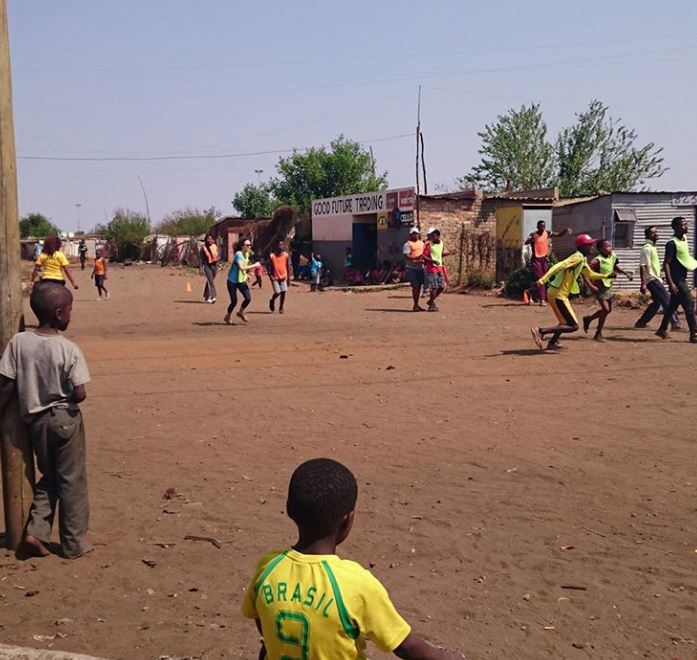
I recently presented a short reflexive paper as a means to capture the learning from working with Slovo Park Development Forum over the past 8 years. The paper was presented at the CSIR’s Out-of-the-Box Conference in Pretoria. 

The paper was intended to give academic reference for this type of work and address key issues in the wording and practice we use in spatial re-development in South Africa – particularly the word ‘community.

Un-learning ‘community’: reflections on socio-technical spatial design support with Slovo Park

Abstract:

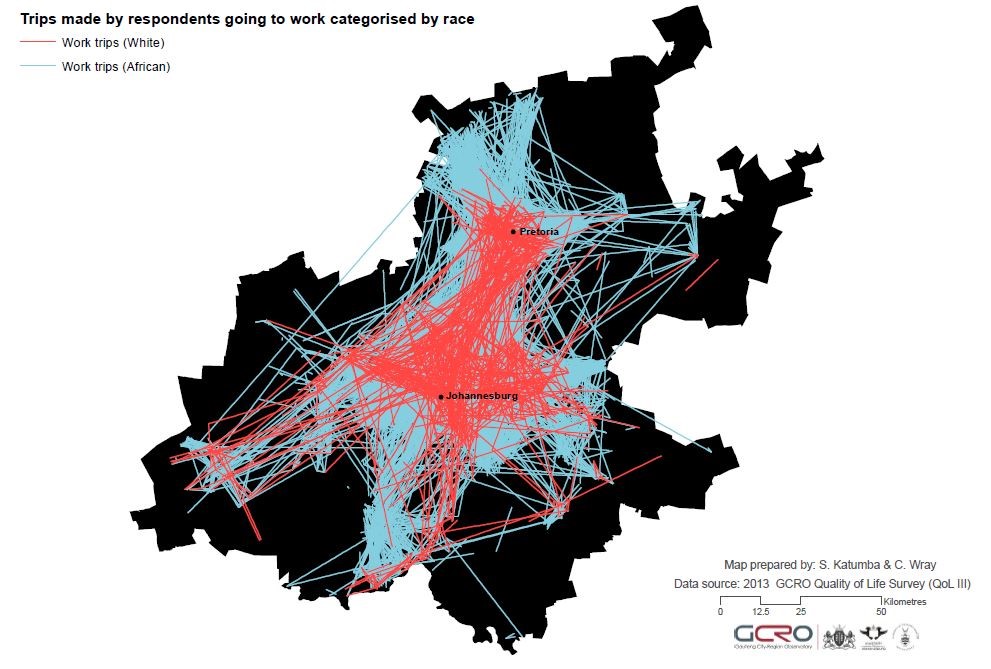
The South African city we experience today did not simply manifest in a vacuum outside of the social injustice of the last 400+ years of colonial and Apartheid ‘development’. The four-hour commute that the average Johannesburg city user experiences, the sense of fractured locality across the metropolitans of Durban and Pretoria and the intact socio-economic segregation of townships to suburbs seen in Cape Town are all the tangible legacies of the Apartheid city design that we complicity accept as our South African city on a daily basis.

The knee-jerk reaction by built environment practitioners to this observation is typically a technocratic response to suggest an addition of infrastructure and implementation and not a reform of the practice of city-making. The fact remains that among the large-scale projects our democratic government has implemented we sit with infrastructure deficits larger today than 1994.

The practice of ‘making city’ in South Africa requires some form of radical change, one that calls on all city makers to re-conceptualise how we see, make and manage our spaces. While technical skills and competencies are vital to this approach, the immediate challenge for built environment practitioners can be seen in the lack of skills or willingness of individuals and institutions to engage with the socio-political complexity of our cities. The misnomer that we are dealing with a homogenous technical challenge for a homogenous social demographic of people (or the ‘community’) that can be solved through a ‘better house/shack/dwelling’, a more efficient toilet system or solar panel array, is damaging and criminally myopic in its lack of imagination, creativity or recognition of the situation.

The paper offers a structured reflection on an eight-year case study conducted by the author and his colleagues. The argument of the paper is centered around a critique on the often-misused terms of ‘informality’, community’, ‘participation’ and ‘development’ in the built environment sector of spatial development. The case study unpacks the approach and methods used within the Socio-Technical Spatial Design practice of ‘Neighbourhood Making’ and offers a reflection on critical skills and lessons gathered from the experience. The intent of this reflexive study is to offer a working reference for private-sector practitioners, government officials and grassroots practitioners who are looking to engage informal neighbourhood upgrading in South Africa.

Design as Utility: At the Intersection of Technical & Social: Yale University

*Cover Image: The presentation of Orli Setton & Olwethu Jack on Socially Engaged Design Work

*Reposted from 1to1 – Agency of Engagement: http://1to1.org.za/portfolio-item/yale-critical-action-workshop/

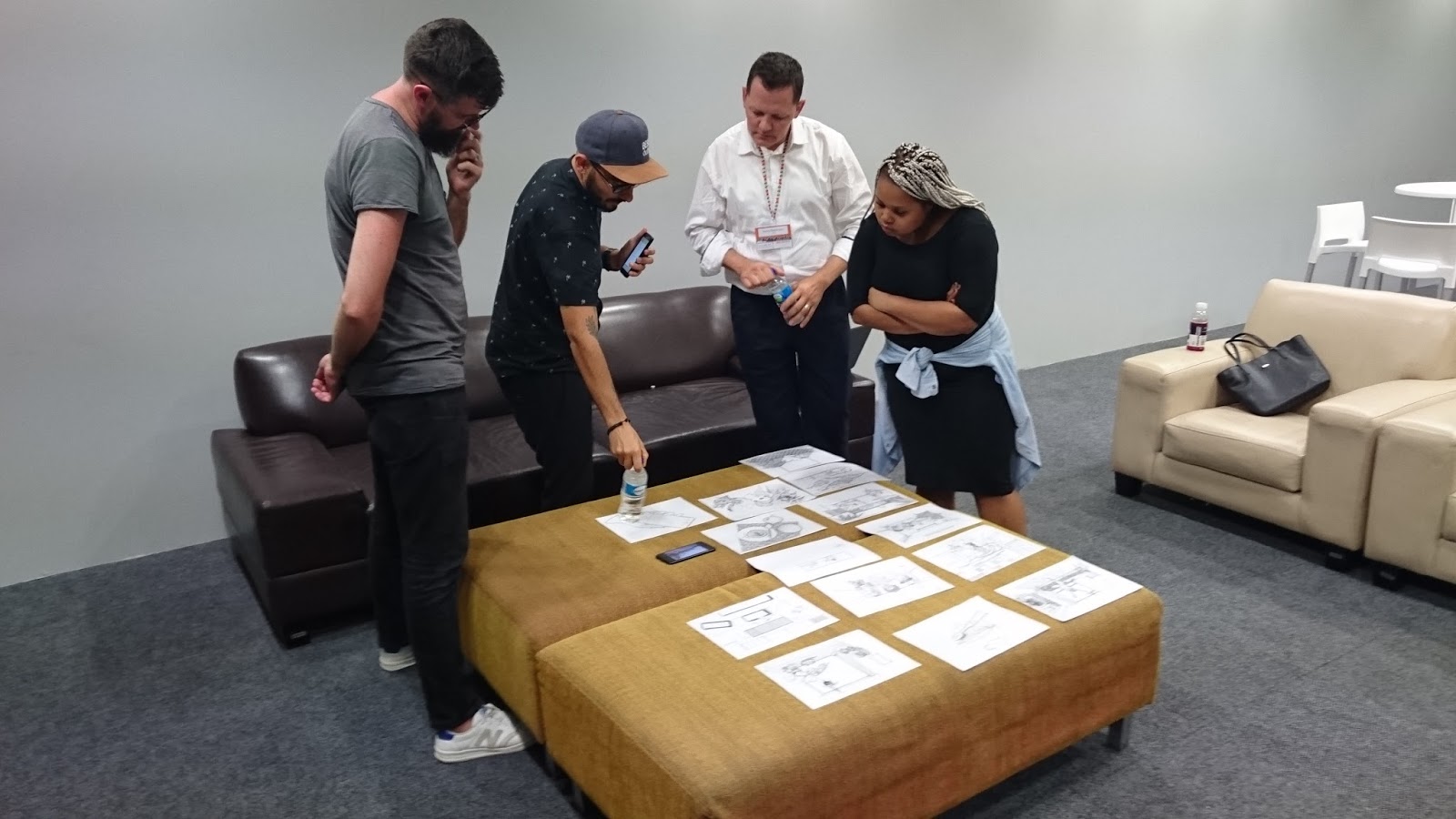
1to1 alongside Orli Setton, Olwethu Jack, Simnikiwe Xanga and Melilizwe Gqobo provided a 2 day facilitated workshop experience for a visiting group from Yale’s School of Management under Jessica Helfland’s Design as Utility: Luxury, Waste and Sustainability Practicum. The workshop sought to make a critical space for local citizen experts to co-produce a set of values and ways of working with visiting international groups that would not be exploitative to the locals or reductive in it’s inquiry.

The workshop produced a set of thinking tools on top of the facilitated learning that took place.


Killarney Socio-Spatial Mapping

*Reposted from 1to1 – Agency of Engagement: http://1to1.org.za/portfolio-item/killarney-neighbourhood-mapping/

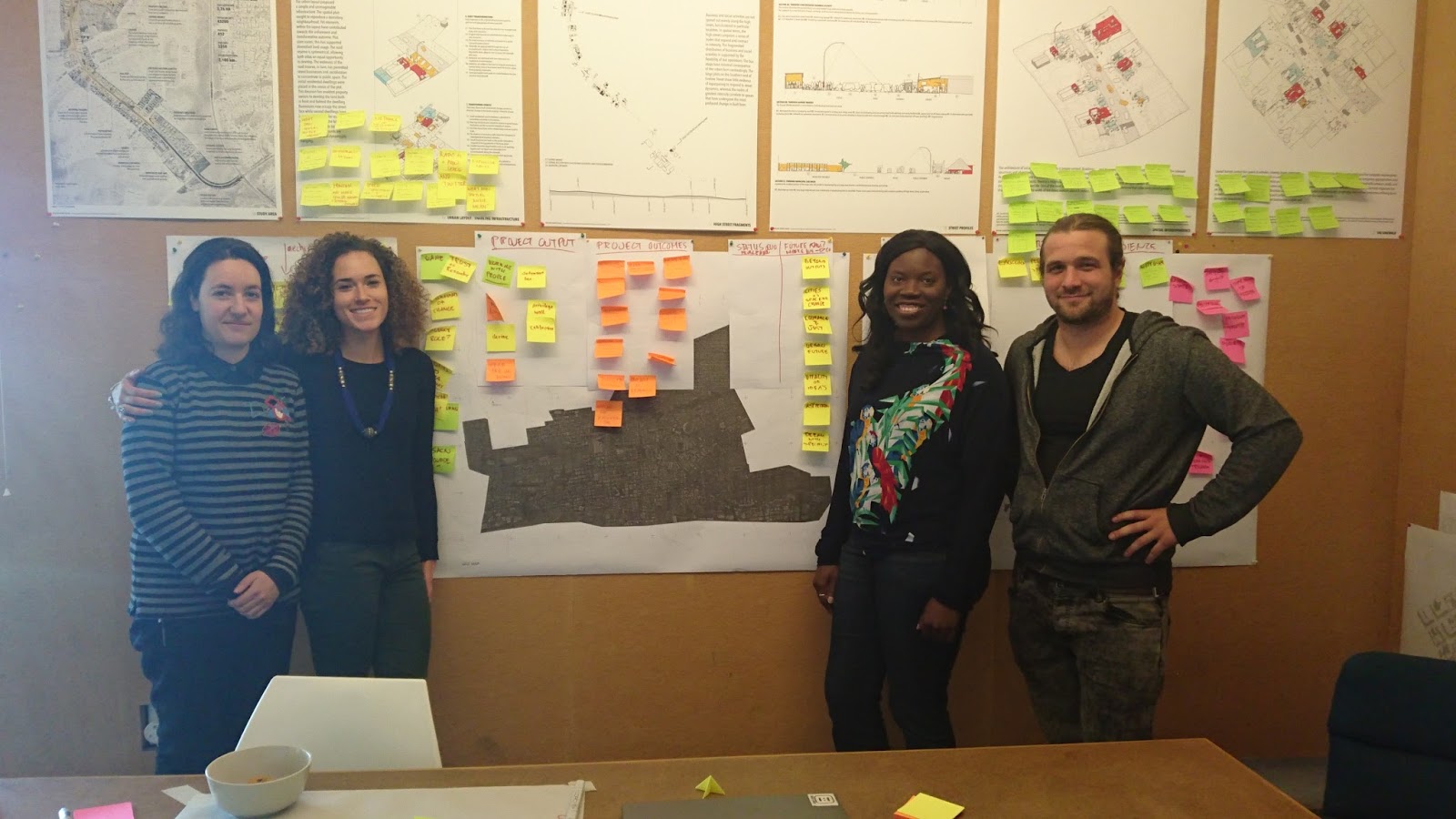
 1to1 alongside our collaborating partner, Urbanists for Equity, were commissioned to develop a body of work that both unpacked the socio-spatial nature of Killarney, but also supported the social cohesion of the various groups that make up the diverse neighborhood through small scale research interventions.

The team worked together with University of Johannesburg students to facilitate and generate the full package of work over the 7 week period.
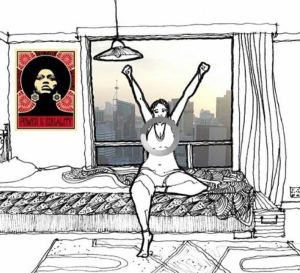
GSA Unit 14: Rogue Economies

Unit 14 at the Graduate School of Architecture is headed up by Thiresh Govender of Urban Works. I have worked with Thiresh on this over a two year period of trials and tribulations and am proud to say that 2017 produced something highly innovative and unique to how we practice urban and architecture research in Johannesburg.
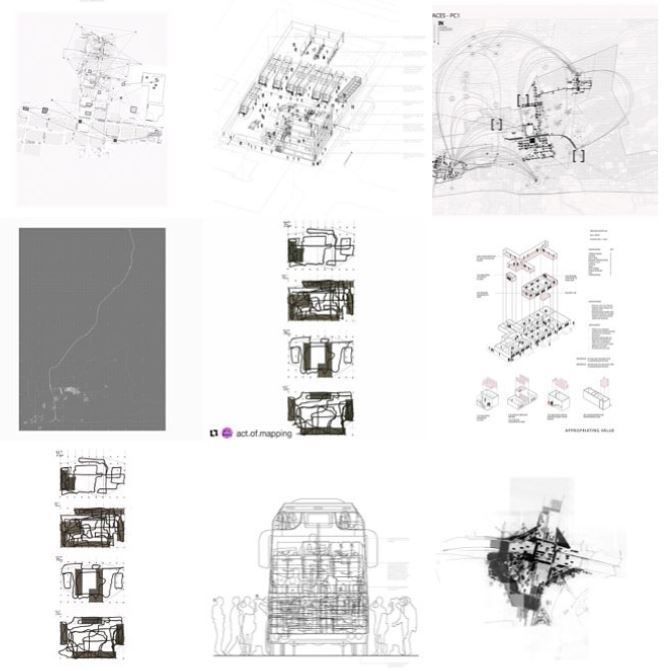
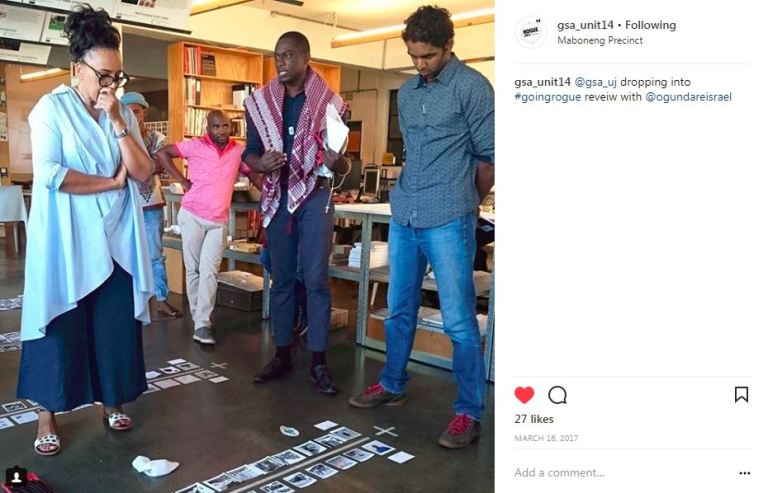
The Unit set out to uncover the Rogue Economies of Johannesburg and worked with a dedicated and hard working group of students in search these rogue forces that shape our City. We were joined by Sarah De Villiers of Counter Space and Valentina Mamente  and spent a difficult but ulmitately rewarding year developing a highly attuned and unique style of inquiry and representation with the students.

Easy Come, Easy Go: Cross-Border Hypertrade by @the_real_kennie_dee #rogueeconomy #architecturestudent #architecture #mapping #southafrica #zimbabwe #beitbridge @act.of.mapping A post shared by GSA Unit 14 (@gsa_unit14) on Sep 1, 2017 at 7:03am PDT

A post shared by GSA Unit 14 (@gsa_unit14) on Sep 18, 2017 at 11:11am PDT

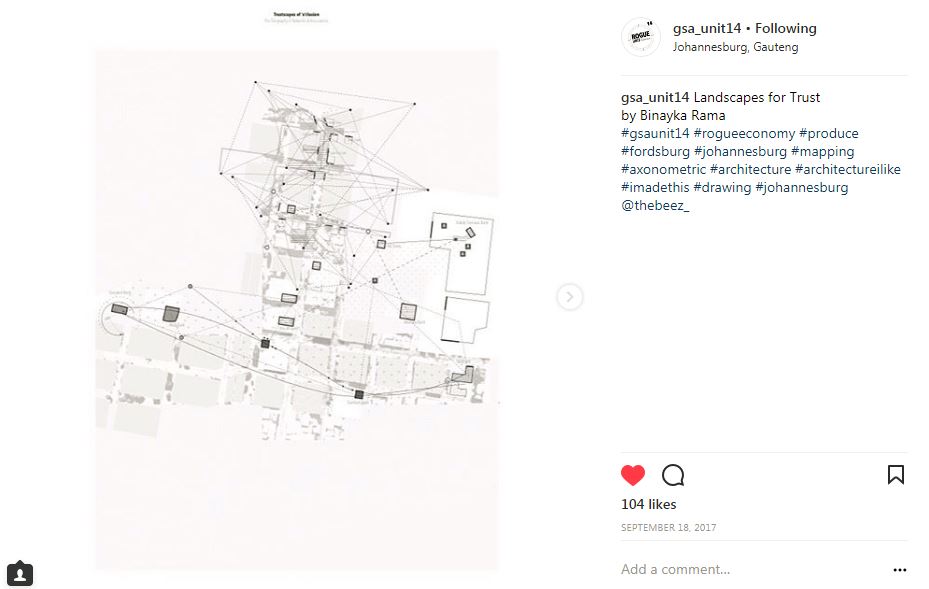
Landscapes for Trust by Binayka Rama #gsaunit14 #rogueeconomy #produce #fordsburg #johannesburg #mapping #axonometric #architecture #architectureilike #imadethis #drawing #johannesburg @thebeez_ A post shared by GSA Unit 14 (@gsa_unit14) on Sep 18, 2017 at 11:11am PDT


LINK IN BIO: M2 from Unit 14, Israel Ogundare presents his project ‘The Exchange Consulate’ on the African Architecture Awards. Please take a look and vote! @ogundareisrael @happeningatthegsa @africanarchitectureaward @act.of.mapping #rogueeconomy #africanarchitectureawards A post shared by GSA Unit 14 (@gsa_unit14) on Jul 19, 2017 at 2:07pm PDT


The unit drew much inspiration from many local and international researchers such as the work of Eyel Weitzman’s Forensic Architecture and produced a body of work that can be seen here:

https://issuu.com/gsa_unit14/docs/rogue_economies_vol1_rev13__spread_

Backstory – Joburg

Backstory began as an explorative research investigation into the idea of Spatial Ineqaulity in Johannesburg. The initial project collective was led by Liz Ogbu, Counterspace Studio and 1to1 – Agency of Engagement under the title of ‘ the Unjust City’ .

The project took form between 2016 – 2018 as a collaboratively built installation in Johannesburg’s inner-city neighborhood of Braamfontein, where stories and city-data were unpacked through a series of workshops, discussions, and exhibitions. The installation aimed to bring together different city inhabitants and make this confluence of data and stories more accessible to those who use, manage and make the city.

The installation sought to draw in a diverse group of voices to engage with the narratives of spatial justice at play in Johannesburg. The installation space was developed by the Back Story Collective and offered as a platform to selected (typically students, local actors and activists) researchers who were working on topics of spatial injustice.

www.backstoryjoburg.wordpress.com

Urban Conference Visual Summary: South African Cities Network

Through my fellowship as a Mandela Washington Fellow, I was able to secure a practicum appointment with the South African Cities Network. The Network is a non-profit entity that:

The South African Cities Network (SACN) is an established network of South African cities and partners that encourages the exchange of information, experience and best practices on urban development and city management. Since 2002 the SACN’s objectives are to:

  • Promote good governance and management in South African cities
  • Analyse strategic challenges facing South African cities
  • Collect, collate, analyse, assess, disseminate and apply the experience of large city government in a South African context
  • Encourage shared learning partnerships among spheres of government in order to enhance good governance of South African cities.
 

CityFuture_Method Summary_draft 12

I worked as a ‘tactical intern’ where I provided socio-spatial visual support to a current programme under the network’s portfolio.
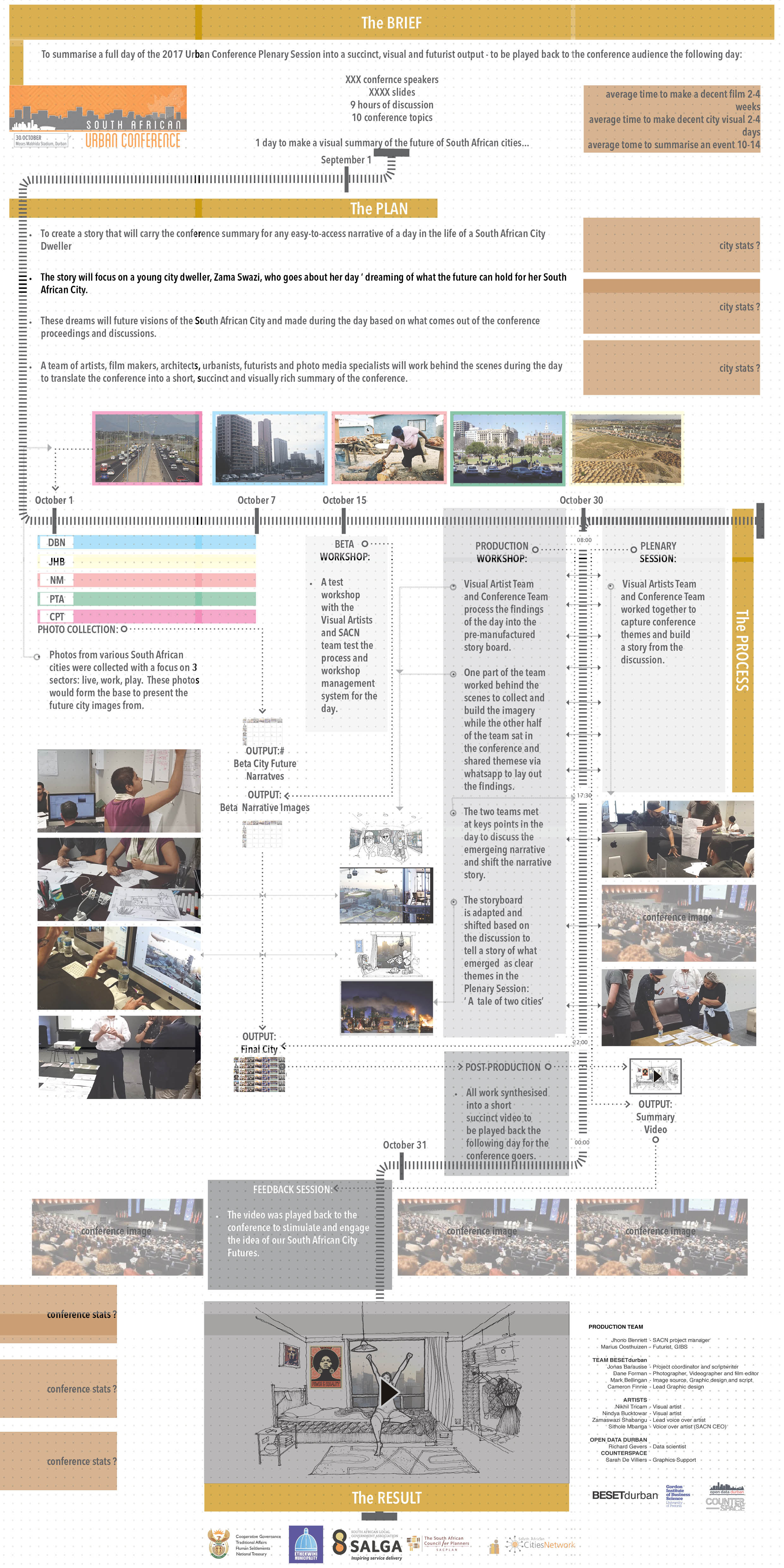
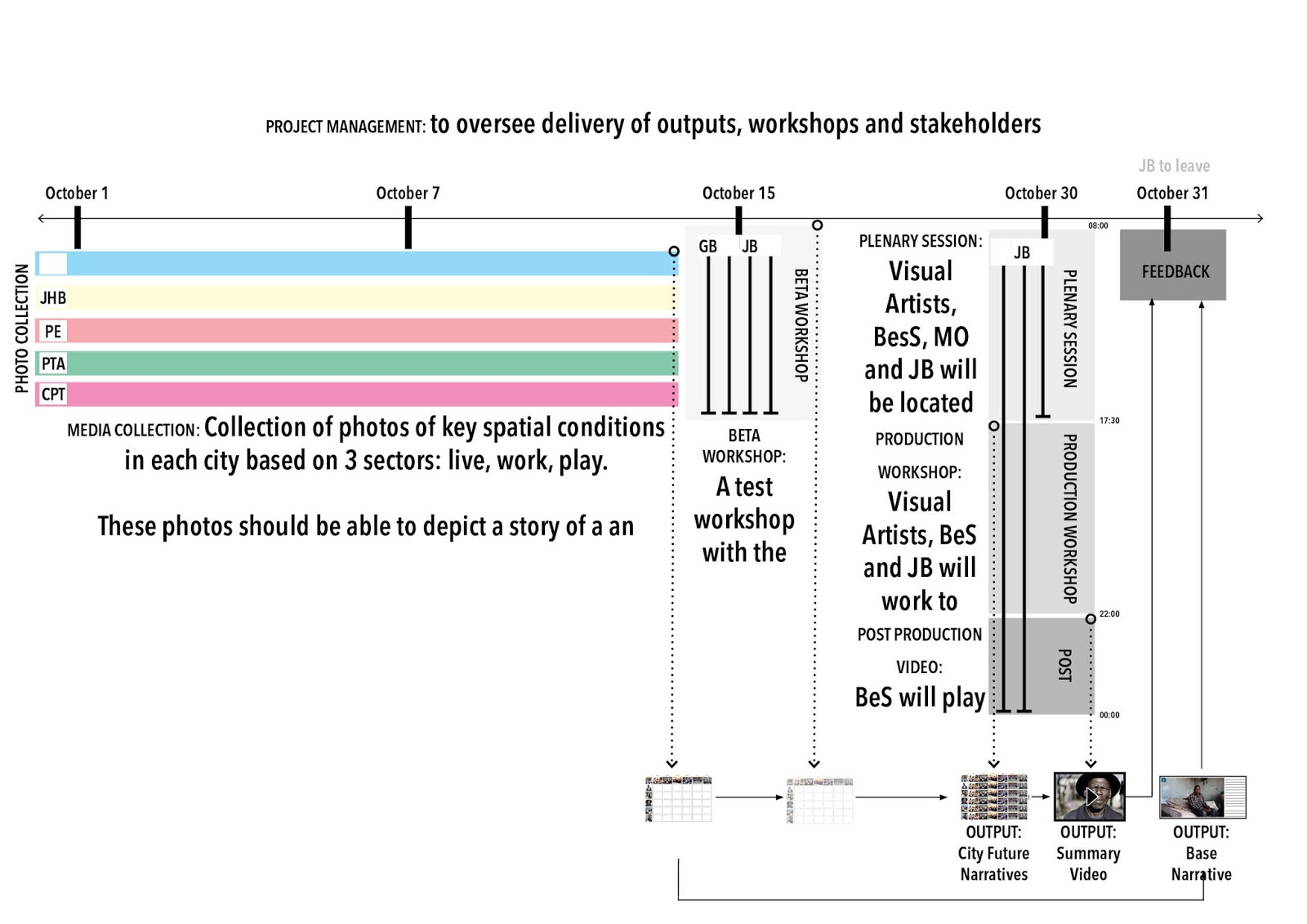
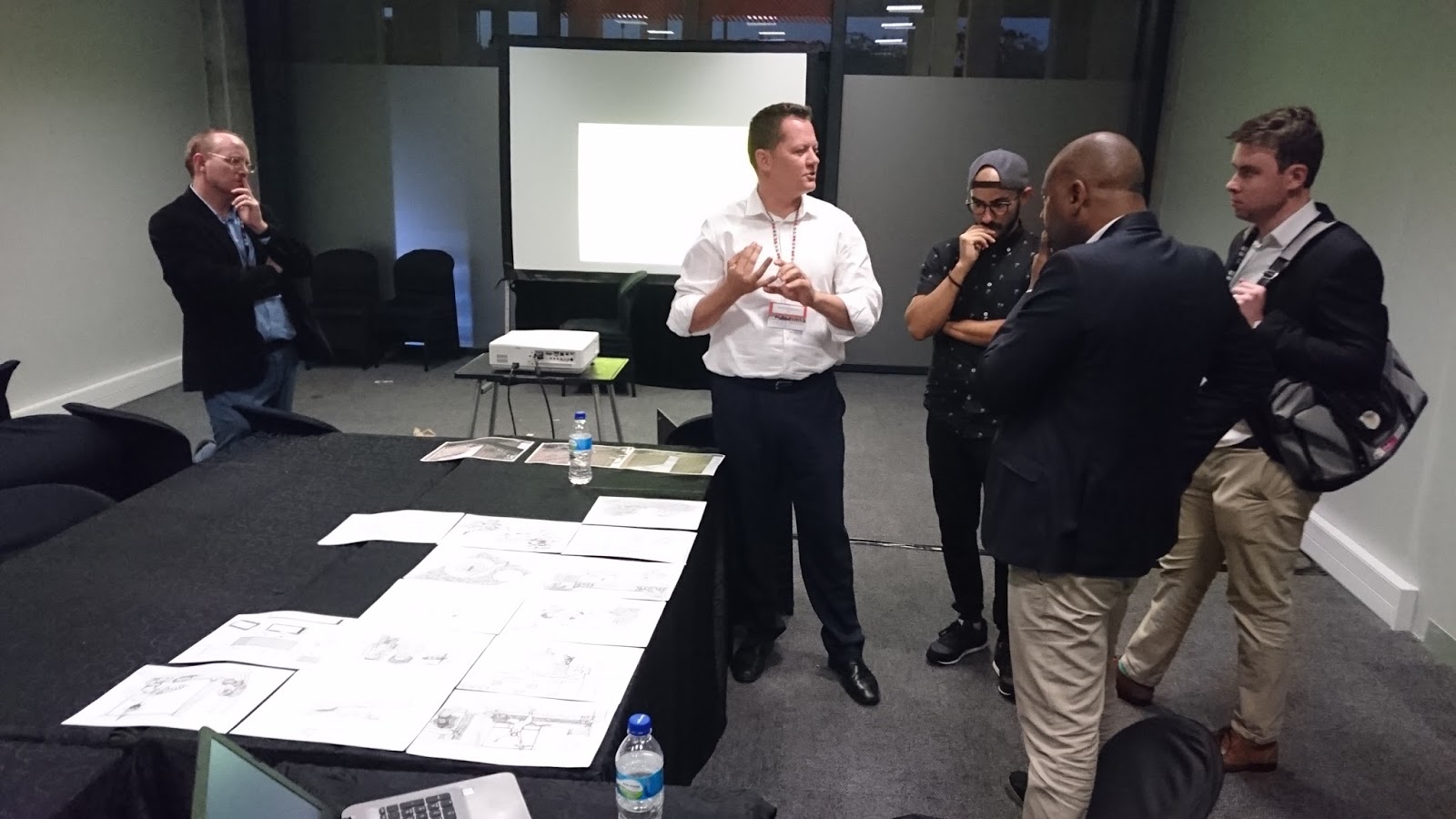
The culmination of this practicum took place while I supported the development, initiation and execution of a brief put together by SACN. The brief was to develop a methodology that would summarise the conference proceedings from the 2017 Urban Conference in Durban.
http://www.sacities.net/events-and-conference/urban-conference-2017
The request was to summarise the proceedings in such a way that they could be played back the next day through a video format that told a visual narrative of a possible future for South African cities. While this may seem simple, the typical process to make a video, let alone visually summarise  a live conference can take anything from a week to a few months. In order to complete this mammoth task the SACN secured the services of Marius Oosthuzien, a registered futurist, who supported in the development of  a pre-fabricated story structure that follow the day-in-a-life of a young city dweller.
The idea behind the methodology being that a team of artists/visualisers would work through out the conference day to develop a series of visual imagery that would be created from the conference discussion and be used to fill in the dreaming of t his city dweller as she moved through her day.
This summary would then be converted into a short video story and narrated in the evening and made ready for presentation and discussion the next day.
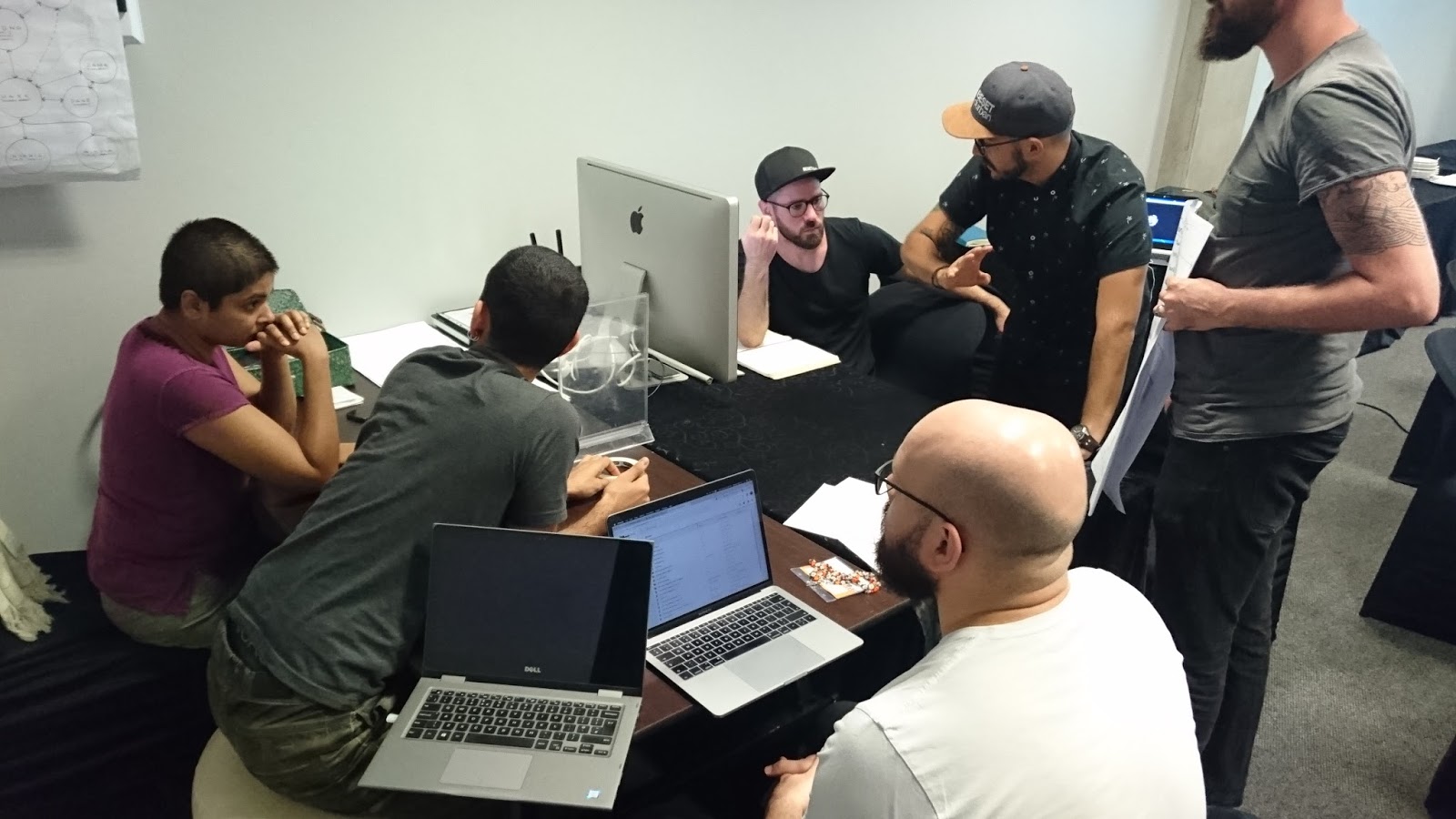
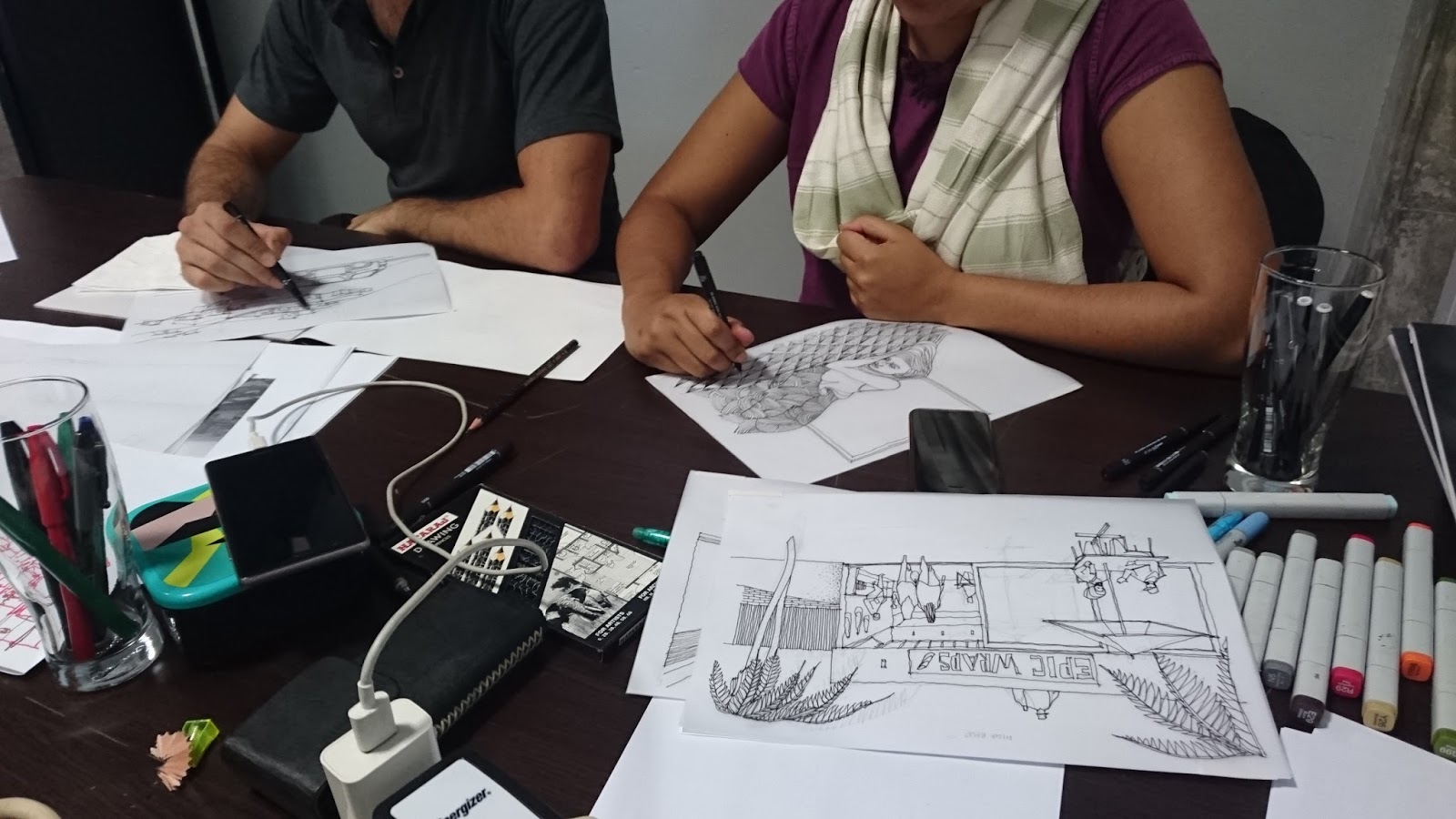
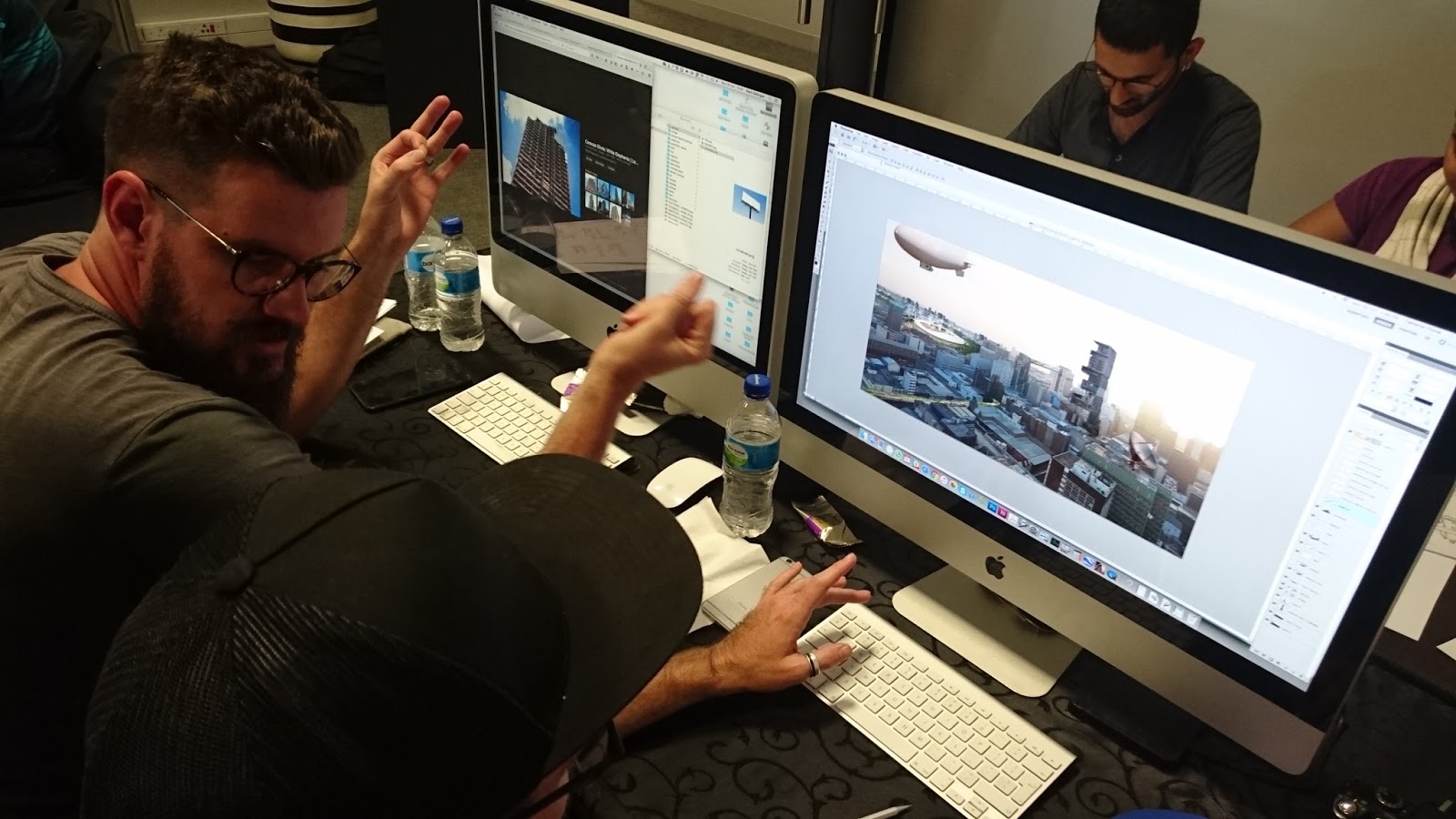
The local artists made up of Durban’s Beset and Nikhil Tricam alongside Nindya Bucktowar performed amazingly with Marius Oosthuizen guiding the summary from the conference.
The video was completed under great stress, but on time and can be seen on Youtube here:

The Unjust City

Through 1to1, a alongside Counterspace and Liz Ogbu we set out to co-develop a method of collecting stories from the City of Joburg that ‘ gave soul’ to the heavy and often inaccessible data that city officials and planners use to make decisions on how Johannesburg is run and grows.

The project sought interview a series of different city stakeholders and build a live map from the perceptions gathered – which would be overlayed with hard data. The process additionally used a method tool that collected video interviews from different city stakeholders around the terms they used and understood. The initial engagement with Liz Ogbu was supported by the Mandela Washington Fellowship’s travel grant for the YALI fellows.

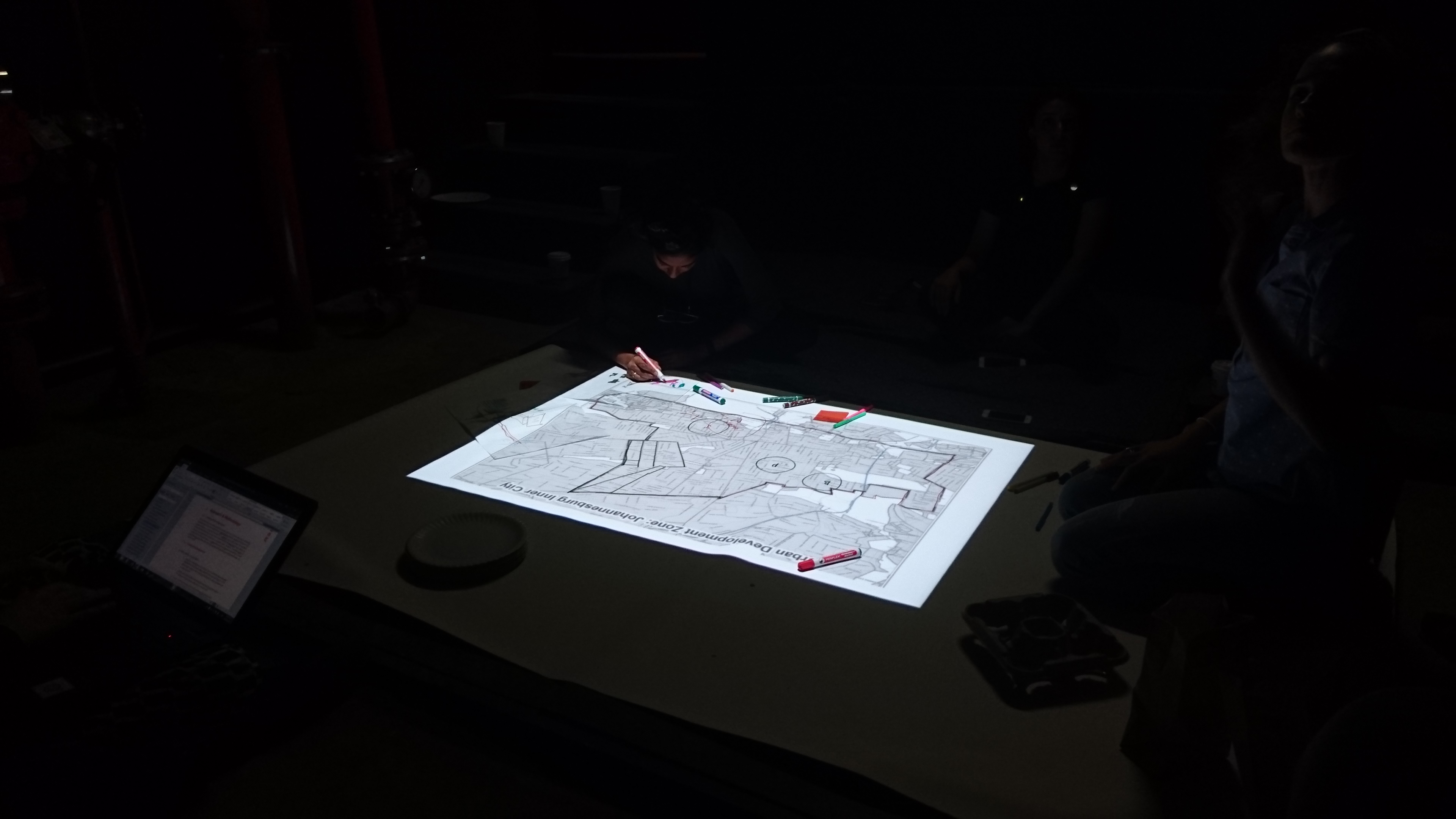
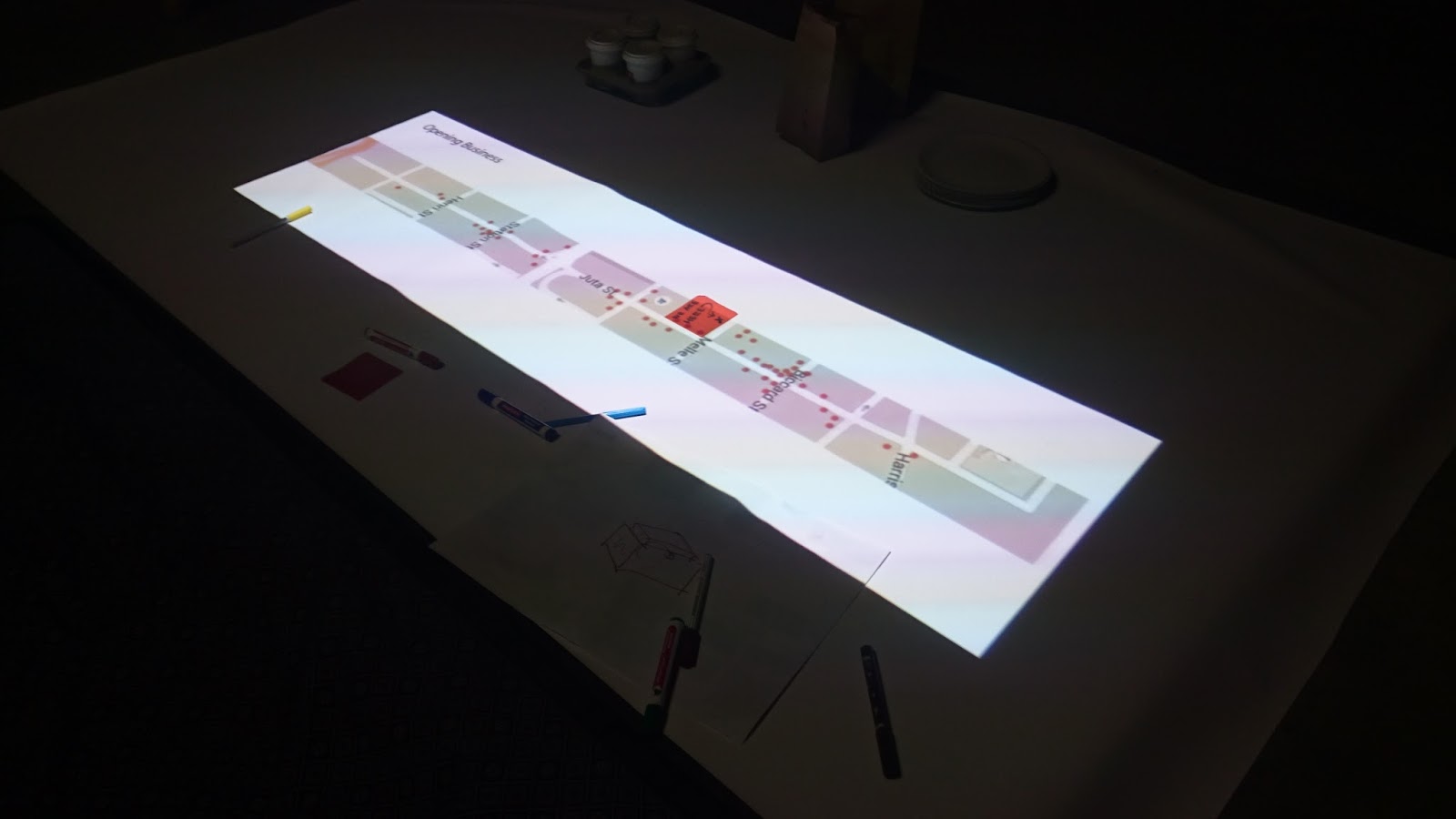
The project is ongoing and has a small installation in Johannesburg’s Braamfontein where various tools and methods are being tested in this endeavour through the Backstory – Joburg Project  The current established tool is a visual projection of city data onto a small constructed model of Page View.

Sheffield Mobility: Spatial Design Research

2018 marks the final year of a 3 year mobility exchange between the University of Johannesburg’s DSD Desis Lab and the Sheffield School of Architecture.

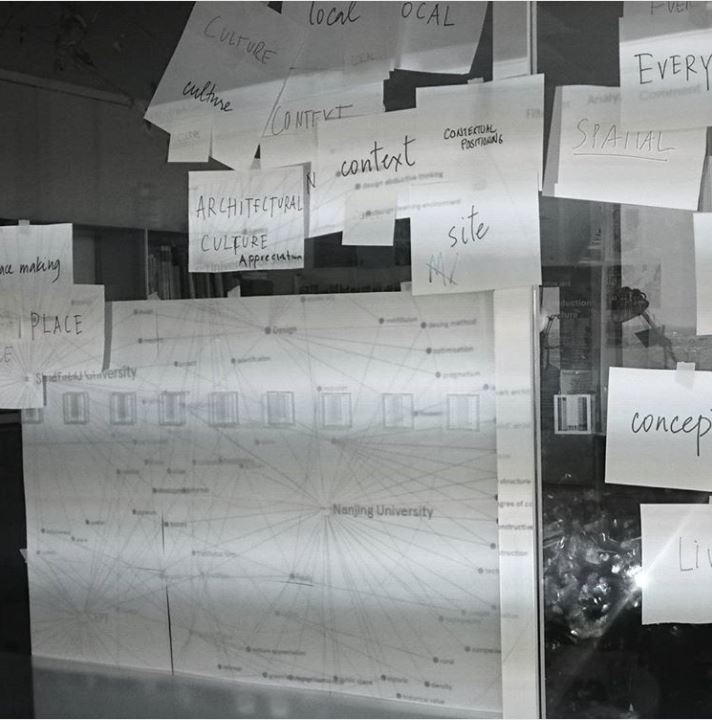
The broader exchange network, Research As Urban Method (RAUM), includes CEPT in Ahmedabhad, India and Nanjing University in  Nanjing,China,I have been facilitating this exchange and alongside Angus Campbell and Terrence Fenn have hosted and taken part in several events and workshops that aim to co-develop a shared field of ‘Spatial Design’ between the various disciplines of design involved in the exchange.

RAUM is a collaborative project investigating spatial design education in relation to global urban development challenges, and is interested in expanding knowledge about teaching in this field.

RAUM is an initiative by Beatrice de Carli, Florian Kossak and Tatjana Schneider at the School of Architecture, University of Sheffield (UK) and is in partnership with the Centre for Environmental Planning and Technology (CEPT) (Ahmedabad, India); School of Architecture and Urban Planning, Nanjing University (China); and the University of Johannesburg, Faculty of Art, Design and Architecture, Design Society Development DESIS Lab (South Africa). The project began in 2016 and will run until October 2018, made possible through European Commission Erasmus+ funding focused on academic staff and PhD student mobility. The focus of the mobility with all partners will be on jointly rethinking the capacities, qualities, methodologies and tools that spatial practitioners need to develop, in order to have a positive impact in the face of epochal challenges affecting cities globally, such as climate change and social inequality. The outcome will be a joint publication that will document the activities undertaken and the methodologies tested in different geographical settings

Updates on events and activities will be posted here: https://researchingarchitectureasurbanmethod.wordpress.com/

//platform.instagram.com/en_US/embeds.js

The initial exchanges centred around commonality and theory in design, and produced a broad word cloud that captured the links and connections.

https://graphcommons.com/graphs/f99e6594-344e-4fa8-8c65-5bb965060ba6/embed

The exchange also hosted Dr. Tatjana Schneider who spoke on a panel with students from UJ around what the role of Spatial Agency in South Africa could be.

Co-Designing the Driver’s Seat: A call for an ‘Open’ Approach to Drawing Production in Spatial Design Practice: SOTL 2017

My first singular produced conference proceeding was for the 2017 Scholarship of Teaching and Learning (SoTL) in the South Conference held at the University of Johannesburg. I wrote a peice about the need for an opening up of how we make and ‘draw’ in regards to spatial design – with a focus on the artefacts we value in drawing production.

The full proceedings are avaliable here: http://www.sotlinthesouth.co.za/images/SOTL_2017_Proceedings.pdf

Abstract:

“The question of what the architect is actually doing … raises questions about authorship. Is the architect a creative author with the will to produce a specific work, or do the conditions imposed on him inevitably result in something interchangeable, something that could as easily have been produced by someone one else?” (Reidijk, 2010, p20) This inherent contravention of authorship, summarised in the prologue of Reidijk’s collection of writings in Architecture as Craft, brings to light a crucial aspect of the built environment’s process of production; rarely is a building or a space solely brought together through an individual’s vision and efforts. As a rule, the built spaces occupied by society are the result of multiple forms of agency and ownership working together at different levels. While this co-productive nature of built space is well established through Open Building discourse, the nature of the design communication artefacts to which are trusted to carry the idea to be understood through remain largely ‘closed’ within the disciplinary boundaries of the designer and select group of building professionals. Nowhere is this closure more evidently seen than in technical output produced and commoditised by large scale design practices, such as urban and city design in South Africa. The author firmly stands by the belief that in order to allow for the true co-production of the South Africa built environment to take place equitably and efficiently, spatial design practitioners need to develop more ‘open’ approaches to the practice in the built environment – in particular to allow the design communication artefacts of their discipline to be co-owned and co-produced in the face of a rapidly urbanising world. In 2015 the author of this paper assisted in the running of UJ_UNIT2; a design-led architectural research unit housed in the master’s programme at the University Of Johannesburg (UJ). The research unit embarked on an exploration of new forms of design and building exposing the nature of agency through the levels that make up the South African built environment. This experience, combined with the author’s personal work in providing socio-technical support to the grass-roots international organisation Slum/Shack Dwellers International, provide the experiential reference to support the above stated belief. This paper will examine two projects conducted through the author’s own teaching and design practice that attempted to change the manner in which designer’s see and control design communication artefacts. A summary of these experiences will then be outlined through a call for design practitioners to develop their own means of sharing control not only in the spatial drawing artefact, but in the design itself. This is done with the hope of supporting a growing national movement that seeks to responsibly relinquish power through design in the aim of achieving social and spatial justice in South Africa

Citation:

Bennett, J. (2017) ‘Co-Designing the Driver’s Seat: A call for an “Open” Approach to Drawing Production in Spatial Design Practice’, in The Scholarship of Teaching and Learning in the South (SOTL) Conference Proceedings. Johannesburg, South Africa, ZA: Scholarship of Teaching and Learning in the South, 2017, p. 121. Available at: http://www.sotlinthesouth.co.za.