After a chance meeting with Alfredo Brillemburg and Hubert Klumpner of Urban think Tank in Berlin during the (in)formal City Programme I was invited to present some of my work to their summer school in Glarus, Switzerland shortly after the 3rd Architectural Education Summit in Berlin.

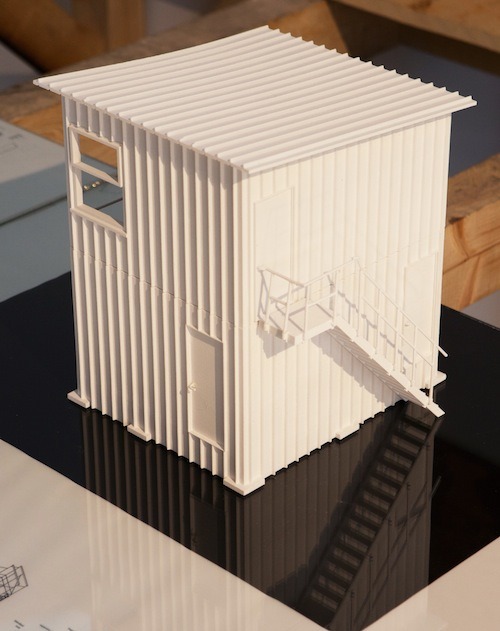
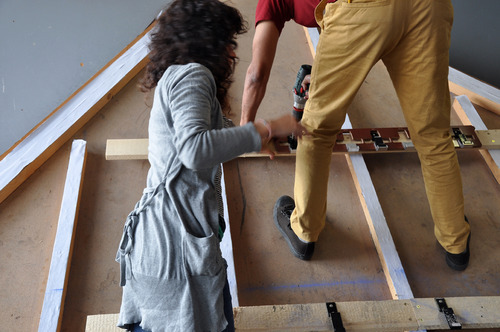
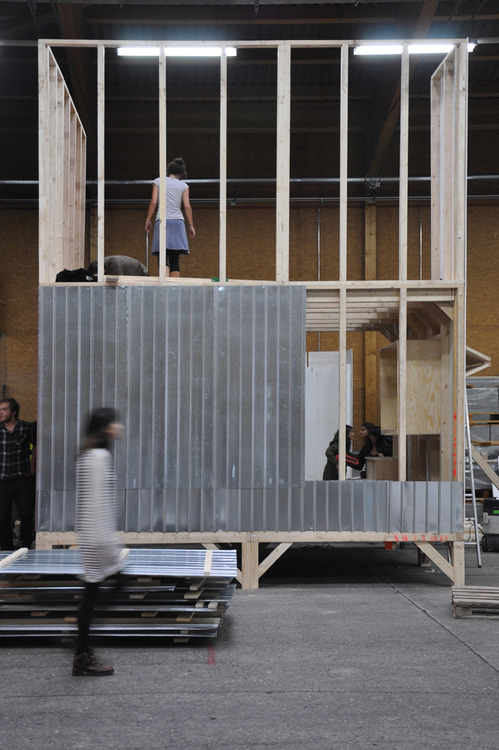
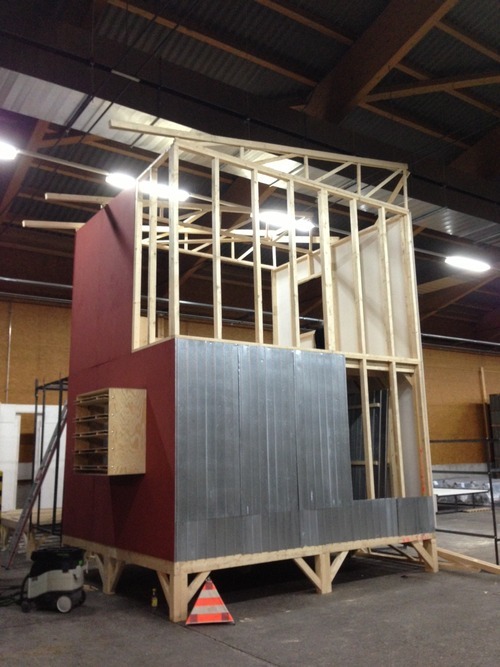
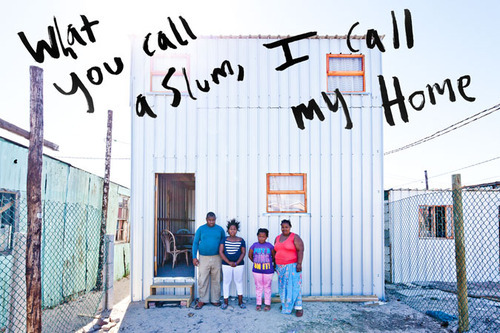
The summer school intended to oversee the design and construction of double storey ‘shack’for a site in Cape Town’s Kayalitsha. Students were facilitated to work with a local NGO under the South African Shack Dwellers International Alliance alongside residents of the settlement who were flown out to Zurich.
By chance I had worked in this very settlement with the invited resident, Phumezo, and could offer critical insight into the context.
Socio-Technical Design Presentation
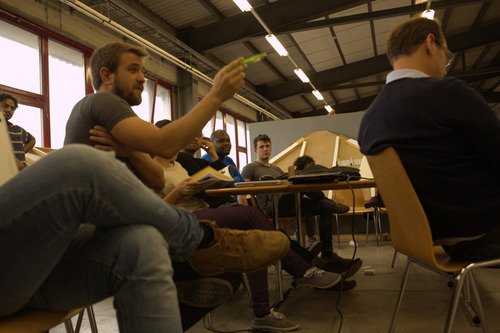
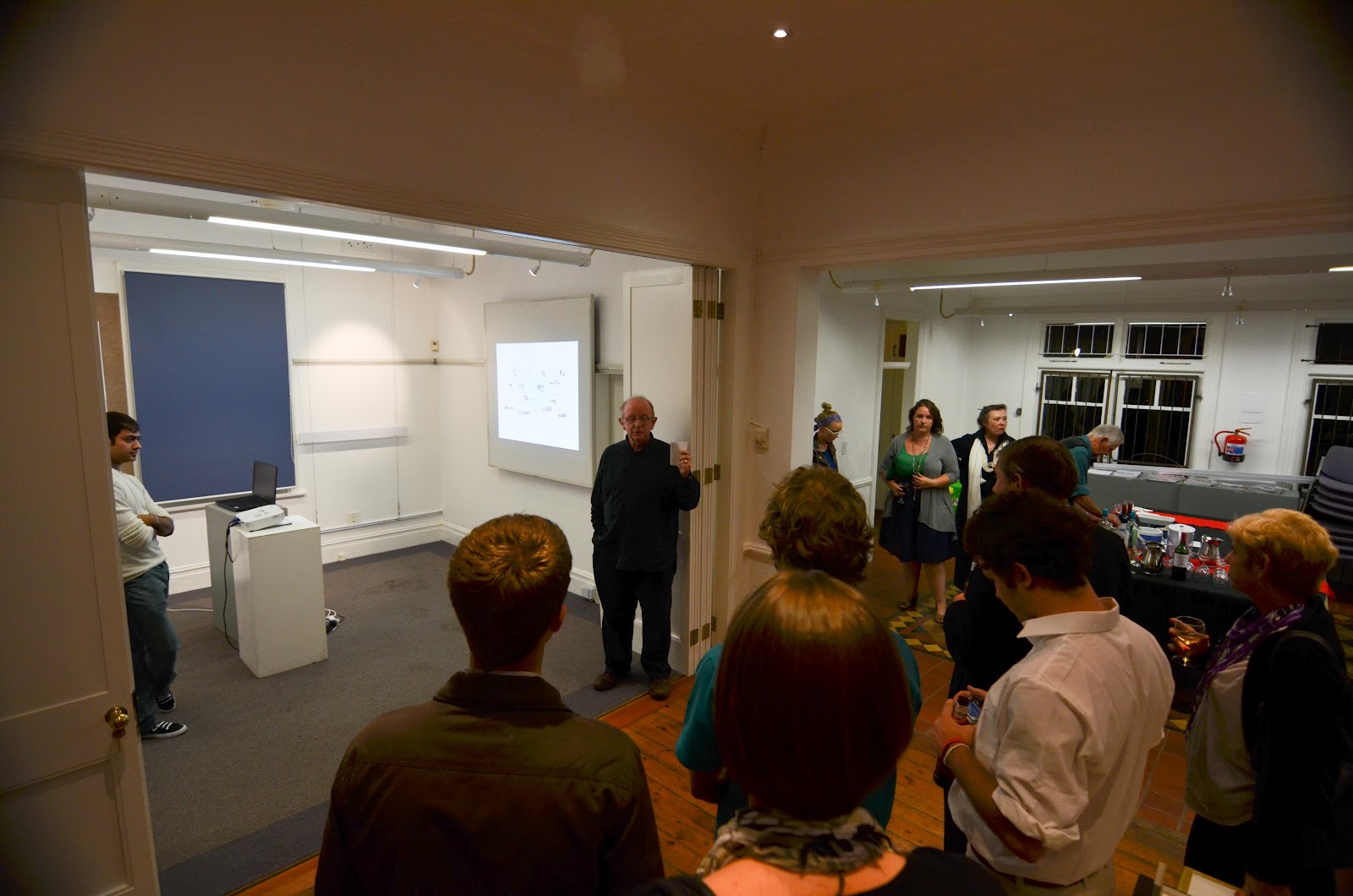
I was given this opportunity to share some of my experiences with the Summer School Class in the first few days of the 2 week Course. Here I shared the story of 1to1 – Agency of Engagement and how we learned through critical engagement crucial socio-technical skills that guide our work today.
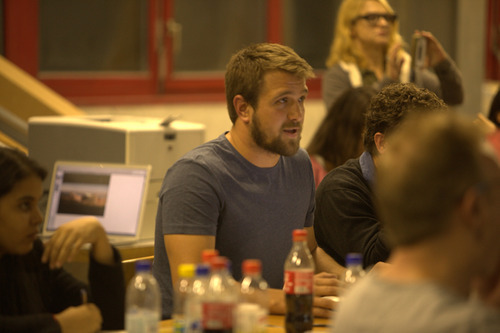 |
| Image: http://www.empowershack.com/ |
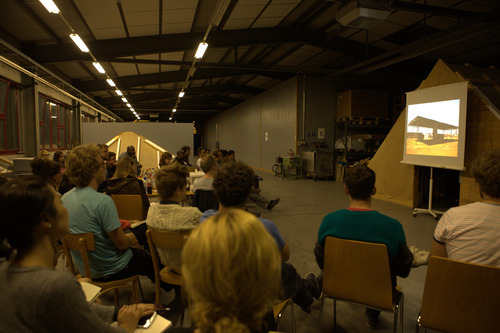 |
| Image: http://www.empowershack.com/ |
The summer school had many other guest presenters including Heinrich Wolf who presented an in-depth and beautifully critical view on the spatial and political landscape of South Africa.
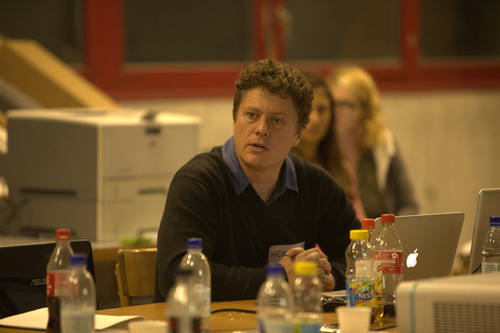 |
||||||||||||||||
| Image: http://www.empowershack.com/
I had to leave after 3 days of discussion and critting with the students, but the work continued on.
The team then took the design to Cape Town and built the first proto-type in Phumezo’s house.
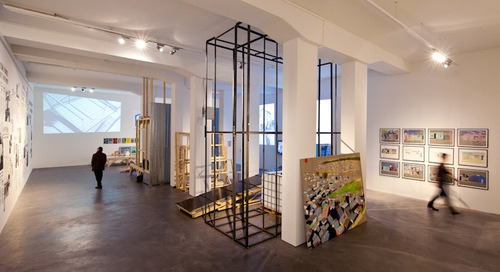
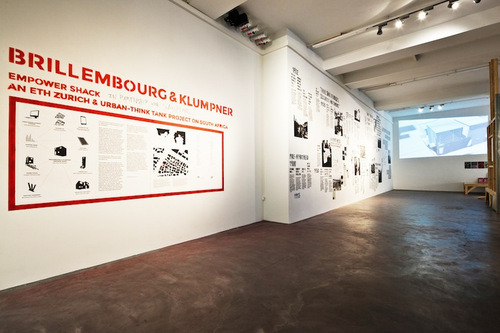
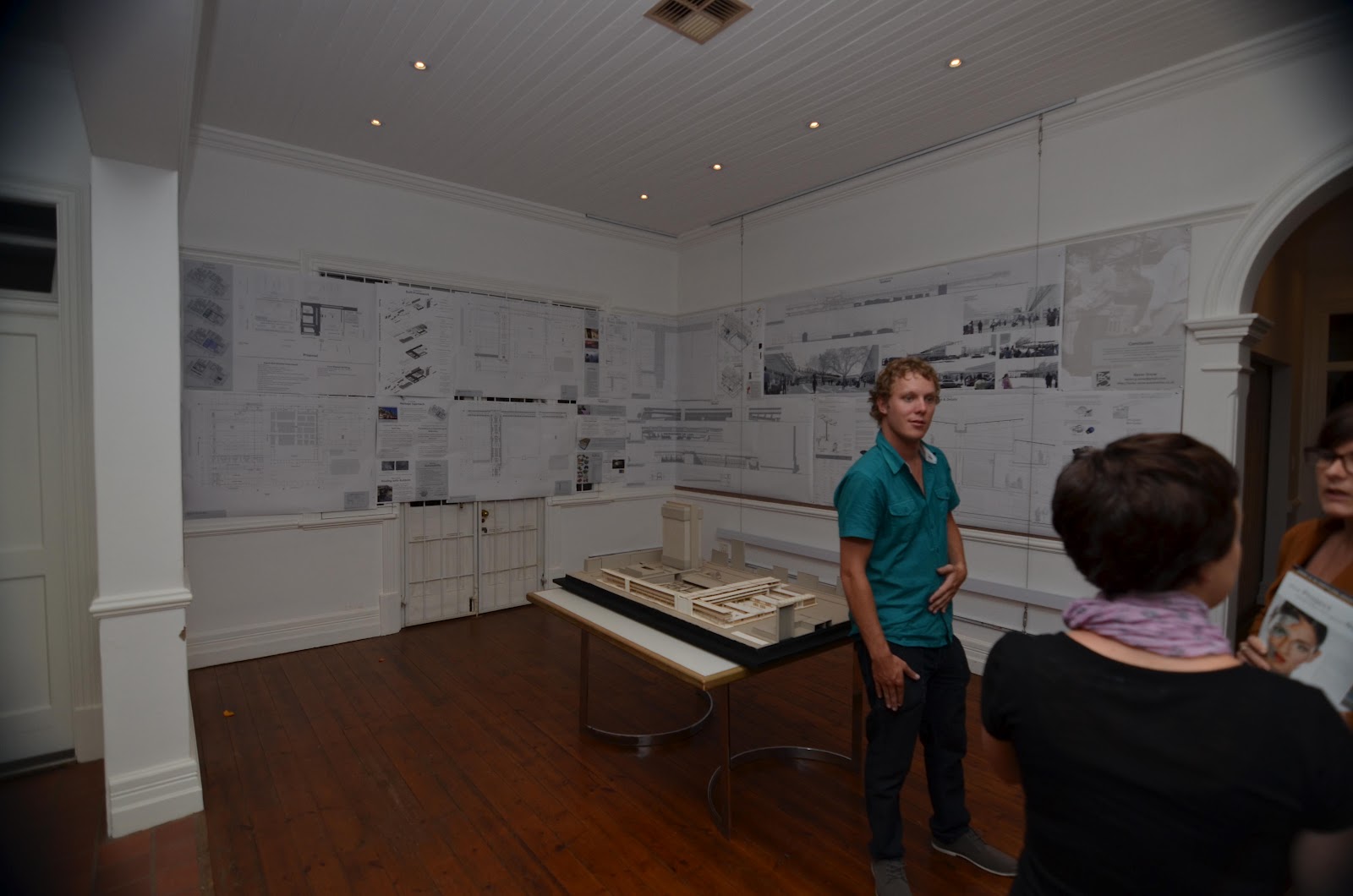
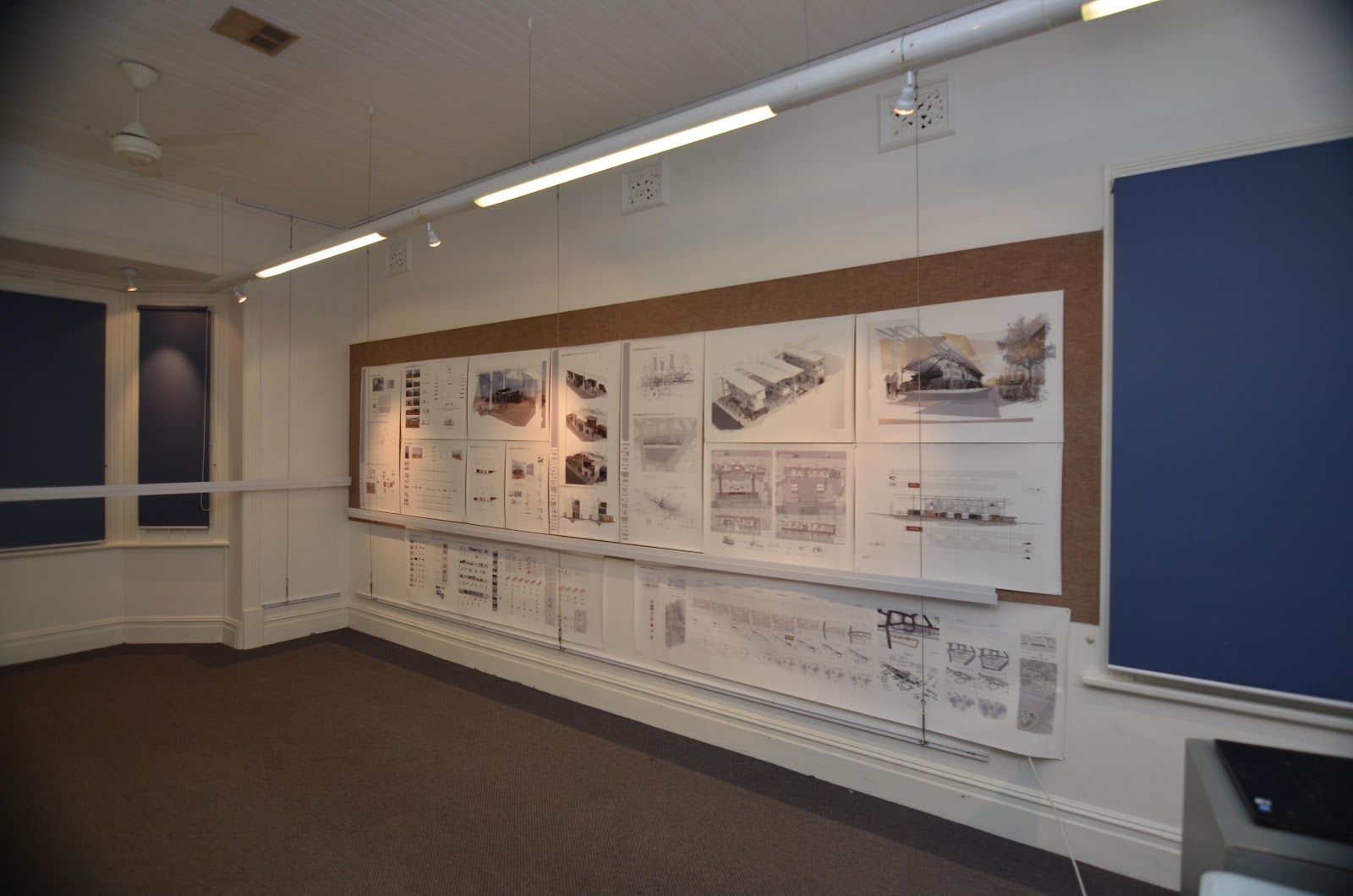
Followed closely by an exhibition…
Technical versus Socio-Technical:
I was highly appreciative of the invitation to contribute to the Summer School by such an acclaimed entity as Urban Think Tank – the course was run well and the students showed a great energy. While I feel my addition to the process was minimal, I do hold some reservation to the process that such initiatives are conducted:
The housing issues in South Africa are complex and mired in a difficult social history. The efforts by local NGO’s are commendable, but sometimes can miss the bigger picture that the housing issues we face here are not technical – we have proven that as a country we can deliver technical delivery with over 2.3 million homes delivered with a Housing backlog that is bigger now, than it was in 1994 according to the latest statistics (2013).
In my opinion we, as a country, are missing the necessary systems to deliver not just housing but re-developed landscapes that are still spatially unjust and unequally serviced. To address these missing systems we need additional modes of spatial practice and spatial design in South Africa.
Technical design systems are part of this process, but I feel that too much focus and promise is often held in a ‘better’system or better development aid product. My faith lies in better ways of designing and engaging with this issue.
*
I respect the fact that the Empower Shack Team went and constructed the prototype in South Africa with the South African Shack Dwellers International Alliance’s support. I was not in agreement in the way that the local partner NGO within the alliance included the residents of BT Section – it felt token and not truly co-productive, but this remains my on-going critique of this NGO who I’m sure have good intentions.
What I do commend the Empower Shack Design, is that it does attempt to respond to existing systems, with the input from local NGO’s, but having come from such a product based beginning I feel the result is a ‘product’- perhaps from this point it can begin to grown into a locally merged system?
I look forward to seeing more come from this project and wish the team best of luck with such a difficult task.
|