The Situated Field Work Methods workshop series was designed to provide training and support to students towards conducting critically aware field research work. It was first iterated within the MAHUE Master’s programme at the Bartlett School of Architecture.
The workshops focused on utilizing critically positional, ethical, and innovative situated methods for research, catering to two distinct groups of students: those actively engaged in field work seeking to enhance their skills, and those interested in diverse research methods applicable across disciplines. Students honed their ability to position themselves in the research process with a keen awareness of their impact on others and the environment.
The workshops fostered a collaborative and multidisciplinary environment, encouraging collective learning and diverse perspectives. Graduates emerged as adept researchers equipped with specialized skills and ethical responsibility, ready to address real-world challenges with confidence and integrity.
The workshop series covered the challenges and opportunities in conducting research activities in the field. It helped students develop creative and positionally critical approaches to research by identifying necessary skills, knowledge sets, and contextual gaps. Students co-developed methods and techniques specific to their chosen project within the built environment disciplines.
The workshop series had a strong focus on developing self-awareness and understanding of others within the research process. Students learned how to navigate and engage with the research context through the Field Work Approach, and they were encouraged to unleash their creativity in designing innovative research methods through Creative Method Development. Collaboration with others in research production was a key aspect emphasized during the Collective Learning/Making sessions.
The overarching goal of the workshop series was to familiarize students with the complexities of ethically critical field work while empowering them to craft their unique approaches to research. The workshops emphasized the importance of producing ethically responsible, rigorous, and relevant research outcomes.
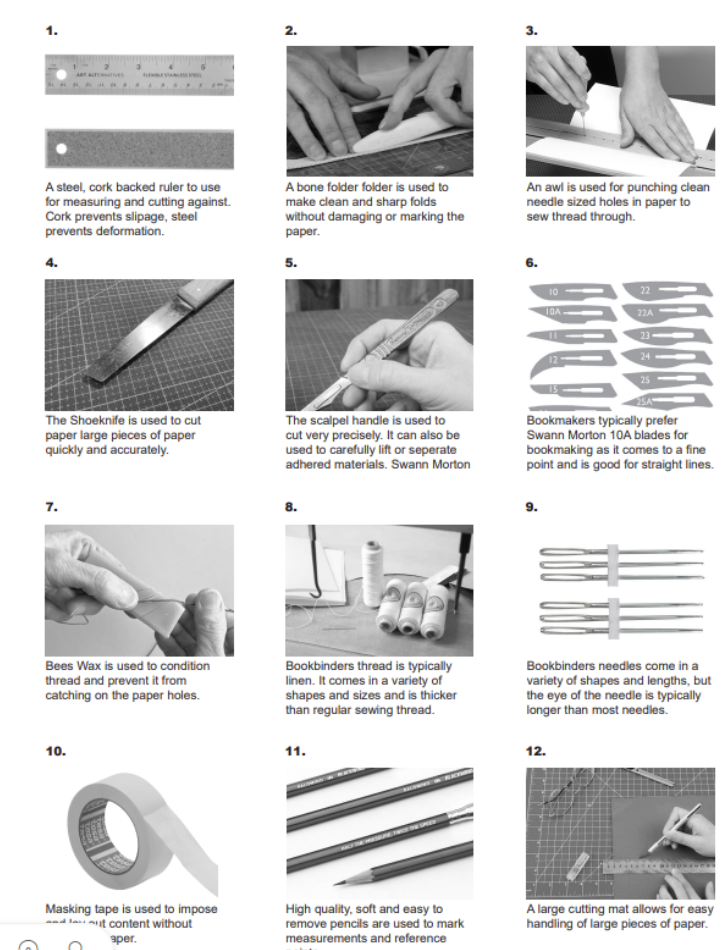
To achieve these objectives, the workshop series encompassed various learning activities, including seminars, group discussions, and co-developed tutorials. Throughout the workshops, students diligently worked on their Field Work Research Toolkit, which was tested on site and managed through group tutorials. The technical complexity of the toolkit was tailored to cater to the students’ comfort levels, ranging from handwritten questionnaires to sophisticated mobile applications.
Throughout the workshop series, students achieved a diverse range of learning outcomes. They developed a deep understanding of the complexities involved in field research work and recognized the significance of positionally critical research methods. Exploring various principles, theories, and concepts related to field research, they honed their skills and created personalized approaches to conducting research. Proficient in planning, preparing, and collecting information using contemporary methods like interviews, observation, documentation, and data collection, they prioritized safety for themselves and their research subjects.
The aim of their process was the creation of the comprehensive Field Work Research Toolkit, a collective effort refined through tutorials with the tutor, tailor-made to suit each student. Formative assessments provided valuable feedback during group tutorials, while the summative assessment centered on producing the toolkit in the students’ preferred format, providing crucial support for their major modules.
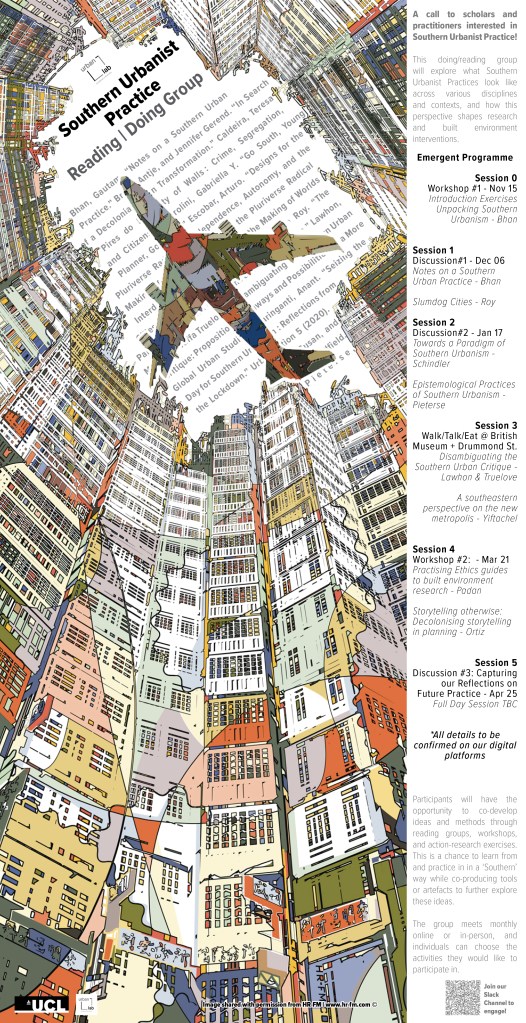
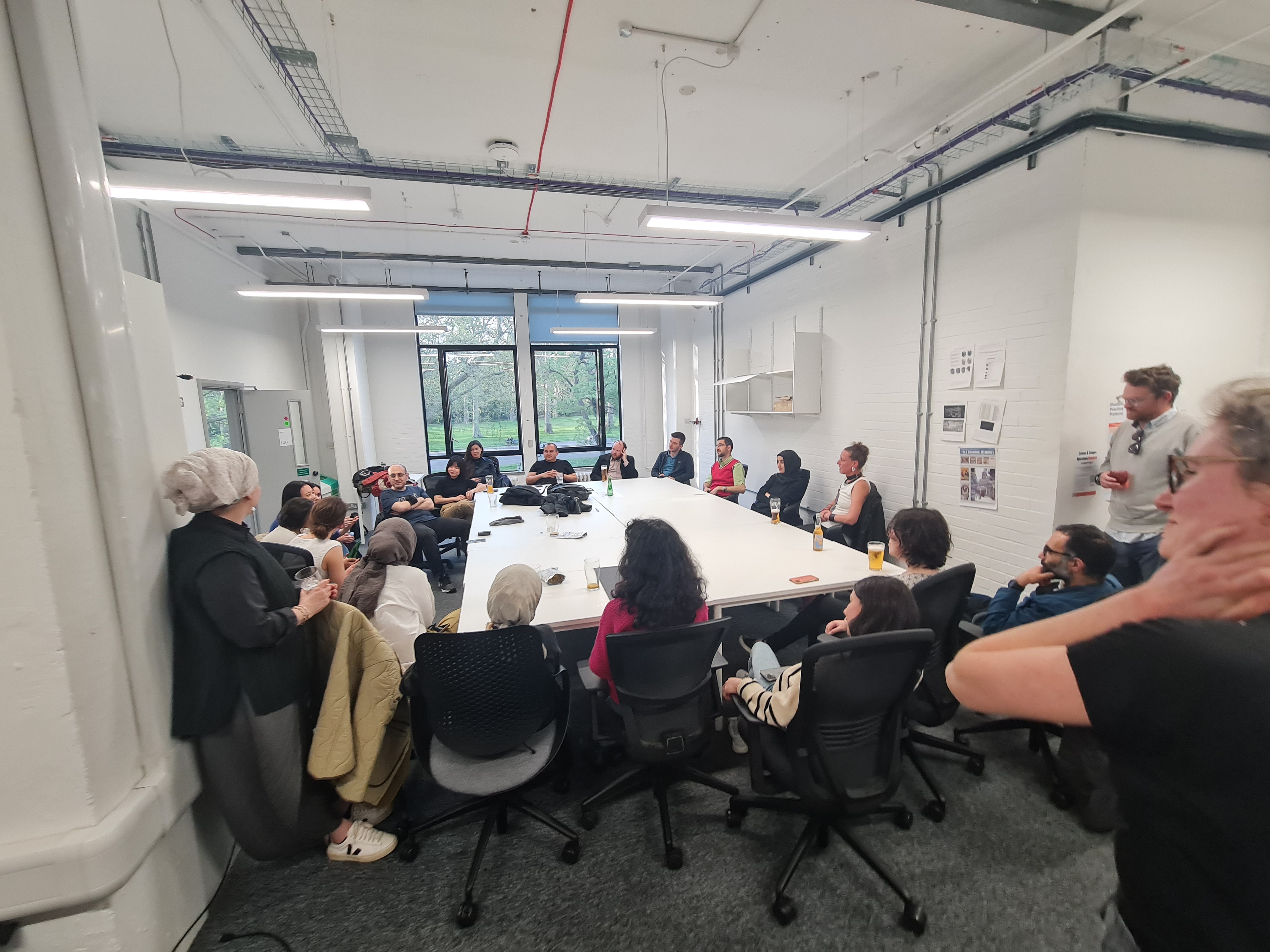
Myself and Lubaina Mirza co-convened a reading/doing group with the aim of fostering a peer-support community for urbanist practitioners. Our goal was to collectively explore and develop a shared understanding of Southern Urbanist Practices with those that were interested in similar topics. We invited collaborators who were interested in contributing to a practice-oriented research collective and co-developing ideas through a combination of reading groups, workshops, and action-research exercises. This was done through UCL Urban Lab’s Post Grad Urbanist Doctoral Network.
From this space, Lubaina Mirza, Catalina Ortiz and I developed a digital ‘Maintenance Corner’. This platform aims to provide an interactive space where scholars, practitioners, and enthusiasts of Southern Urbanism can come together to explore, exchange, and advance their understanding of this transformative approach. With a strong focus on the practical aspects of Southern Urbanism, we strive to bridge the gap between theoretical discourse and real-world implementation.
Through this platform, we aspire to create an inclusive ecosystem where researchers, practitioners, and educators can connect and find inspiration, resources, and support to further their work in Southern Urbanism. Together, we hope to transcend borders and make a positive impact on urban practices worldwide.
The concept of ‘Southern’ or ‘South’ was examined in the context of urban studies, focusing on the need for a more contextually attuned approach when working with cities outside the ‘Global North.’ The group aimed to challenge dominant urban theoretical insights based on relatively wealthy cities and explored alternative theoretical and epistemological resources for various urban situations worldwide.
The reading/doing group aimed to explore the operationalization of Southern Urbanism and the practical implications of working locationally from people and place, while countering peripheral positions to ‘a north.’ It encouraged reflections on the significance of Southern Urbanist Practices across different disciplines, geographies, and professional contexts.
Participants were invited to critically engage with questions about the relevance of academic debates on terminologies like ‘Global South’ or ‘Southern Cities’ to their individual and collective research or practice interests. The group served as a flexible space to address the challenges and aspirations of scholars and practitioners working between the north and south, seeking to explore tools and artefacts to further understand Southern Urbanist Practices.
Session 1: 11:00 – 13:00
11:00 – 11:10 Welcome & Introduction
11:10 – 11:30 Reflection Presentation from Reading/Doing (Lu and Jhono)
15:00 – 15:15 Closing Remarks/Reflection from Lead
15:30 Close
The final event sought to bring together a group of Southern Scholars to reflect with the Reading/Doing Group. This was held with the Bartlett Development Planning Unit’s BUDD programme. The broad findings are outlined below:
What Brought Everyone Together
Interested in exploring Southern Urban Design.
Wanted to connect with like-minded individuals.
Valued the connection between theory and practice.
Sought to understand South African cities in relation to broader theories.
They were interested in interdisciplinary connections with urban theories and practices.
Recognized the hierarchy and binary between rural and urban in Southern urban practices.
Eager to engage in discussions, readings, and connect with other PhD students exploring Southern Theory beyond the “north.”
Interested in understanding cities through social aspects and comparing different urban contexts.
Questioned and challenged the notions of the “north” and “south.”
Engaged with topics related to cities, social issues, and the global South.
Sought collective exploration of these questions through connection with others.
Uncertainties, un-knowledges, mistrust of authority
Counter-hegemonic relationality – “sets of moving peripheries”
Ethical standpoint, Situated positionality
Decolonial, non-proprietary, non-extractive,
“epistemic disobedience”
“epistemic force fields”
Emergent learning strategies discovered through SUP:
Working locationally – embedding/immersing, tuning into ‘here and now’, describing and accepting it as it is
Identifying ‘propositions’
Auto-ethnography feeding into case study reflections on the why and how of practice,
A-positivist analyses – speculative, creative, affective, generative and inviting emergence rather than rational and controlled
Using common values (rather than research/project objectives) as guides or epistemological criteria for decision-making in situations of uncertainty
Attempting solidarities, creating self-organising structures for these
Collective rather than individual knowledge production/evaluation. E.g. peer reflection/review, co-production, PAR, collaborative transcribing and analysis of what matters…
Emergent Core Ideas
These findings provide insights into the challenges, perspectives, and approaches discussed in various actions and discussions on Southern Urbanism and knowledge production in the gSouthern locations. They emphasise the need for critical engagement, decolonization, and a plurality of perspectives to better understand and address the complexities of Southern cities.
False North/South Divide:
The dichotomy between the North and the South was problematized, and there was an acknowledged need to move beyond these labels and understand the cities from new perspectives. The focus is on creating pluralistic readings of cities and challenging the dominant theories derived from Western cities. The aim is to build theory from multiple perspectives and locations, acknowledging the intra-south nuances and diversities.
Theory and Practice: The discussion highlights the need to rethink the way theory is produced and the larger conceptual trajectories. Practice is localised and intertwined with theory, and there is a recognition that practitioners should be involved in knowledge interpretation. The importance of self-reflection, questioning positionality, and understanding values within theories and actions is emphasised.
Methods and Approaches:
The discussion highlighted the importance of understanding the context and trying to make sense of conditions in Southern cities. The focus is on making the invisible visible and reflecting on the details of makeshift lives and institution building from these knowledge systems. Multiple levels of analysis are necessary, including how students and experts make sense and how institutions make sense. Comparisons to other contexts and expanding the field were described as crucial.
Knowledge Production:
The politics of knowledge production outside of ‘northern contexts are critical. It is important to challenge the dominant narratives and perspectives, and there is a need for a decolonial point of view. The limitations of post-colonial theory are recognized, and the focus is on understanding the underlying forces that shape societies and Southern Urbanism. Translating concepts and creating a global archive are seen as essential steps in this.
Audience and Engagement:
There was a call to listen and ask who is absent in knowledge production. It is necessary to question the assumptions and norms in disciplines and engage with practitioners and vulnerable communities/grroups. The intention of the message and the consequences of practice should be considered. Humanising practice, recognizing individual experiences, and understanding the consequences of messaging are emphasised.
Professionalised Problematics:
There was an acknowledgement of the lack of engagement on the differences on how issues such as class versus race were understood in ‘southern systems’ compared to perspectives from the Northern contexts. Professionals (in practice) often fail to acknowledge the traceability of concepts visually and systemically, and there is a need for a lens to nuance and reflect on room experience. The displaceability and displacement of concepts, as well as the hybridization of practice, are also problematics that professions/scholars struggle to address.
Decolonization and Hybridity:
The decolonization of knowledge was recognised as a key concern, while working within eurocentric structures. There was a call to circulate knowledge with sensitivity to place and historical differences and to decolonize urban aesthetics. The hybridization of ideas, avoiding binaries, and creating space for new ideas are seen as essential for moving forward.
Southern Urbanism as a Concept:
There is no consensus on epistemologies, questions, and methods in Southern Urbanism. This is not necessarily an issue, but an opportunity to accept places on their own terms and use ideas, concepts and practices that are based on place.
Specific learning strategies discovered through SUP:
Working locationally – embedding/immersing, tuning into ‘here and now’, describing and accepting it as it is
Identifying ‘propositions’
Auto-ethnography feeding into case study reflections on the why and how of practice,
A-positivist analyses – speculative, creative, affective, generative and inviting emergence rather than rational and controlled (e.g. our fieldtrips or games like 2 truths and a lie)
Using common values (rather than research/project objectives) as guides or epistemological criteria for decision-making in situations of uncertainty
Attempting solidarities, creating self-organising structures for these
Collective rather than individual knowledge production/evaluation. E.g. peer reflection/review, co-production, PAR, collaborative transcribing and analysis of what matters…
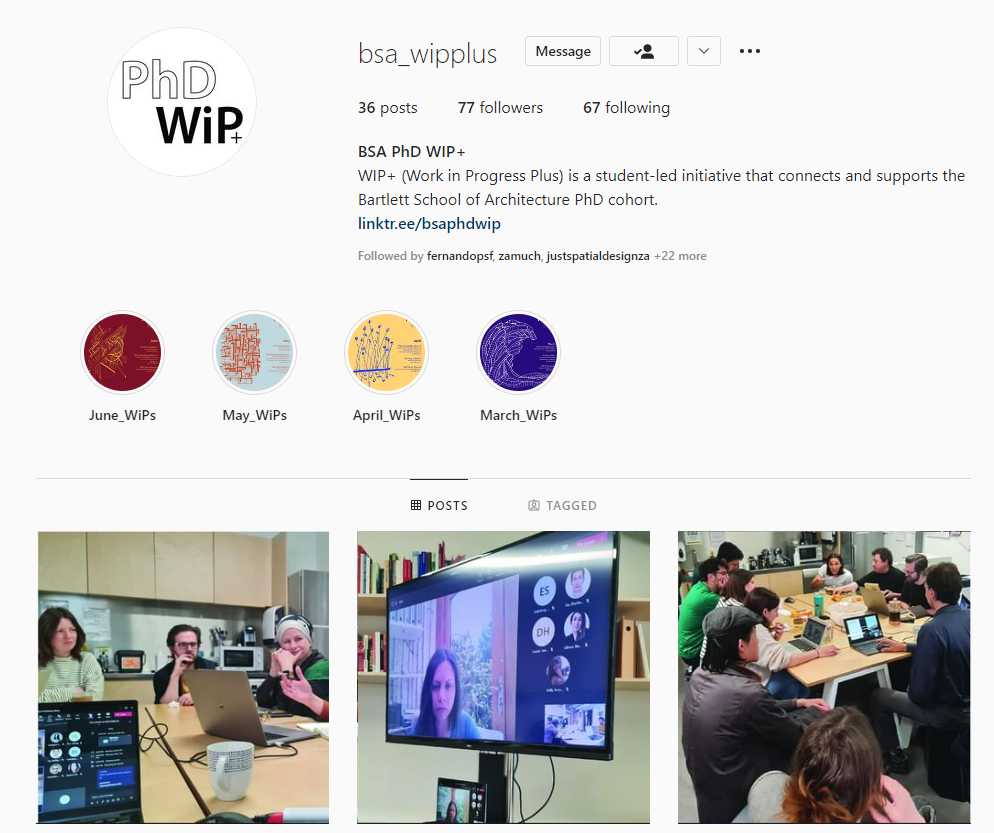
WIP+ (Work in Progress Plus) was a student-led initiative established by PhD students at the Bartlett School of Architecture. It aimed to connect and support doctoral cohorts within the program and served as a platform for sharing knowledge, skills, and experiences.
Season 2: Navigations built on the success of Season 1: Pilot and included new initiatives such as WIPWeek, an orientation week for new students, and the continued use of working group structures like Writing Collab, PhD Knowledge Share, and WIP Works Share. These sessions provided opportunities for peer support, writing practice, and sharing doctoral-related skills and experiences.
The initiative’s growth and development were made possible through the volunteer efforts of previous PhD students who had been actively involved since 2019. During Season 2, the aim was to expand its reach by involving BSA staff and establishing connections with other schools of architecture in London to foster collaborative learning.
The monthly poster featured confirmed speakers, topics, and dates for each session, facilitating easy access to information about upcoming events.
This year included an additional series of events with the AA, RCA and Cambridge Doctoral Programmes: X-Doc Social. These activities were developed to support Architectural doctoral students across London.
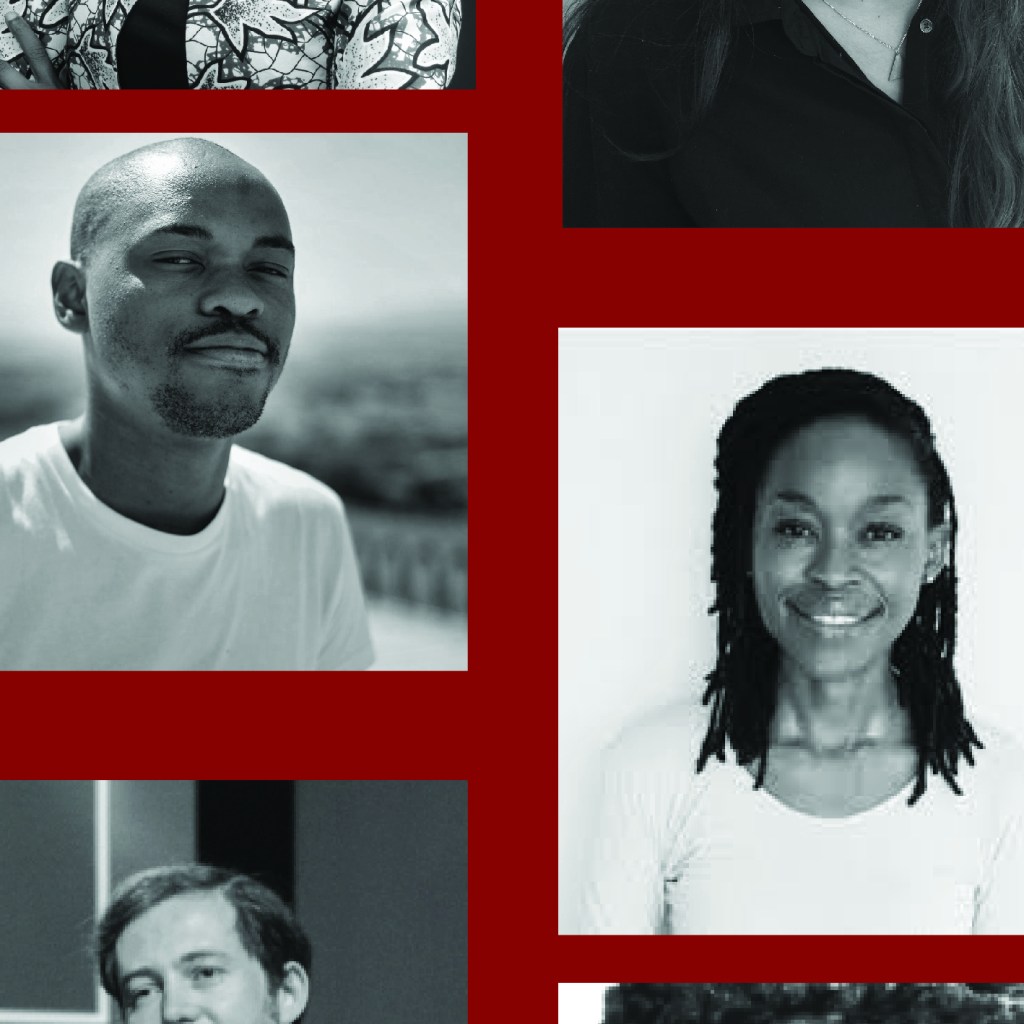
WIP+ acknowledged and credited the contributions of former volunteers and convenors, as well as the 2022 Season 2 Committee, including those involved in graphic design: WIP+ 2022 Season 2 Committee: Jhono Bennett, Zahira El Nazer, Anna Wild, Elizabeth Selby, Thomas Holberton, Danielle Ovalle Costal, Jonathan Tyrell, Thomas Parker, Katerina Zacharopoulou Ecem Egrin (Graphic Design).
During this teaching year at the Bartlett School of Architecture, I began teaching with Zachary Fluker of Ao-Ft in our co-developed: Unit 2: Systems of Exchange. Our focus revolved around the urban challenges faced by cities like London, with a particular emphasis on affordable living, housing, and shared facilities in the city’s boroughs. As a unit, we strongly believe that self-build practices offer significant potential in addressing these concerns, and our goal was to tap into this potential and explore the socio-technical dimensions of these systems through the teaching framework.
(Image: Aryan Kaul)
Unit Support: Simon Beames, Dr. Beatrice De Carli, Alberto Fernandez Gonzalez, Tamara Khan, Jakub Klaska, Tony Le, Rowan Mackay, James Palmer, Thomas Parker, Liz Tatarintseva, Synnove Fredericks, Yağiz Söylev, Eric Crevels, Jonathan Tyrell, Egmontas Geras, Sarah Harding, Margarita Garfias Royo , Elly Selby, Isaac Simpson, Liz Tatarintseva, Unit 21, Unit 09
Research Summary from Unit Group Work
Our unit’s longer-term objective is to unlock the potential of human-centered, community-based systems through genuine exchanges of “hand-made data” and contextually valuable resources. To begin this, we directed our efforts towards supporting existing community self-build projects in East London, particularly in the Borough of Tower Hamlets this year. We aimed to engage with the challenges and opportunities in urban exchange systems across physical and virtual realms.
Throughout the year, our students critically questioned the concept of DIY culture and evaluated the empowering potential of self-build practices, allowing individuals to actively shape the cities they inhabit. All sites chosen for our projects were existing identified Self-Build sites by the Tower Hamlet’s Local Council, part of the Greater London authority’s Self-Build schemes.
Our students explored self-build architectures in these contexts and developed their own documentation and design techniques in response. We aimed to create responsible processes that strike a balance between individual and mass production, virtual and physical realms, and considerations of both small and large scales.
After facing multiple obstacles such as the Covid pandemic and the ramifications of Brexit, I am happy to share the long-awaited Researching Architecture as Urban Method (RAUM) project website is finally live. This collaborative endeavor aimed to delve into the realm of spatial design education within the context of global urban development challenges.
The RAUM project brought together institutions from India, South Africa, and the UK, engaging in a teaching mobility program. The primary objective was to foster the exchange of pedagogical models, methodologies, and tools, enabling the education of future spatial practitioners on critical issues like climate change and social inequality, which have a profound impact on cities worldwide.
With its launch, the website now serves as a collective output that meticulously documents the diverse range of activities and methodologies explored across different geographical settings. It provides an invaluable archive showcasing the extensive efforts made throughout the project. The website’s content offers detailed insights into the various activities undertaken, allowing visitors to delve into the wealth of knowledge and experiences gained.
The dedicated team behind the project consists of esteemed individuals who contributed their expertise, passion, and dedication to its success. We express our gratitude to:
Tatjana Schneider
Florian Kossak
Beatrice De Carli
Gauri Bharat
Jigna Desai
Jhono Bennett
Pingping Dou
Angus Donald Campbell
Rutul Joshi
Tuliza Sindi
Terence Fenn
Andong Lu
In addition to the project team, we extend our appreciation to the project supporters who played a vital role in making RAUM possible:
Carolyne Butterworth (University of Sheffield, United Kingdom)
Jabu Absolum Makhabu (University of Johannesburg, South Africa)
John Paul Walker (University of Sheffield, United Kingdom)
Goran Vodicka (University of Sheffield, United Kingdom)
Lu Feng (Nanjing University, China)
Krzysztof Nawratek (University of Sheffield, United Kingdom)
Mark Parsons (University of Sheffield, United Kingdom)
Niki Sole (University of Sheffield, United Kingdom)
Nishat Awan (University of Sheffield, United Kingdom)
Simeon Shtebunaev (University of Sheffield, United Kingdom)
Suzette Van Der Walt (1to1 – Agency of Engagement)
Tariq Toffa (University of Johannesburg, South Africa)
As I reflect on the journey, we are amazed by the collaborative efforts and the exchange of ideas within this extensive network. The RAUM project has laid the foundation for transformative discussions and innovative approaches to urban development challenges. We eagerly anticipate the future trajectory of these ideas and the potential impact they may have on shaping sustainable, inclusive, and resilient cities.
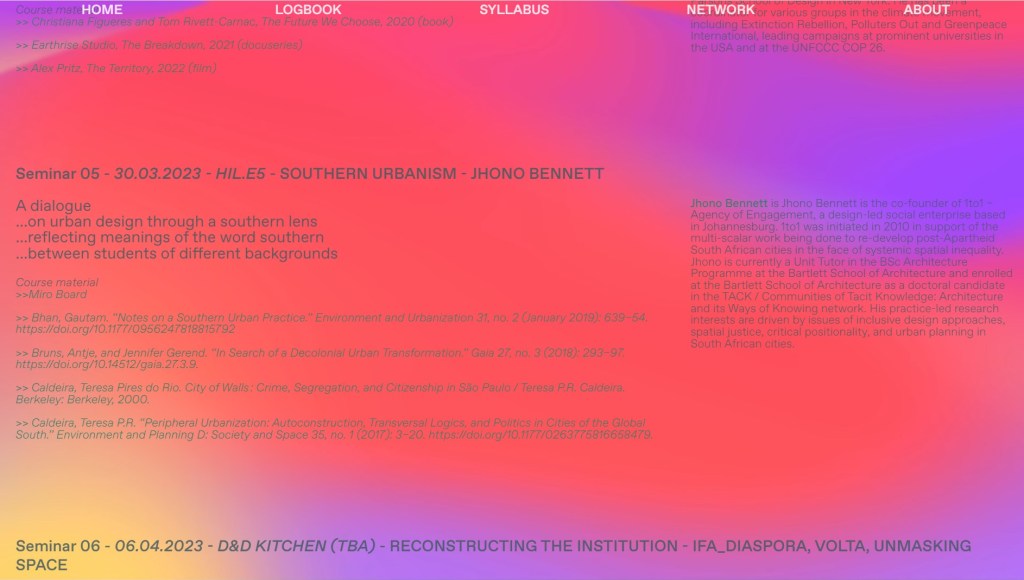
On March 30th, I had the pleasure of hosting a group of Swiss and ‘southern’ architecture students discuss and unpack ideas of urban design through a ‘southern’ lens. I was invited to speak by ETH’s Unmasking Space team (https://unmasking.space/) who have put together an amazing syllabus that is engaging with critical questions within architecture and design.
The seminar was designed to create a shared space of reflection and discussion between participants from around the world and engage with ideas of positionality, situatedness and start a discussion around ideas ‘southern’ and its relationship to urban design. I shared some initial findings from doctoral research, and we co-produced a series of mind maps through a rich discussion.
We had a diverse group of students attend who shared their perspectives on the subject matter, which made for an engaging and enlightening discussion. The course material provided included some insightful reads such as ‘Situated Knowledges: The Science Question in Feminism and the Privilege of Partial Perspective’ by Donna Haraway “Notes on a Southern Urban Practice” from Gautam Bhan and “City of Walls.” by Teresia Caldeira.
During the seminar, we covered various topics, including inclusive design approaches, spatial justice, critical positionality, and urban planning in cities. I hope that the seminar attendees gained as much insight and nuance as I did from the discussions, and I was grateful to have had the opportunity to share some of my knowledge and research journey.
I was fortunate to have received an invitation to be a guest Studio Lead at the African Center for Cities in 2022, where I had the opportunity to teach one of their City Research Studios as part of the Masters in Southern Urbanism programme at the University of Cape Town.
The City Research Studios are an integral component of the programme, providing students with an immersive and practical learning experience that enables them to develop real-world solutions to urban challenges. As the instructor of the City Research Studio, I was responsible for guiding and supporting the students in their research and design project, as well as facilitating group discussions and critiques of their work. It was an exciting and fulfilling experience to work with the talented and motivated students, and to be part of a community of scholars and practitioners who are dedicated to advancing our understanding of the complex urban issues facing cities in the global South.
The MPhil in Southern Urbanism program aims to address the unique environmental, economic, and social challenges posed by the unprecedented increase in urban population growth in Asia and Africa. The program challenges traditional assumptions of Urban Studies dominated by Global North theories and encourages critical engagement and plural perspectives with a Global South viewpoint. The full-time 18-month program offers a combination of guided learning, experimentation, and independent thesis research, leading to a minor dissertation based on individual fieldwork. The program curriculum includes coursework and a City Research Studio, interdisciplinary urban modules, and urban-focused electives. The program is taught in English and supervised by expert faculty in the University of Cape Town’s Humanities, Engineering and Built Environment, or Science faculties.
I worked closely with Professor Anna Selmeczi, Dr. Nobhukhosi Ngwenya alongside Professor Edgar Pieterse who oversee the course and conceptually arrange the program. The literature for this course focused on homelessness in Cape Town, South Africa. Core readings include The Inkathalo Conversations Phase One Comprehensive Report, The Cost of Homelessness in Cape Town, and Exploring the Lived Experiences of Homelessness in a Cape Town Suburb. Additional resources cover various aspects of homelessness in Cape Town, including policies, statistics, and the impact on individuals. Other readings examine homelessness in South Africa and other regions around the world. The literature provides insights into the causes and consequences of homelessness, as well as potential approaches to address the issues involved.
2022 Studio Group:
Rebekka Ammann Moreblessing Chipangura McDonald Galimoto Leta Honegger Eric Hubbard Lateefah Joseph-Rajab Mukundwa Makabane Gladys Mirugi-Mukundi Shakira Qwabe Anna Zweifel
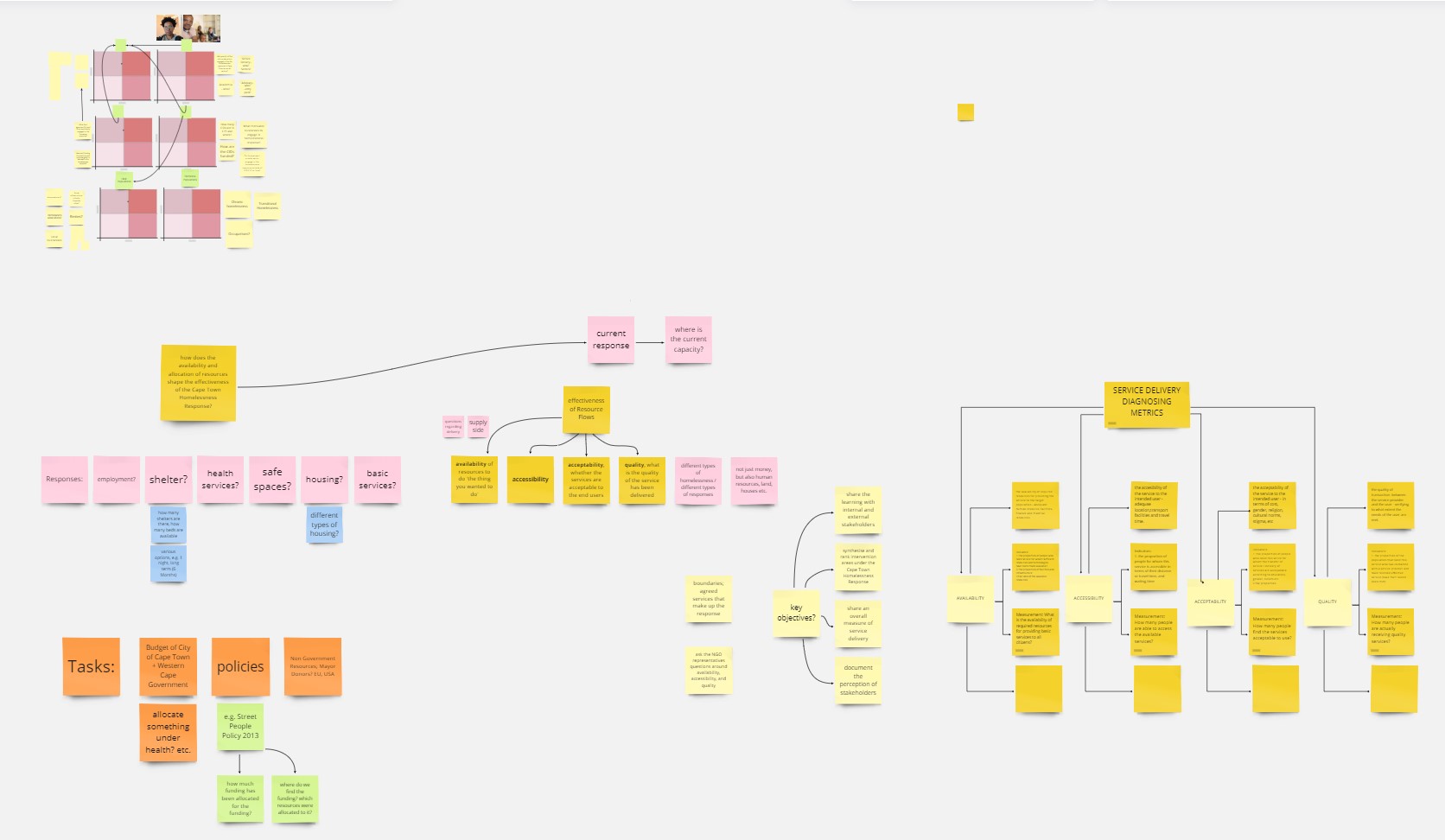
As the studio lead for CRS 3, my role was to guide the participants in their exploration of systems mapping as a tool to address complex urban problems, with a focus on homelessness in Cape Town. Throughout the studio sessions, we engaged with key stakeholders, visited sites, and had discussions with experts to better understand the issue at hand.
In session one, we welcomed participants and clarified expectations for the studio. We learned about the state of homelessness in South African cities from expert James Clacherty and Brian Adams from the Economic Development Partnership. We also received an introduction to systems mapping and created individual maps of homelessness in Cape Town.
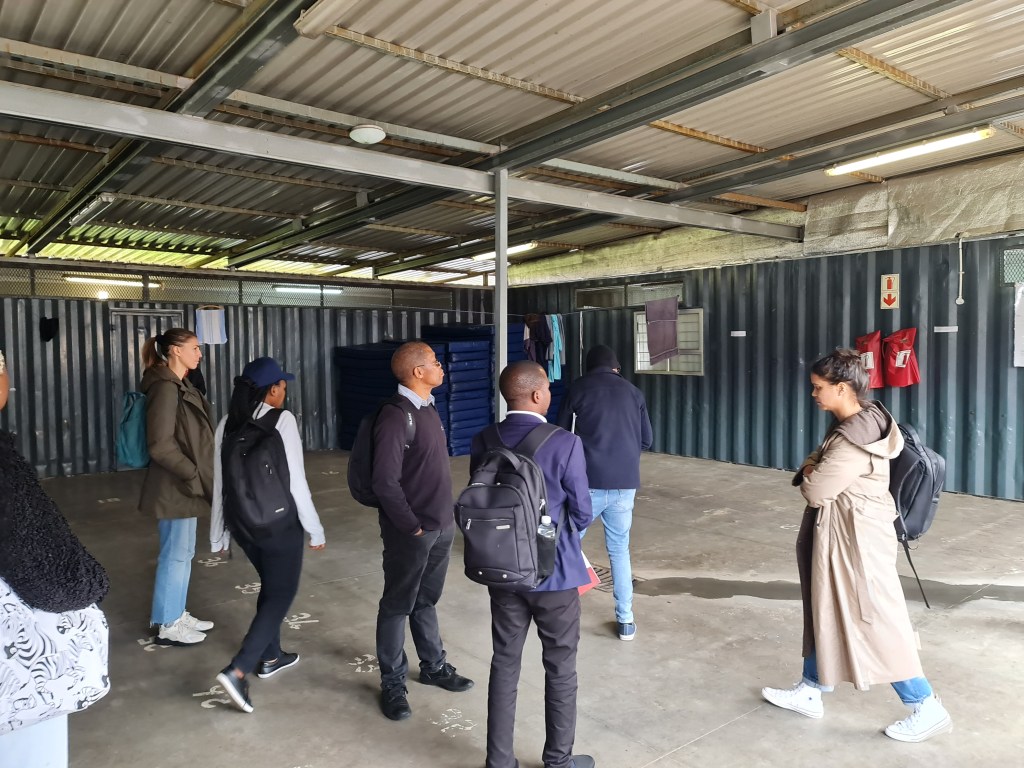
In session two, we had site visits to various locations related to homelessness, coordinated by Nobukhosi Ngwenya and Brian Adams. We also discussed our individual systems maps from the previous session and identified a process to produce a group map.
In session three, we continued our exploration of systems mapping with an introduction to the tool and group-based application of its steps, facilitated by myself
In session four, we discussed the six conditions of systems change and had a panel discussion with various stakeholders about the challenges associated with homelessness and potential solutions. We also revisited and refined our group systems map.
In session five, we focused on the implementation of solutions based on our systems map, and each group produced an implementation task list for a specific sector and a series of visual summaries of the systems thinking tools.
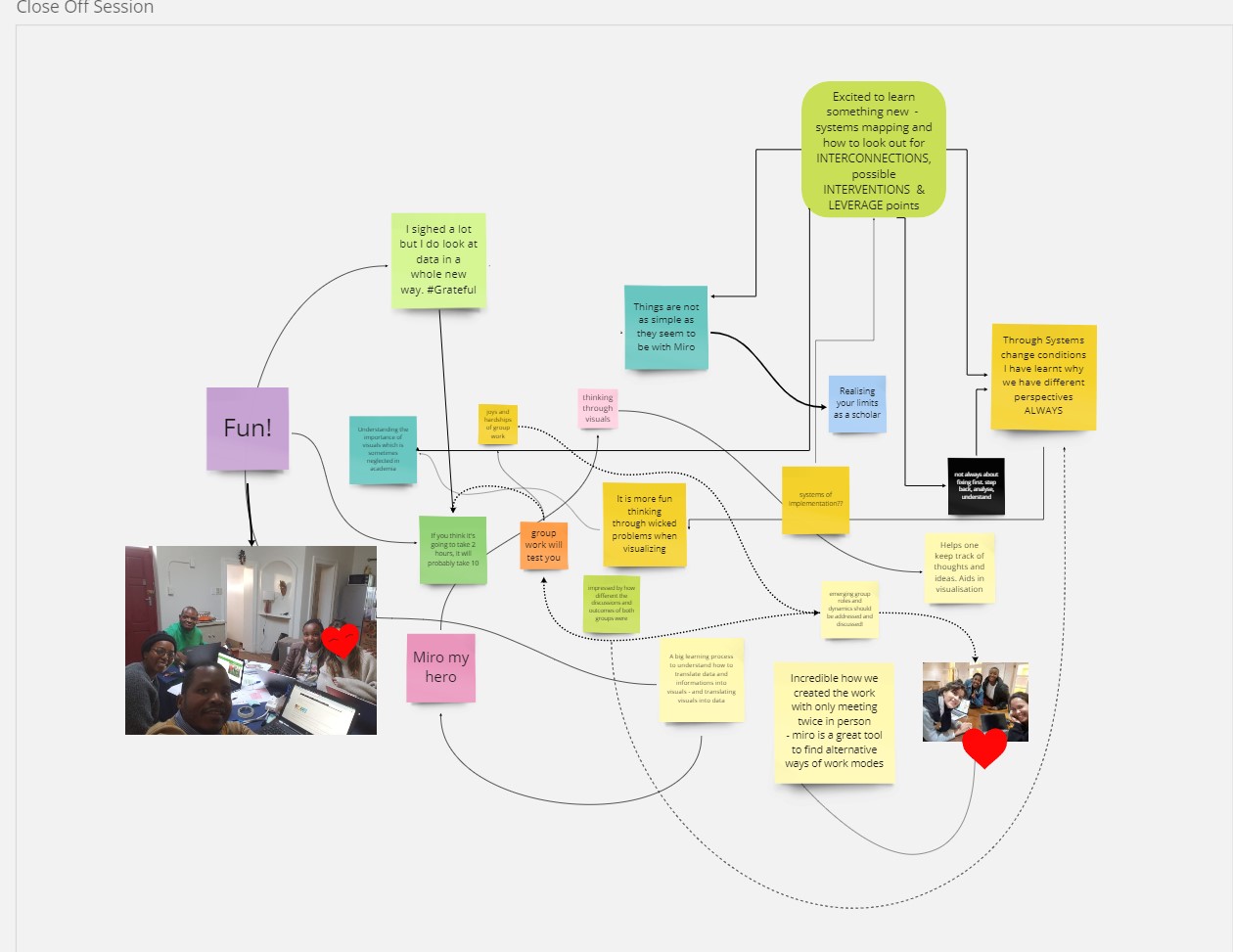
The City Research Studio on Homelessness provided us with a valuable opportunity to explore the complexities of addressing the issue of homelessness in our communities. Homelessness is a wicked problem that requires a systems-level approach to understand and address the many factors that contribute to it. Through this course, we learned about the various societal challenges involved in tackling homelessness, including the lack of affordable housing, mental health and addiction issues, poverty, and social stigma.
One of our key takeaways from this course was the importance of using systems thinking to address wicked problems like homelessness. By understanding the interconnectedness of various factors, we can better design solutions that address root causes rather than just symptoms. The use of visual tools, such as mind maps and system maps, was also beneficial in visualizing the complexity of the issue and identifying potential leverage points for change.
Another valuable aspect of the City Research Studio was the focus on design thinking methods and the inclusion of diverse groups in the process. Design thinking allowed us to approach the issue of homelessness from a human-centered perspective and to develop solutions that address the needs of those experiencing homelessness. The inclusion of diverse groups, including those with lived experience of homelessness, provided important insights and perspectives that would have been missed otherwise.
The course also highlighted the many complications and challenges of tackling wicked problems like homelessness. The issue is deeply entrenched and complex, and there are no easy solutions. The political and economic realities of our society also pose challenges, as addressing homelessness requires significant resources and political will.
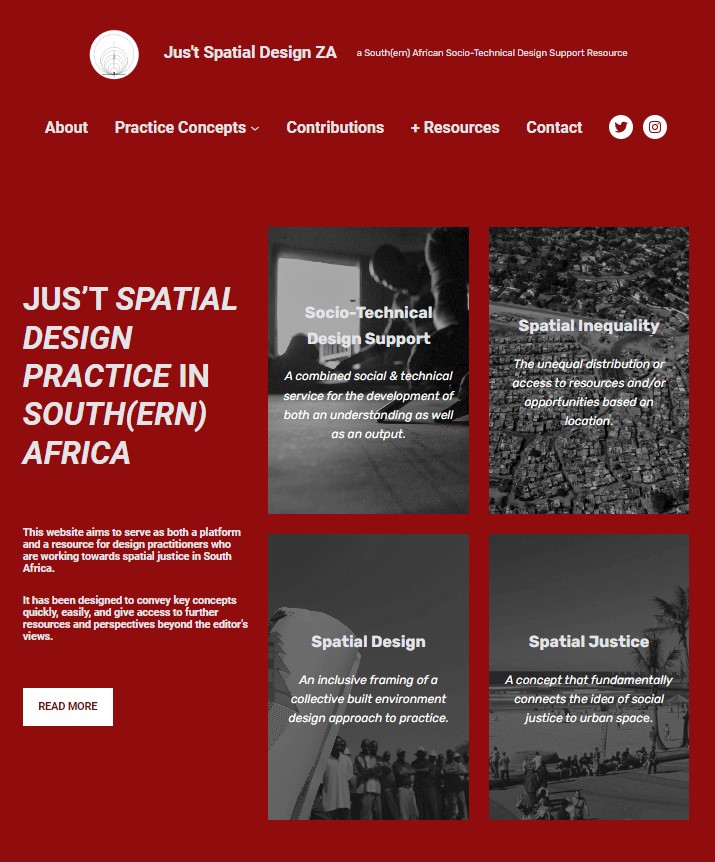
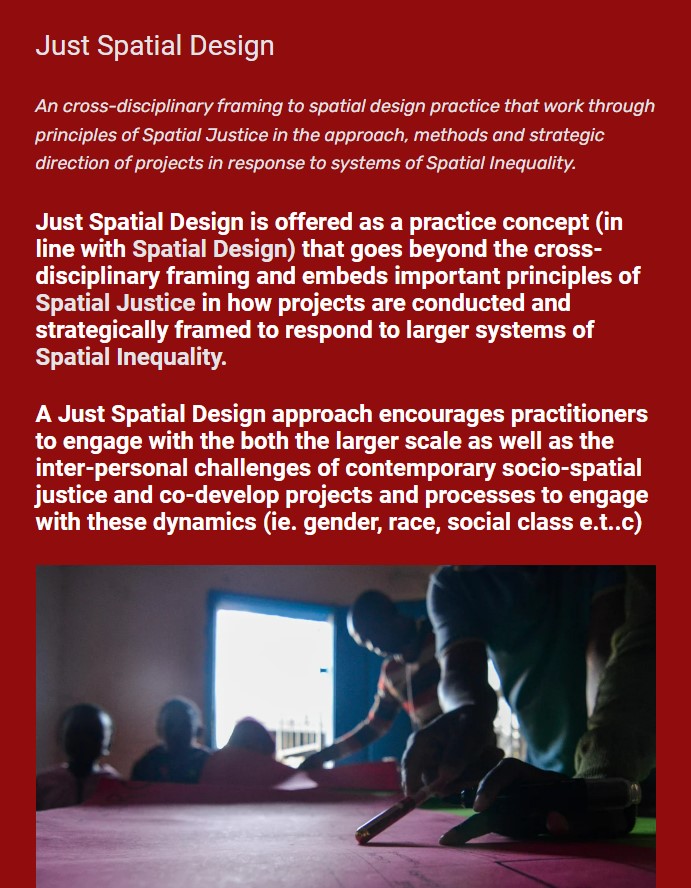
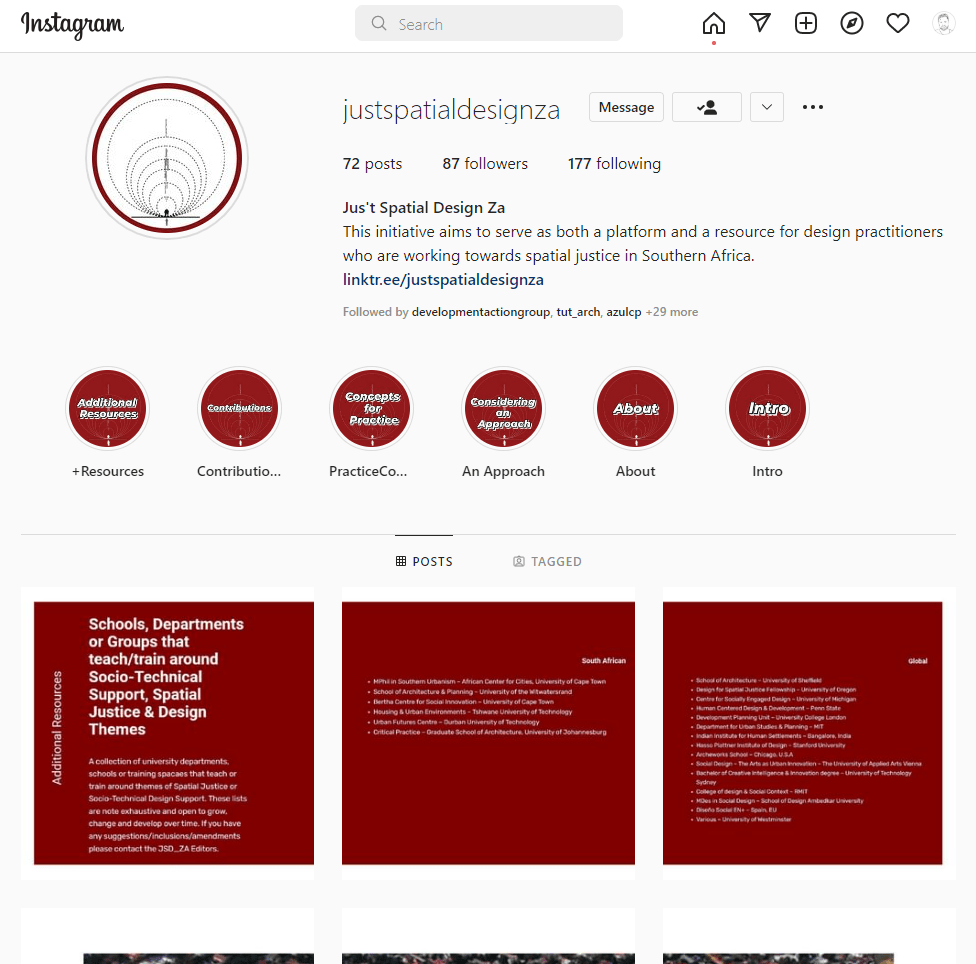
Developed during the first lock-down in 2020, this initiative was conceived as a means of translating the ‘back-of-house’ research and training work that was being done through 1to1 – Agency of Engagement and my doctoral research. We named this initiative Jus’t Spatial Design ZA and worked to make it accessible to as many people who could use it in their work.
The platform was developed from an early digital resource that I developed while teaching at the University of Johannesburg and was seen as a way to support practitioners (research, design and socio-technical) in their work towards Spatial Justice in South African cities. Each of these terms are carefully unpacked and include quick links, academic references and a local/global comparison for each part:
The website offers a series of Practice Framings that aims to assist those working across this sector a way to describe their work through local and global terms.
The platform has been further enhanced with the support of Adheema Davis to include a Contribution Section that is busy collecting a multitude of different voices on this topic, with a regular publication schedule. Contributors are invited to submit a short writing, visual or other media idea in exchange for editing, development support and a cohort of similar writers that we have been facilitating.
The platform also houses a growing set of resources that I add as my own doctoral work covers these fields. This is imagined to grow and adapted in the future to be more thorough and relevant.
Jus’t Spatial Design ZA is still largely in development, but is seen as a collaborative project. If you are interested in join or get involved in way – please contact the team!
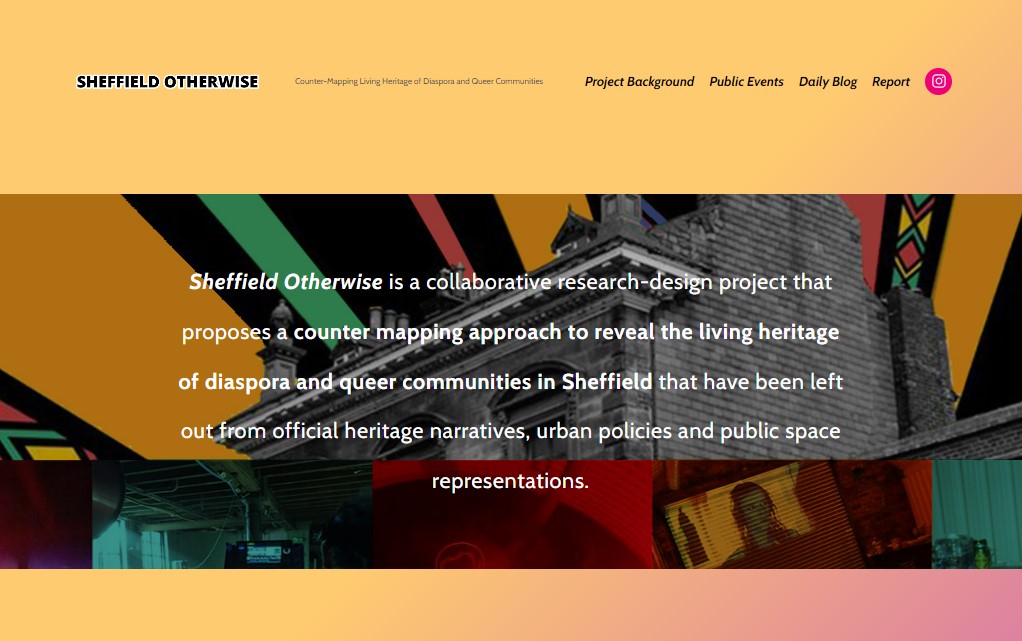
Project Background (developed by BUDD Tutors & shared from project website)
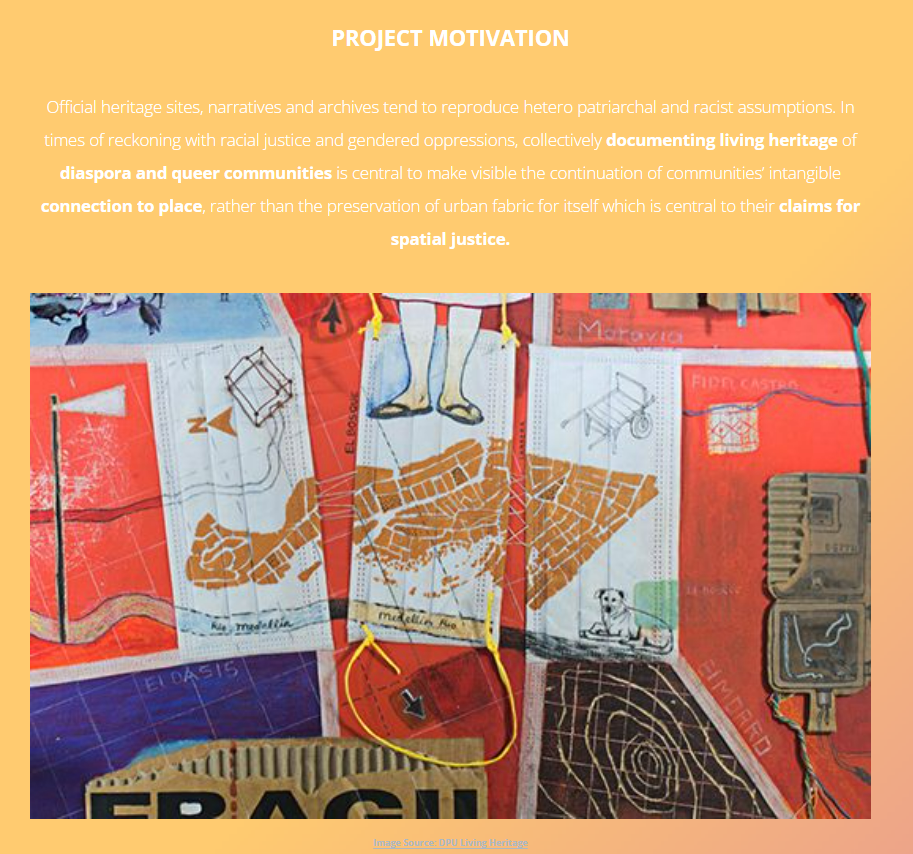
Projects Aims (developed by BUDD Tutors & shared from project website)
Project Focus (developed by BUDD Tutors & shared from project website)
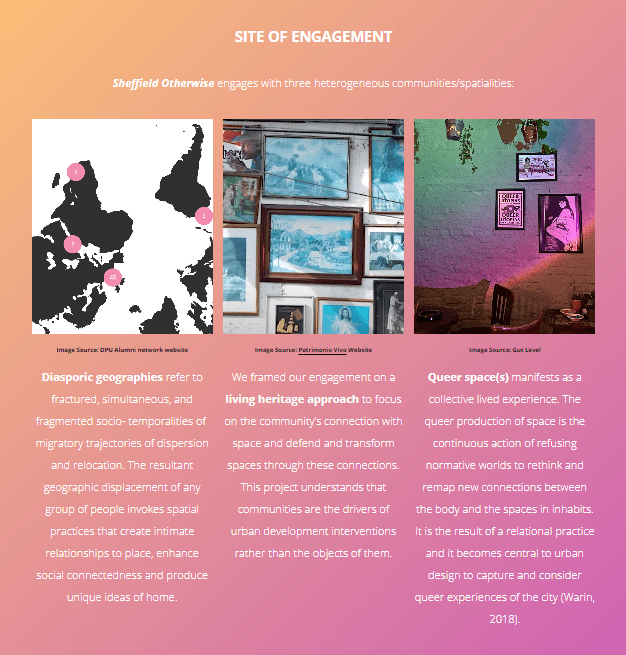
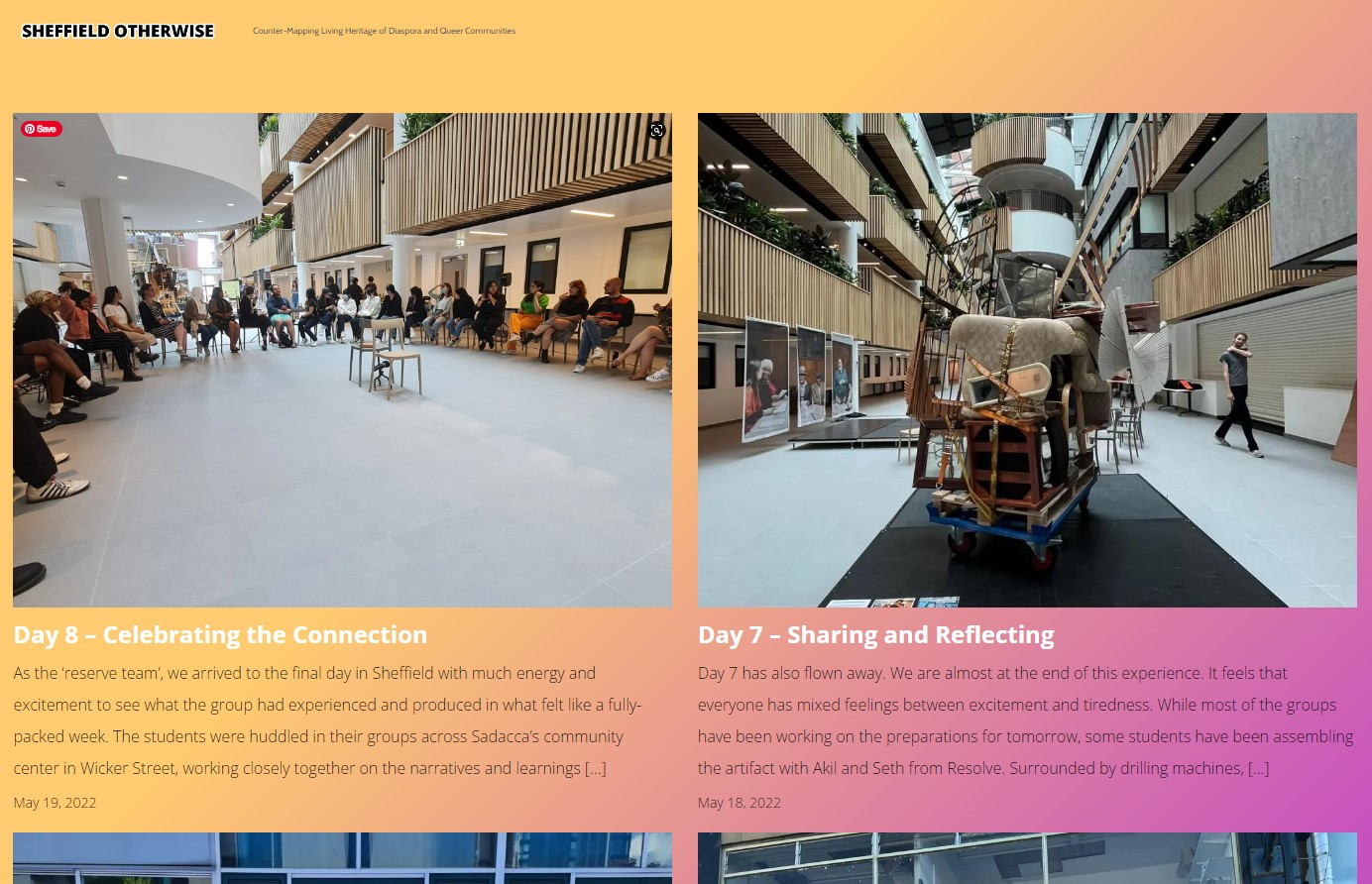
The week was supplmented by a series of public events that brought together a host of different local actors, practitioners and people from across Sheffield.
Public Events (developed by BUDD Tutors & shared from project website)
The week was packed with engagements, and had the students staying and working on site each day and each evening.
Project Background (developed by BUDD Tutors & shared from project website)
The workshops was carefully documented in both a Daily Blog, as well as a live Instagram account, allowing the project partners involved to share and connect through the week’s activities.
With a final project report that shared and covers all of the student research and design proposal work which was shared and made available to all involved in the project, and publicly accessible here.
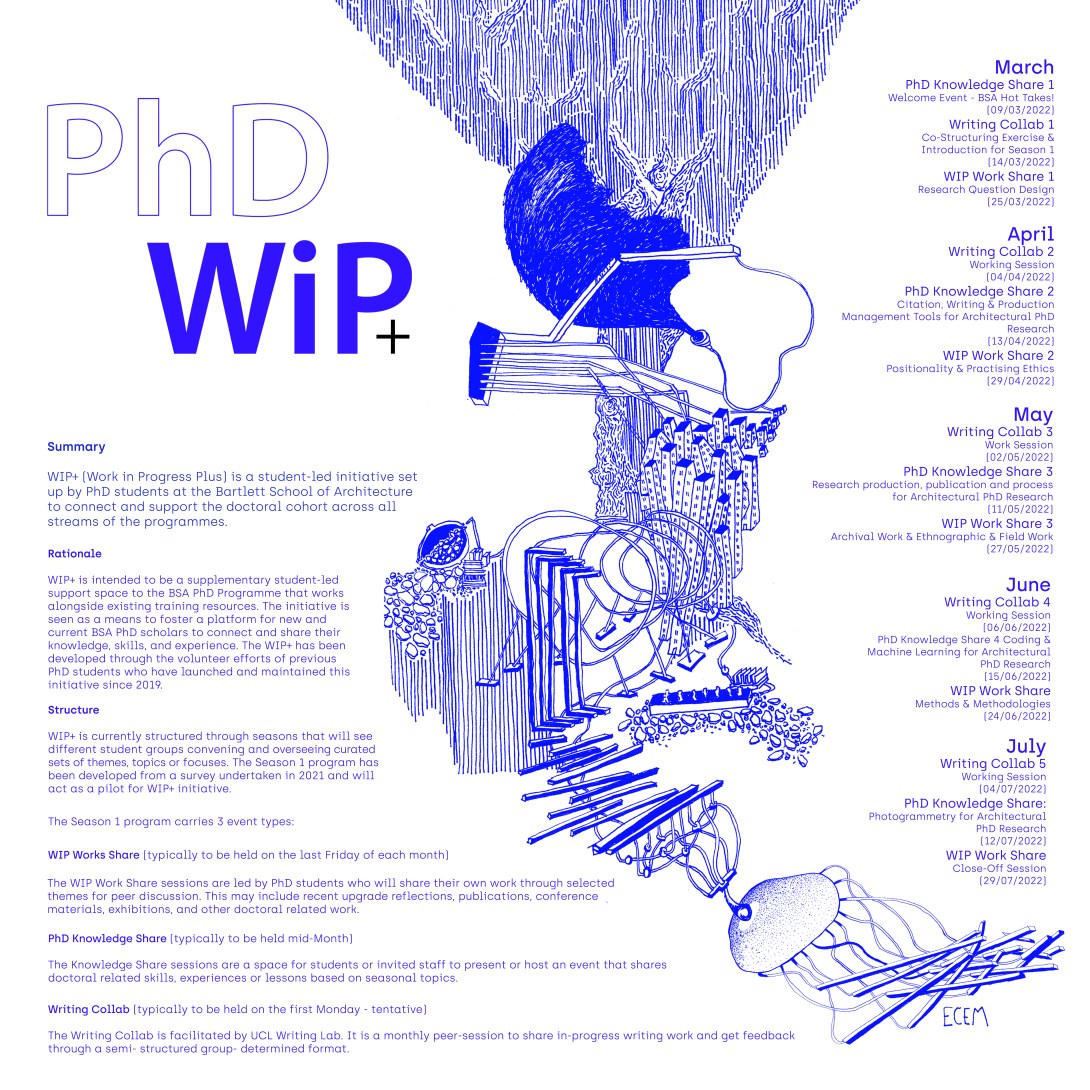
This initiative was started a few years ago by previous PhD students (acknowledged below) with the amazing graphic design by our fellow PhD candidate Ecem Egrin.
“WIP+ (Work in Progress Plus) is a student-led initiative set up by PhD students at The Bartlett School of Architecture to connect and support the doctoral cohort across all streams of the programme.
WIP+ is intended to be a supplementary student-led support space to The Bartlett PhD Programme that works alongside existing training resources. The initiative is seen as a means to foster a platform for new and current PhD scholars to connect and share their knowledge, skills, and experience. The WIP+ has been developed through the volunteer efforts of previous PhD students who have launched and maintained this initiative since 2019.
WIP+ is currently structured through seasons that will see different student groups convening and overseeing curated sets of themes, topics or focuses. The Season 1 program has been developed from a survey undertaken in 2021 and will act as a pilot for WIP+ initiative. The 2022 programme has been supported by funding from both The Bartlett School of Architecture PhD Programme and The Bartlett Faculty Doctoral Initiative Fund Award.
All events are recorded and available on the Teams Group along with all documented resources and links. Join the Teams Group to be involved. There have already been several sessions this year to catch up on the teams site. The remaining sessions are detailed below.
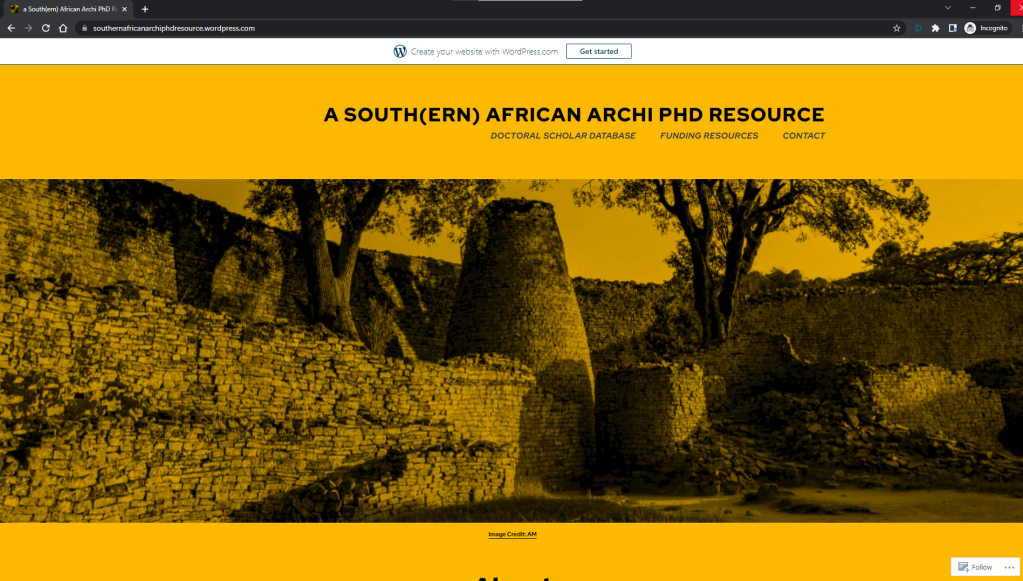
While many amazing individuals have emerged over the years and offered their guidance and support through these obstacles: it really should not be this difficult to undertake a PhD in and around architecture from the African continent.
In response, I have gathered some of these great individuals alongside my own collected resources to lead on the development of a publicly accessible platform to share these assets, as well as bringing together those on this journey.
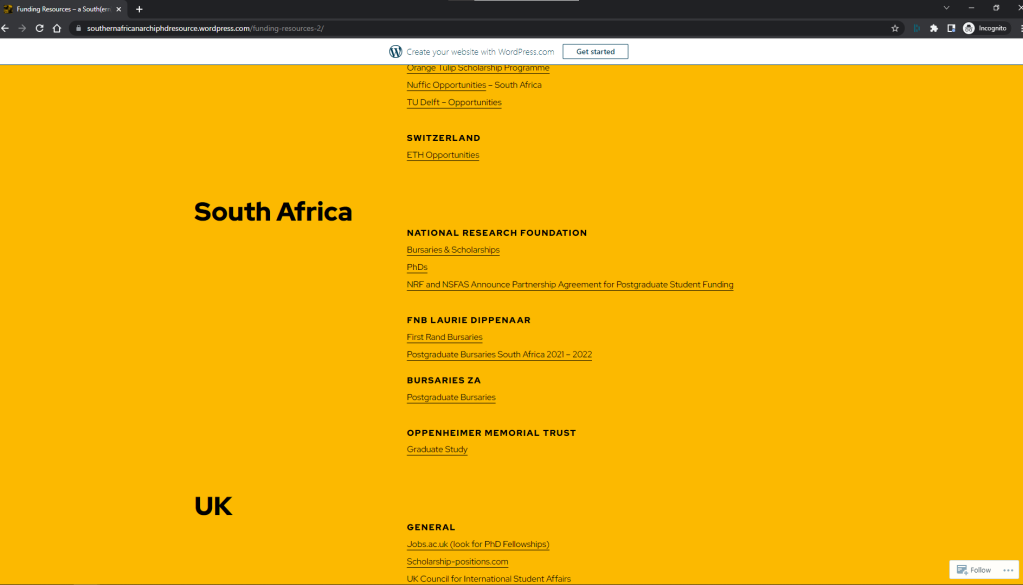
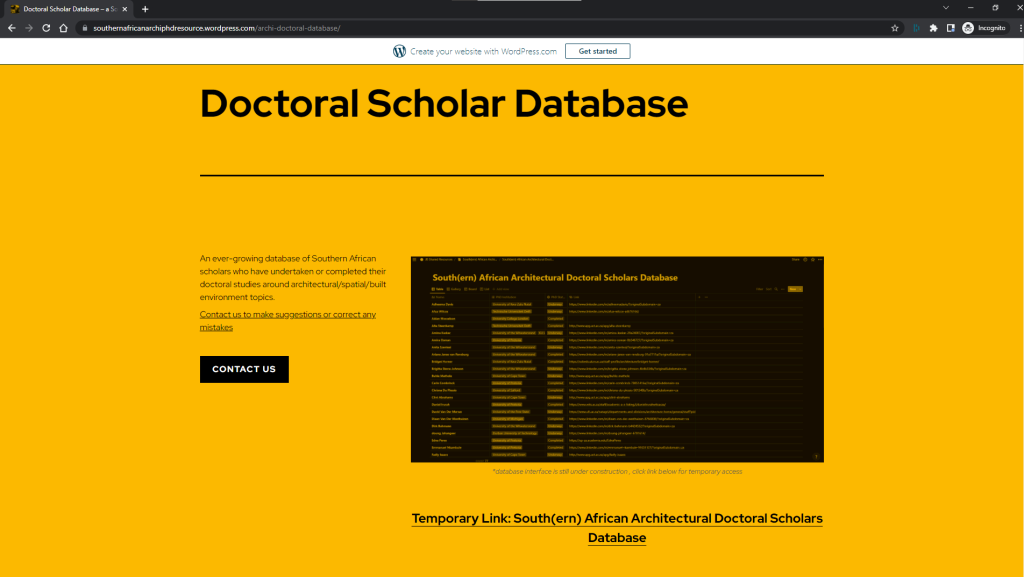
The website is part of a larger and ever-growing resource that seeks to support South(ern) Africans looking to undertake a PhD in architecture or the related spatial practice fields associated with the built environment – both on the continent as well as abroad.
This platform is by no means exhaustive & has been built more as a platform than a comprehensive source. At present the resource carries certain biases to South & South(ern) Africa and their adjacent cross-national links.
These resources are put together, shared by volunteers and will be updated as regularly as possible. Please feel free to join the contributors to expand and change this, as well as message us with any additional contributions, resources or to suggest points to add/edit/re-consider.
In addition, there is now a fully active Twitter Platform on @SouthernArchPhD and a Communal Slack Channel for more detailed discussion with a growing peer group.
Please feel free to join the contributors to expand and change this, as well as message uswith any additional contributions, resources or to suggest points to add/edit/re-consider.
“While diaspora speaks to ideas of dispersion or forced relocation, the resultant geographic displacement of any group of people invokes spatial practices that create intimate relationships to place, enhance social connectedness and produce unique ideas of home. Diasporic living practices typically empower and support actions of solidarity and interconnectedness as well as the assertions of cultural self and collectivism that tend to travel with people through global manifestations of community. Very often, these practices create friction within existing socio-spatial systems and can result in strong collective actions around identity, politics, and agency in relation to belonging.
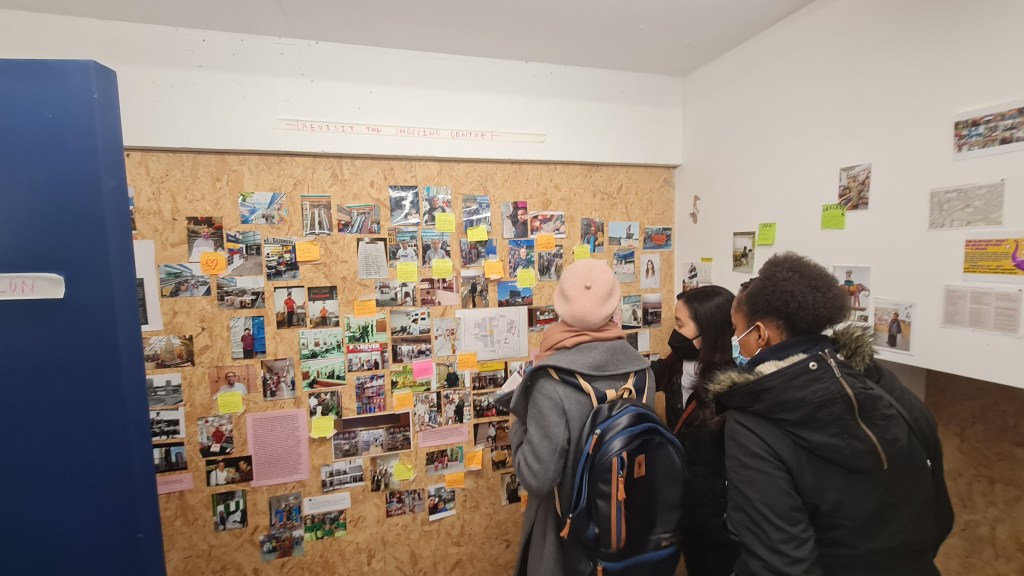
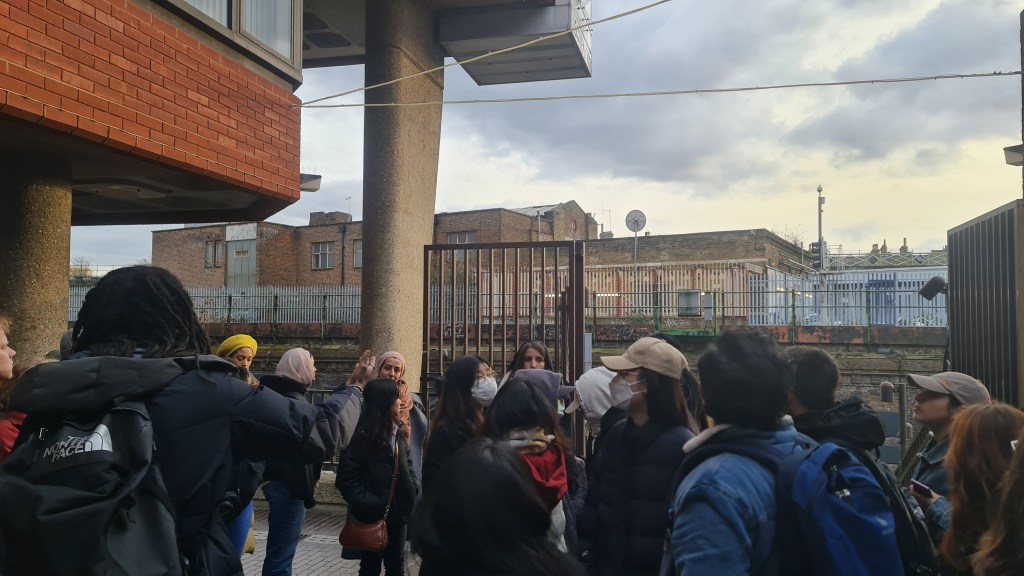
This session will host an immersive and interactive city-walk-talk format that will be led by local voices and actors in spatial making from London’s South(s). Through walking, talking, and engaging with the people and places of this dynamic urban center, we will be exposed to a unique juxtaposition of temporality and permanence, of preservation and innovation and understanding as well as response that are present in the South(s) of London’s diasporic geographies.
In this session we will join a small local selection of spatial actors from Elephant and Castle as well as Brixton.”













































 Jhono Bennett