The Slovo Park Project – The Story

The Slovo Park Project 
 
The Slovo Park Project began as a small research project in the University of Pretoria’s Housing and Urban Environments module of the Architectural Honours Year. 
 
It quickly gained momentum in its relation to the community it desire to understand the problems faced by South Africa’s Urban Poor. The process culminated in a joint project towards a built goal with not only a physical product but many intangible outcomes that extended beyond simply ‘another community project’. 
 
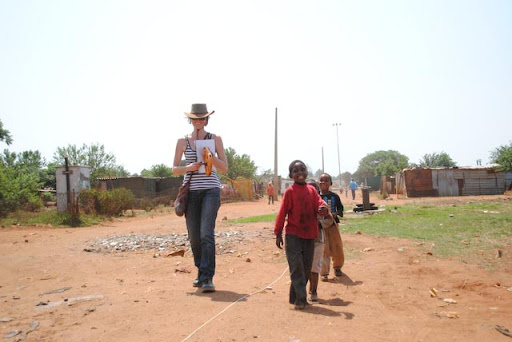
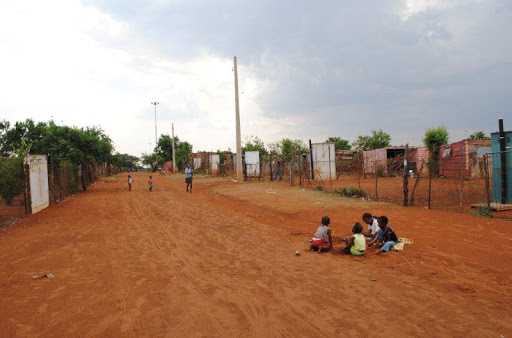
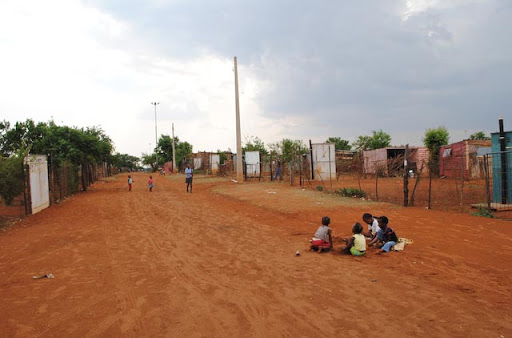
The streets are your playground in Slovo

 
Introduction 
In 2010 the University of Pretoria Architecture Department, Boukunde, offered its Honors year students the opportunity to work with a small informal community located 10km south of Soweto named Slovo Park.
 
Location of Slovo in relation to Johannesburg City
 
The Research


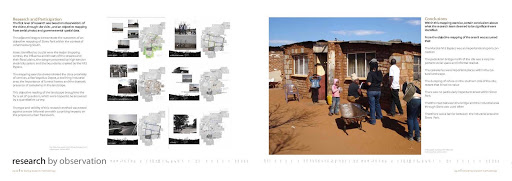
The student group of Bennett, Casson, Fillipe, Hattingh and Makgabutlane, began the project with a sensitive and holistic research process to try and comprehensively understand the socio-economic context of day to day life in Slovo Park.
 
*This article features snippets from the first draft of the book Slovo Park Project: A process of understanding.
Edited by Claudia Filipe and compiled by Bennett, Casson, Fillipe, Van Wyk 
contributions from Makgabutlane and Hattingh
 
 
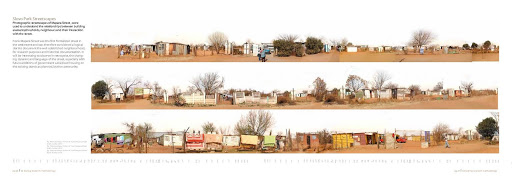
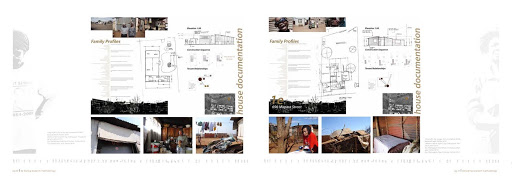
This involved several mapping exercises, interviews and detailed sketches of the local housing typologies. 
 
(To be Published, Bennett, Casson, Fillipe, Van Wyk)
 
 
Measuring up the existing
 
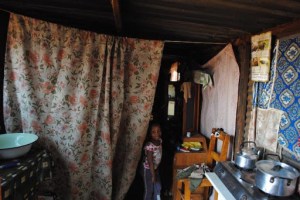
Discovering the world inside Slovo
       
(To be Published, Bennett, Casson, Fillipe, Van Wyk)
 
 The residents of Slovo opened their doors to the research team’s questions

(To be Published, Bennett, Casson, Fillipe, Van Wyk)
Playgrounds of Slovo – an electricity pylon
(To be Published, Bennett, Casson, Fillipe, Van Wyk)


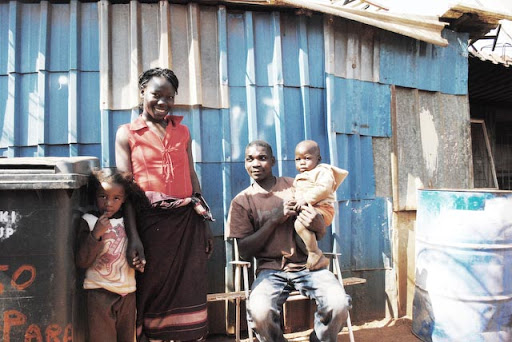
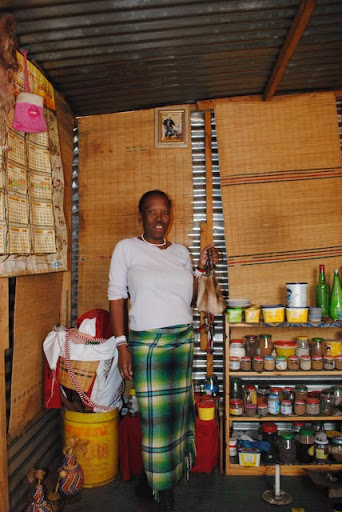
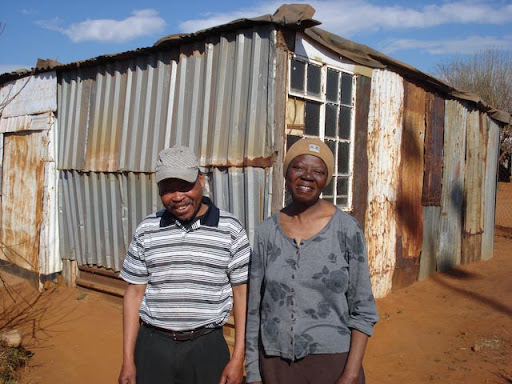
The myriad of faces in Slovo, a traditional healer and a struggling, but happy couple
 
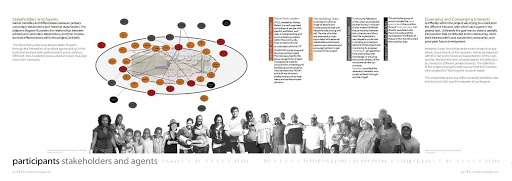
The communities association with the Federation of The Urban Poor (FEDUP) and C.O.R.C was crucial in this process as they were instrumental in arranging and facilitating the research trips as well as bringing forward extremely helpful and willing community members.
 
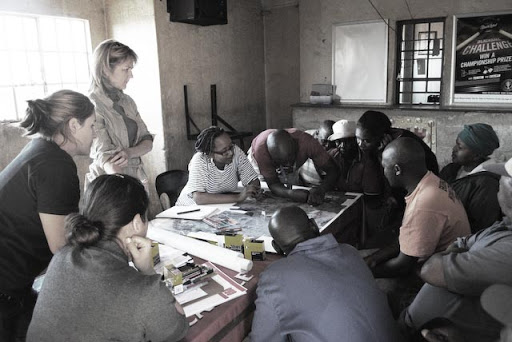
Mapping Slovo through the community’s eyes
(To be Published, Bennett, Casson, Fillipe, Van Wyk)
 
The Individual Proposals


From this process a larger urban framework was proposed that sought to link Slovo to the neighboring community of El Derado Park while developing Slovo from within and maintaining the existing sense of community that the township demonstrated to the students during the research phase. 
 
(To be Published, Bennett, Casson, Fillipe, Van Wyk)

From here the students were required to propose their own individual theoretical projects that they felt would aid in the development of Slovo Park.


The responses were dynamically varied in nature with some designing a processional route from the township to the adjacent cemetery, incorporating the myriad of African cultures and their relationship to death while others focused on development around housing with titles such as ‘Housing Clinics’ in an attempt to capture the humble manner in which the inhabitants throughout south Africa possess the power to build their own houses but require some assistance and knowledge sharing.

 
The Housing Clinic
 
The project was well received by the University and was presented to the Department of Human Settlements at their Indaba in September of 2010 as well as presented to the community themselves during their meeting with government on site.
 
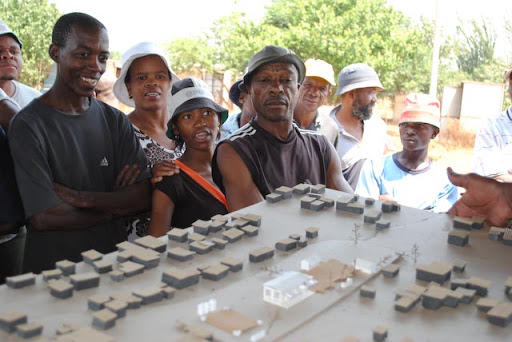
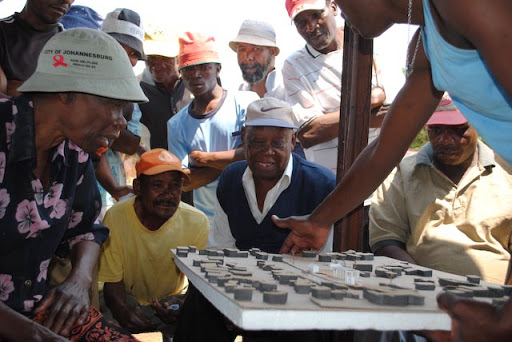
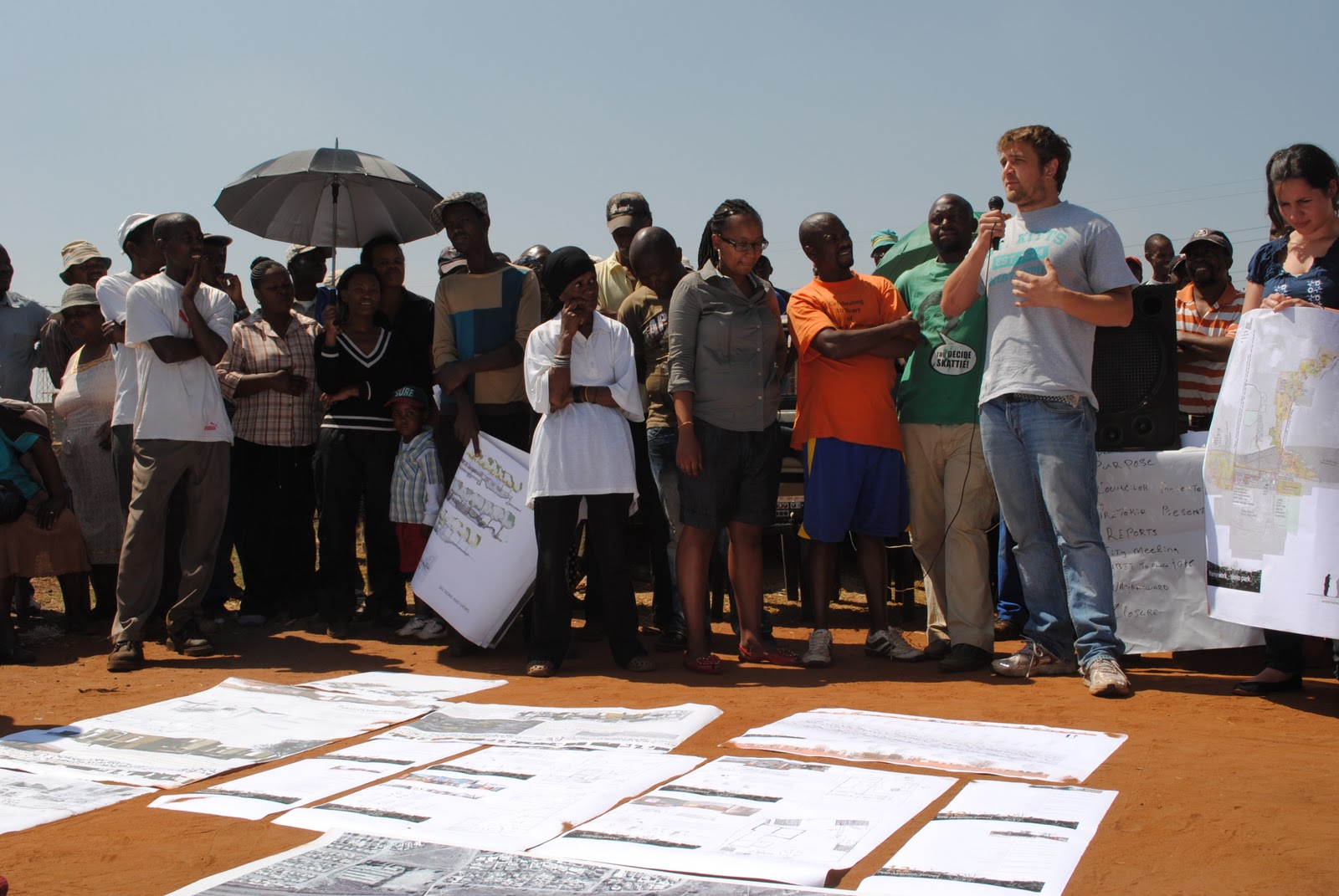
Presenting to the community of Slovo


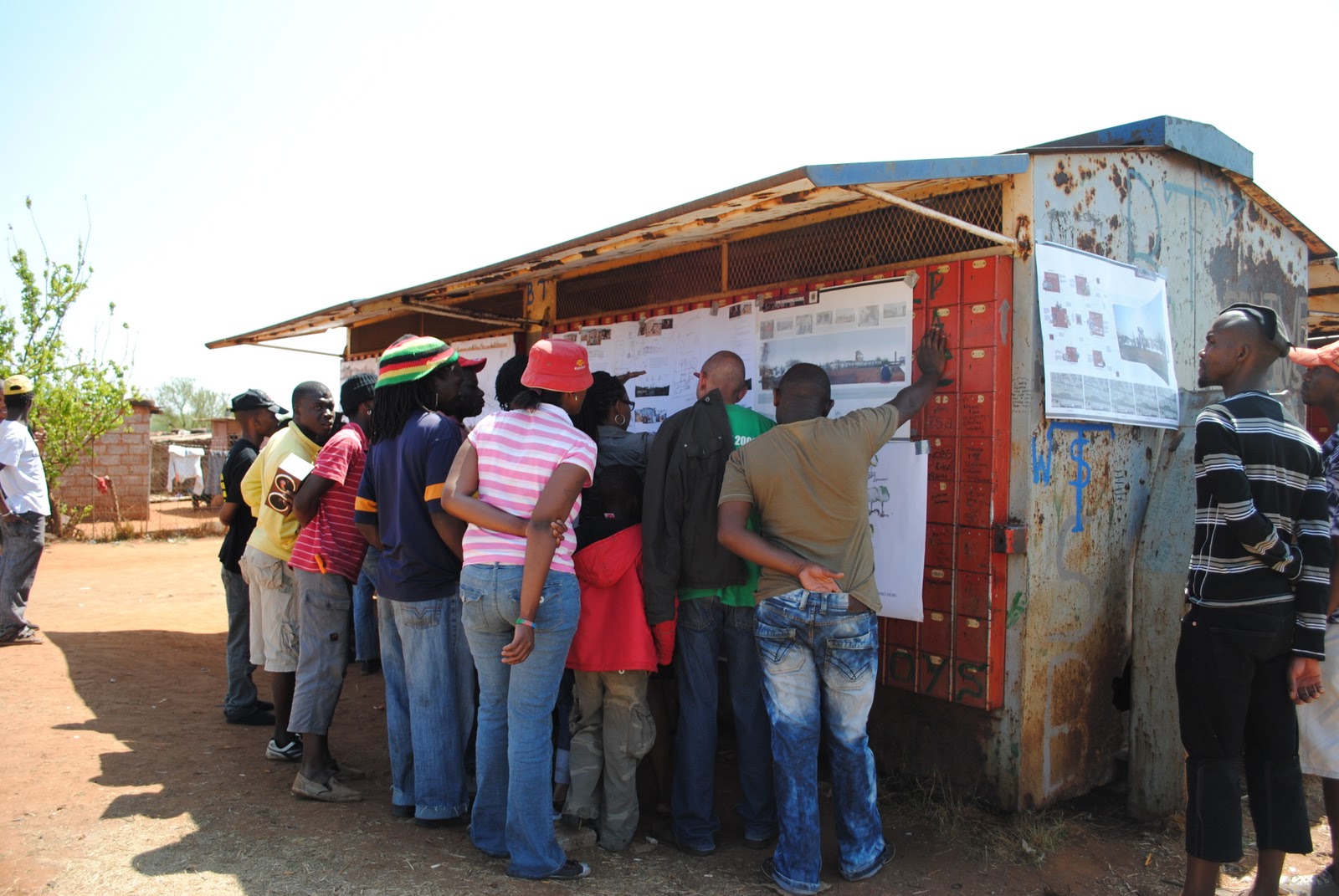
Garnering community feedback with an informal presentation to an informal audience
The Built Intervention
 
The university then offered the students the further opportunity to fund and construct a small portion of the proposed design and build it over an allocated period of 8 weeks.
 
(To be Published, Bennett, Casson, Fillipe, Van Wyk)
 
As the designs proposed over the research period were far too large and costly to build in the 8 week period the student group decided that they would pool together the principles from each design and with the addition of a new student member, Van Wyk, would design a small intervention within the earlier proposed urban framework.
 
Planning the build with the local business forum
 
 
The site as we found it. Waiting to be unlocked
(To be Published, Bennett, Casson, Fillipe, Van Wyk)
 
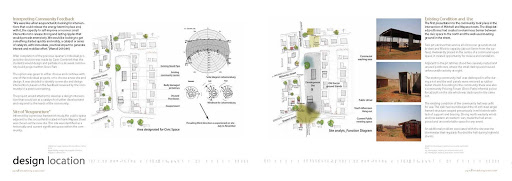
The resultant design was a proposed community center, which fitted into a civic space. This center and civic area would provide the people of Slovo Park a place for the community to meet and determine the future for itself. An existing dilapidated structure that housed the 1994 Election Station was chosen as the team felt that this was where the change began and should be respected so.


Proposed Slovo Hall – Community Meeting Center


Proposed Civic Center


The center was specifically designed with the larger future in mind and phased into 5 early construction phases and 5 later larger future development phases. 

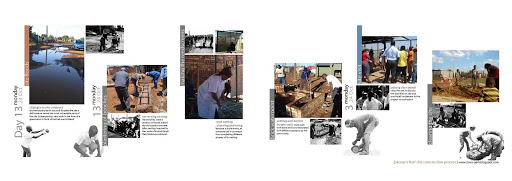
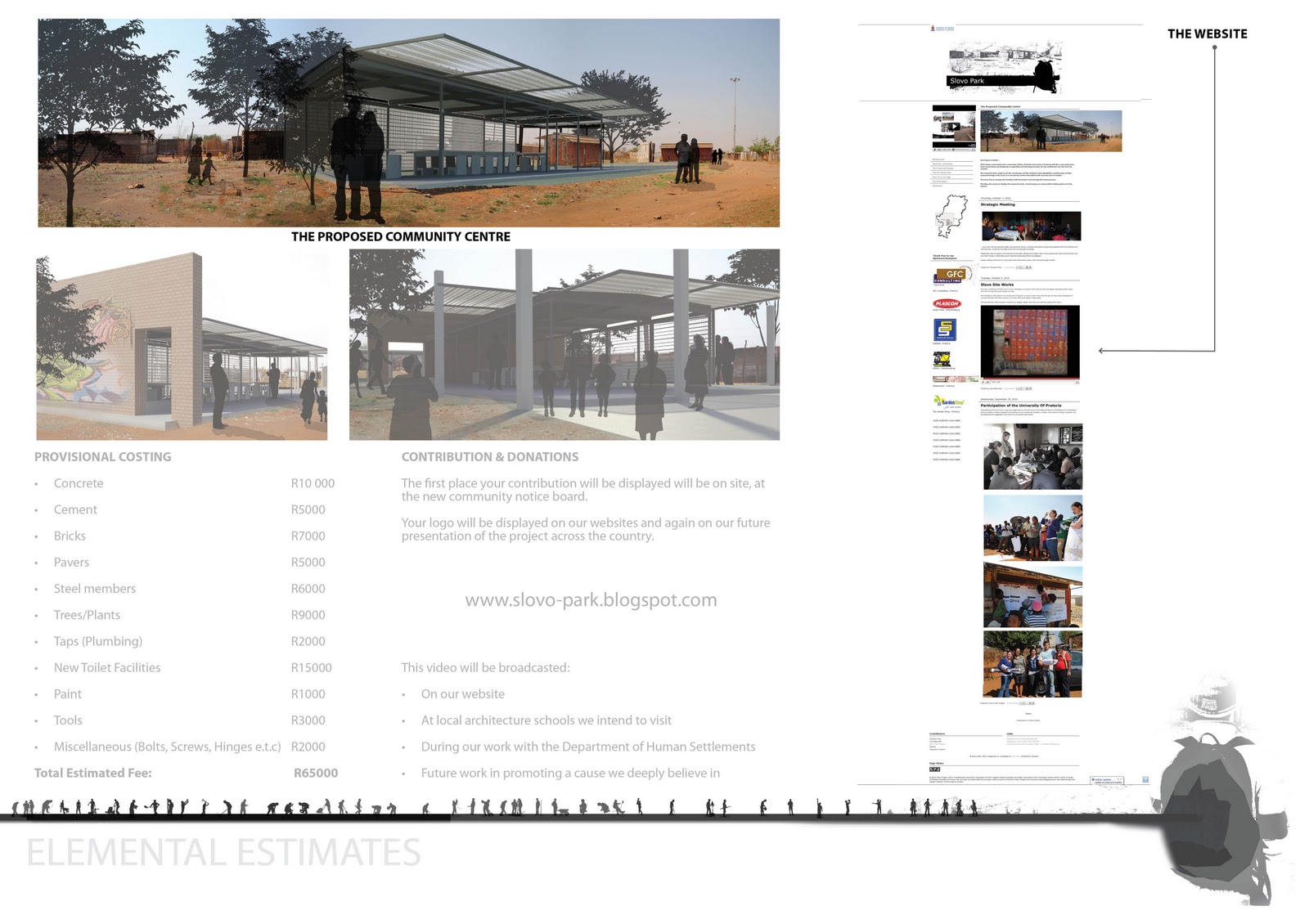
Community poster to explain the process over the Build Weeks (3m Long)
Early construction phases allowed the functions of the future development phase to still operate on site without the actual infrastructure of the later development.
 
(To be Published, Bennett, Casson, Fillipe, Van Wyk)
 
This scheme was presented to the community for input and design assistance at the future Slovo Hall.
 
First formal presentation to the community
 
 
Presenting the ideas to people of Slovo using models proved to be the most effective way of community
These were some of the steps taken in an attempt to construct an effective space and building in a very short period of time. The team’s motto became “Do the most, with the least”.

(To be Published, Bennett, Casson, Fillipe, Van Wyk)
 
The Construction Process
 
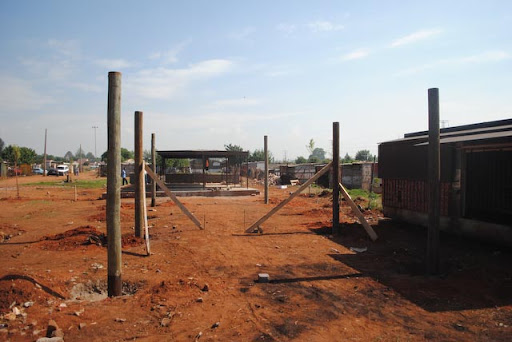
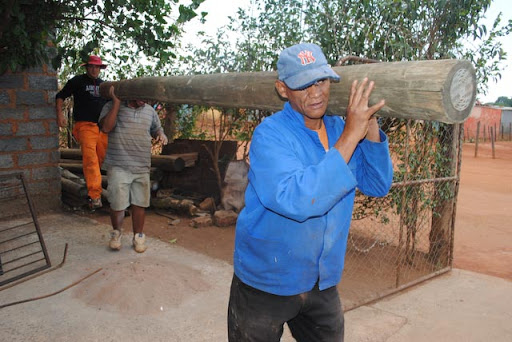
Building began in September and the support received from the community themselves and the local business was overwhelming with each day as varied as the next. Daily more people would join the workforce and get involved in some way.
 
Employing local help in measuring the site
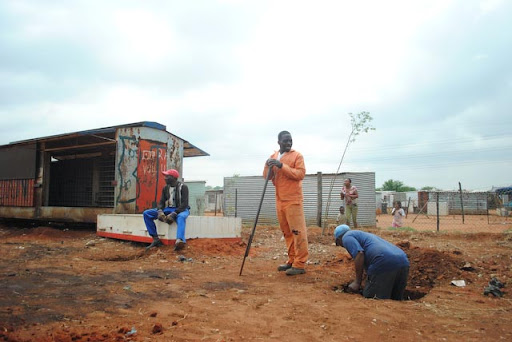
The first site work informally done by help found on site
(To be Published, Bennett, Casson, Fillipe, Van Wyk)
 
Clearing the site with more ‘help’
 
(To be Published, Bennett, Casson, Fillipe, Van Wyk)
The core team getting the work ball rolling
 
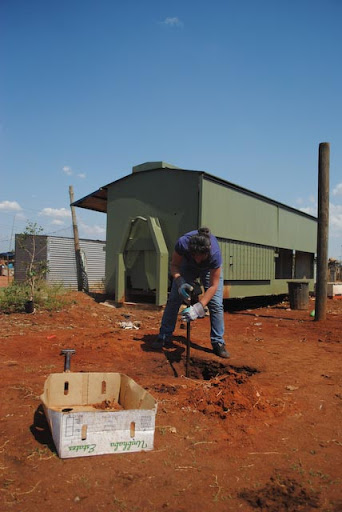
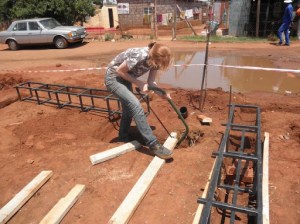
Laying the foundation for the center


(To be Published, Bennett, Casson, Fillipe, Van Wyk)
As the project gathered momentum the team began to see the relationships with these donators and consultants were going to be the lifeblood of future development in Slovo Park. 
 
(To be Published, Bennett, Casson, Fillipe, Van Wyk)
 
Getting into the swing of work
 
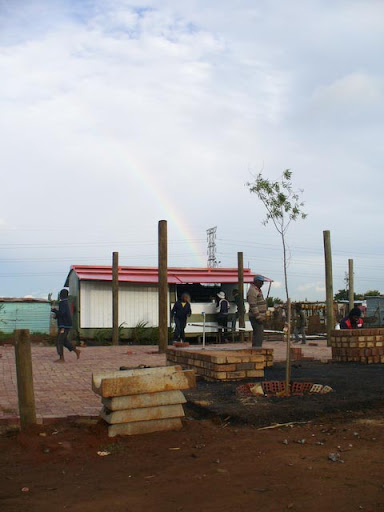
Slowly the site started to take shape


(To be Published, Bennett, Casson, Fillipe, Van Wyk)


The building team discussing how the future wall will look


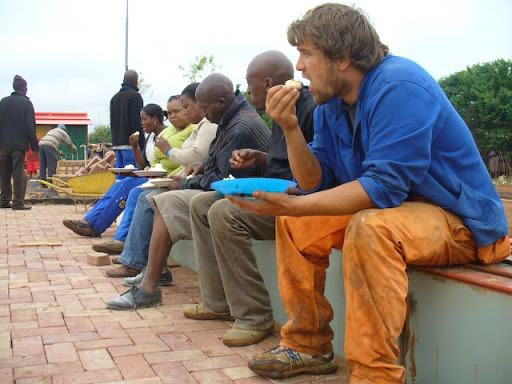
Meals, donated by local business’s on site, became a key time to reflect and build bonds between the team
 
 
Flood damage slowed the progress at points
 
 
But behind each setback were some truly inspiring moments


(To be Published, Bennett, Casson, Fillipe, Van Wyk)


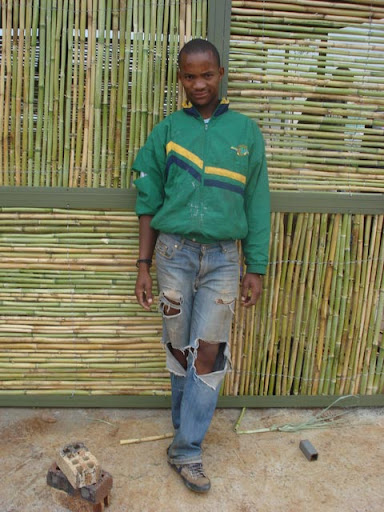
The ladies working on site working on the reeds added a rich dimension of song and colour to the long day    
 
 
 The reeds on site went from being a element of contention to a point pride assembled in some way by all members of the team
 
 
The paving arrived, late, but well received as it drew the elements of the center together


As the final touches began to be applied the energy on site was electrifying as the team neared their goal

The Slovo Park Project – The Beginning

Quarter 4

The final quarter at the University of Pretoria allows for the students to select one project undertaken in the year under: Housing and Urban Environments, Heritage & Cultural Landscapes and Environmental Potential.

The intention is for the student to take the proposal further into a design detailed level of resolution. This project then is detailed through to much more holistic architectural level. This quarter is also supplemented by an elective theory course in order to prepare the student for the Thesis Year ahead.

*

Elective
My choice was the Housing and Urban Environment  project, as I felt there was still much to do and learn in Slovo Park.
The initial research group remained the same with the inclusion of a new member who worked on a different site, but whose design was not site based.
 
The Plan
Our lecturer’s offered us that, due to the level of community interaction, we could build a part of our intervention. But we would have to fund, manage and build the design with the community over the next 6 weeks. This built product would then be assessed on site and would be our final mark.
Getting Started
The first task was to decide which project to go through with, as the other students in the class would take forward their individual designs done over 8 weeks in the previous semester, we as a group would take further a group design, as our individual proposed designs were much more ambitious than we could possibly build with little to no money and in the time frame we had.
Choosing a Site
After we presented our individual work to the community during one of their official meeting we understood that their was no formal meeting spaces and the informal spaces did not work very well.
We chose a site, identified in Urban Analysis framework, as a key point at which the development of Slovo would take place by creating a platform for people to meet and discuss the future of their community.
(Bennett, Casson, Makgabutlane, Fillipe , Hattingh ; 2010)
 
The Project In Brief…
After being contacted by the community of Slovo Park the University of Pretoria with the community have been researching and designing an upgrading and development plan for the settlement over the last few months.

The research team, made up of the community and the students, have identified a small portion of their proposed design in the form of a Community Center that will be built over the next six weeks.

The team has to arrange the funding, build the project and manage the entire process.

A comprehensive information pack is available on the Slovo Park Project Website

The Built Proposal
The design put together was infused with the principles learned during the individual proposals and seeks to provide the first step towards a much larger development.
This pilot intervention will lay the framework for the future development by uniting the community under a common goal and using that energy to project the project past our interaction with the community and make the design a true bottom up initiative.
Each built piece is intended to provide the necessary infrastructure for the community to use as its intended function now, without compromising its adaptability in future:

e.g.

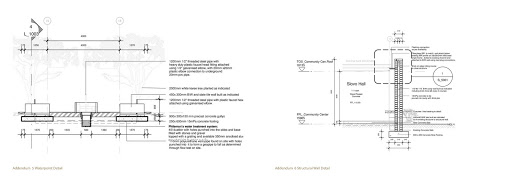
The design of the paving with the intentional space for future columns to build the ‘future blue print’ for the community
or
the low seating walls for the mobile clinic waiting area will become the foundation walls for the proposed clinic in the future phase e.t.c

Built Phase & Future Phase.
The Built Phase will be the re-refurbishment of the existing community structure over the 6 weeks, this will set up the construction sequence for a much larger project development which we designed with the community.

The Future Phase is designed on a much larger scale and  requires more infrastructure and time than we have, but is outlined by the Built Phase
Each phase is incrementally designed so at each point the design can be critically reviewed by the community themselves to ascertain the most effective path towards the built product.’

Diagram of Building Phases – Presented to Community

Current State
The Slovo Park Project Team have begun site works, and are constantly seeking more funding and donations.
Below is the current program for the community building team.

The Slovo Park Project team has received overwhelming support from the community and is busy with site works at the moment, and moving swiftly along the scheduled program.

Maputo – Documenting the Baixa

Maputo – Documenting the Baixa
 
 
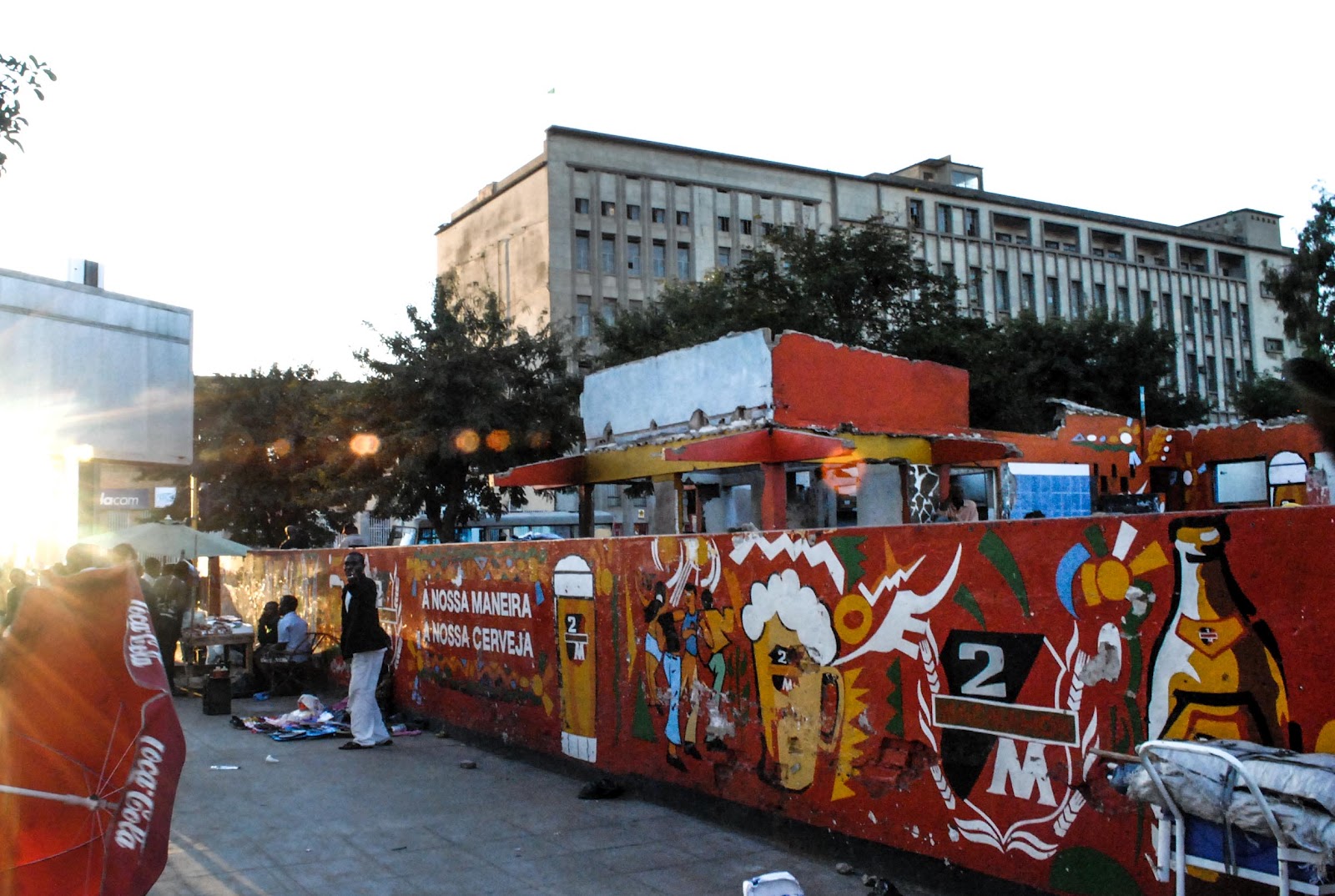
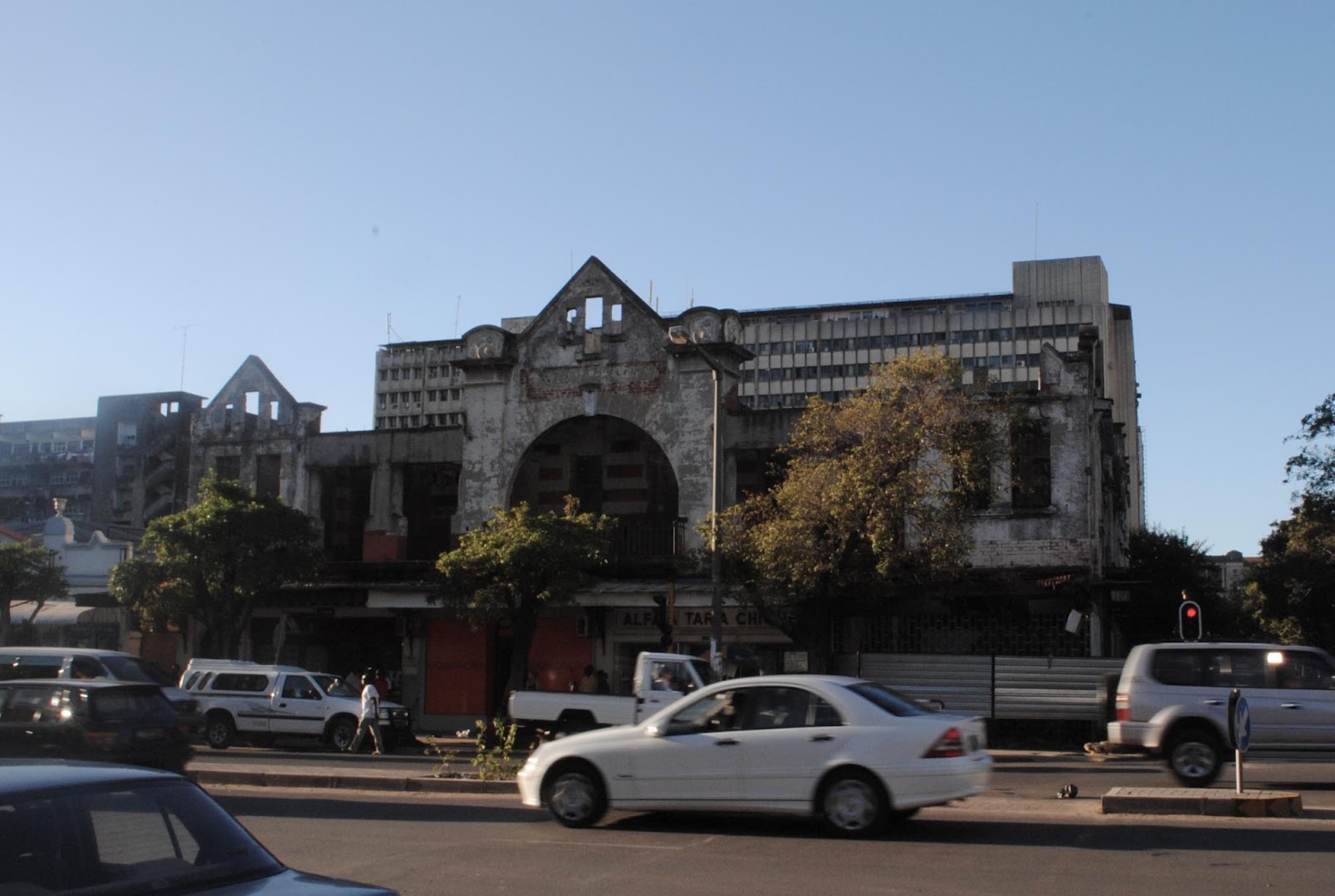
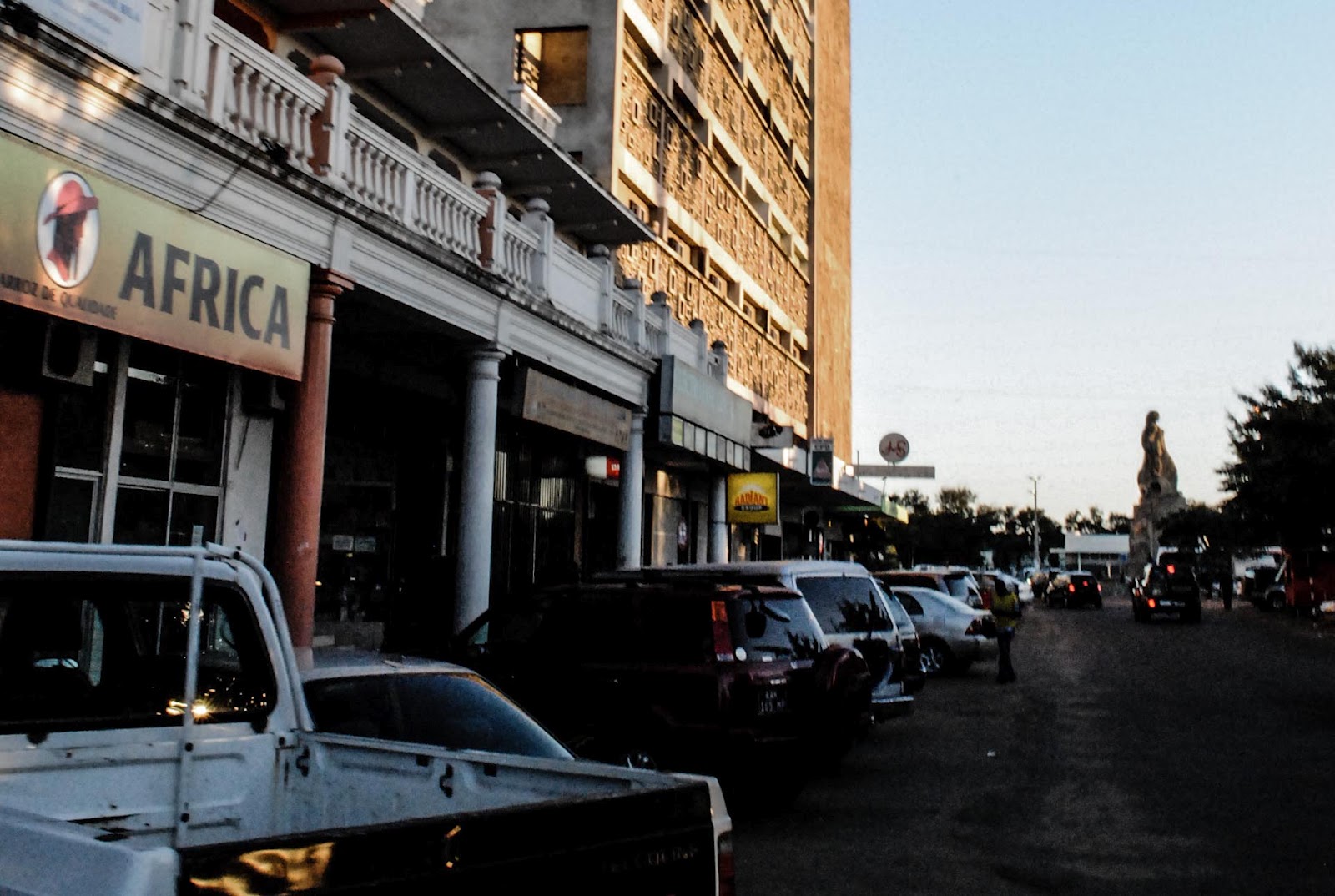
Down town Maputo, known as the Baixa, is the oldest part of this city in decay. Colonised by the Portuguese  in the early part of the 18th century, the city was at one stage planned to be the new capital of Portugal before the war of Independence.

This complex layering of history and site was the site of a University of Pretoria research study in July 2010.
The research project had 20 students from the University of Pretoria documenting the historical buildings of the Baixa area using a contemporary technique known as the ‘Quick Scan’. This method is a fast tracked survey technique to quickly assess the economical and historic nature of an area to communicate to governmental powers possible solutions to maintaining the historical fabric of heritage areas while planning an economical strategy around it.

The first few days were spent getting to know the area as tourists before the real mapping began.


The Market
 
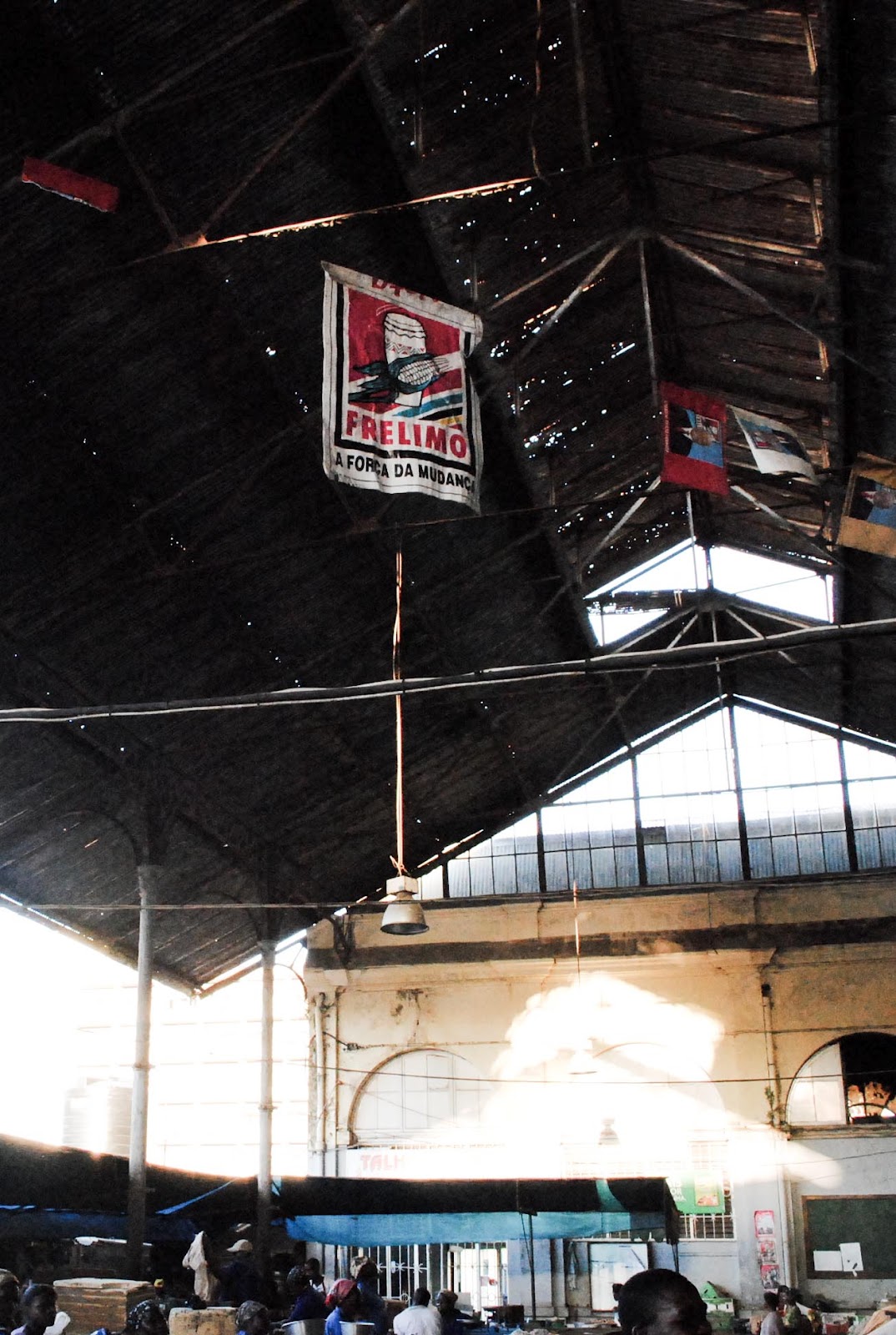
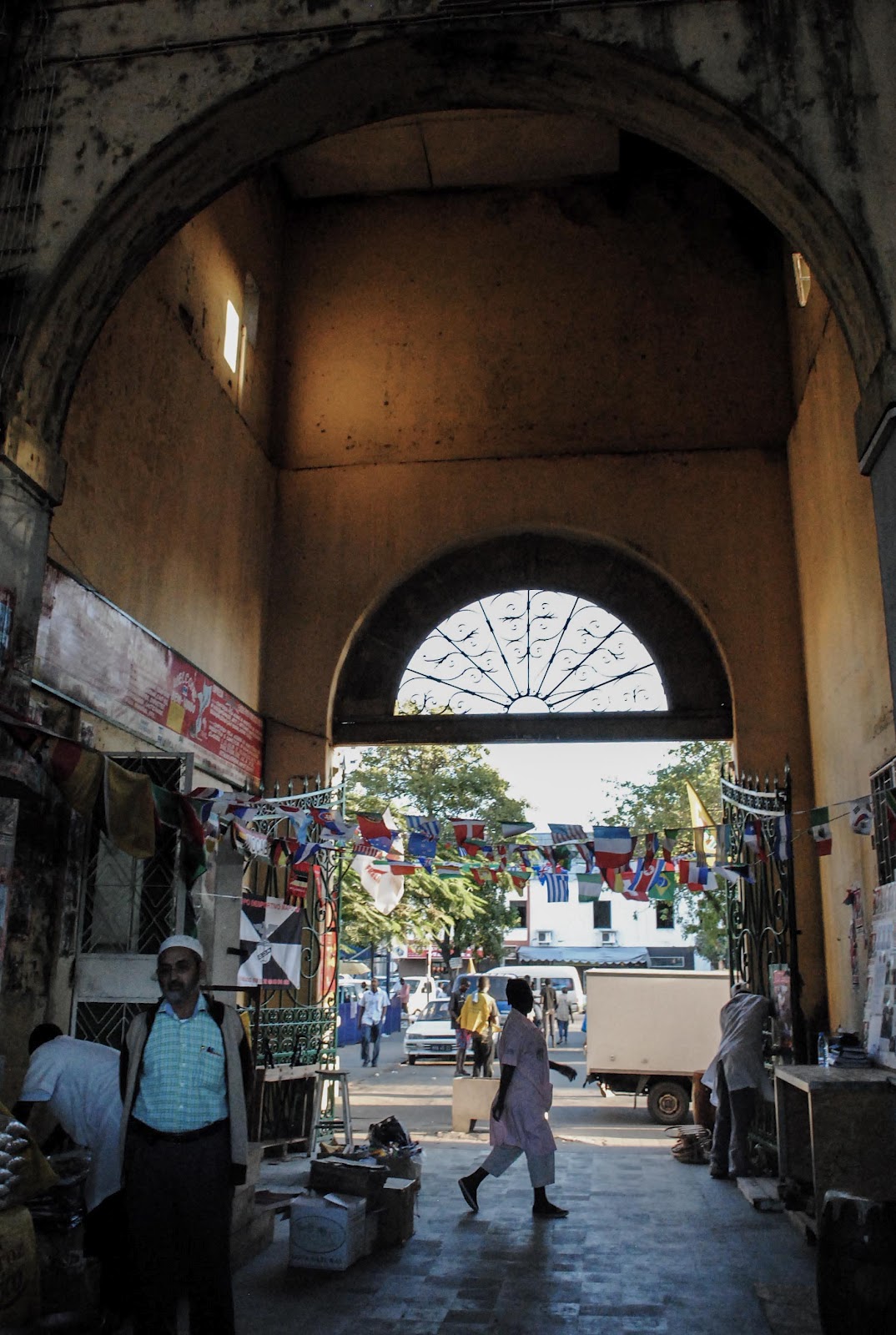
The market was our first experience of the historical nature of Maputo being actively and sustainably used and made viable.
 
 
The Monument to the Great War, erected as a memorial to the Portuguese that died during World War I.
The Maputo Rail Station
 
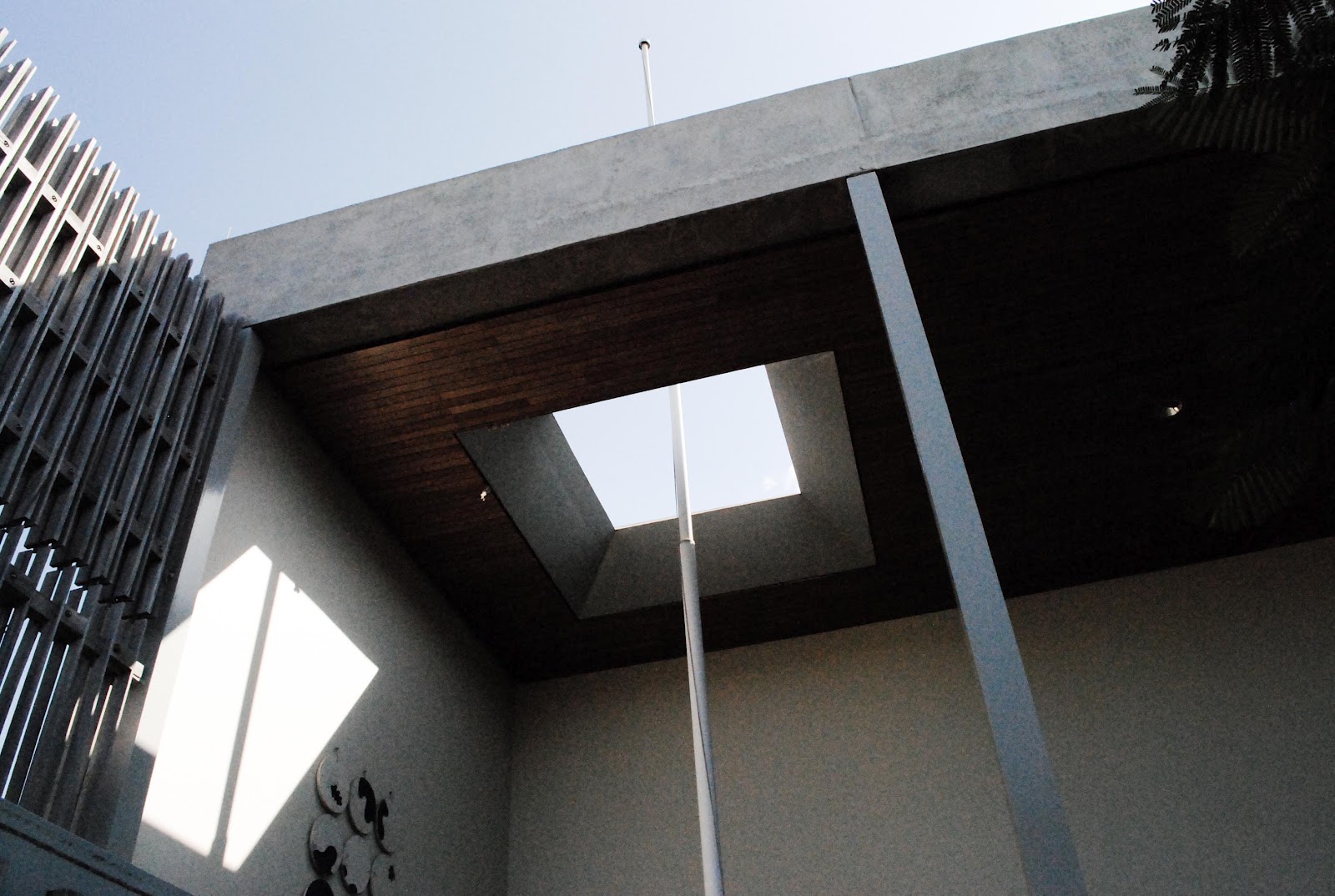
The Netherlands Embassy

We were fortunate to get a chance to visit the Dutch Embassy during trip. Here we were joined by a wild haired passenger known as Antoni Faulkers.


Procurando Pancho…
 
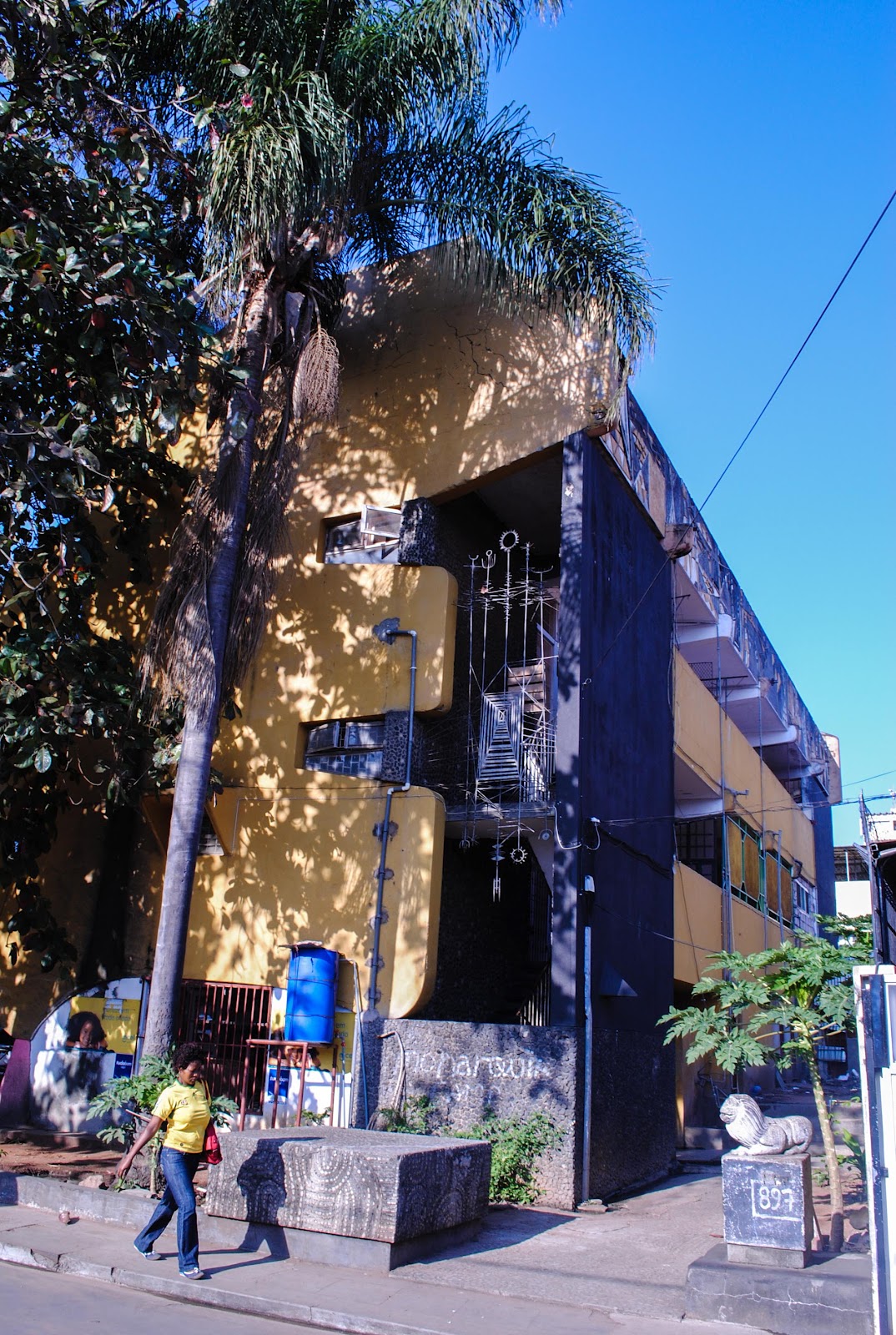
No Architectural trip to Maputo would be complete without a good deal of Pancho Guedes visitiation.
Smiling Lion
 
 
*
This entry serves more as a photo journal of the architectural elements of the trip, and is soon to be updated with the analytical findings from the group.