The Unjust City

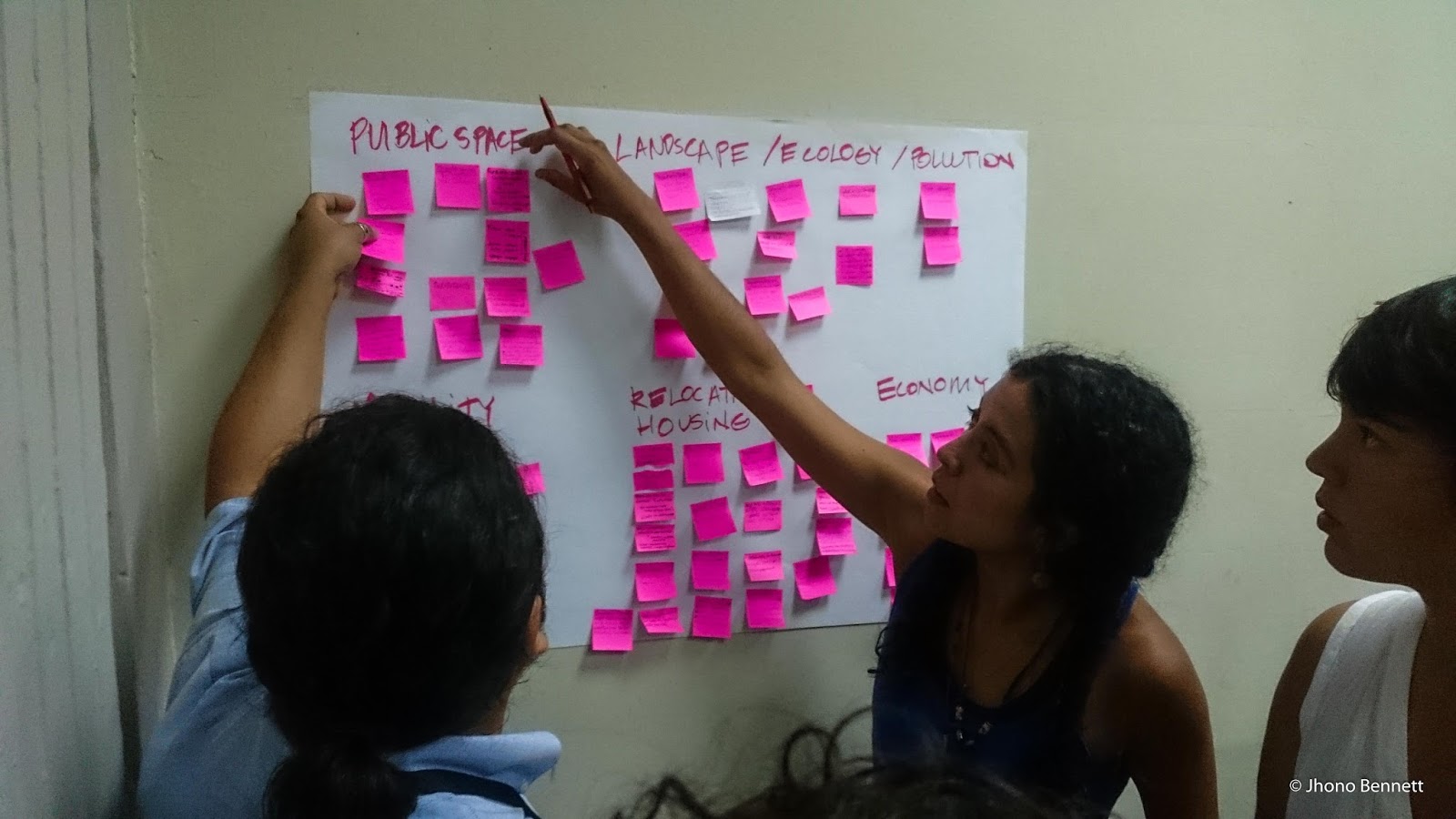
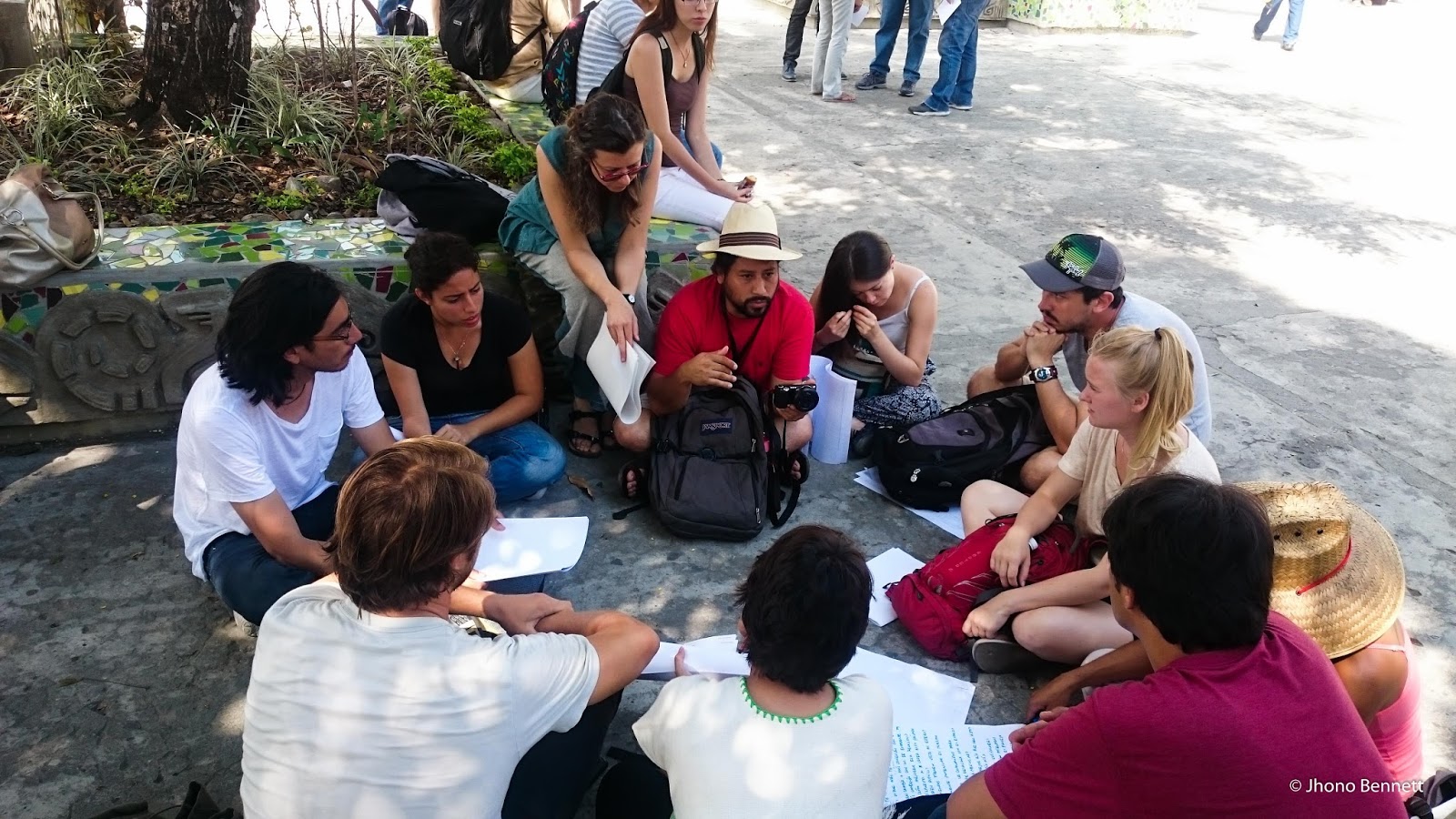
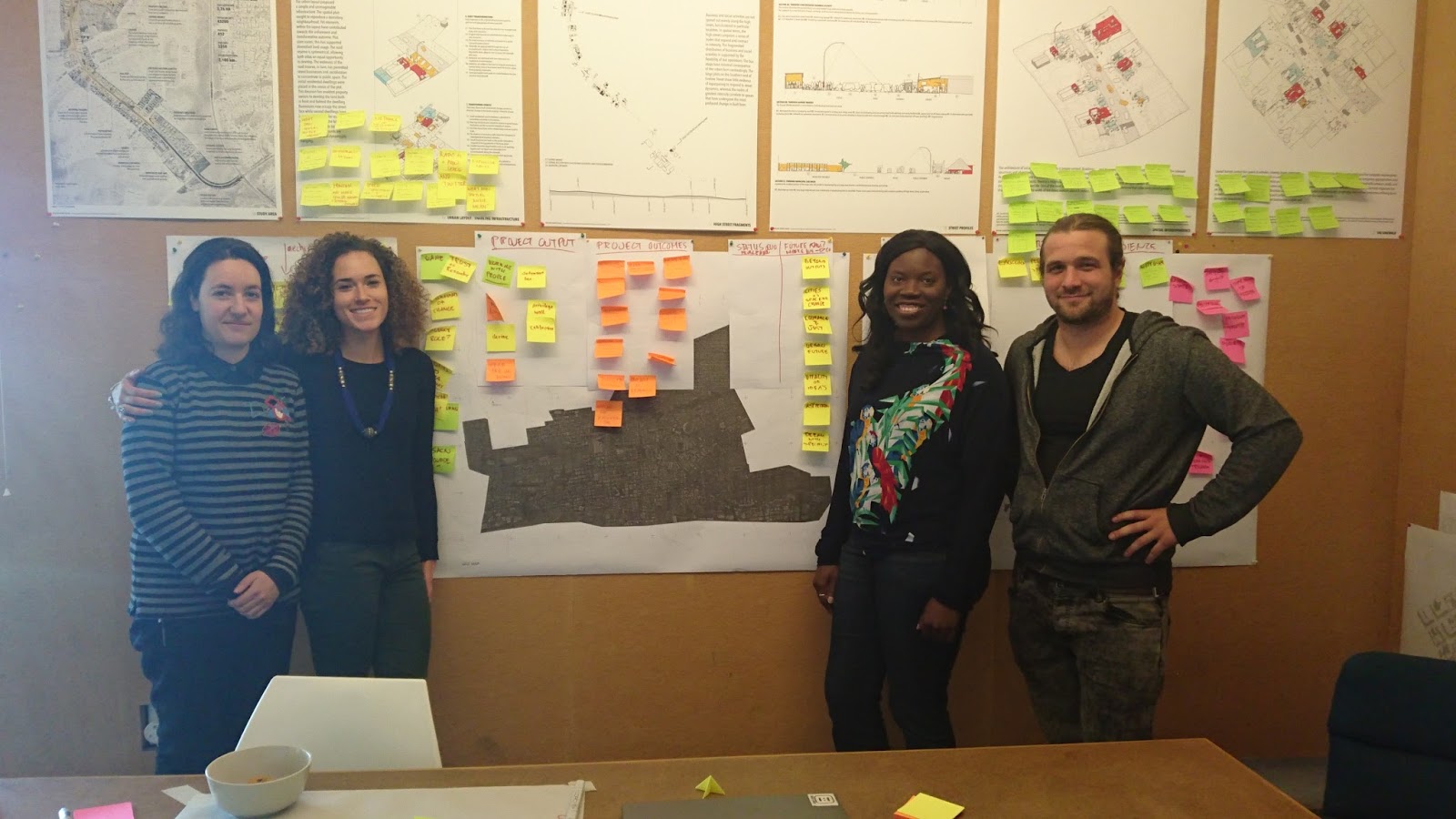
Through 1to1, a alongside Counterspace and Liz Ogbu we set out to co-develop a method of collecting stories from the City of Joburg that ‘ gave soul’ to the heavy and often inaccessible data that city officials and planners use to make decisions on how Johannesburg is run and grows.

The project sought interview a series of different city stakeholders and build a live map from the perceptions gathered – which would be overlayed with hard data. The process additionally used a method tool that collected video interviews from different city stakeholders around the terms they used and understood. The initial engagement with Liz Ogbu was supported by the Mandela Washington Fellowship’s travel grant for the YALI fellows.

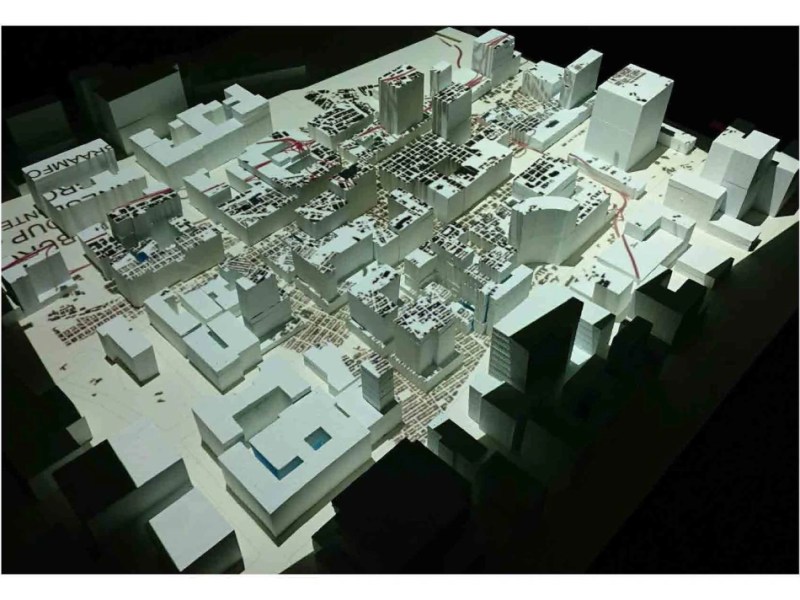
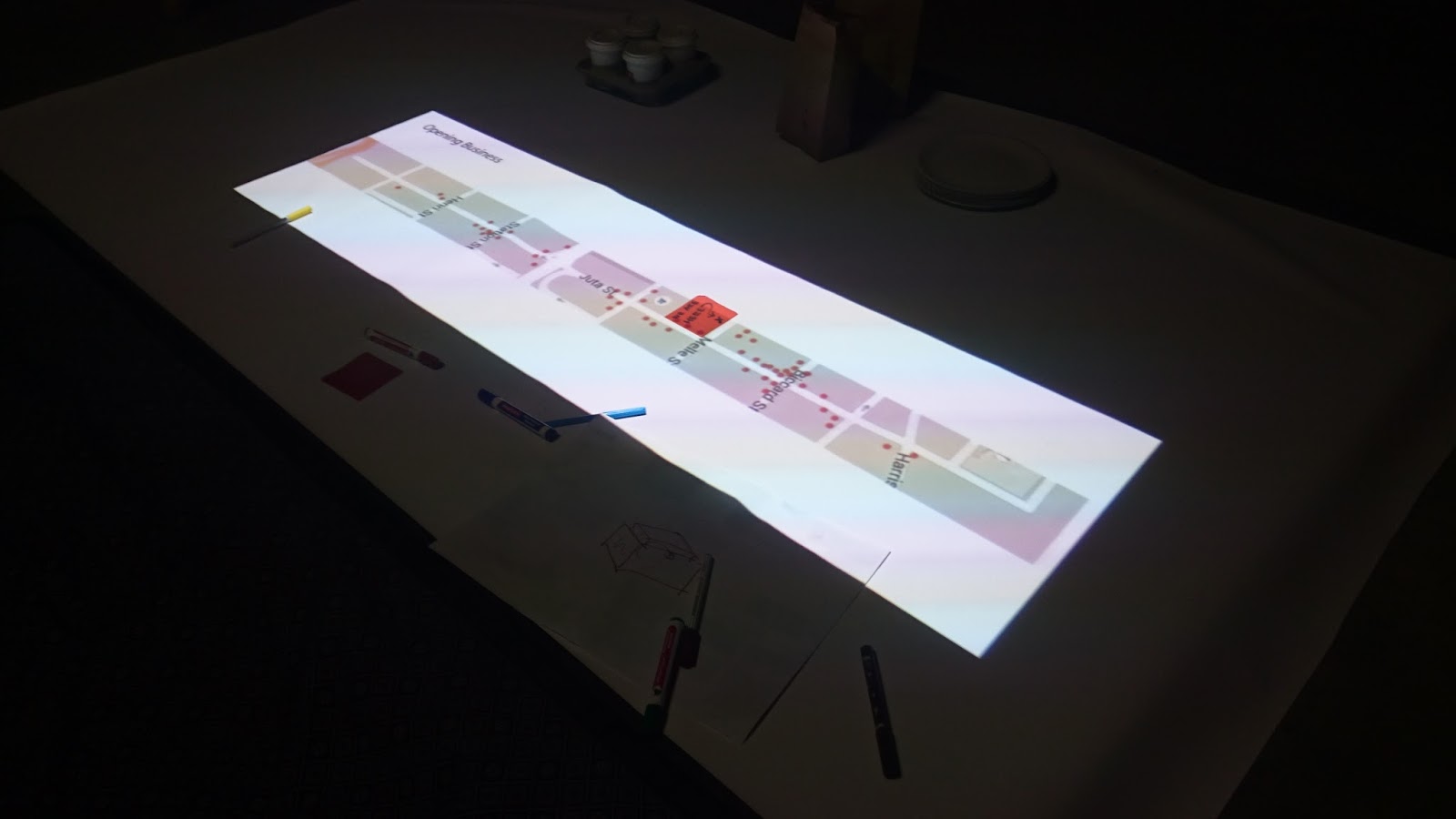
The project is ongoing and has a small installation in Johannesburg’s Braamfontein where various tools and methods are being tested in this endeavour through the Backstory – Joburg Project  The current established tool is a visual projection of city data onto a small constructed model of Page View.

ASF Change by Design: Cape Town 2017

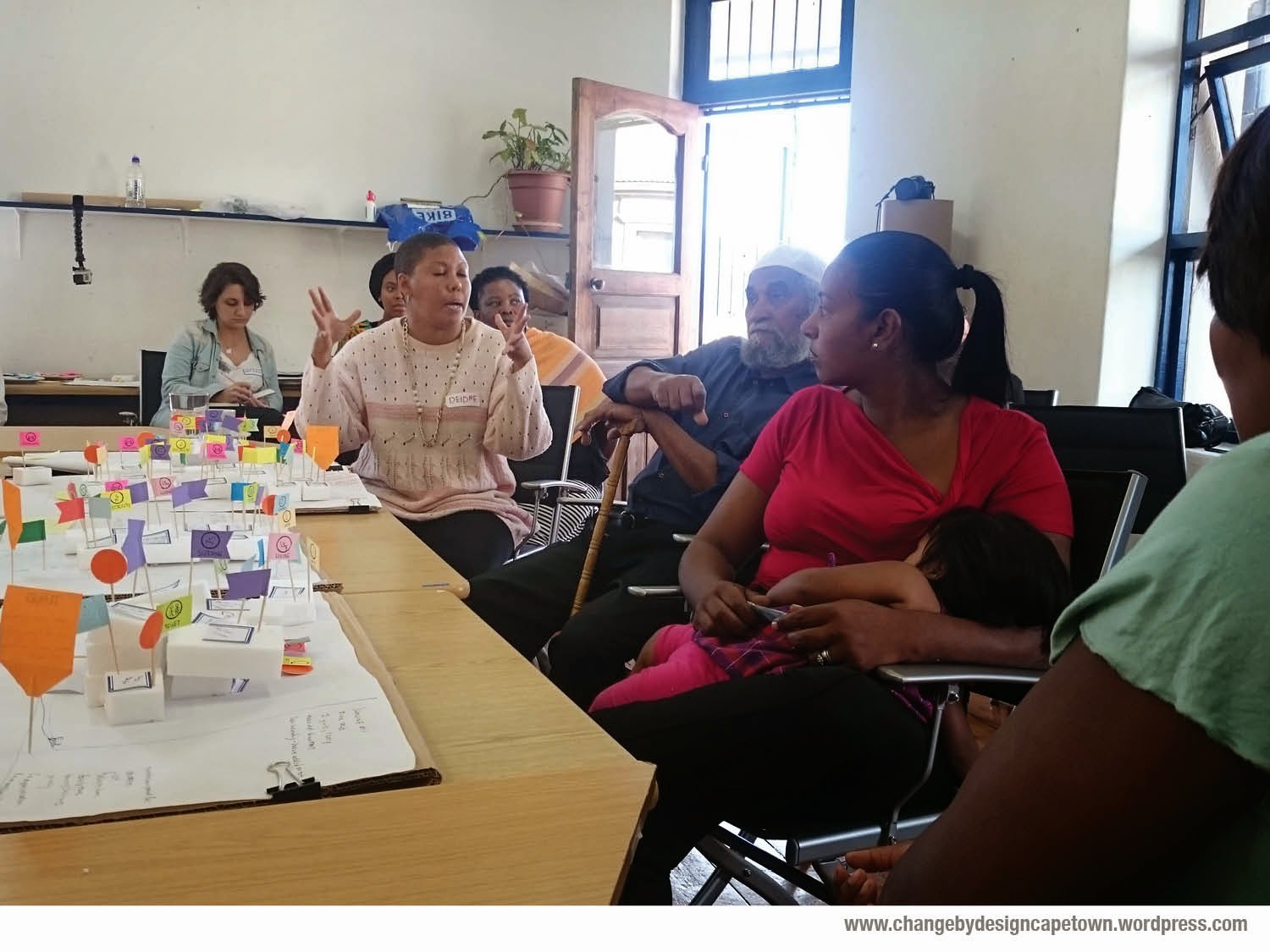
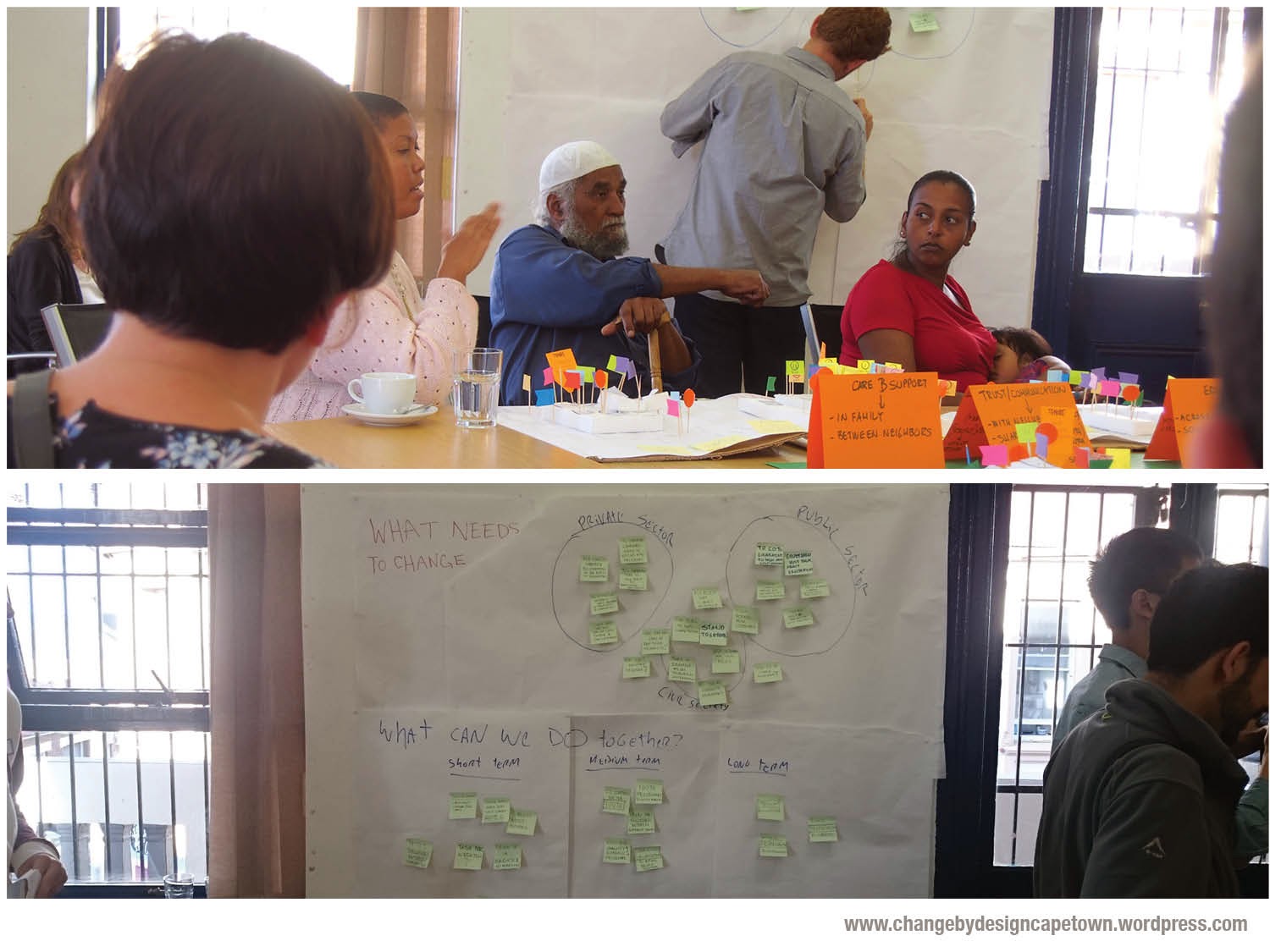
The 2017 Architecture Sans Frontiere’s Change by Design Programme took place in Cape Town in support of the Development Action Group (DAG)’s work with their Active Citizens Programme on 3 specific sites: Kensington, Khayalitsha and Oude Moulen.

The workshops’s goals were to support grassroots movements with strategic tools in action-research, spatial enumeration and strategy building across the grassroots members stakeholder and beneficiary groups.


The workshop ran for 2 weeks and employed an iterative action research methodology to support the unique needs of each site with the workshop particpants and DAG.


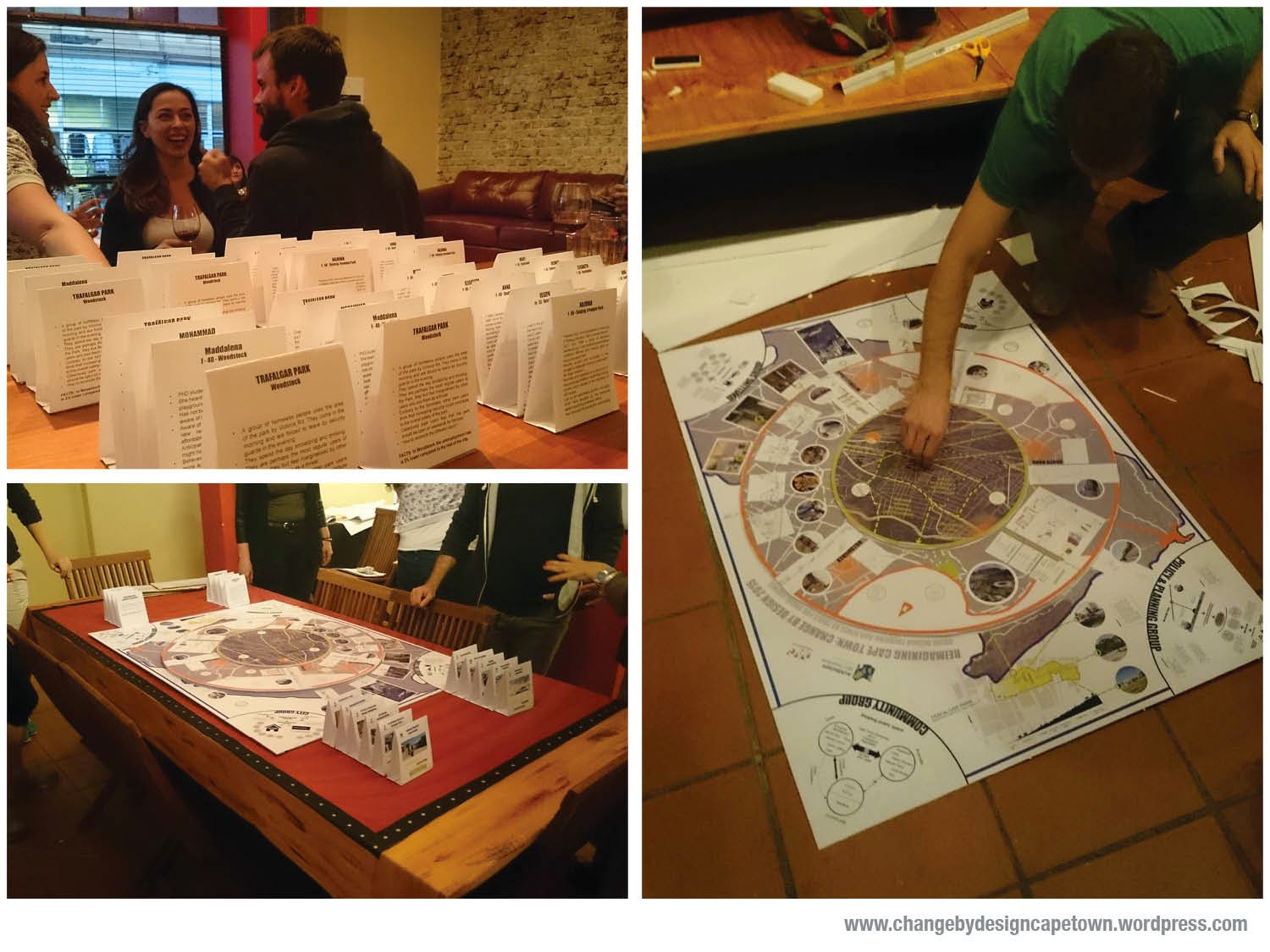
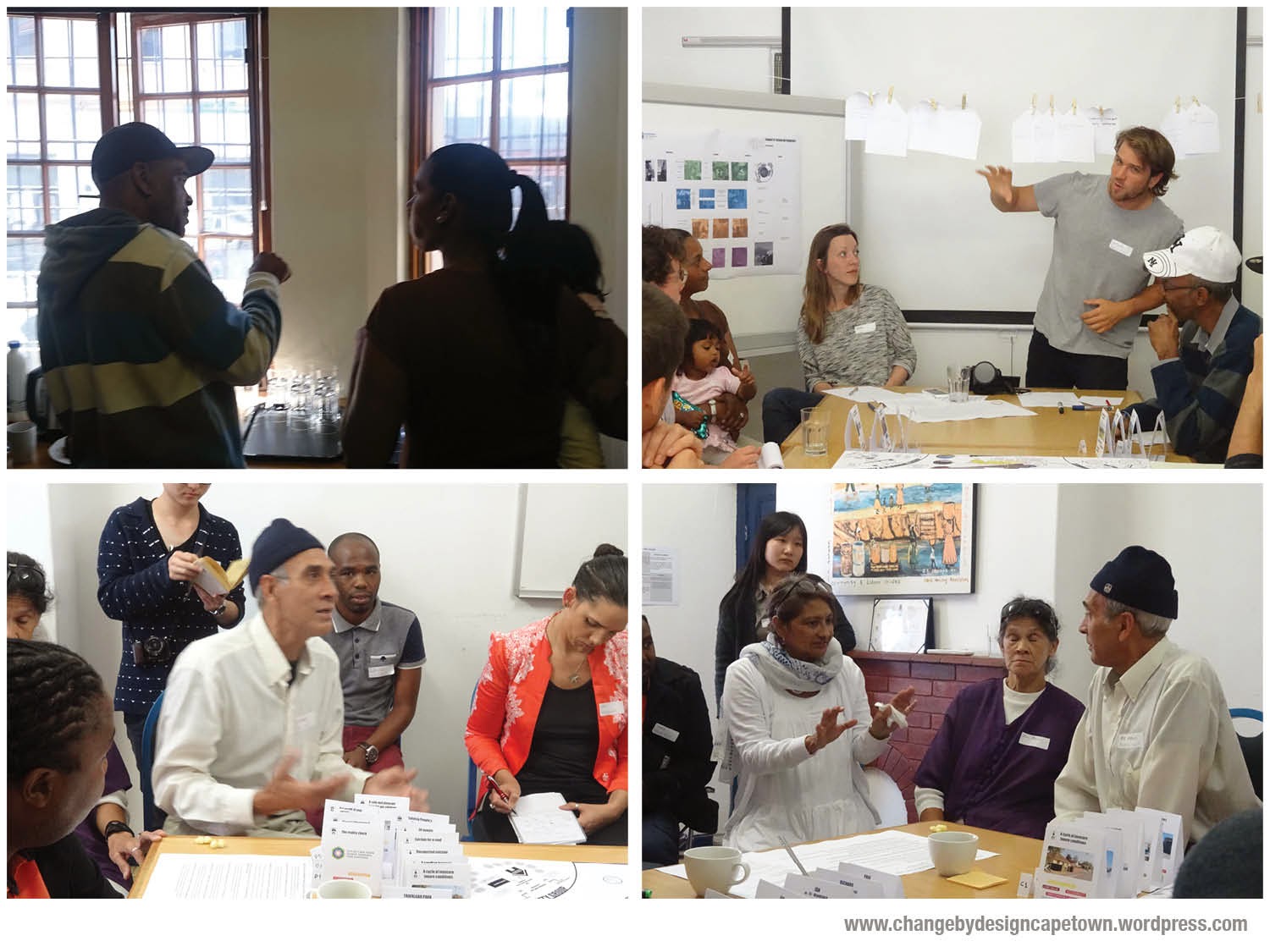
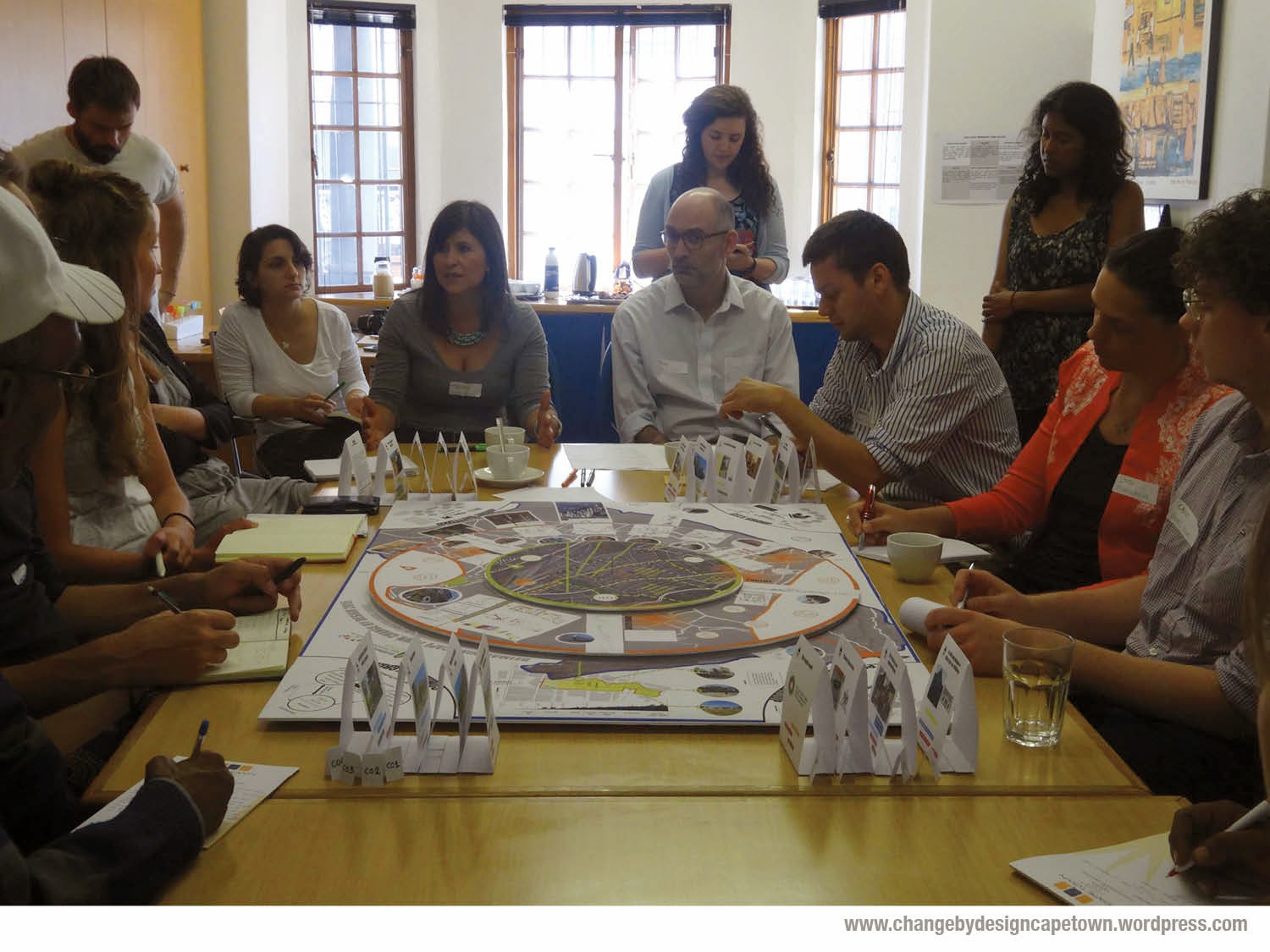
The result of the two week process was a set of grounded spatial research that was intended to support the grassroots leadership’s future engagement with the City of Cape Town. Each group developed a small visual summary of the research in a shared graphic language that was presented back to a large stakeholder group at the district 6 Museum in Cape Town.

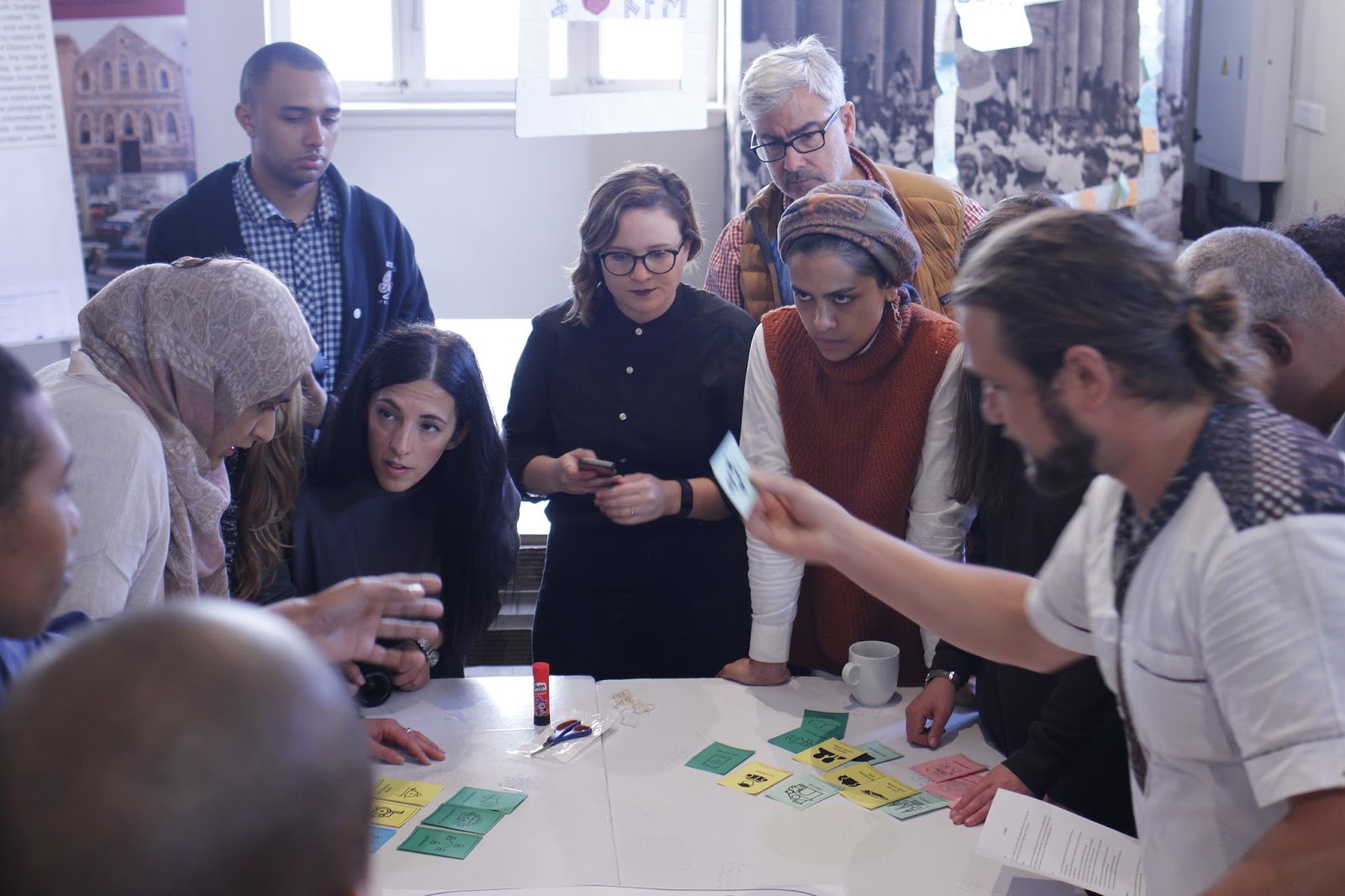
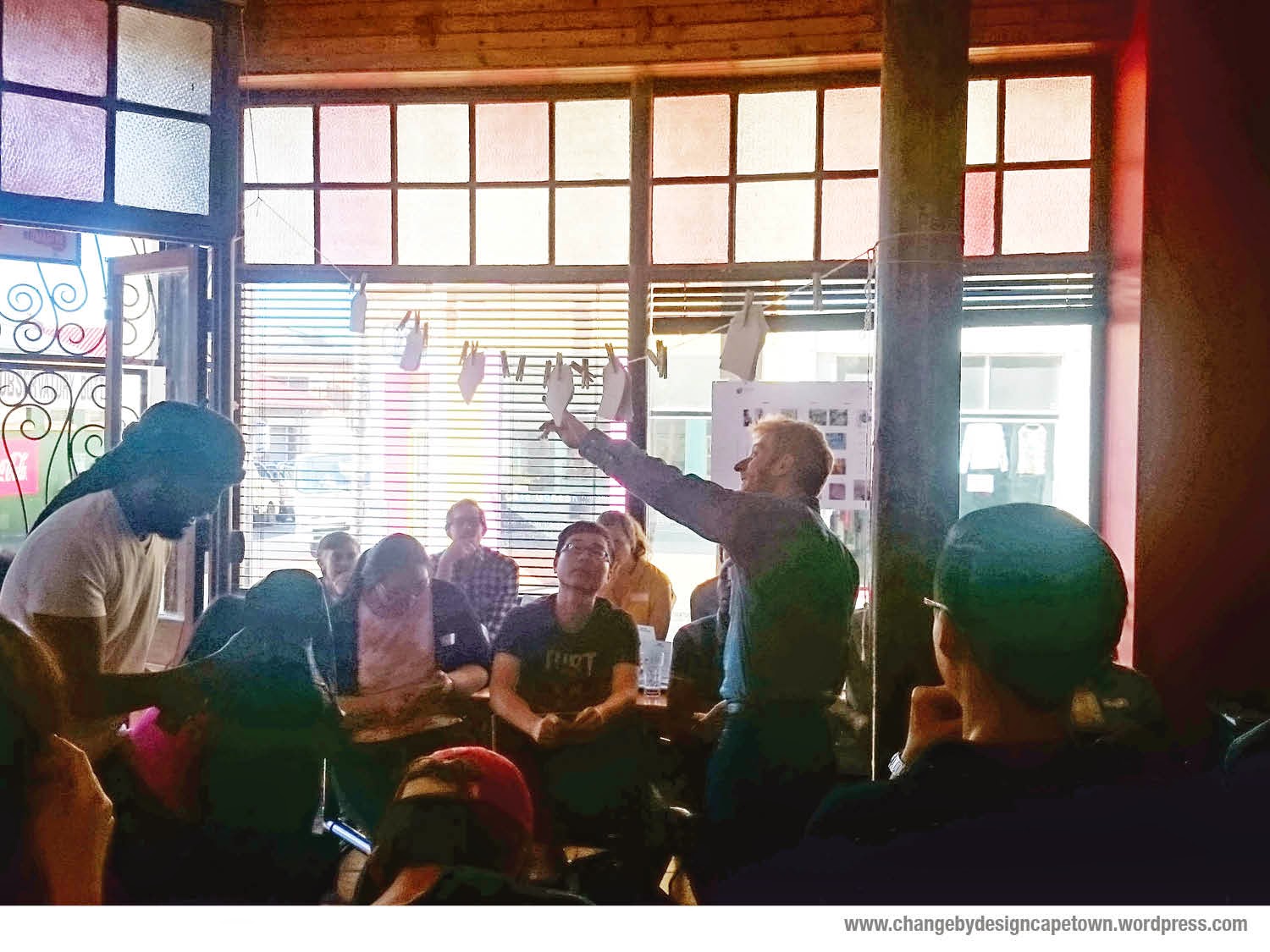
At this feedback session each local leadership group shared their findings from the workshop and hosted  a small game that was designed by the ASF workshop team as a means to not only share the feedback from each site, but build a dialogue between local leaders and the workshop participants which included City of Cape Town Officals, other NGO’s and other grassroots organisations.

Harvard GSD Research Facilitation in Durban

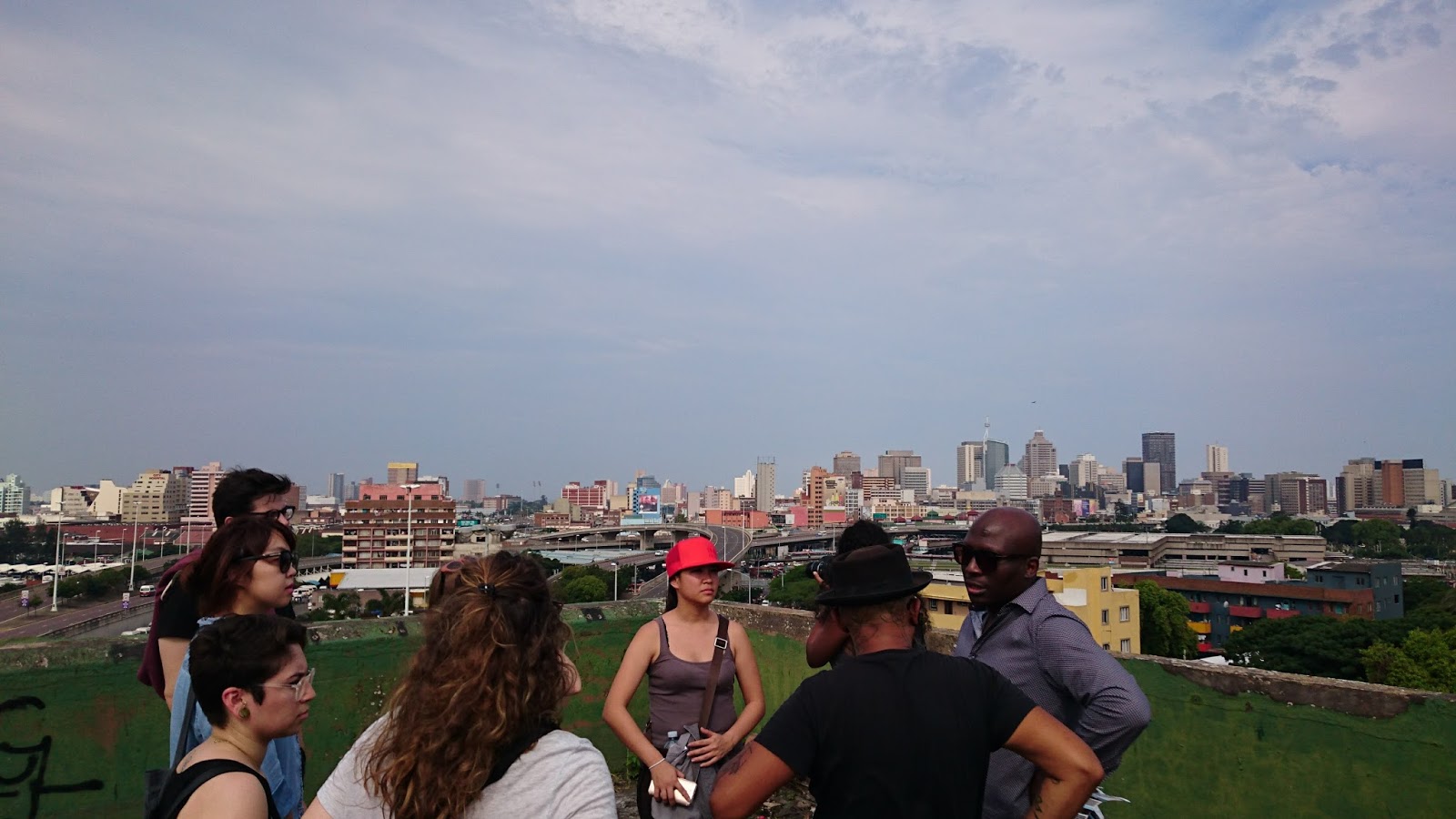
In 2017 Kunlé Adeyemi brought his African Water Cities Research project to Durban through his teaching post at Harvard’s Graduate School of Design. Through 1to1 – Agency of Engagement I managed and facilitated the logistics of the trip, and assisted in the guiding of the learning experience of Durban.
NLÉ is led by Kunlé Adeyemi, an architect, designer and ‘urbanist’ with a track record of conceiving and completing high profile, high quality projects internationally. His recent work includes ‘Makoko Floating School’, an innovative, prototype, floating structure located on the lagoon heart of Nigeria’s largest city, Lagos. This acclaimed project is part of an extensive research project – ‘African Water Cities’ (http://www.nleworks.com/team-member/kunle-adeyemi/)


I was assisted by Adheema Davis and our goal was to expose the students from Harvard to the broad complexities of Durban as an African City while also linking in as many local practitioners, students and organisations as was possible in the 1 week studio visit: UKZN Students, DUT Students, Beset Durban, Cameron Finnie, Mark Bellingan, Doung Jahangeer, Lindsey Busche, Tsidi Moahloli and Asiye eTafuleni to name a few.  We planned the events to offer maximum exposure for all students and even arranged an Archi-Speed Date between the different groups. The studio visit was additionally supported by Sumayya Valley and Mpho Matsipha.
A series of meetings, tours and discussions were planned for the week’s engagement.
BUILDING INDUSTRIES IN AFRICAN WATER CITES
 
“This studio explores the city of Durban to examine the challenges and opportunities presented by the impacts of urbanization in the social, physical, and environmental context of the African continent. The aim is to build industries–to produce a series of new architectural, infrastructural, and urban solutions learning from the local environment with a responsible infusion of relevant global values. Through documentation of international and regional practices, the studio will focus on Durban to investigate the city and its edge conditions, to understand its transformations and adaptations and socio political and economic dynamics.
The studio develops models of small to medium scale infrastructure interventions, scalable through locally managed industrial processes and technologies. In an increasingly globalized world, and particularly in the African context, a pedagogical aim of the studio is to also critically analyze the role of architecture, the architect, and forms of practice that offer sustainable values that shape and stimulate development in African cities and communities.
Starting with urban research, the studio will analyze Durban, South Africa based on seven registers: Demographics, Economy, Socio-politics, Infrastructure, Morphology, Environment and Resources (DESIMER). The studio will draw from NLÉ’s African Water Cities Project (AWC), which explores the impacts of urbanization and climate change in African cities and communities, deducing the fastest growing African cities are also some of the most vulnerable to climate change. Durban, a rapidly urbanizing coastal city, falls within the high to the extreme high-risk zones.
The studio team will visit Durban in the early phase of the research. Throughout the research and design phases, we will engage advisors in various disciplines to guide the DESIMER research and also establish relationships with local organizations, student groups, institutions, and partners in South Africa.
The outcomes of the studio will be presented at the New Solutions of the World Economic Forum on Africa taking place in Durban in May 2017. The goal is to escalate the research and design outcomes into real possibilities of prototyping and industrialization.
Kunlé Adeyemi, Aga Khan Design Critic”
Final Presentation of work for critique from local researchers and practitioners.
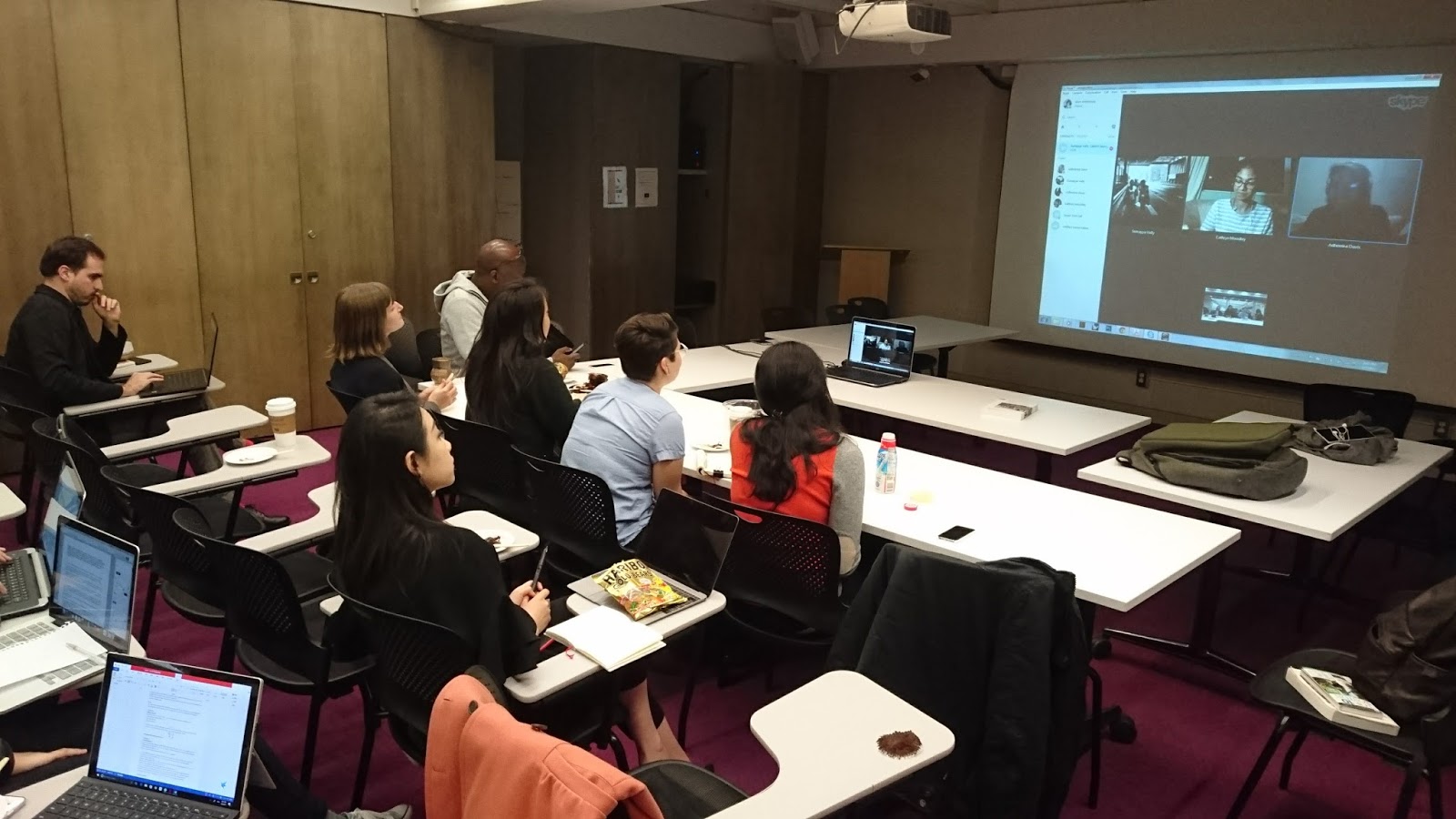
I was fortunate enough to secure funding to then attend the Design Crits in Harvard as a guest critic and support the student’s enquiries during my visit through a few desk crits at the Gund Hall as well as faciliate a skype crit between the South African students and the Harvard students.
Intercontinental student skype crit

Lukhanyo Socio-Technical Facilitation

The Lukhanyo Hub project seeks to develop a system of support to residents in marginalised areas of urban South Africa through programmatic and built infrastructure. The newly formed entity RCDC are currently working in the BT section of Khayalitsha by assisting local groups through a small scale farming and early childhood development programmes.

“Lukhanyo Hub in Site C, Khayelitsha is a new ‘catalytic’ model developed by RCDC to deliver affordable housing, high quality education, training, recreation programmes and health services alongside employment opportunities delivered through innovative buildings, energy systems and outdoor spaces in economically under-resourced areas.
The system is supported through public-private partnership creating an economically sustainable system through public-private partnerships. The overall system is being developed to be replicable in multiple contexts whilst being responsive and respectful of its context and adaptive to changing conditions over time.”  http://rcdcollective.com/
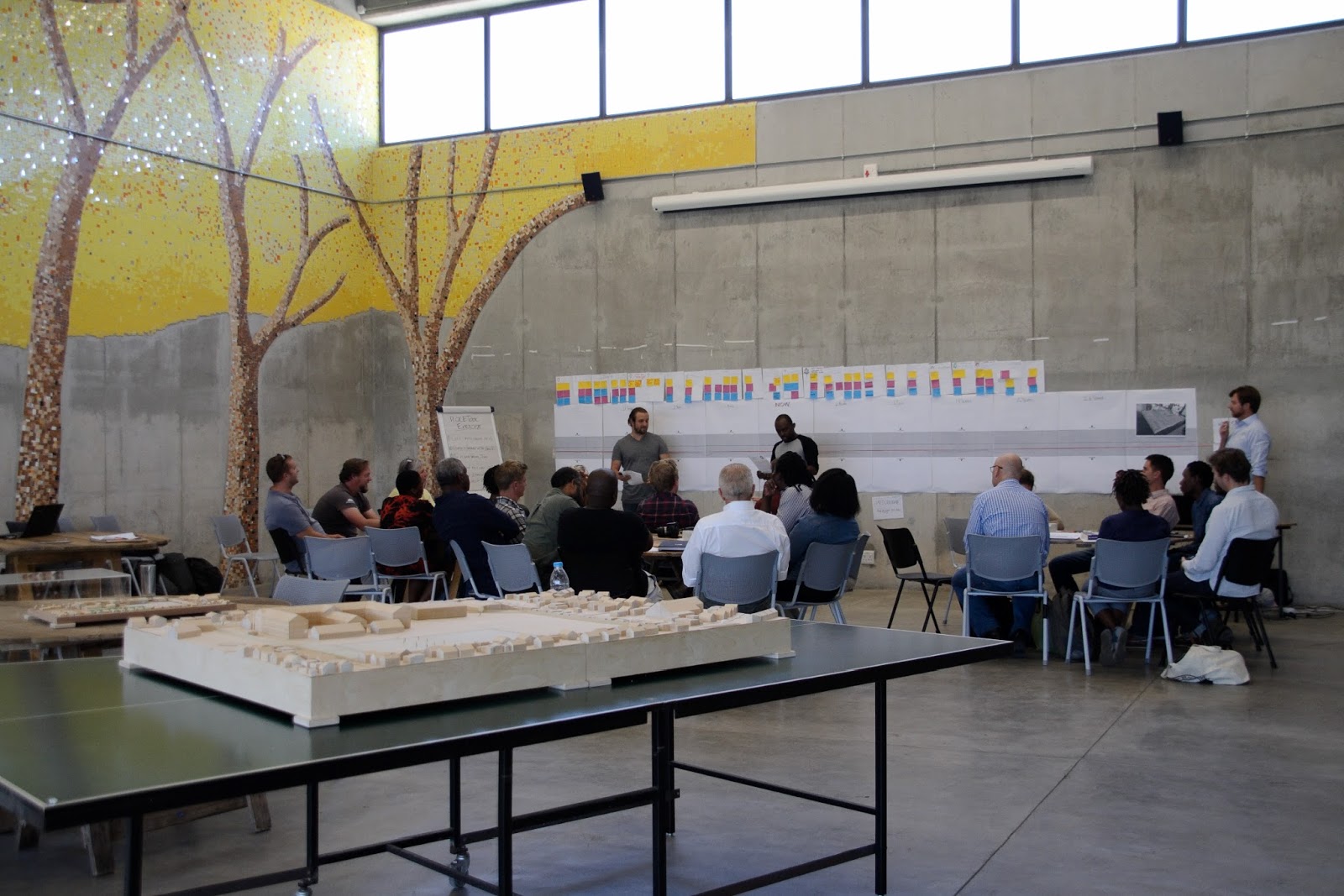
Through 1to1 , I was requested to support in the socio-technical development of a brief around what the Infrastructural requirements for support in the area should be. 1to1 worked with local planner and socio-technical expert Sizwe Mxobo and Natalia Tofas to host a 1 day workshop in order to co-produce a brief with the different stakeholder groups.
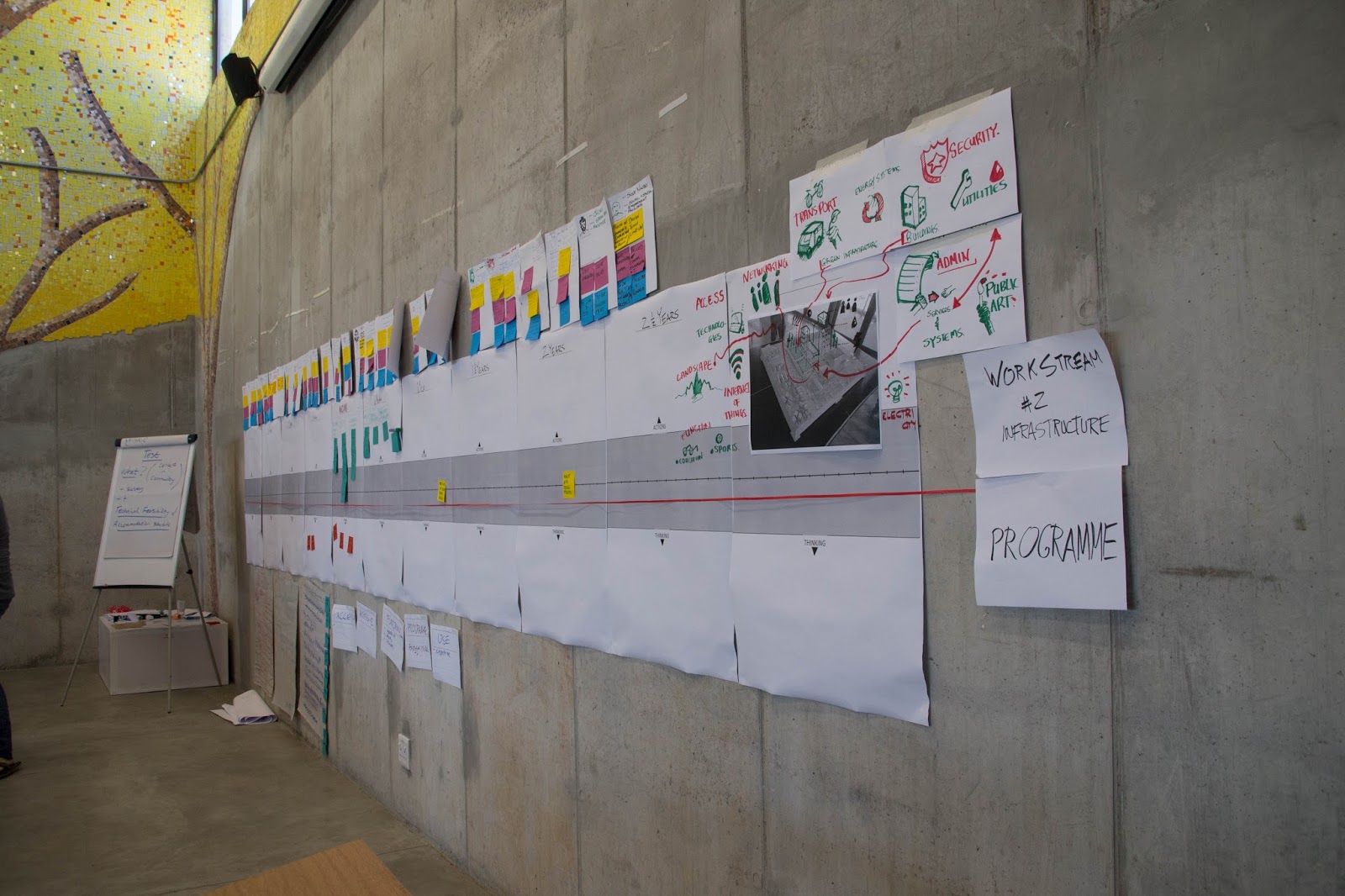
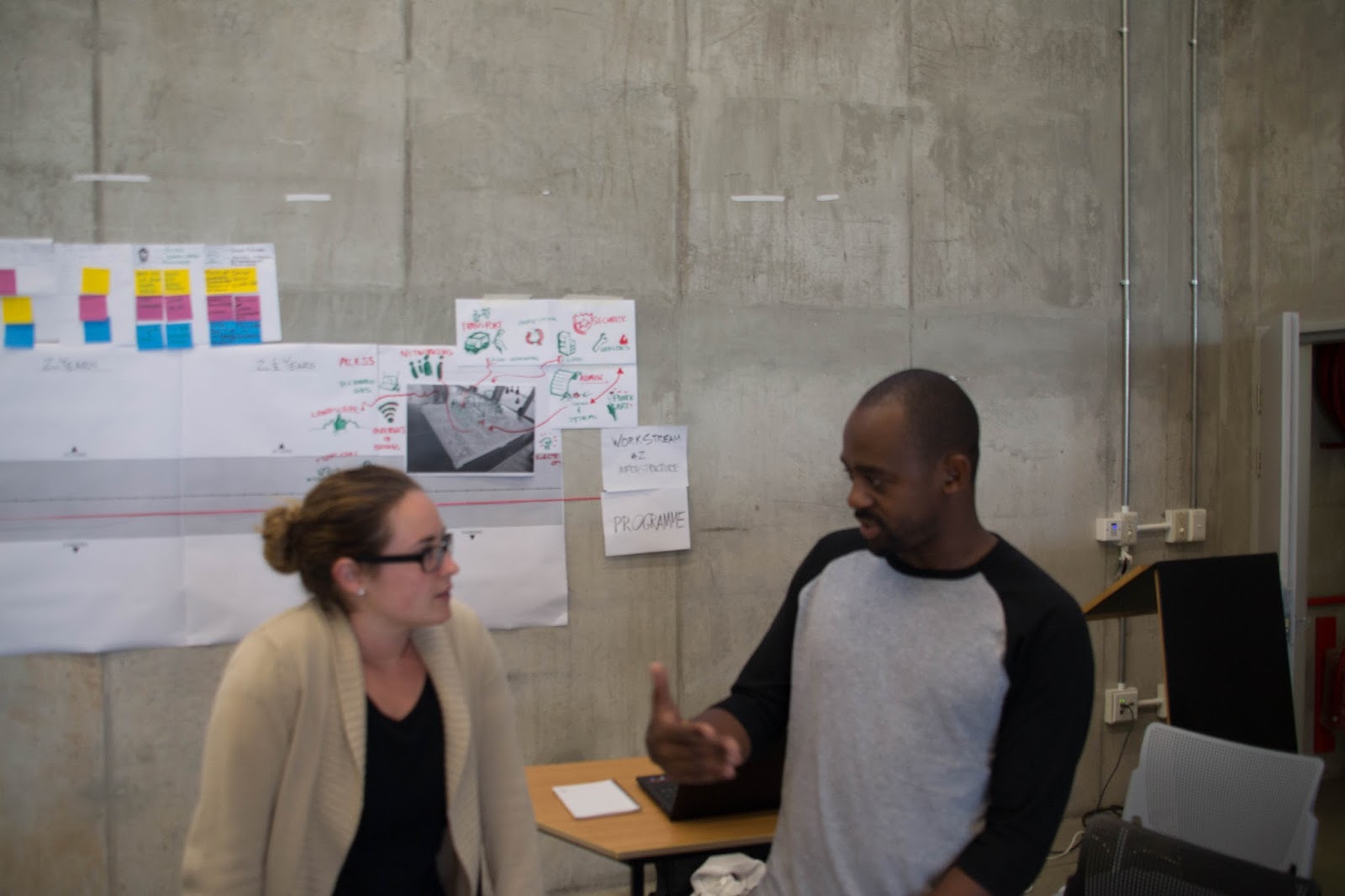
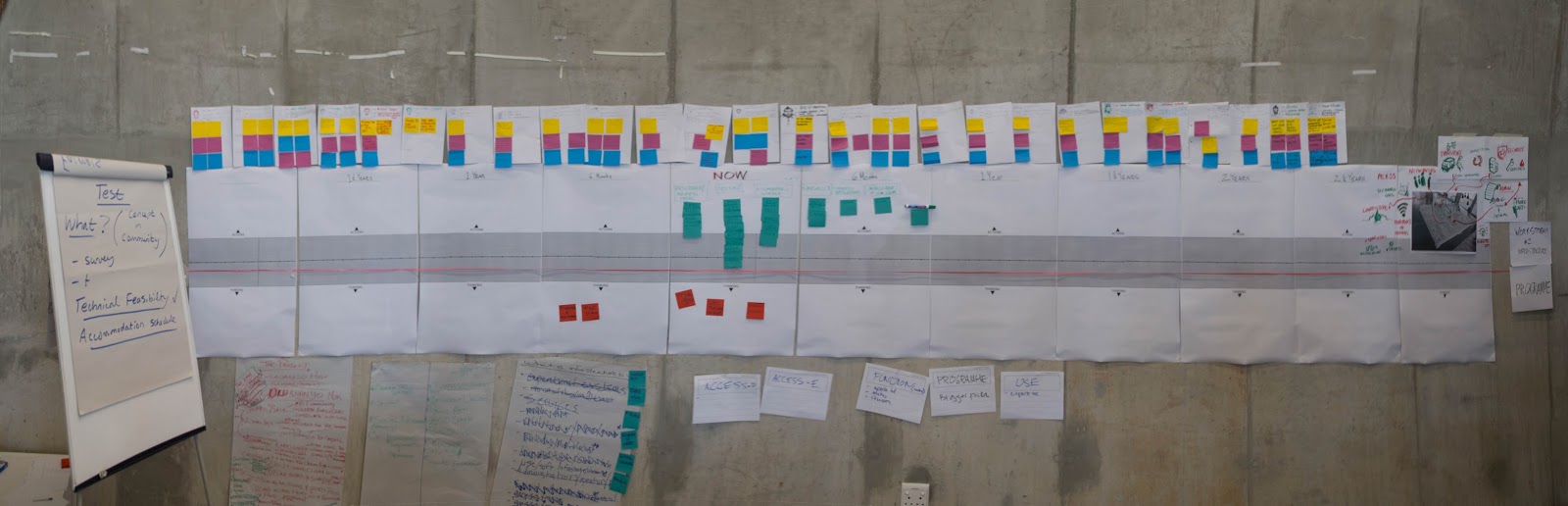
The team employed a facilitation tool developed by 1to1 that used the concept of  a timeline as a means to collect valuable information from what has already taken place on site and how the stakeholders see the future of the project.
The time line structure was supported with smaller toolsets that created a common and accessible language format for different types of people and supported visual and design thinking processes.

The tool was successfully used and due to it’s design has become the format from which future workshops, the documentation of the process and the Monitoring and Evaluation process will be used from.

Transforming Johannesburg: Kya Sands

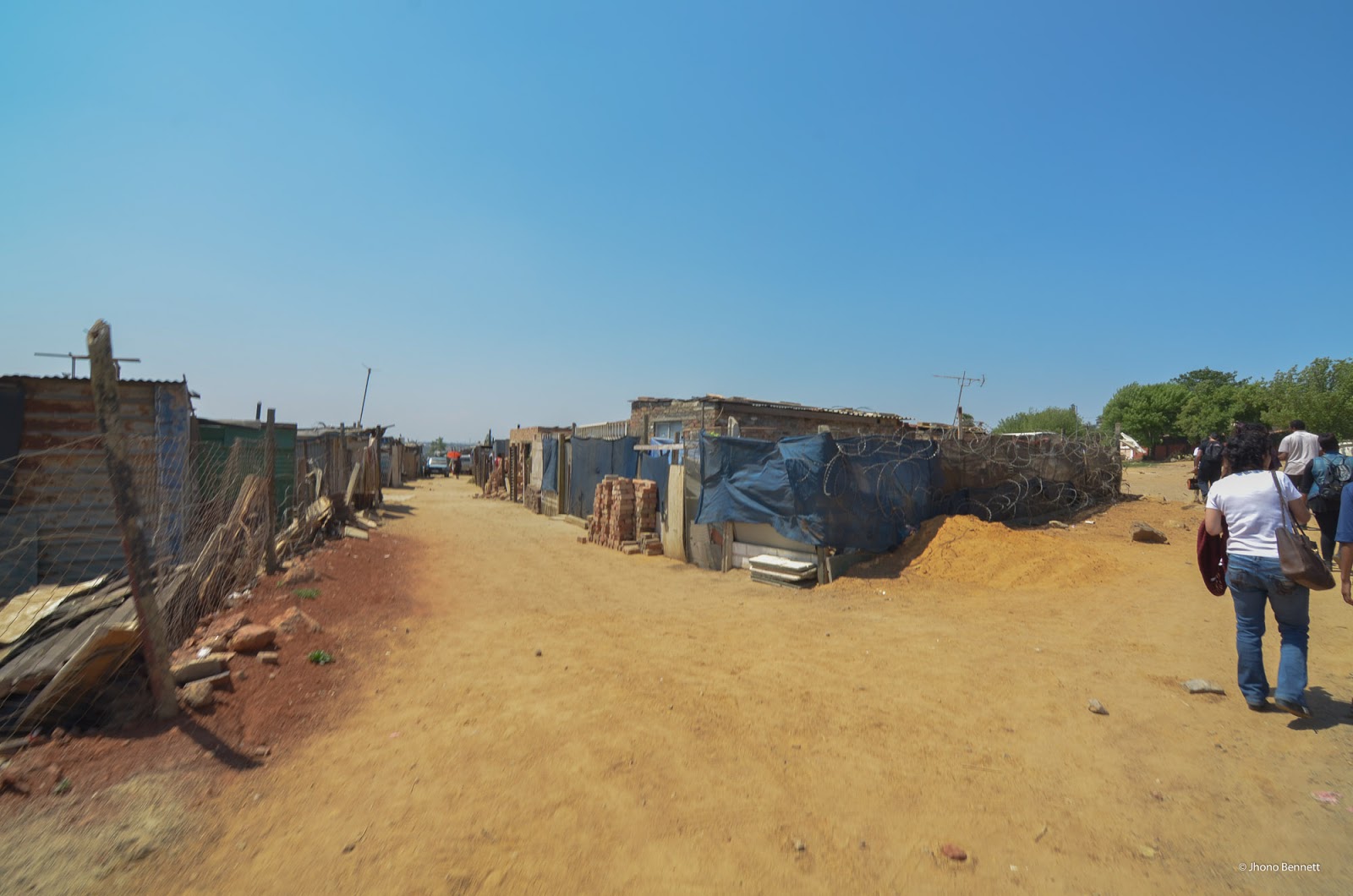
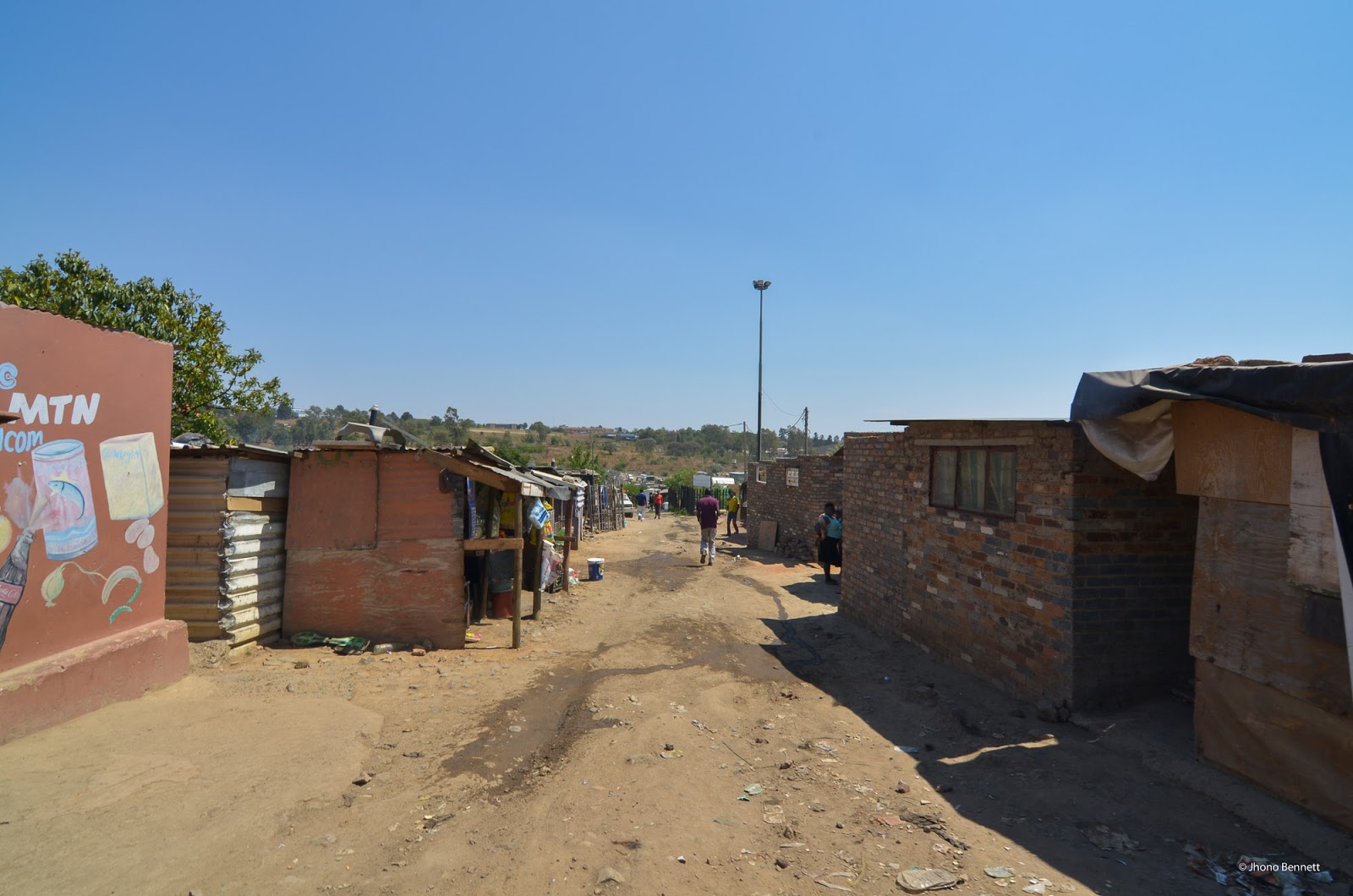
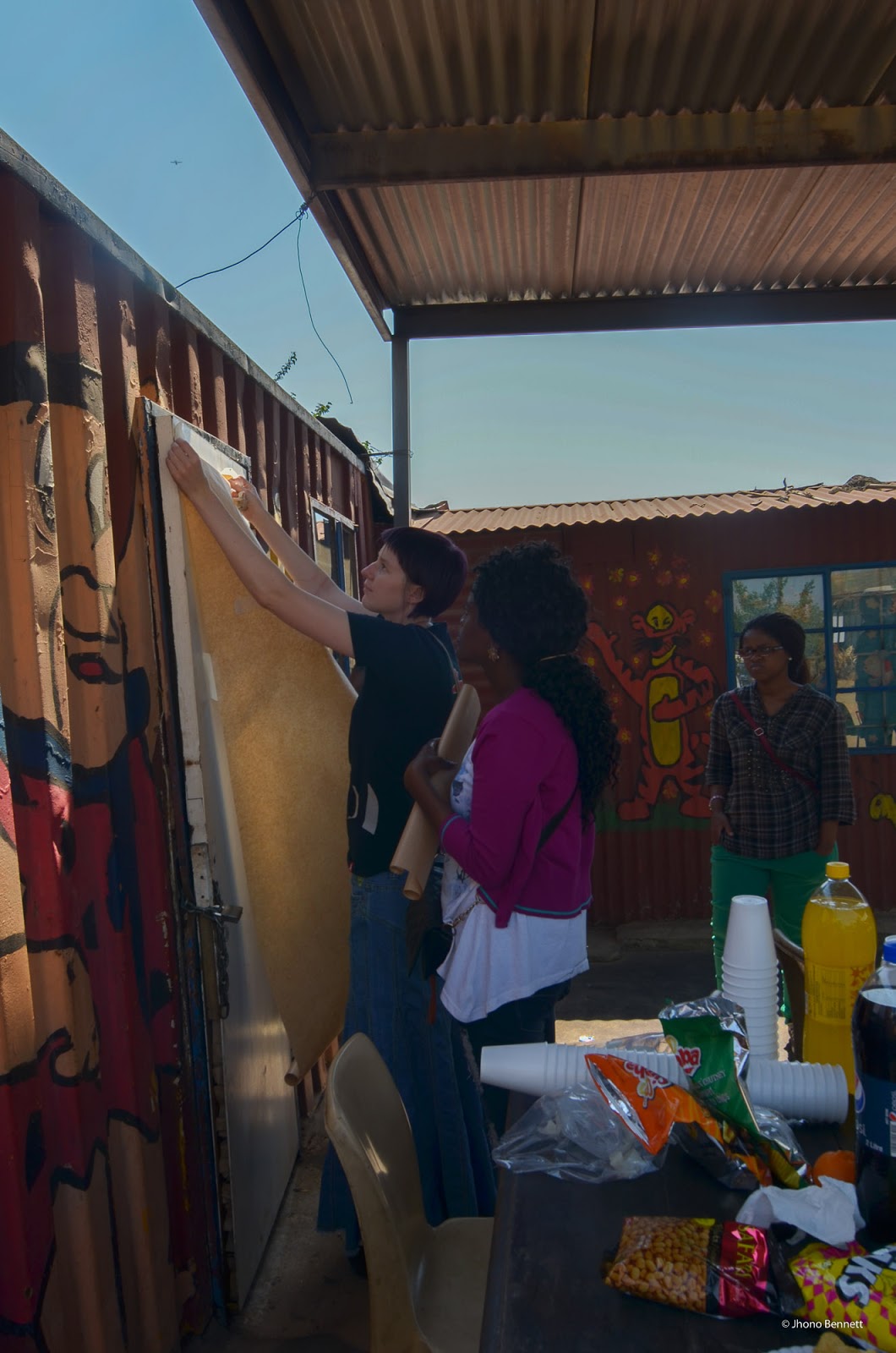
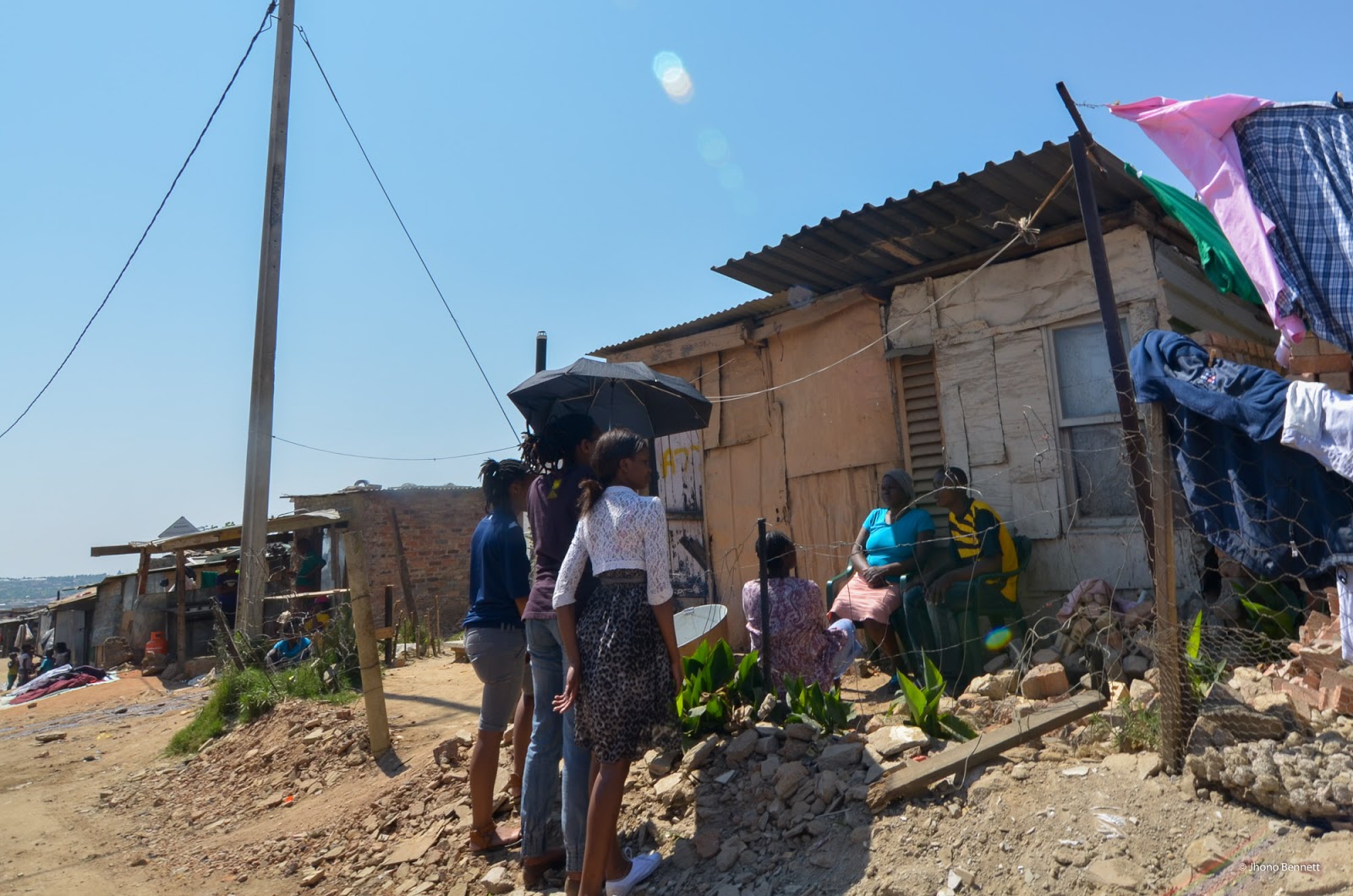
In early Costanza La Mantia invited myself and several other researchers, lecturres and practitioners to assist in the running of  a 10 day workshop in Johannesburg’s Kya Sands Informal Setttlement through a project named ‘Transforming Kya Sands’

The organisation team worked as facilitators on the project and guided the participants, made up of a mix of professional, government and students from South Africa and abroad, through the the difficult challenge of how to develop and meet the needs of the kya sands residents.

My group was looking at public space and how it would be addressed in the larger project development. The project is still being published and will be shareable soon.

This project was linked to my ealrier teaching with Costanza at Wits in the Planning School:

http://www.jhonobennett.com/2014/09/teaching-university-of-witwatersrand.html

Designing Inclusion Summer School: Guayaquil, Ecaudor

I was fortunate enough to be selected for the scholarship programme to attend the 2015 Designing Inclusion Summer School in Gauyaquil, Ecuador by KV Leuven in conjunction with the local University of Guayaquil.

The Summer School aimed to expose participants to the complexity of working within Guayaquil’s current development phase while attending public lectures and classes on ecological urbanism by several keynote speakers and panellists.
The workshop sought to use design as a tool to mitigate the difficulty of the government programmes to protect the ecological systems of Guayaquil while engaging with economically, environmentally and socially vulnerable groups of people who live in close proximity to such systems.

This summer school aims to provide professionals engaged in environmental planning and urban development with the critical tools to design and manage an integrated provision of both housing and ecological infrastructure. Its goals are premised on the lack of scalar integration and participatory planning in the implementation of large-scale and capital-intensive ecological mega-projects in the global South – and in Ecuador more particularly. Indeed, the emergence of ecological mega-projects in the global South is undeniable.

Their implementation in the context of rapid growth, consolidated self-building practices and increasing inequality holds innumerable threats to equitable urban development. Co-producing ecological urbanism for inclusive city transformation is therefore an essential skill for engendering meaningful social and physical change. With the ‘global city’ discourse strongly impacting on the governance of urban eco-restoration and residential developments in many cities, the delineation of alternative ecological management strategies and housing typologies remains largely neglected.

In Ecuador, the Buen Vivir concept has bred many promises to promote alternative forms of development and spread well-being across the country’s human settlements. In line with this agenda, Ecuador’s largest city and port has been subject to significant transformations, out of which the most prominent is the Guayaquil Ecologico.

University of Guayaquil
The first few days were spent on several immersive site visits to explore the Guayaquil Ecologico.  projects and subsequent public spaces that emerged from such initiatives.
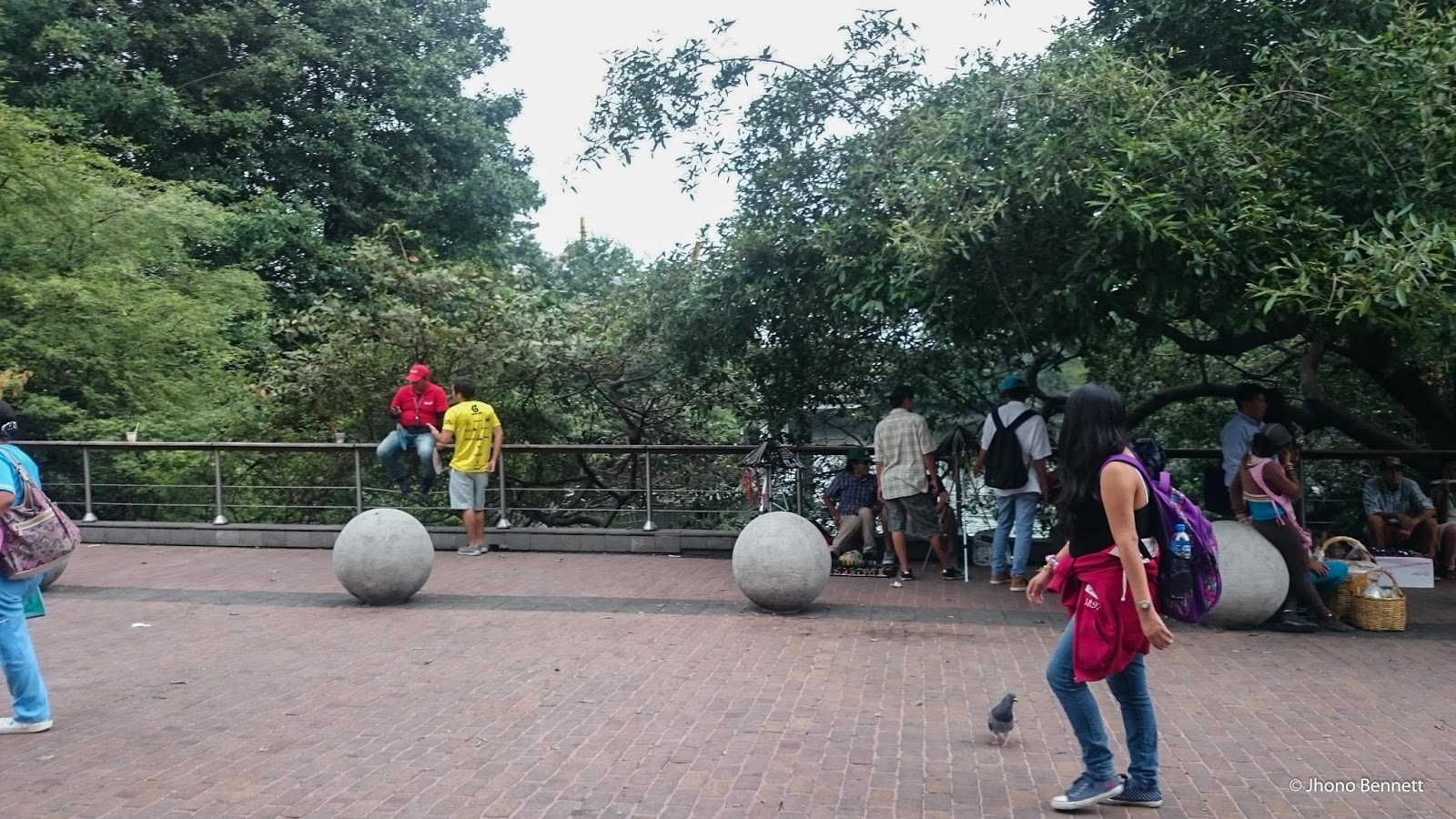
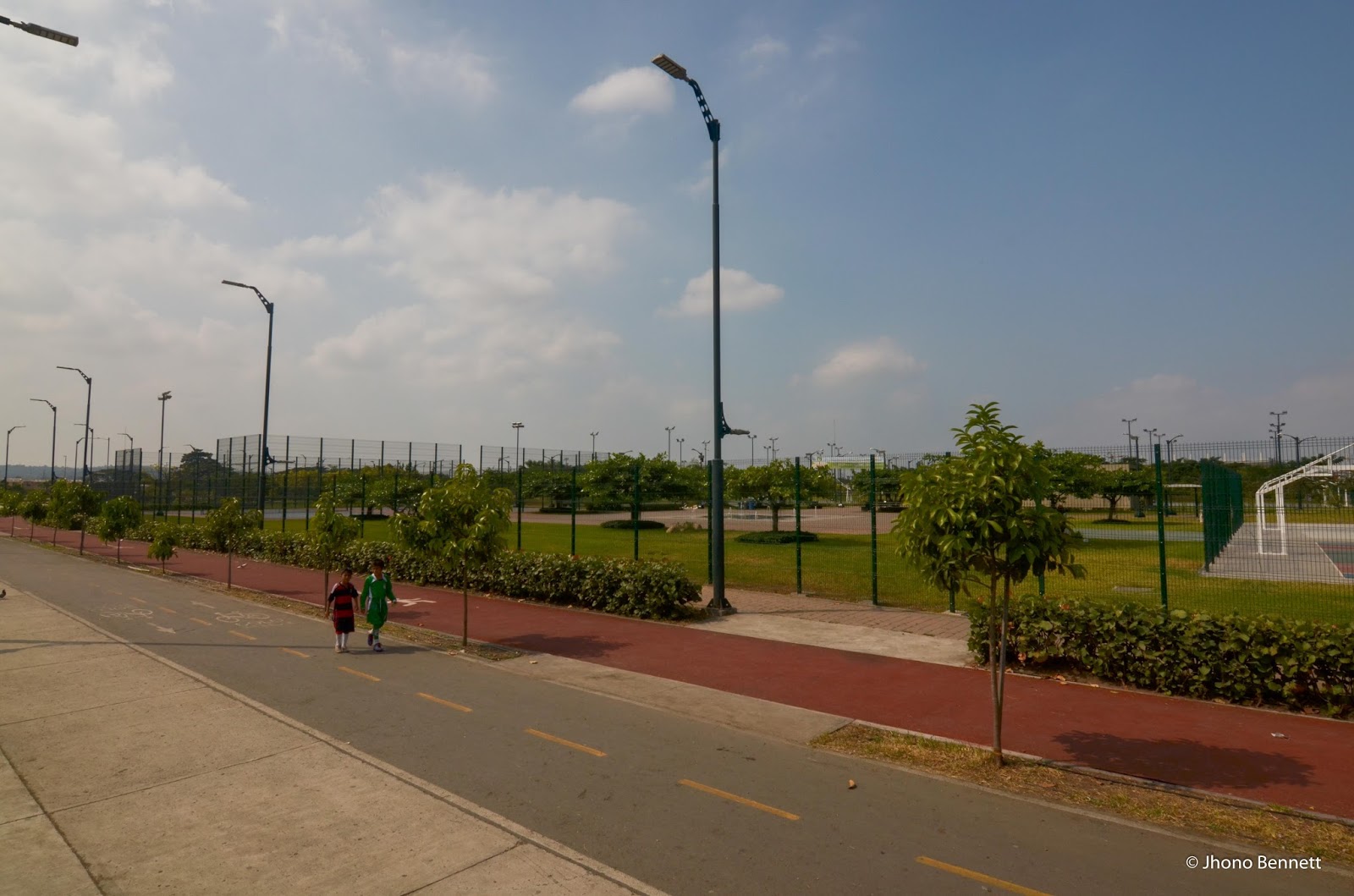
Heavily controlled ‘public space
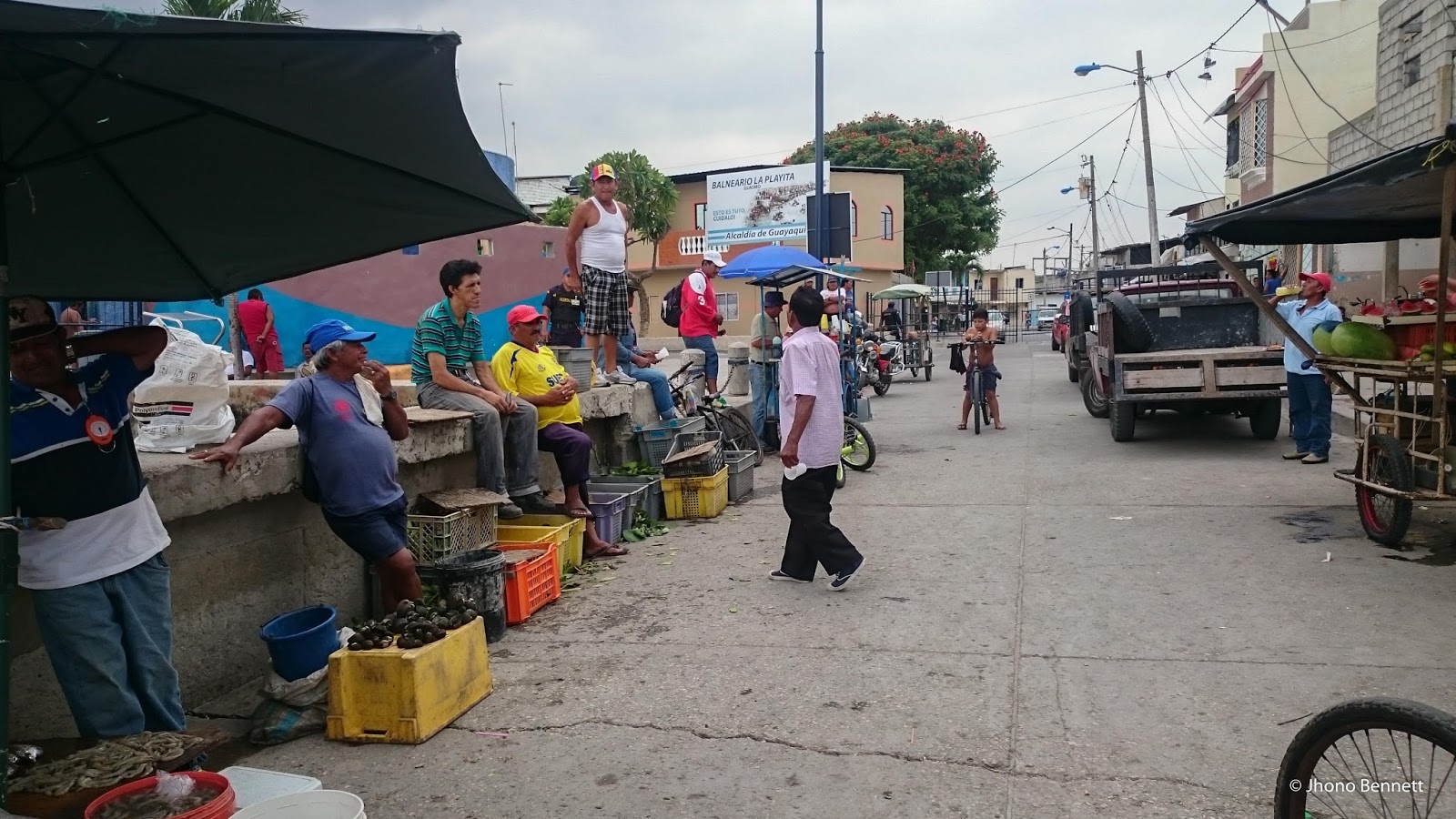
Market Traders strictly controlled in such public spaces
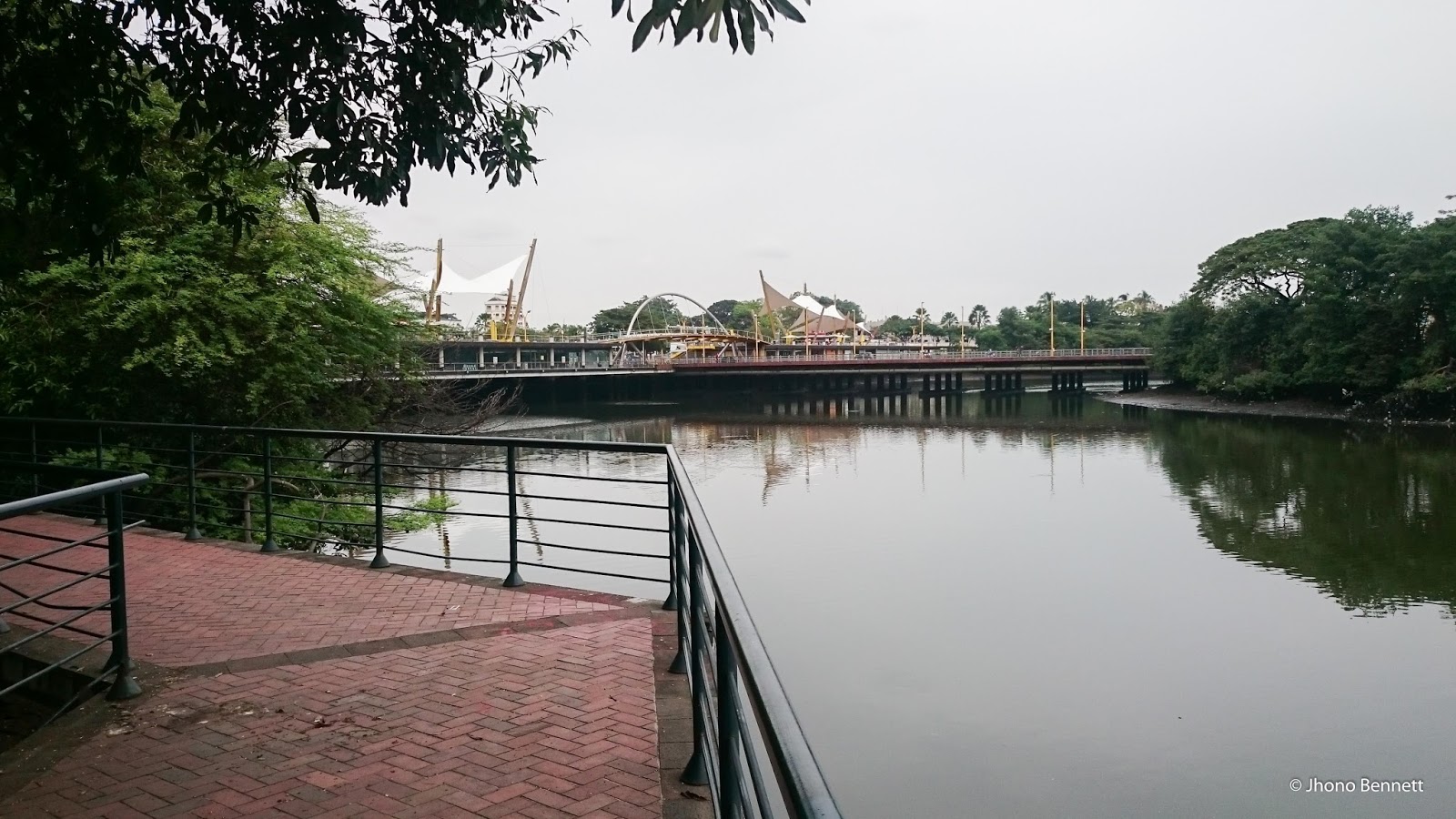
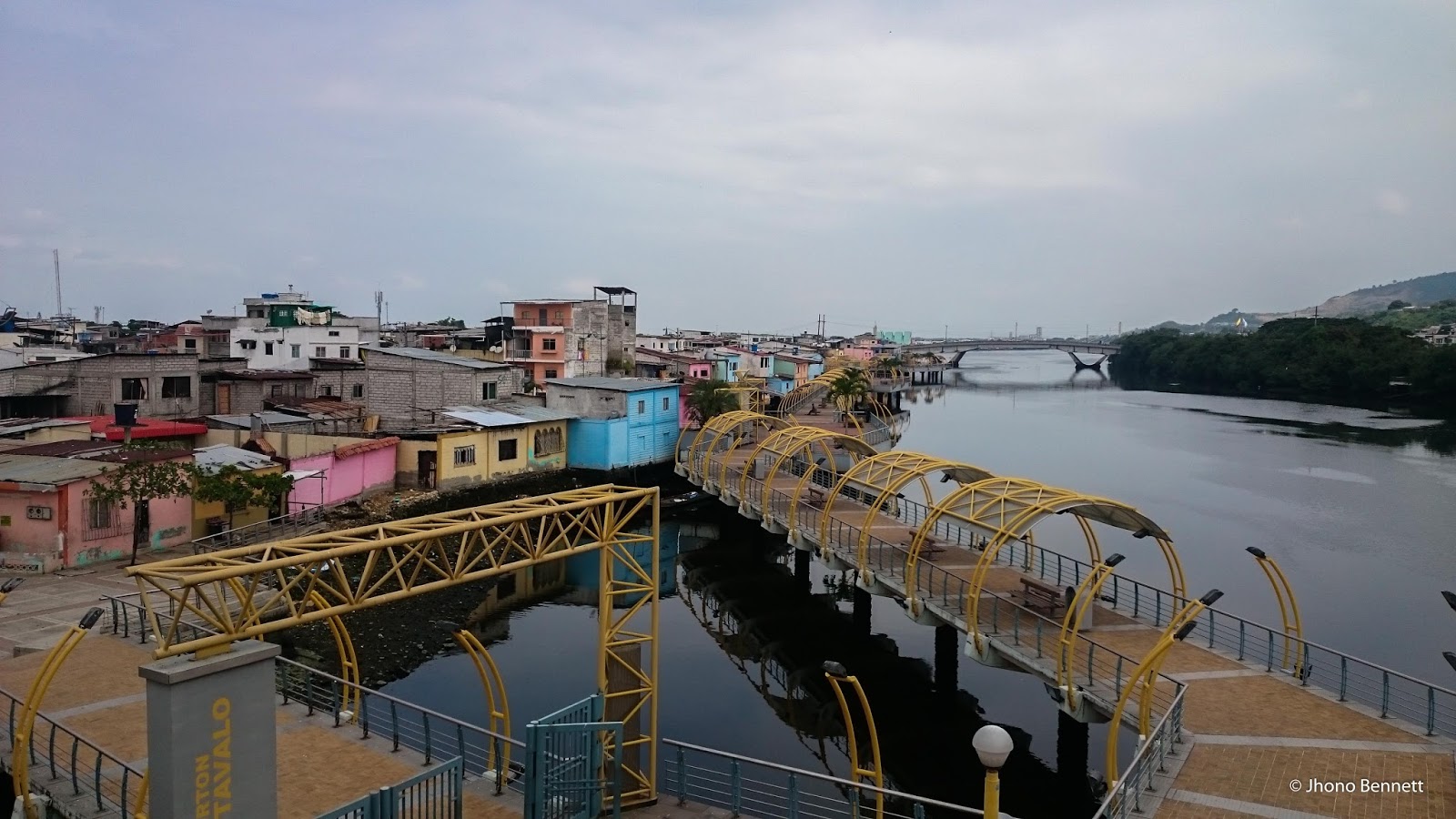
The Malecon (waterfront) project near the historical sector of Guaqyuil
Guayquil Relocation settlements (RDP)
Public Spaces in Guaqyuil are seen more in Shopping Center’s (Similar to RSA)
Gated Communities are as common as in Johannesburg and prolific on the city edges.
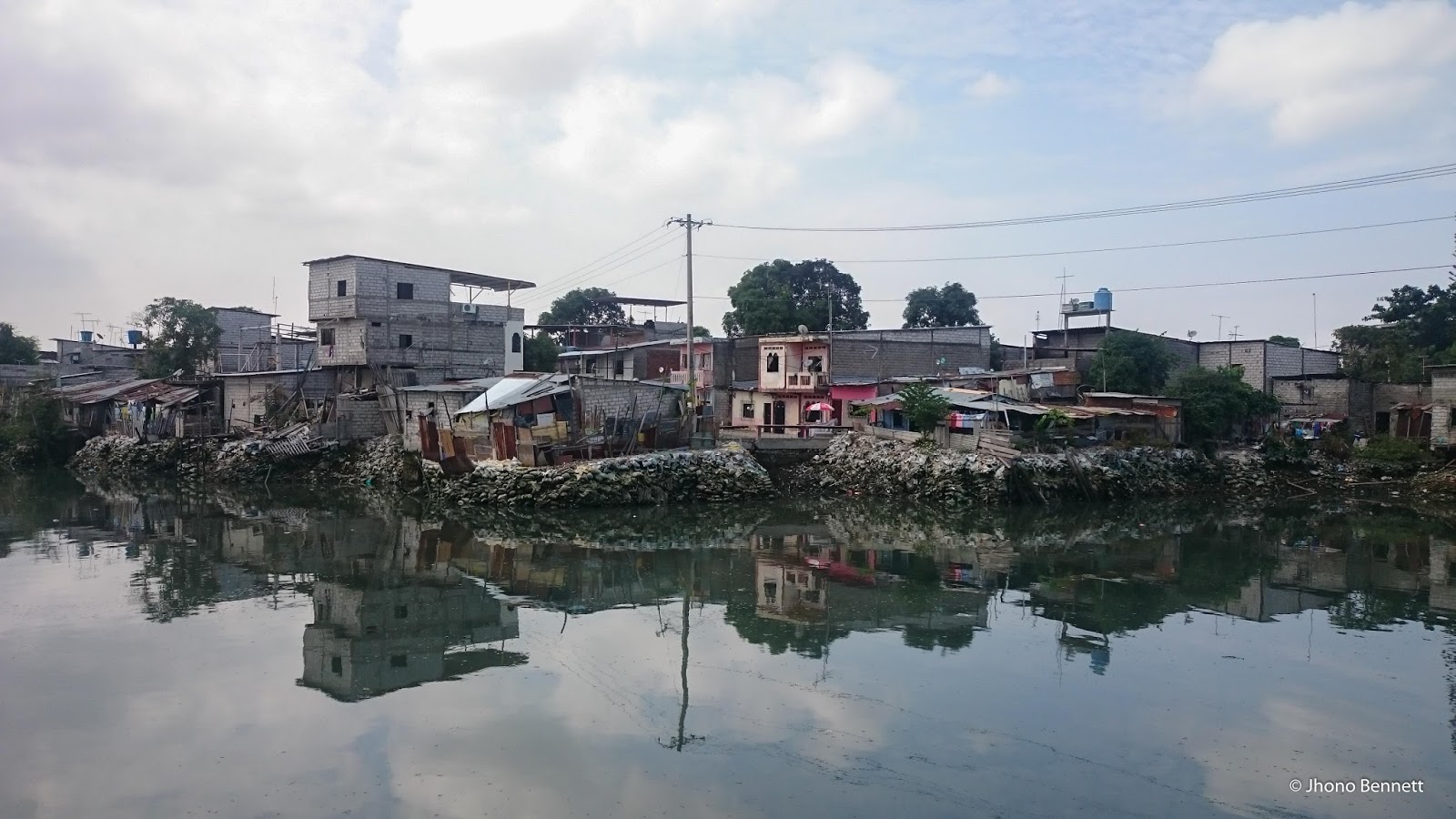
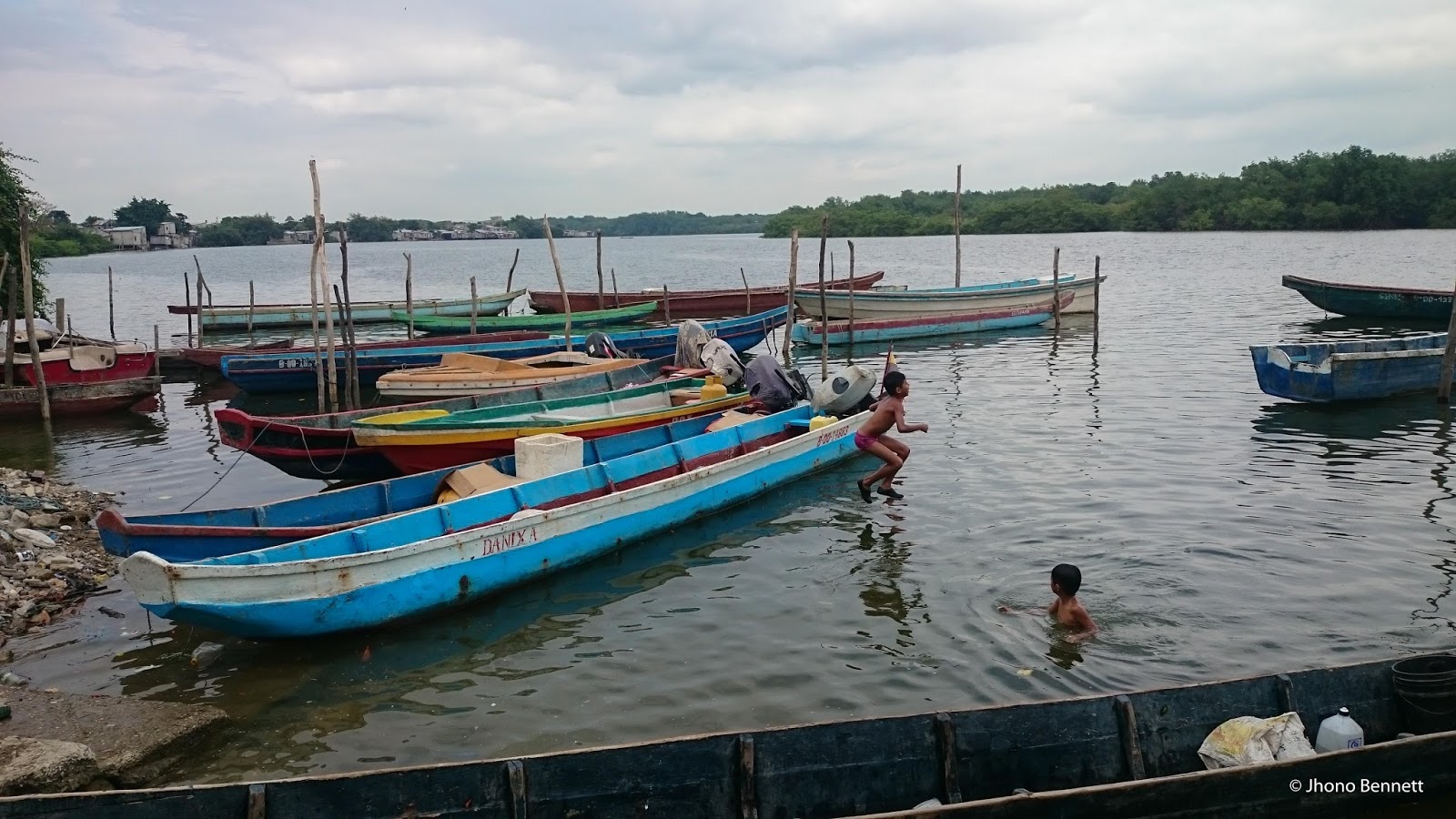
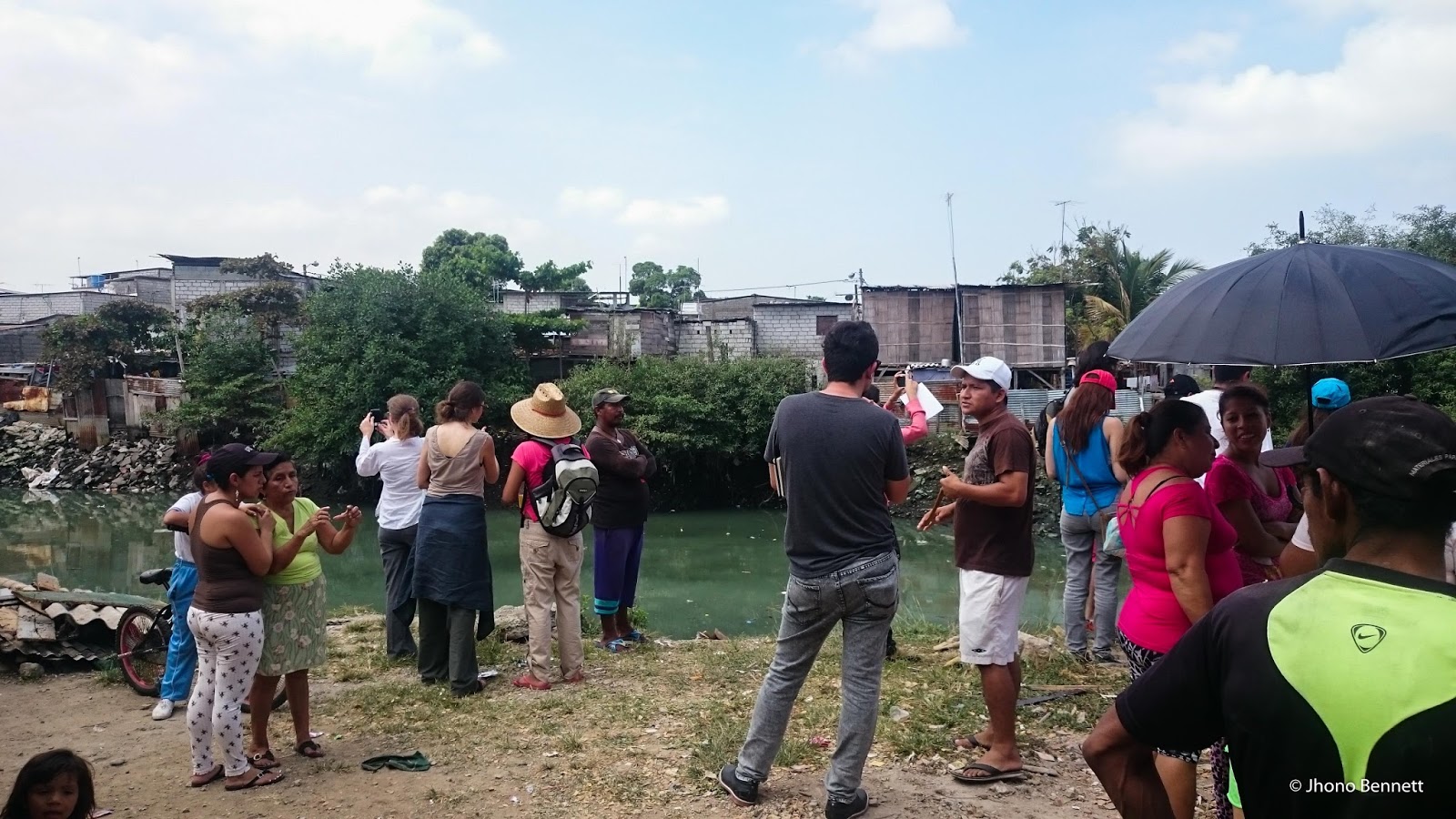
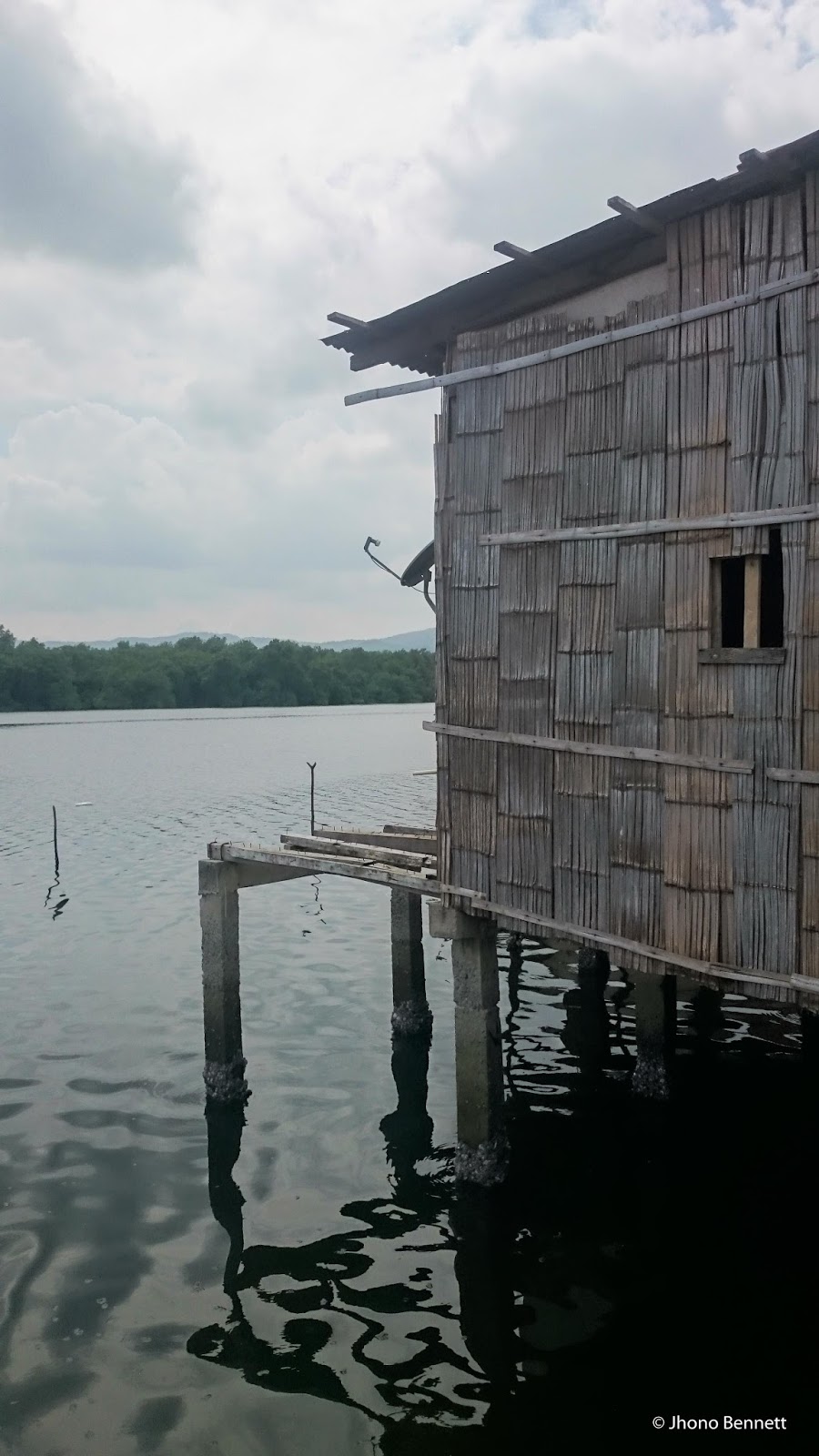
Environmentally vulnerable residents of the river edges
Evicted residents, pressure put on by government and local developers
Some public spaces work better than others
Such as this heavily controlled ‘public park’
Fisherman’s livelihoods were most crucially affected by the issues of urbanisation, and predicted climate change
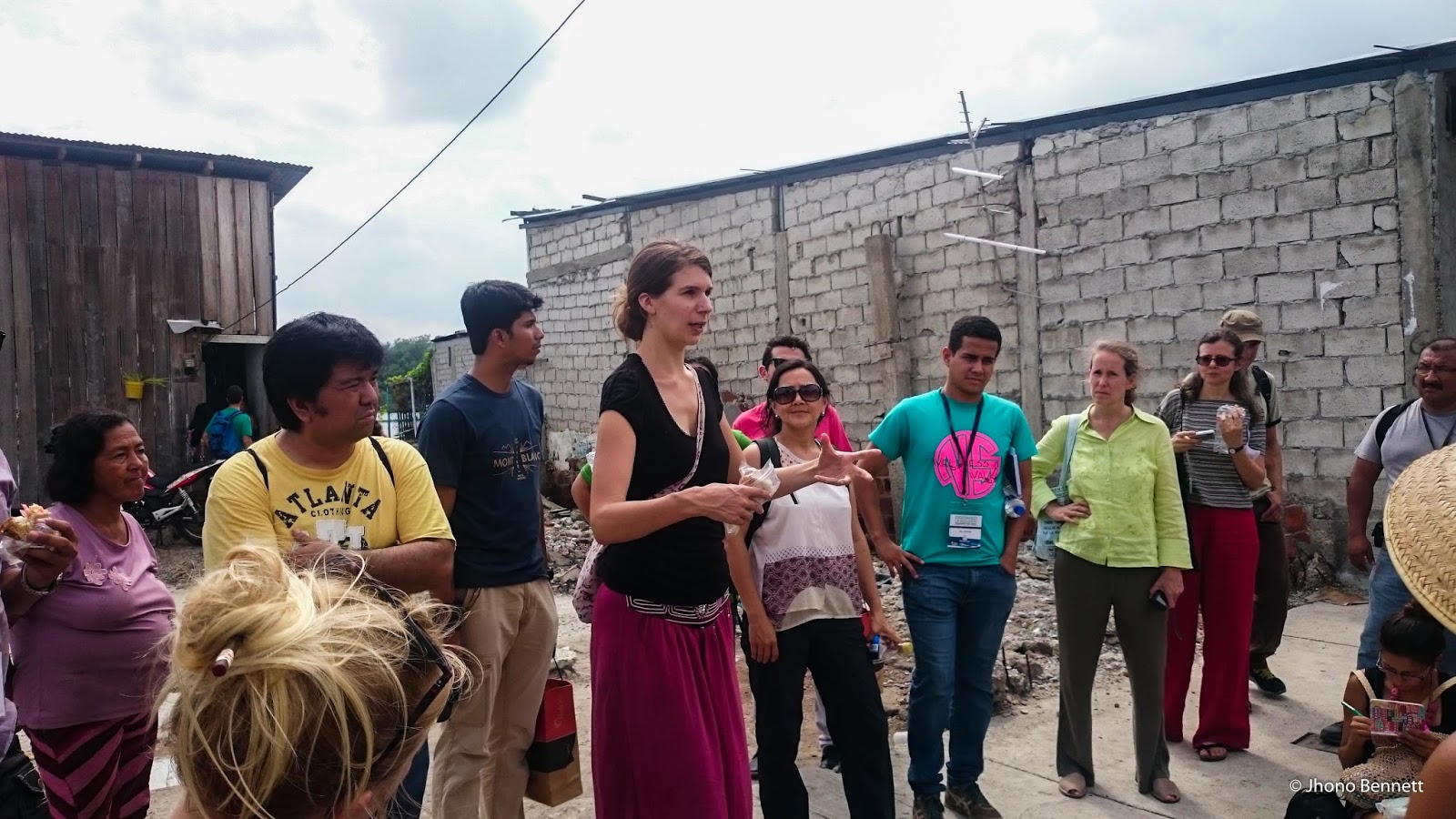
Local residents took us around their neighbourhoods
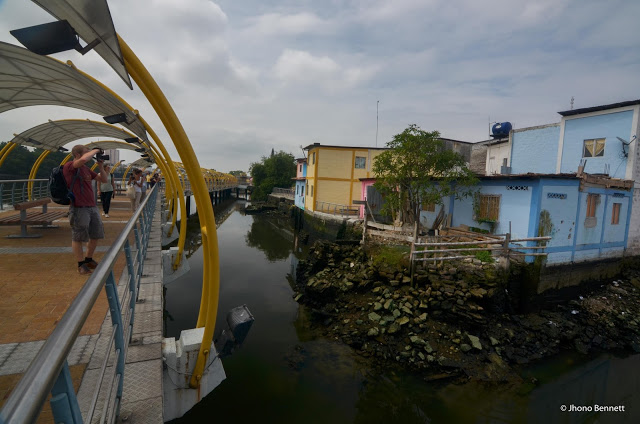
A ‘public space’project that sought to create better waterfront space
residents were encouraged to paint their houses to look ‘nicer’
The separation of waterfront from the neighbourhood was very clear.
Each day was spent either on field or in intense lectures and presentations, ending normally around 8pm. The organisers arranged special headsets for translation between English and Spanish.
Tramos 8
 
After the initial site visits and lectures, we were assigned various sites and into groups to begin working with the residents of facing immediate threats of eviction and climate change.
 
Our group working with the local community leader, an advocate and activist.
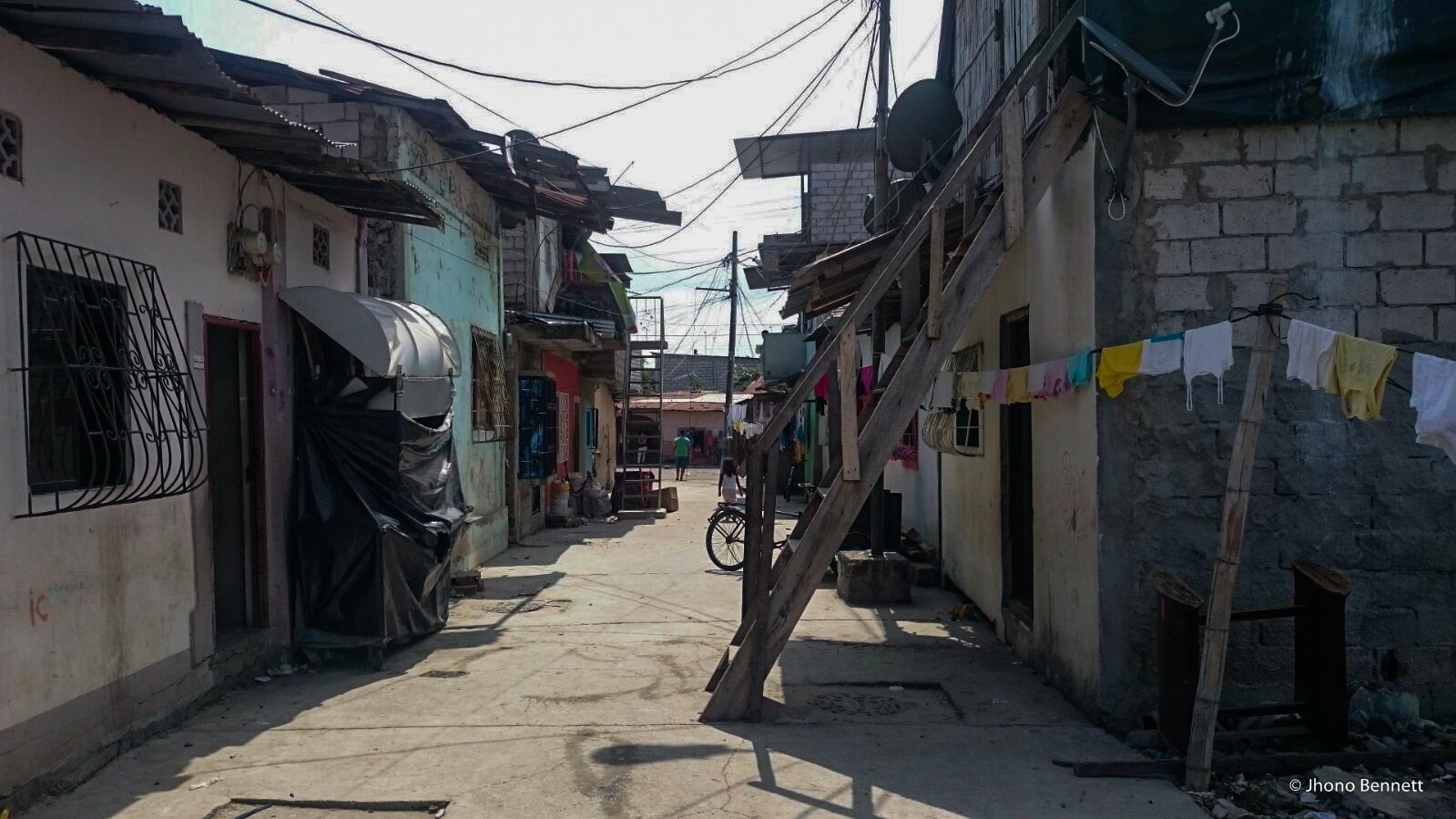
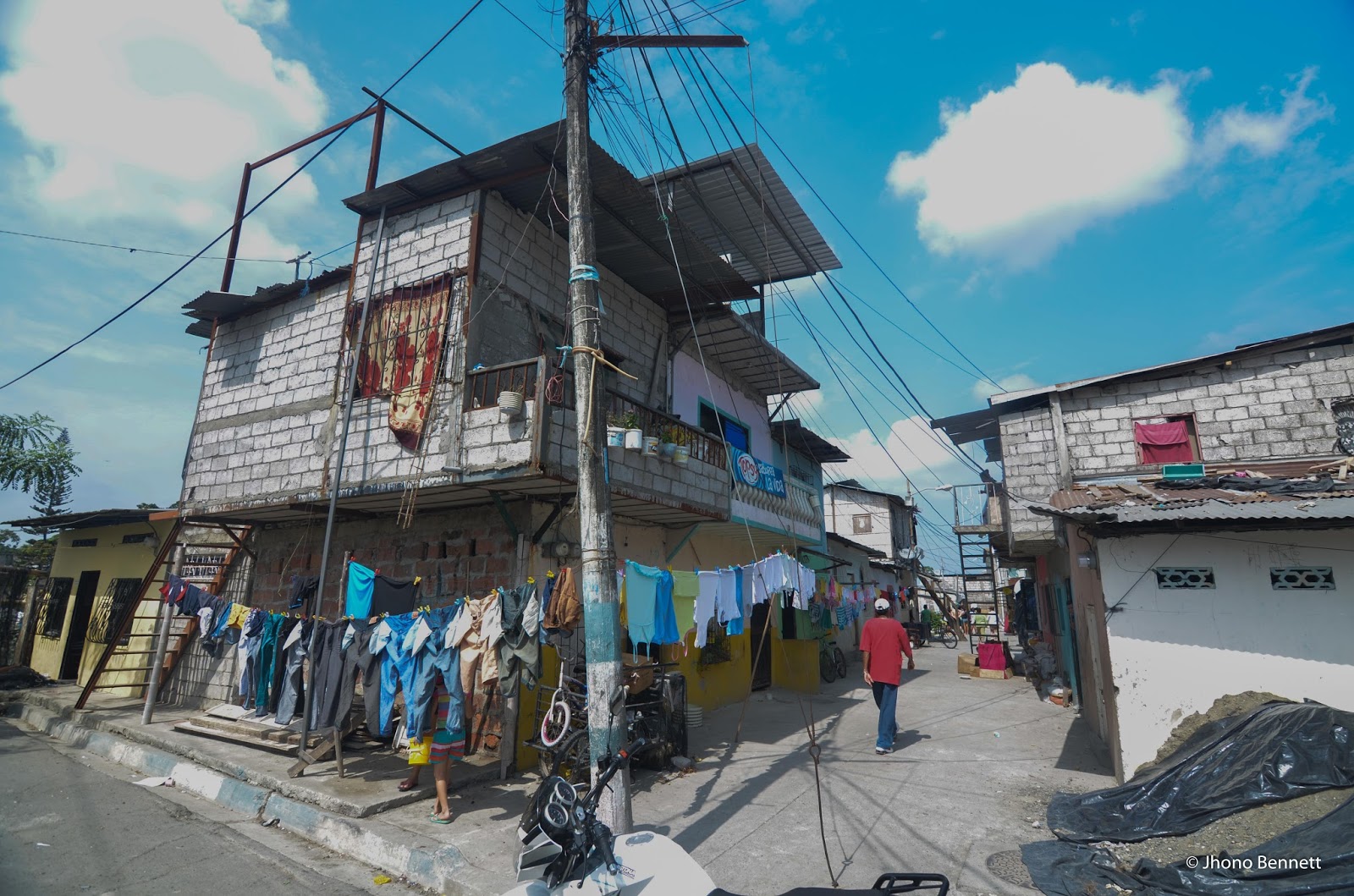
Various housing conditions
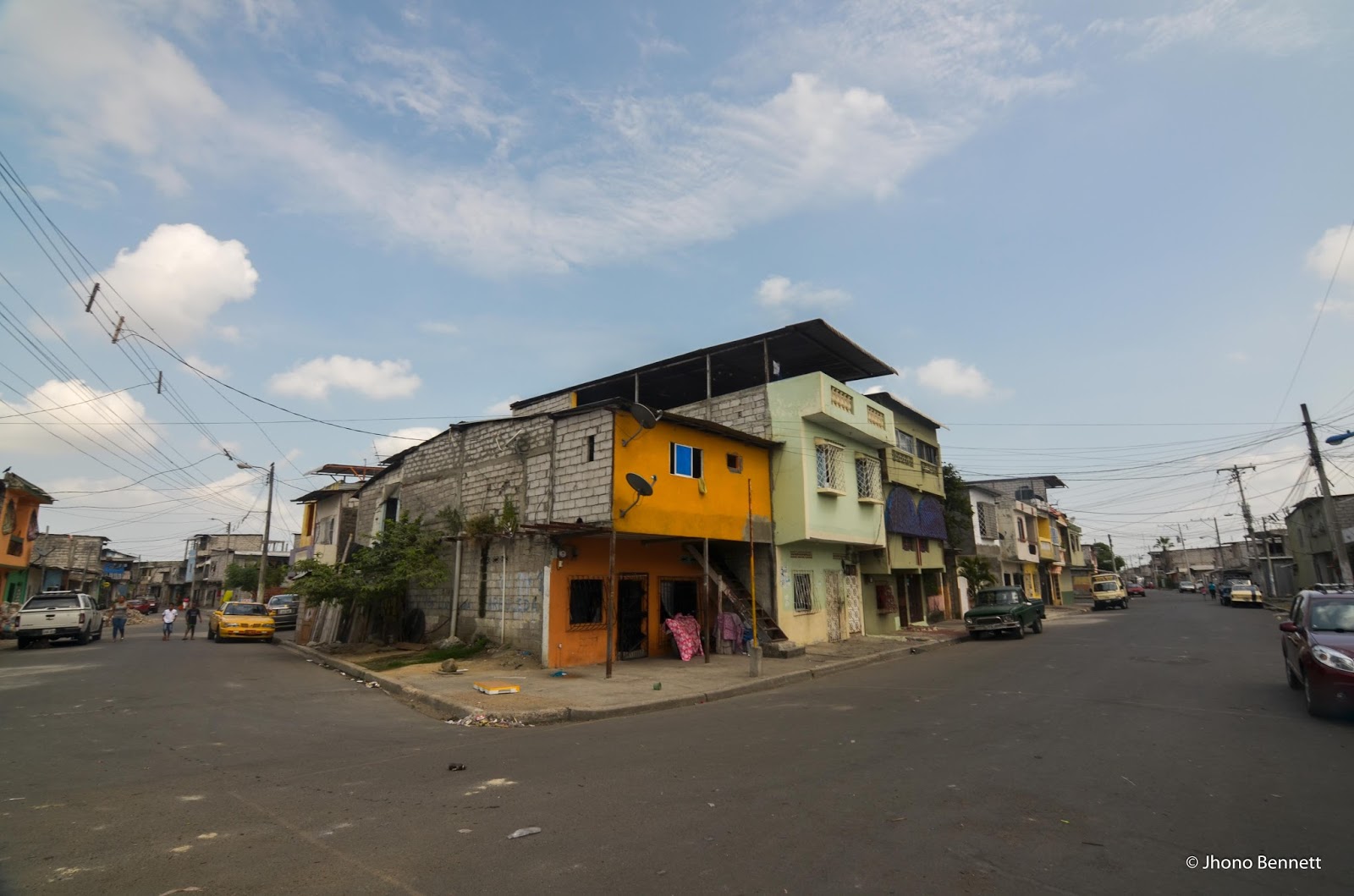
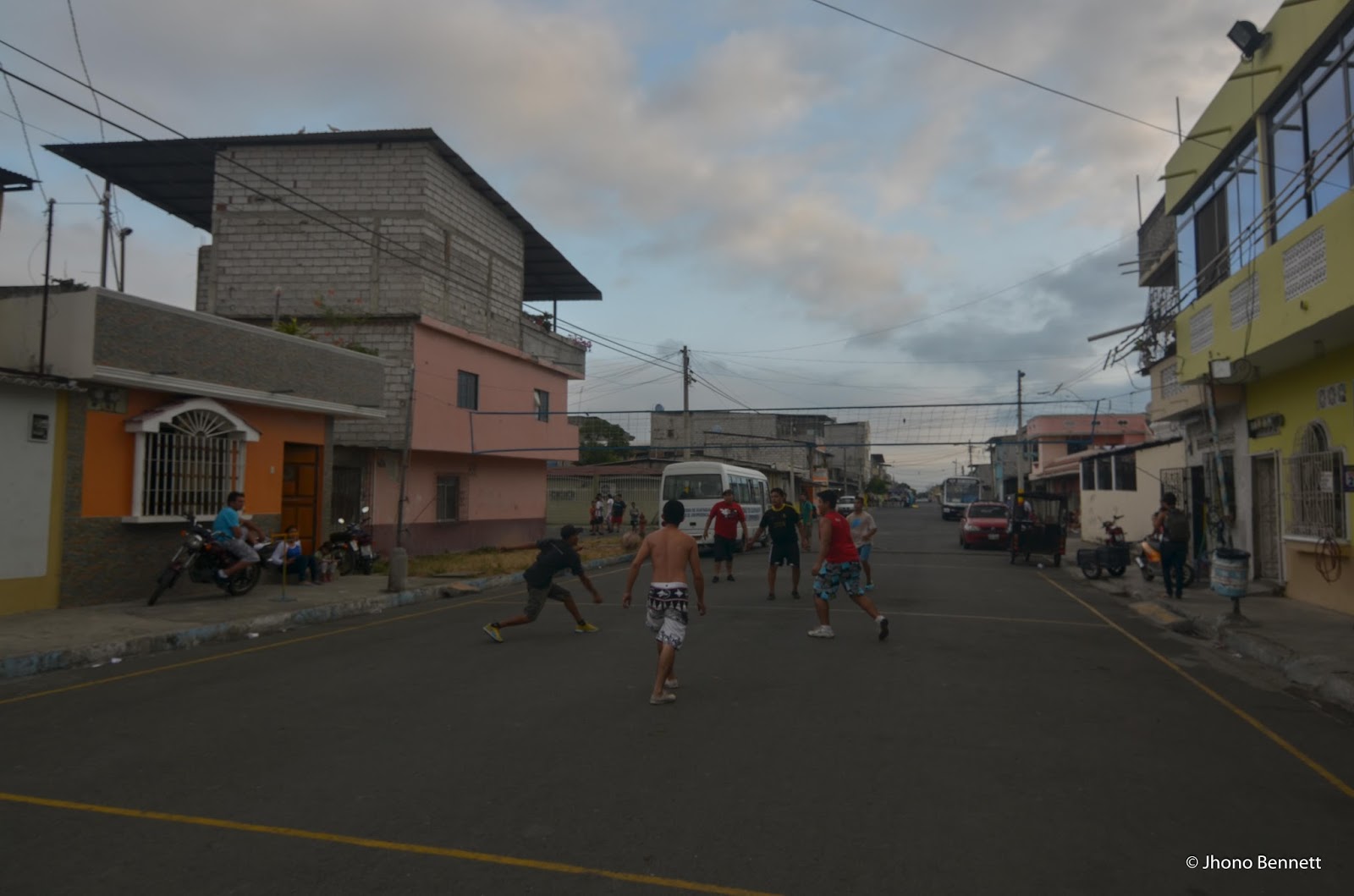
Public spaces in streets change daily
The proximity to the river was a health and security risk to some, but a livelihood to others
Construction typologies varied massively
Local residents took us around explaining in detail the various challenges faced

A local architect had been commissioned to design a vision of little Venice that the residents of  Tramos 8 were pushing local government for
The work
 
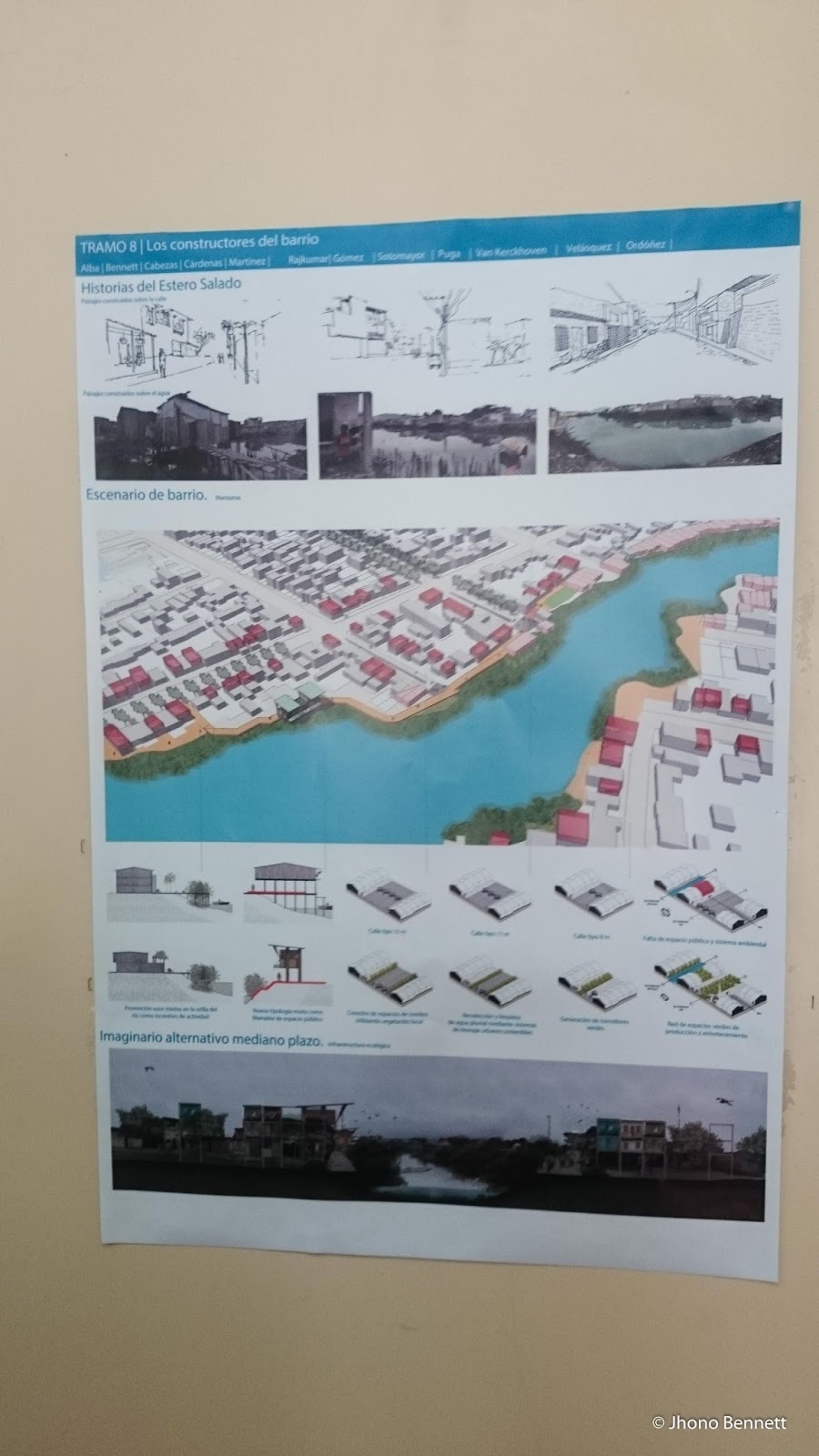
Our task was to take the immersive research done with residents and transform their needs and vision into a set of design strategies that took into account climate change, a relationship to ecological systems while addressing the complex social and economic factors of the people of Tramos 8.
The rest of the workshop focused on similar tasks in different areas across Gauyaquil.
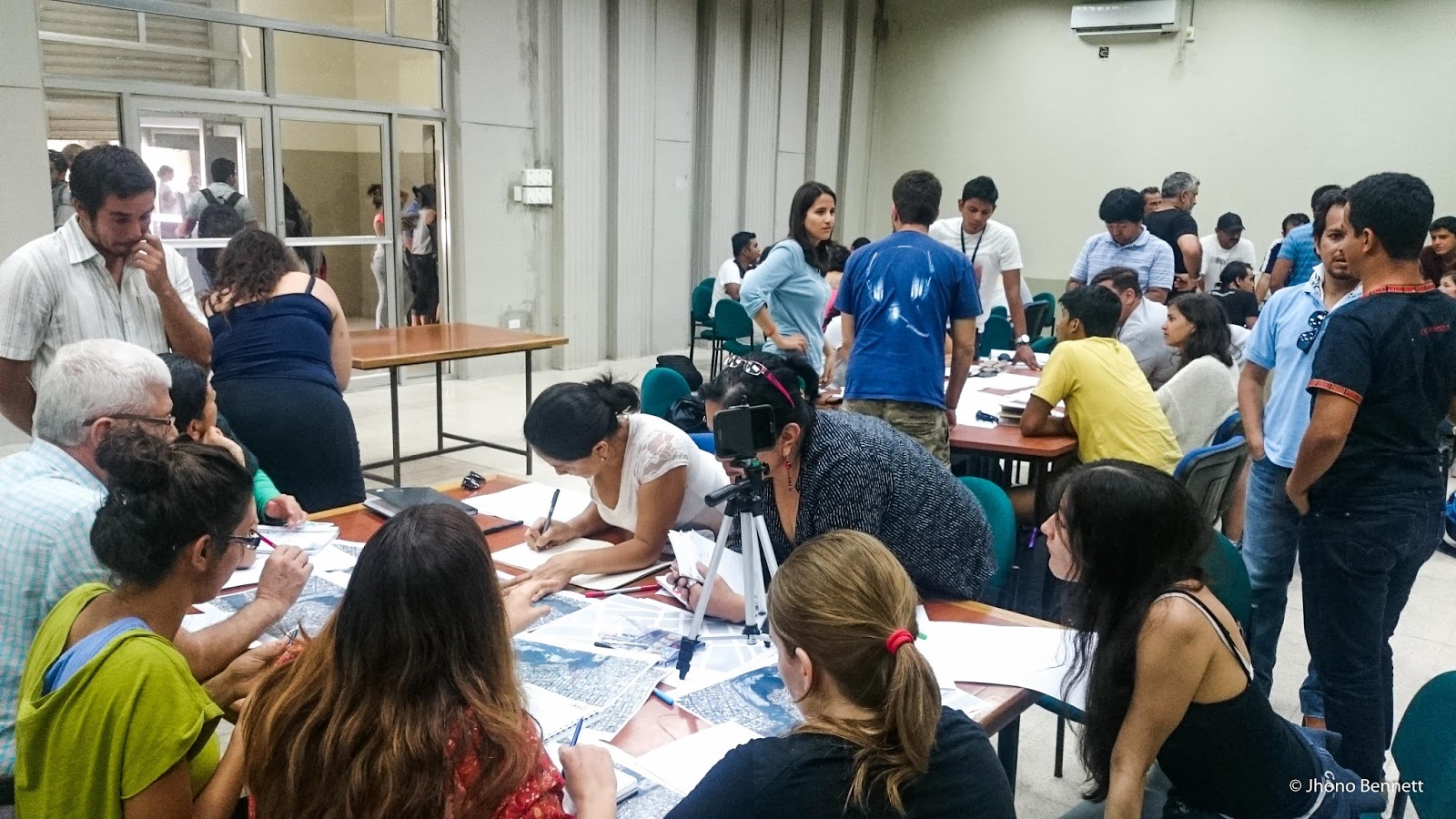
Workshops were held at local houses
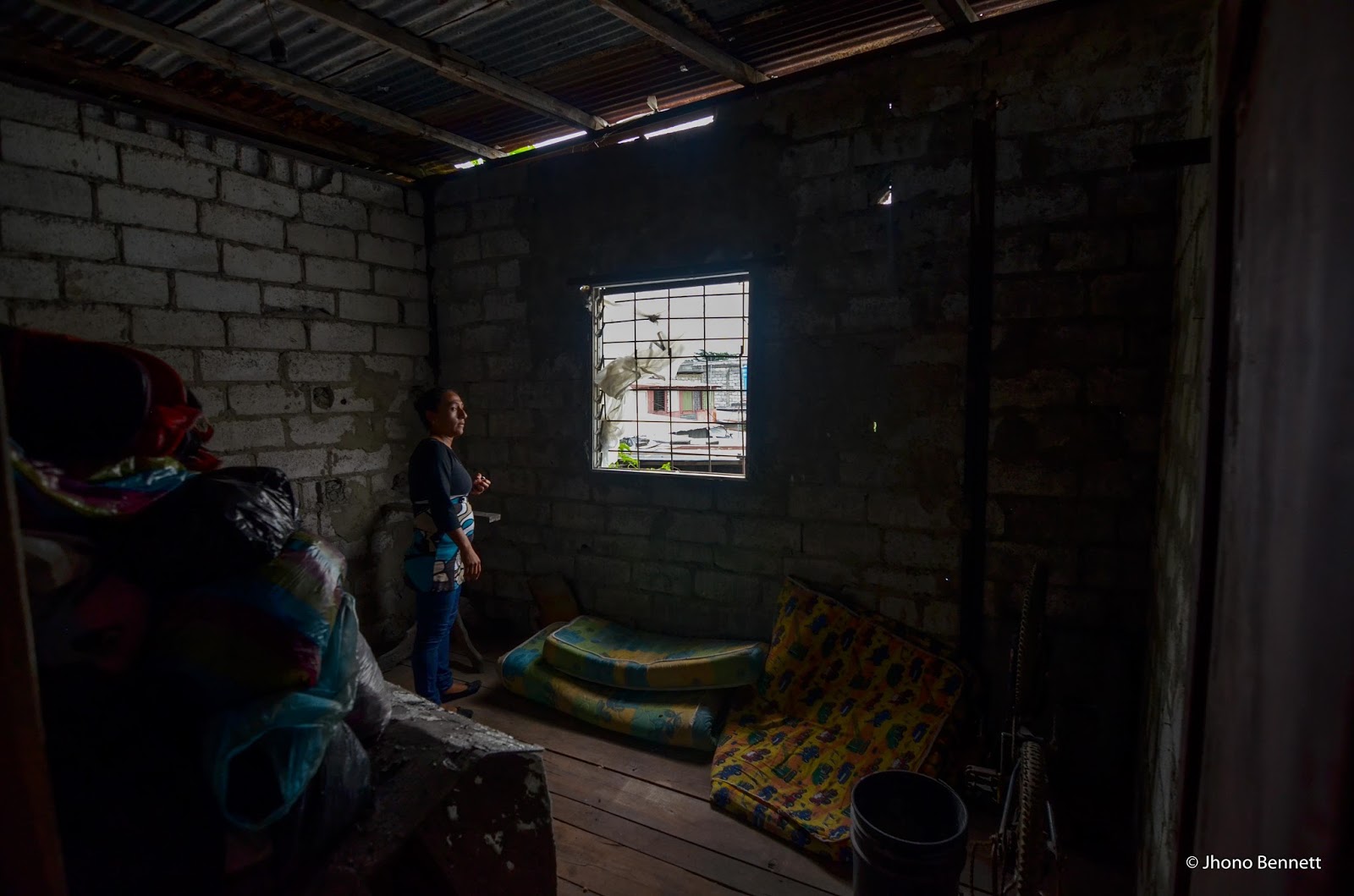
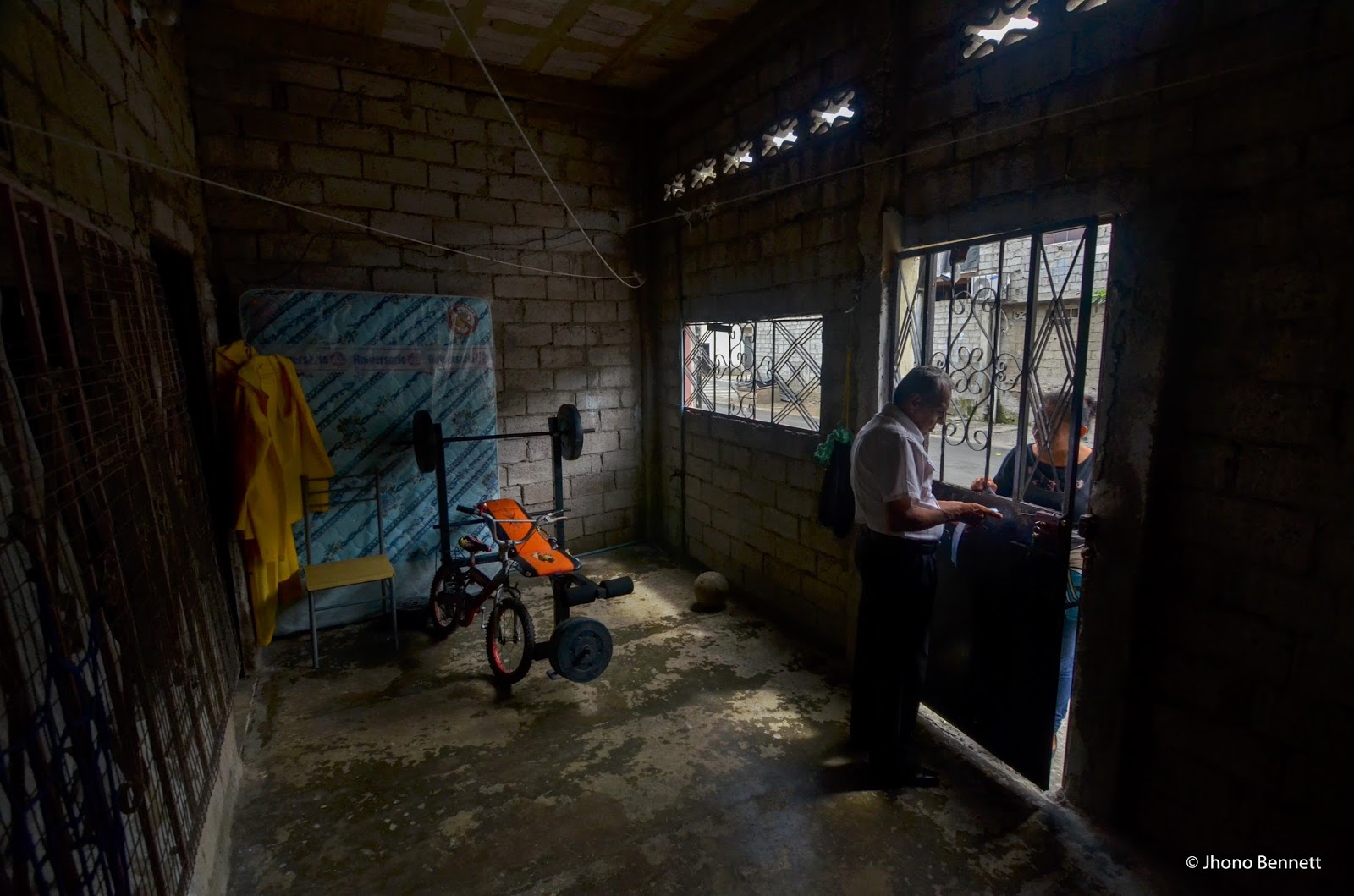
Residents took us into their homes to understand the space
The street facades were a crucial aspect of security and social capital
But mostly people turned their backs to the river
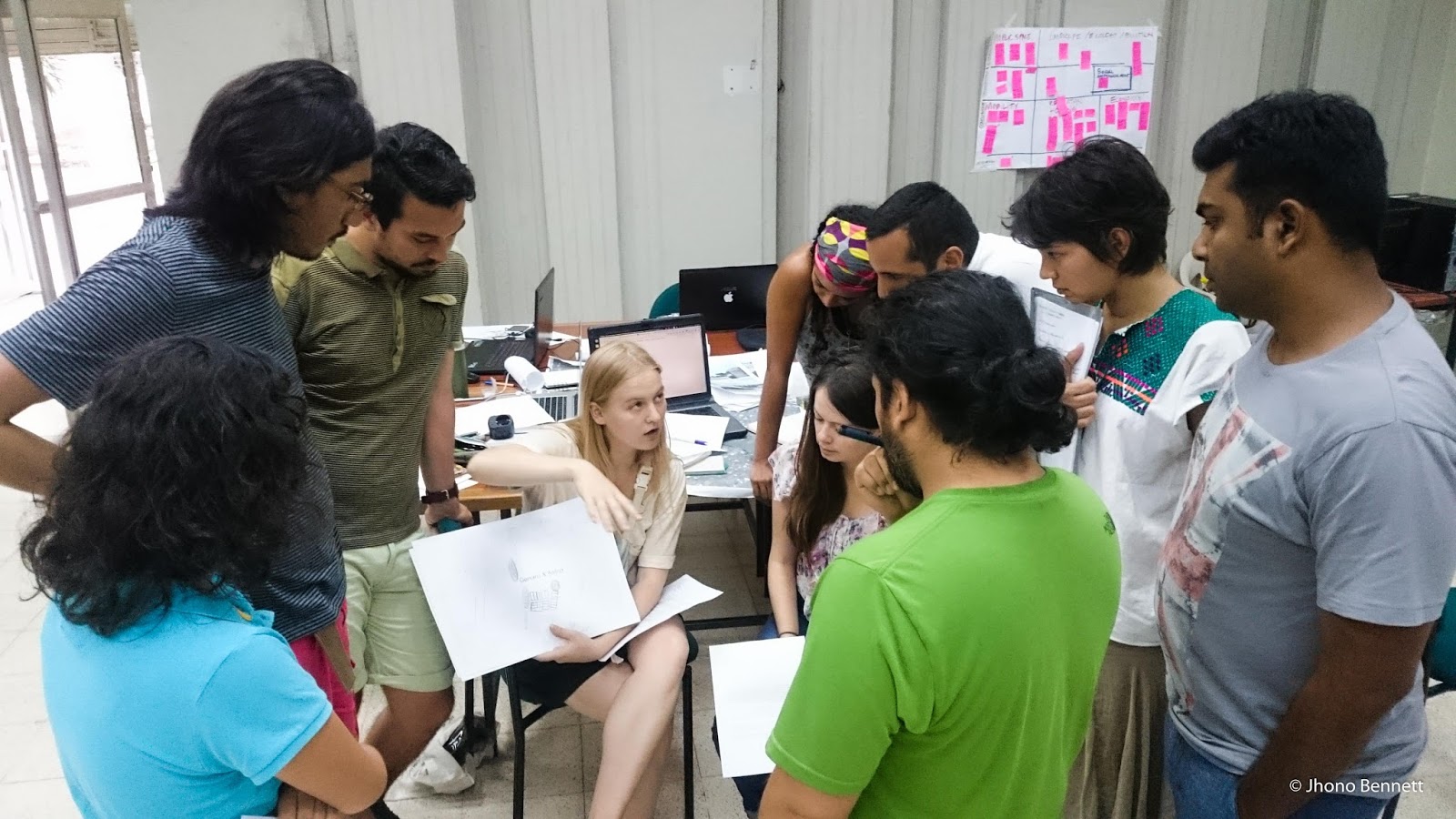
Our team sought to understand public space and design accordingly

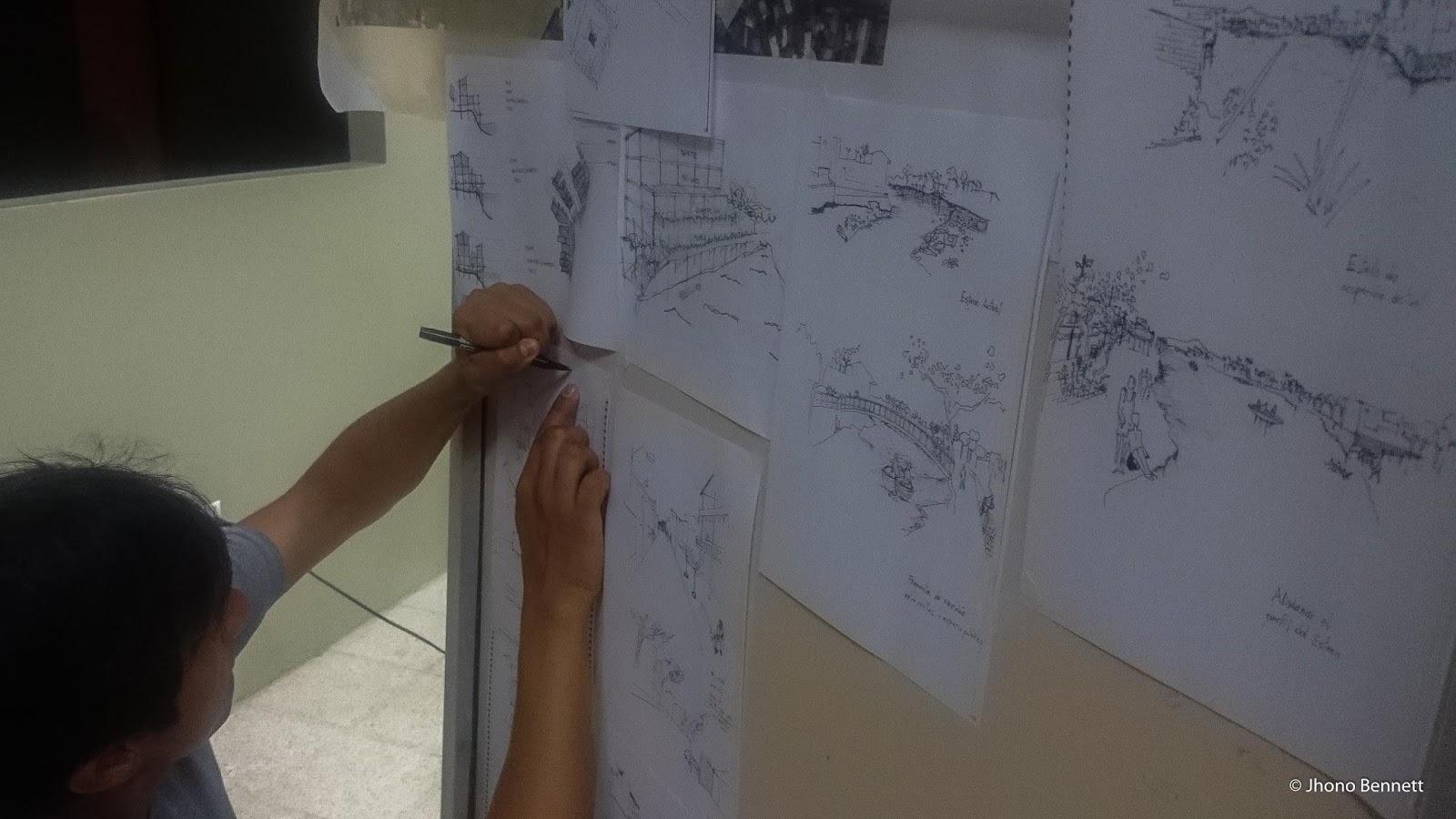
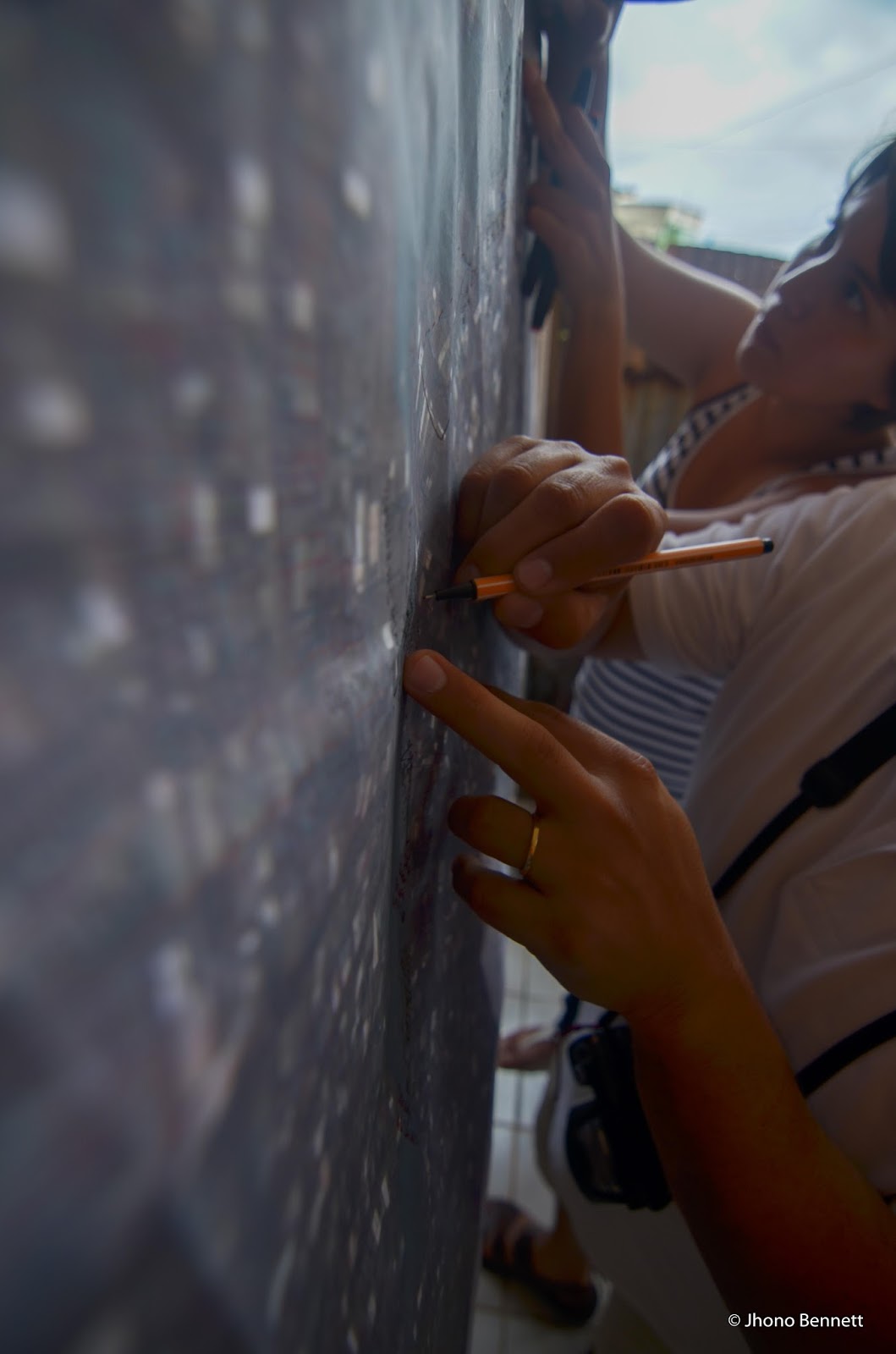
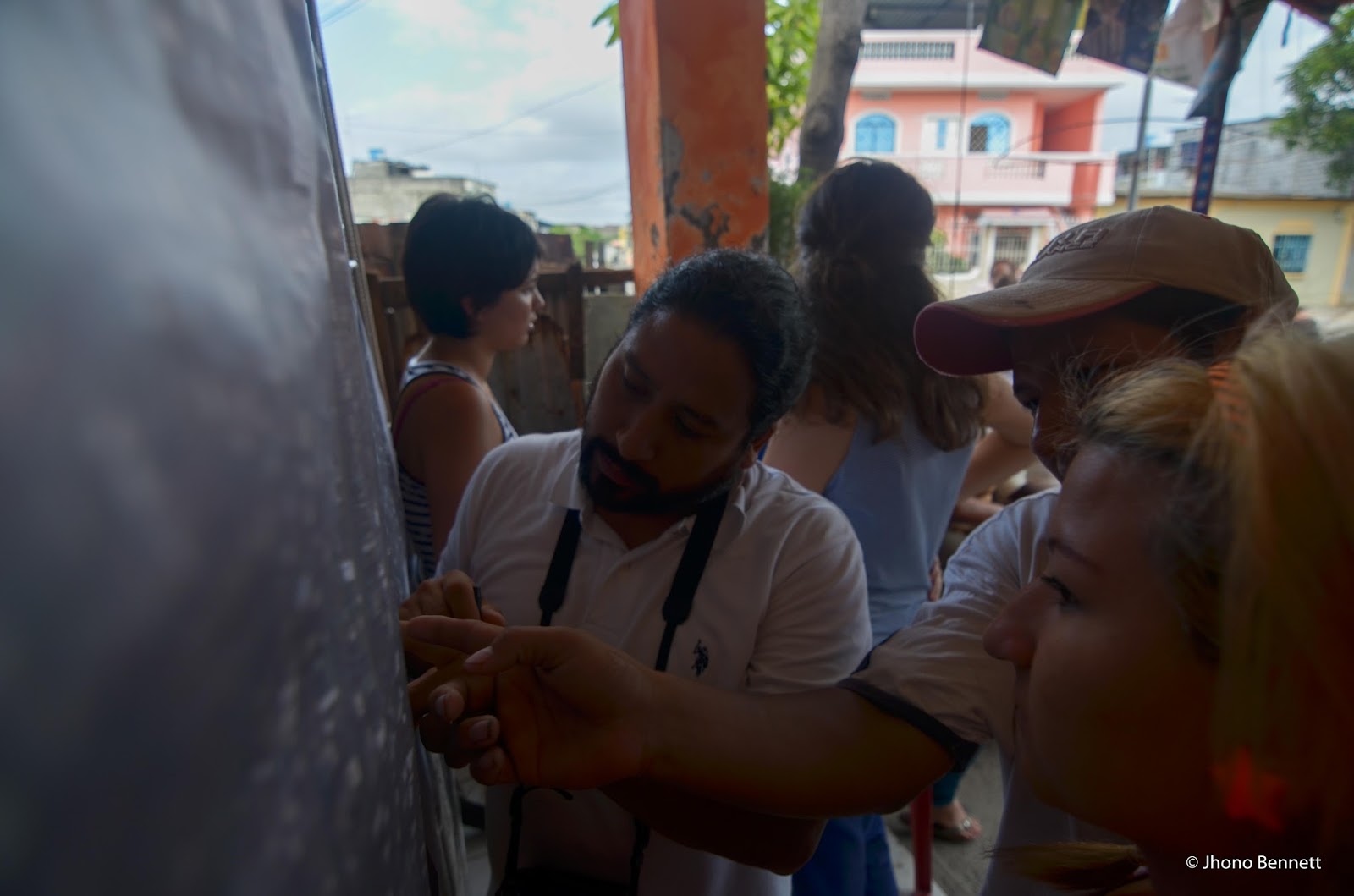
This was done with several methods of data capturing

Workshops

Our work was presented in a series of workshops held at the University and in the local neighbourhoods.

Strategy Image – Existing Condition
Strategy Image – Proposed Design Strategy

Our strategies were presented in this format, which did not work so well in the first iteration due to various miscommunication and translation errors.

But after this initial meeting, our team focused on smaller working groups and spent the remainder of the week working on site in more engaged workshops.

Here with more engaged residents we uncovered valuable information about the area, while developing a stronger communication tool set and focusing in on examples of upgrading such as the fisherman.

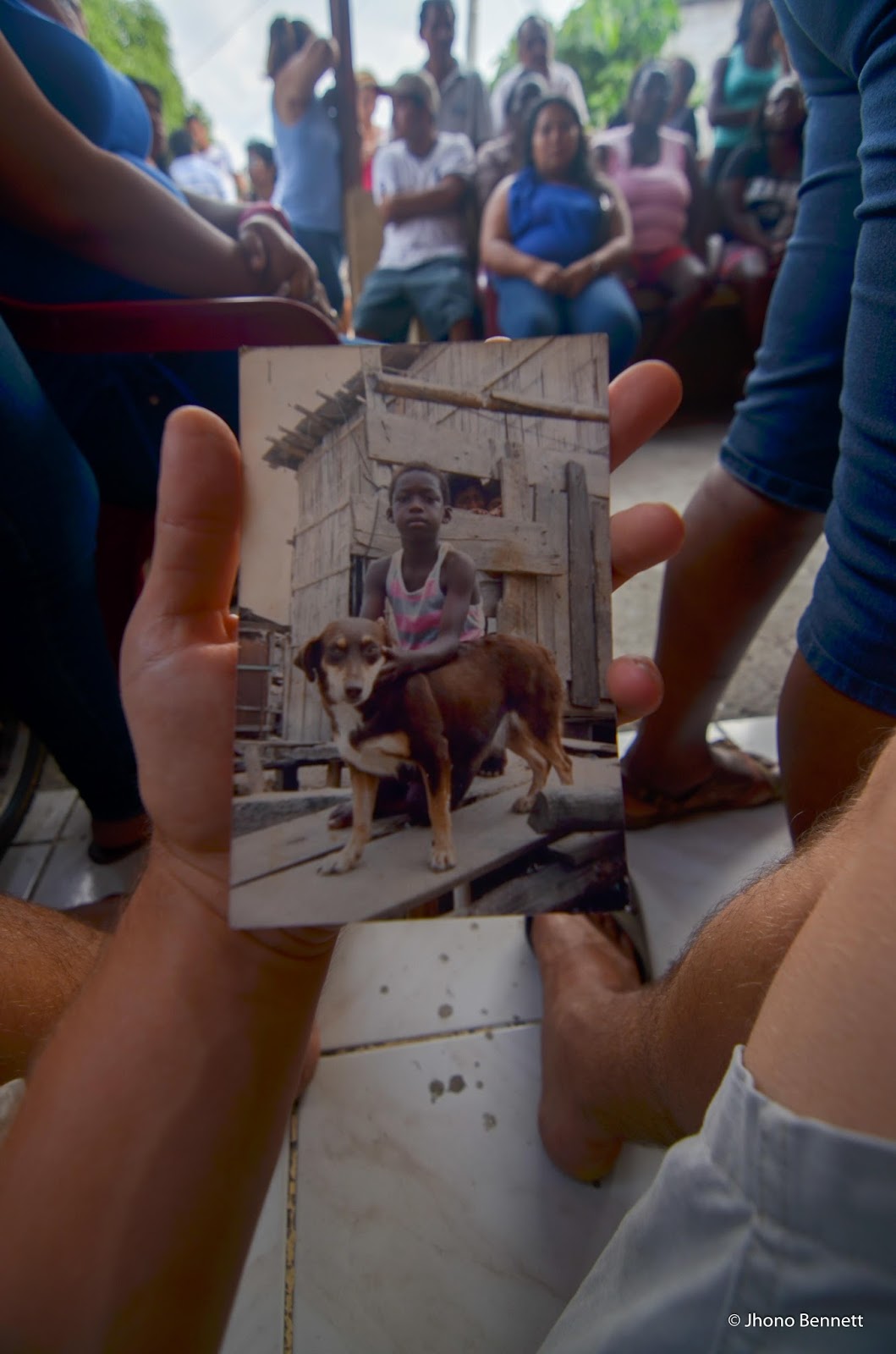
Interviews with the fisherman families

Final Workshop 

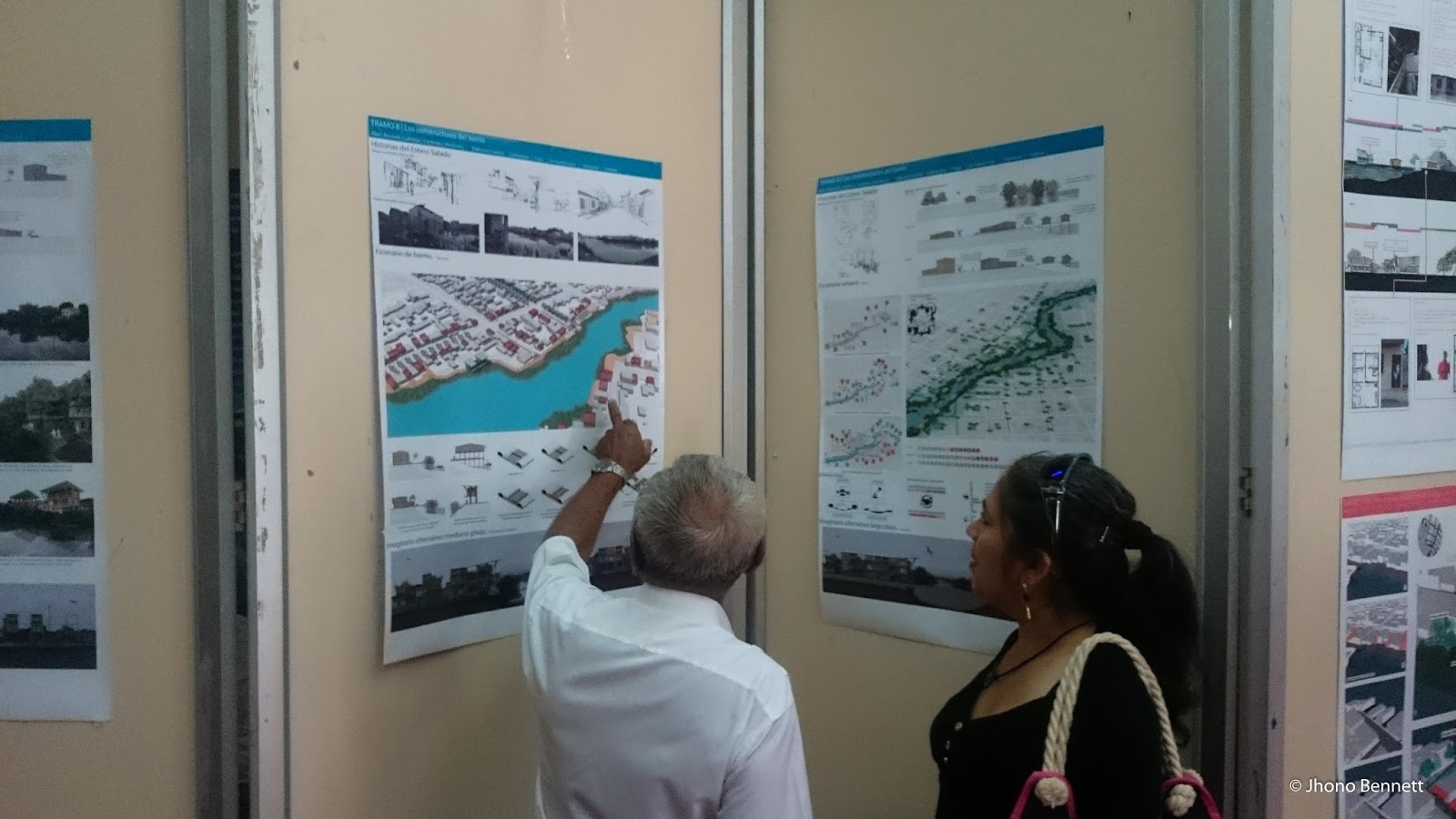
After a very intense 2 weeks of non-stop work we presented the co-developed scheme to the residents alongside the architect who commissioned the original ‘Little Venice’ scheme.

Tramos 8 final presentation posters depicting the development strategy
Image from final design strategy
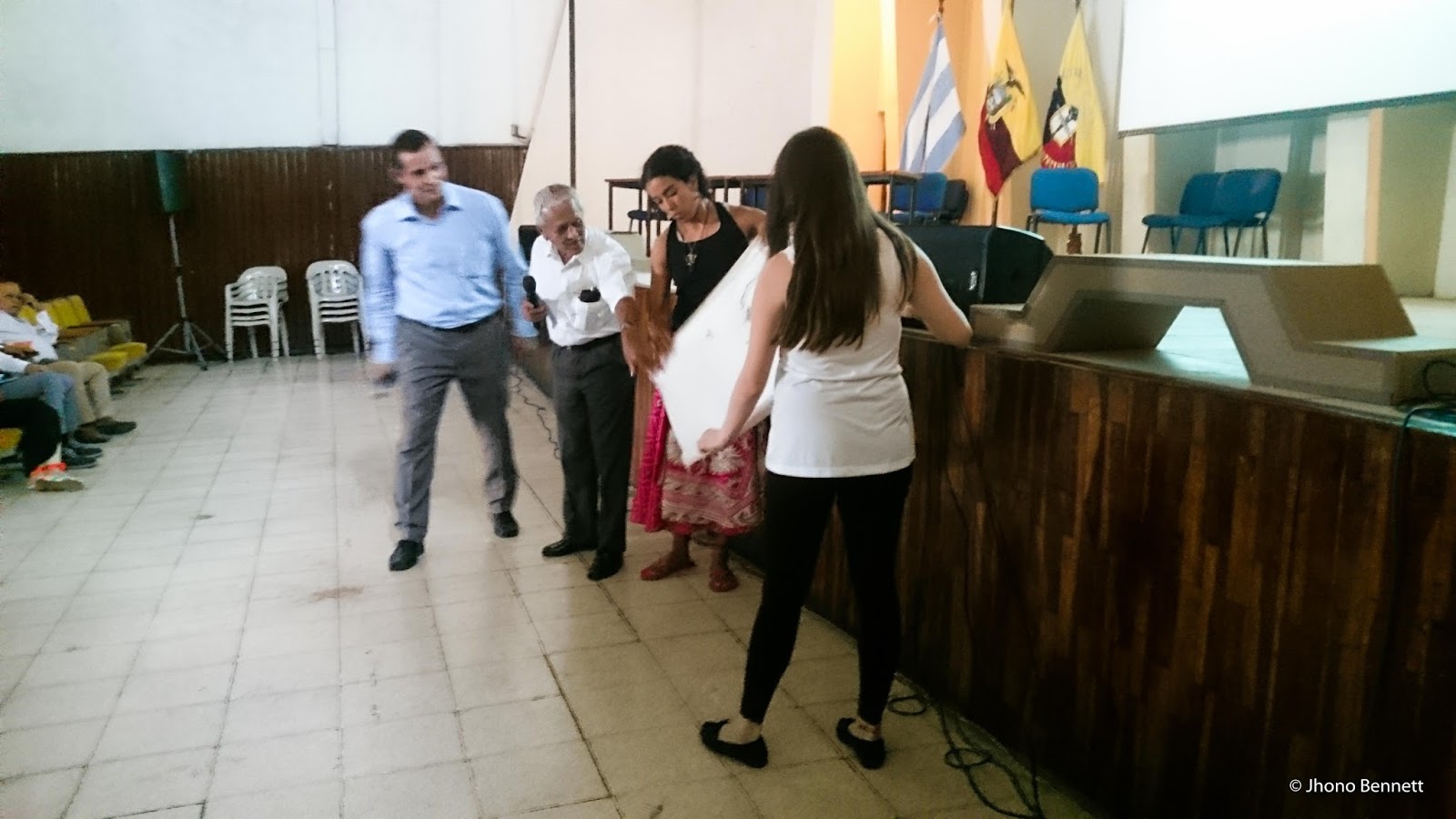
The presentation was much better received in this 1to1 format, than in the large presentation arena
Our team returned to Tramos 8 to present the whole programmes findings to residents in their neighborhood.
Position & Values
As a non-Spanish speaker I was forced to take a backseat in this process and contribute where I could technically and with some workshop tools. This position forced me to reflect on the manner in which I approach such design challenges in the face of the summer school:
As a designers we are forced to enact our own values and understanding through design decision but with this, we are complicit in this action of forcing our own values on people who may not share such social, cultural or economic values.
Our position as architects trains us in a common language of speaking through design drawings which again, is not a language shared by non-designers, yet we struggle to see this and blame people for not understanding our vision because they cannot read such drawings.
I was surprised that such ideas were so hard to discuss with a group of 40 designers who I would assume would be more reflective on the position of privilege they unwittingly hold.
I was also taken back by the manner in which the summer school used design; in my experience design is used as a tool to understand and co-develop understanding and communication tools as well as a tool to strategise future development proposals, but here the design proposal was used as the communication tool, a different approach to my own – but one that I felt a bit strong for such a sensitive context.
That being said, I did see the value in bringing together a group of highly skilled technicians to address a very complex technical design issue, and what could be produced in such a short period of time.
The workshop exposed me much about the role of designers in such contexts, and only cemented my resolve to further develop the role of socio-technical spatial designers in South Africa.

3rd Regional Community Architecture Network Meeting & Workshop: Manila, Phillipines


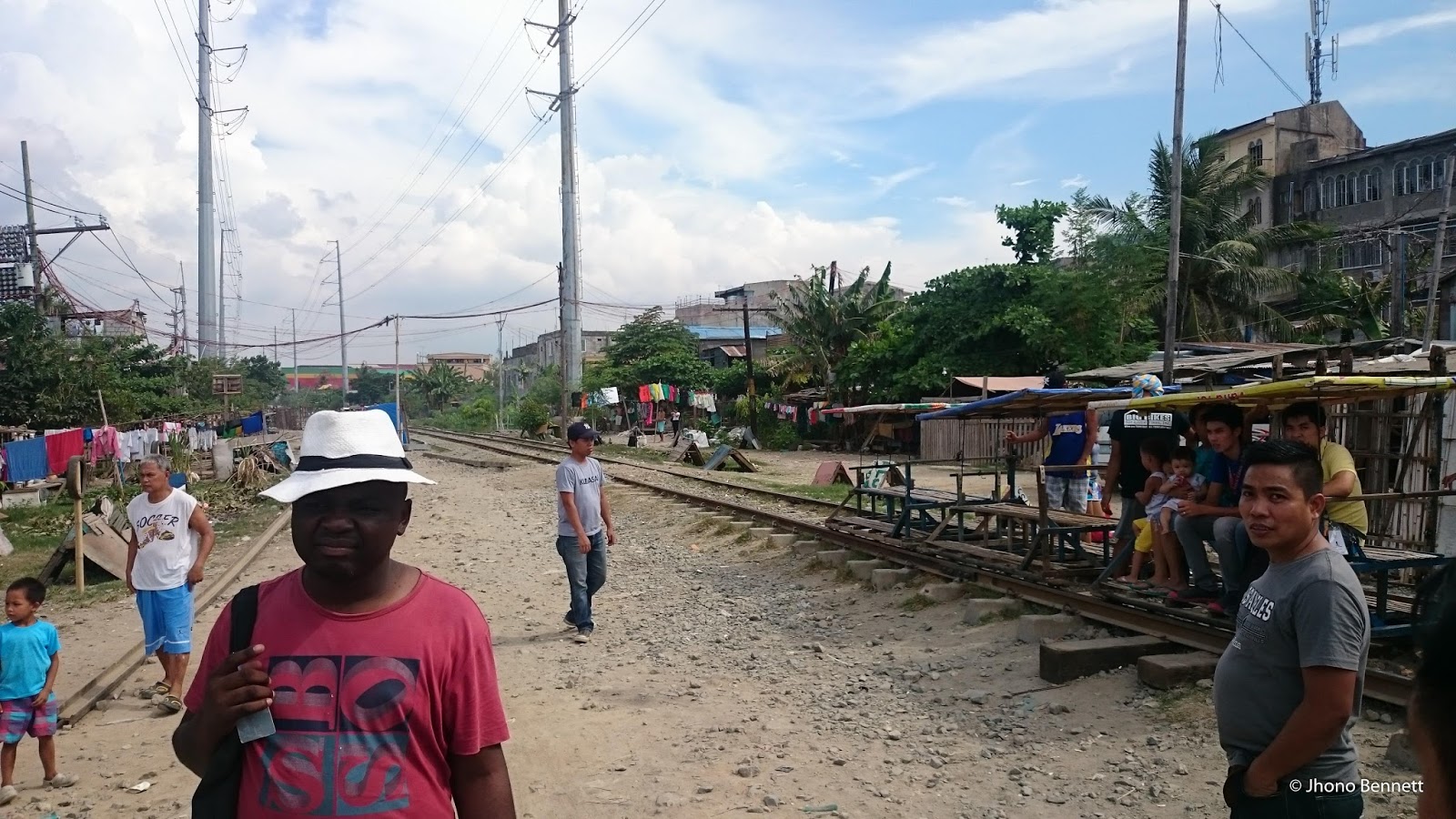
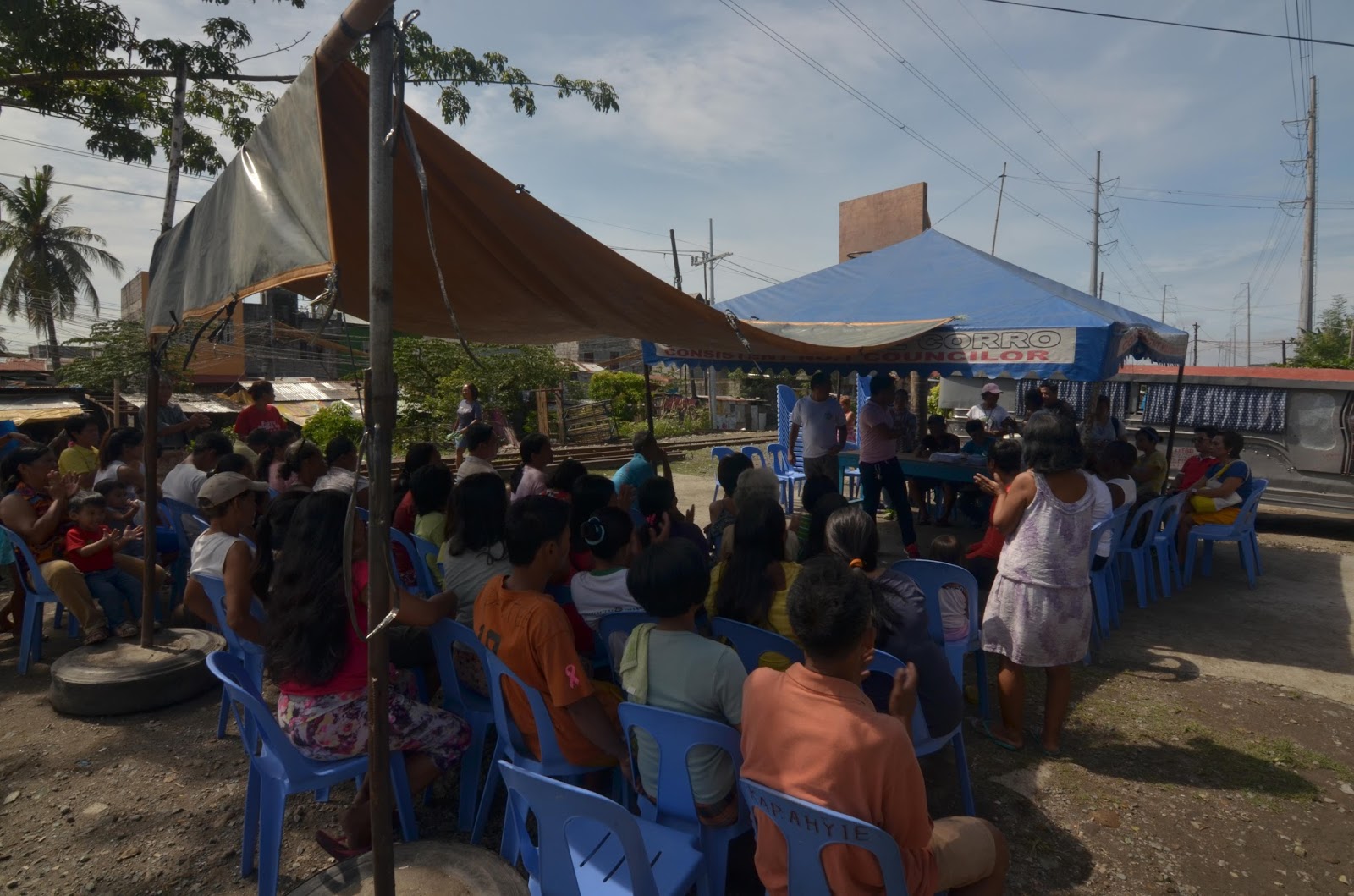
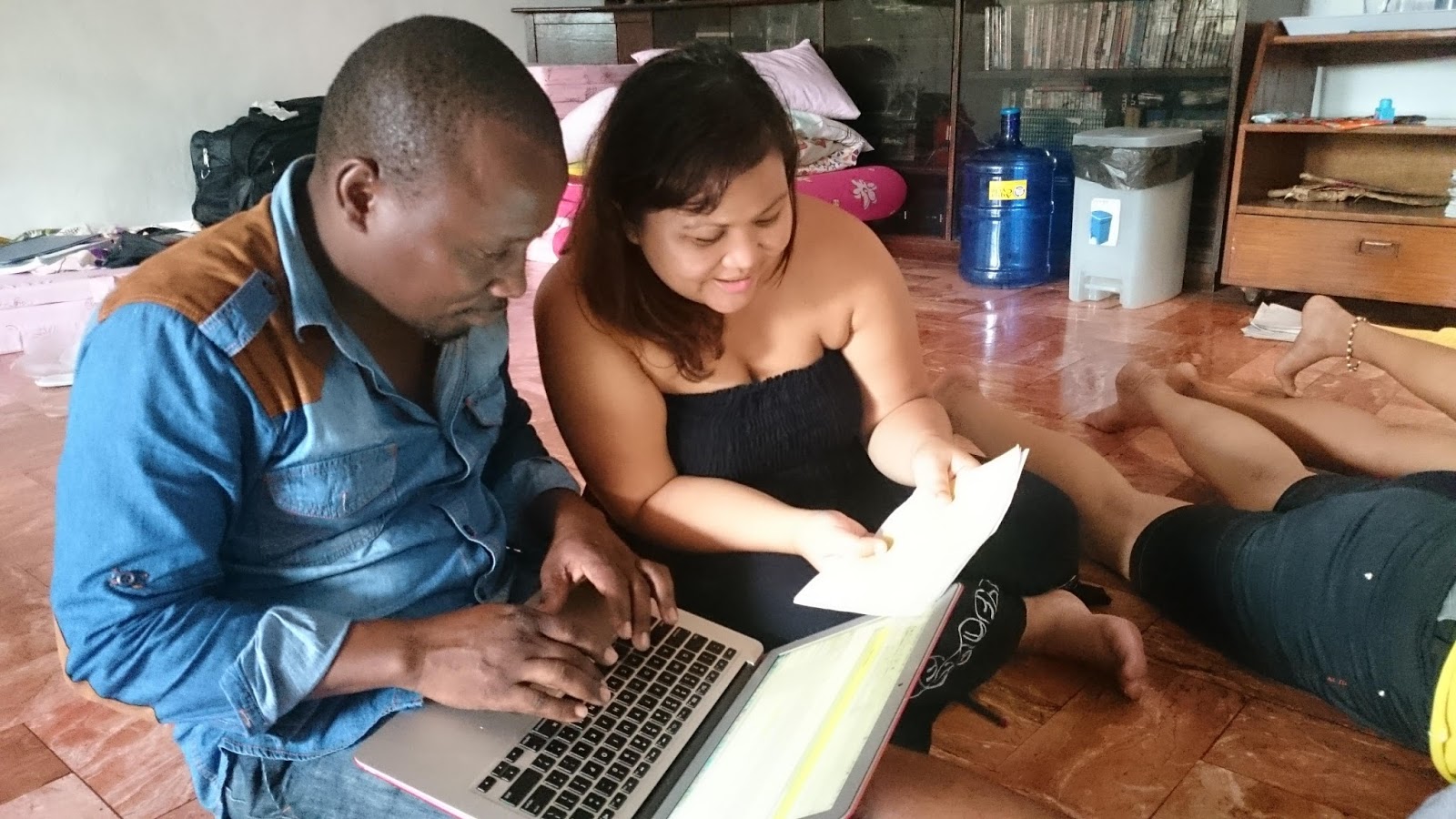
This story covers the 2015 exchange trip between South African delegates from the SDI Network and the CAN Network in the Philippines.

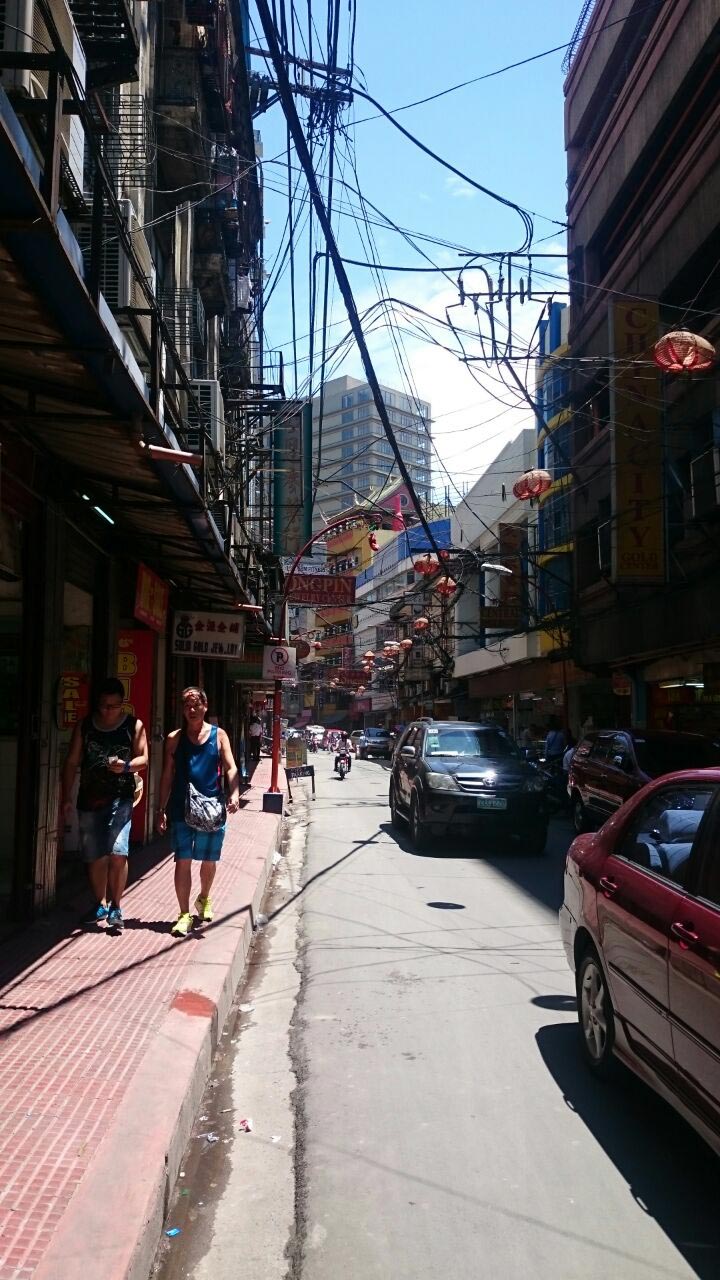
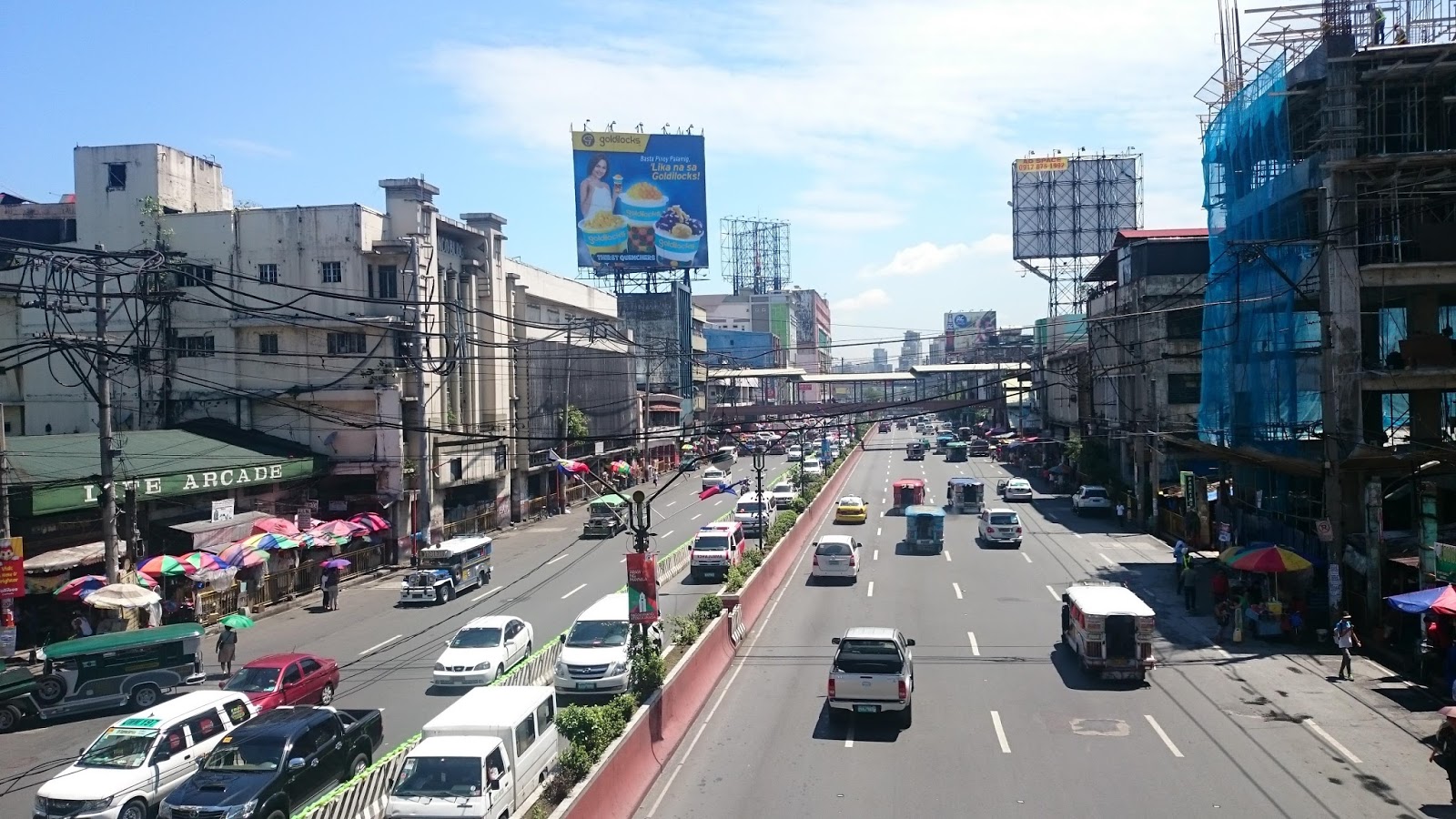
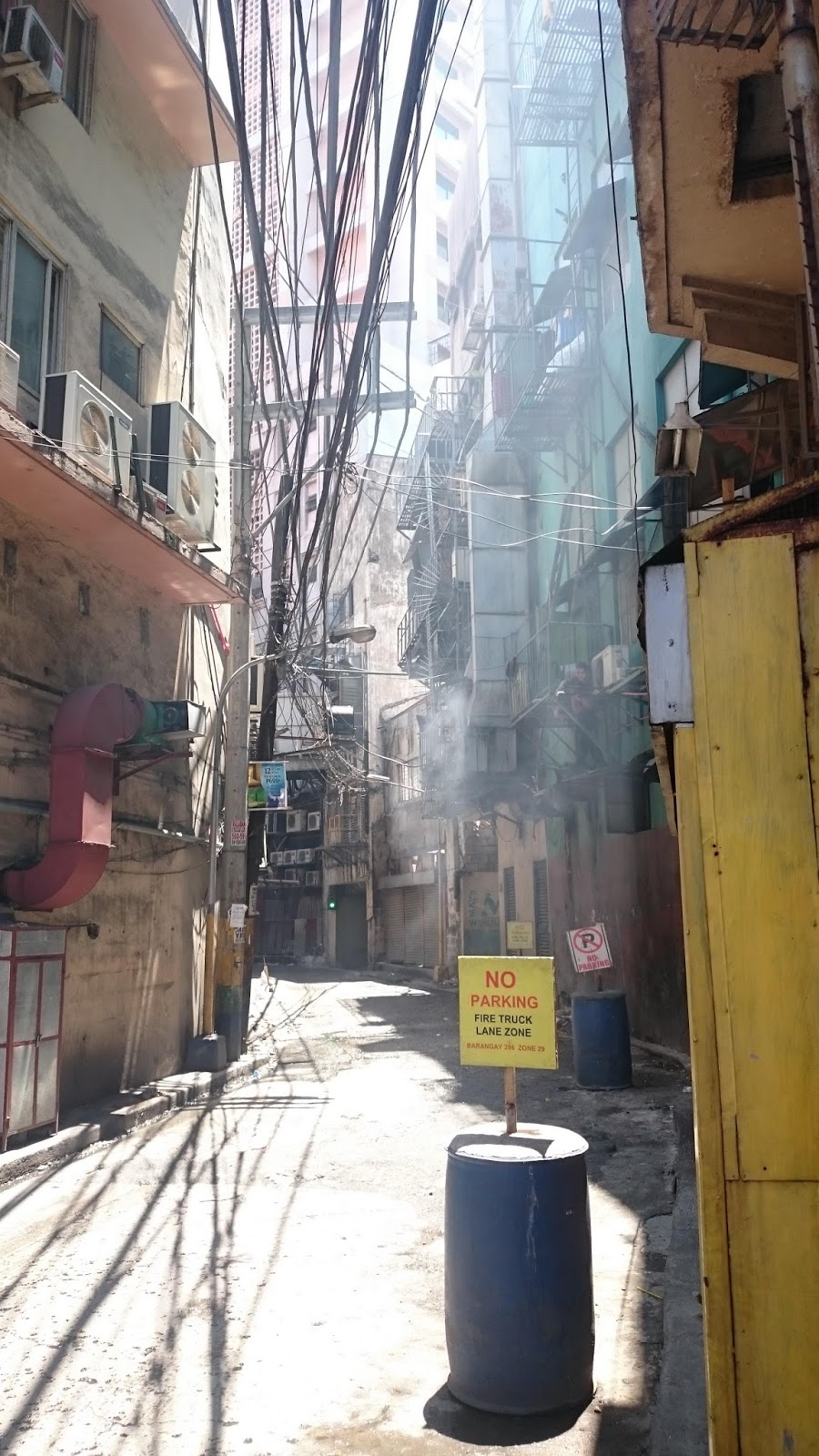
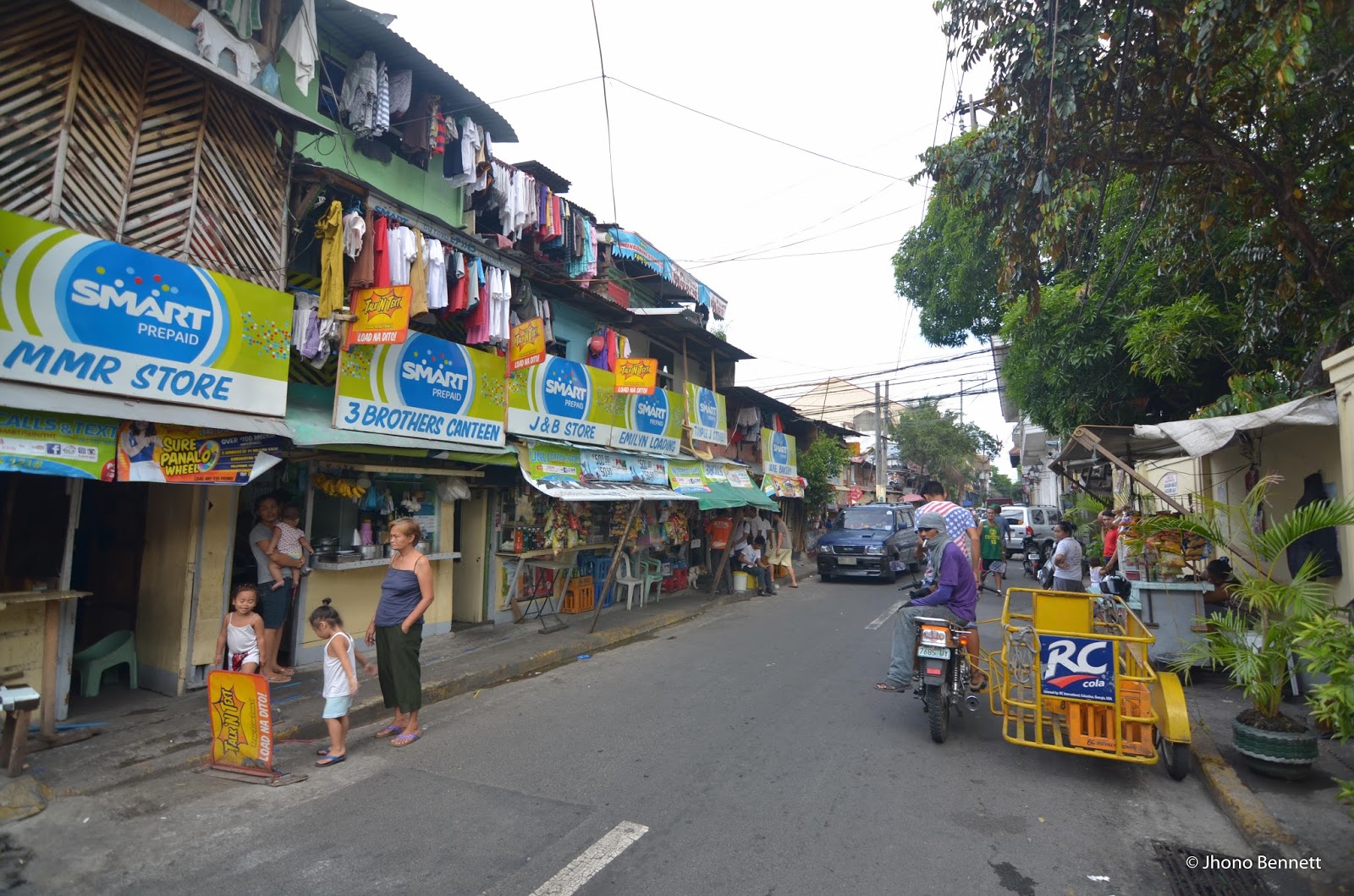
Manila City


The Exchange
In 2015, a small delegation from the South African Shack Dwellers International Alliance (SASDIA) was sent to the 3rd Regional Community Architecture (CAN) Meeting & Workshop to experience first-hand the CAN Network in action in order to understand the workings of the network, learn from the CAN experience.
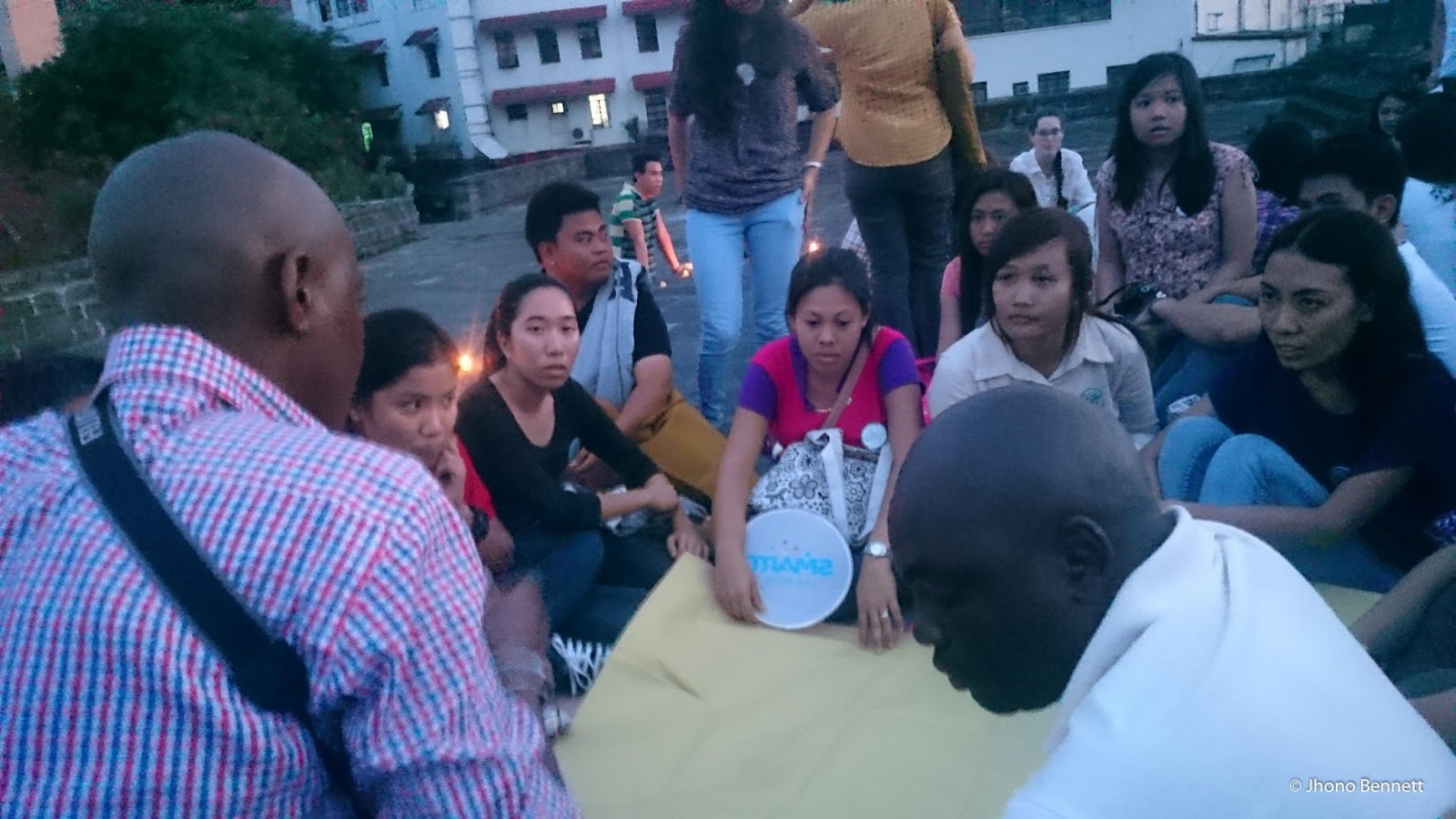
SDI Delegation in Manila 
This delegation was made up of 3 professionals and three community members from the SASDIA and were chosen by the alliance for strategic leadership and capacity development to bring back home.
As a team, we were expected to try and understand how the CAN works, its practices and tools as well its members . This would be done during the working while the delegation would be exposed and learn from similar practitioners and community groups who are working on similar problems around the development of disadvantaged communities, such as in South Africa. Ideally we would learn valuable lessons from the CAN in regard to practices of community design and bring these home to South Africa.

Workshop Background:

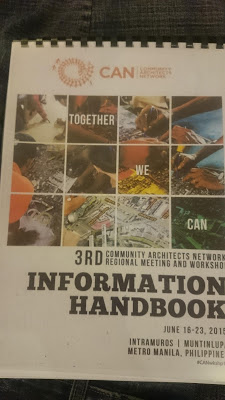
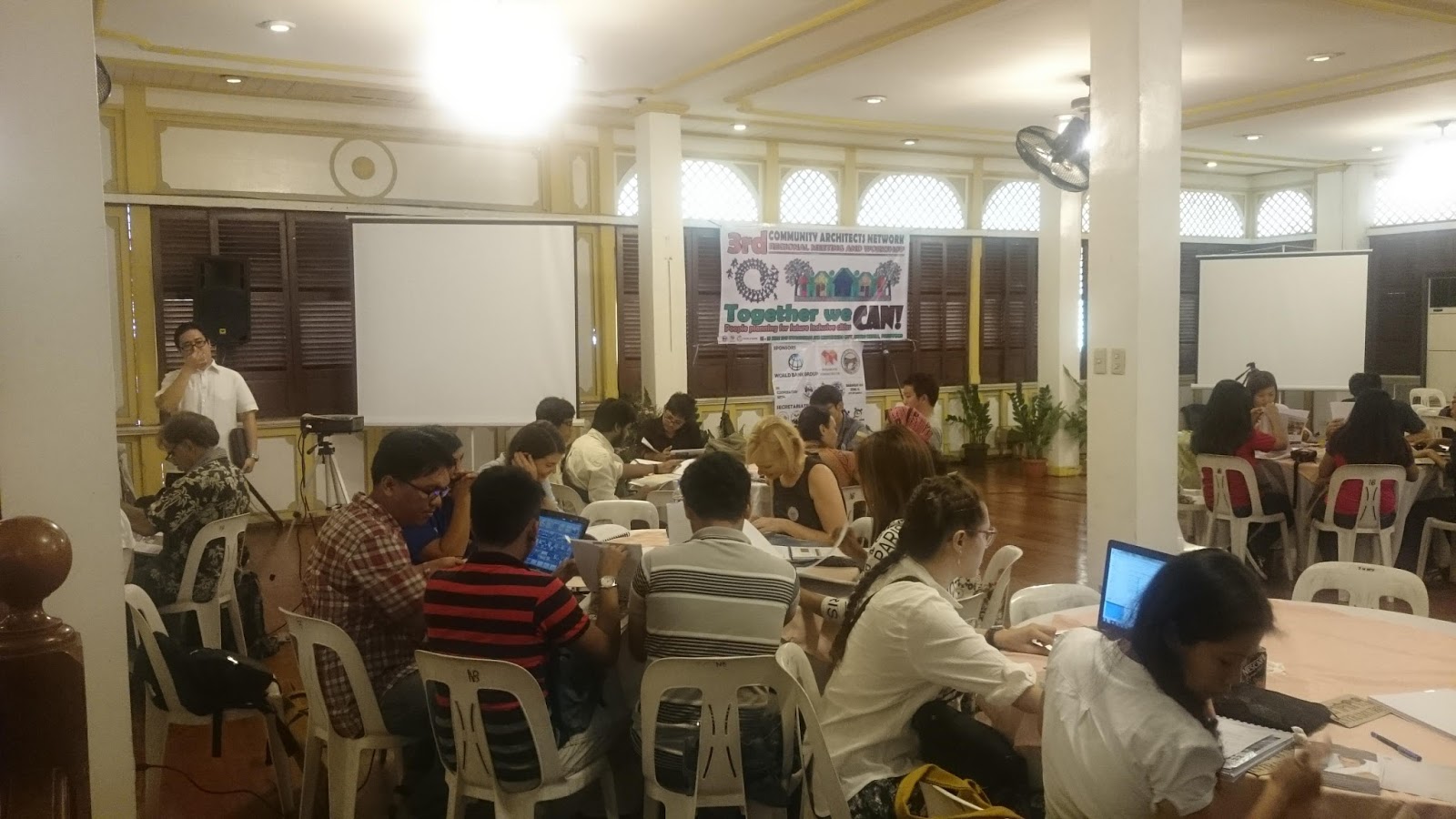
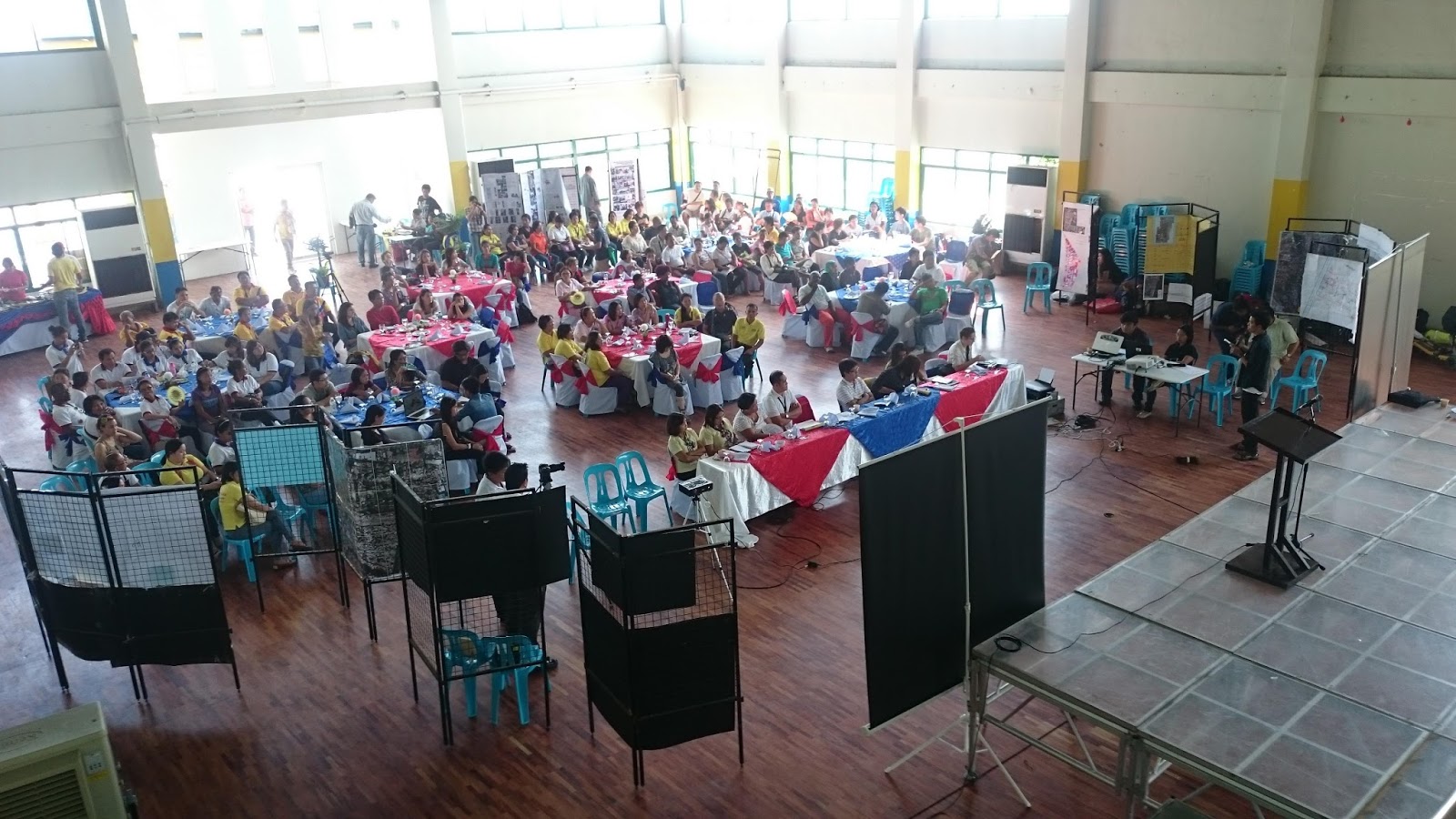
The 3rd Regional CAN Regional Meeting & Workshop held was held this year in Manila, Philippines between June 16 – June 23 and conducted with the theme: “Together we CAN! People planning for future inclusive cities “


CAN Workshop Day 1
The workshop aimed to:
· Bring together local and international participants working in different countries in Asia and beyond to exchange and share experiences through community workshops.
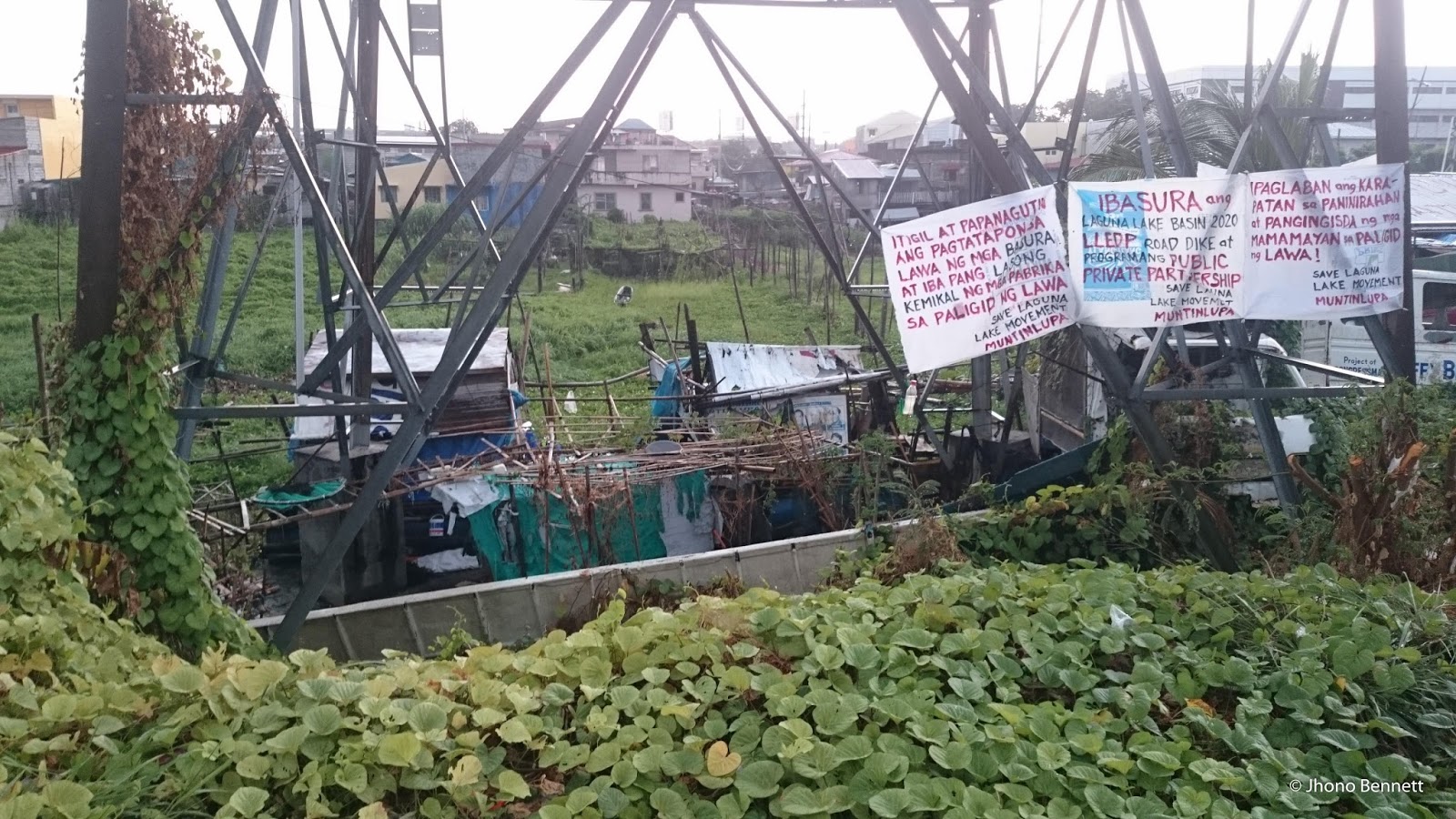
· Provide concrete technical support to actual community initiatives through fieldwork in people centred heritage planning in Intramuros, Manila and city-wide development approach (CDA) in Muntinlupa City.
· Link with local universities
· Plan new collaborative future activities with multiple stakeholders to ensure long term change
Ultimately the workshop aimed to support the larger mission of the CAN Network which is to:
“..Create a platform to link architects, engineers, planners, universities and community artisans in Asia, who work with communities and believe that poor communities should play a central role in planning their communities, and in finding solutions to build better settlements and more inclusive cities. “


CAN Network Diagram

The Workshop:

The delegation arrived on the 15th, and was welcomed by the well organised and energetic CAN management team.

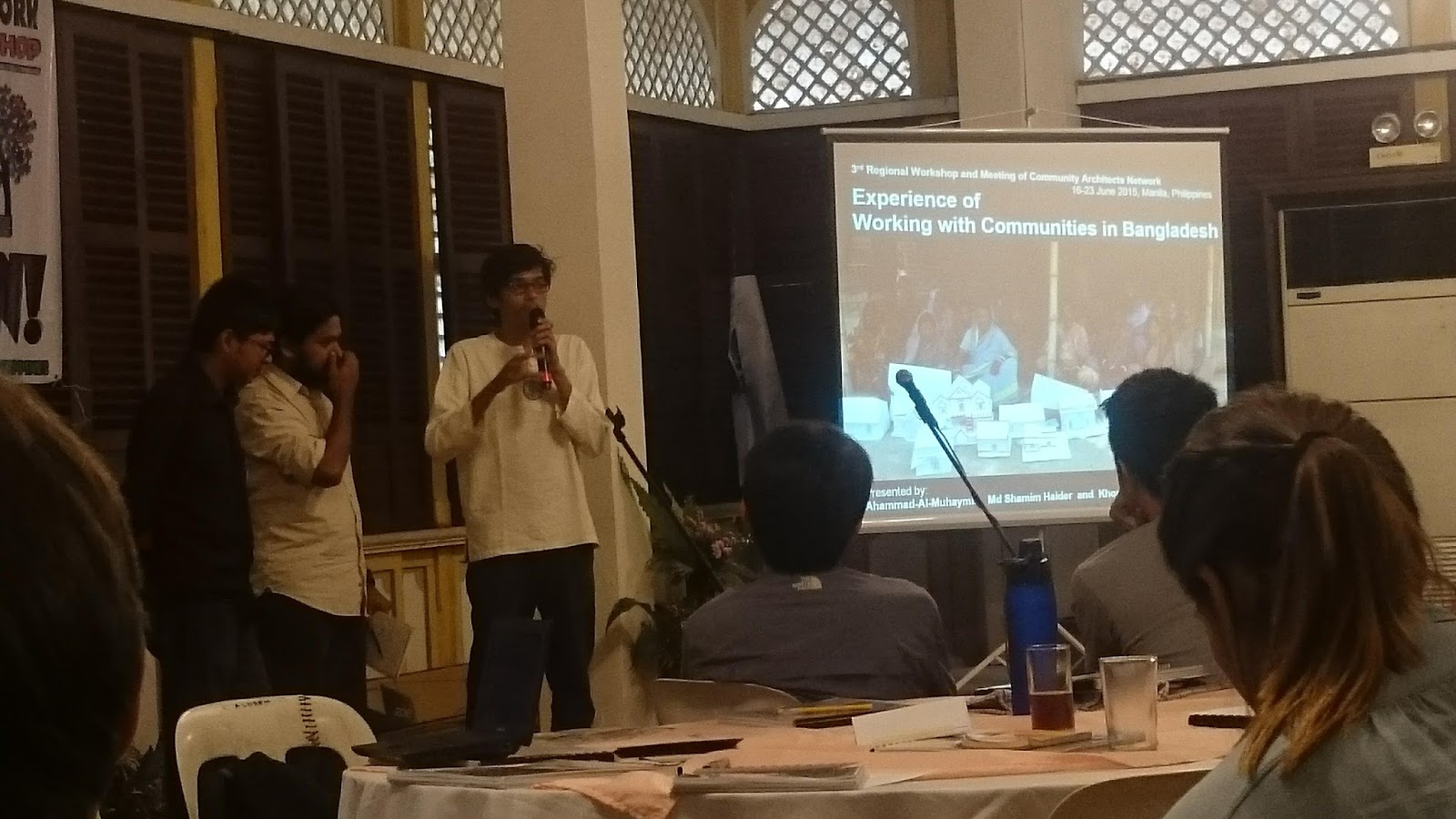
CAN Members from Bangladesh presenting
After an initial series of presentations on CAN and the various organisations that make up the network, individual organisations of the workshop were invited to present themselves and their work.

Site Visits – Intramuros

Site Visits – Intramuros Workshop

Intramuros Site Visit – Banana City

From here the next 2 days were spent taking the conference on site visits of where the workshop delegates would be working in Allabang and Intramuros.

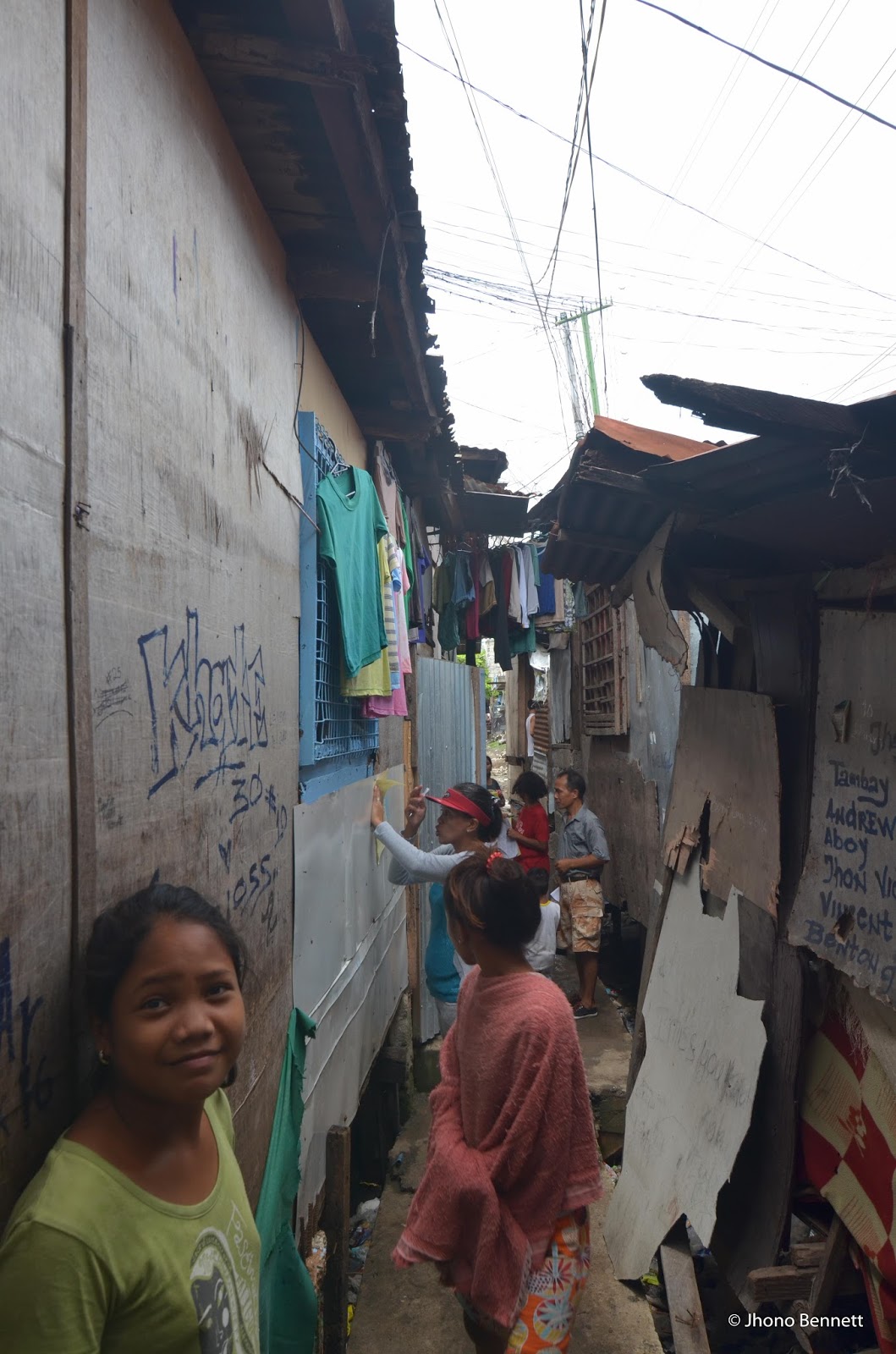
Allabang Site Visit

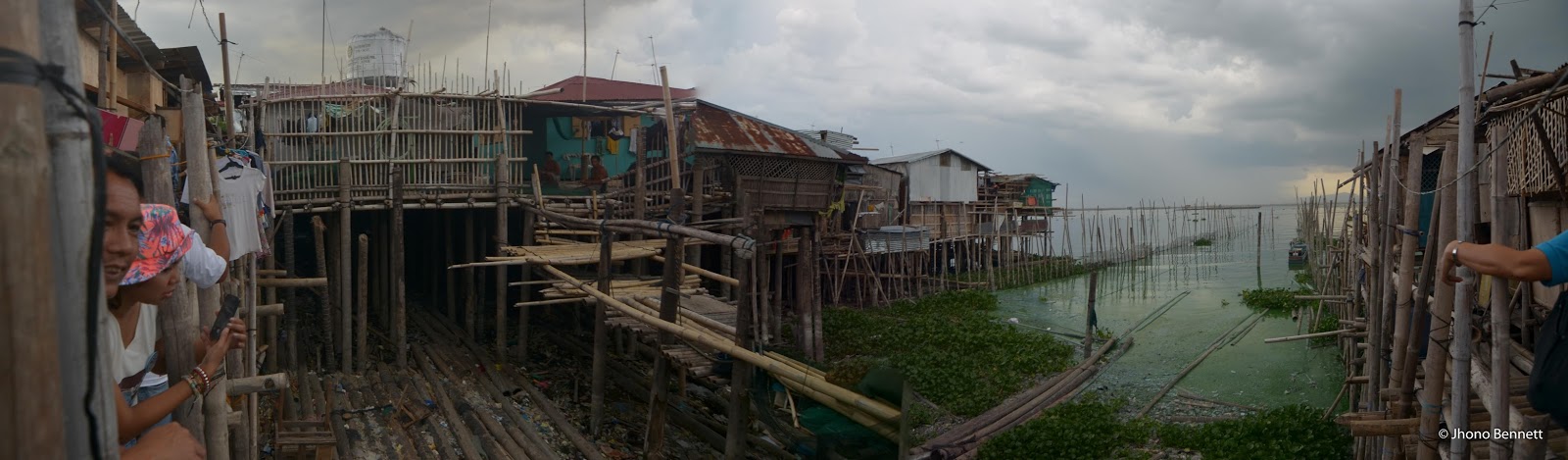
Allabang Site Visit – Fisherman Houses

Allabang Site Visit – Saving group welcome

Allabang Site Visit – Saving group welcome

The participants were then broken into smaller groups of practitioners and community members and sent to stay in separate neighborhoods (or Barangays) where each group would focus on a specific set of issues faced by the various community groups supported by the local CAN organisation, Tampei.

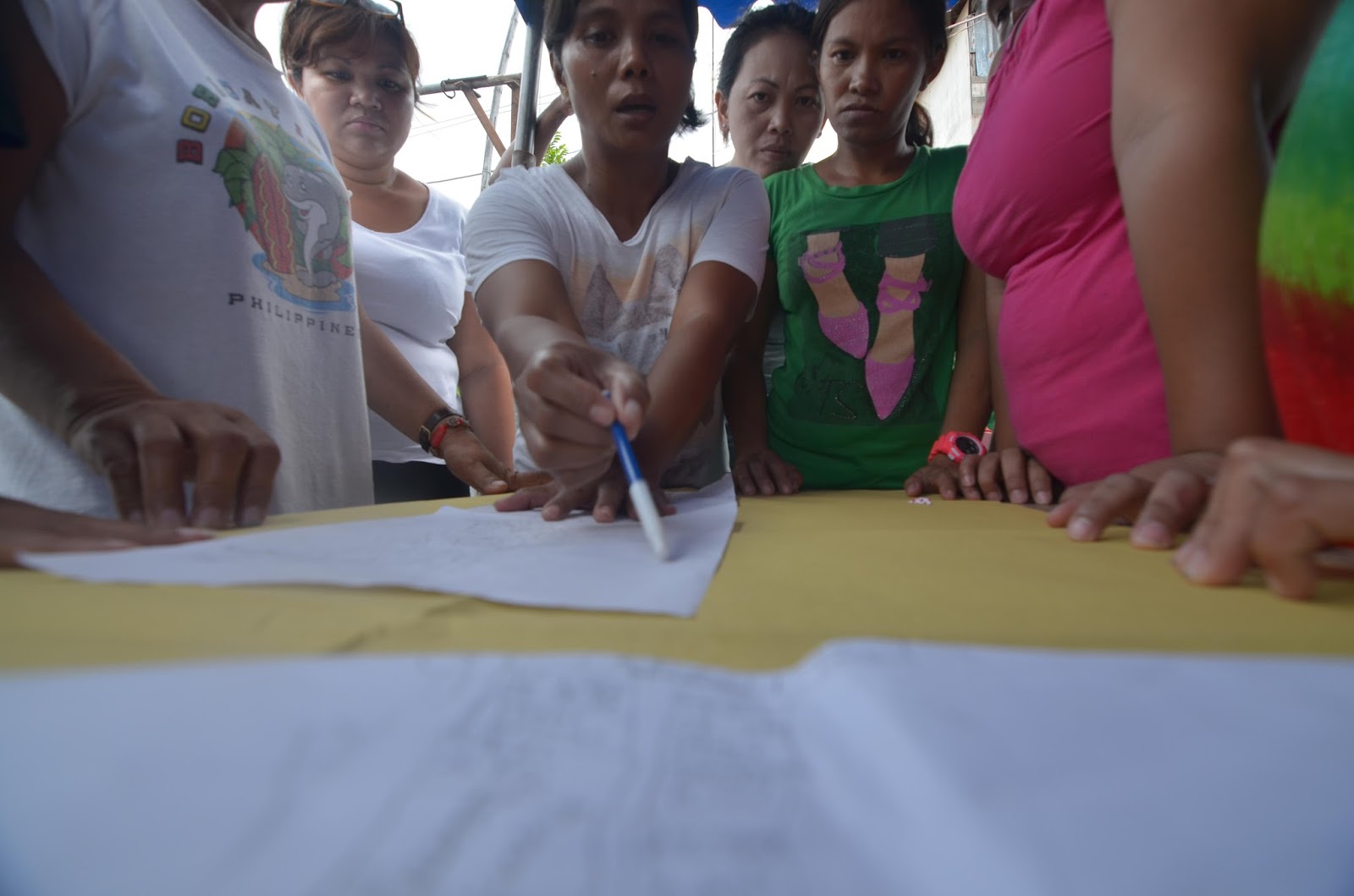
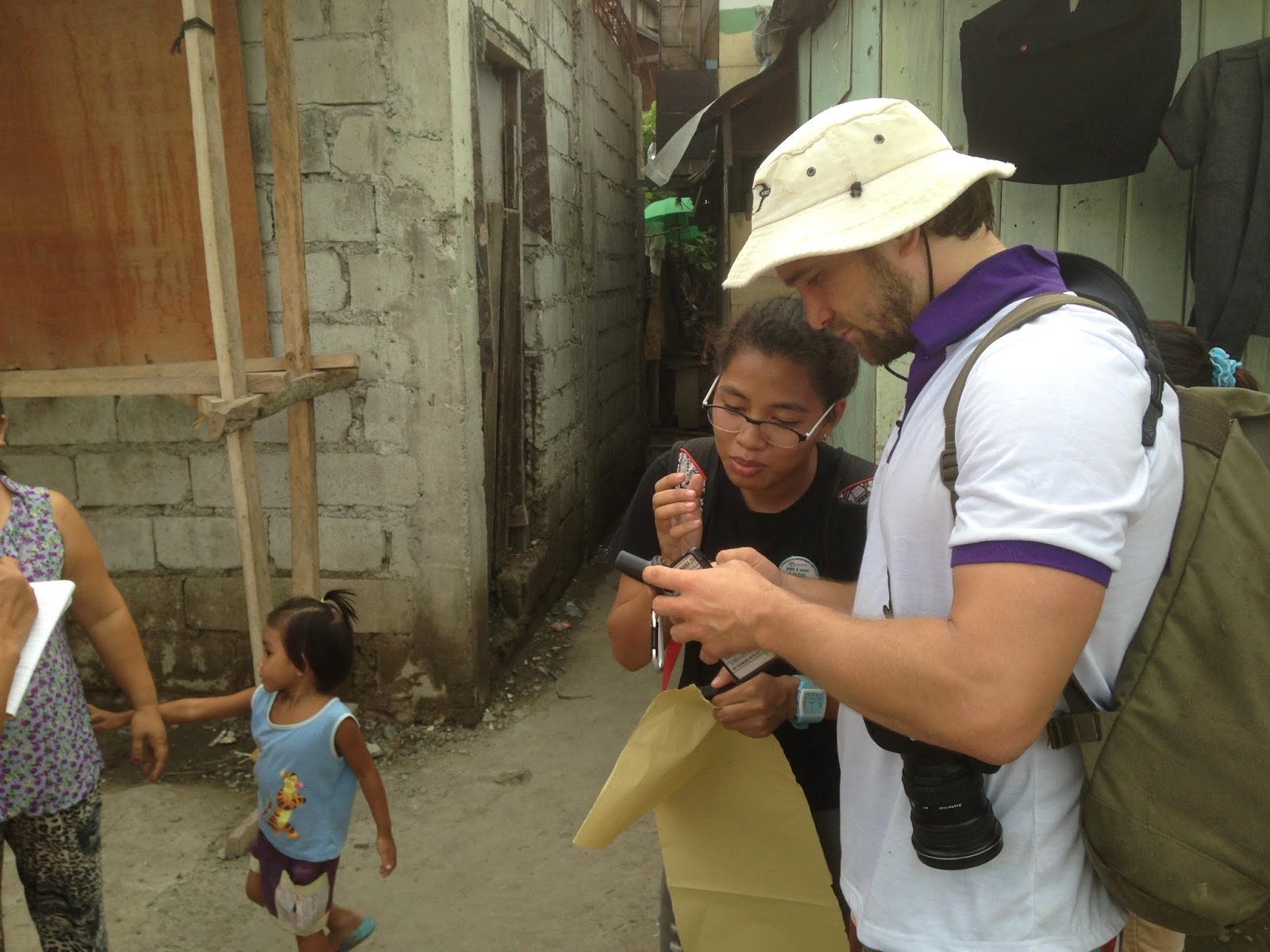
Group Focus Work in Allabang – Enumeration & Mapping

Group Focus Work in Allabang – learning the CAN practices

 Group Focus Work in Allabang – Confirming the Mapping
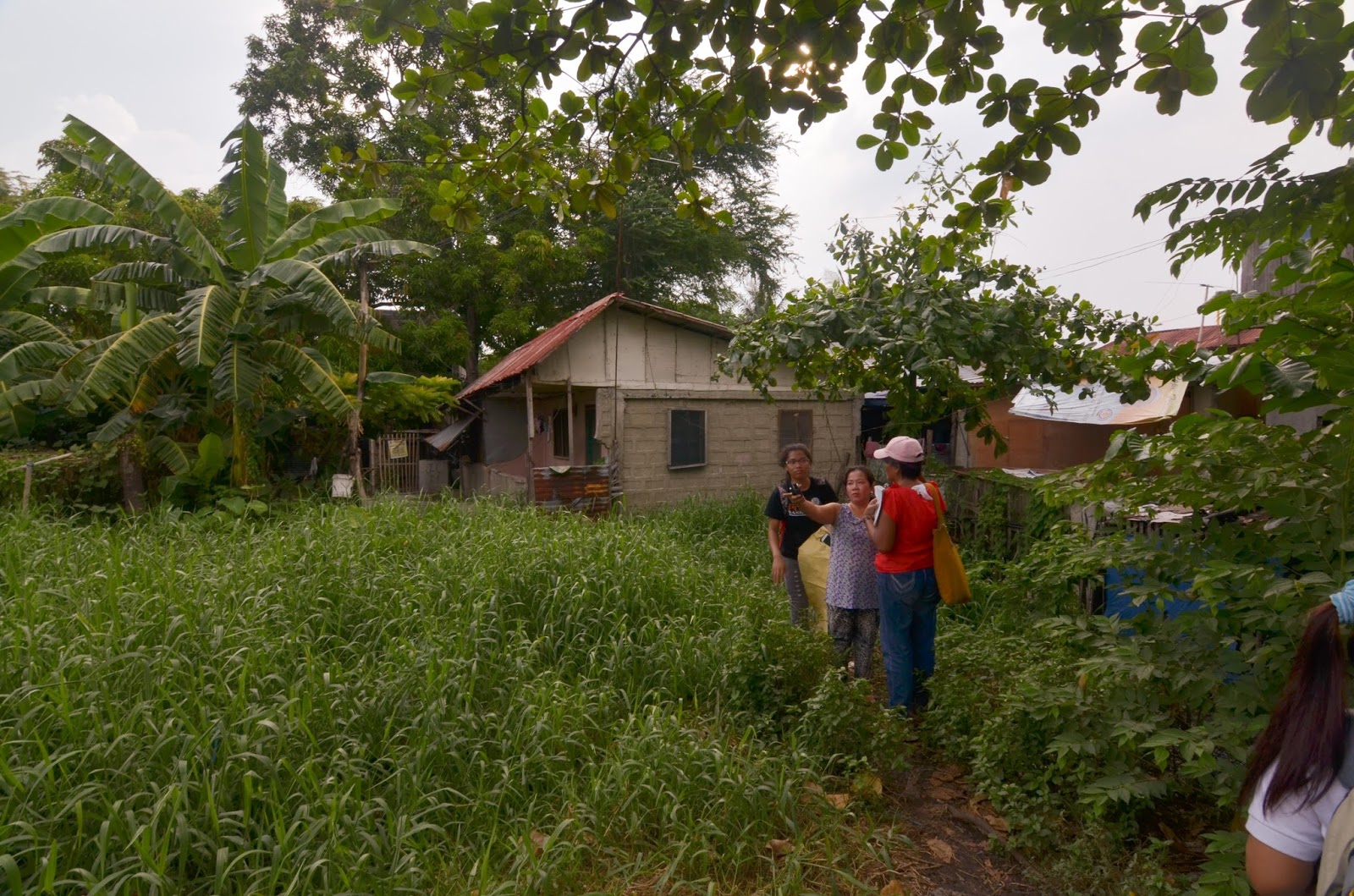
Each group spent the week intensively working on enumeration, mapping, and design with and for local groups aiming to initiate development energy supporting community initiatives.

Group Focus Work in Allabang – GPS Mapping in dense settlements

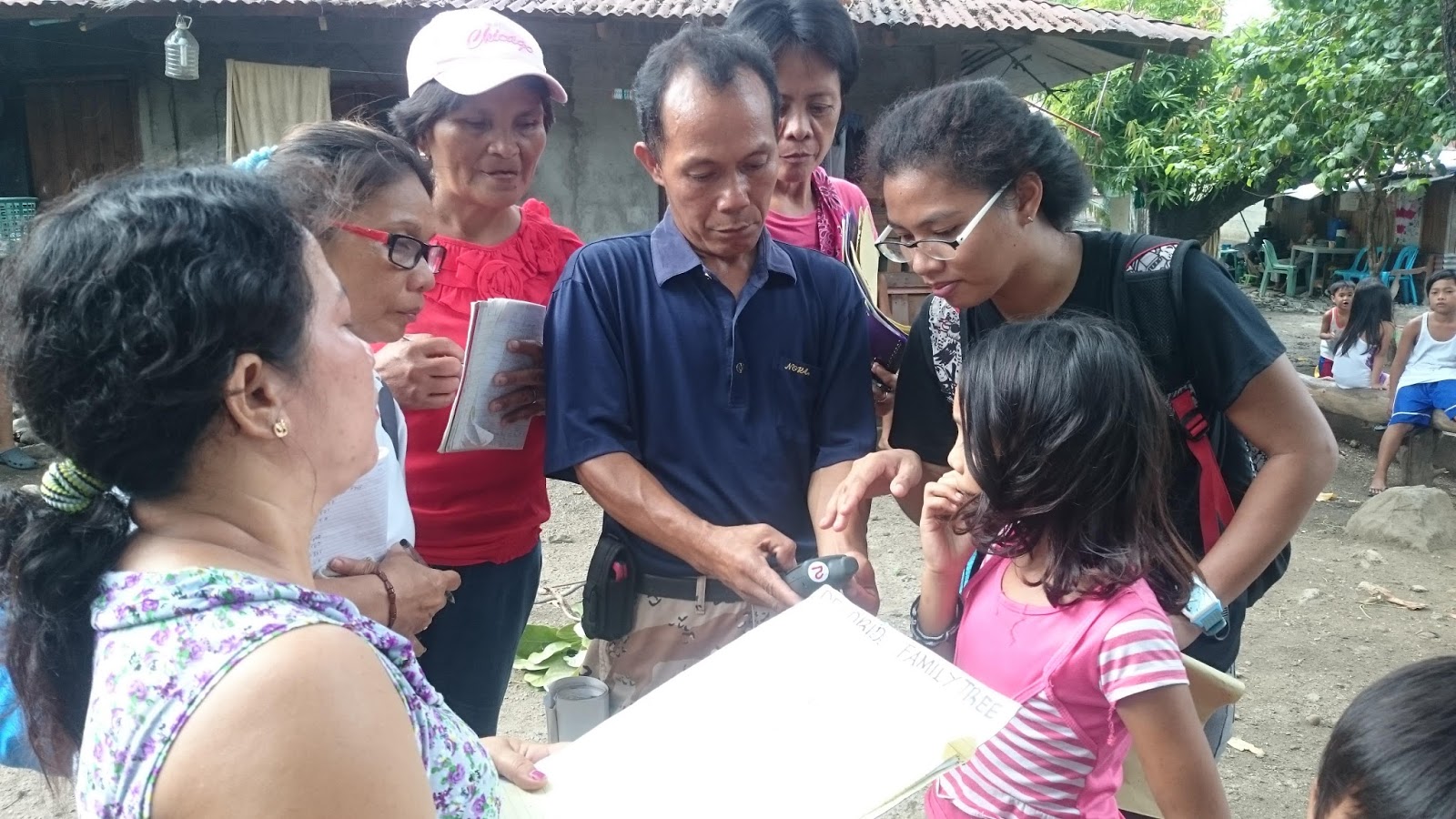
Group Focus Work in Allabang – Story collection from residents

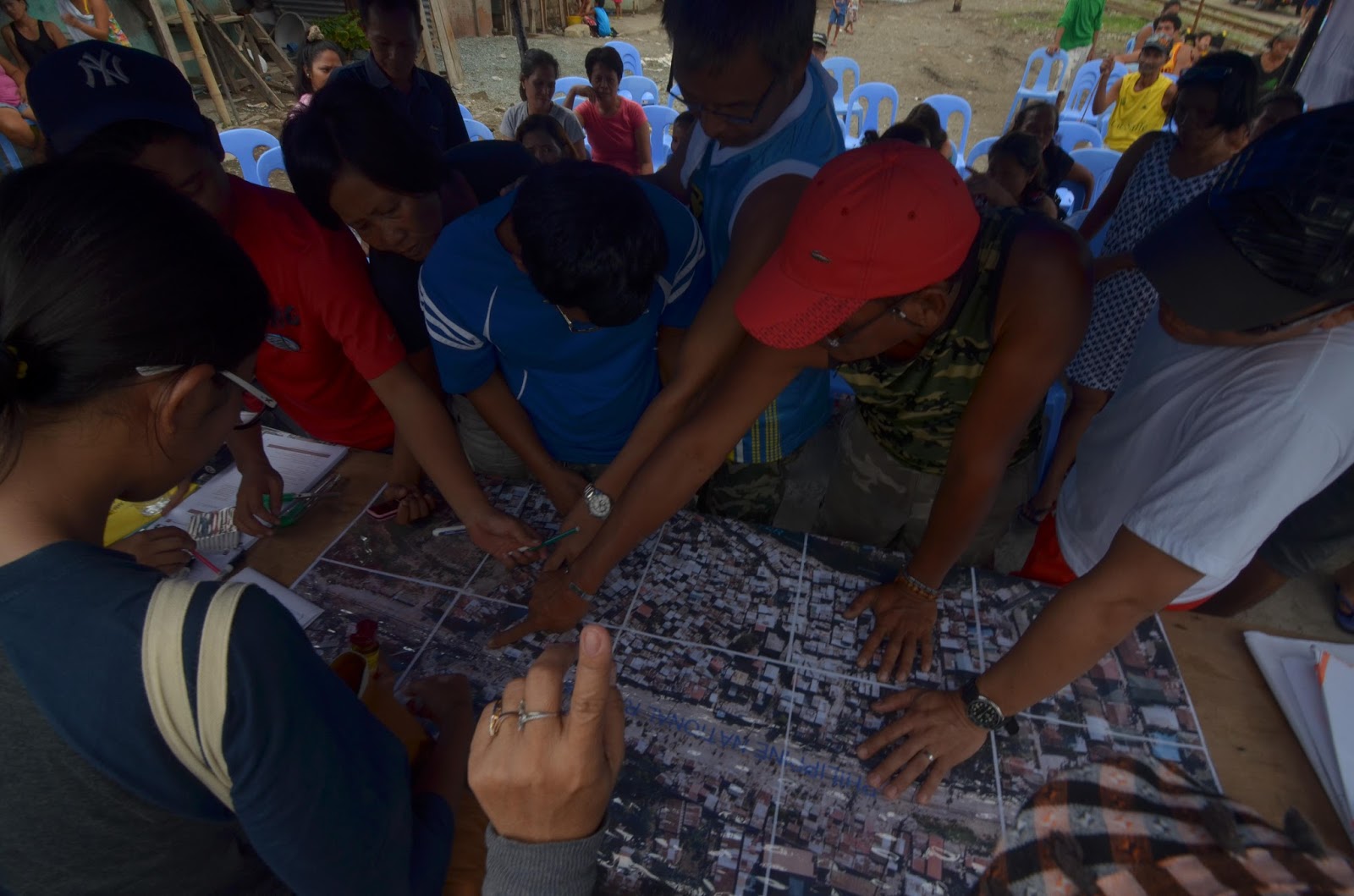
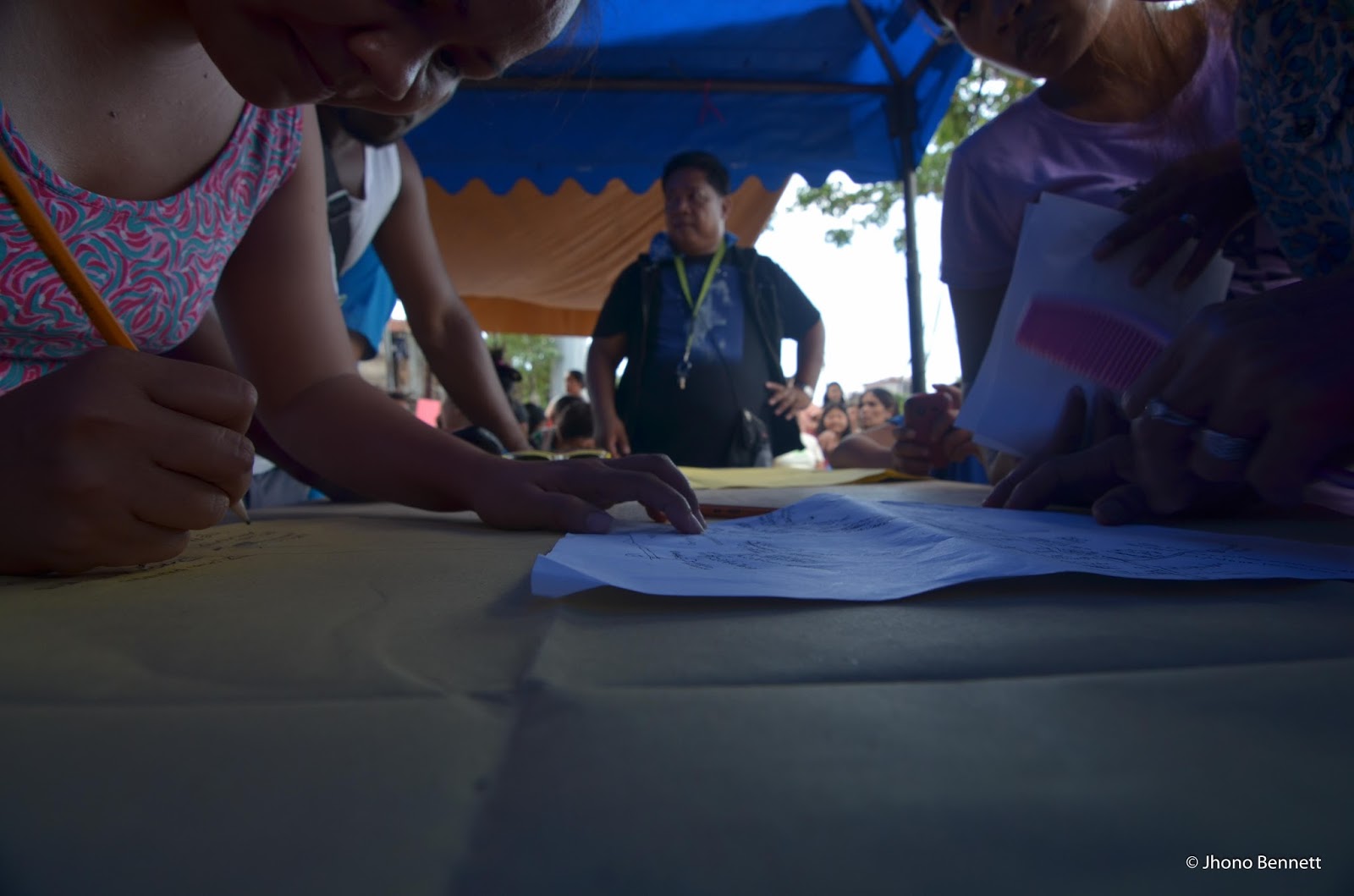
Group Focus Work in Allabang – Community Mapping with residents

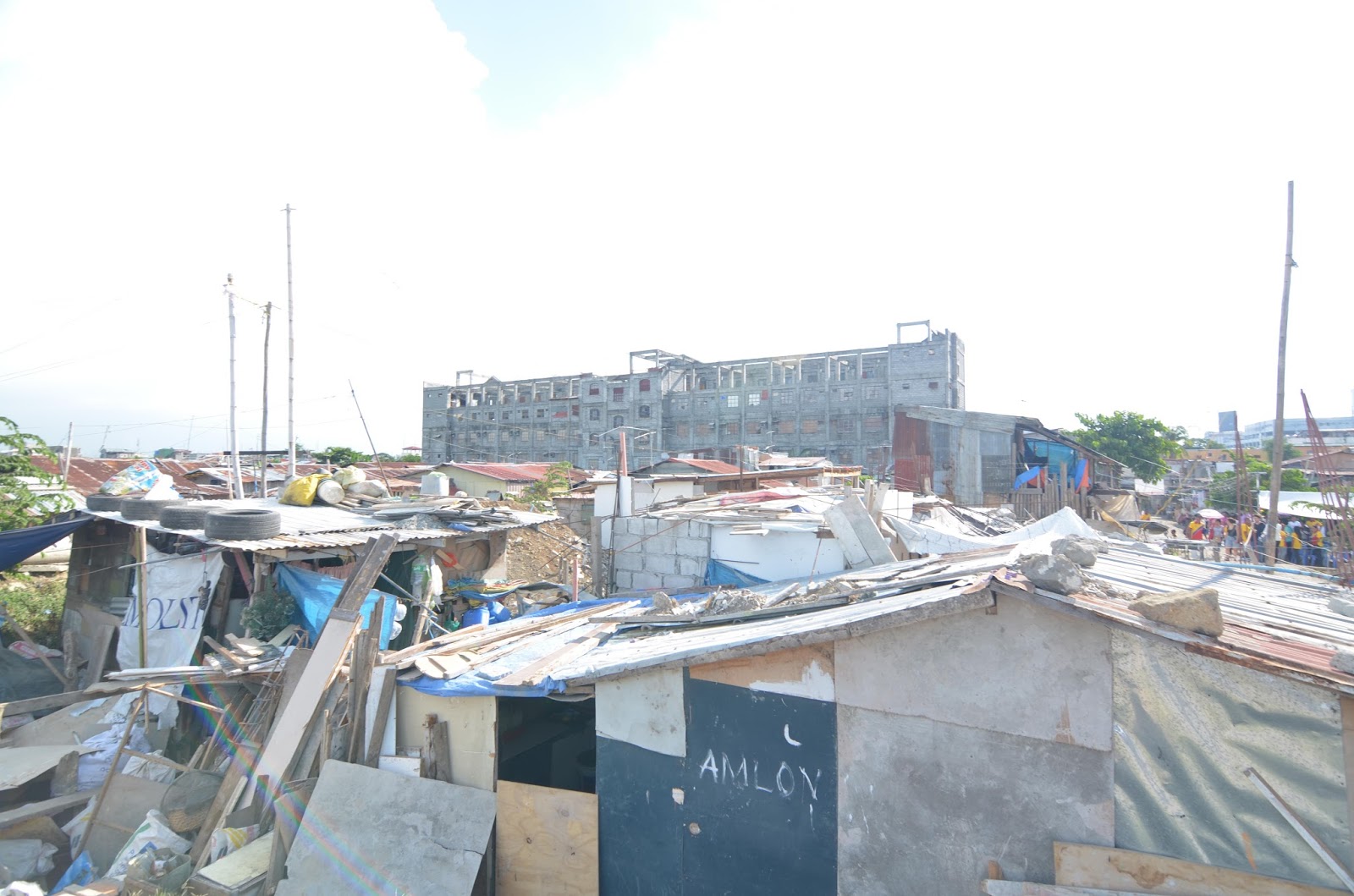
Allabang in context

Group Focus Work in Allabang – Enumeration & Mapping with residents

This week was also spent sharing knowledge amongst all international participants in such work.

Group Focus Work in Allabang – Consolidating Mapping work for presentation

Sharing valuable skills from participants

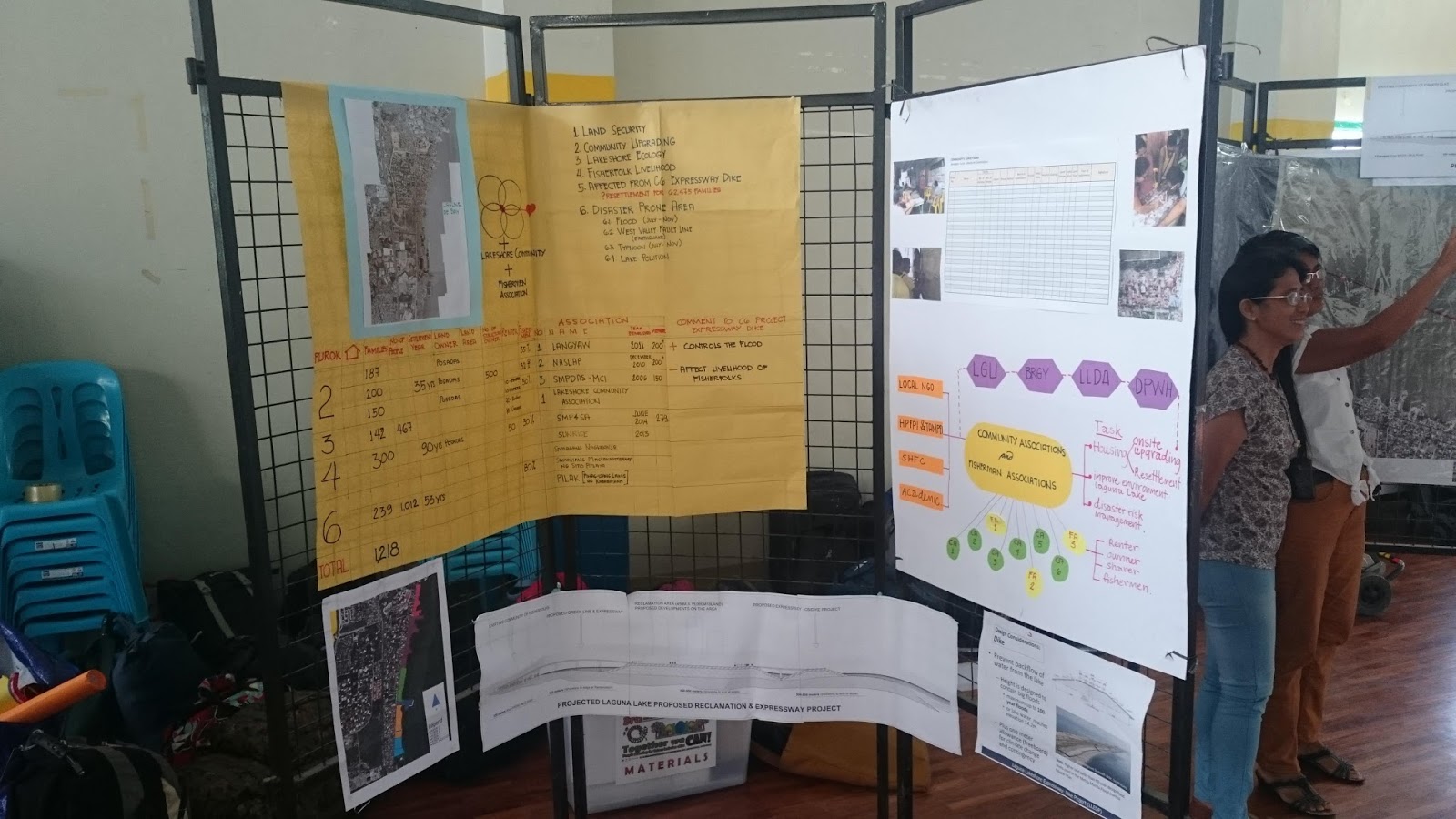
This was done while strategically developing a body of work that would be shown to local government stakeholders at a final seminar in both Allabang and Intramuros.

Consolidated Group work for strategic presentation with government stakeholders

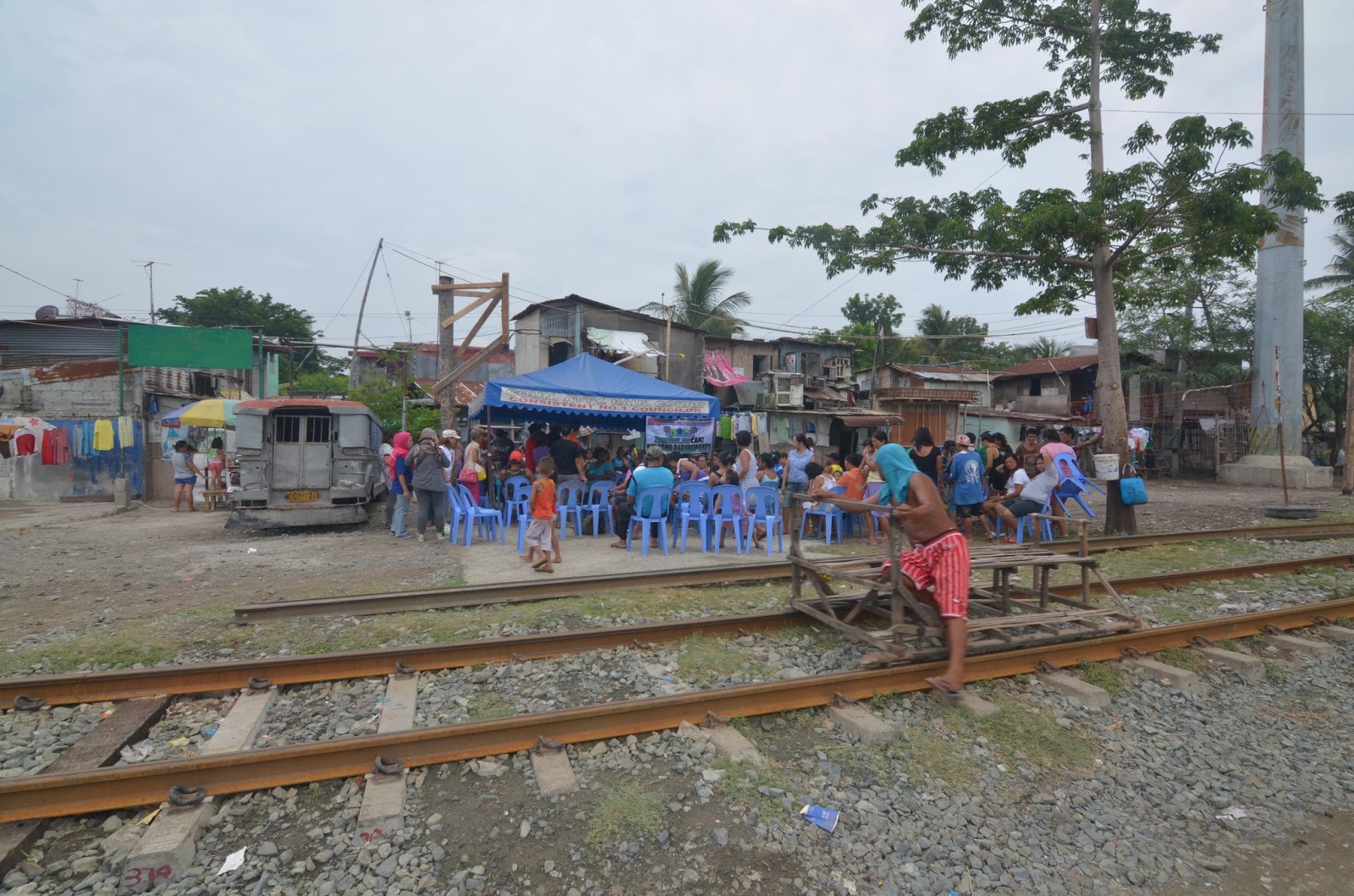
Allabang – Strategic presentation with invited stakeholders

Intramuros – Strategic Presentation

The workshop culminated in a social event on the 24th, celebrating the workshop’s success.

Key Observations:

The workshop was highly successful in bringing together community architects from across the world to share experience and knowledge through the mixture of workshop tasks, social events and working activities.

 CAN Practice: intensive workshops

The strategic use of these professionals to hyper-activate local community processes was exemplary in not have the visited communities as passive beneficiaries, while using the work developed in the short time to engage local governance bodies to support local community processes was a highly impactful strategy employed by the workshop organisers.

CAN Practice Capacitation through training

In particular it was impressive to see how ingrained the practices were conducted by both local community support and technical support. There seems to be something in the way the Philippines alliance work that goes beyond technical support and enters into new cultural and social dimensions of such work.

CAN Practice – Strategic grass roots work

Personally, it was amazing to be in the presence of so many like-minded professionals who shared the values of community driven processes and were skilled in facilitative design processes.

CAN Practices in action

This experience further cemented my personal motivation in developing critical co-productive design skills for me and other South African socio-technical spatial designers through community driven development projects.

ASF Change by Design: Cape Town 2015

Change by Design 2015 – Cape Town

Architecture Sans Frontiers – United Kingdom (ASF-UK) has been conducting their Change by Design workshops since 2009 in various counties; Brazil, Kenya, England and Ecuador.
These workshops explore participatory design as a tool for advocacy and socio-spatial transformation in informal settlements, in collaboration with grass roots organizations, local NGOs and governmental agencies involved in slum upgrading and housing rights.

This year they arranged the workshop in Cape Town, alongside the Development Action Group (DAG)‘s Re-Imagining the City campaign and invited myself amongst many other practitioners to facilitate the workshop:

“The focus of our upcoming workshop is the neighbourhood of Woodstock, in Cape Town, South Africa. Here, ASF-UK is teaming up with the NGO Development Action Group (DAG) and diverse groups of local stakeholders to explore how inner-city urban regeneration can be re-imagined as a process that brings about more equitable and democratic city development in Cape Town”

 
The workshop employs a holistic approach at 4 different scales: Dwelling, Community, City and Policy & Planning that works with existing initiatives (DAG) to support work being conducted on the ground.

The entire workshop was documented here:

Cape Town Workshop

We worked from DAG’s newly opened DAG Cafe, a space planned to be a platform for future discussion around DAG’s Re-Imagining Settlement’s Programme.

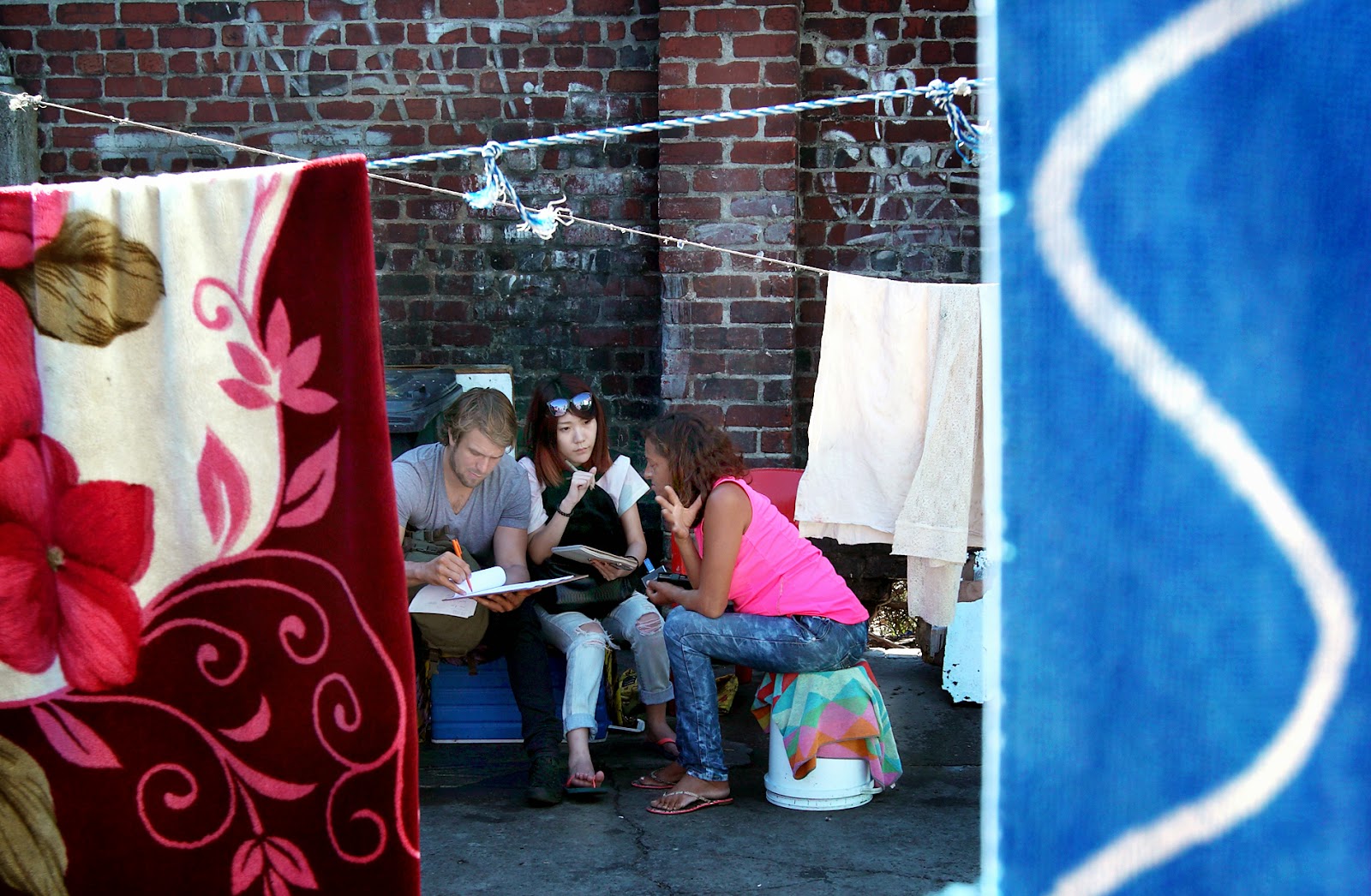
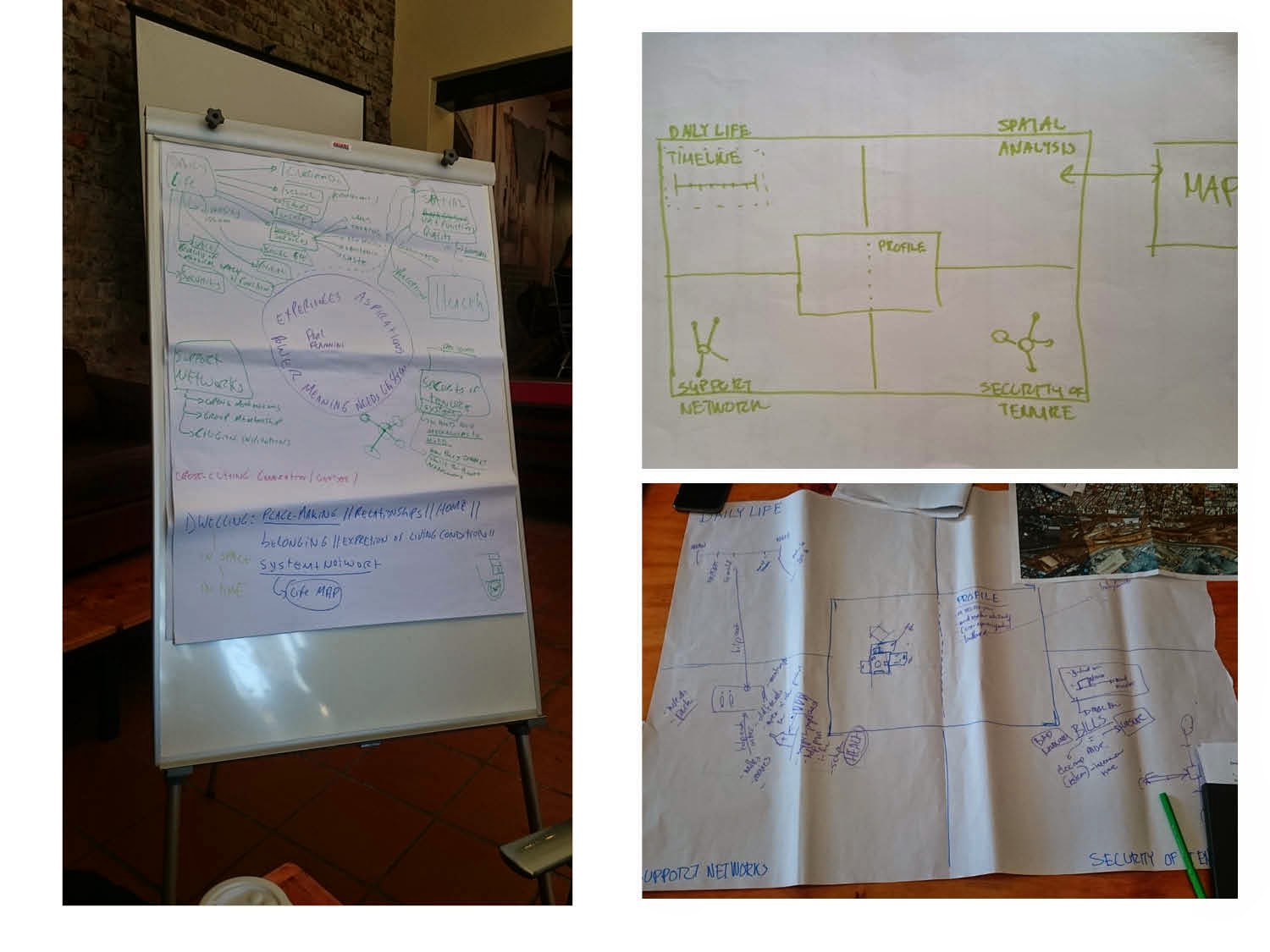
I was assigned to the the Dwelling group where we developed a tool to capture the Life World Mapping of the various sites we set to engage with.


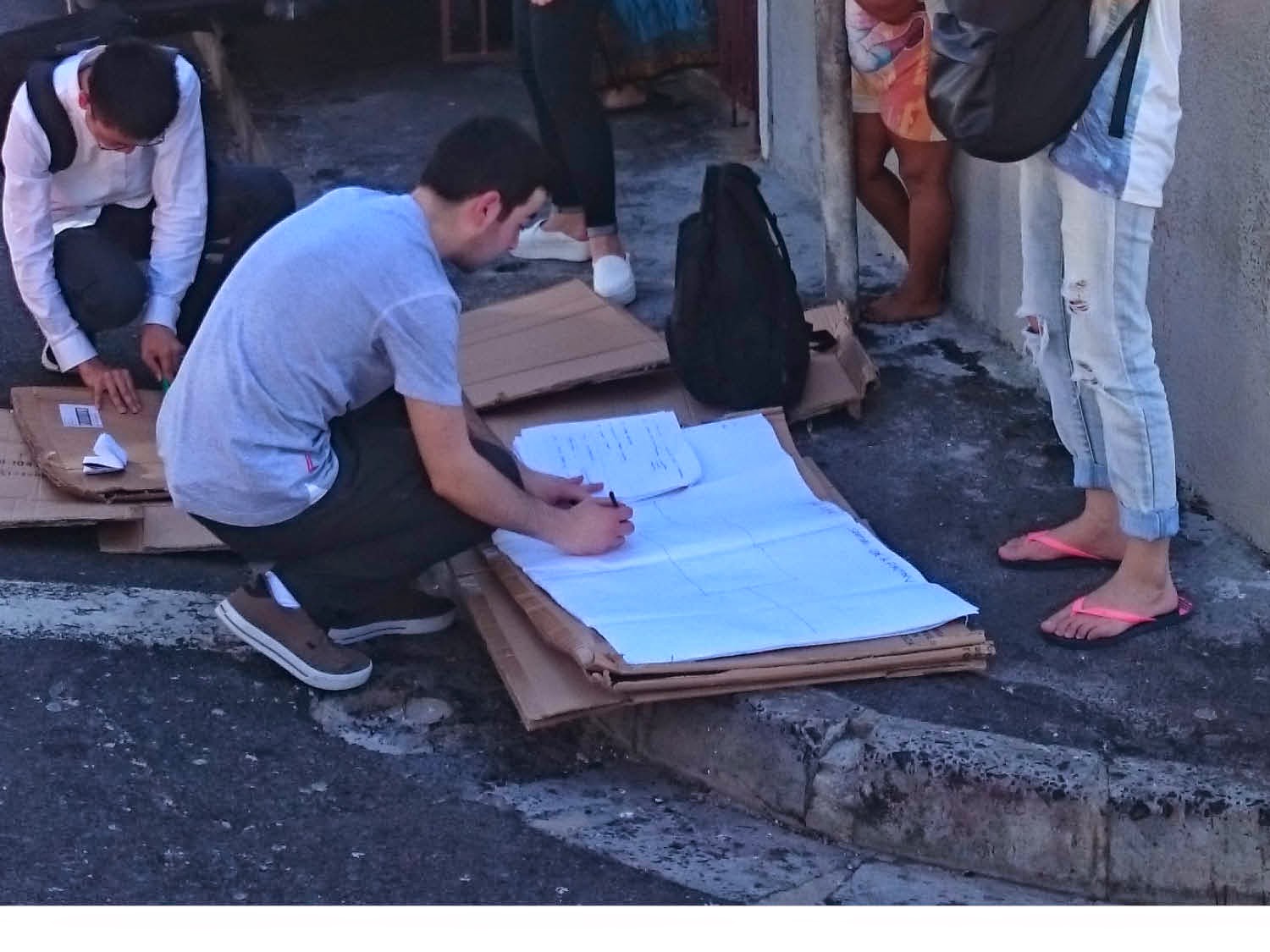
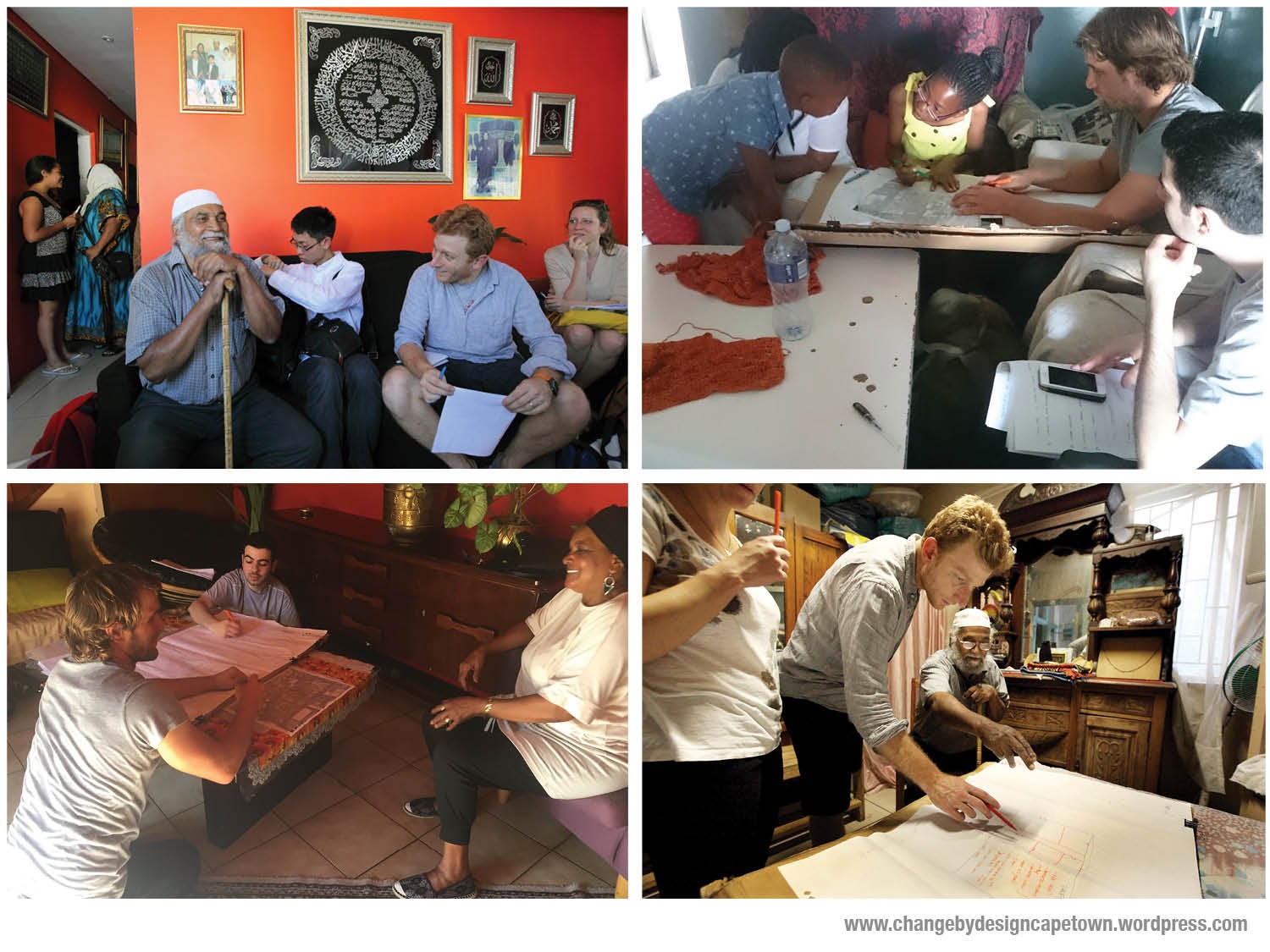
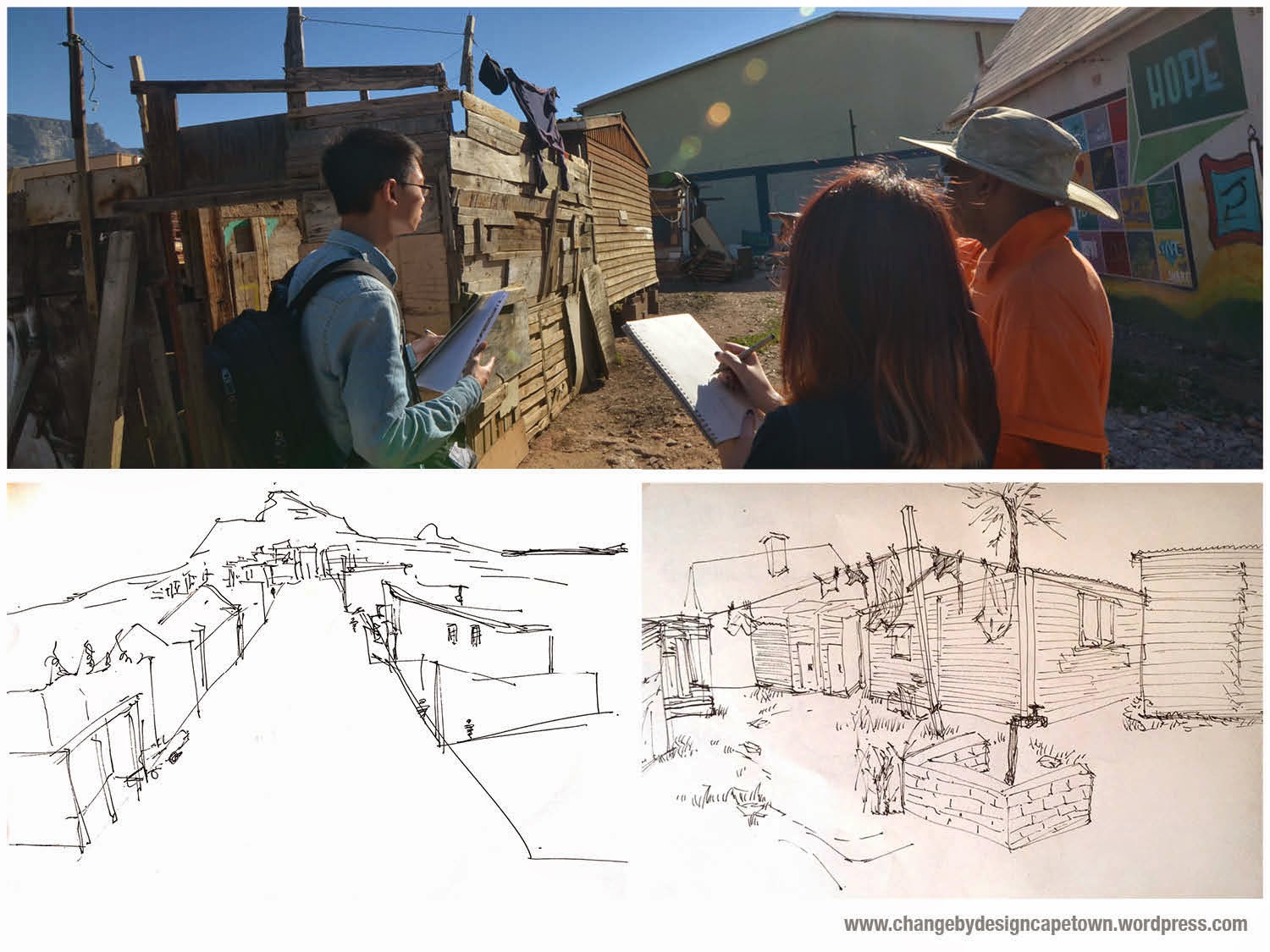
And began the process of participatively mapping with residents of the various sites DAG ia involved with.

Gympie Street Mapping
Bromwell Mapping

Pine Road Mapping

Participative Workshops

These findings were then works- hopped through a series of exercises conducted at the DAG Cafe,

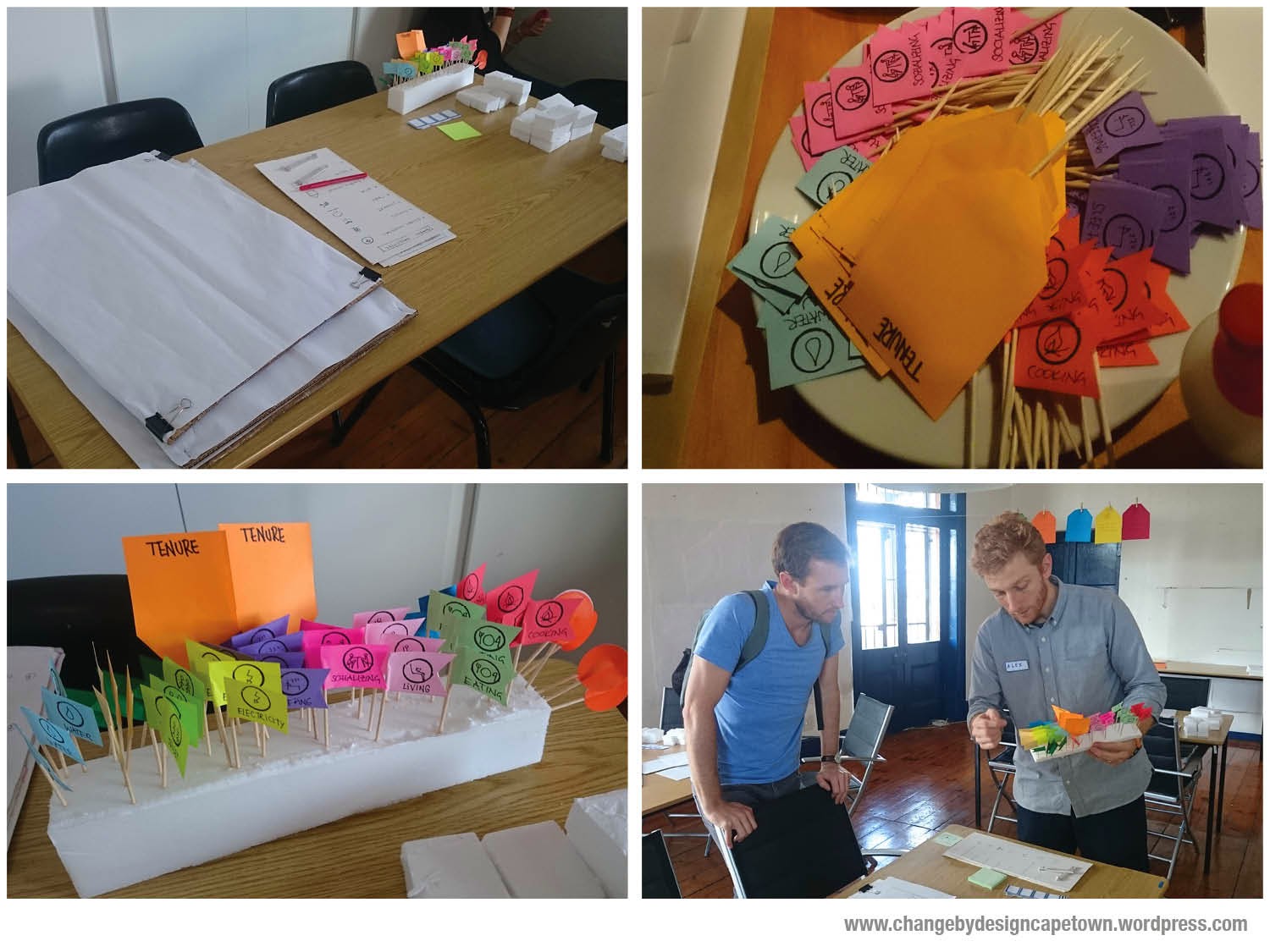
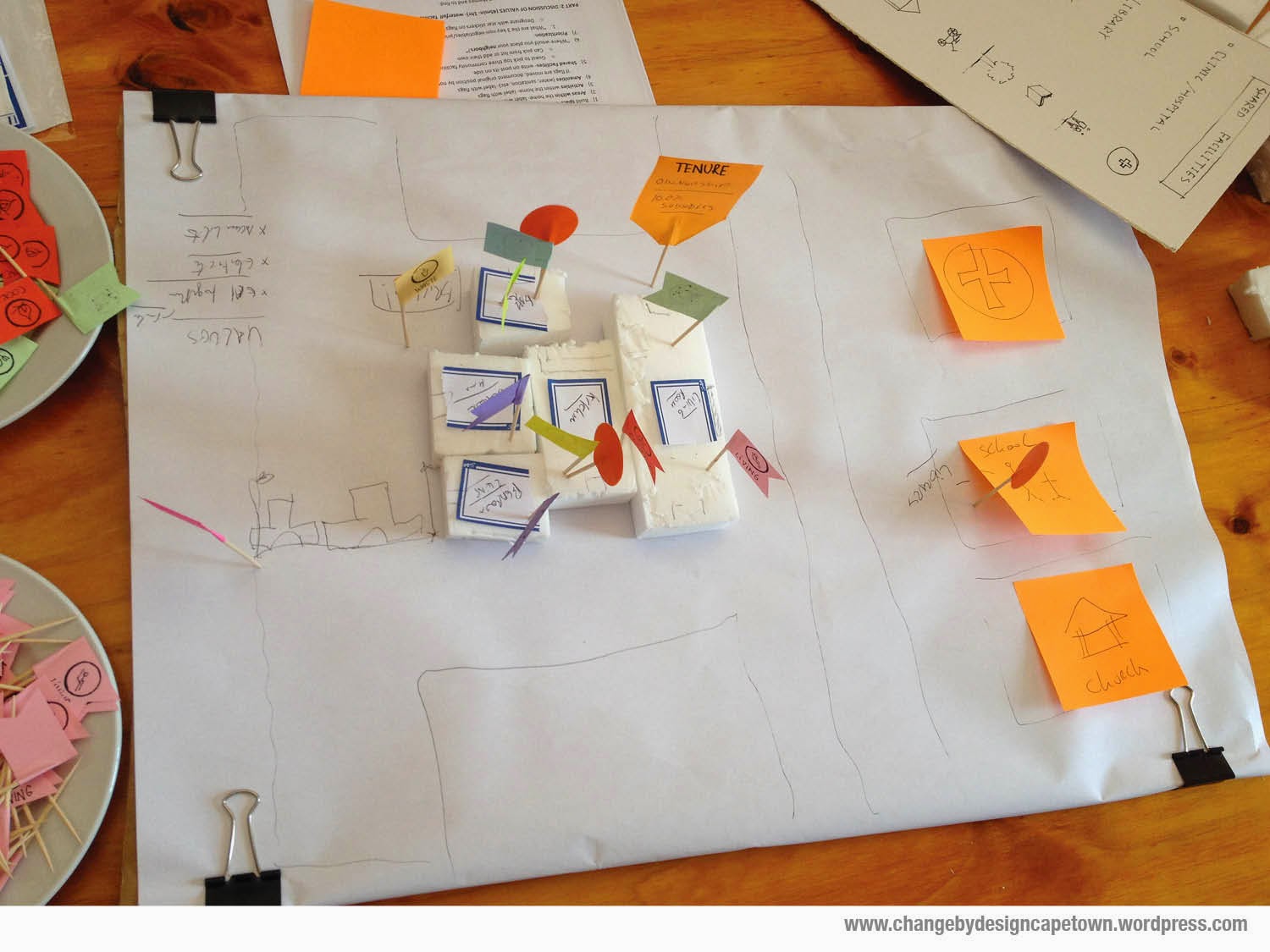
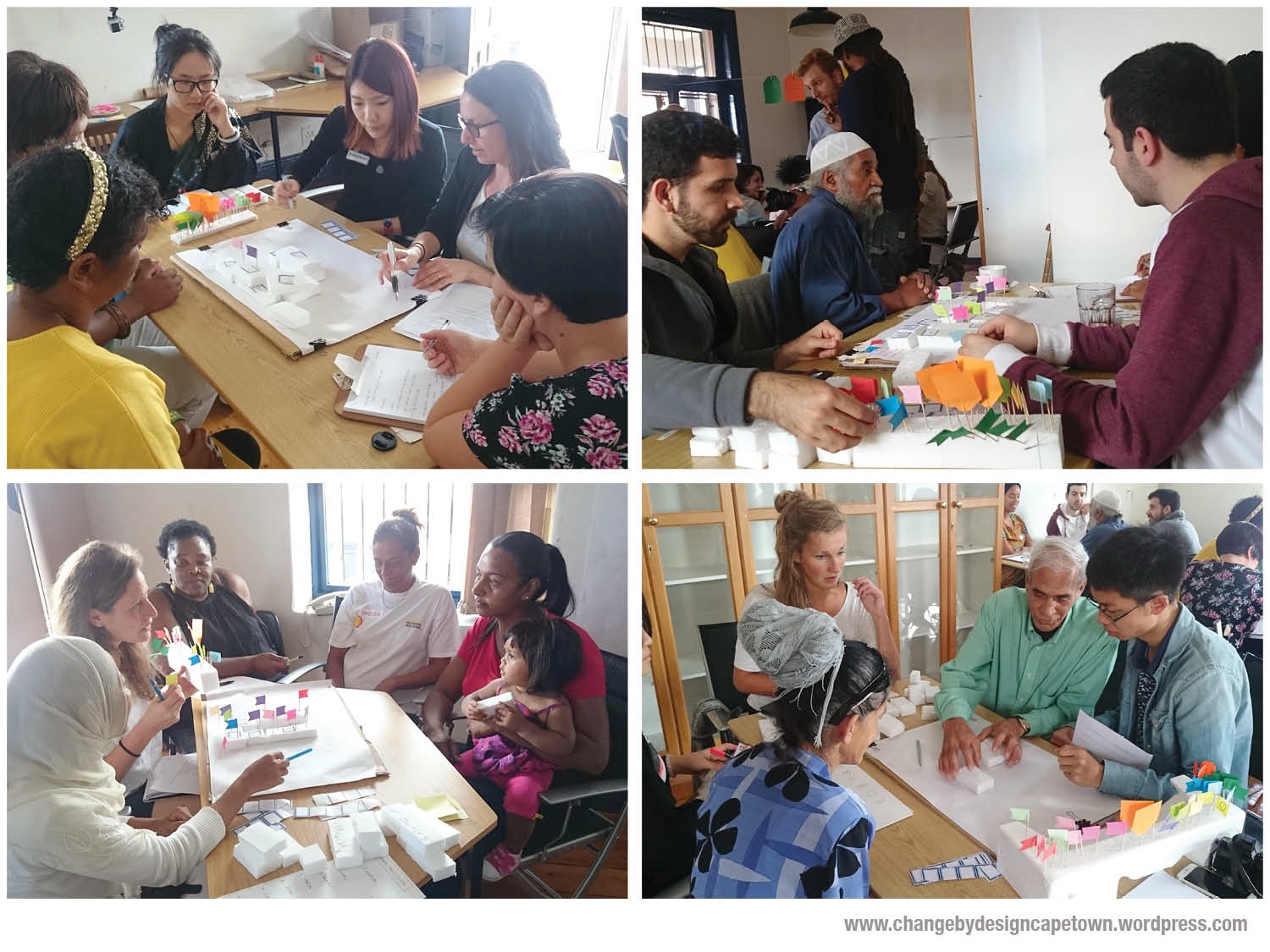
This exercise was carefully designed and facilitated by the ASF Team in two parts, one that asked residents to ‘build’ their dream home, then asked residents to discuss together aspects of neighbourhood and possible links to future threats.

Individual Exercise

Group Exercise

The findings from all the exercises were carefully collected and collated into the final day workshop that brought together all the various scales of the workshop as well as various stakeholders in DAG’s projects.

Final Day Exercise

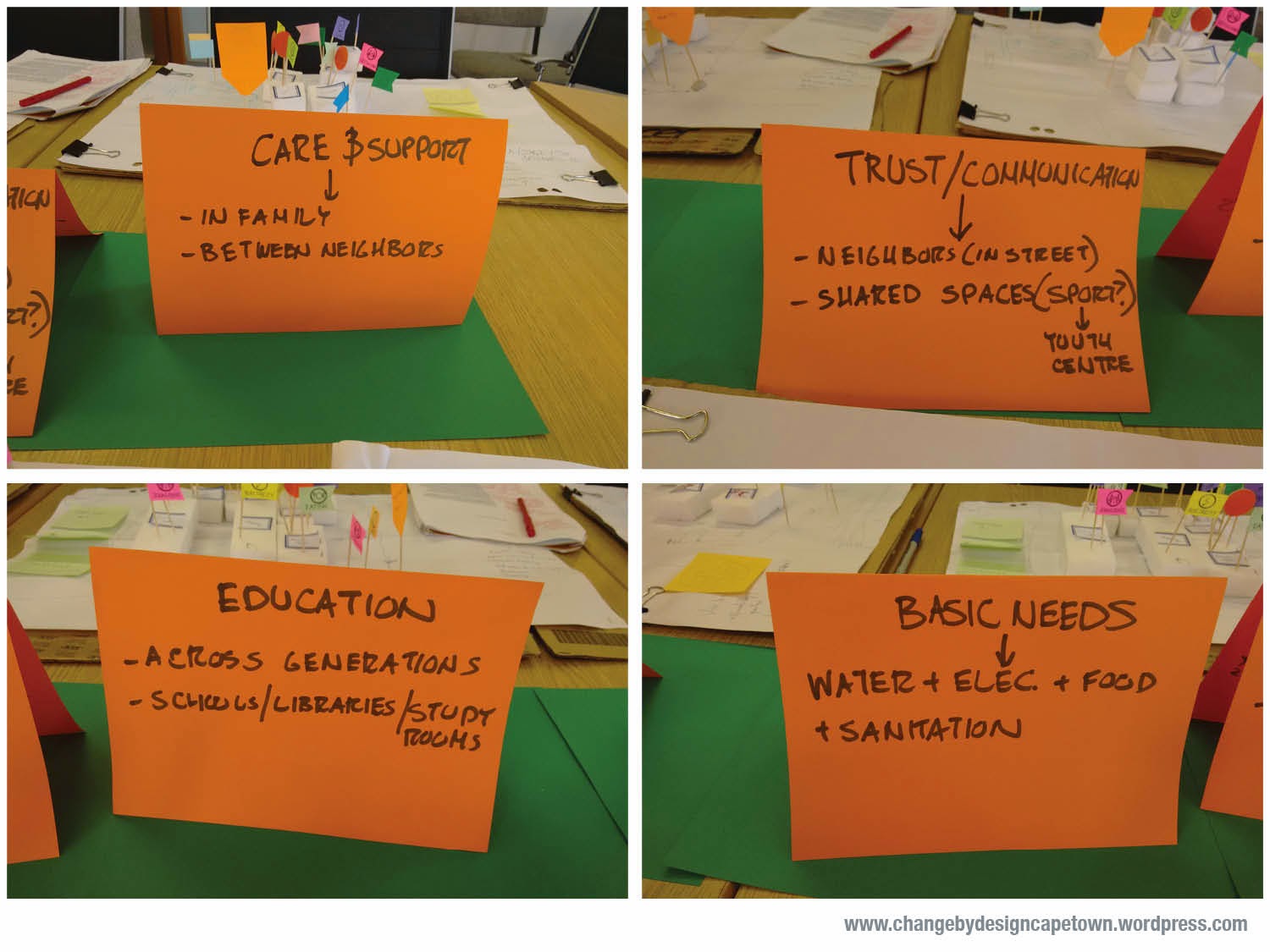
These final workshops were crucial in determining the collective elements of those involved in the different aspects of DAG’s work.

Workshop End


The workshop concluded with a facilitated discussion between the participants and the CBO’s. The next step from the facilitation team is to complete the report for DAG as well as package and share the data gathered during the workshop .

Reports from previous CBD Workshops:

Joburg Joburg

In 2014, after moving into Johannesburg’s inner city, I became involved with a group of artists who had started a very interesting project around engaging ‘positively’ with Johannesburg’s inner city, commonly known as the ‘Joburg CBD’.
They called their project Joburg Joburg,  reference to the South Africanism of repeating a word to add emphasis to its meaning:
Person 1: So Johan, where are you staying theses days?
Johan: I’m living in Joburg.
Person 2: Oh, I hear Sandton is very nice.
Johan: No, I’m living in Joburg
Person 2: So like Parktown?
Johan: No, like Joburg Joburg – downtown CBD.
This adage has a base in the other more popular South Africanism of Now Now: see here for more details.
This scenario holds a seminal message of why the Joburg Joburg was conceived – many people don’t see the inner city Joburg as Joburg, instead they see it as a dangerous no-go zone of unnaccessible spaces occupied by a crime syndicate bent on murdering everyone who crosses it’s threshold.
This stigma, which is endemic of many South African public spaces, is the very thing the Joburg Joburg team and myself were looking to understand and explore through our various projects under Joburg Joburg.
See more details on the website here: https://joburgjoburg.wordpress.com/

Image: Johan Stegman

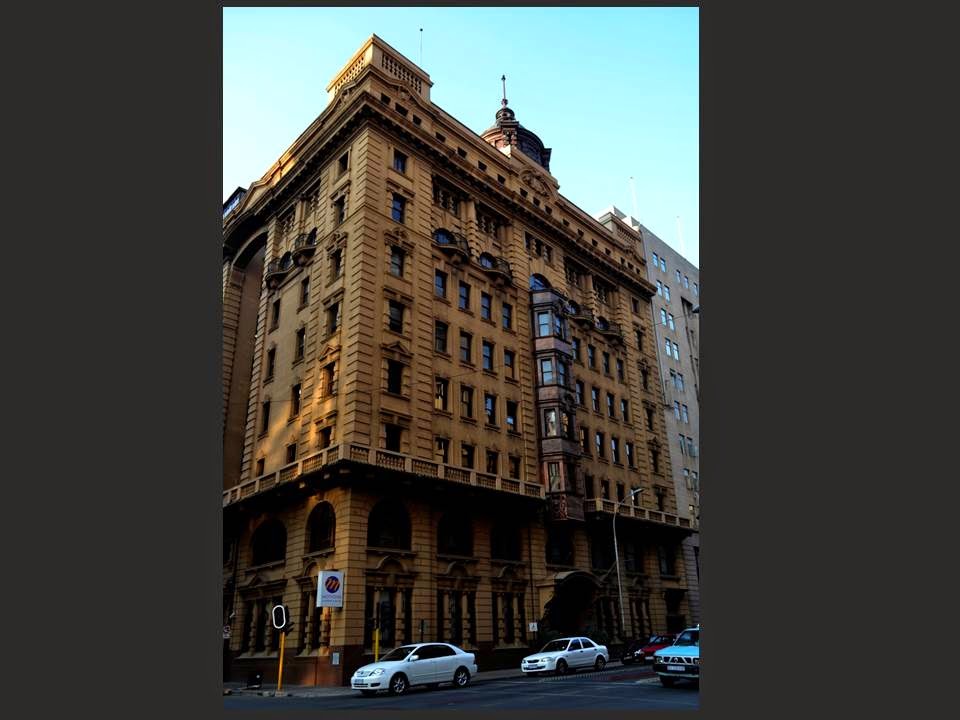
The Joburg Joburg story starts with Johan Stegman, and engineer/artist moving into an unoccupied rooftop space owned by a large down town Joburg developer at their flagship property of Corner House.

Image: Johan Stegman & Allen Laing

Through a set of chance circumstance and a burning desire to engage with the city, Johan with Allen Laing, a sculptor working in the inner city, set up an extensive and highly successful multi-artist exhibition exhibition to engage with this question of ‘responding to the centre’.

Image: Johan Stegman 

See the full Joburg Joburg origin story here:  https://joburgjoburg.wordpress.com/2014/04/14/the-joburg-joburg-story-finding-the-center/

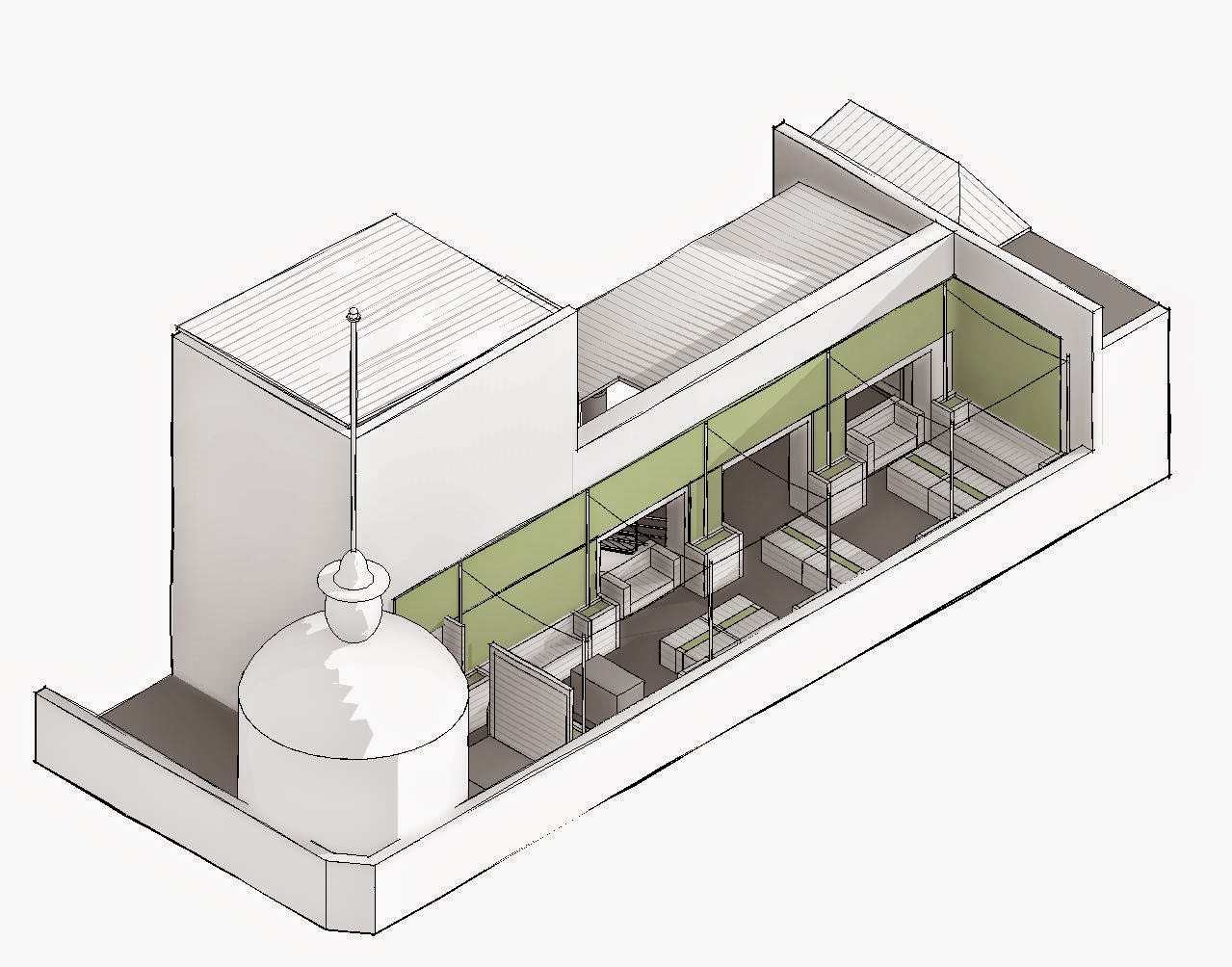
At this point I was living in the building across from Corner House and assisted the Joburg Joburg team with some minor installation work. This relationship developed as I began assisting the team with some spatial design support towards what they called the Kingdom Hideaway Partnership Rooftop Vision. A strategic design initiative to bring together the various actors at the Corner House building around a common vision of ‘productive’ inner city use.

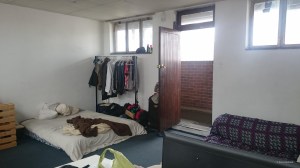
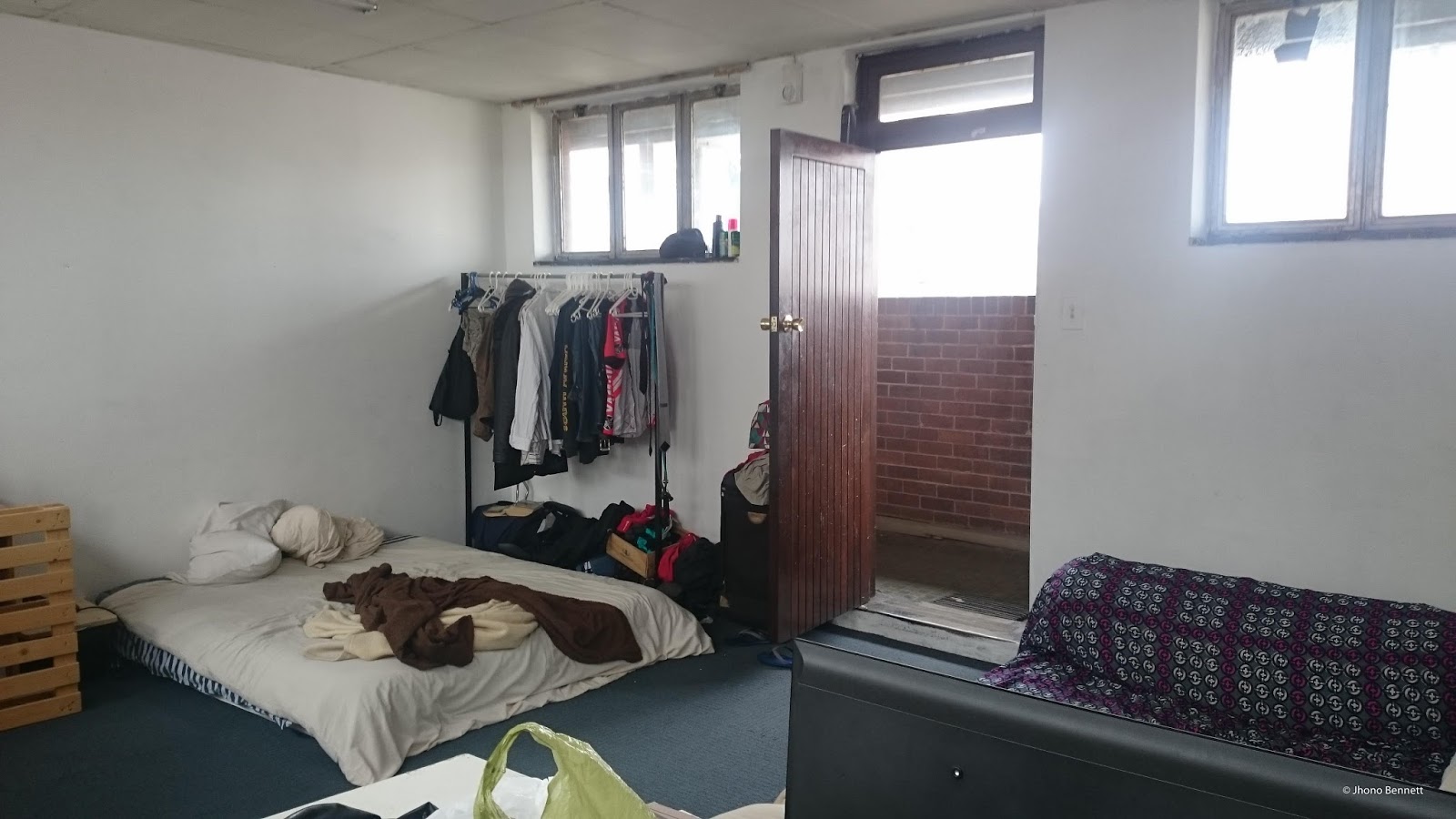
As part of the arrangement was that I was allowed stay on the roof at corner house for a nominal fee where I took up residence in the Apartheid planned ‘domestic quarters’.

These spaces were the logistic outcome of the Group Areas Act that did not allow black people to live in the same structure as white people which in the suburban areas manifested into what we see today as the ‘maid’s room’ a separate room on the boundary of suburban properties.

But in the city these spaces were placed on the roof’s of building and carefully designed with shared (under serviced) ablutions, lockable areas (to keep people in, not out) and windows that are too high to see out of, but provide the minimal amount of ventilation to pas regulation.

My quarters

These spaces are still in use all over Johannesburg, and hold amazing potential to allow mixed income housing as well as developing a more integrated urban culture – but continue to be used to house a a portion of the labour sector in quite unfair conditions.

Rooftop Socio-Spatial Planning 
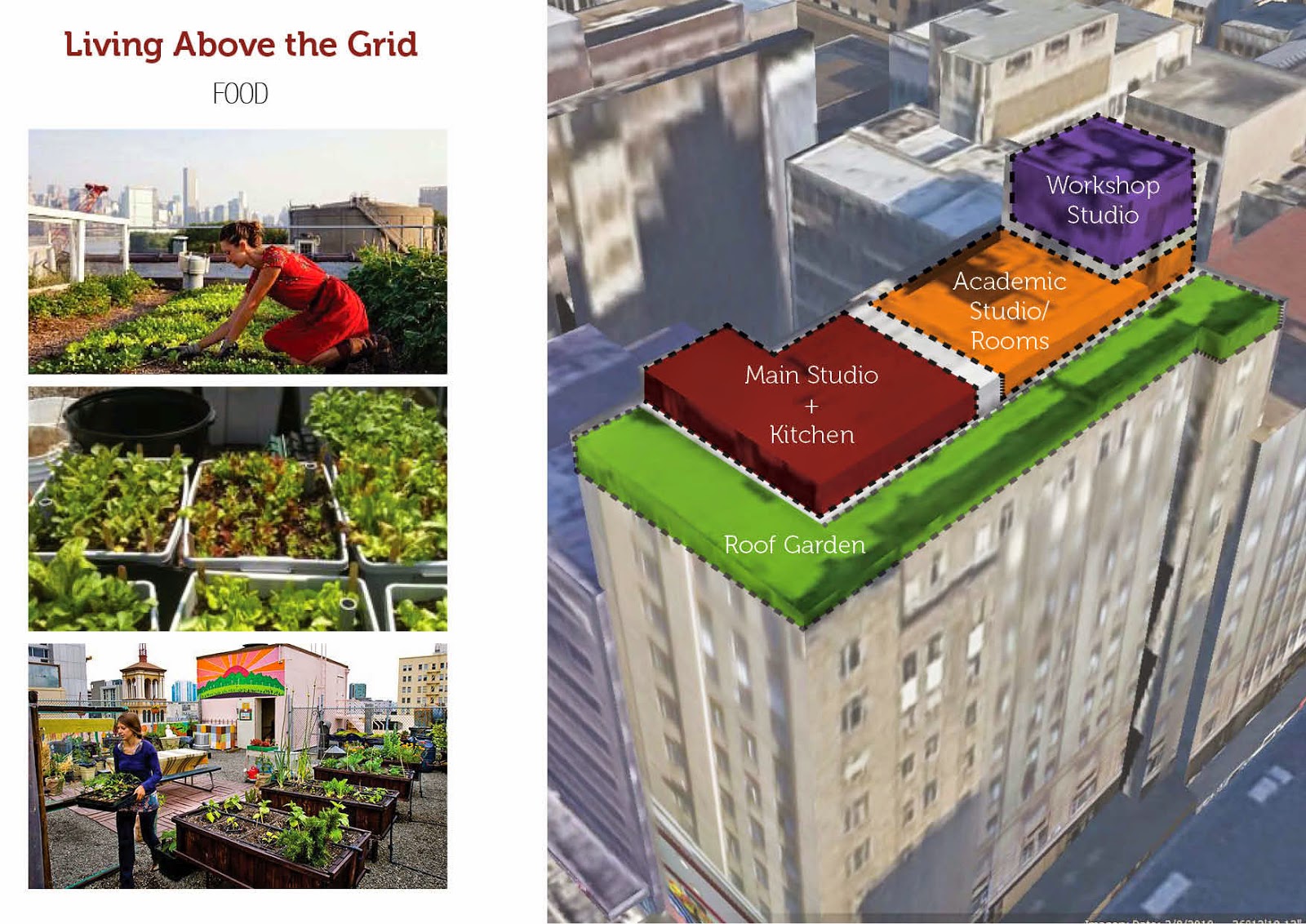
This initial task was to design and strategies a way to maximise the use of the rooftop space, which is currently underutilised and create a shared environment that only brings the various stakeholders on the roof together, but creates a space for others to access city from.

A phased, multi use strategy was proposed that included light scale rooftop gardening, venue spaces and a potential creative residence that would link with existing functions and support the vision held by the developers for the building.
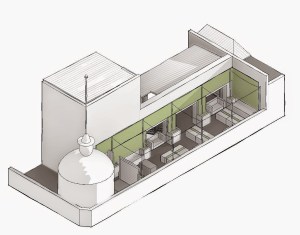
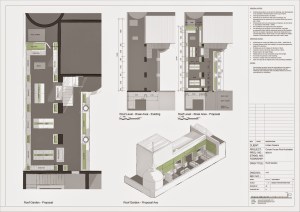
Rooftop Garden Proposal

This strategy wasn’t met with a completely negative response, but due to the various factors involved with a development in the city certain stakeholders were not willing to make the initial investment of time or commitment, but instead chose to pursue ‘safer’ development investments and options.

Beyond Corner House I also provided spatial strategies, alongside colleagues from Johannesburg, for other buildings which were met with a similar response.
 
Cross-CBD Engagement
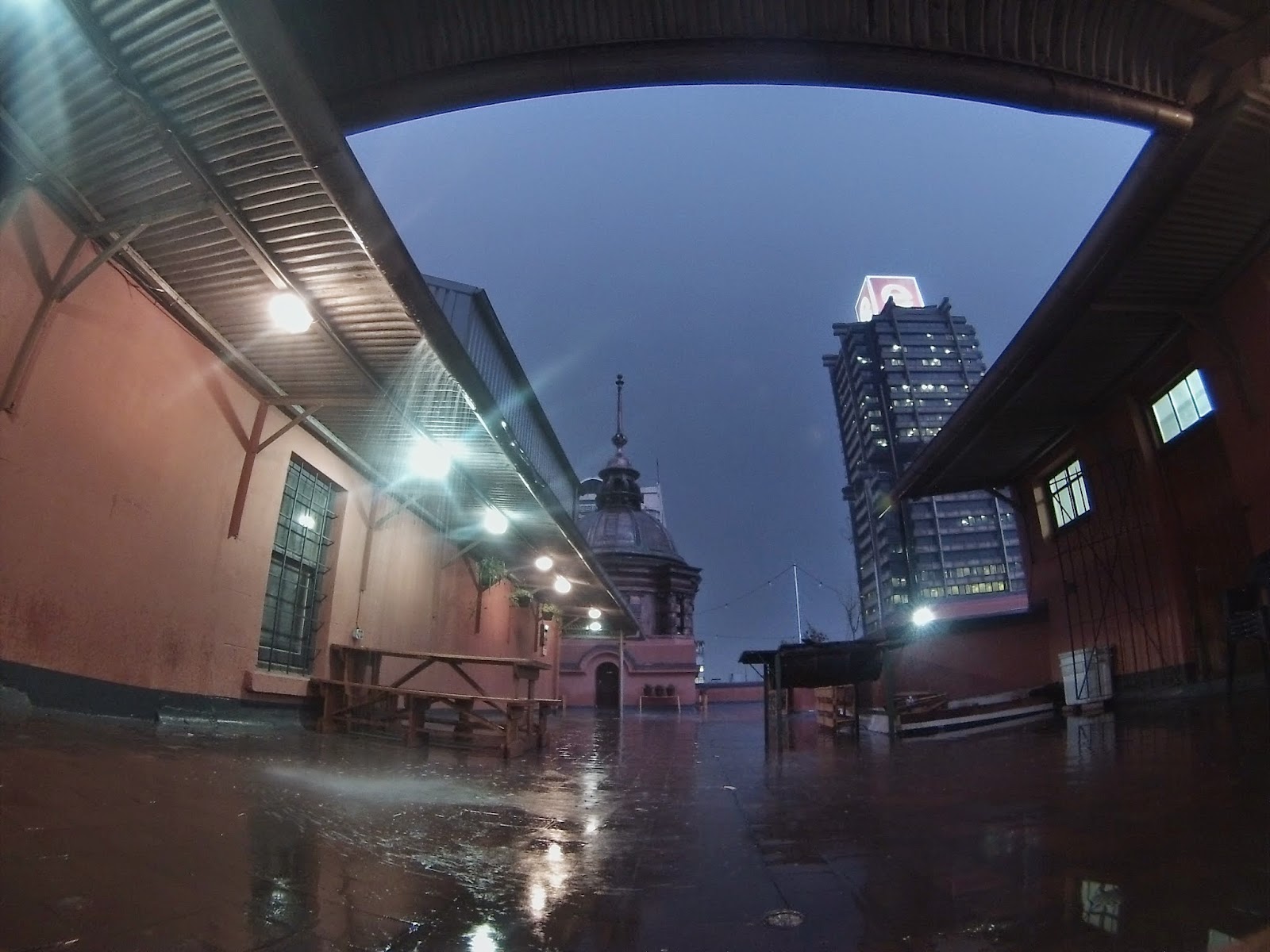
View from the Roof Roof Roof
Although the my time with Joburg Joburg was not productive in shifting the perspective of those I worked with I managed to conduct many interesting projects with the city spaces I worked on and used on daily basis.

//cdn.embedly.com/widgets/platform.js

Rooftop & Basement Measuring Mission
Documentation of measuring and rooftop exploration of downtown buildings
 
City Storms
Capturing the iconic summer storms that makes define a high veld summer
Minimal Mass
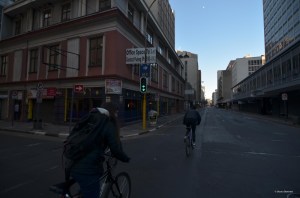
Small scale social cycling trips headed by Blanca Calvo
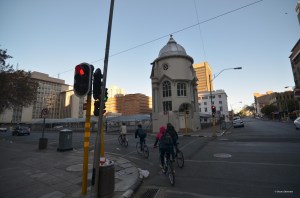


Braamfontein

Unfortunately my time with Joburg Joburg has come to an end, and I am know residing on the edge of the inner city in the vibrant and interconnected Braamfontein District.

Vie from Civic Towers to Inner City

I am still conducting other research into the city of Joburg through my work with the University of Johannesburg’s Architecture Department as well as other initiatives that I am involved in.
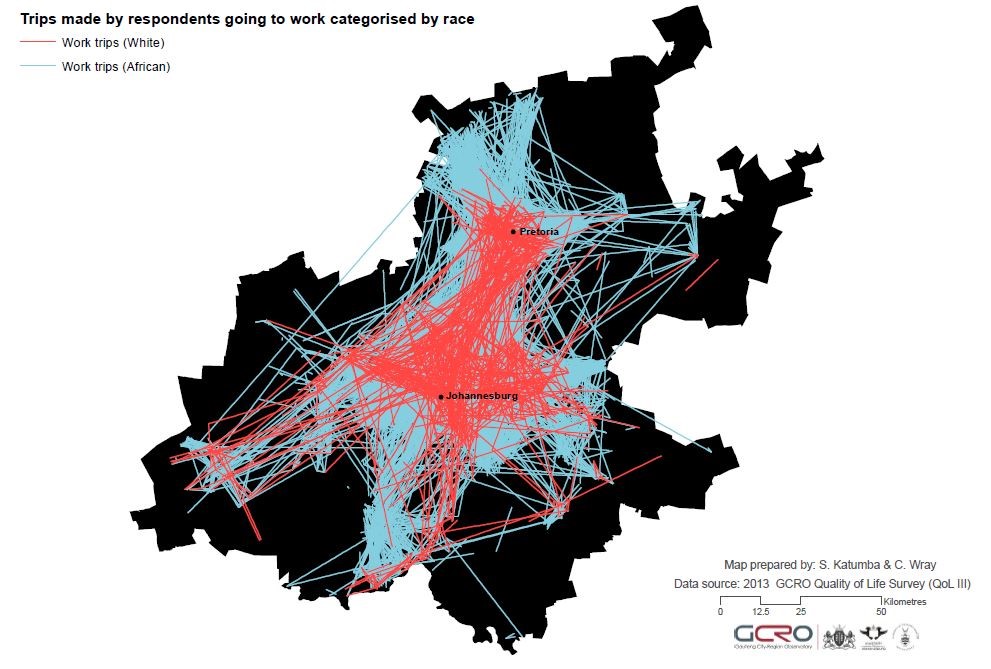
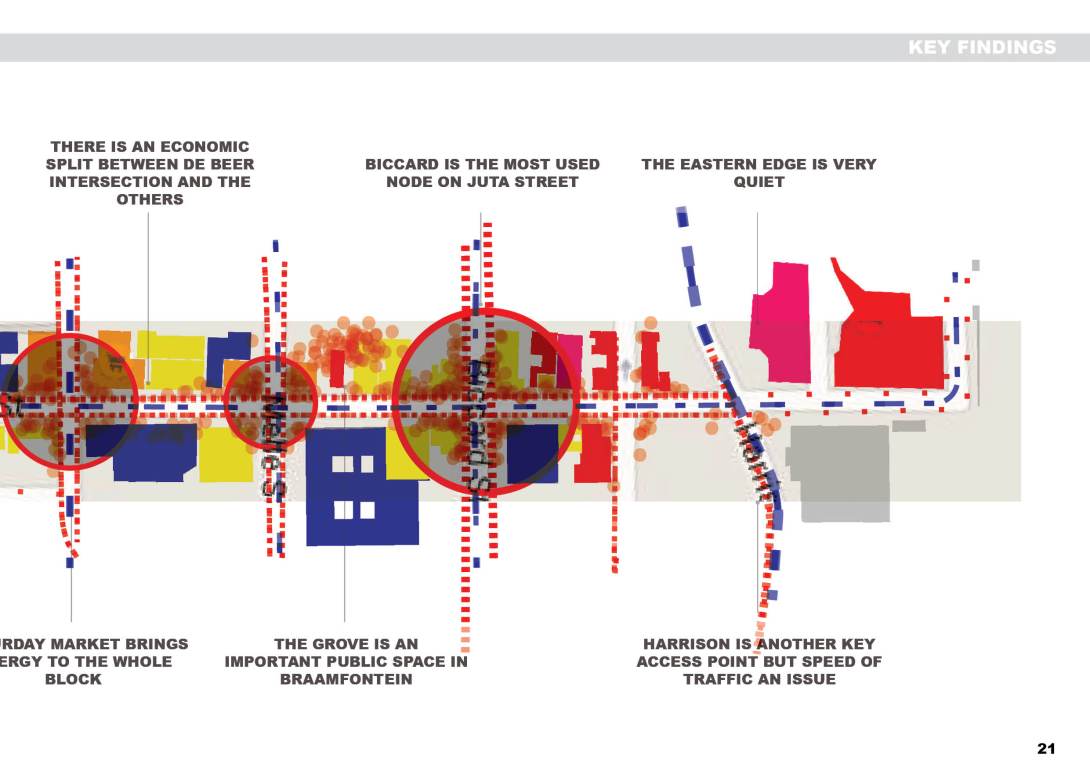
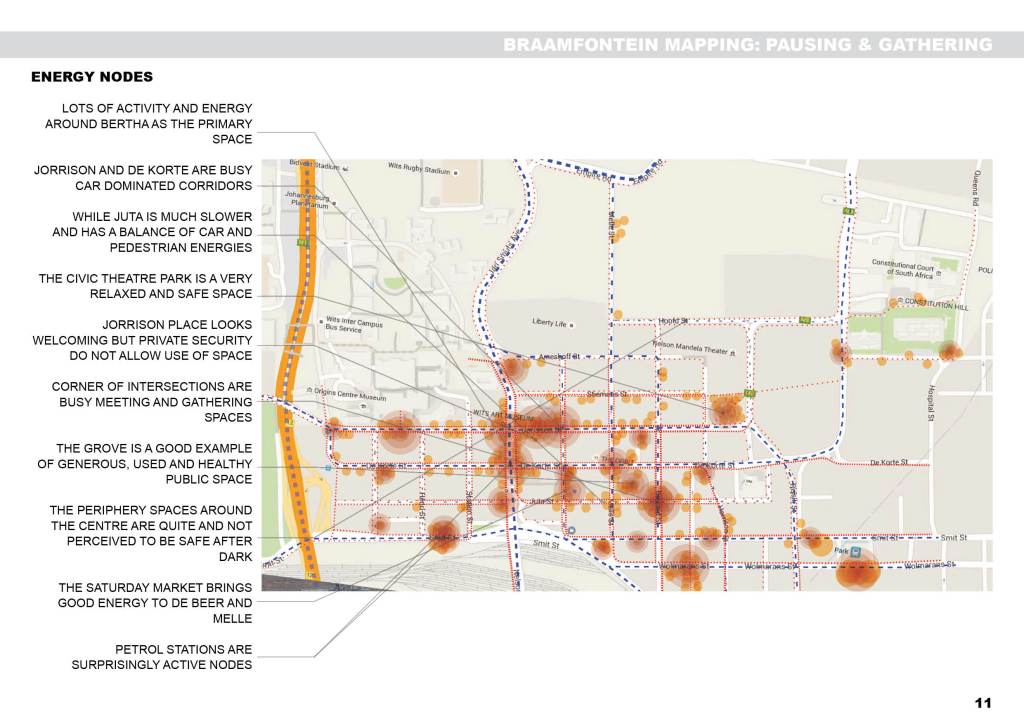
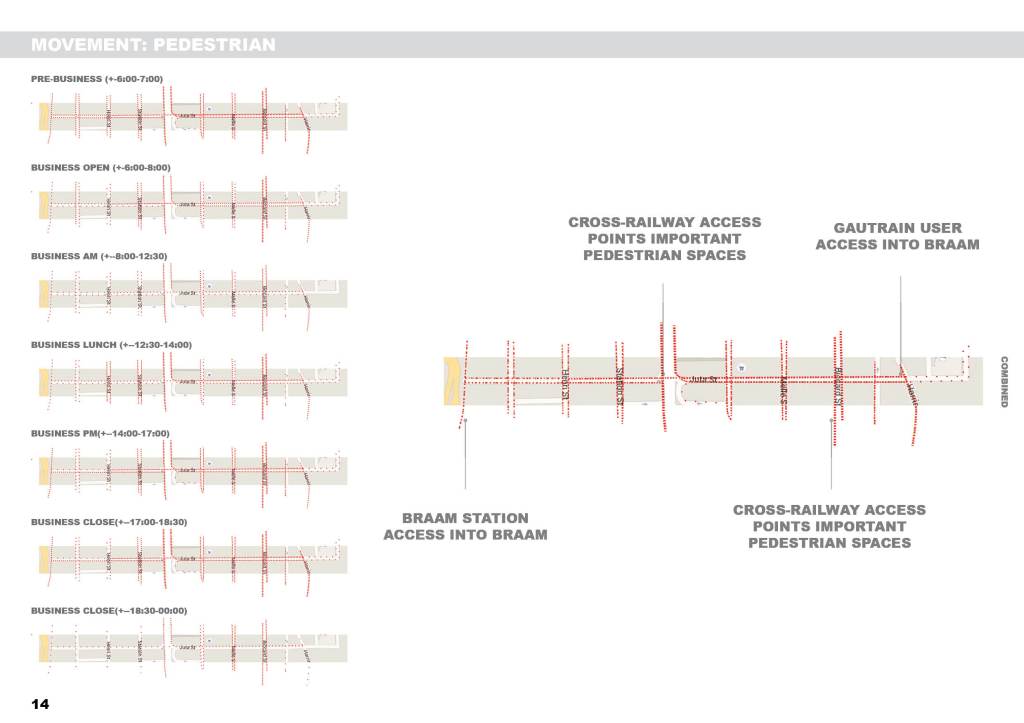
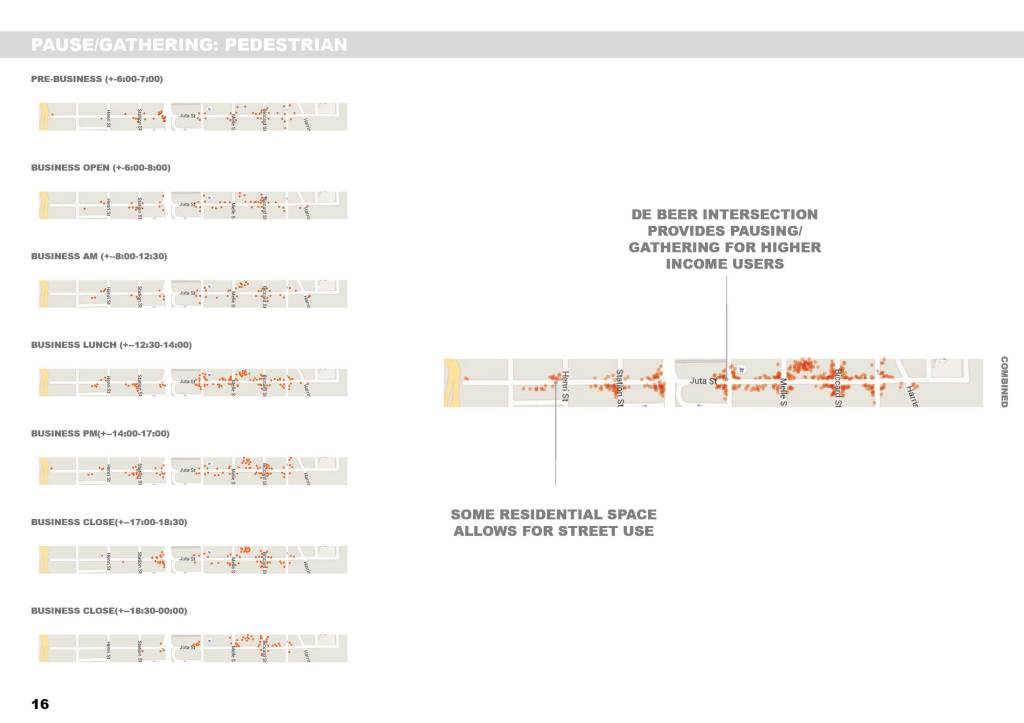
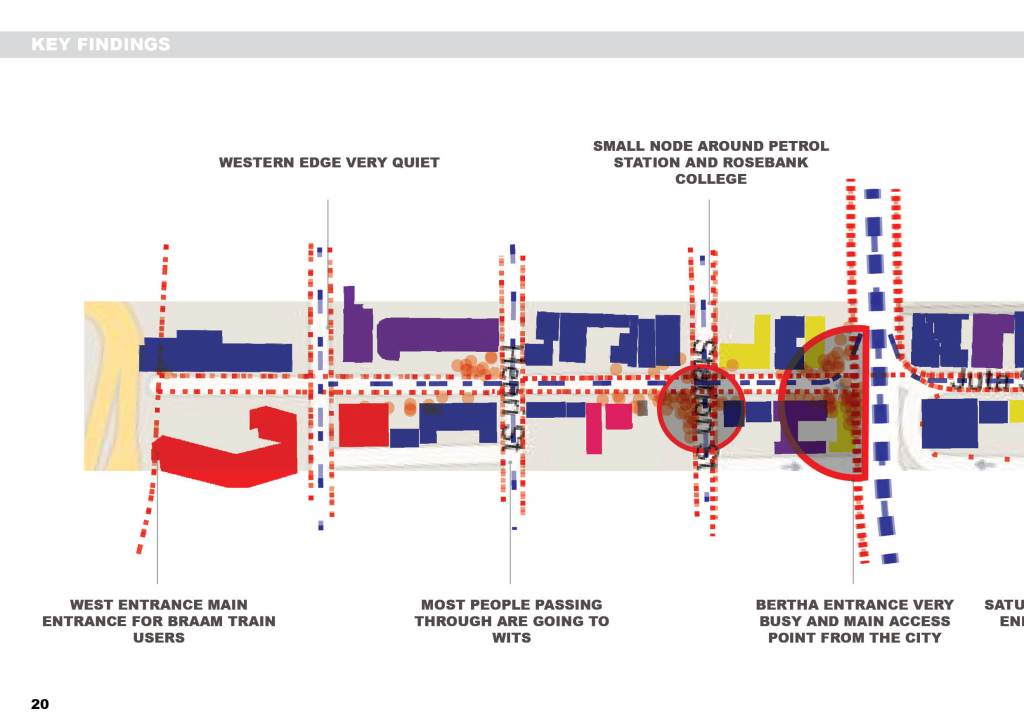
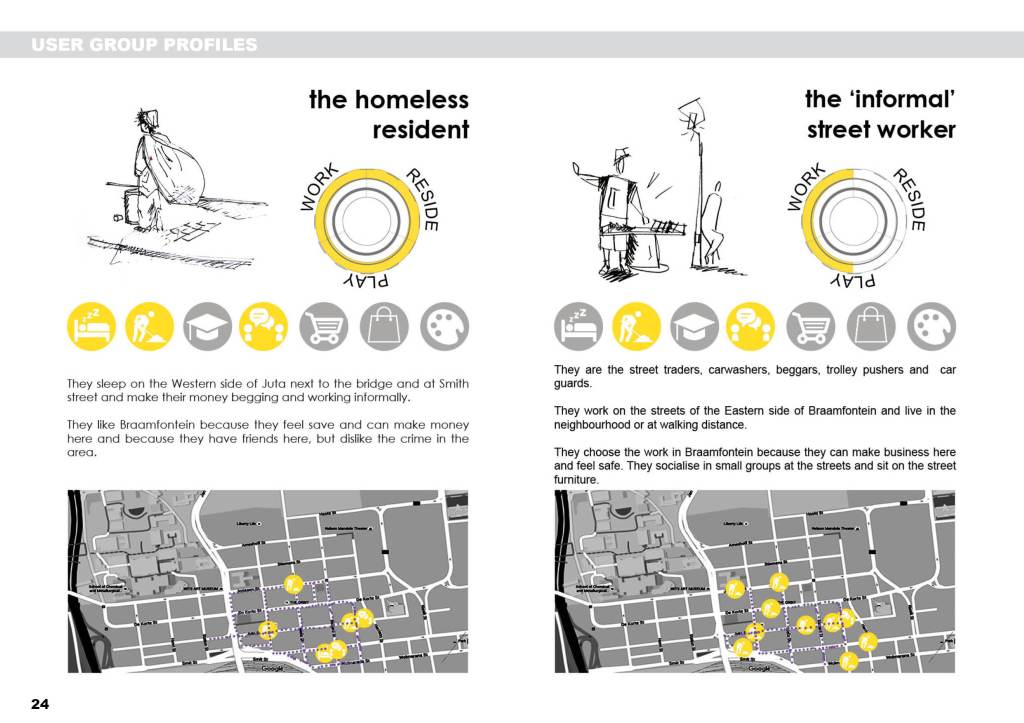
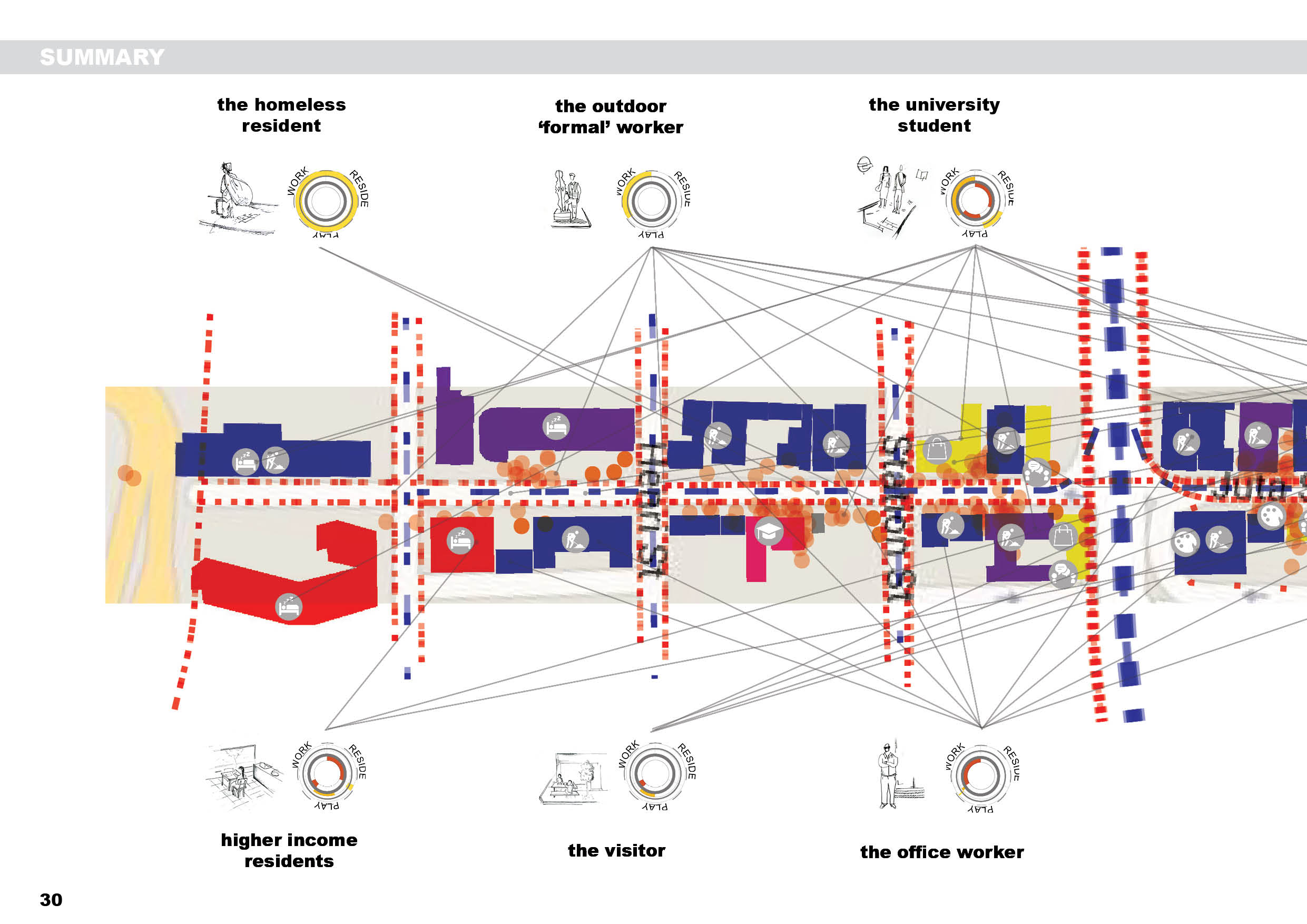
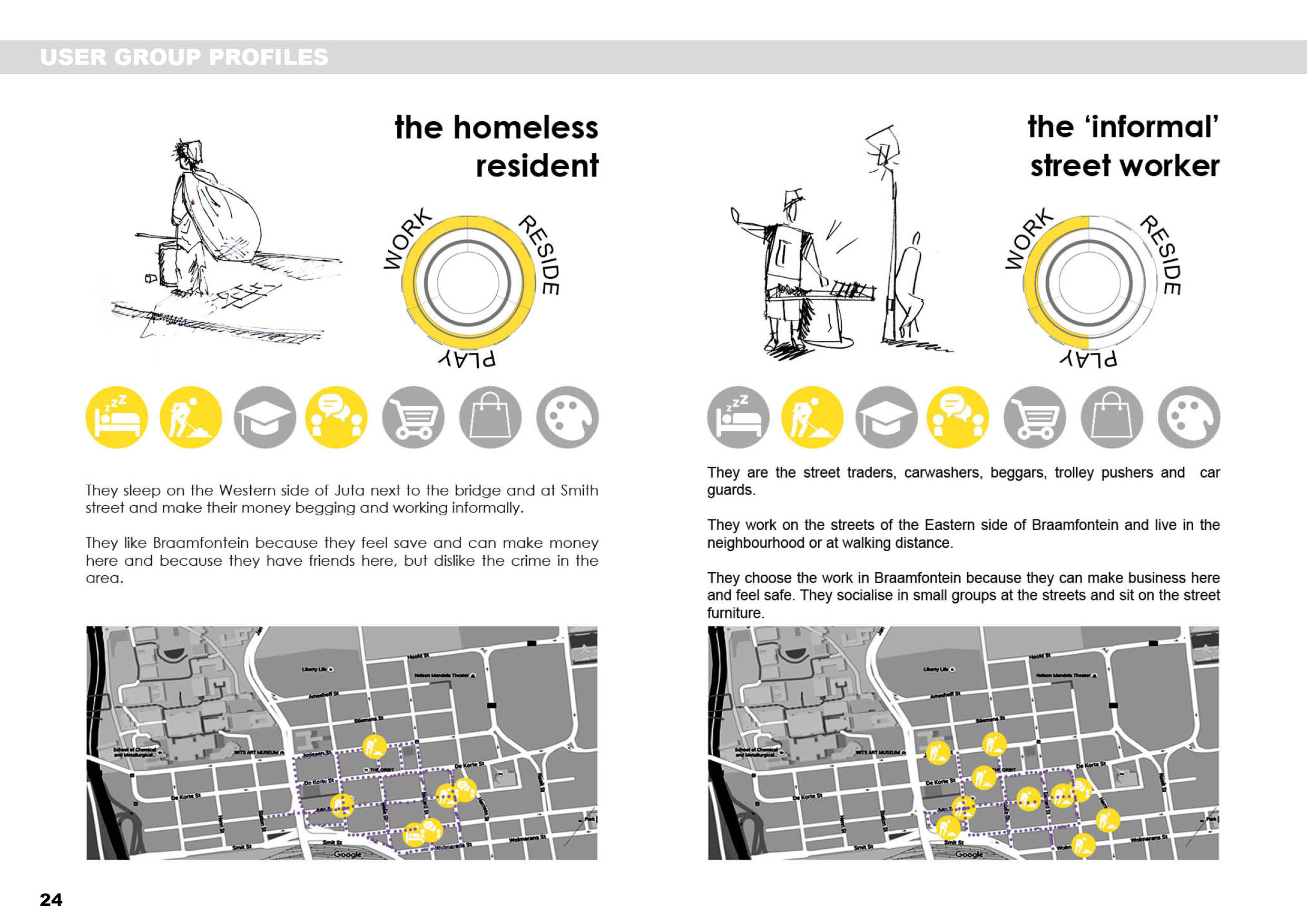
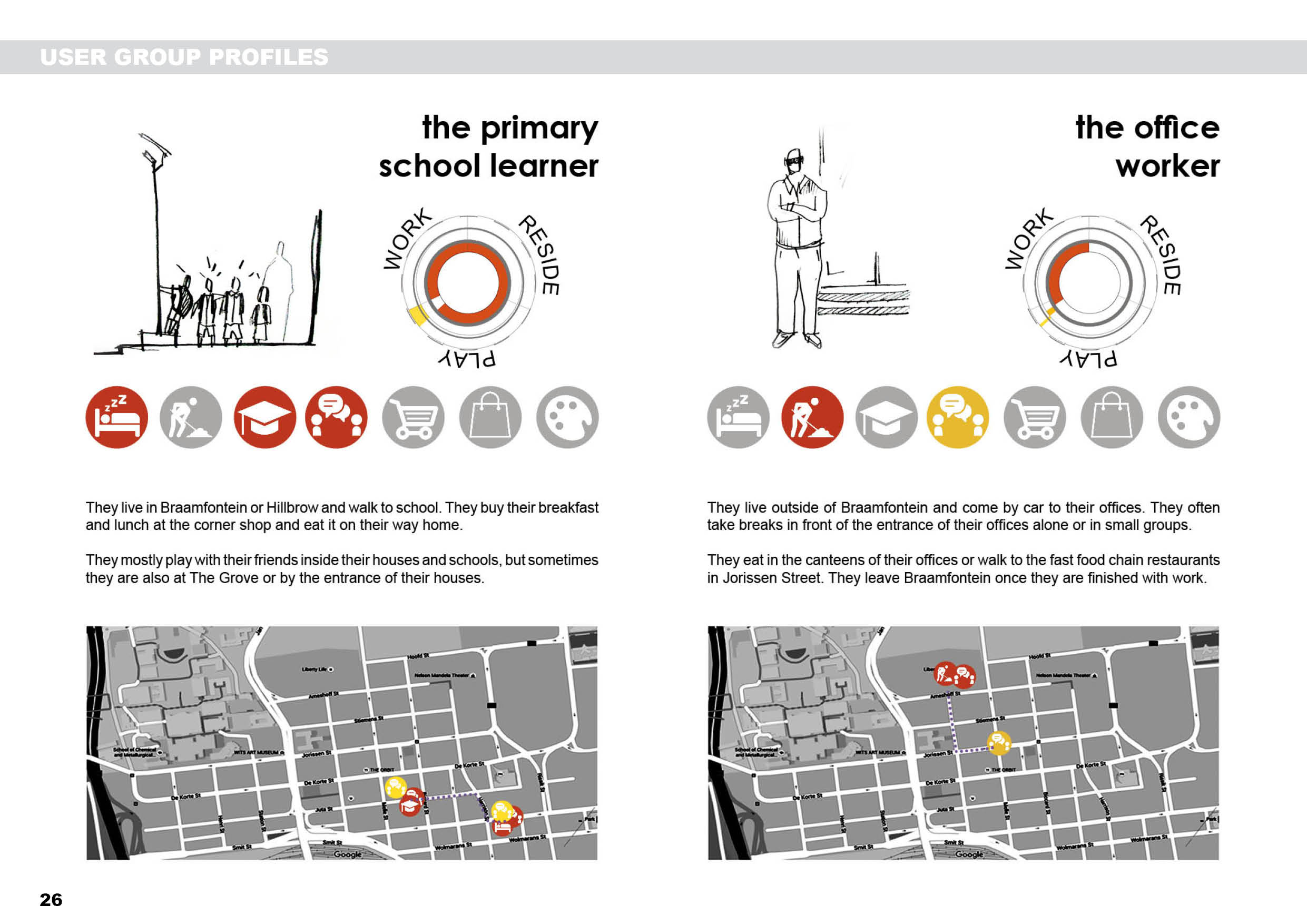
Juta Street Socio+Spatial Mapping

Through 1to1, I was commissioned by Local Studio alongside Urbanists for Equity (U4E) to complete a quick, robust and detailed survey of Juta Street in Braamfontein by Local Studio.

Local Studio required a detailed study of the area to support a proposal for an urban park in
Braamfontein and wanted a detailed analysis of the user groups, activities and socio-spatial nature of the area.


1to1 and U4E employed the services of UJ students and completed the entire study in a single
week.

This work underpinned a later project with the University of Sheffield’s Masters in Urban Design

Used for work with Sheffield University

University of Sheffield – Masters in Urban Design 2016/2017

  I was again invited by Dr. Beatrice De Carli to teach in the Urban Design Masters at Sheffield for the 2016/2017 teaching period. This was done as part of a larger network project that has been set up with University of Sheffield (Sheffield, UK), Nanjing University (Nanjing, China), CEPT (Ahmedabad, India) and the University of Johannesburg…

University of Sheffield – Masters in Urban Design 2015/2016

In 2016 I was invited by Dr Beatrice De Carli to assist in the teaching of the Masters in Urban Design at the University of Sheffield’s School of Architecture for the ‘Design from Afar Module”. We set the brief in Johannesburg’s Braamfontein and aimed to create a teaching/research model that would allow students in Sheffield…

Sheffield Mobility: Spatial Design Research

2018 marks the final year of a 3 year mobility exchange between the University of Johannesburg’s DSD Desis Lab and the Sheffield School of Architecture. RAUM #2 Day 1. Rathul sharing the debate on Public Space as a teaching method for CEPT A post shared by Jhono Bennett (@jhonobennett) on May 8, 2017 at 7:12am…

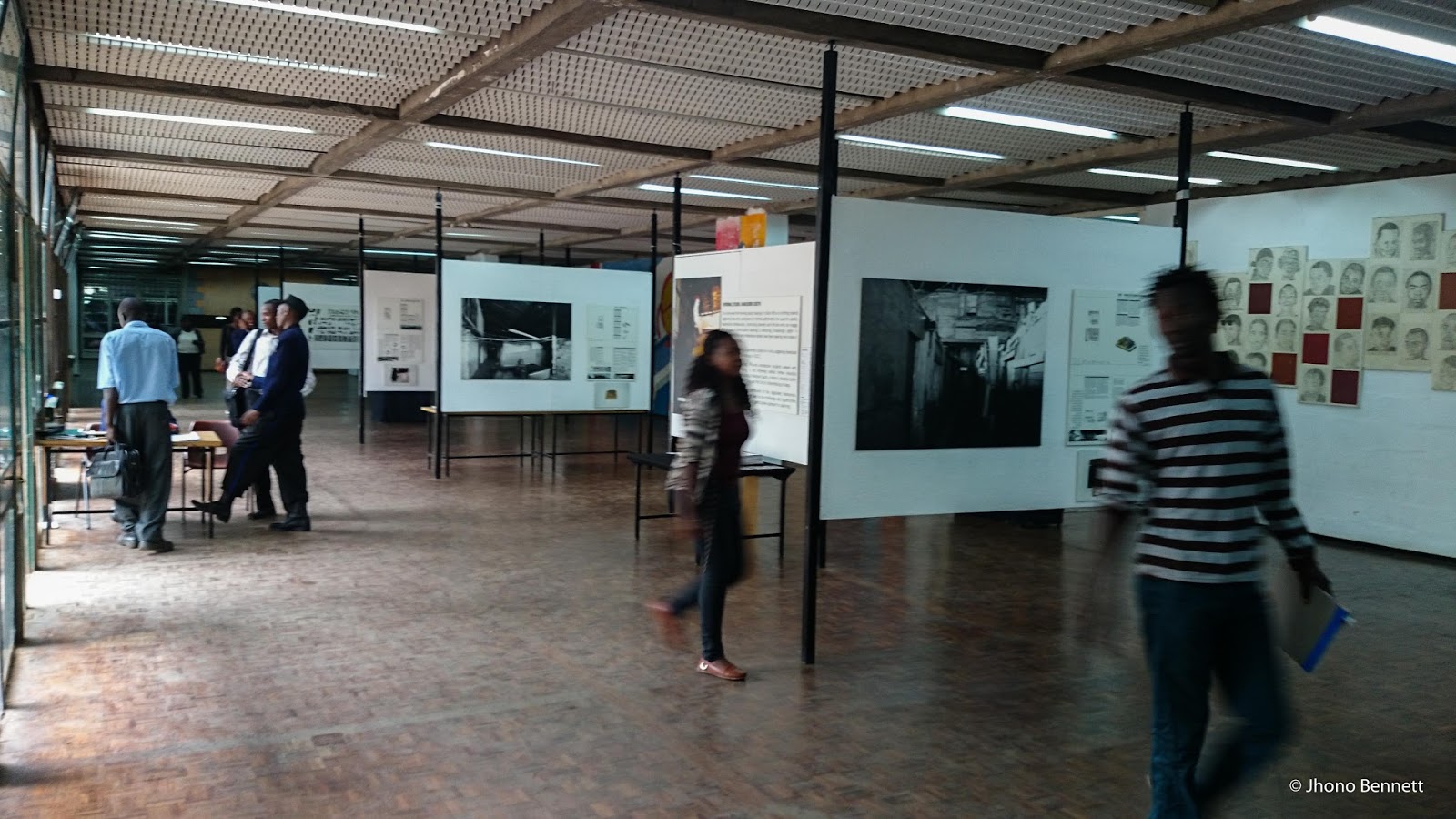
Informal Studio Travelling Exhibition – Nairobi

The final set of events for the Informal Studio project culminated in the travelling exhibition of the project that exhibited in JOHANNESBURG, NEW YORKMUNICHLONDONDOUALABERLIN, DURBAN, CAPE TOWN & NAIROBI
As part of the team I was asked to take the exhibition to Nairobi, and present the work at the opening with the University of Nairobi:

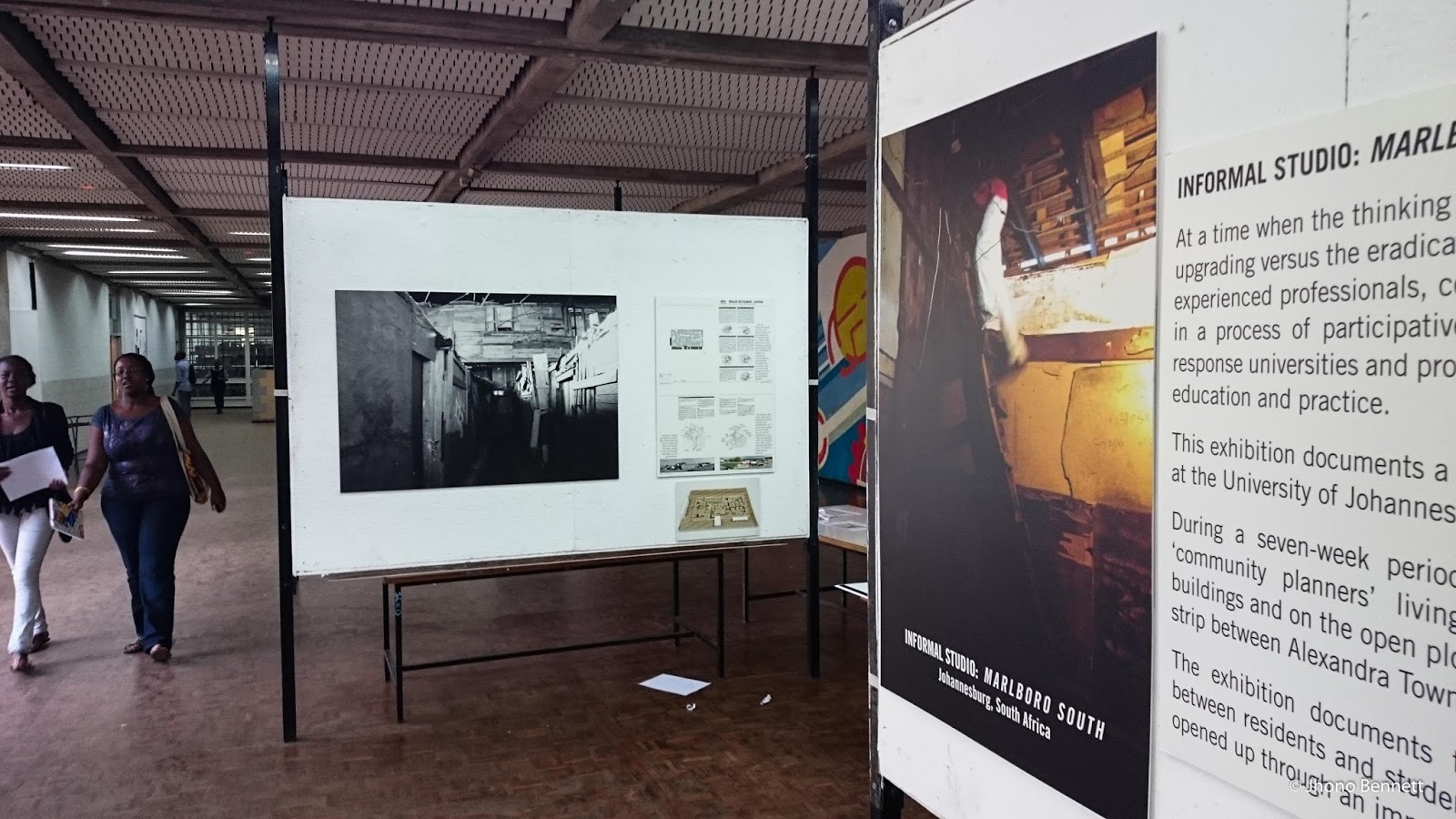
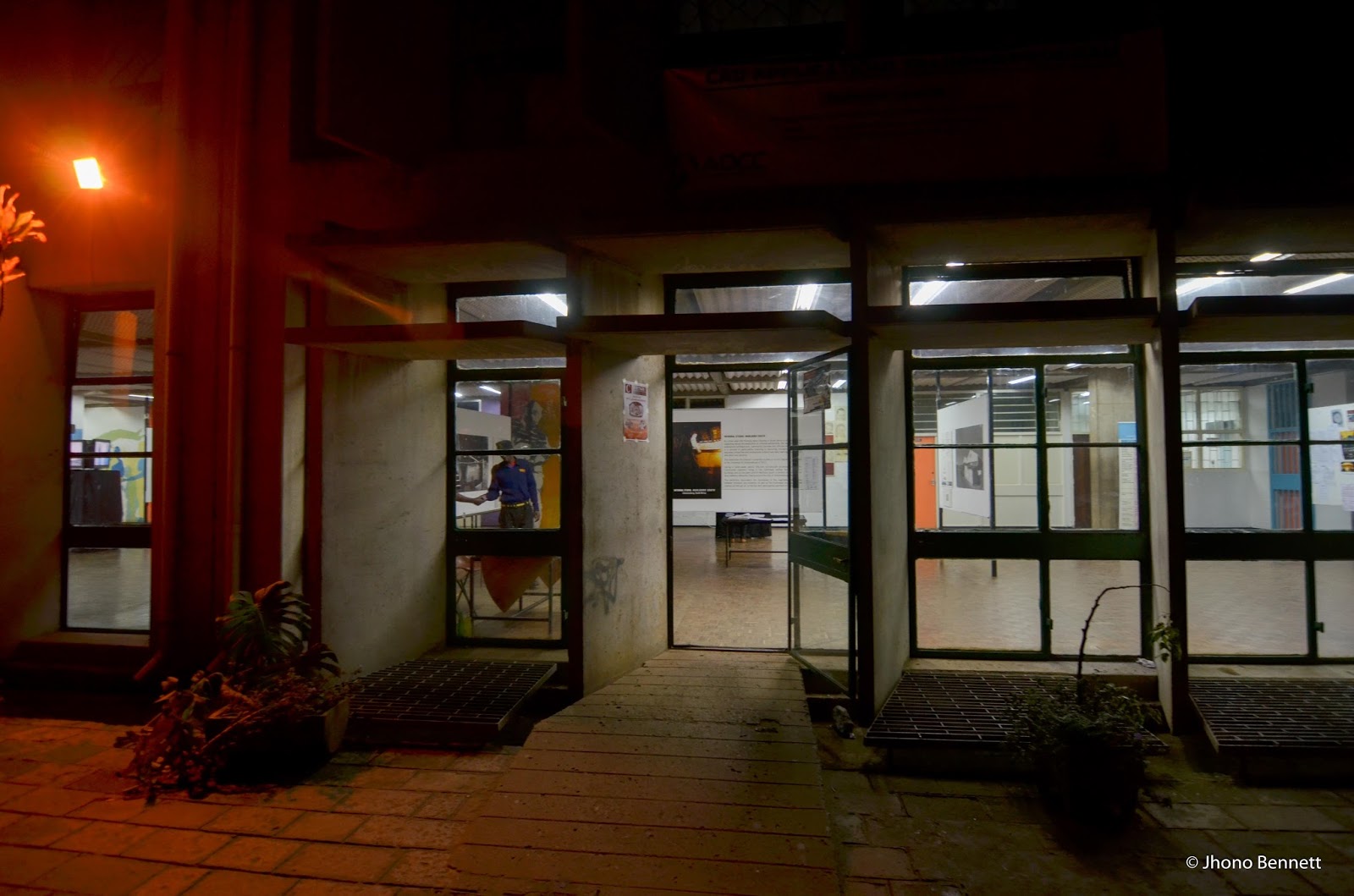
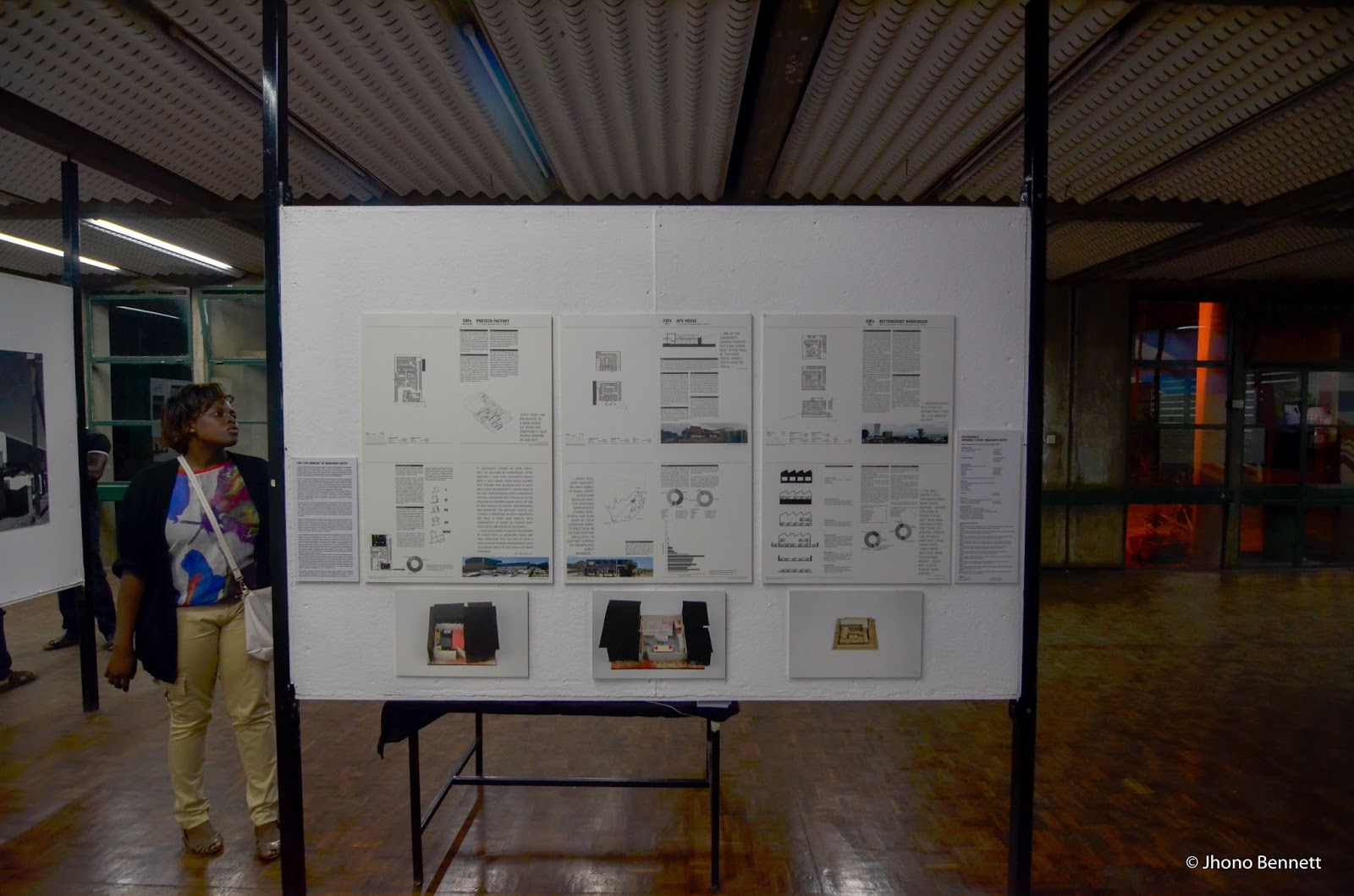
The Goethe-Institut Kenya and the University of Nairobi organised the exhibition Informal Studio: Marlboro South to be shown at the UoN’s Department of Architecture & Building Science.


Jhono Bennett (University of Johannesburg) facilitated a workshop discussing Johannesburg as a city, the larger movements of national government in the face of the national housing challenge and how spatial designers are working within these larger issues. The workshop was supported by a Q & A panel discussion with Baraka Mwea from UN Habitat, Eric Wright and Claudia Morgado (UJ), UoN planners, architects and student representatives including: Adnan Mwakulomba Abdi (chairman), Ms. Hellen Nzainga, Dr. Joseph Kamenju, Prof. Anyamba Tom Tebesi and Dr. Kákumu Owiti Abiero.

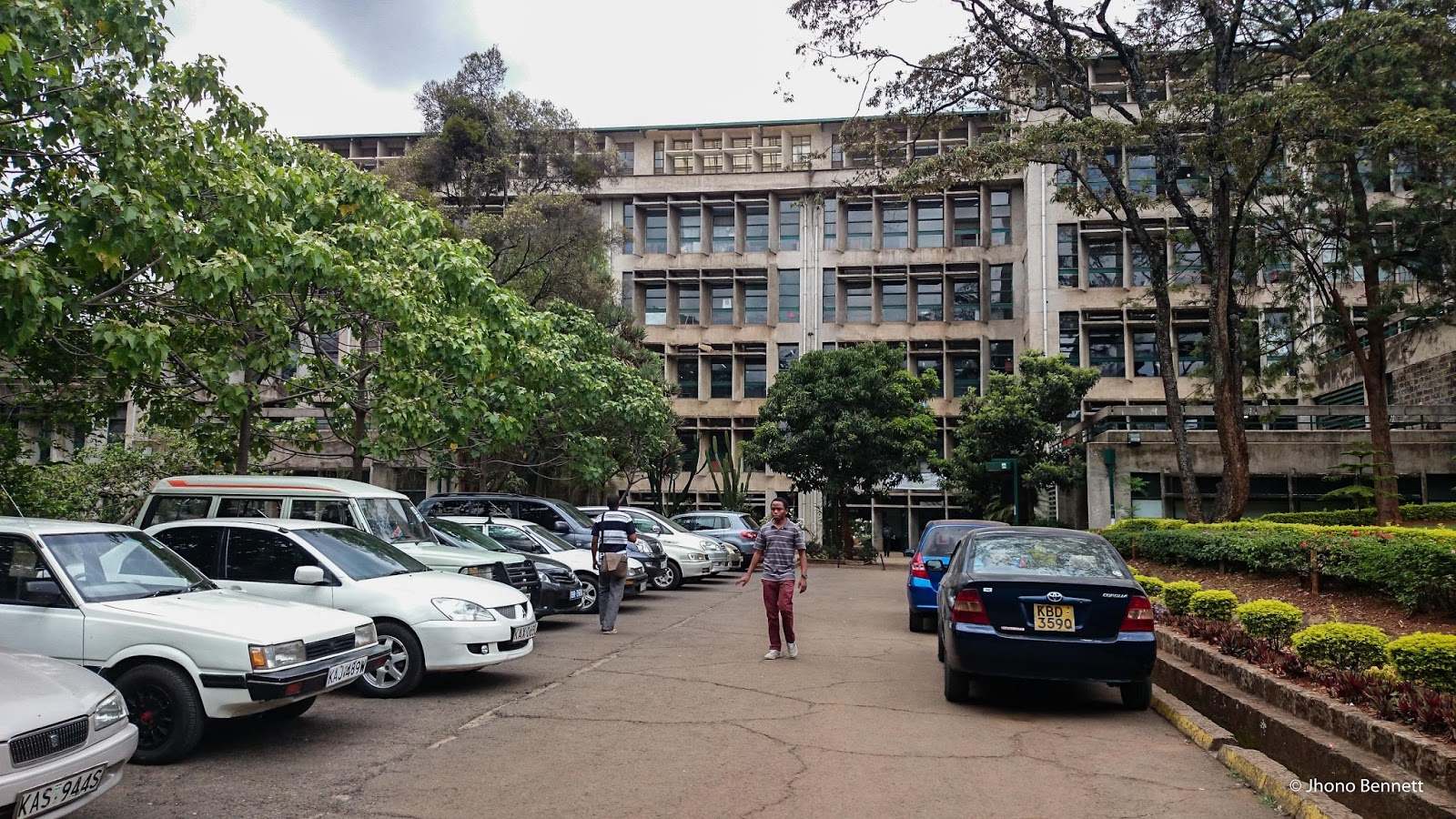
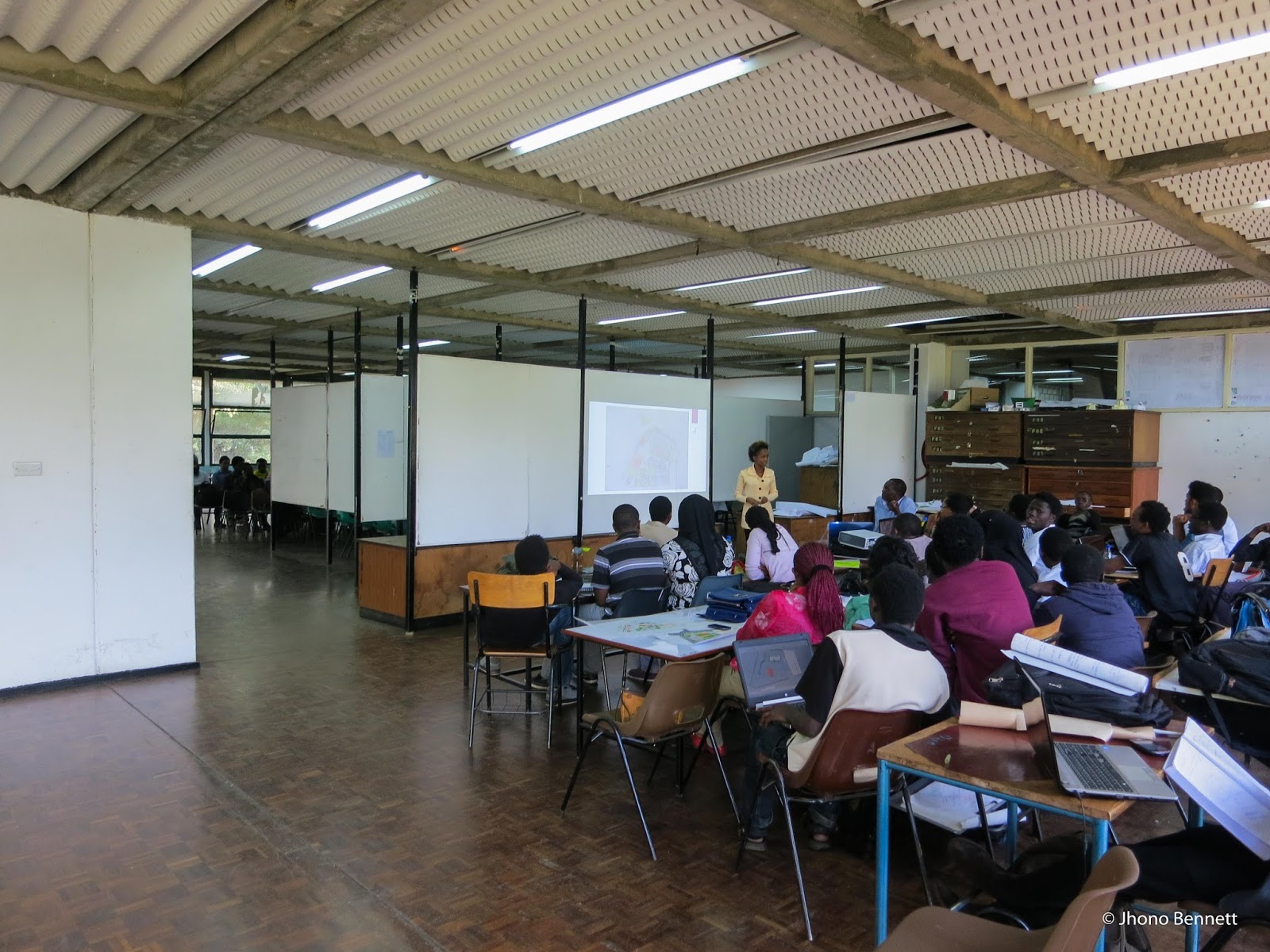
University of Nairobi – Architecture Department
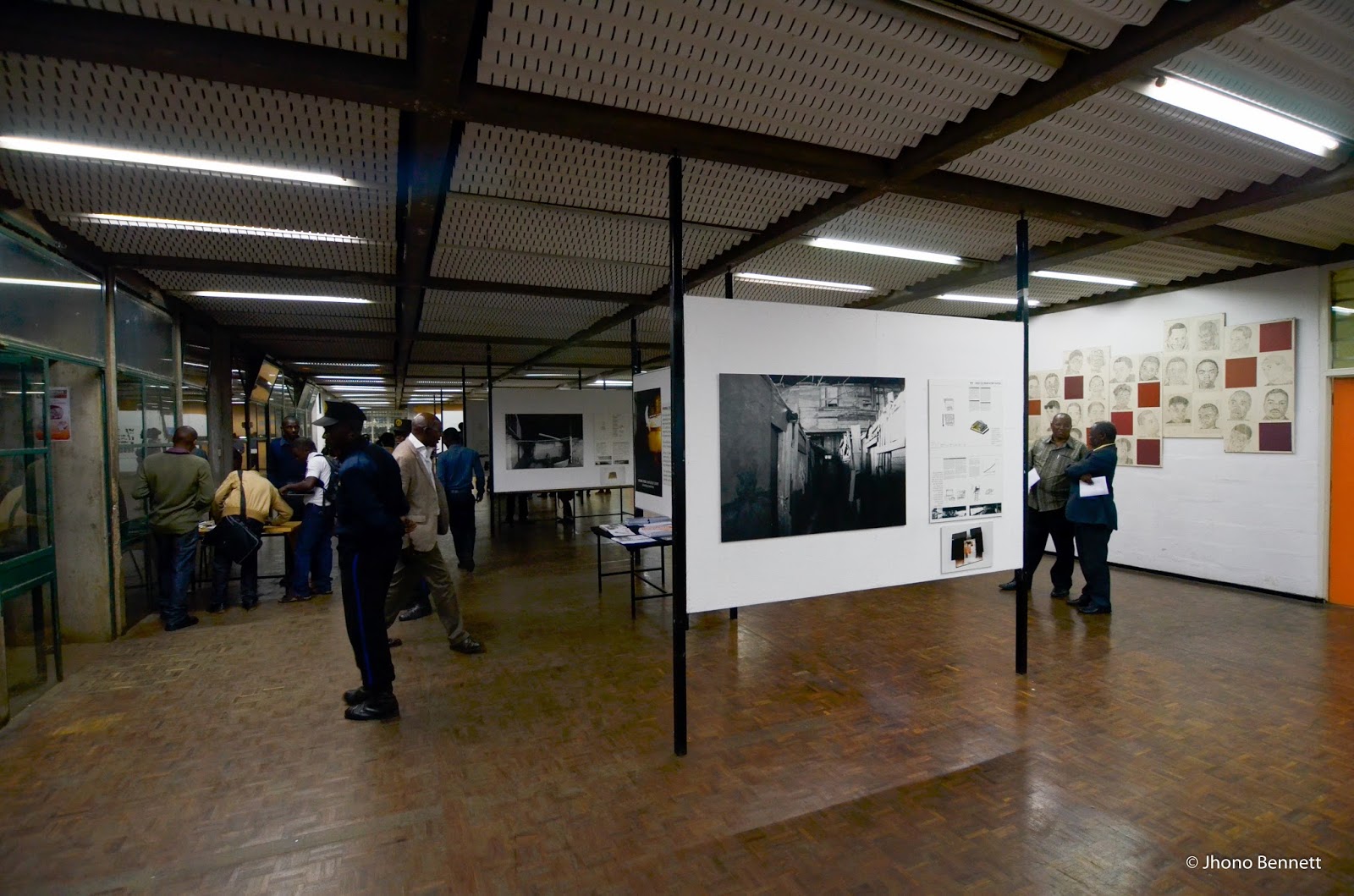
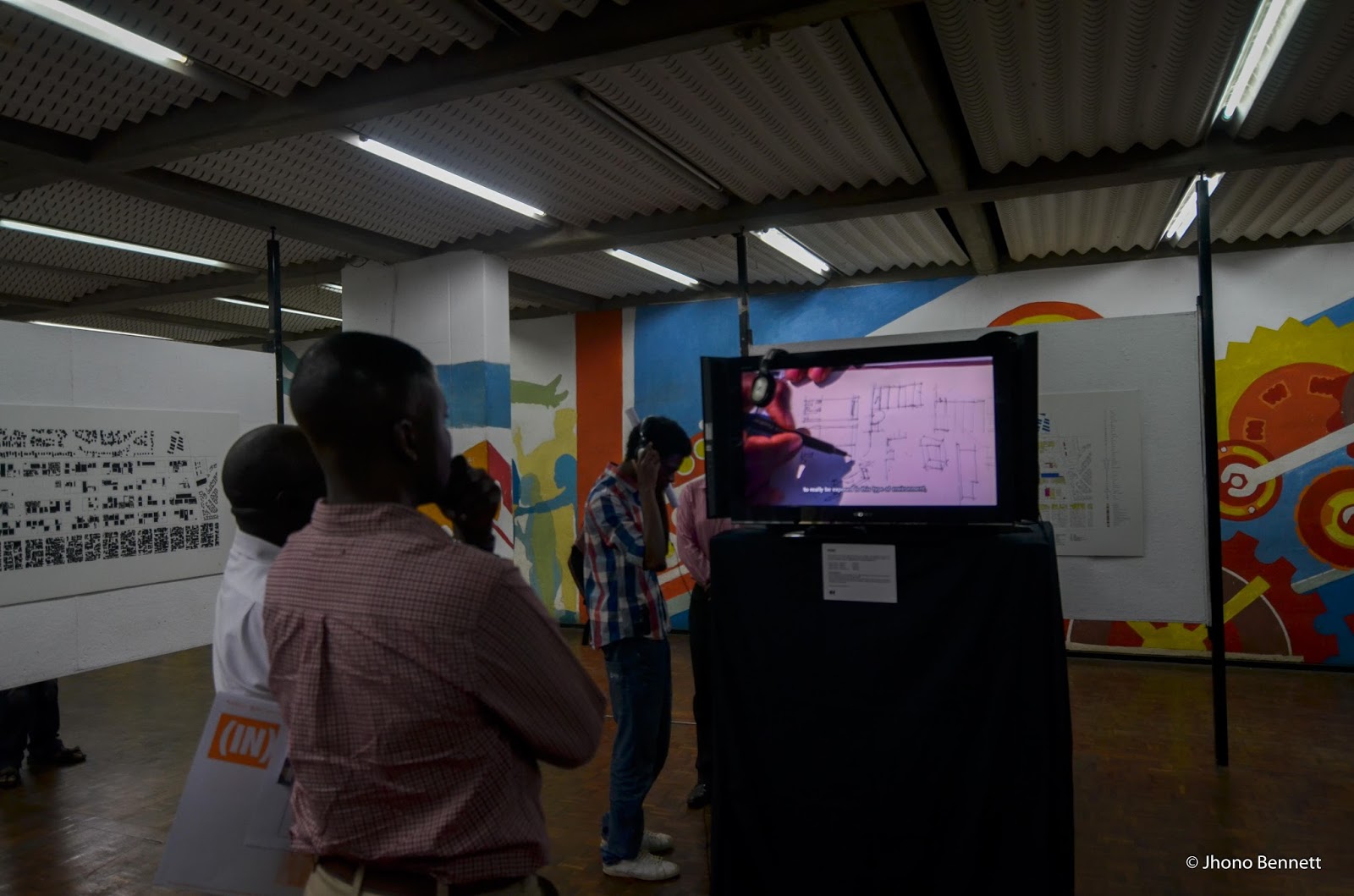
A travelling exhibition on the INFORMAL STUDIO: MARLBORO SOUTH documents the outcomes of the studio and its post-course engagement. It seeks to demonstrate the value of participative design practice in education and practice towards developing contextually founded and achievable approaches to city-making. At the same time, it portays the complexity of engagement across cultural, social and economic divides and makes a case for the redefinition of the role of the professional from top-down expert to grass-roots agent. 
 
This process is captured in multiple narratives which take the form of drawing, maps, diagrams, models, comic and film. The exhibition was curated by Anne Graupner of 26’10 south Architects and its content has been shown in various local and international fora, including the South African Presidency.
University of Nairobi – Architecture Department
University of Nairobi – Architecture Department Studios
Setting Up
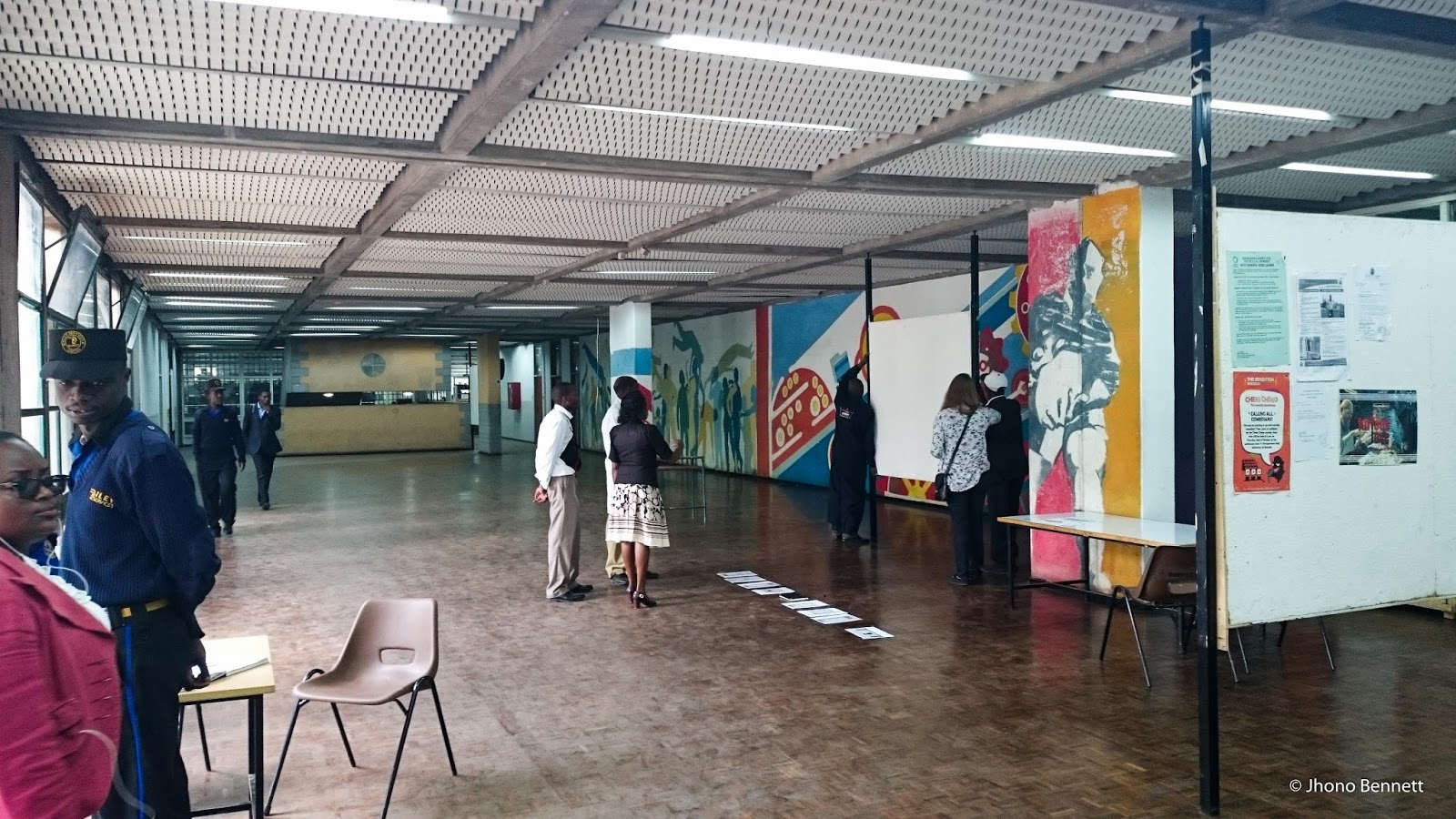
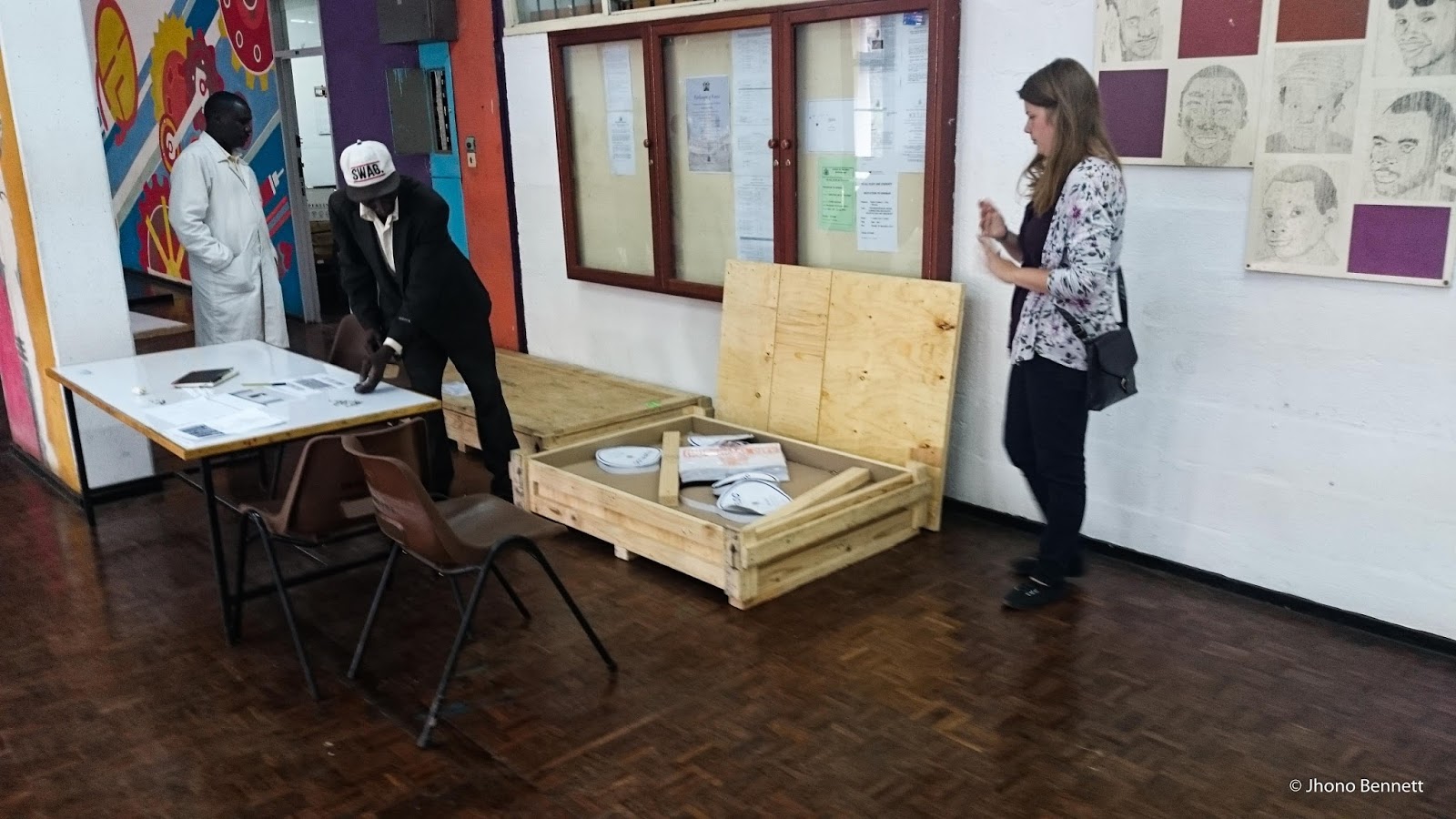
I arrived 1 week before the opening to lead the exhibition set up which with the support of the Goethe and the staff at the University of Nairobi’s Architecture Department went very smoothly.
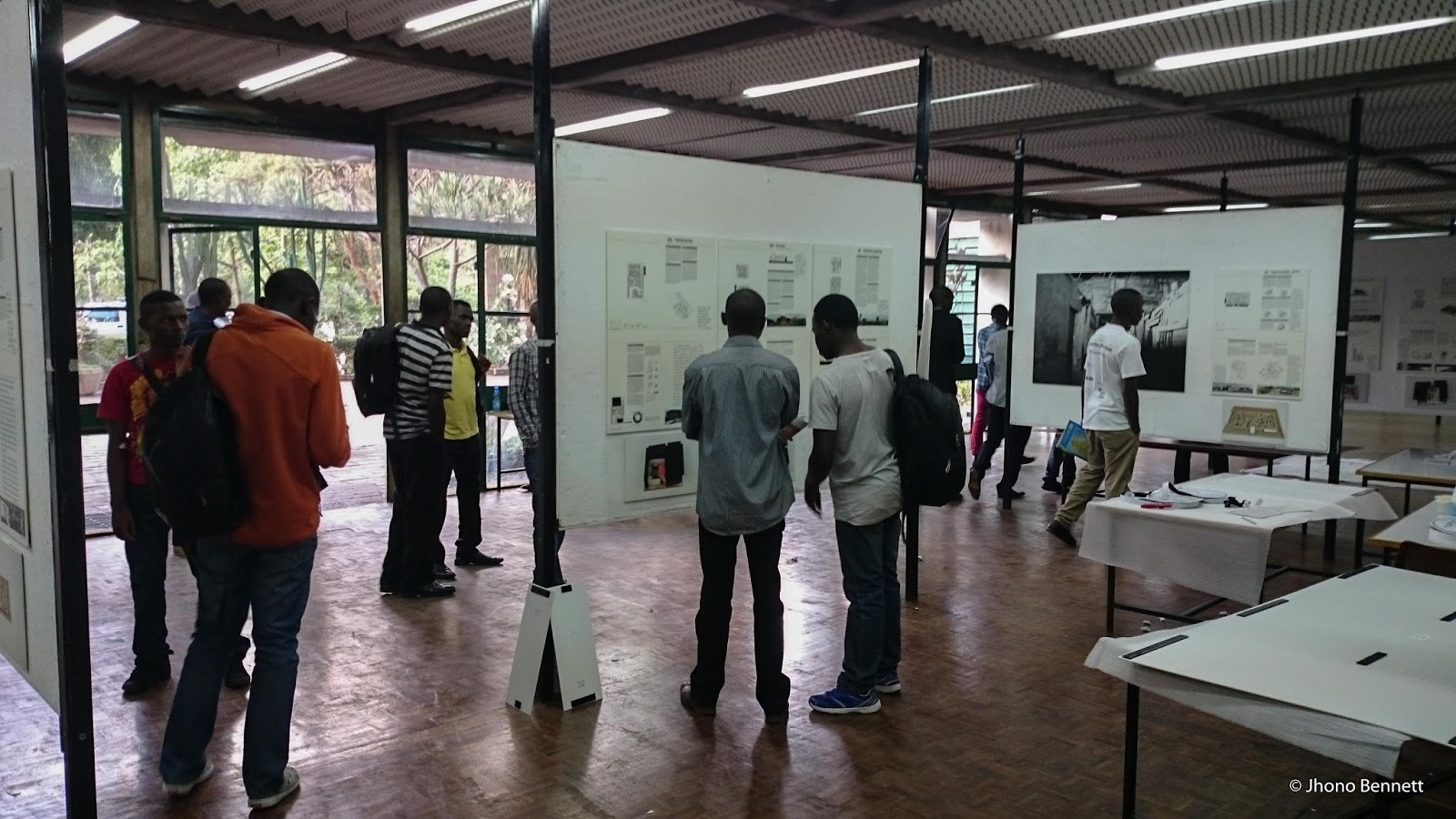
Having the exhibition in the entrance hall of the Architecture Department was a crucial decision, as this gave maximum exposure to the students as it stood here for 1 month after the opening,


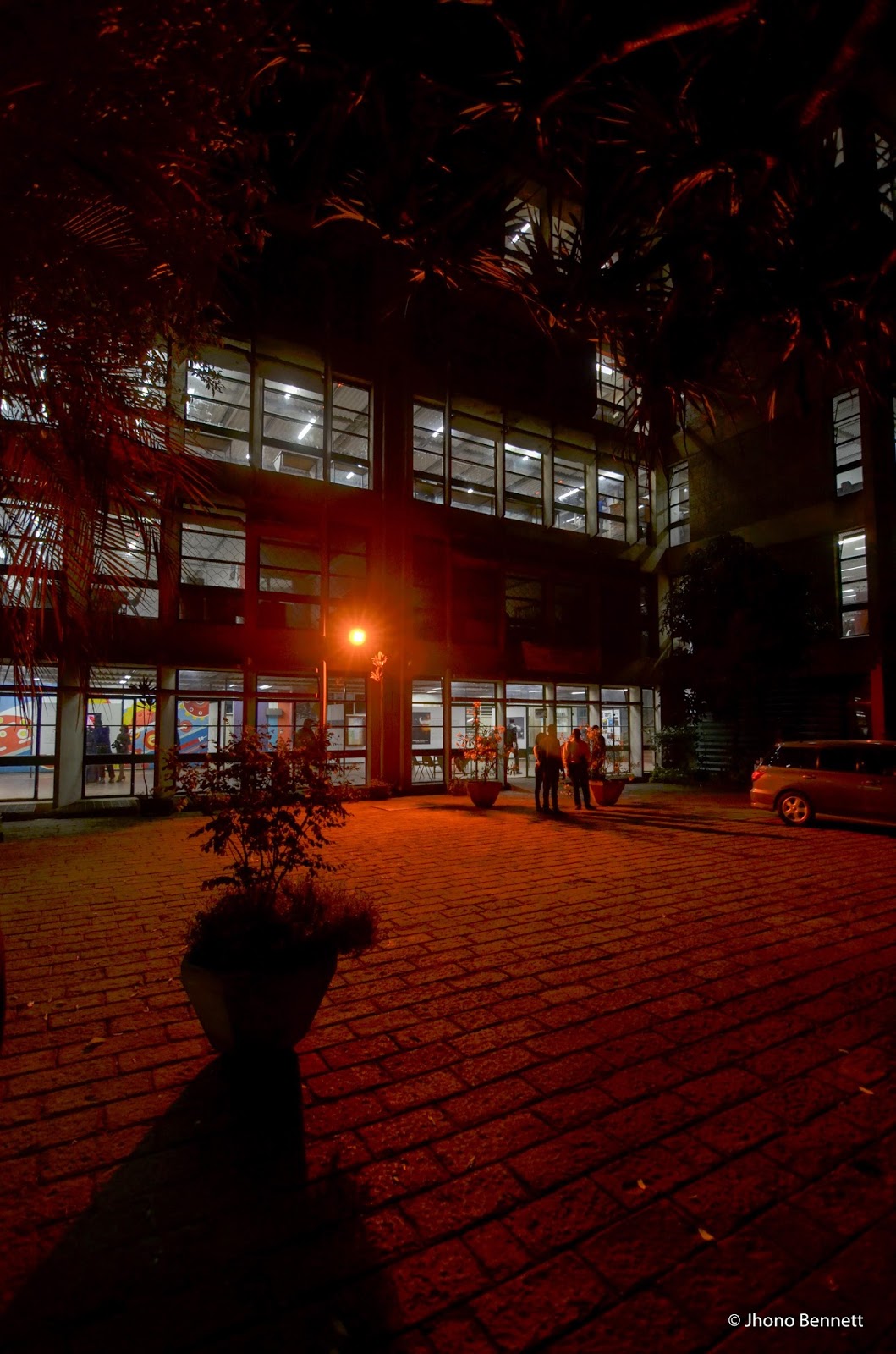
Opening Night
 
The exhibition was opened to a busy night, which included a short presentation by the Goethe, the head of school and myself on behalf of the Informal Studio team.

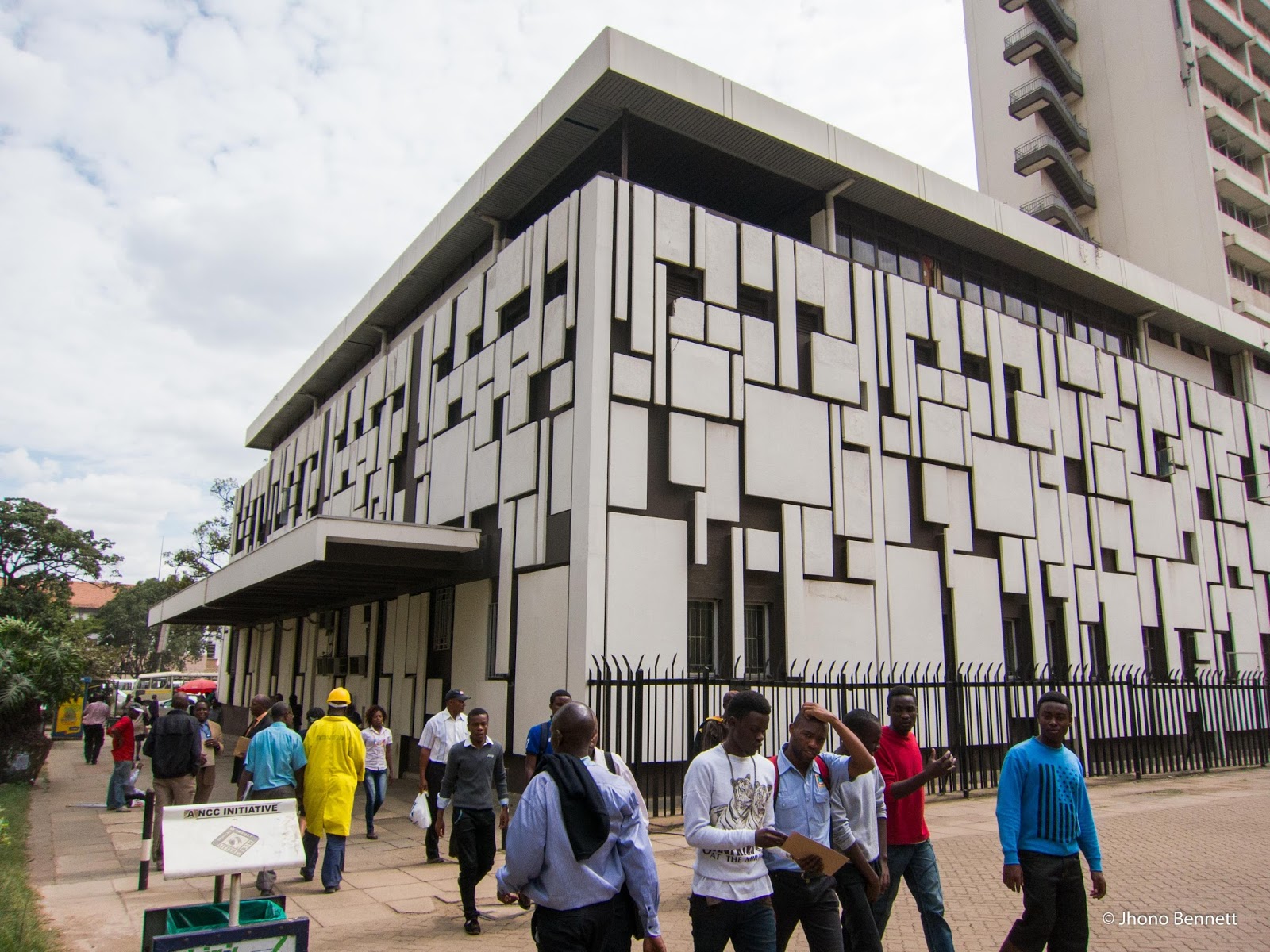
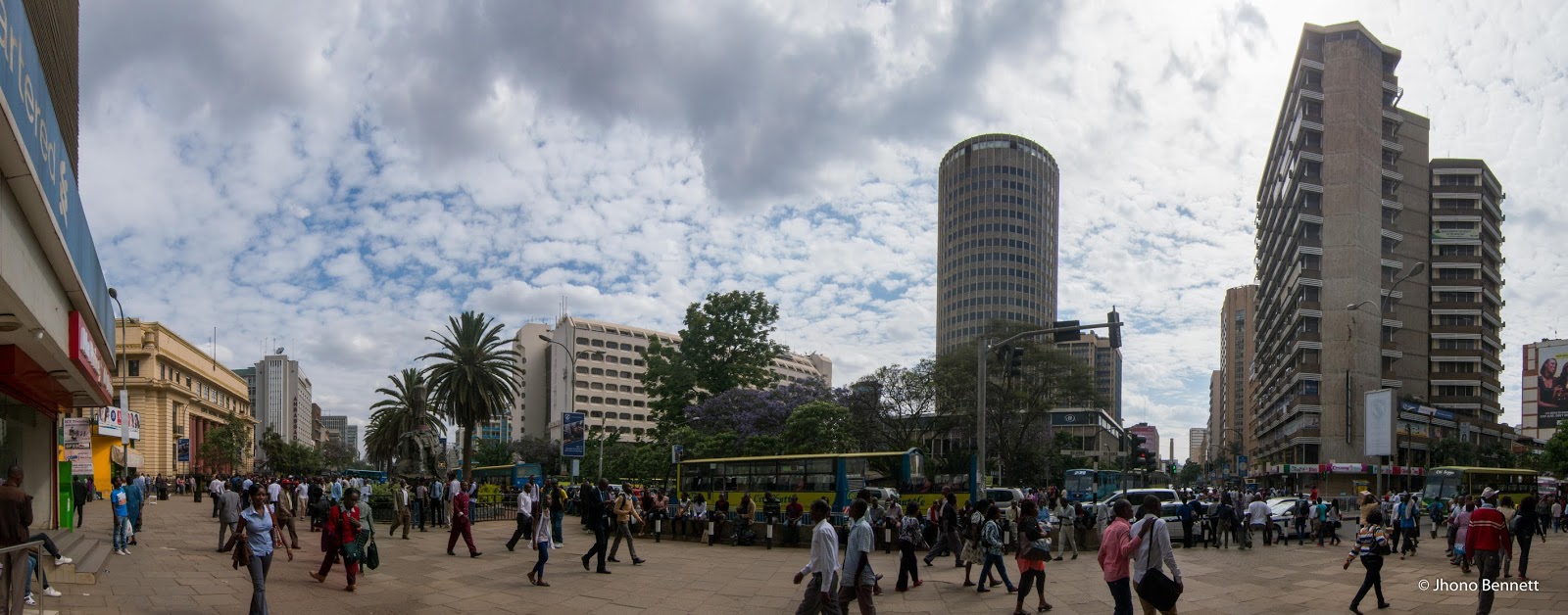
Exploring Nairobi

I purposefully extended my trip to allow time to explore Nairobi and meet with other design practitioners working in Nairobi.
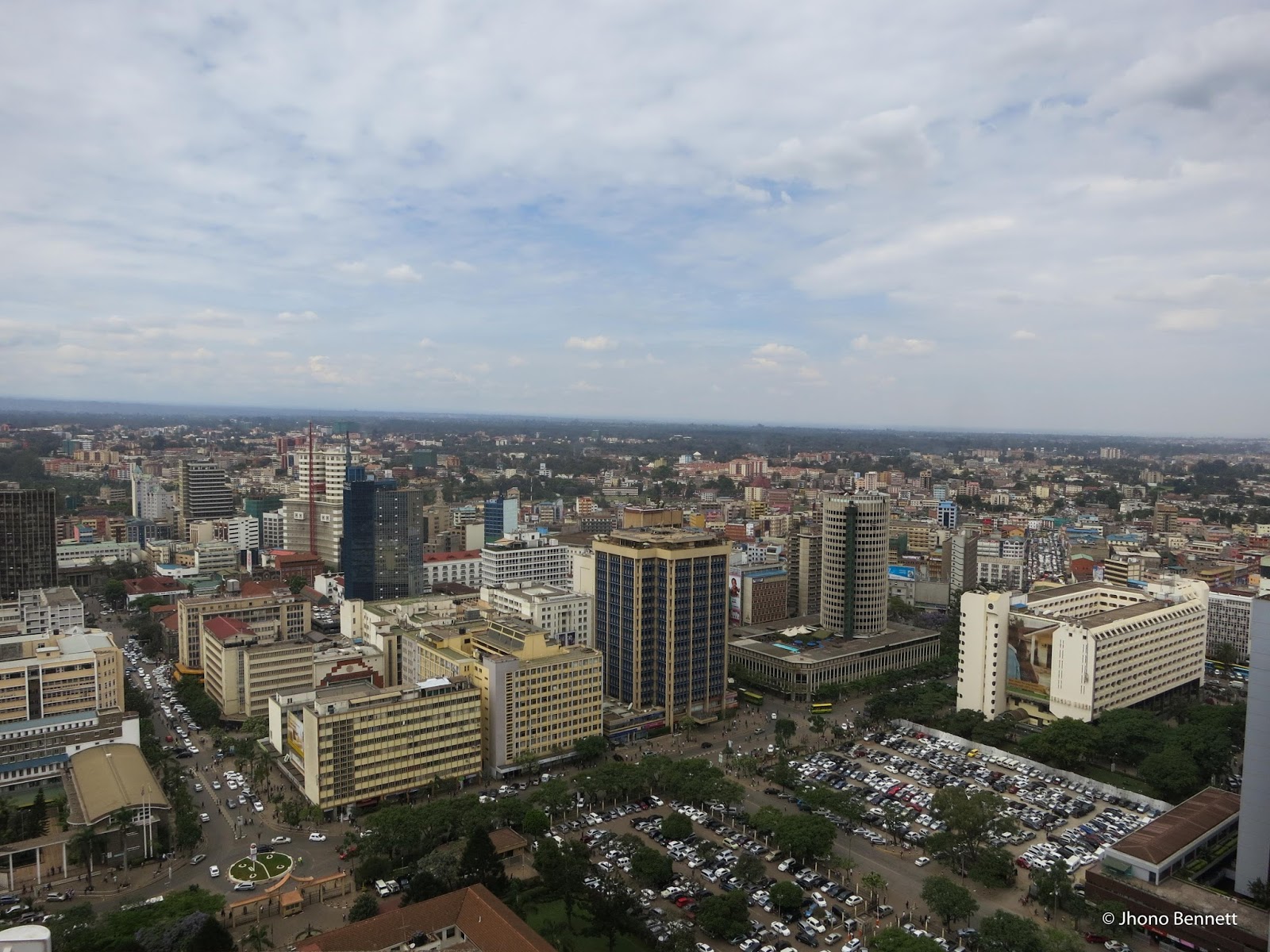
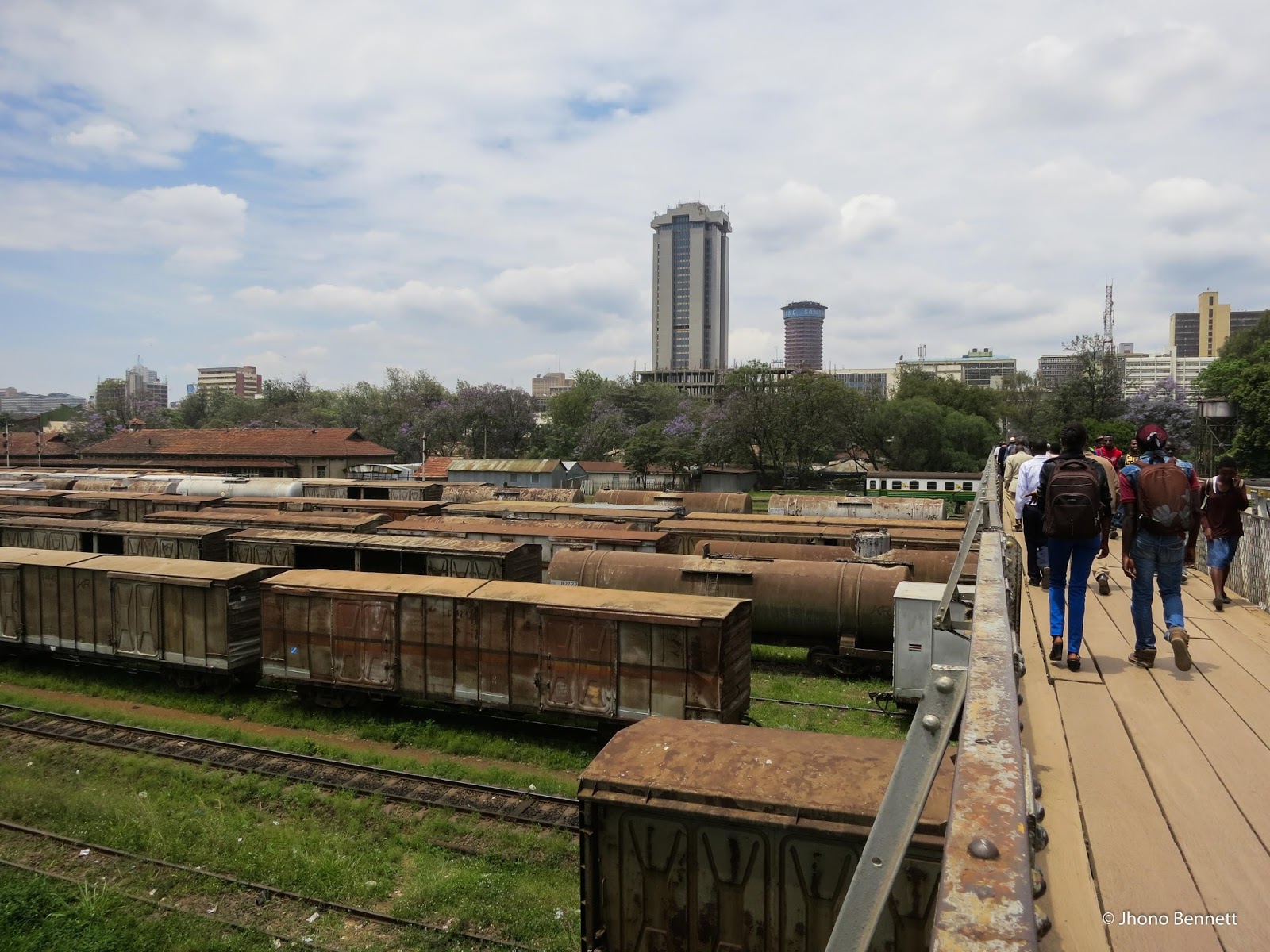
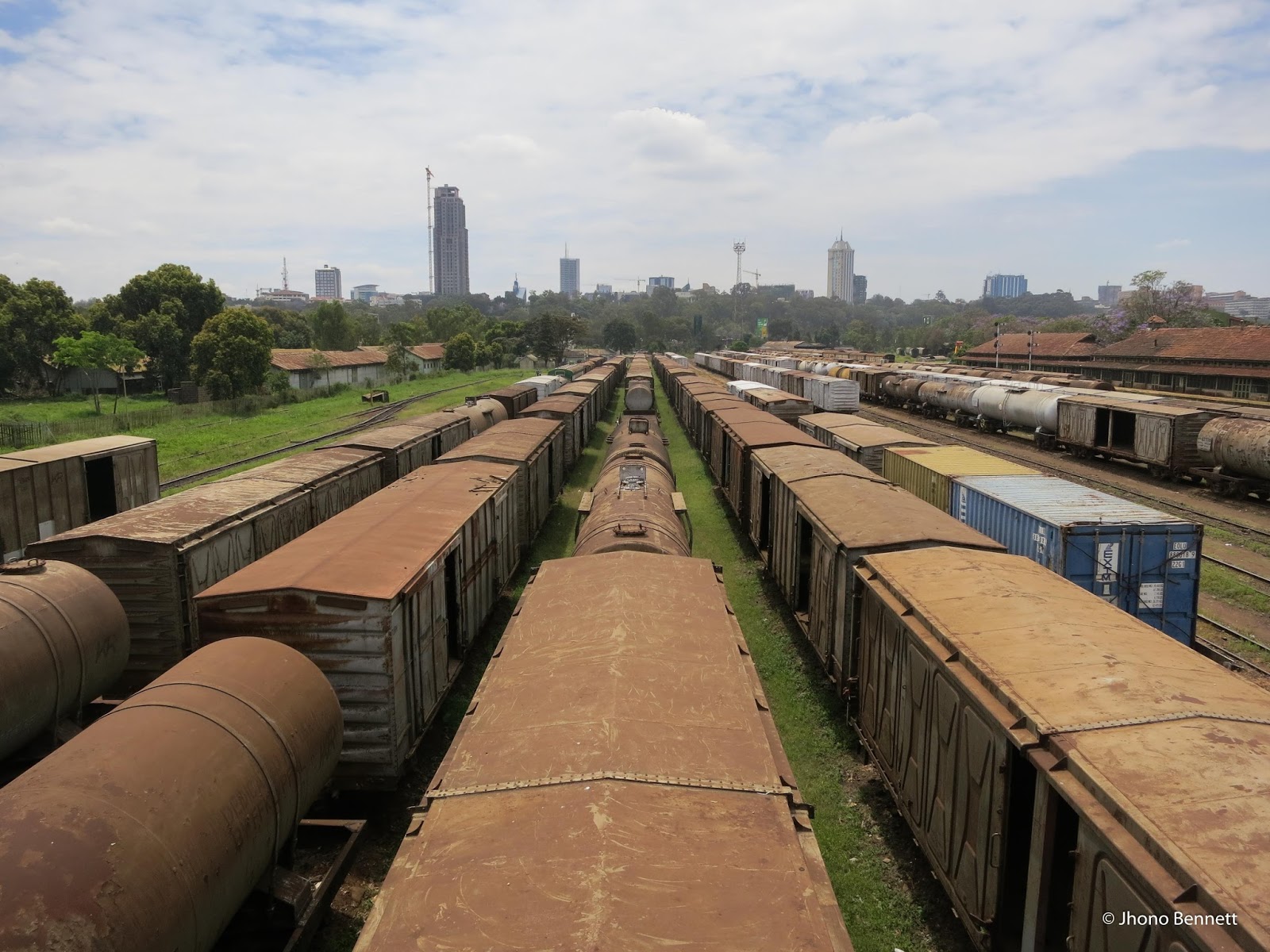
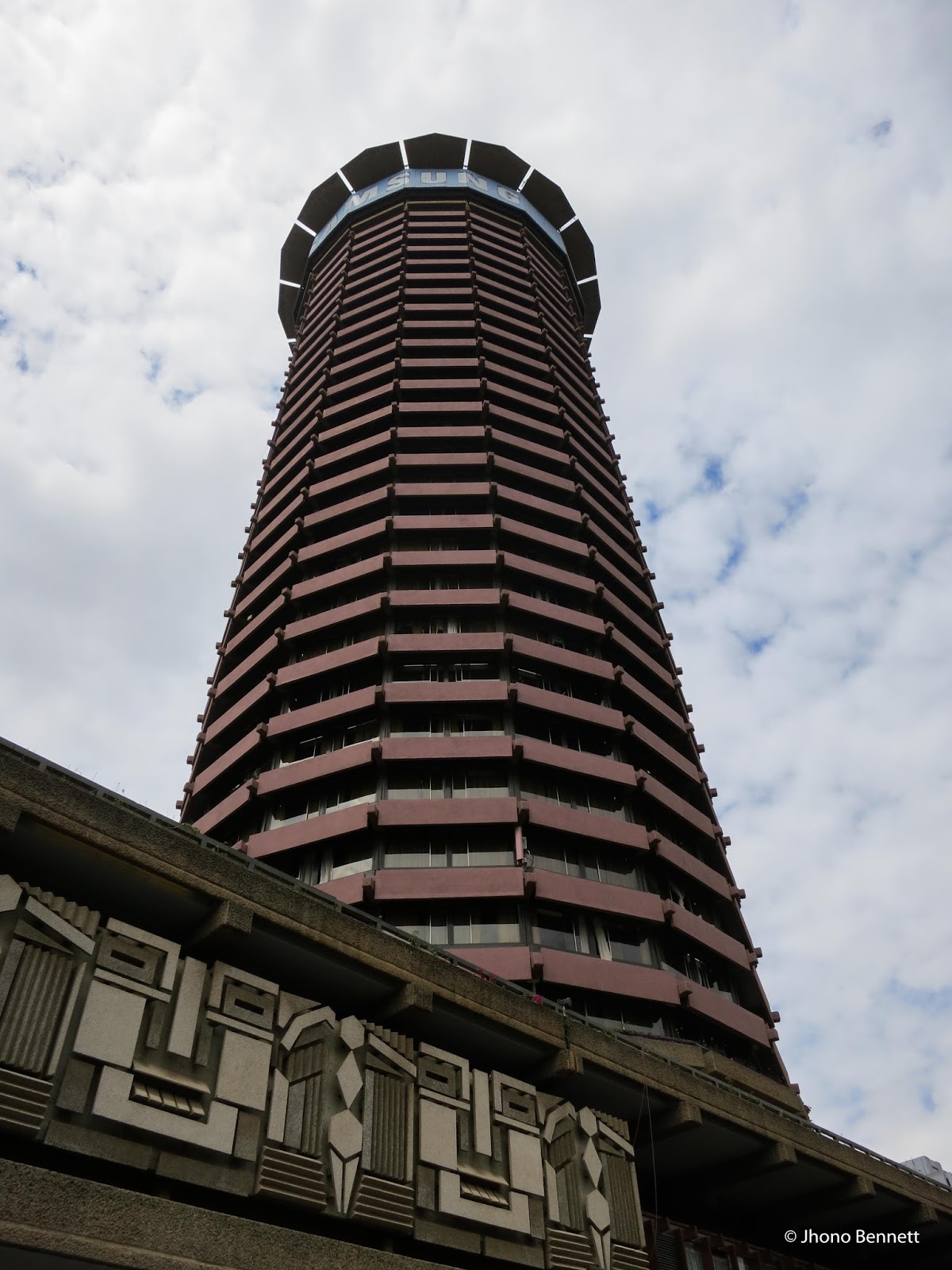
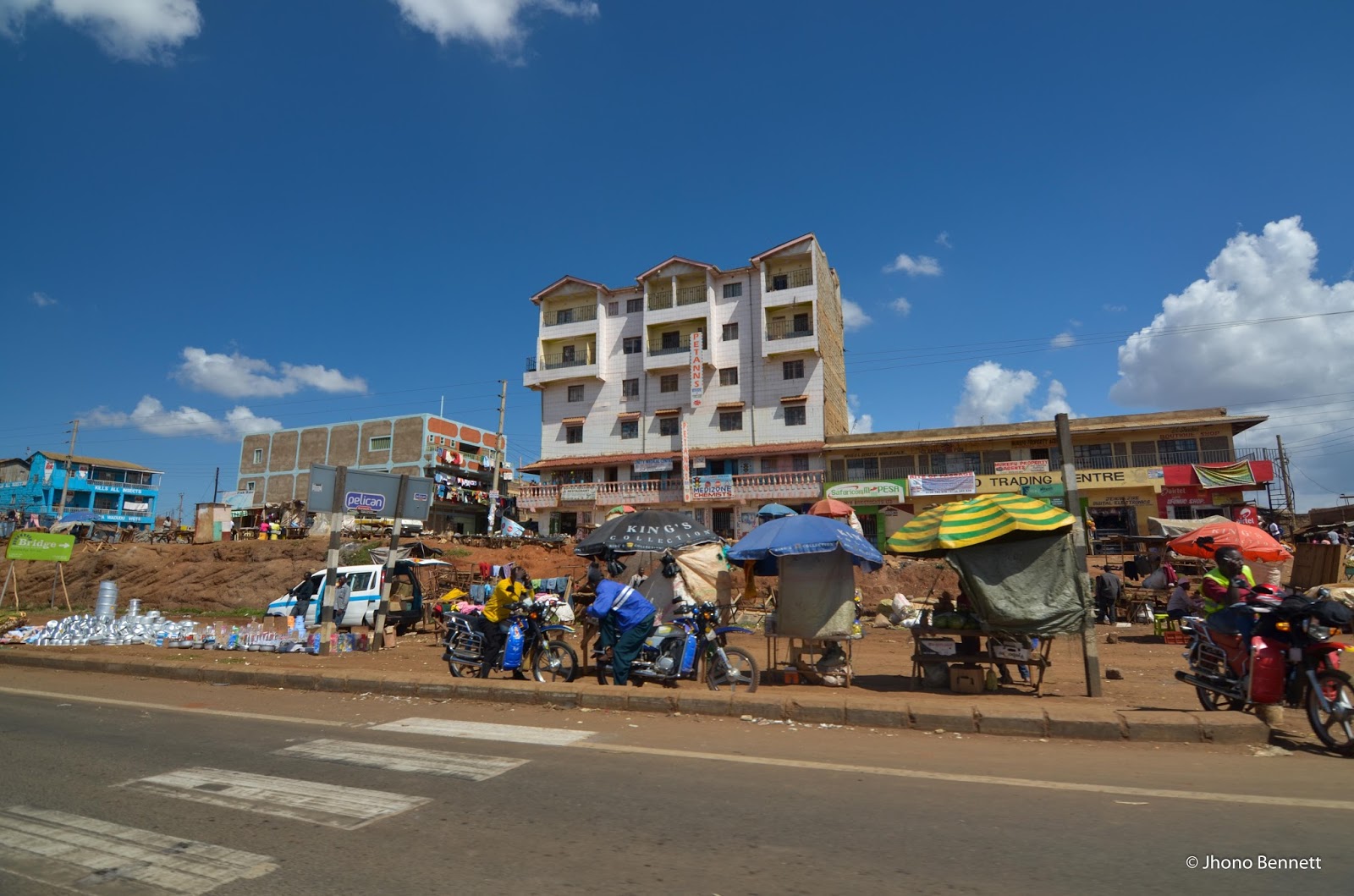
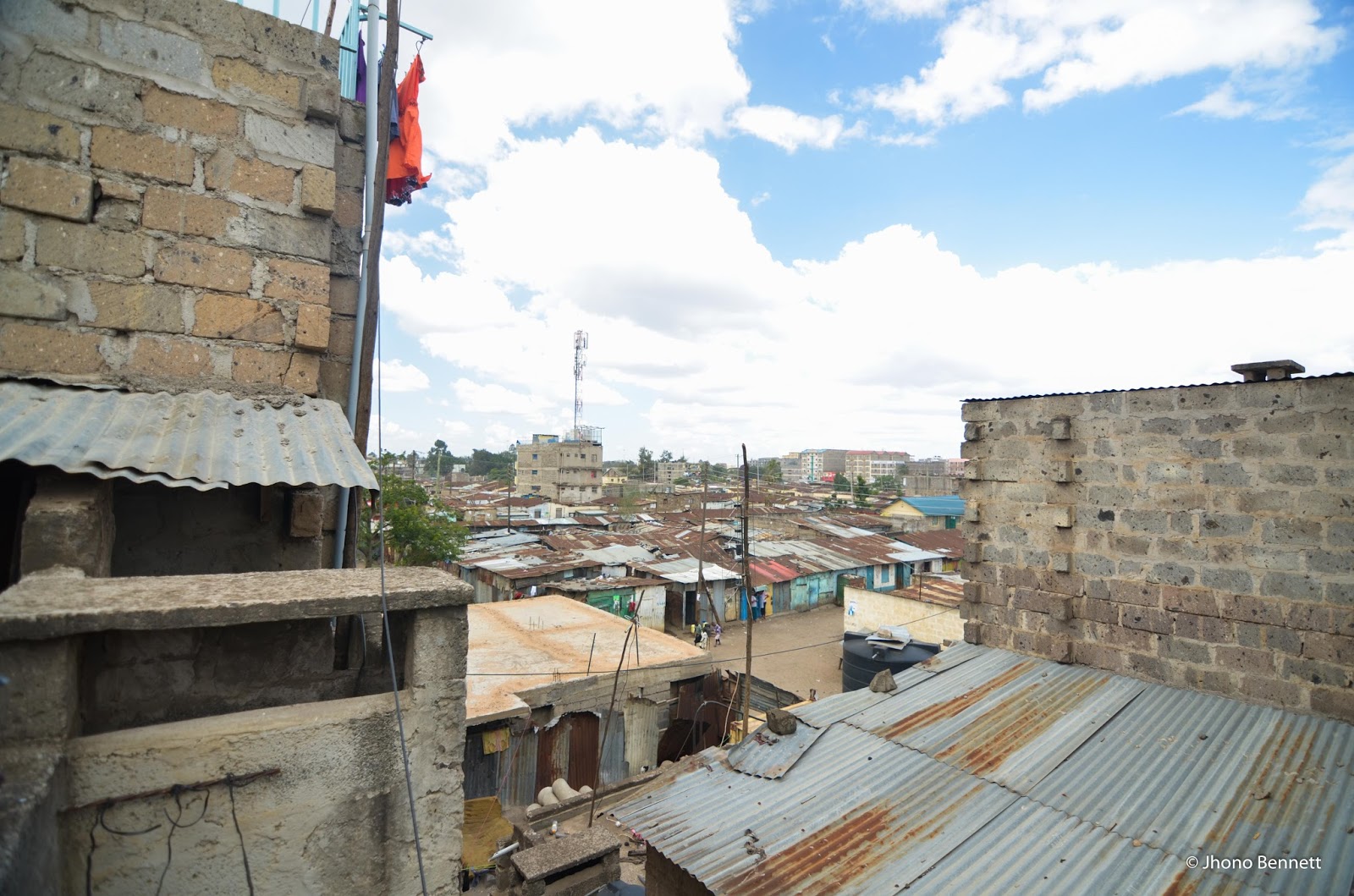
Nairobi Sky-Line
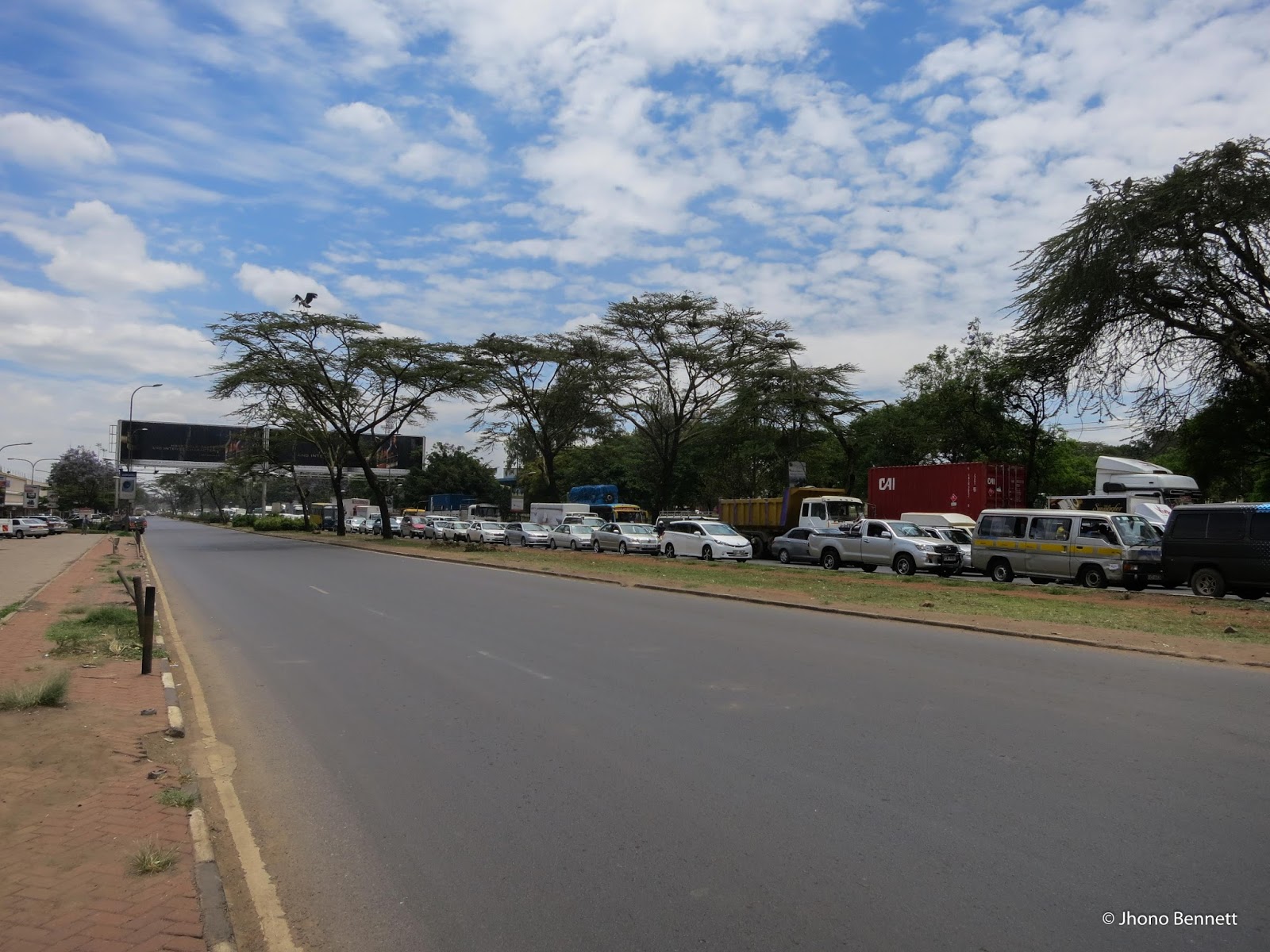
Dreaded Nairobi Traffic
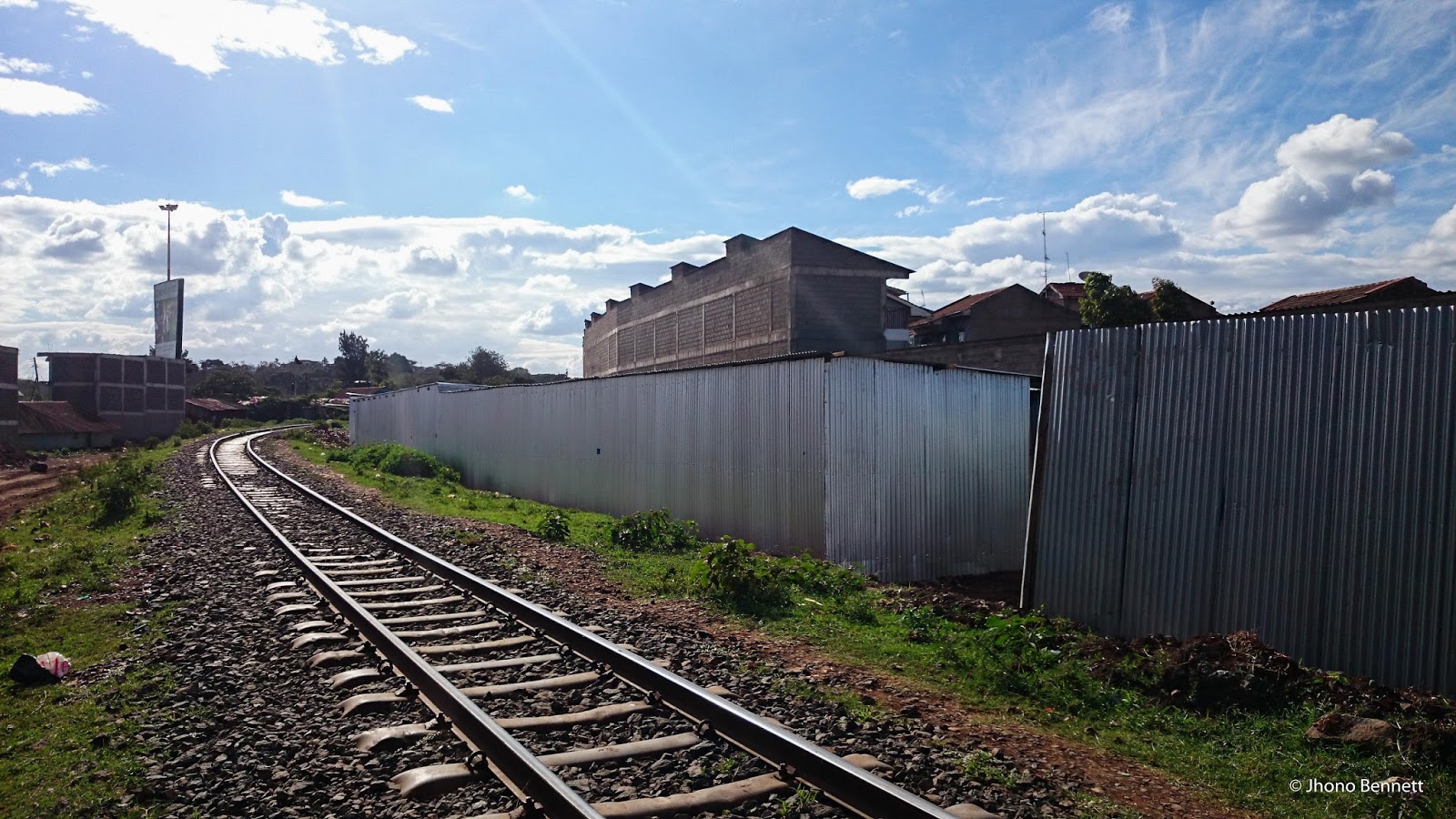
Nairobi Train Station
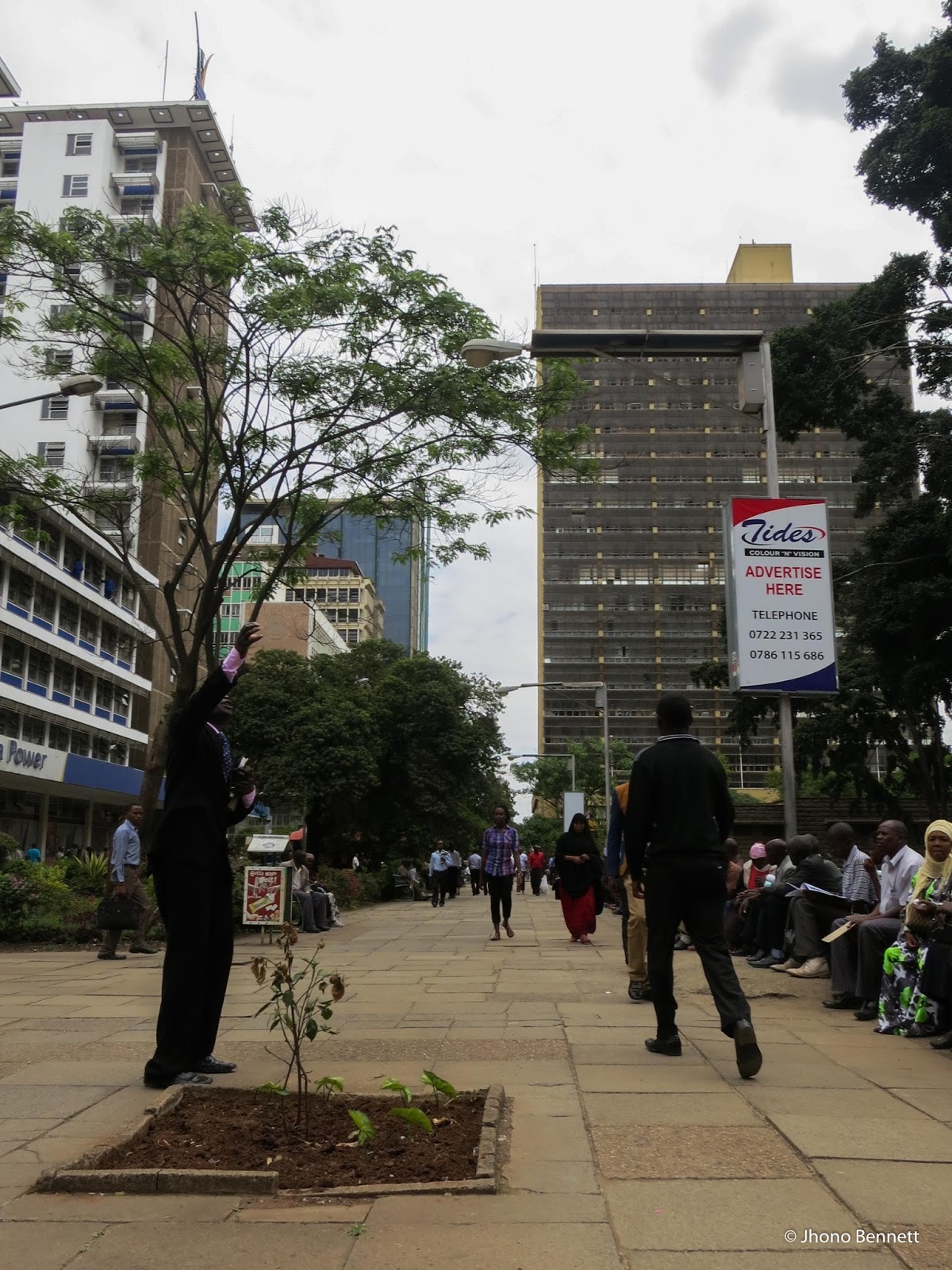
Nairobi Public Space

Infamous Boda Bodas

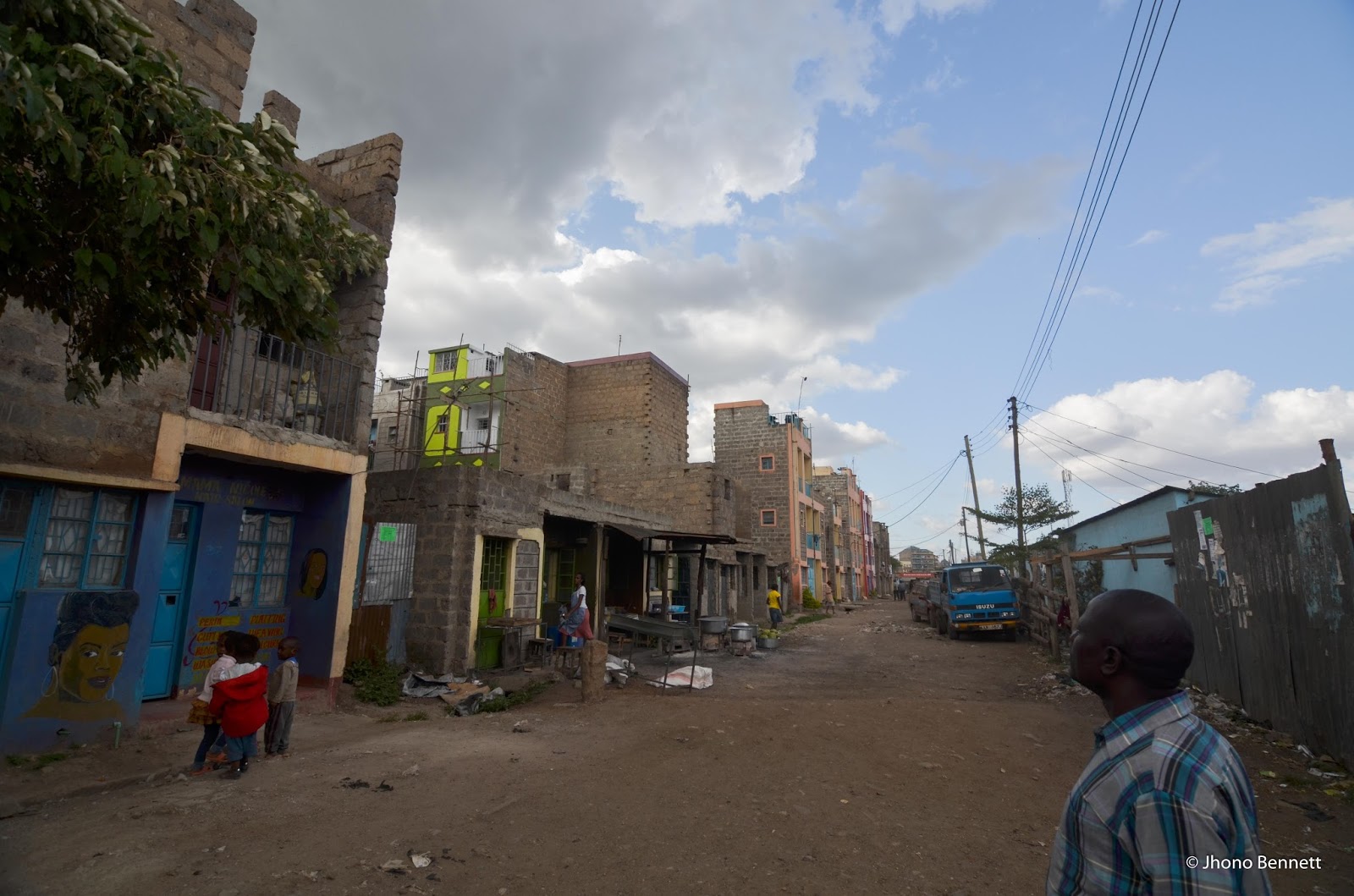
Nairobi felt like a mix of my home town of Durban with the energy of Johannesburg. From alter discussion I discovered Nairobi was actually planned by a South African planner in the 1940’s and bares many of the same socio-spatial ills of South Africa cities.
 
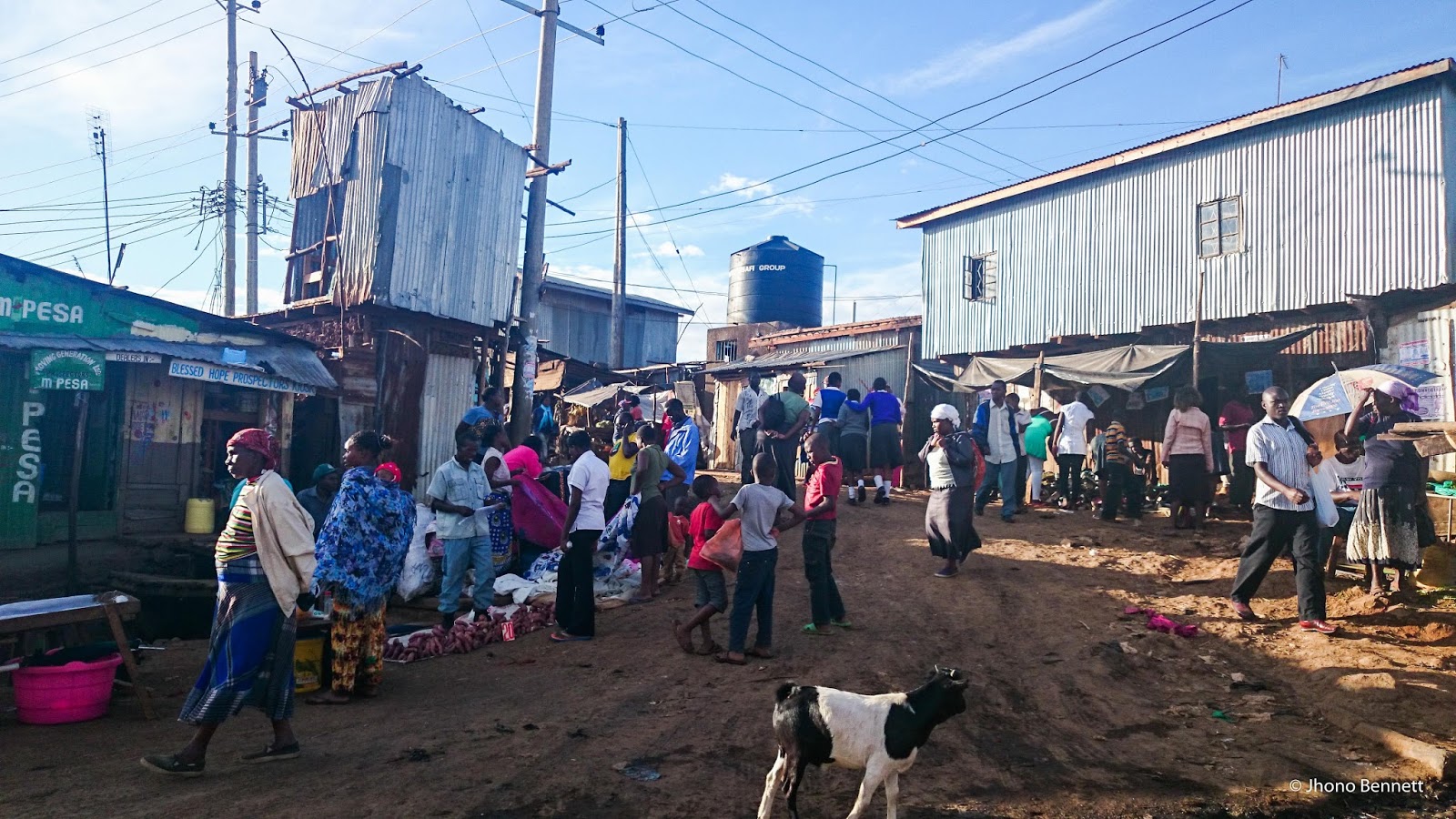
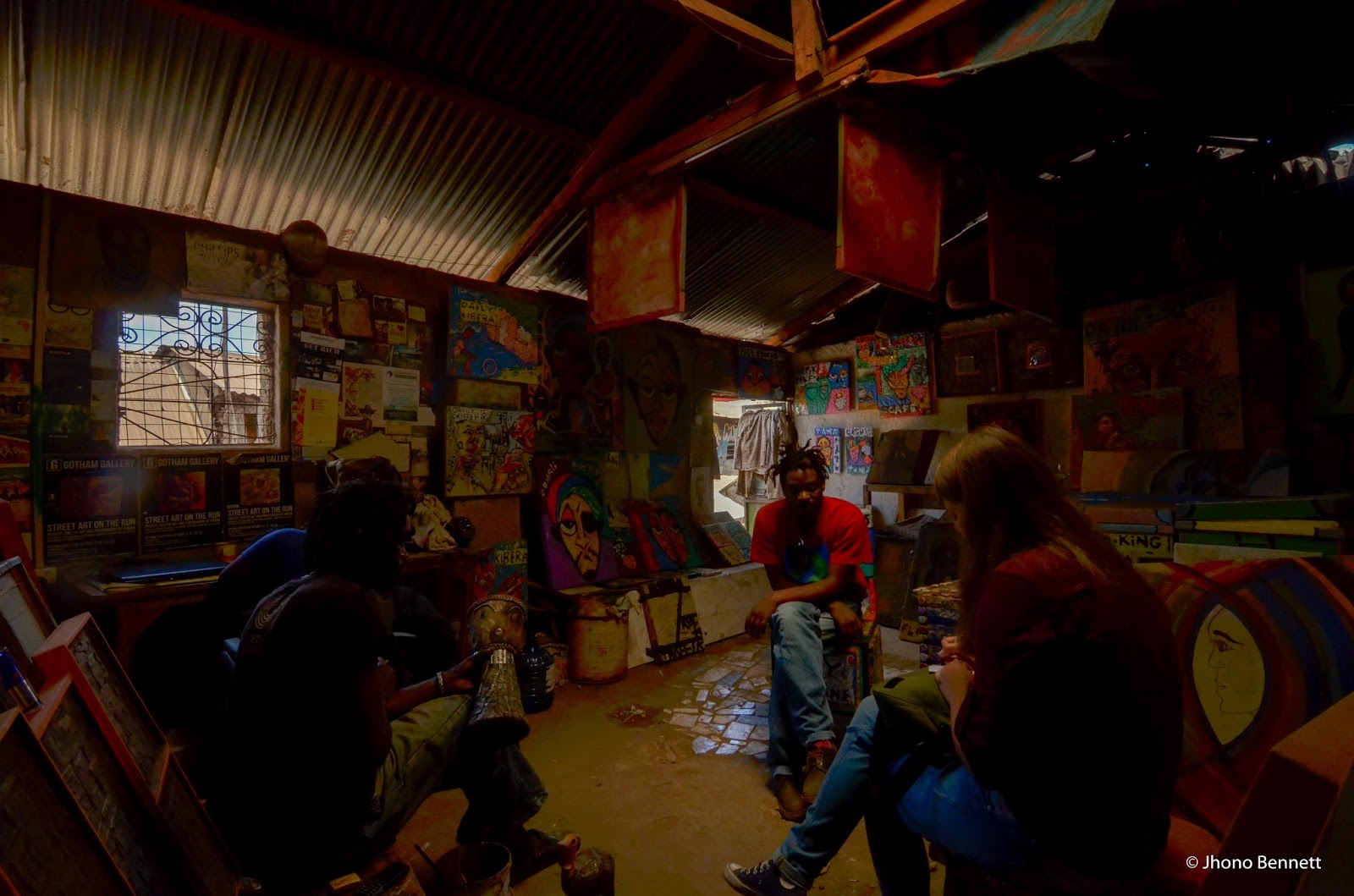
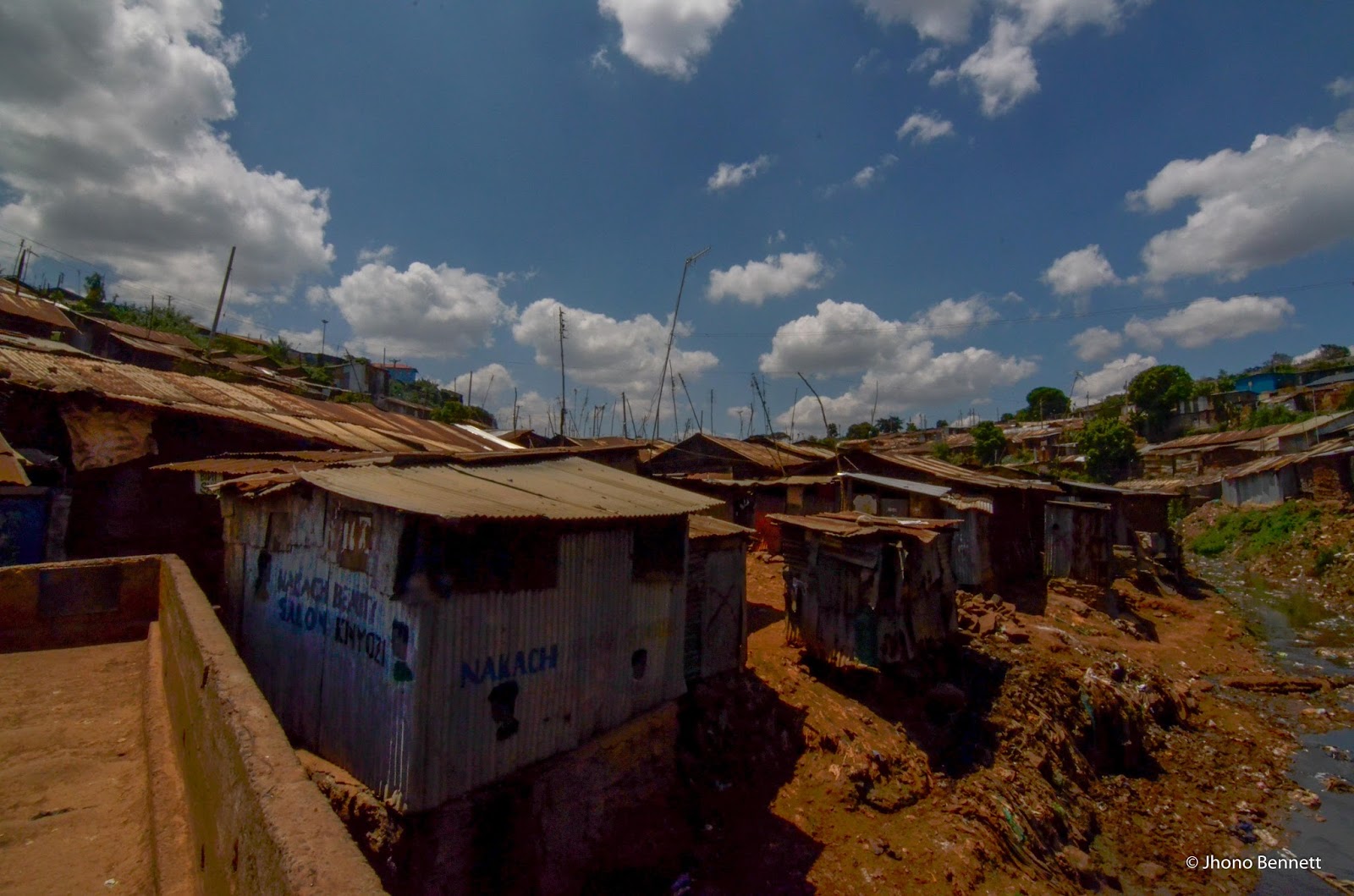
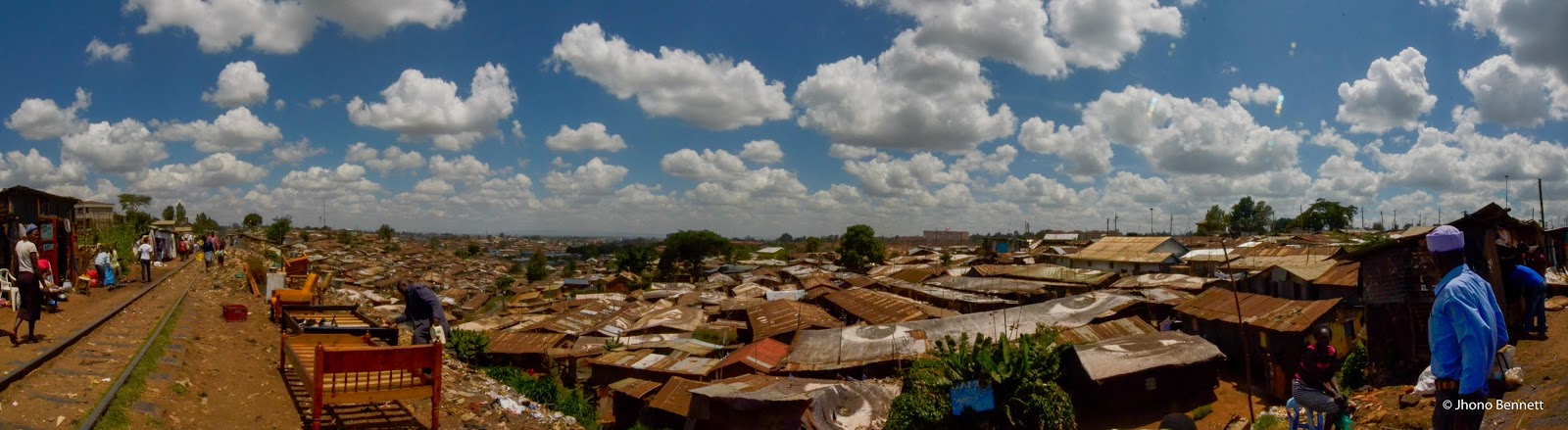
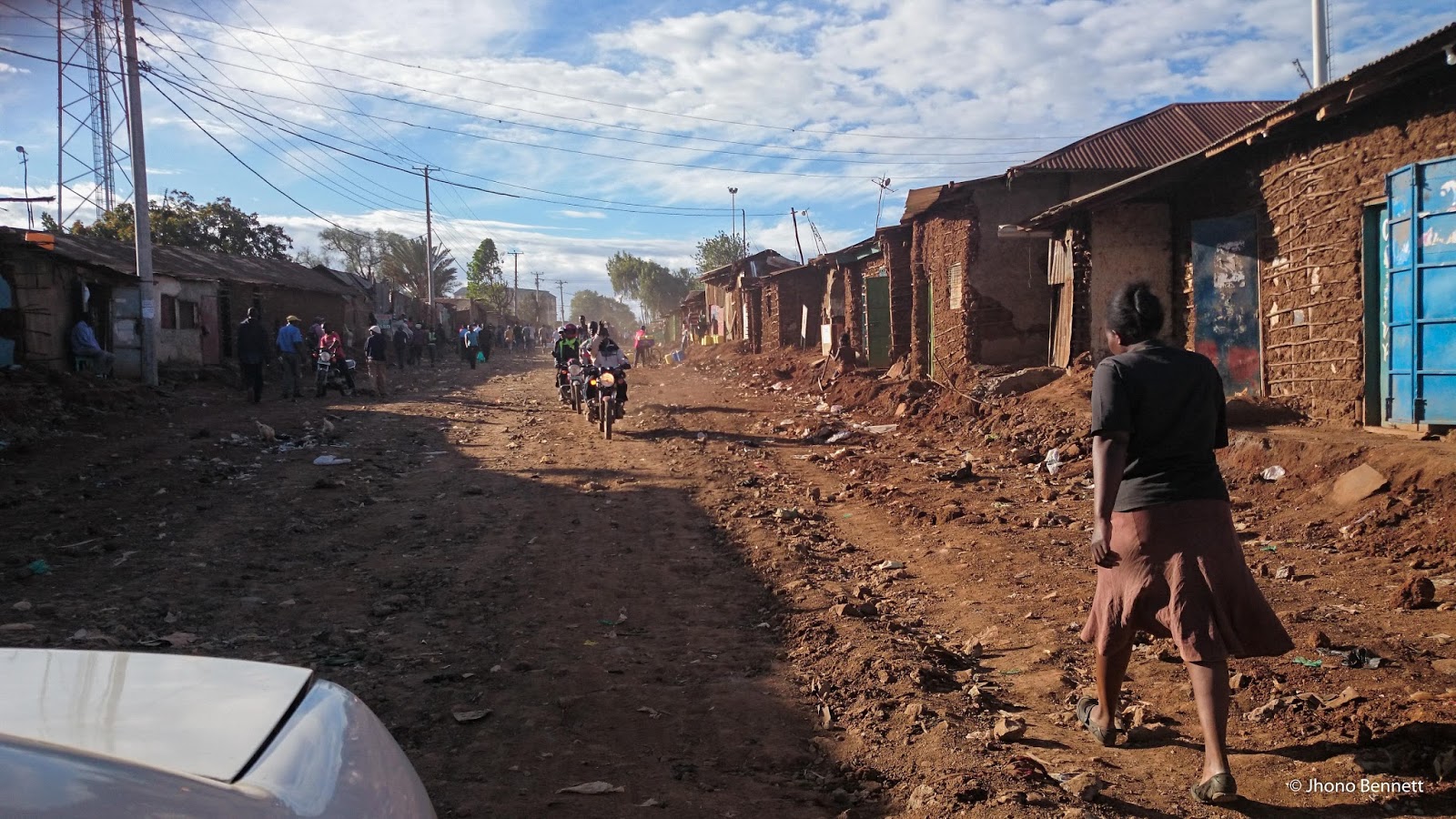
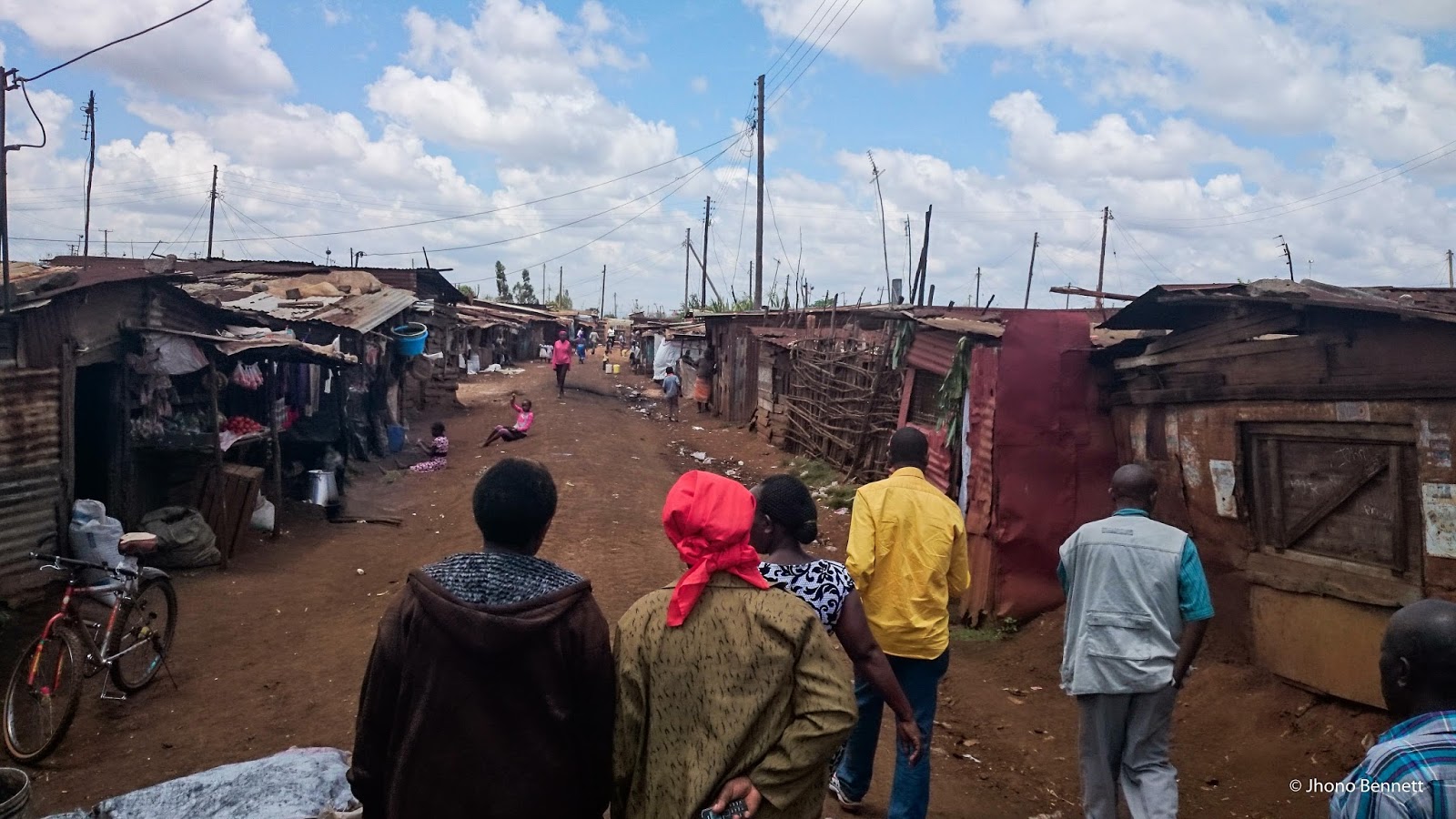
Exploring Kibera
 
The team from the Goethe Nairobi were invaluable in the exhibition set up, and invited me to visit some of their art programmes in Kibera’s Soweto.
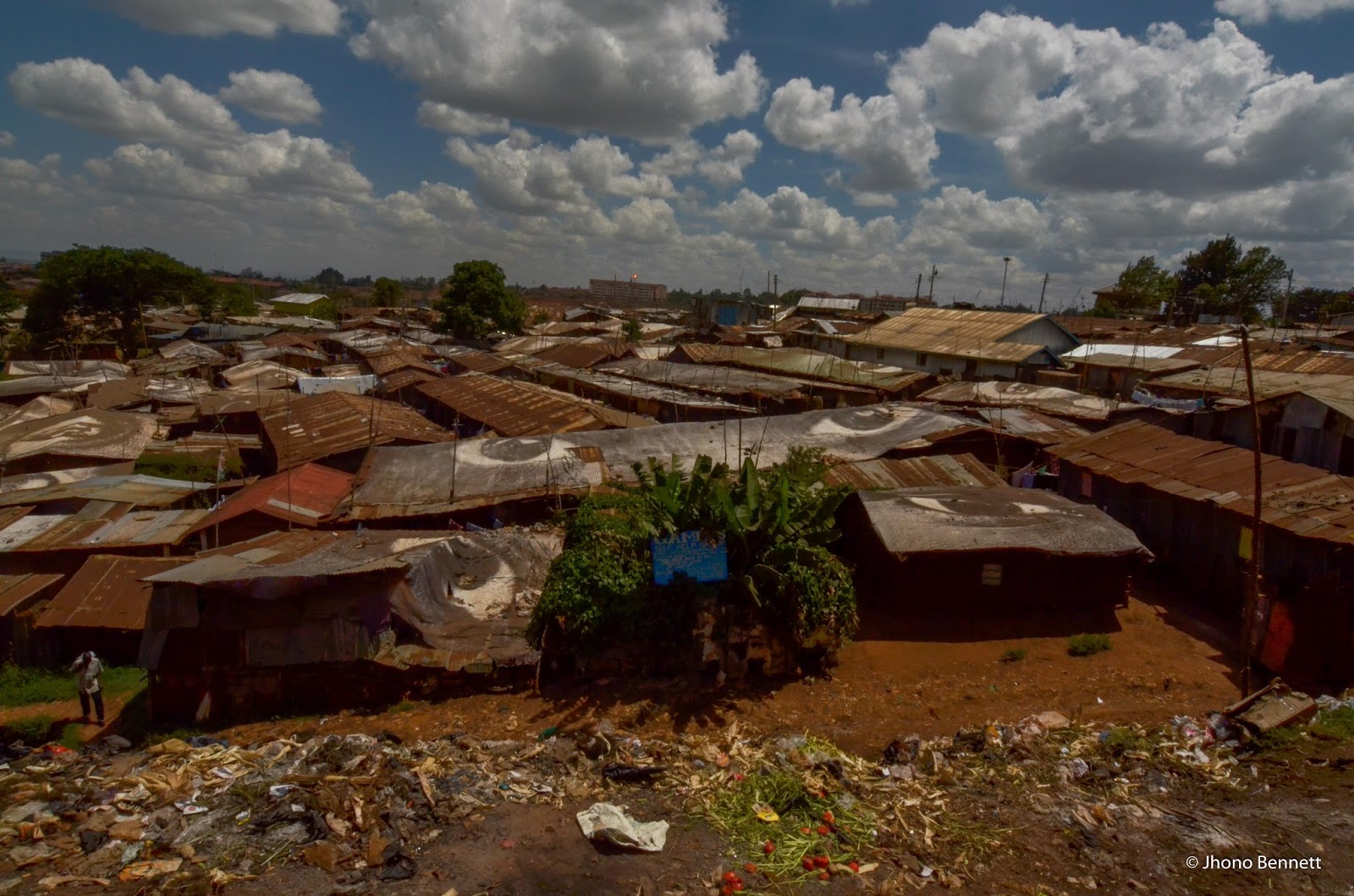
French Artist JR’s work in Kibera
See more on JR’s work here
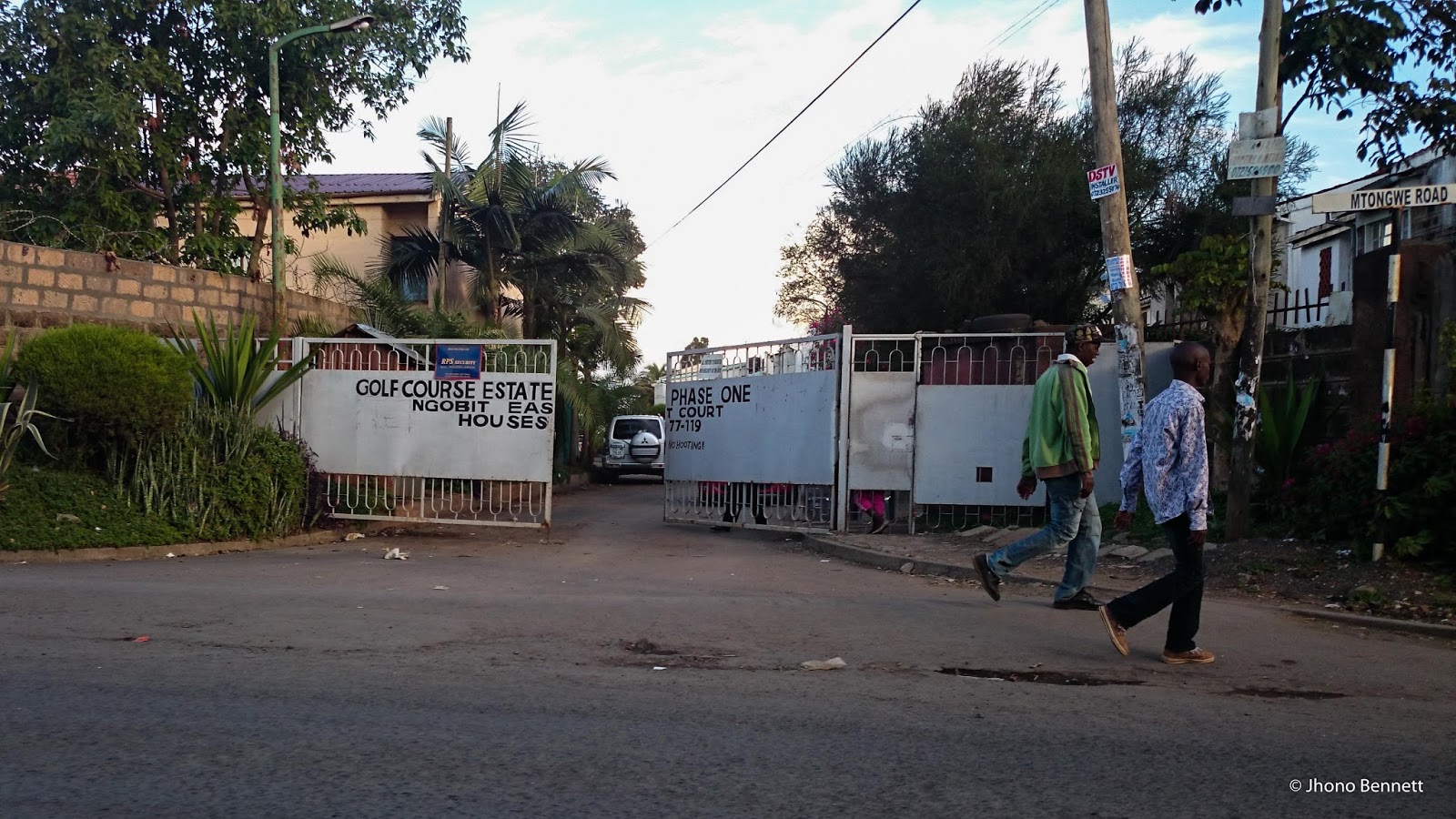
Kenyan Gated Communities

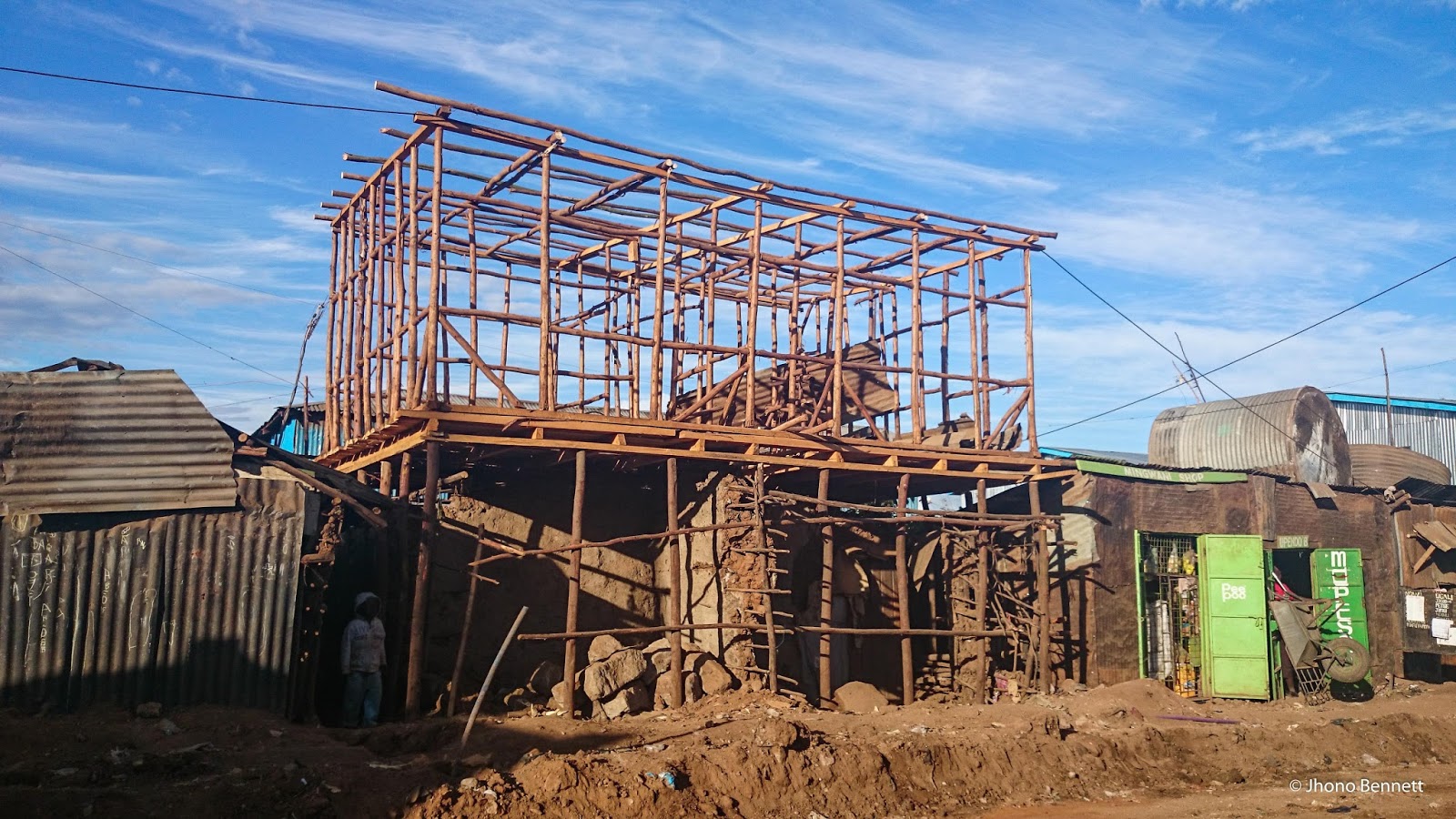
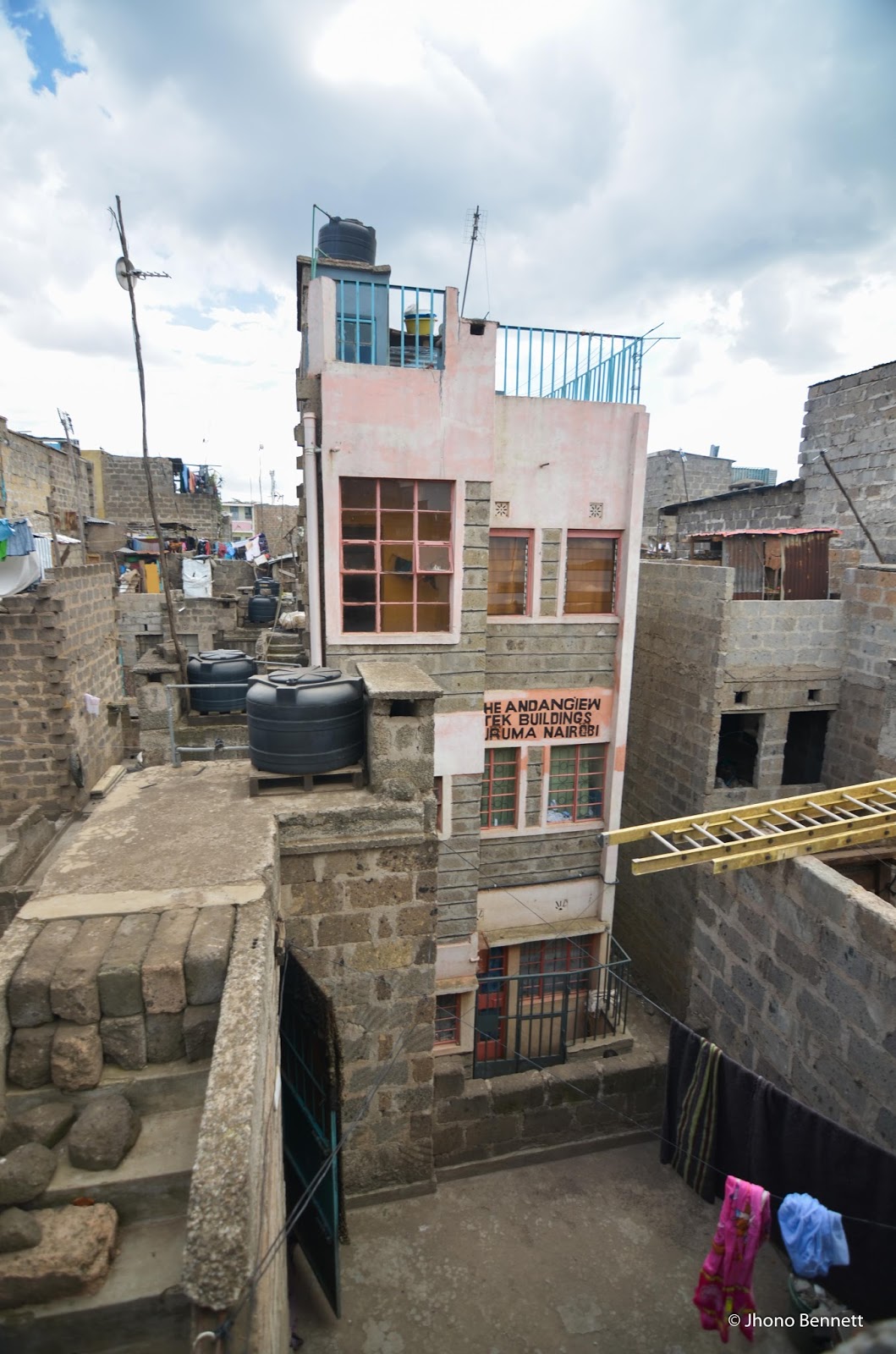
Privately built (questinabbly legal) multi-storey walk ups providing better density than other forms of delivery.
Muungano Trust
 
This part of my trip was planned to strategically meet with Jack  Makau and Jane Weru of the Kenya SDI Alliance; Muungano Trust & Akiba Mashinini in order to build links between South African Socio-Technical Spatial Designers and those working in Kenya.
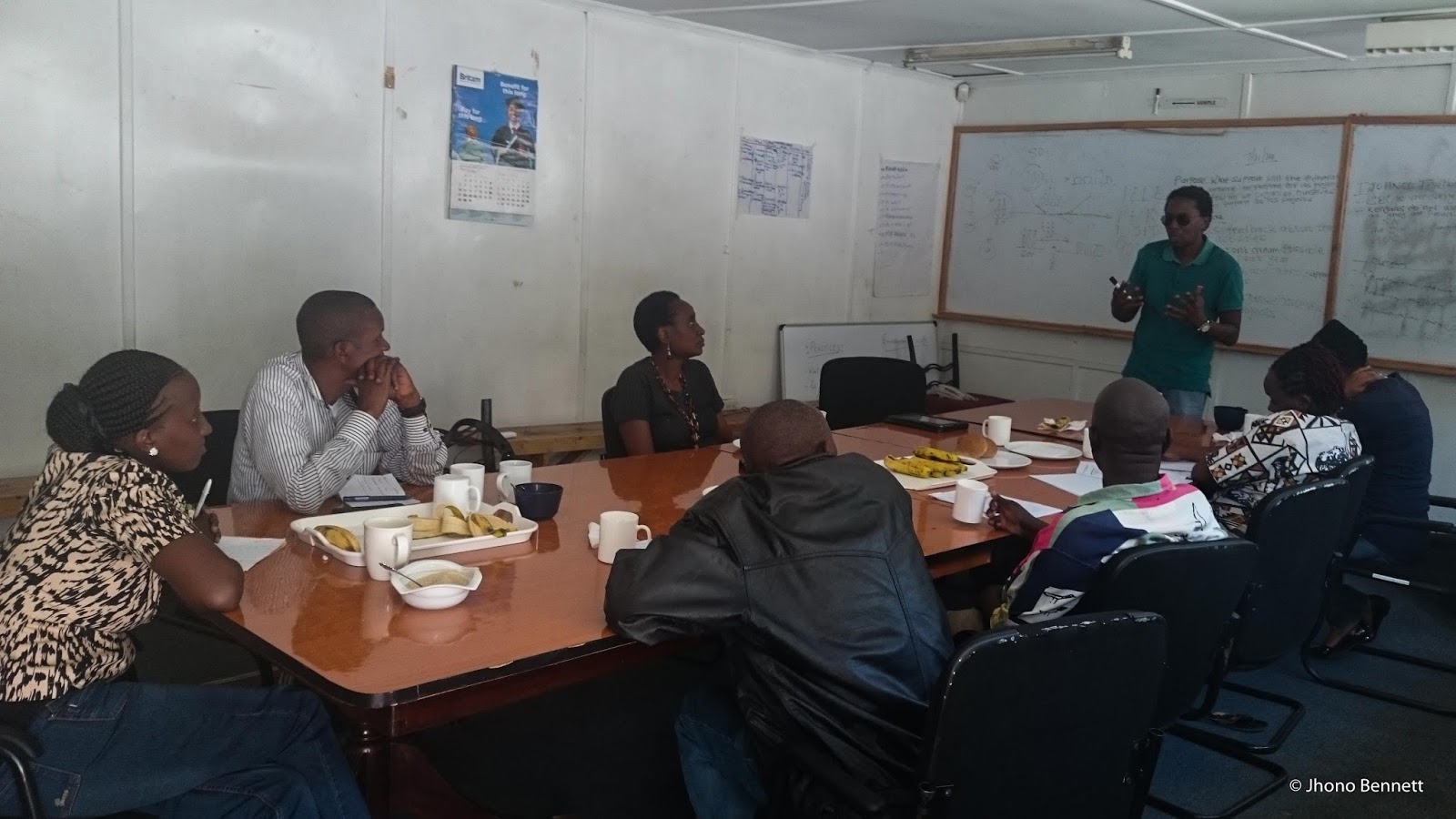
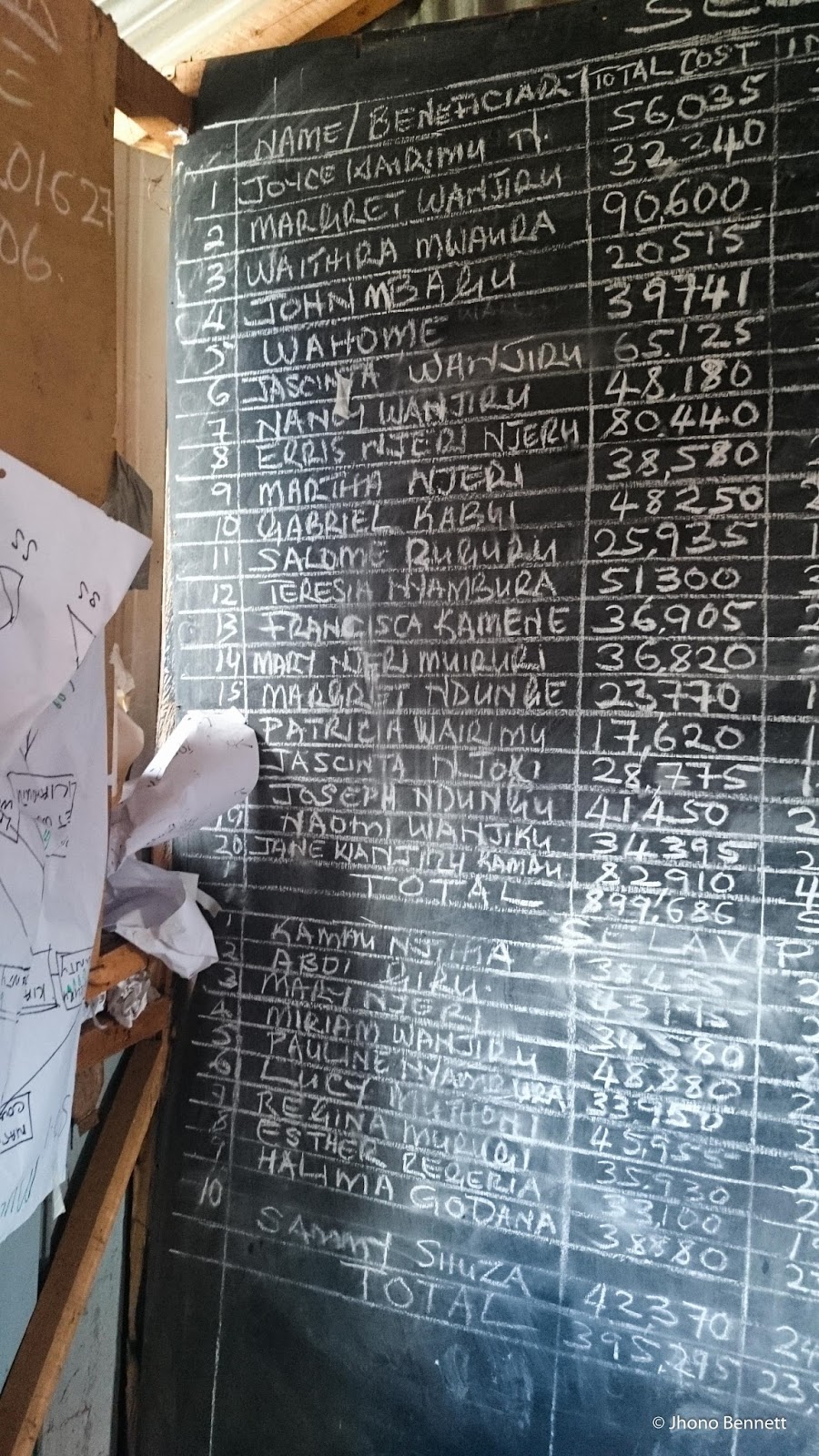
The organisations took me around to see their various projects and facilitated an exchange workshop between myself and their technical staff members.
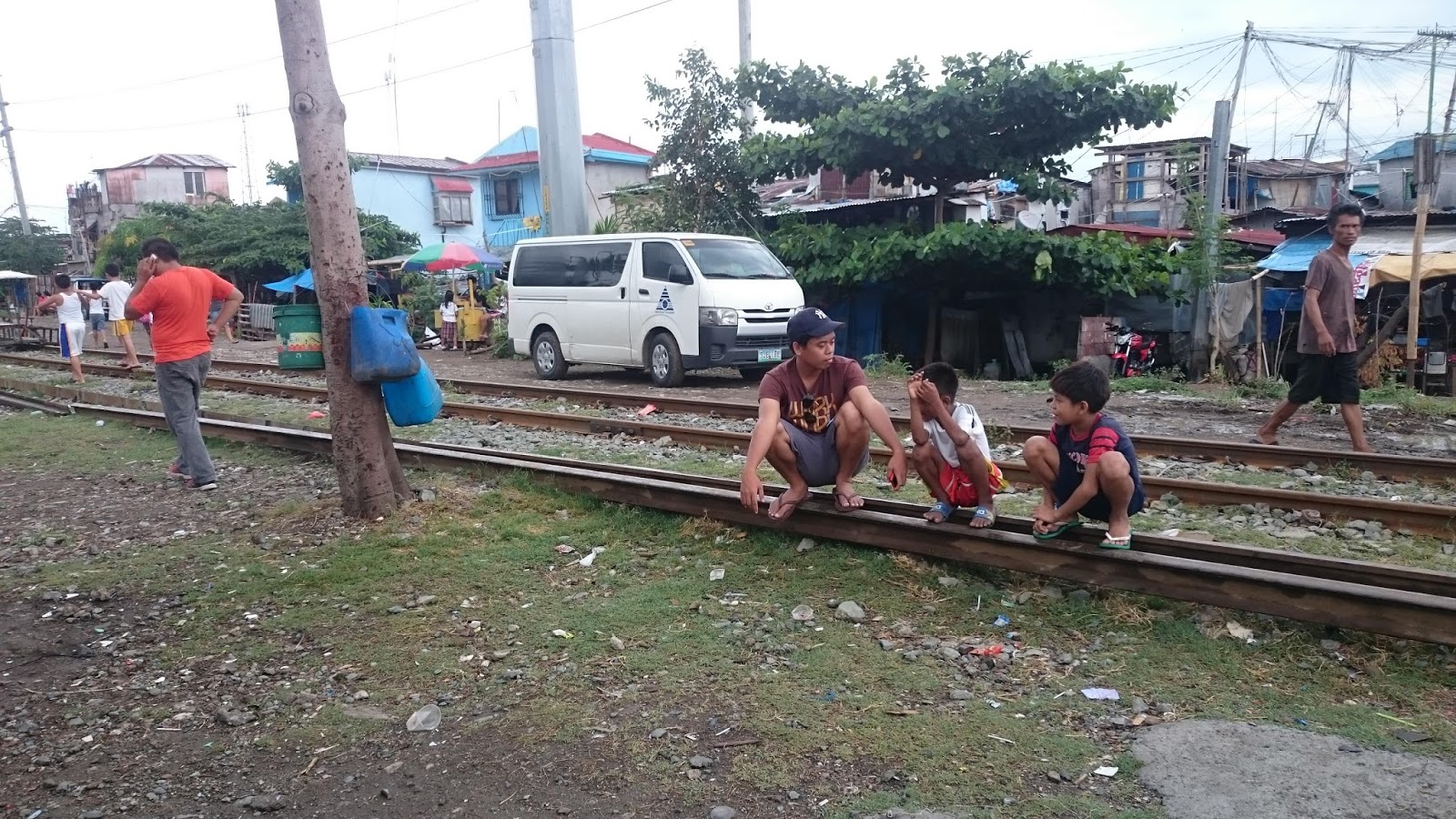
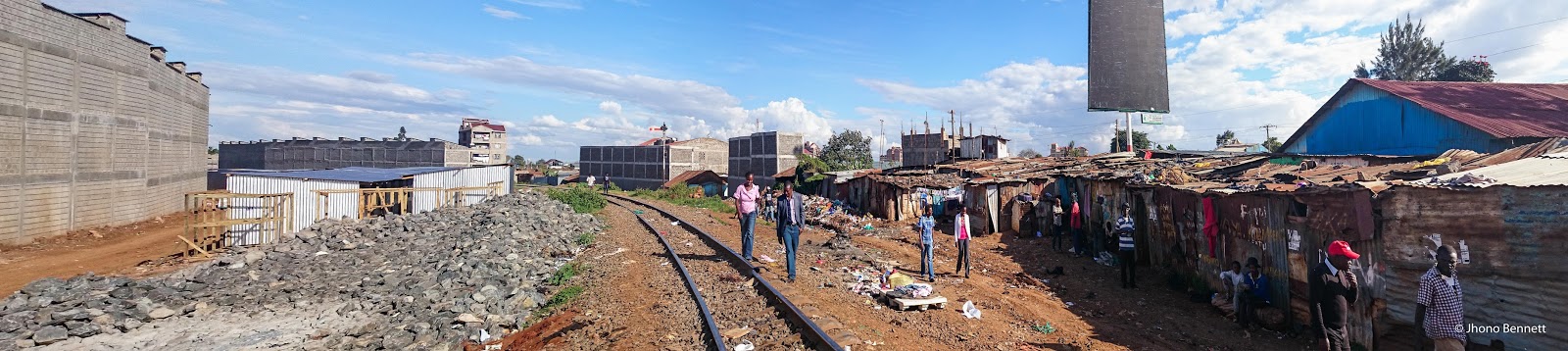
Railway Relocation Project
http://www.mustkenya.or.ke/index.php/rap
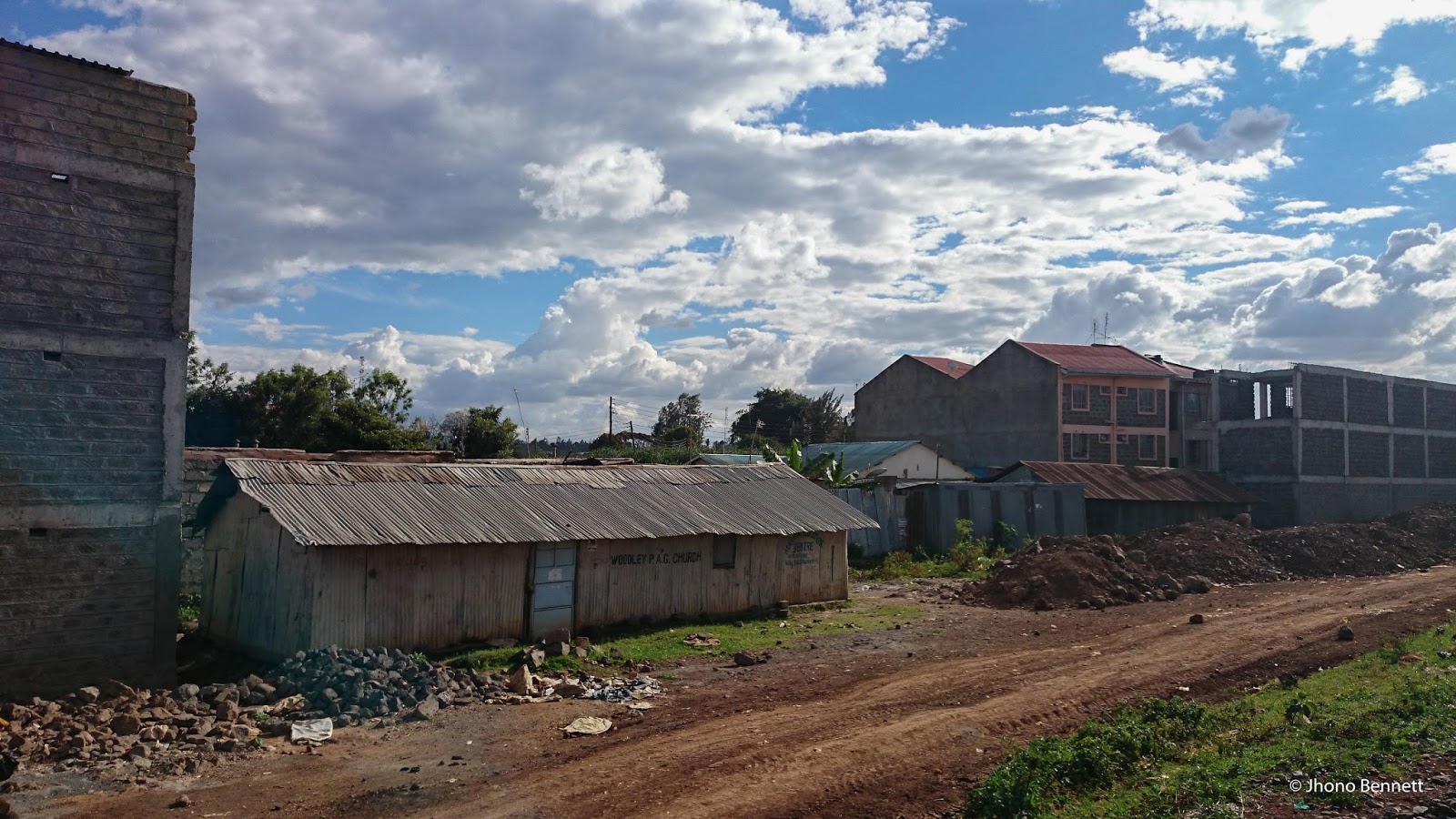
Churches were not moved for this project
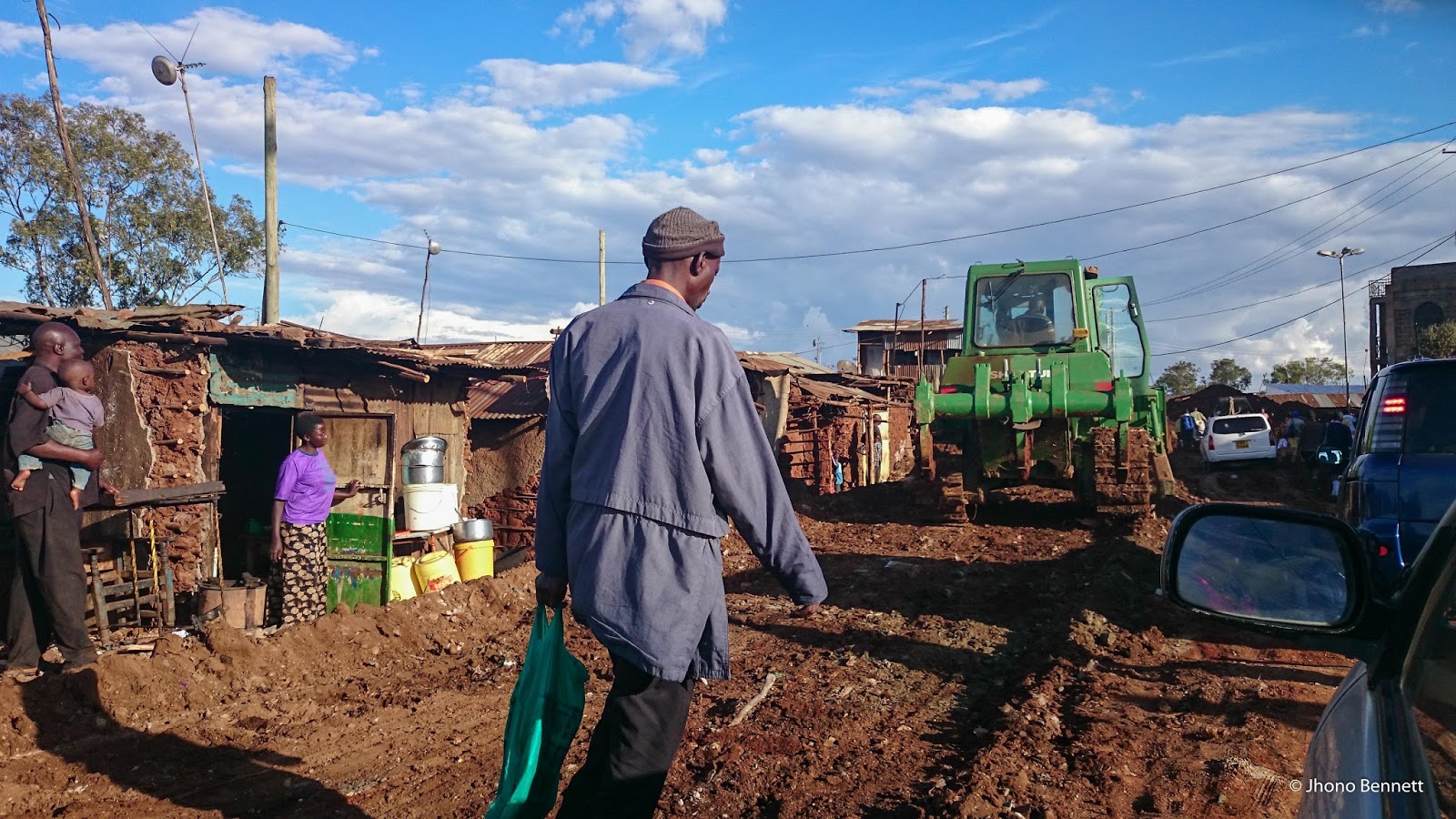
Roads in Kibera being built as we drove along them by the Kenyan National Youth Service
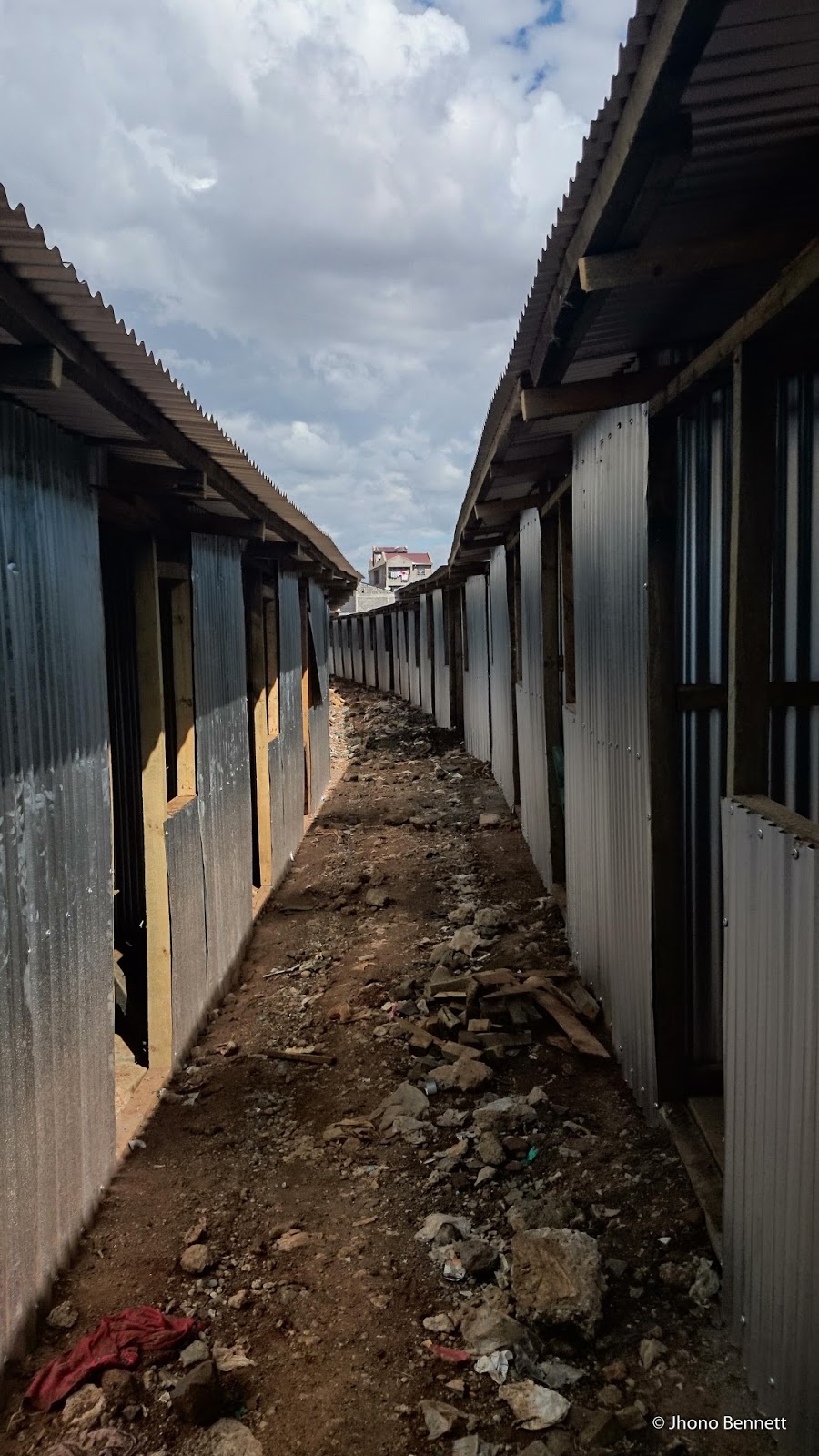
Double Up Houses  – rental
Governmental re-housing project high rise overlooking Kibera
Visiting Muungano Trust Saving groups outside Nairobi
Muungano Trust Savings Group
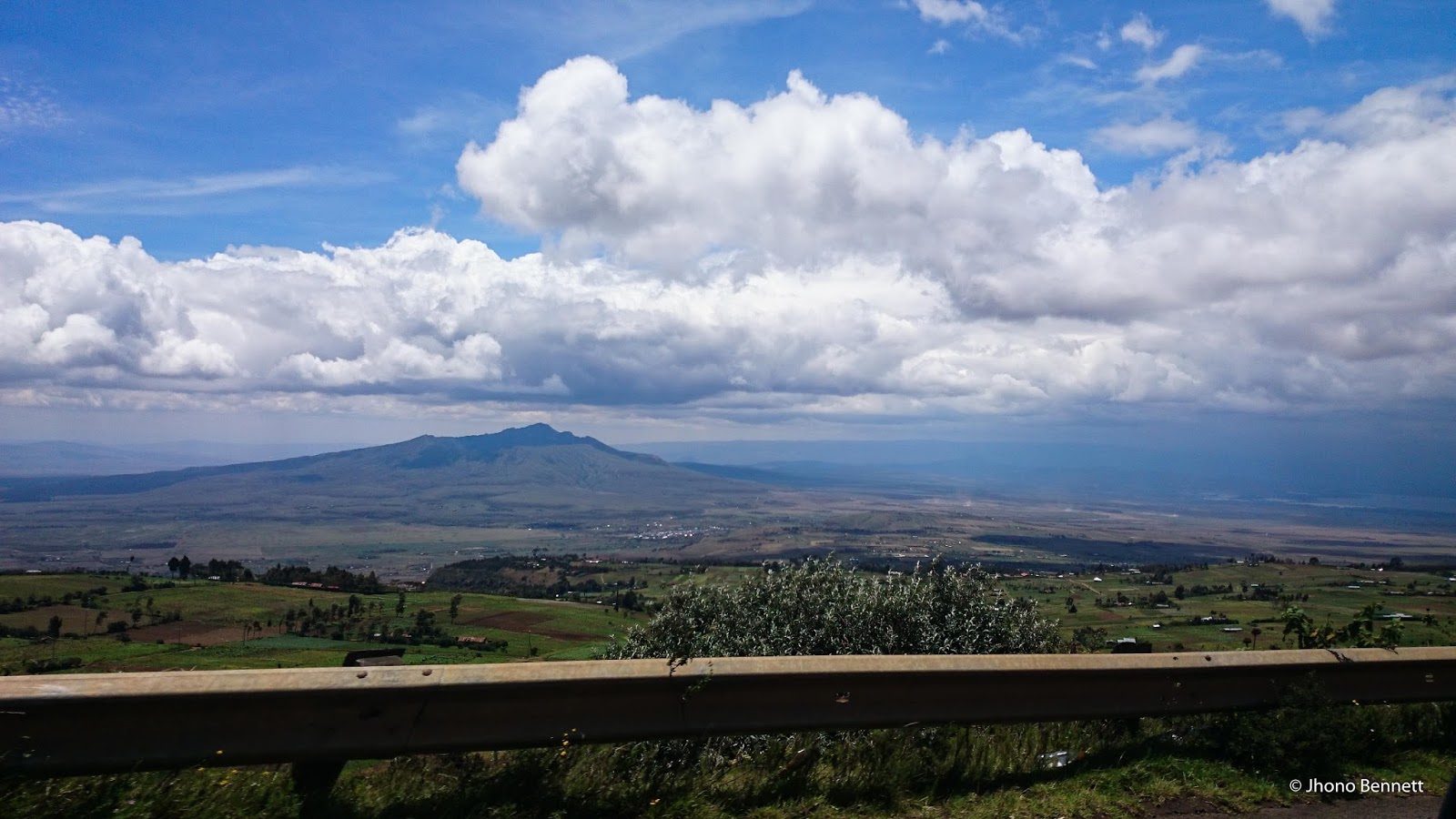
Nakuru Housing Projects

Nairobi Future

On top of completing my involvement with the Informal Studio, this trip allowed me to see many of the difficulty of the work we conduct in South Africa in a similar but very different context.
This experience was invaluable, and set the relationship for not only future collaborations between the Kenyan SDI Alliance’s Muungano Trust & Akiba Mashinini but also for a potential exchange trip between University of Johannesburg students to Kenya.

University of the Witwatersrand – Planning School: Kya Sands Informal Settlement Planning Studio

In 2014 I assisted Costanza La Mantia at the University of the Witwatersrand’s Planning School in teaching the design module for the 2nd year planning students under the ARPL 2015 module.
The module was taught through research and participatory engagement with various community based organisations that work within Kya Sands.

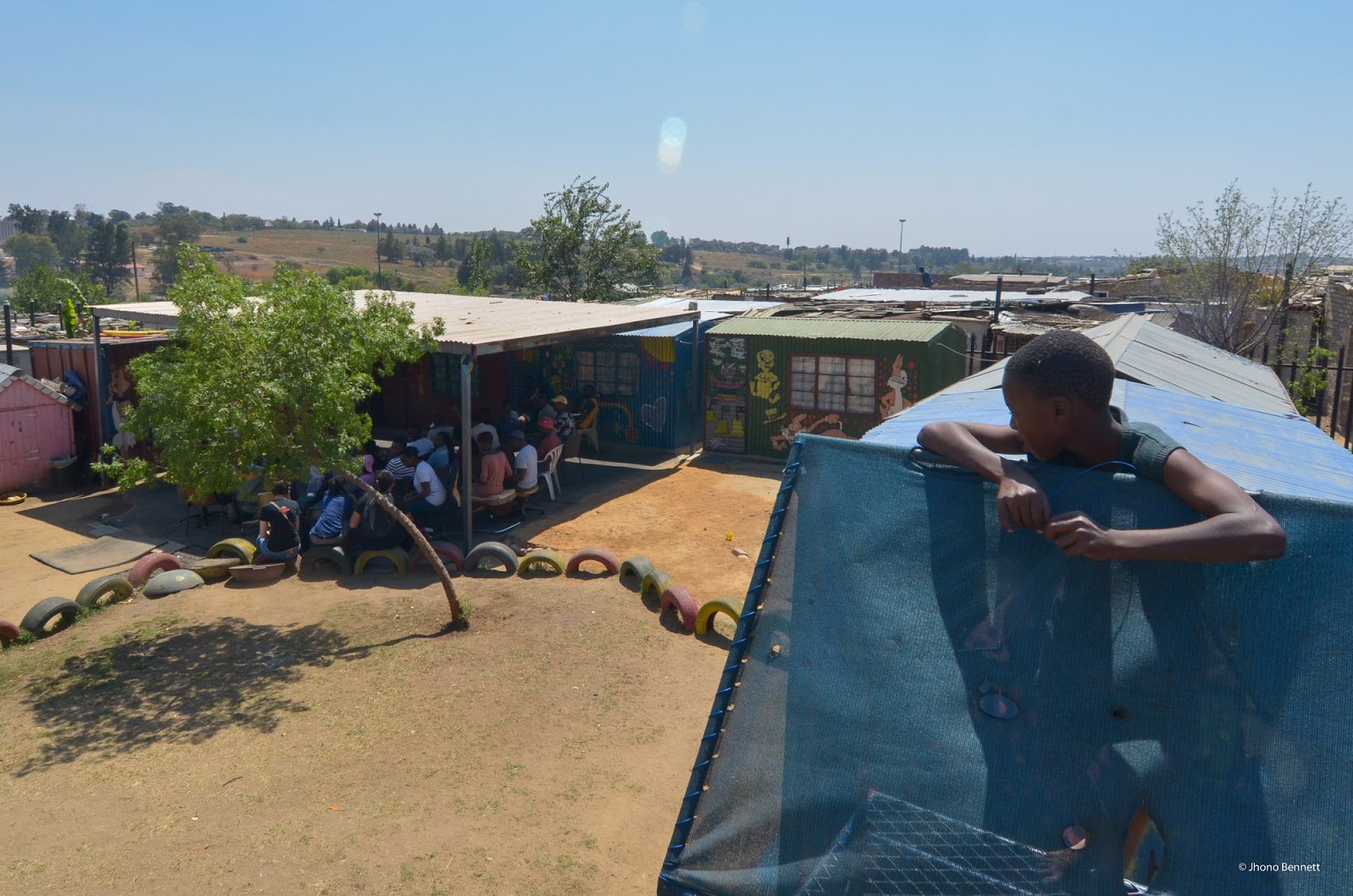
Kya Sands sits in an uncomfortable tension with it’s suburban neighbour of North Riding.
The studio was conducted at the University, but a several site visits were arranged to understand the context of Kya Sands.
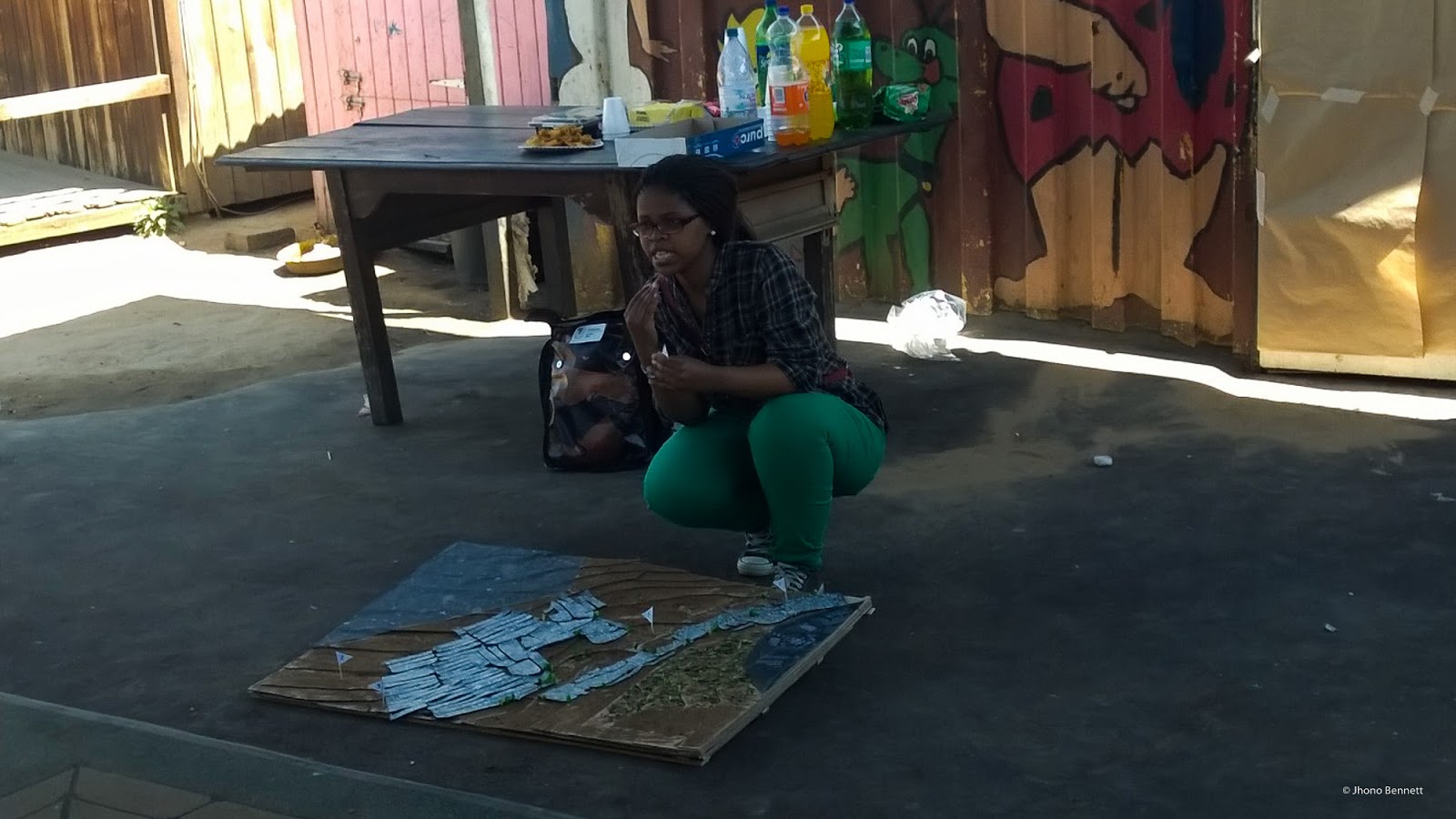
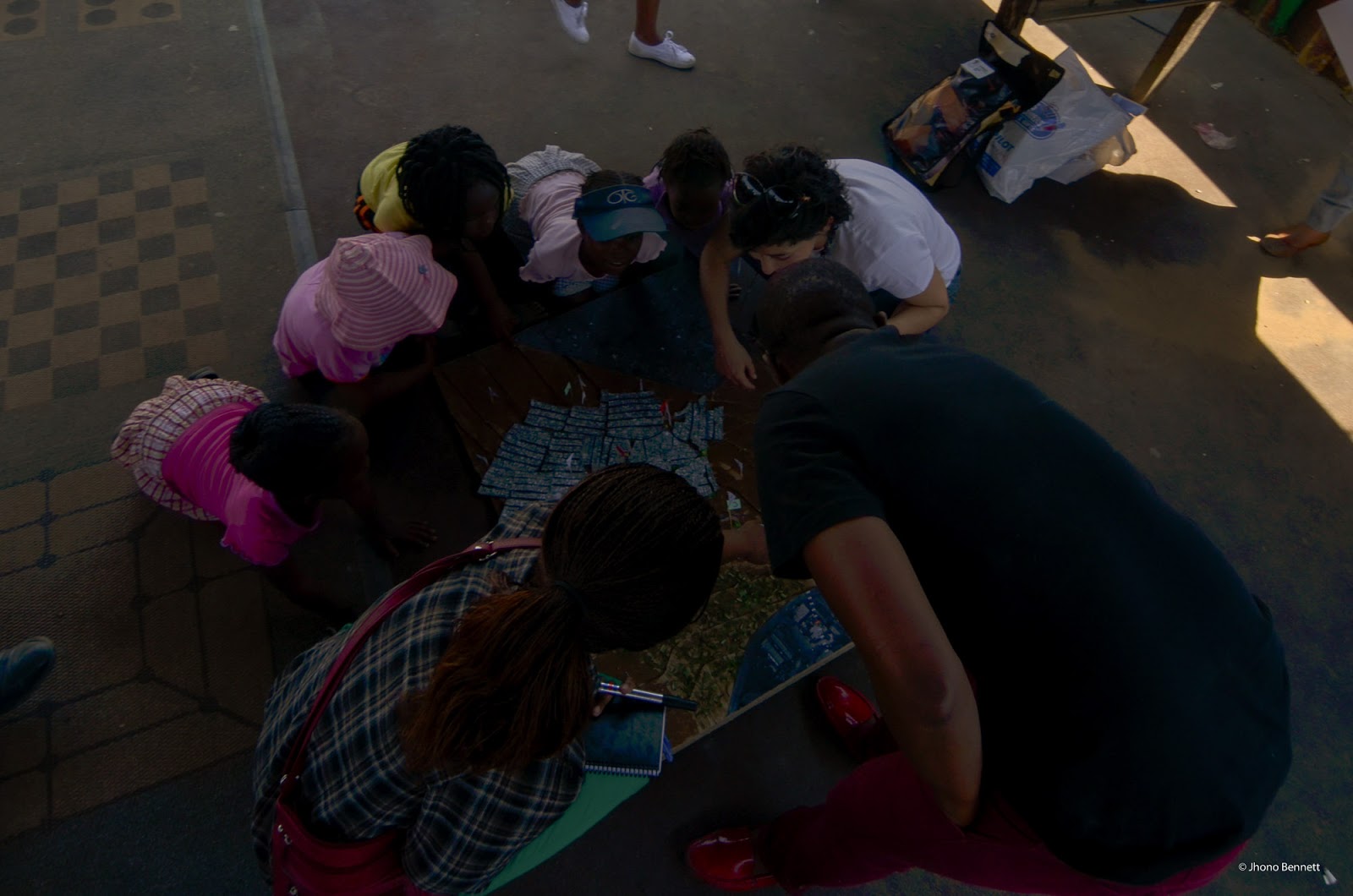
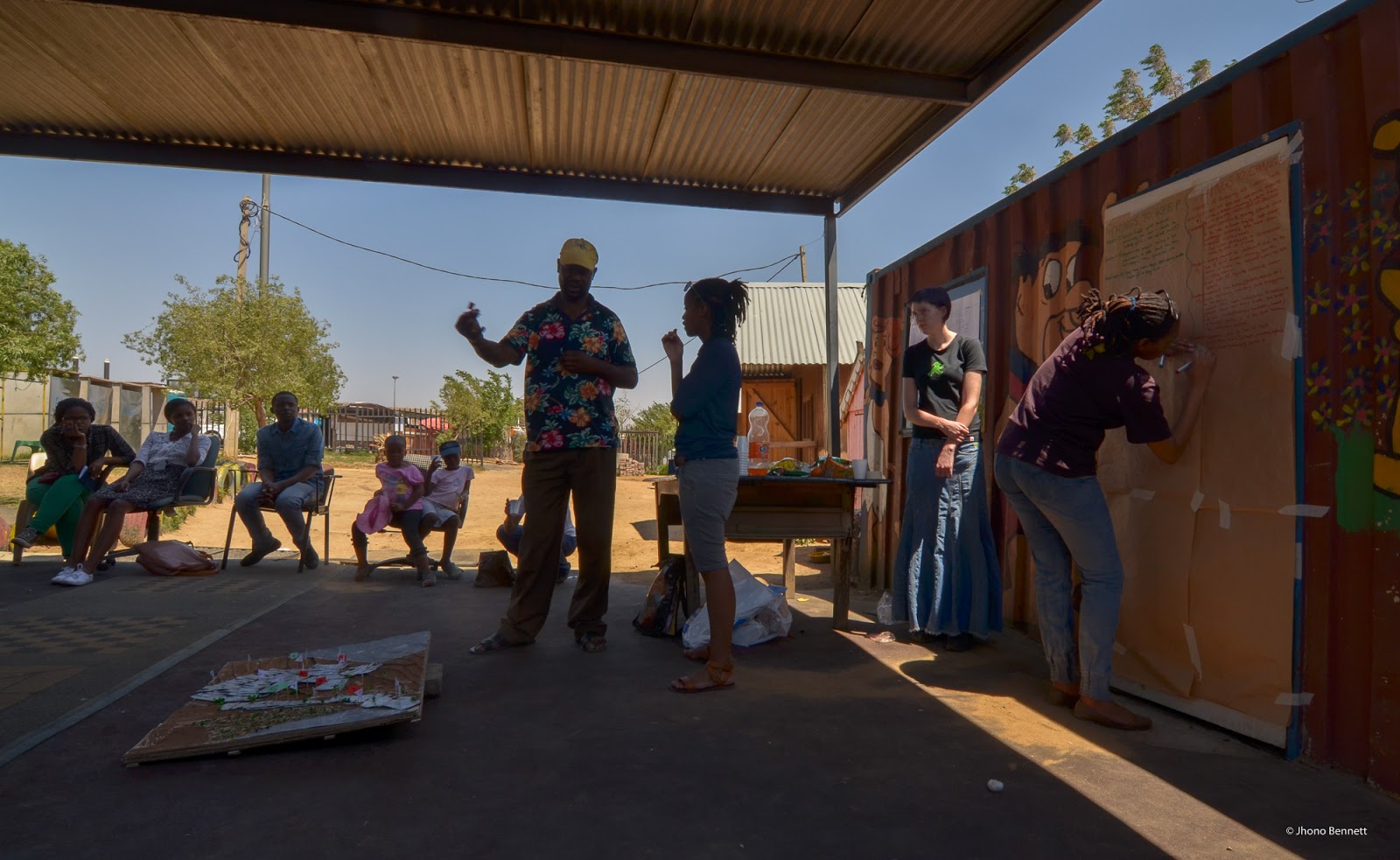
A scaled model was developed and used in a critical exercise to determine the collective aspirations and values held by the various community based organisations.

The exercise was held at a local creche and students worked closely under the guidance of Costanza and myself.
Residents surrounding the the creche were encouraged to attend by the students.

The planning students conducted the participatory engagement and crossed many langauge and social barriers through the exercise.

Through the process, the values and findings were carefully collected, and shared with the participants and added to the ongoing research and engagement being conducted through Wits.