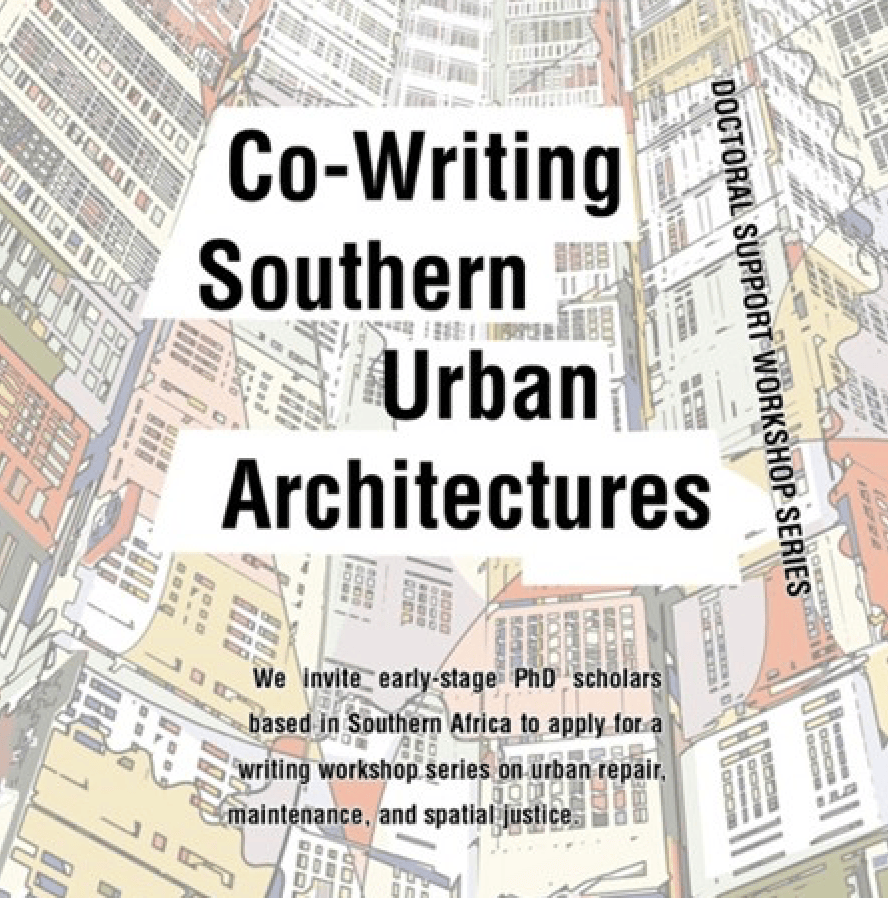
This project emerges from the understanding that cities across the African continent and its diasporas are not sites of lack waiting to be understood. They are sites of ongoing labour: repair, maintenance, improvisation, and care. Yet much of this labour remains unrecognised within dominant architectural and urban research discourse.
What does it mean, then, to write from these practices—not as case studies or marginal examples, but as foundational forms of knowledge?
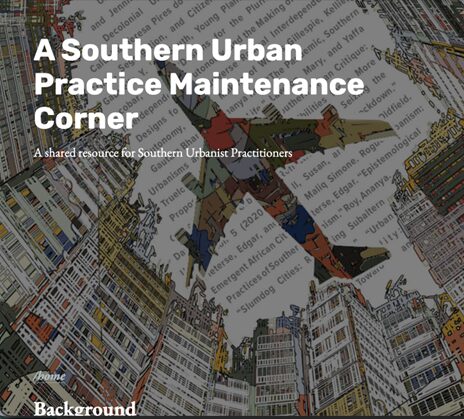
This question sits at the heart of a broader, evolving platform: the Southern Urban Practice Maintenance Corner. The platform grew out of a 2022–23 Reading/Doing Group convened by UCL Urban Lab and partners. It is a living repository of reading lists, action-research reflections, and shared tools, designed to bridge theory and practice and to nurture critical, place-based, non-extractive urban knowledge. From it, this project unfolds as both method and infrastructure, connecting dispersed knowledge centres through collaborative, reparative engagements that resist the fragmentation so often produced by academic and institutional boundaries.
The IJURR-funded Co-Writing Southern Architectural Repair & Maintenance initiative took shape within this context. It is led by Dr. Jhono Bennett (UCT), Professor Guy Trangoš (UJ), and Associate Professor Philippa Tumubweinee (UCT). Across a series of online, Johannesburg, Cape Town, and hybrid sessions, it brought predoctoral and doctoral researchers into a shared process of writing, reflection, and co-production. It used practice-based tools such as storytelling, mapping, co-design, and collective writing, and it offered support with proposals, publication, and funding. These tools foregrounded the knowledge embedded in everyday acts of repair and maintenance.
In doing so, the project sought to equip an emerging generation of Southern urban and architectural scholars. It also began to reframe how urban knowledge is authored, circulated, and valued. This post traces that unfolding. It treats the workshops not as isolated events but as part of a broader effort to build a sustained, Southern-led infrastructure for thinking, writing, and practising urbanism otherwise.
The full programme, speaker biographies, and shared reading lists are available here: Southern Urbanisms Programme
How the Programme Unfolded
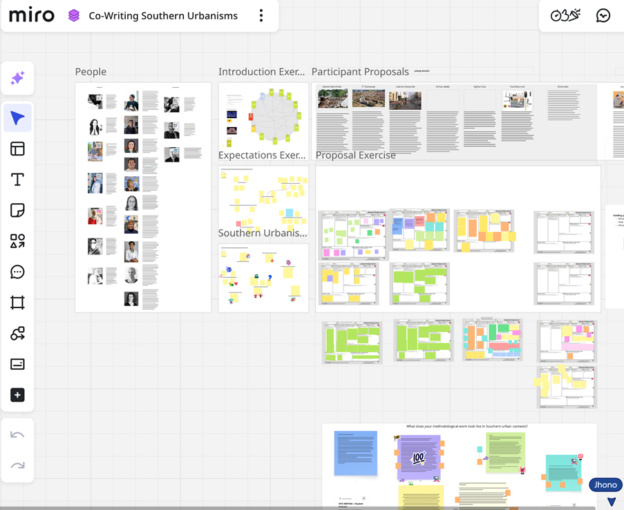
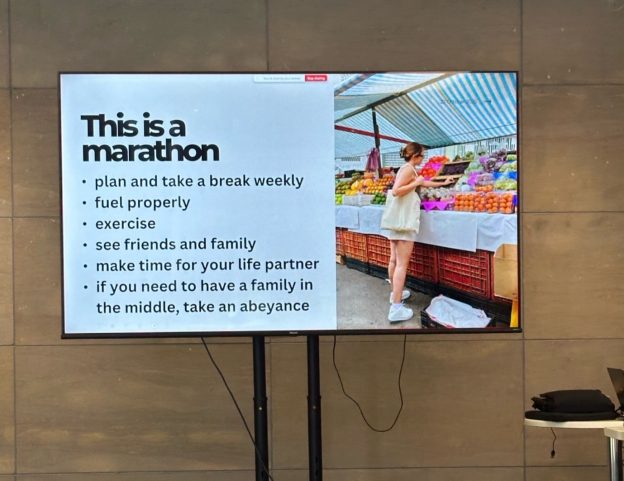
The programme opened with an online welcome in September 2025. Participants built profiles on a shared Miro board and drew connections between their research interests. They also began mapping what Southern urbanism meant to each of them.
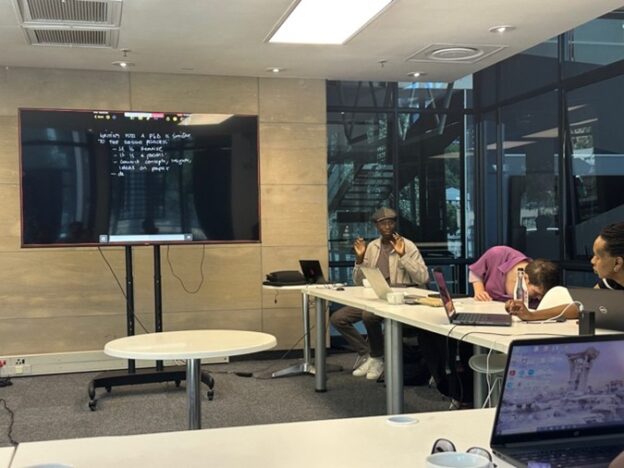
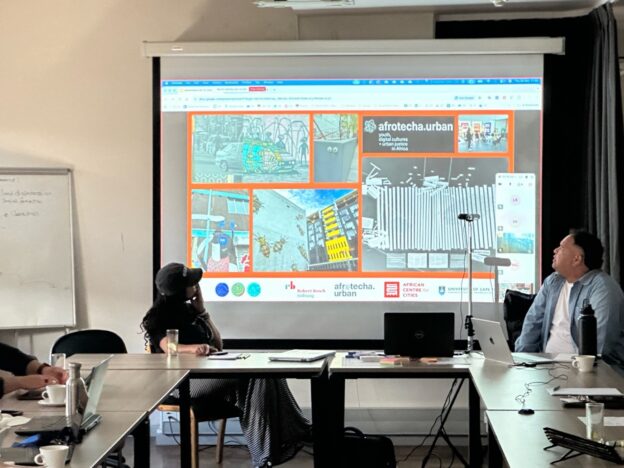
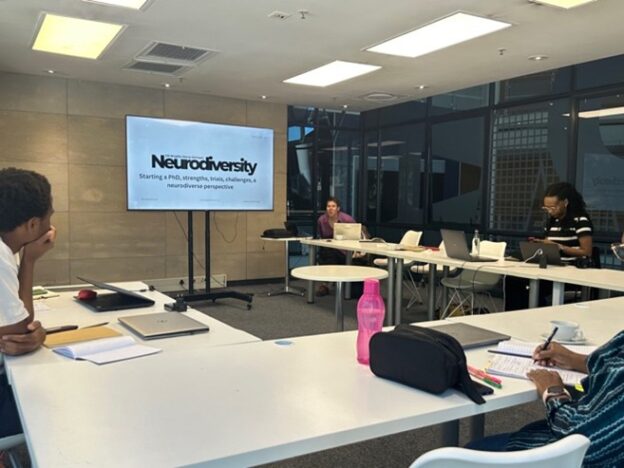
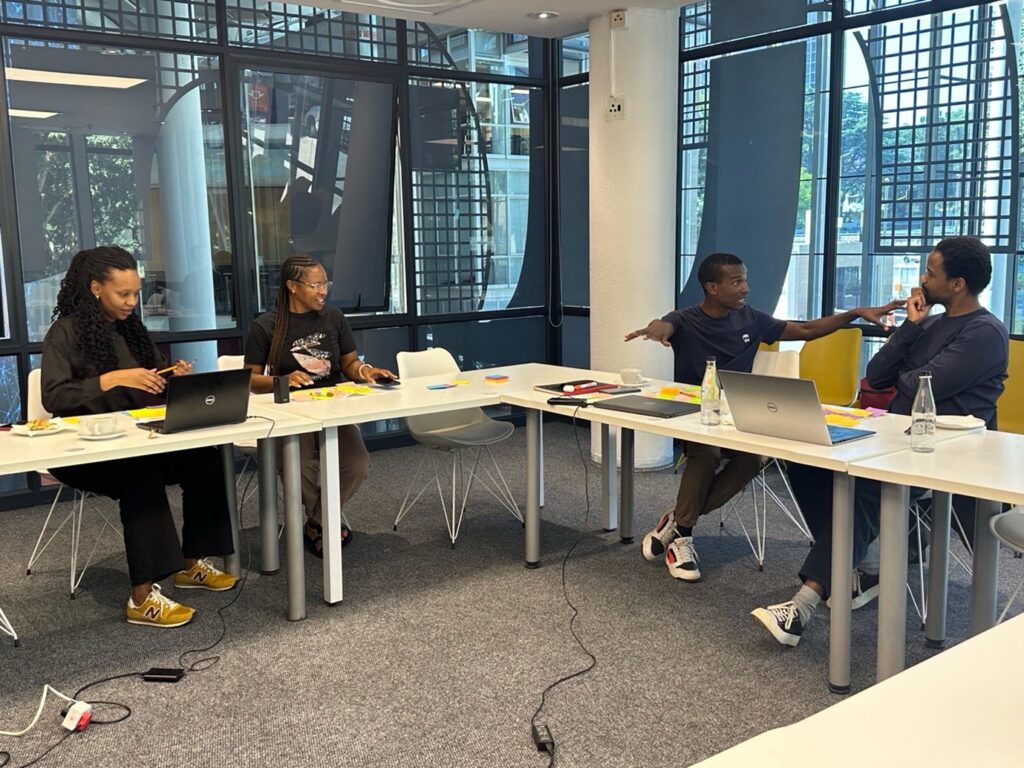
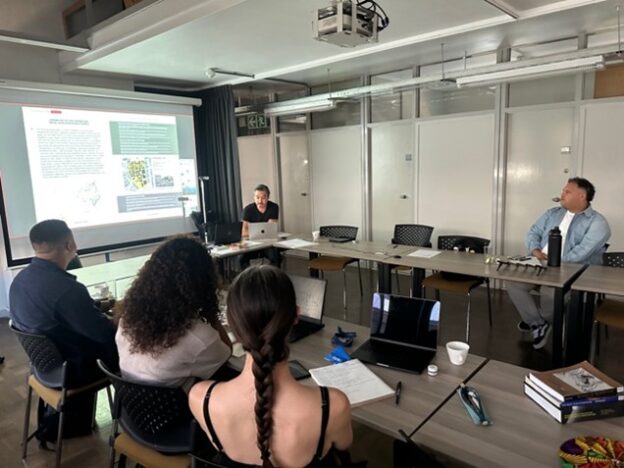
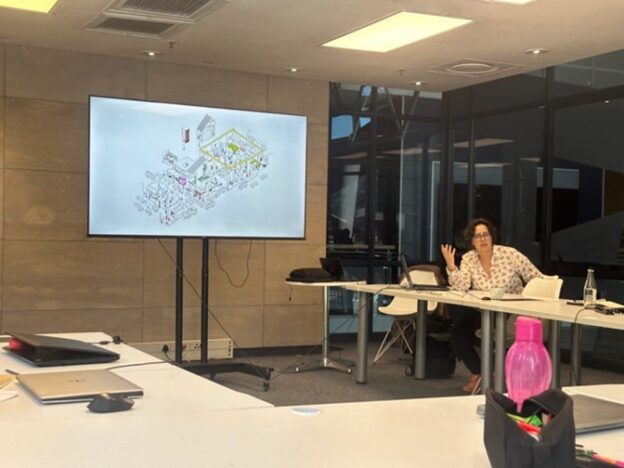
In Johannesburg (23–24 October 2025), hosted by the University of Johannesburg’s Graduate School of Architecture, the focus was on moving from field inquiry to research framing. An opening panel on the trials of starting a PhD set a candid tone. It was followed by sessions on the types of doctoral knowledge produced in Southern Africa, proposal-writing sprints, grounded storytelling as a bridge between fieldwork and theory, and mentorship circles with senior researchers.
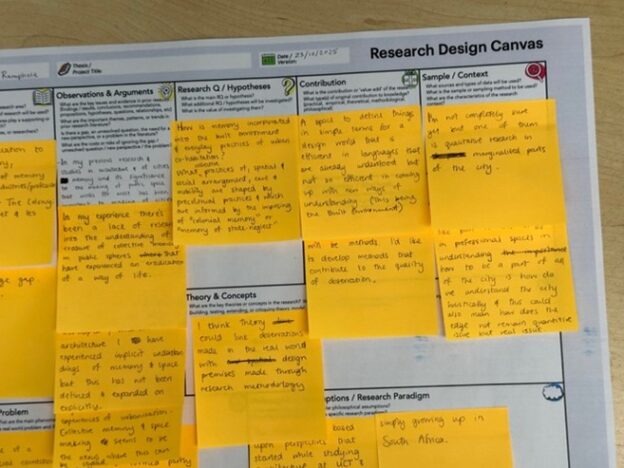
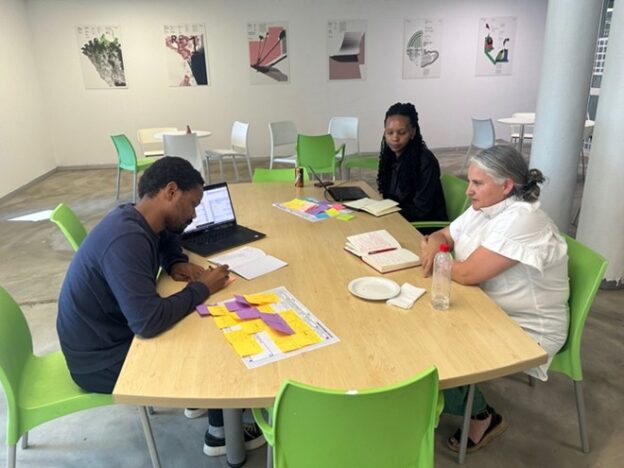
In Cape Town (4–5 December 2025), at UCT’s School of Architecture, Planning and Geomatics, attention turned to methodology. Dialogues on situated positioning opened questions about how doctoral researchers articulate their epistemic commitments. Participants then mapped their methods and practised reflexivity. They workshopped methodology chapters in speed clinics and co-wrote short methodological propositions for Southern urban doctoral research. Throughout, a guiding question returned: how might we adapt, interrupt, or reimagine methods shaped by Global North paradigms?
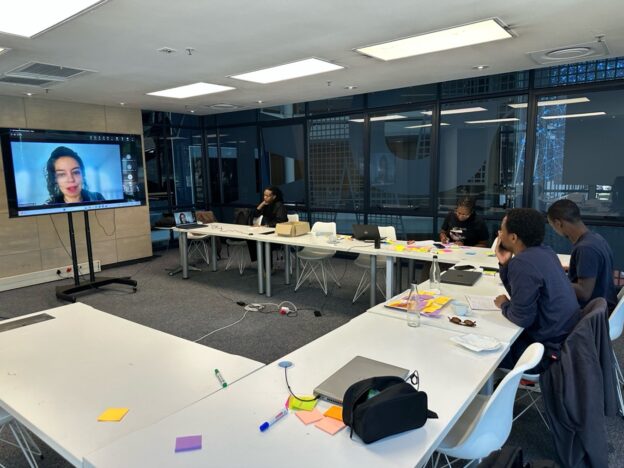
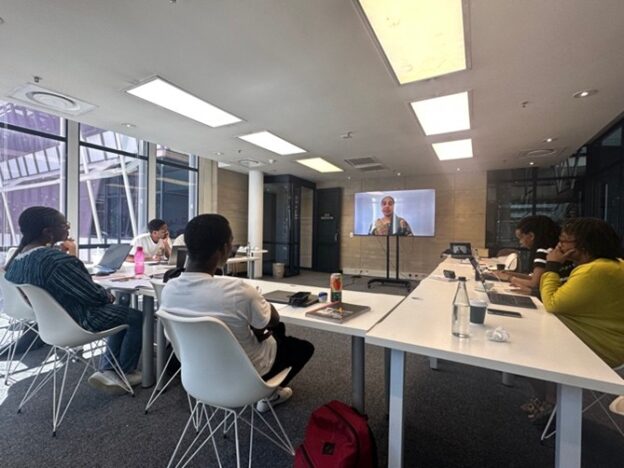
A hybrid session in January 2026 then extended the exchange transnationally, connecting the cohort with wider networks and contributing to a shared digital archive.
Co-Writing as Collective Practice
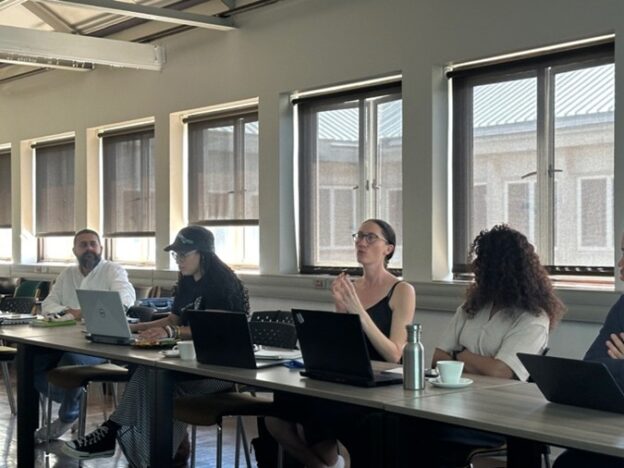
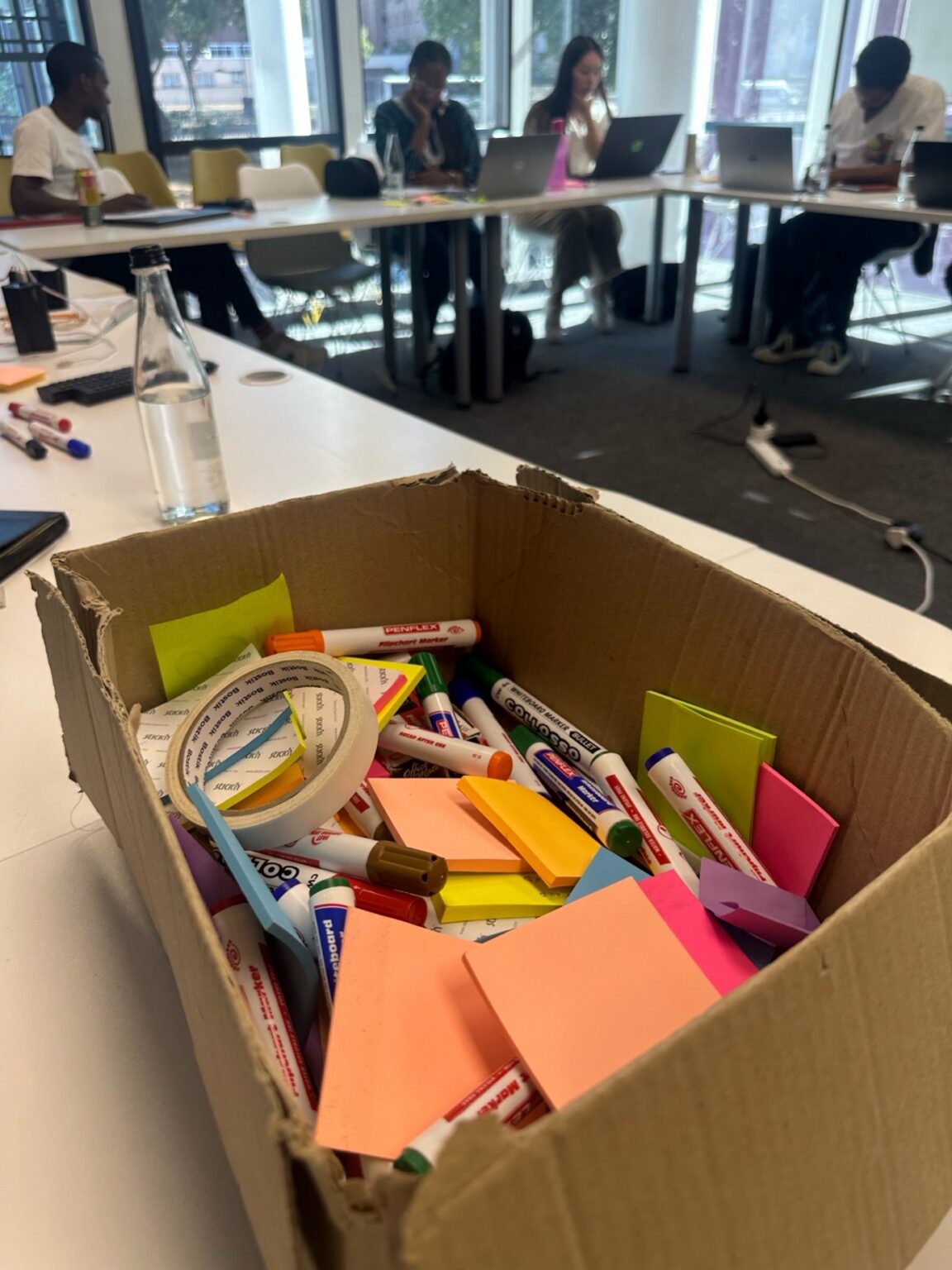
The workshops were conceived not as discrete events but as an ongoing, design-led process of working together. Grounded in spatial and visual methods, they created environments where thinking could happen collectively across physical and digital platforms, so that ideas could be drawn, mapped, shared, and reworked in real time.
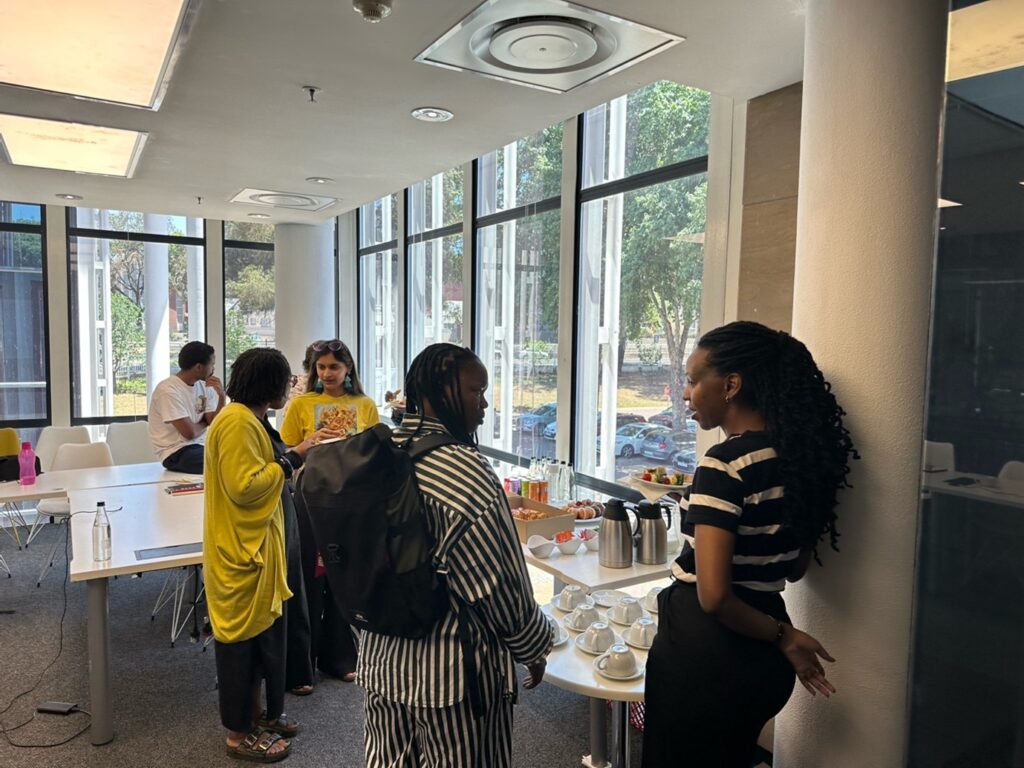
The gatherings brought together doctoral researchers, recent graduates, established scholars, and practice-based researchers from across Southern Africa. They were joined by voices from Egypt and Colombia engaging through the Southern Urban Practice platform. What emerged was a space of encounter rather than a conventional academic setting. Different experiences, positions, and forms of knowledge could meet there without being flattened into a single framework.
Visual tools were central. Mapping, diagramming, storytelling, and other spatial practices were more than representational techniques. They were ways of making ideas visible, relational, and open to exchange. Through them, participants worked across difference. They connected their research to lived realities and to one another, and built a shared language that moved between disciplines and contexts.
Co-writing thus became more than a technique. It became a way of building relationships through knowledge. The emphasis was less on individual outputs and more on reshaping the conditions from which those outputs could emerge, with collaboration, iteration, and shared authorship at the centre of the work.
A Cohort, a Network, a Platform
At the centre of this process is a carefully assembled cohort drawn from across the continent and its diasporas. Their work spans different stages of doctoral research, different institutional contexts, and different relationships to practice. What binds them is not disciplinary alignment but a shared commitment to questions of repair, spatial justice, and Southern urbanism.
Around this cohort, a wider network continues to form. The Maintenance Corner also hosts a parallel initiative, Writing Southern Urbanism(s), funded by the British Academy. It is led by Professor Catalina Ortiz (UCL Urban Lab) with Professors Nancy Odendaal (UCT) and Renato Emerson dos Santos (UFRJ), and it supports early-career researchers in Africa and Latin America through workshops in Rio de Janeiro (November 2025) and Cape Town (June 2026). The two projects serve different career stages, but together they form a pathway from doctoral research to scholarly publication. They share workshop materials, reading lists, and peer support.
Through shared documents, open calls, and evolving digital platforms, the work remains accessible and porous. Others can engage with, respond to, and build on it as it develops. The project is not contained within its participants. It is part of a broader effort to build a transnational community of practice.
Writing Against Extraction: Repair as a Way of Knowing
To speak of repair here is not to speak of fixing what is broken.
It is to speak of reweaving: reconnecting fragmented urban knowledges, re-engaging spatial actors long excluded from formal recognition, and building forms of knowledge that sustain rather than extract.
Maintenance, in this sense, is not secondary labour. It is an ongoing practice of attention, a way of staying with the city, and a refusal to abandon what is already in place.
Across Southern urban contexts, these practices are not exceptional, particularly in communities navigating systemic inequality and environmental precarity. They are everyday. They are how cities continue to function. Yet they are rarely written into the centre of architectural knowledge.
This project insists that they must be.
The conditions in which the work takes place make it more urgent. As the climate crisis intensifies, the uneven geographies of its impact are impossible to ignore. Africa contributes only a fraction of global emissions yet faces some of the most severe consequences: flooding, drought, food insecurity, and displacement. Still, dominant frameworks of sustainability continue to be shaped elsewhere, often imposed rather than co-developed.
Within this context, the extraction of knowledge mirrors the extraction of resources. Southern urban practices, particularly those held by grassroots practitioners, are frequently documented, circulated, and theorised without acknowledgement or return. They are rendered visible but not valued.
This project takes a different position. Sustainability, resilience, and urban futures cannot be designed from above. They must emerge from the existing practices of repair and maintenance that have long sustained urban life under conditions of neglect. To write from these practices is to engage in a form of epistemic resistance.
Toward a Collective Voice: Staying with the Work
The two strands now move toward a shared final convening: the Shaping Southern Urbanism(s) Symposium, a hybrid event later this year. Participants from both initiatives will share their writing with a broader audience through panels, public presentations, and a digital platform. There will also be a funders’ roundtable, an editorial workshop, and a collaborative writing sprint. Bringing the doctoral and postdoctoral trajectories together creates space for exchange across different stages of academic and practice-based work.
This is not simply an endpoint. It is a point of articulation, an opportunity to make visible something that has been forming across workshops, conversations, and shared encounters: a collective voice. That voice is not a singular or unified position but a set of relations, a way of thinking, writing, and working that remains open, contested, and in motion.
What has emerged across Johannesburg, Cape Town, and the hybrid engagements is more than a body of research. It is a commitment to co-production, repair, and maintenance, not only as subjects of inquiry but as the methods through which knowledge itself is produced. This has meant holding space for uncertainty, letting ideas develop through iteration, and recognising that knowledge is always shaped through encounter across disciplines, geographies, and lived experience.
The project does not offer a finished framework. It foregrounds an ongoing practice, one that understands the city, like knowledge, as continuously made and remade and as needing attention, negotiation, and care.
To write from the South, then, is not to arrive at clarity once and for all. It is to remain in relation to place, to others, and to the conditions that shape both, and to keep building from within those relations, collectively.
With Thanks
This work has been shaped by a remarkable group of participants whose engagements, questions, and practices have grounded and carried the project forward: Buhle Mathole, Dagnachew Amberbir Ketema, Leigh Maurtin, Lelentle Ramphele, Mathewos W. Gebreyesus, Megan Ho-Tong, Mohau Moidi, Ngillan Faal, Nikheel Joshi, Paul Devonish, Phadi, Priscilla Namwanje, Sailas Hussein Matamanda, Selalelo Ramohlale, Sisipho Nqadala, Siyabulela Keith Ntuntwana, Tapiwa Maruza, Thabisani Nzimande, and Zakiyyah H.
It has been equally shaped by the generosity of speakers and contributors who opened critical spaces for dialogue, reflection, and exchange: Dr. Omar Abolnaga, Tom Chapman, Dr. Heather Dodd, Dr. Katie Ewing, Dr. Sandra Felix, Dr. Alicia Fortuin, Dr. Amina Kaskar, Daanyaal Loofer, Leigh Maurtin, Dr. Nobukhosi Ngwenya, Professor Emmanuel Nkambule, Professor Nancy Odendaal, Professor Catalina Ortiz, Dr. Christine Price, Dr. Anna Selmeczi, Dr. Brigitta Stone-Johnson, and Dr. Afua Wilcox.
This collective effort was made possible through the support and collaboration of the International Journal of Urban and Regional Research Foundation (IJURRF), the British Academy, the African Centre for Cities, the University of Cape Town, the University of Johannesburg Graduate School of Architecture, UCL Urban Lab, and 1to1 – Agency of Engagement through the Asivikalane Campaign. A wider network of partners and practitioners committed to more just and reparative urban futures also made it possible.
Together, these contributions do not resolve the questions the project raises. They extend them. In doing so, they point toward a practice of Southern urbanism that is not fixed but continually unfolding, held together by the care of those who keep showing up to do the work.