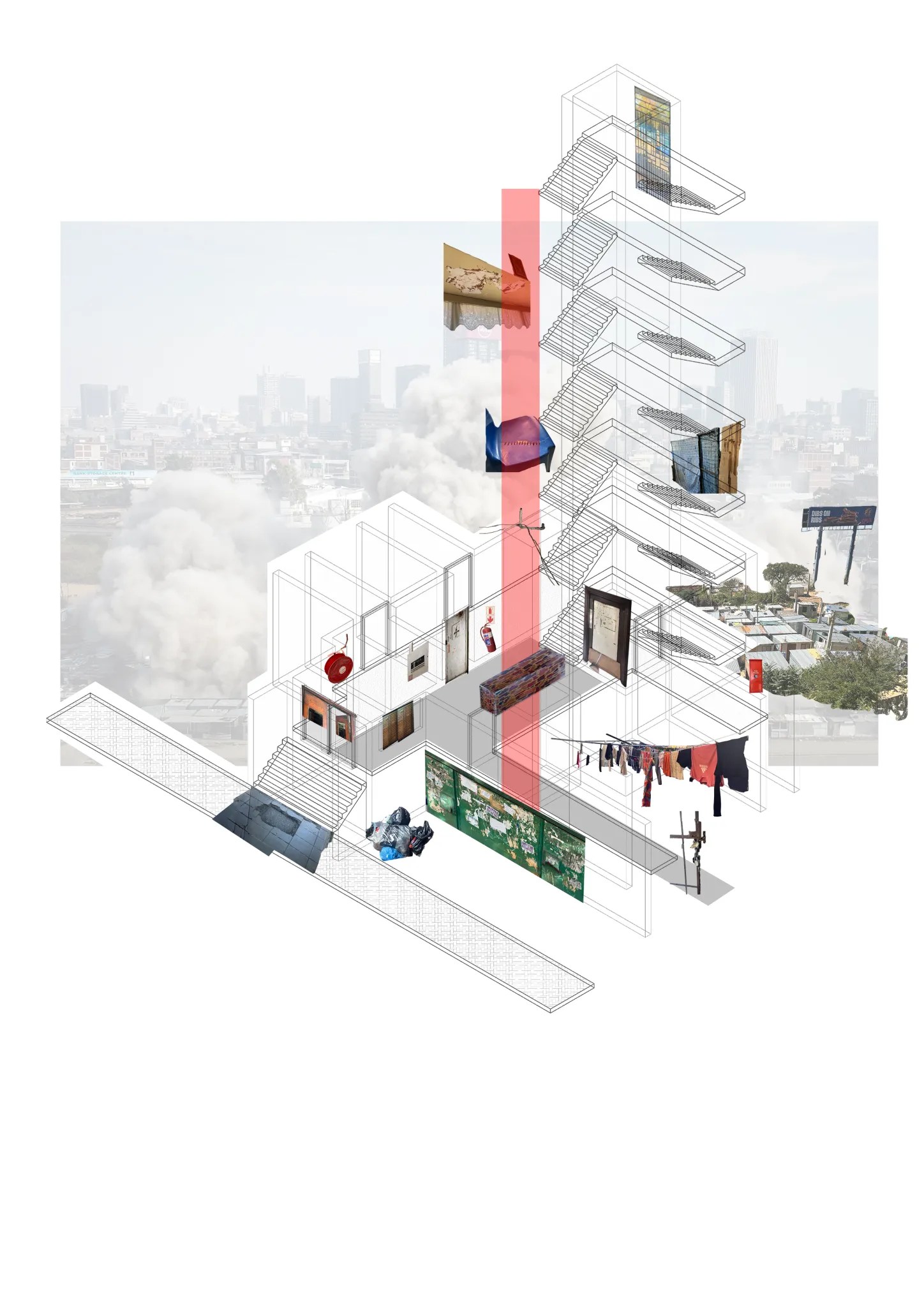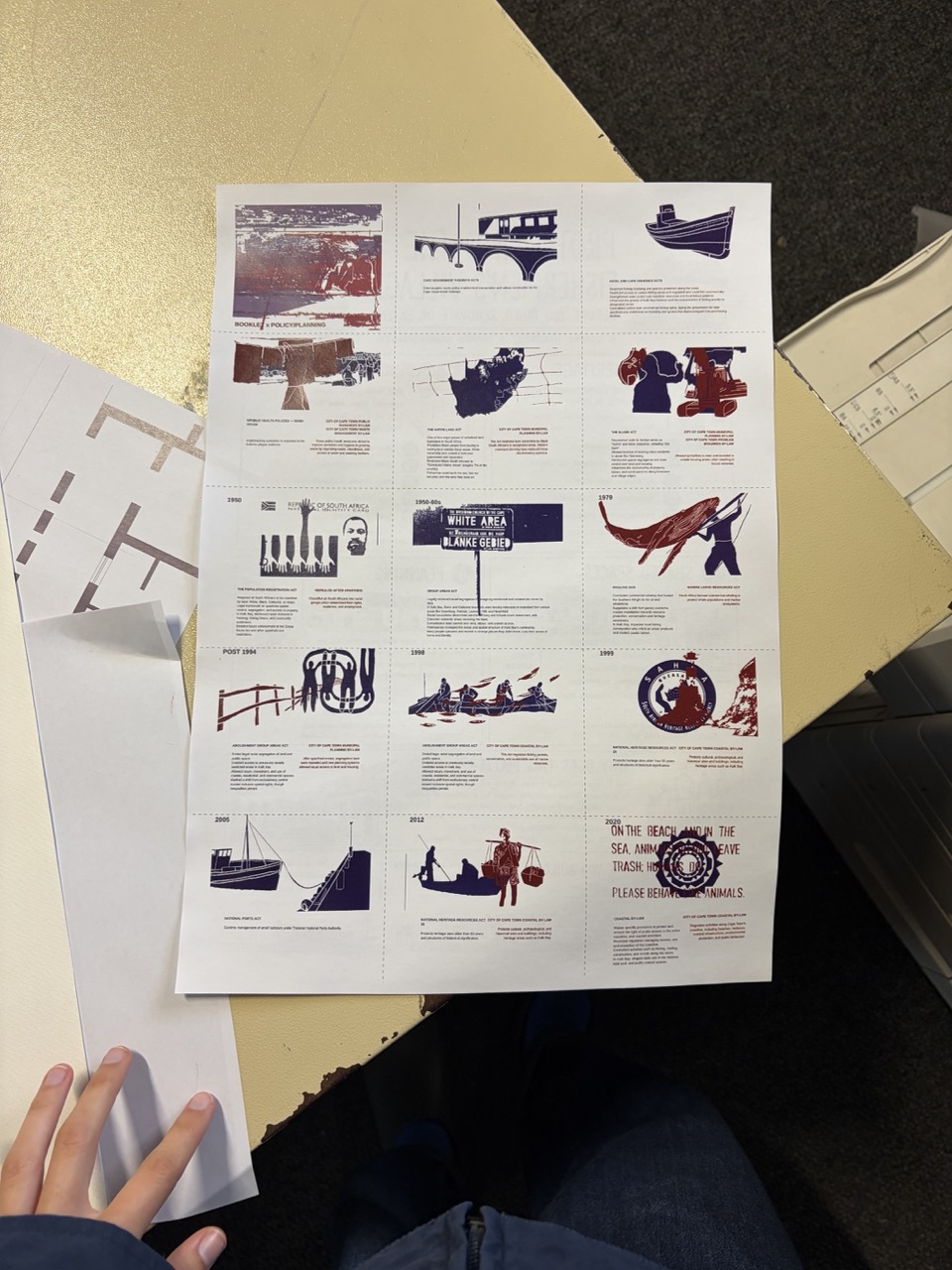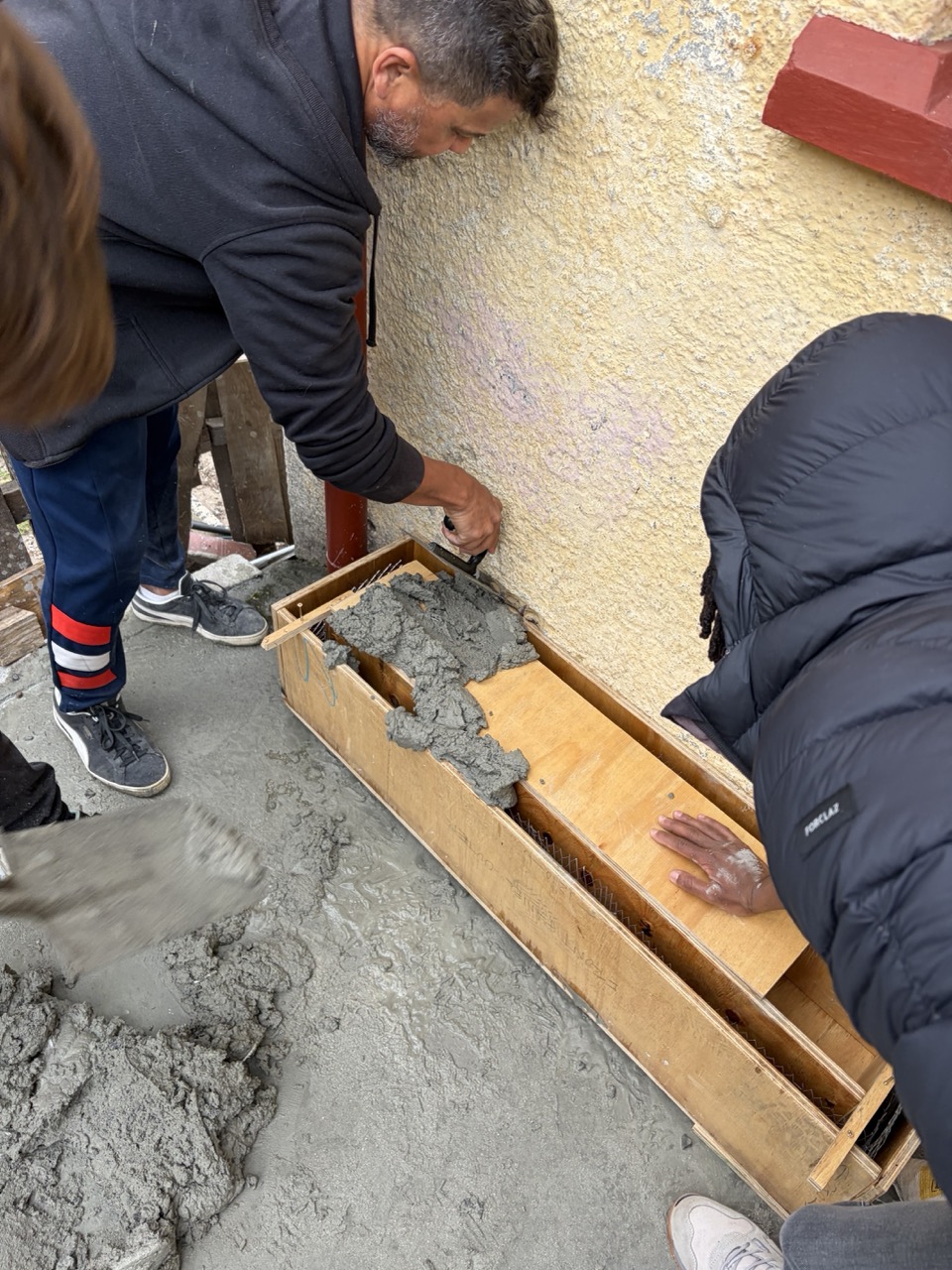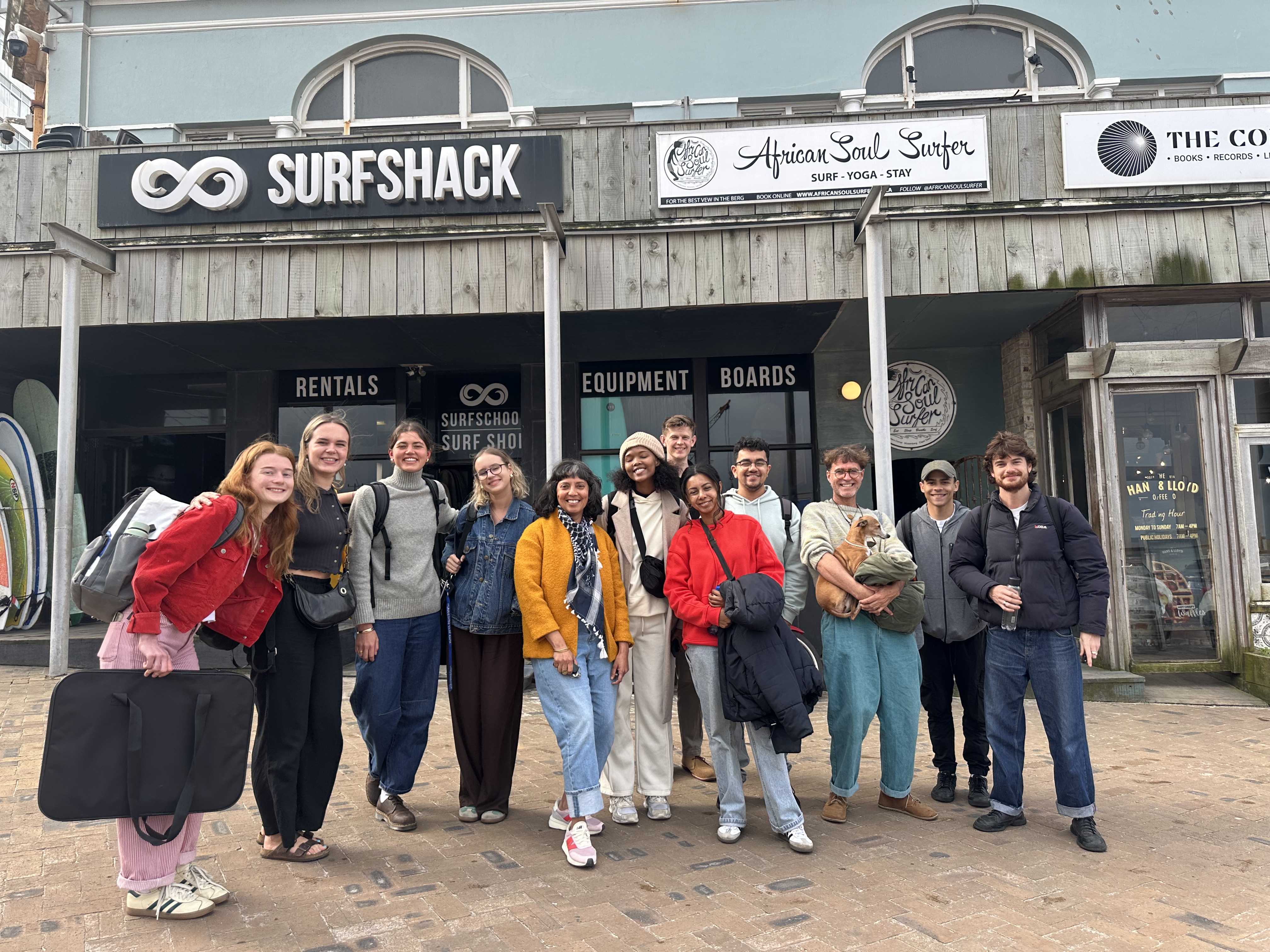
Repairative Architectures is a platform I have launched that develops repair as an architectural and urban practice. Repair here is not the restoration of a damaged building or system but an ongoing process, at once spatial, social, ecological, and political, through which environments, infrastructures, and relationships are continually maintained and renegotiated. That shift places care, labour, memory, adaptation, and everyday knowledge at the centre of how architecture is thought about, taught, and practised.
At its heart is a question about how architecture, urban design, and spatial research might work more carefully with existing conditions and with the people who already sustain them. How can designers support local knowledge, informal systems, and networks of care without displacing, simplifying, or extracting from them? In response, the platform approaches design as a collaborative and situated process, shaped through listening, observation, participation, testing, reflection, and return, and it recognises residents, workers, and local practitioners as knowledge holders rather than consultees.
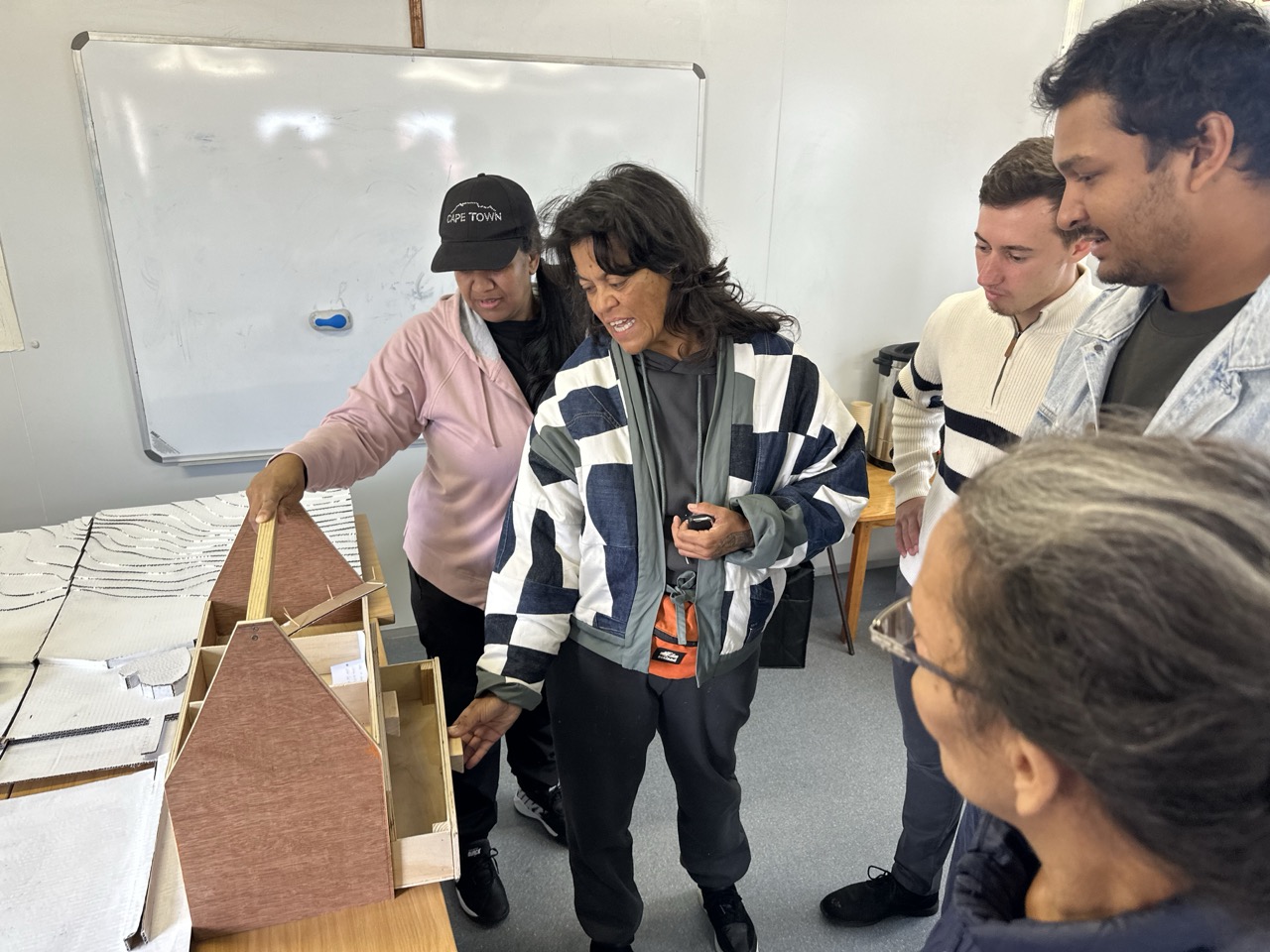
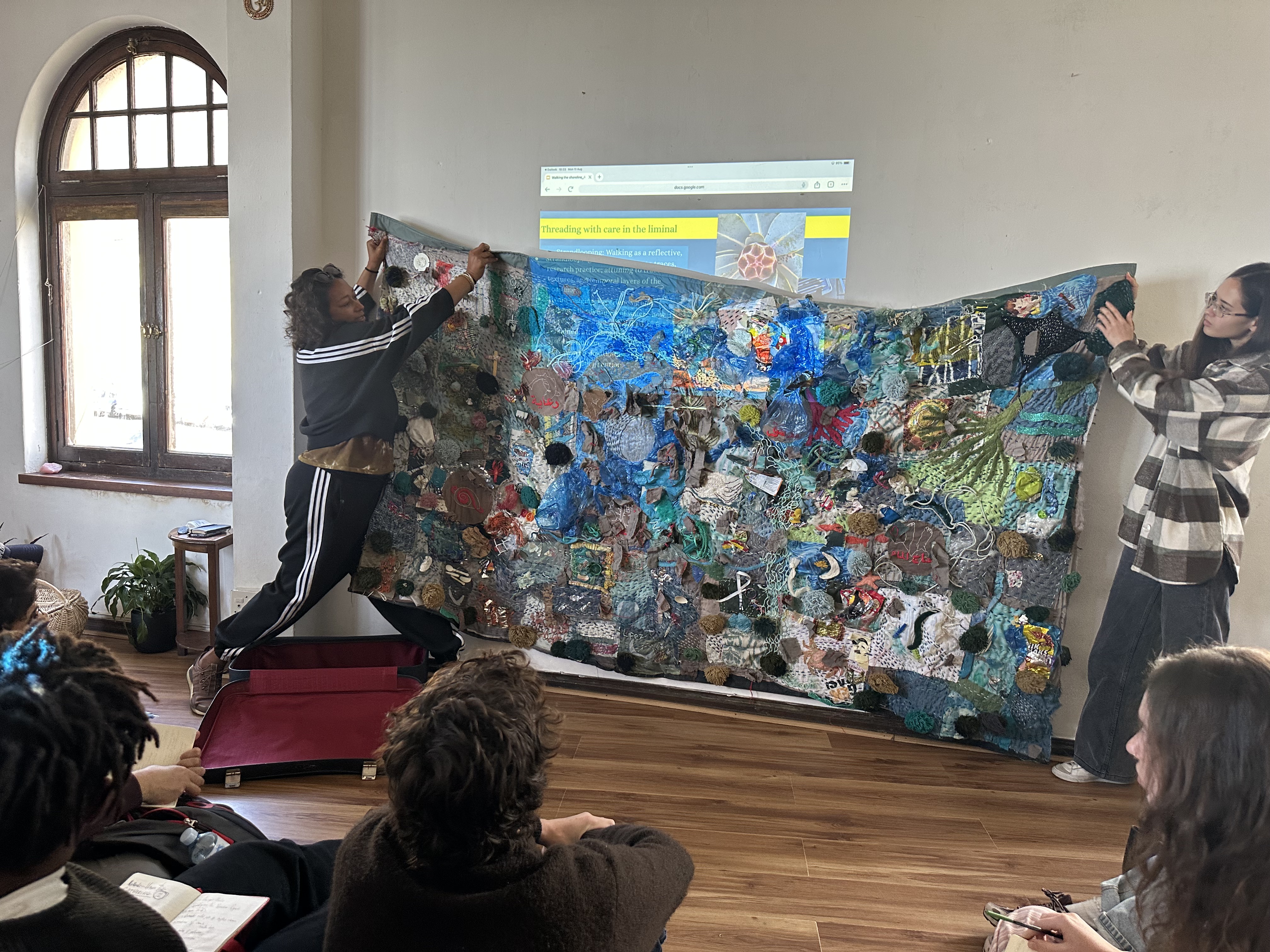
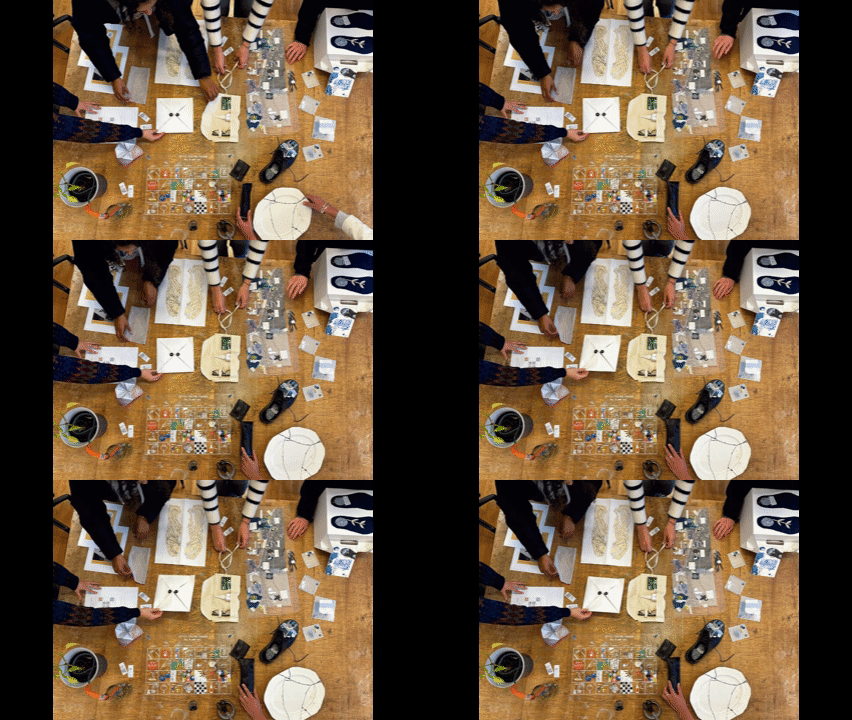
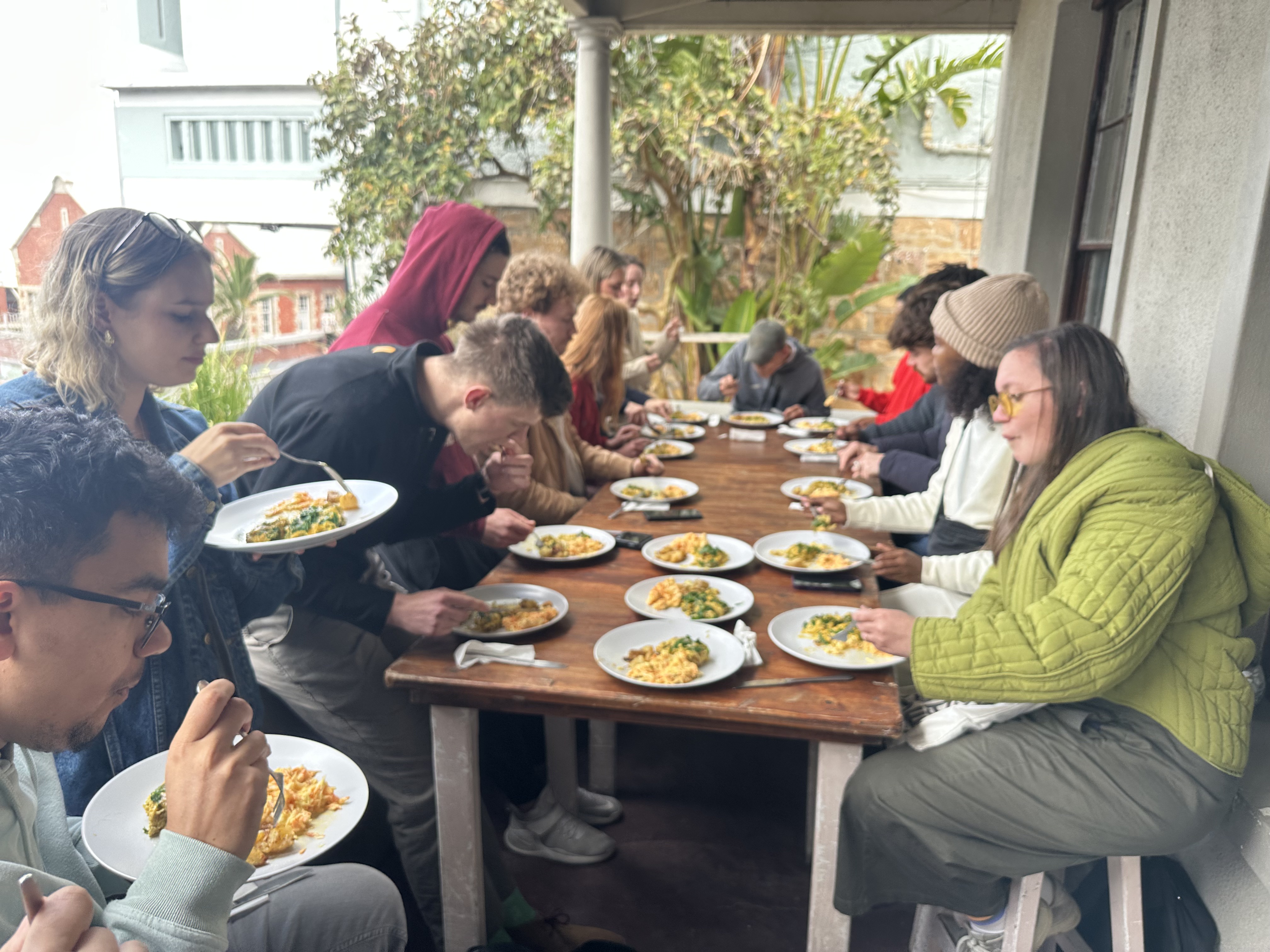
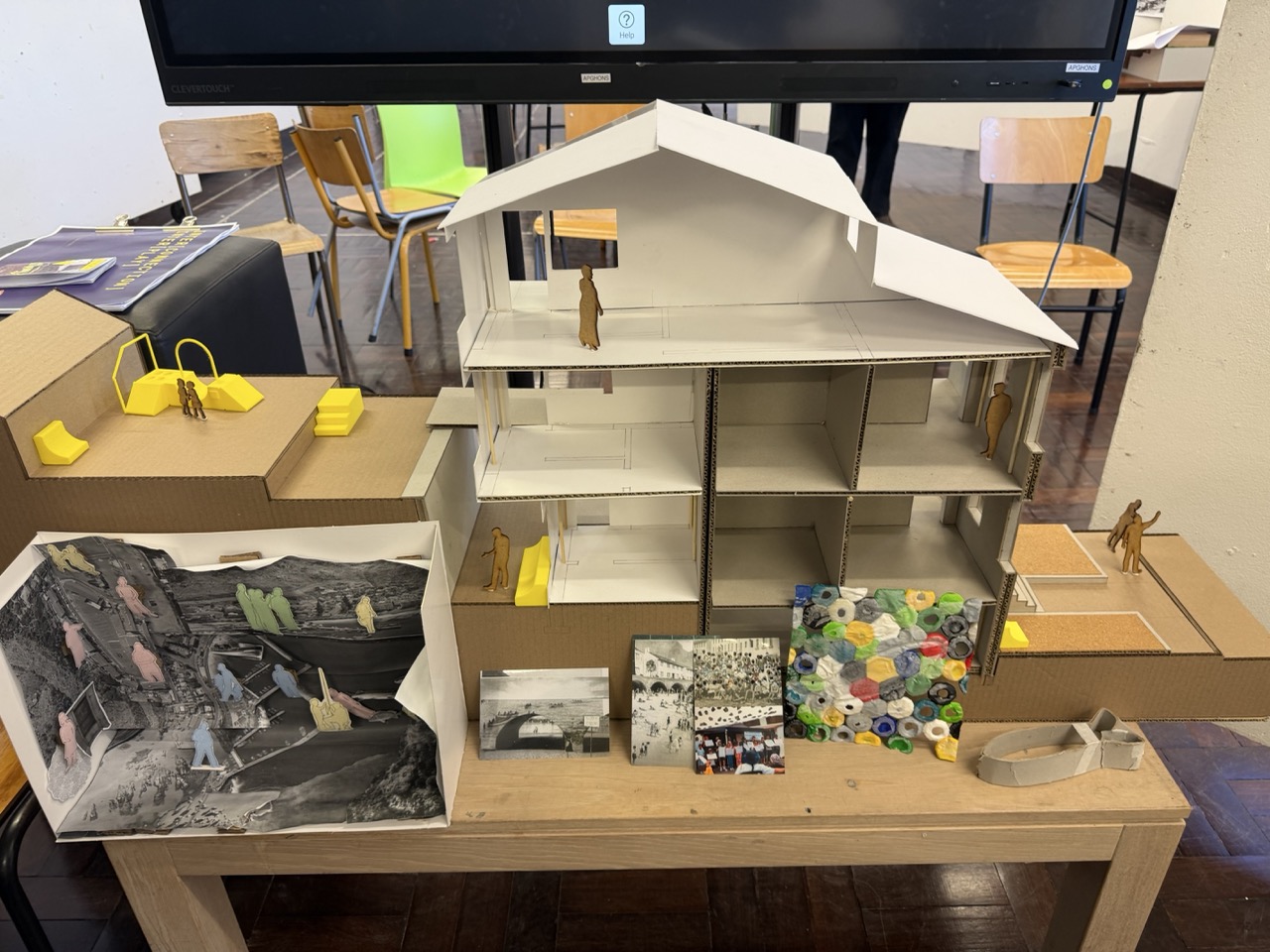
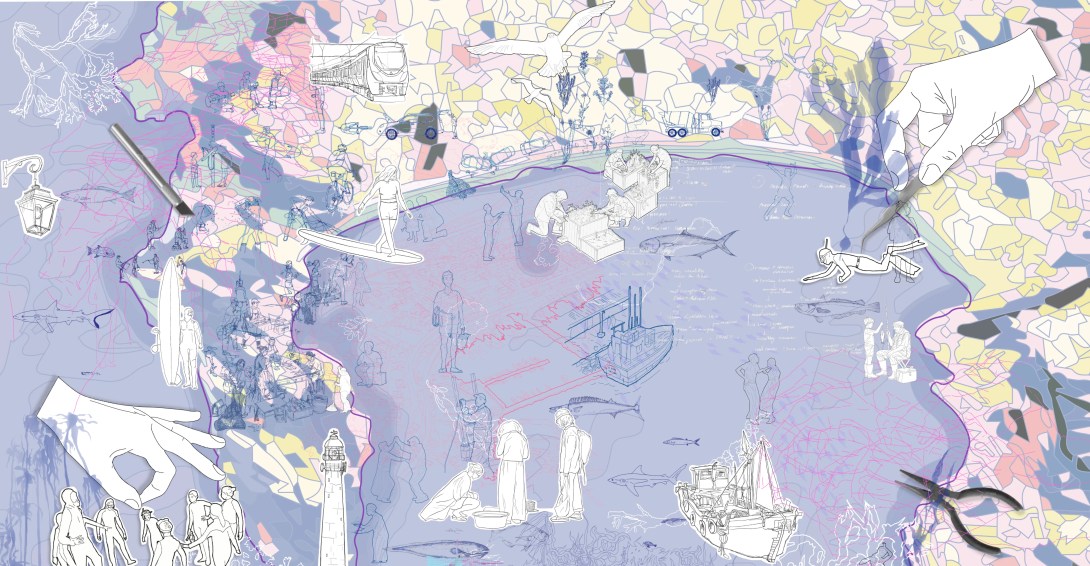
The work moves across the University of Cape Town’s School of Architecture, Planning and Geomatics, UCL, 1to1 – Agency of Engagement, and my own research practice, bringing student work, academic research, design experimentation, and long-term community partnerships into conversation. Its methods are relational and iterative (walking, mapping and counter-mapping, oral history, object-based inquiry, prototyping, and exhibition), with consent and reciprocity built into every stage.
The platform is made visible through a set of connected initiatives:
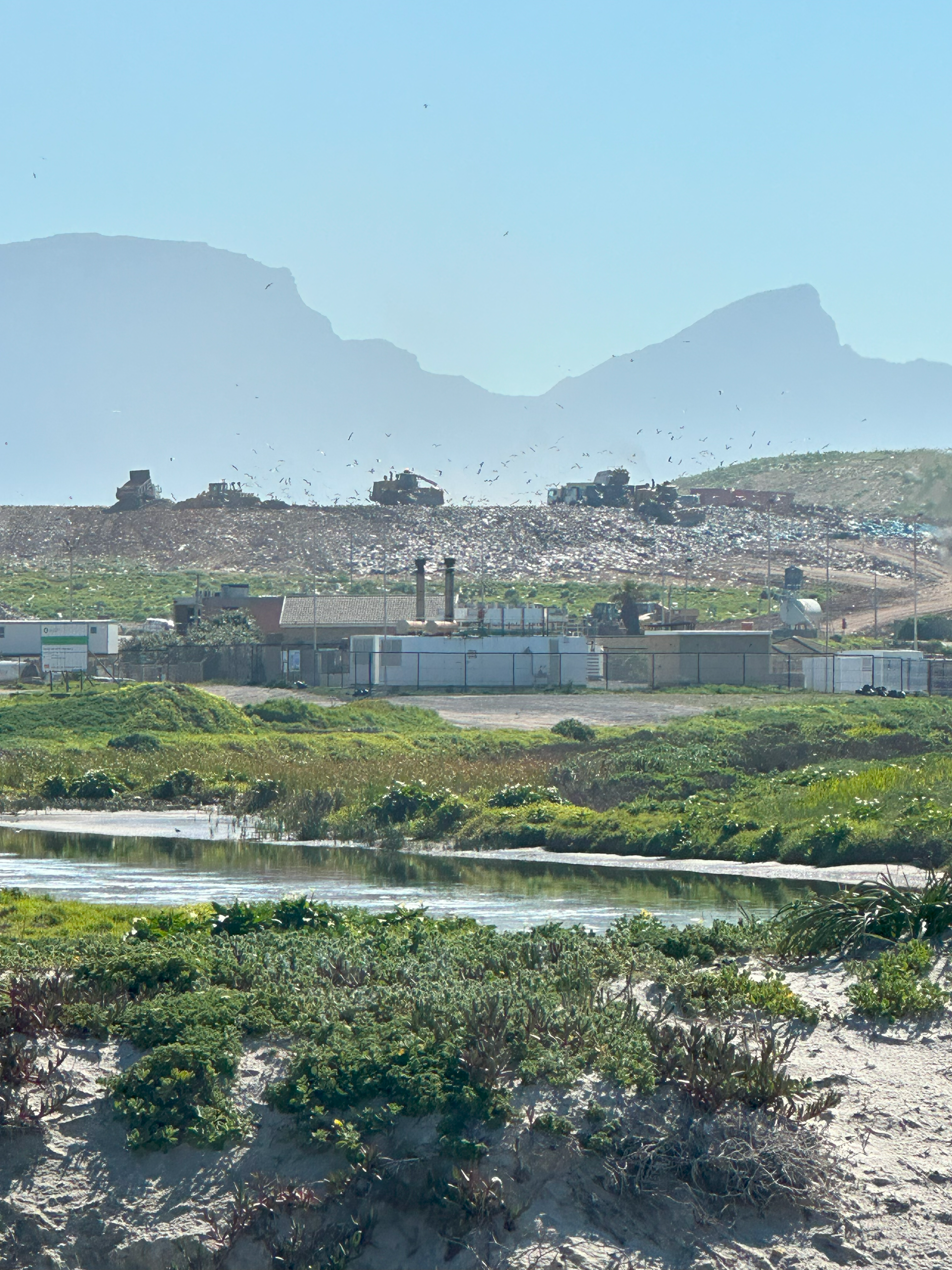
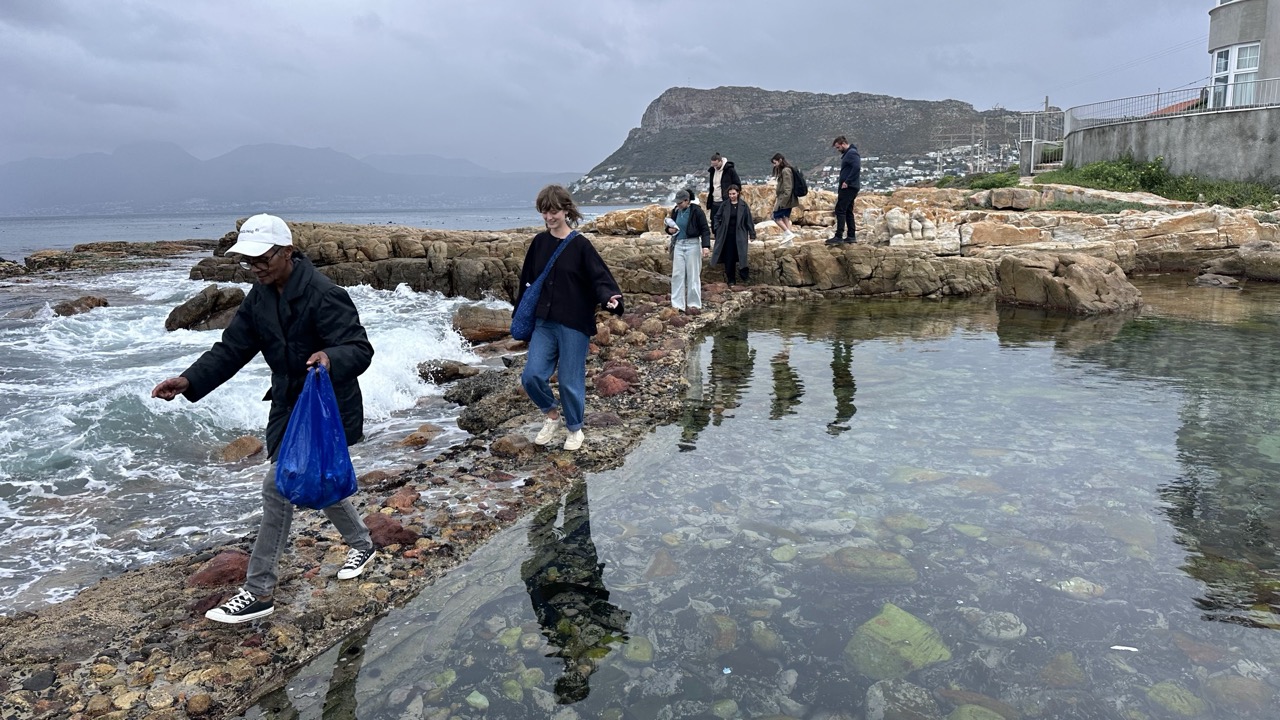
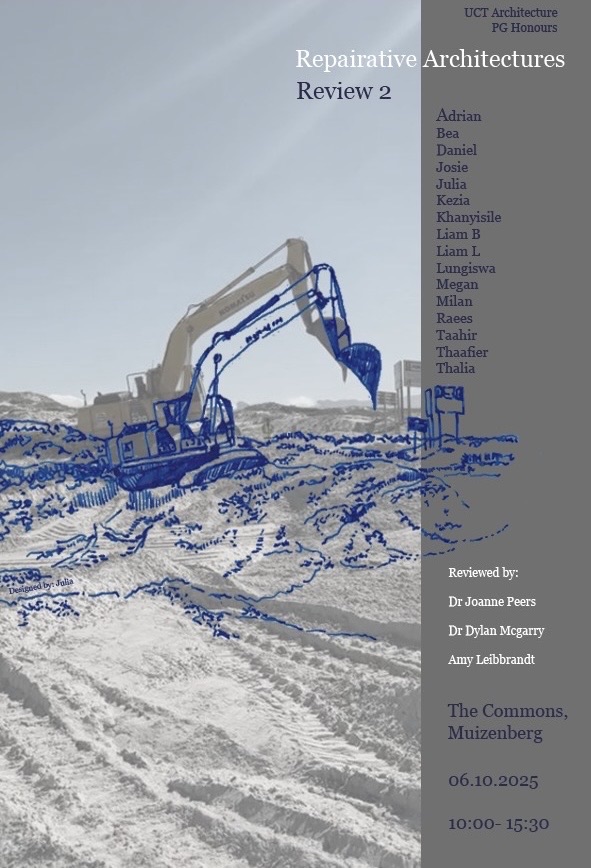
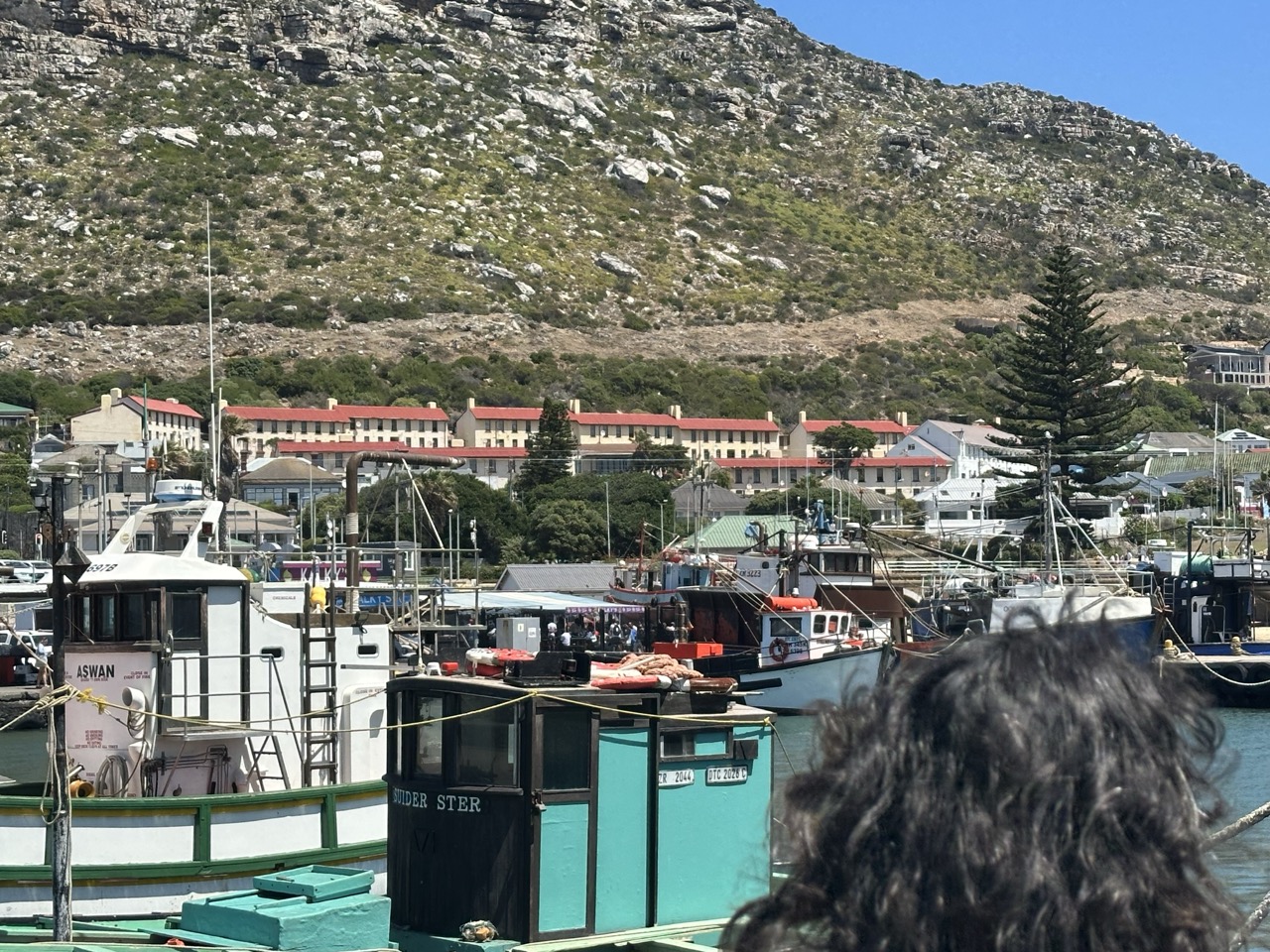
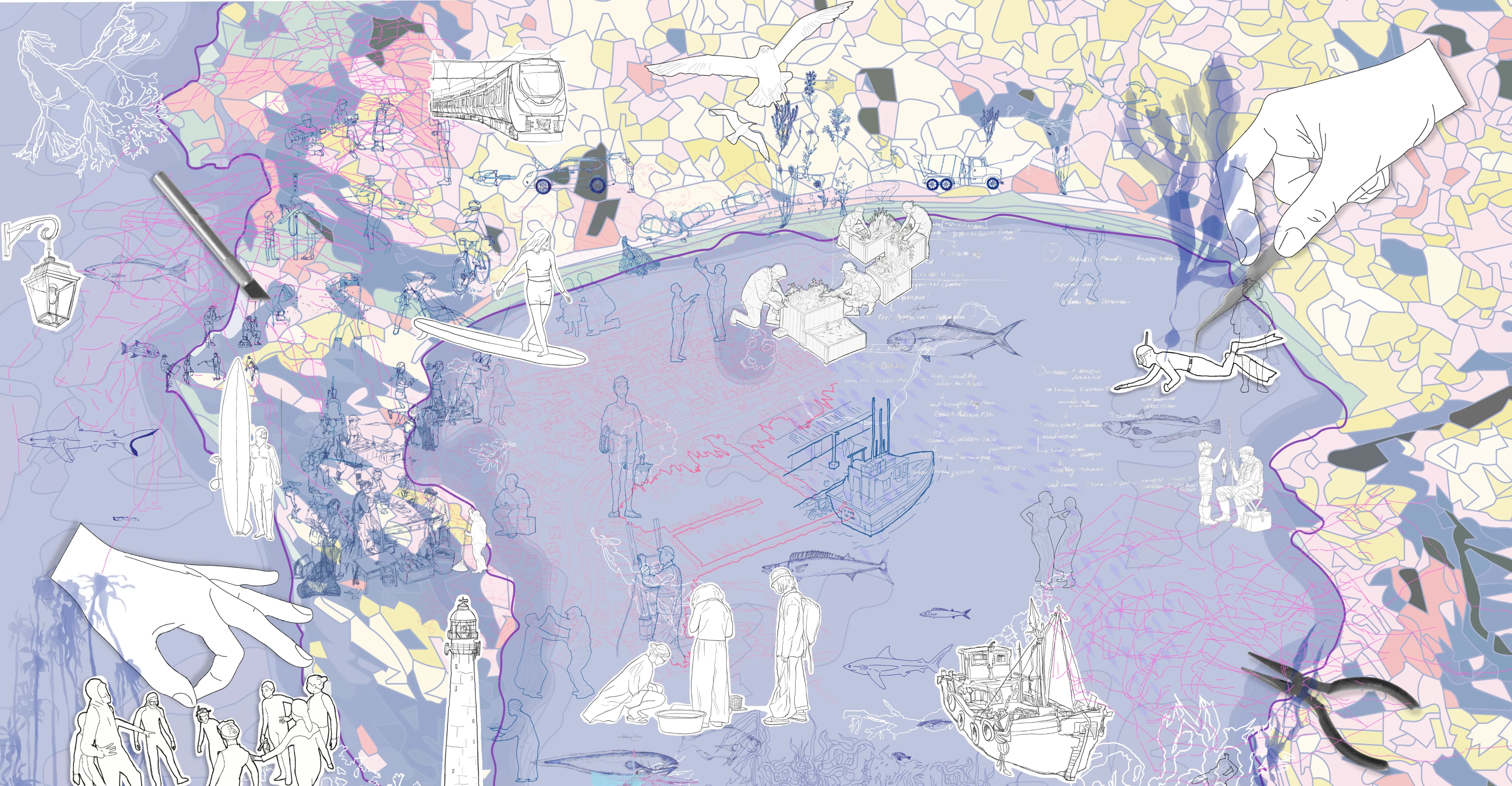
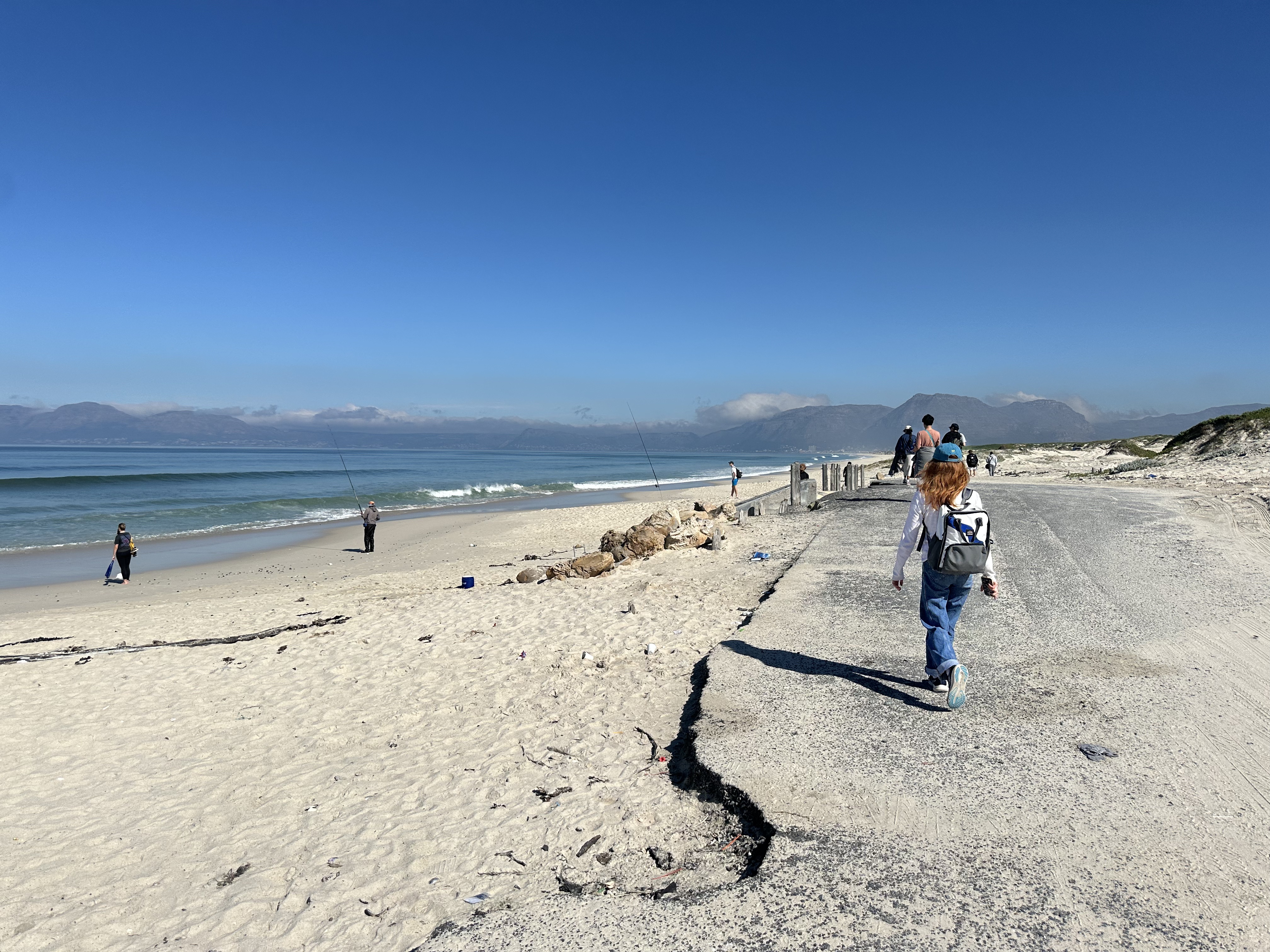
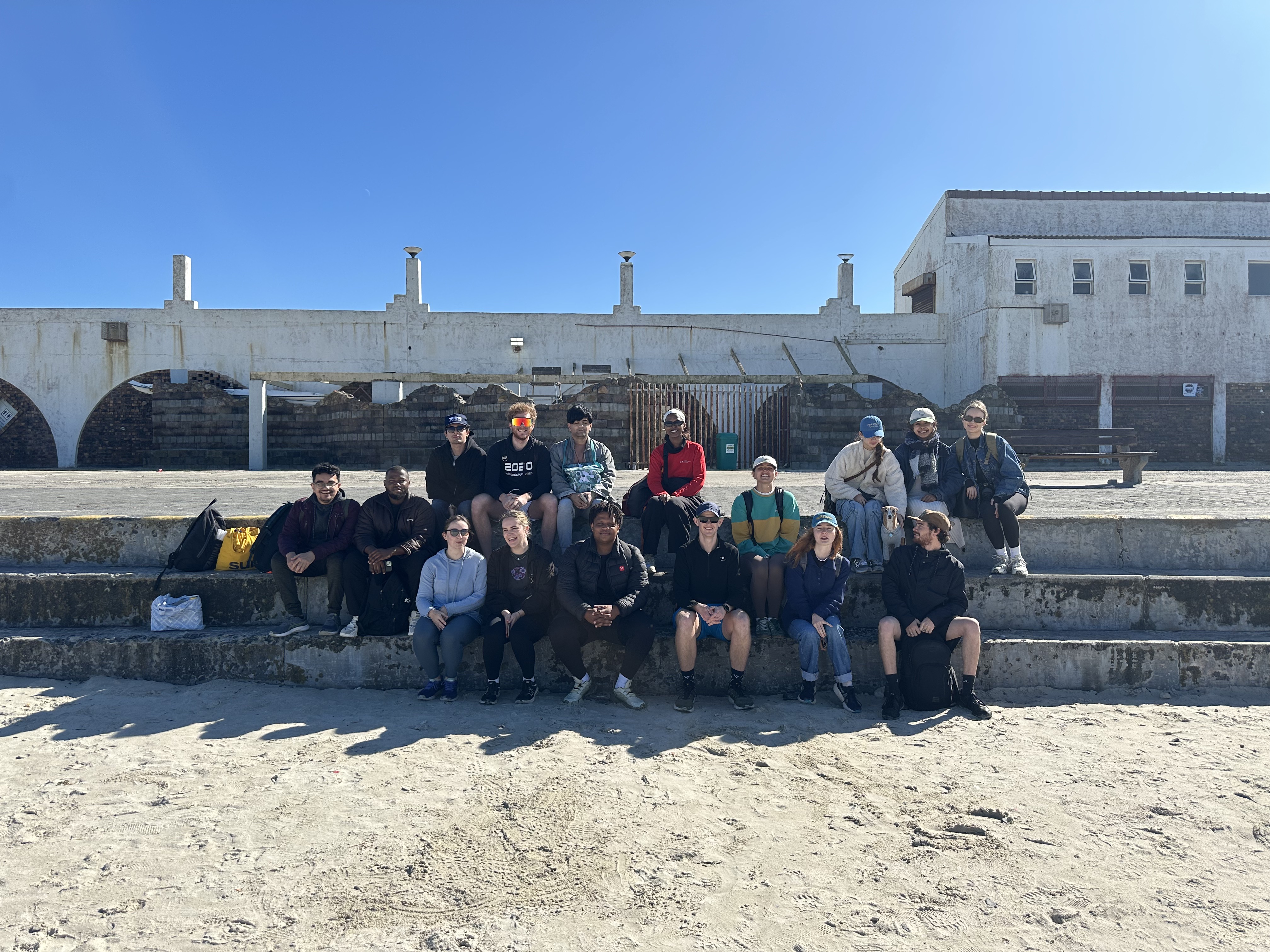
- Coastal Architectures of False Bay: Relational Inquiries into Repair, a UCT postgraduate teaching and research project using False Bay to explore repair as a coastal, ecological, and social practice through fieldwork and situated partnership.
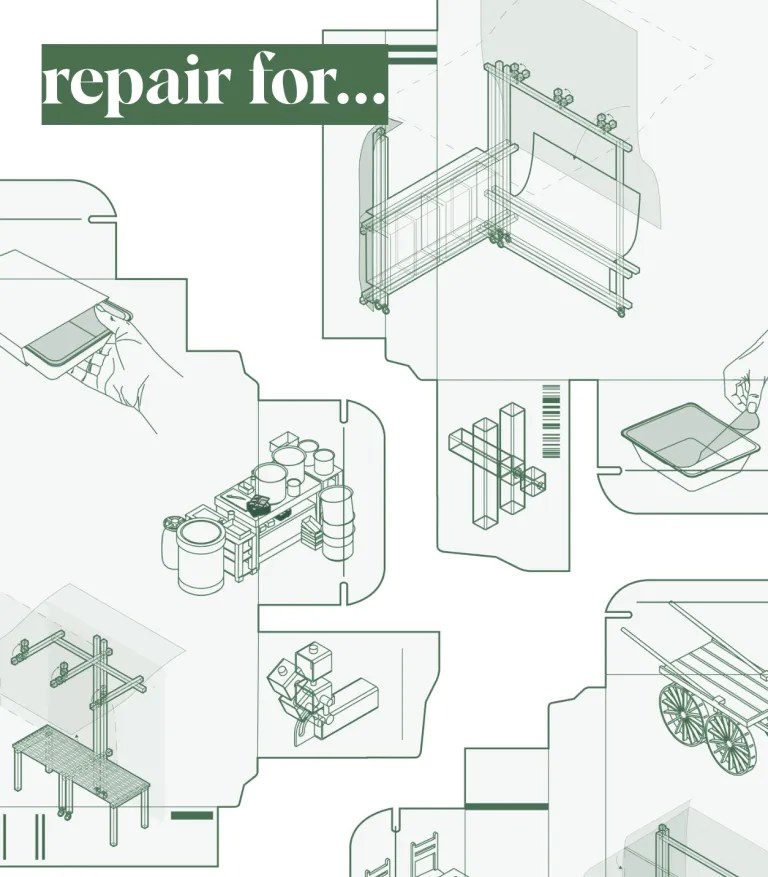
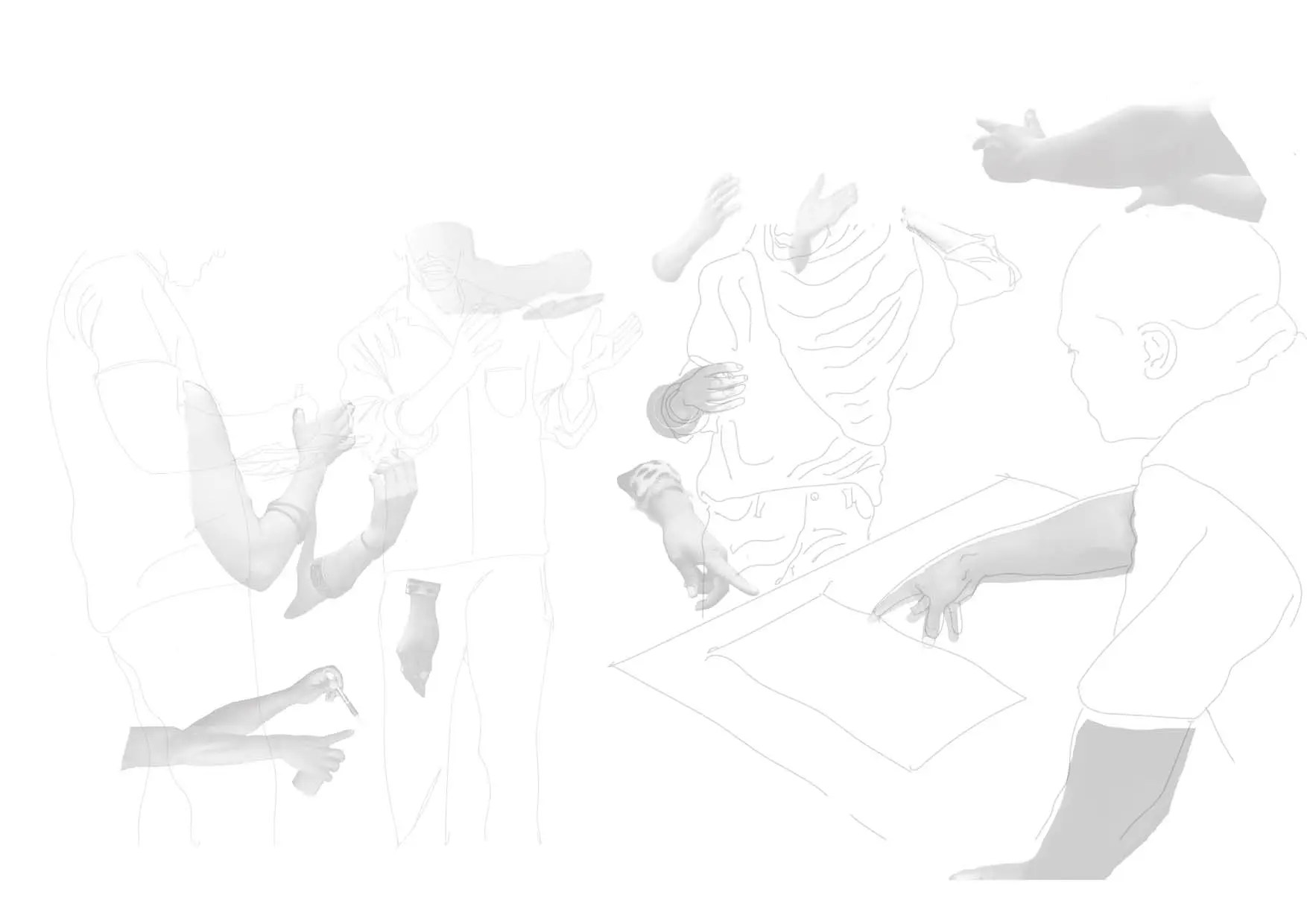
- Repair For, undergraduate work at the Bartlett, UCL, asking what repair is for, who defines it, and whose labour sustains it.
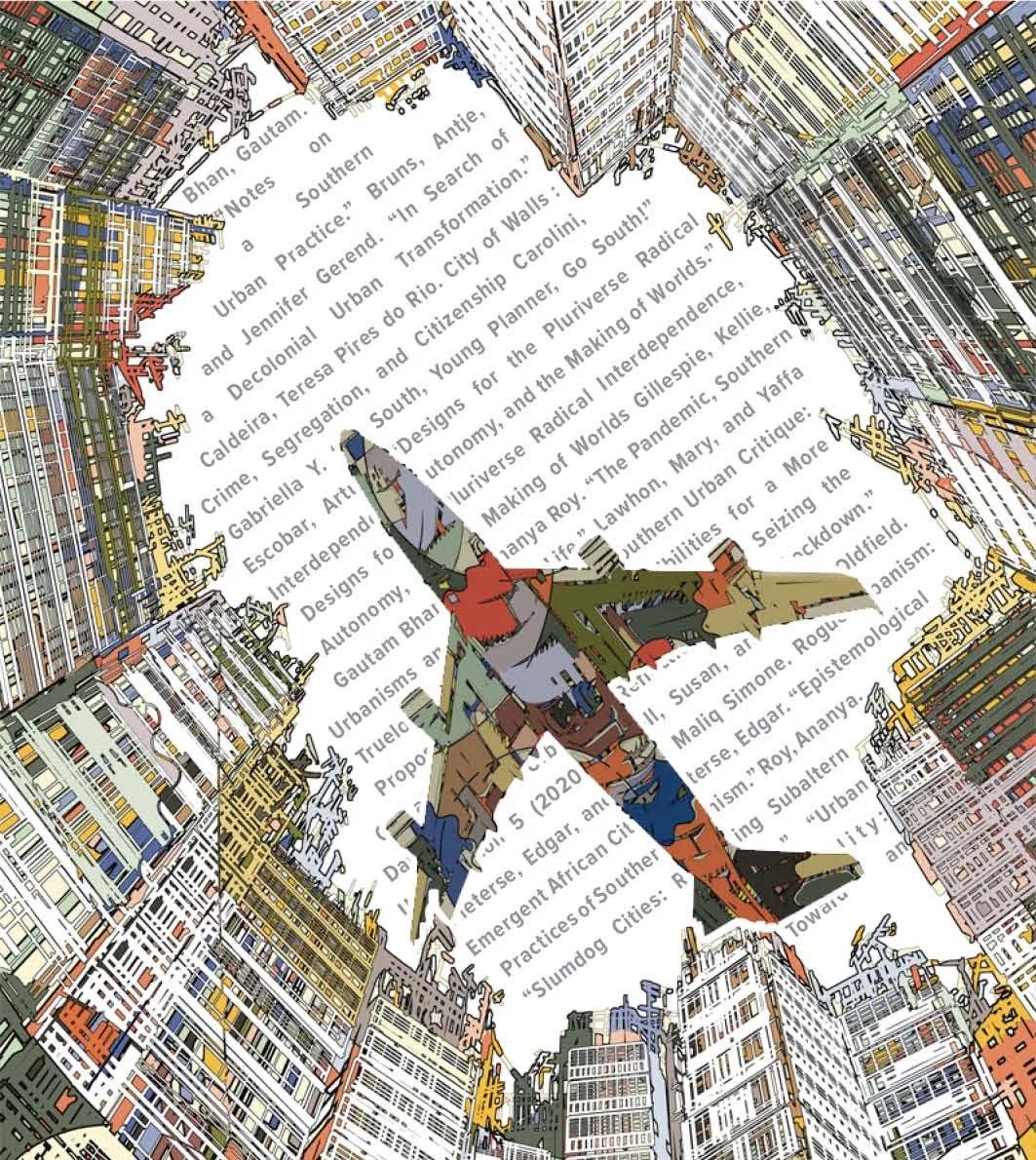
- A Southern Urbanist Maintenance Corner, a collective digital resource hosted with UCL Urban Lab, where Southern urbanist practitioners can re-supply, reflect, and repair their own practice.
- The Cost of Repair (forthcoming), my own research strand.
- Constellations of Southern Spatial Practice (forthcoming), a research strand with 1to1.
Across these strands, the platform approaches the South not as a fixed geography but as a relational position from which to think about inequality, care, informality, infrastructure, and climate, with knowledge moving in more than one direction between contexts.
Repairative Architectures is developed with collaborators Traci Kwaai, Lindsay Blair Howe, Maxwell Mutanda, Zachary Fluker, and Harshal Gulabchandre, and supported by the UCT Research Support Hub, The Commons, 1to1, CUSP, and Shark Spotters. Read more about the platform’s background and aims.