
The Situated Field Work Methods workshop series was designed to provide training and support to students towards conducting critically aware field research work. It was first iterated within the MAHUE Master’s programme at the Bartlett School of Architecture.
The workshops focused on utilizing critically positional, ethical, and innovative situated methods for research, catering to two distinct groups of students: those actively engaged in field work seeking to enhance their skills, and those interested in diverse research methods applicable across disciplines. Students honed their ability to position themselves in the research process with a keen awareness of their impact on others and the environment.
The workshops fostered a collaborative and multidisciplinary environment, encouraging collective learning and diverse perspectives. Graduates emerged as adept researchers equipped with specialized skills and ethical responsibility, ready to address real-world challenges with confidence and integrity.
The workshop series covered the challenges and opportunities in conducting research activities in the field. It helped students develop creative and positionally critical approaches to research by identifying necessary skills, knowledge sets, and contextual gaps. Students co-developed methods and techniques specific to their chosen project within the built environment disciplines.
The workshop series had a strong focus on developing self-awareness and understanding of others within the research process. Students learned how to navigate and engage with the research context through the Field Work Approach, and they were encouraged to unleash their creativity in designing innovative research methods through Creative Method Development. Collaboration with others in research production was a key aspect emphasized during the Collective Learning/Making sessions.
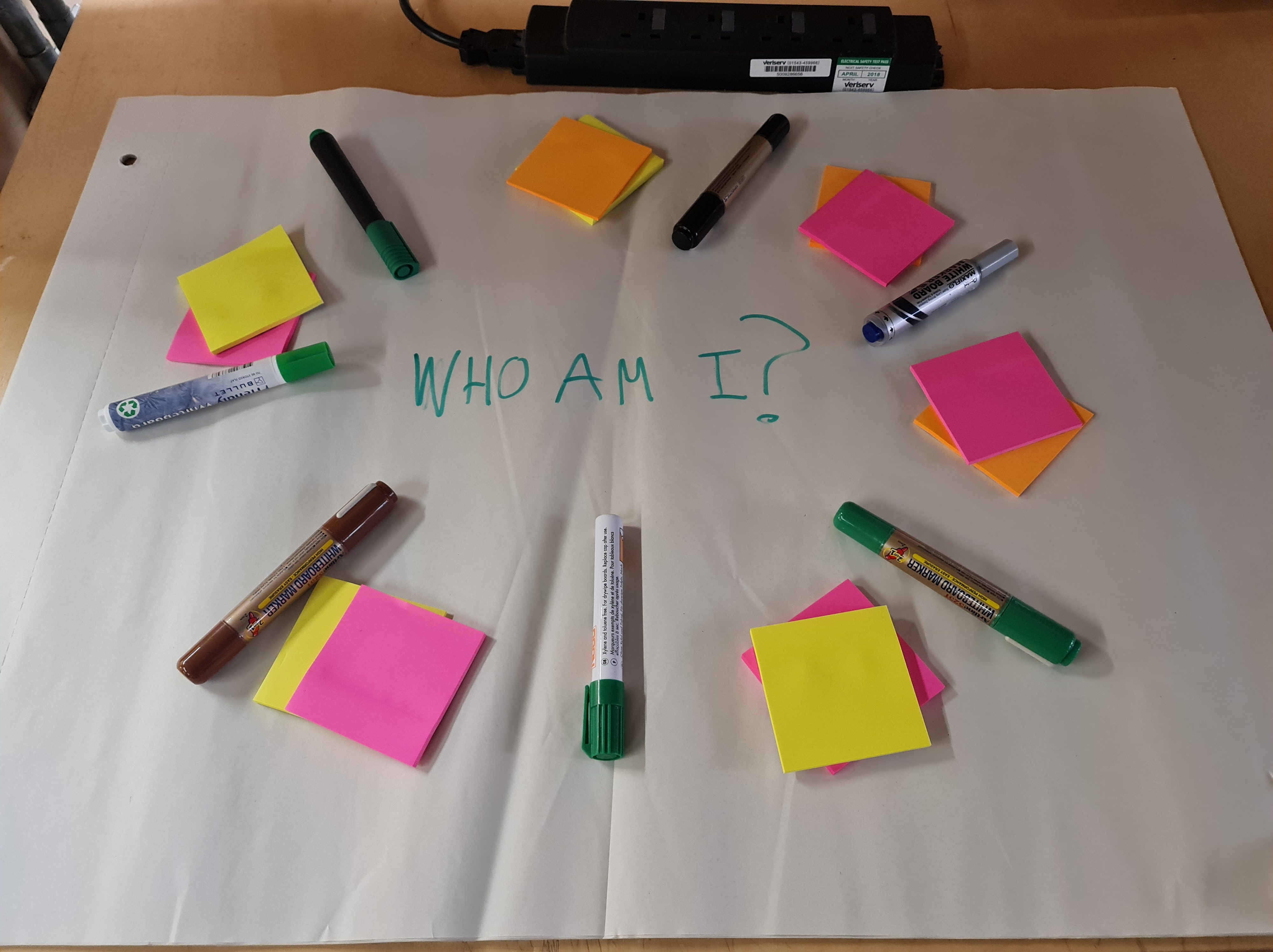
The overarching goal of the workshop series was to familiarize students with the complexities of ethically critical field work while empowering them to craft their unique approaches to research. The workshops emphasized the importance of producing ethically responsible, rigorous, and relevant research outcomes.


To achieve these objectives, the workshop series encompassed various learning activities, including seminars, group discussions, and co-developed tutorials. Throughout the workshops, students diligently worked on their Field Work Research Toolkit, which was tested on site and managed through group tutorials. The technical complexity of the toolkit was tailored to cater to the students’ comfort levels, ranging from handwritten questionnaires to sophisticated mobile applications.


Throughout the workshop series, students achieved a diverse range of learning outcomes. They developed a deep understanding of the complexities involved in field research work and recognized the significance of positionally critical research methods. Exploring various principles, theories, and concepts related to field research, they honed their skills and created personalized approaches to conducting research. Proficient in planning, preparing, and collecting information using contemporary methods like interviews, observation, documentation, and data collection, they prioritized safety for themselves and their research subjects.


The aim of their process was the creation of the comprehensive Field Work Research Toolkit, a collective effort refined through tutorials with the tutor, tailor-made to suit each student. Formative assessments provided valuable feedback during group tutorials, while the summative assessment centered on producing the toolkit in the students’ preferred format, providing crucial support for their major modules.


 Jhono Bennett